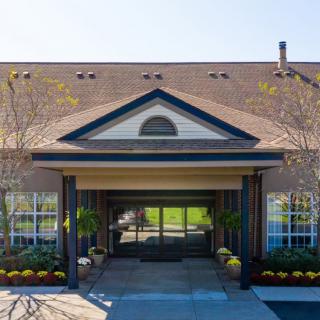
Acute Services is an assisted living community in Ann Arbor, MI.
Information last verified:
4075 Packard, Ann Arbor, MI 48108
For more information about senior living options: (866) 208-4318
2.8 from 108 reviews
5 stars
46
4 stars
1
3 stars
1
2 stars
9
1 stars
51
Acute Services Costs & Pricing
When examining the costs for Acute Services, Washtenaw County's pricing for a private room stands at $3,700 per month. This figure reflects a slight premium compared to the county average of $3,385, yet remains competitively aligned with the broader state rate of $3,675. These variances suggest that while Washtenaw County may offer enhanced amenities or services justifying the higher cost, it also highlights the region's commitment to maintaining quality healthcare standards in comparison to both local and state benchmarks. Ultimately, individuals seeking acute care will need to weigh these financial considerations against the level of service and care they anticipate receiving in different settings.
Floor plans
Acute Services
Washtenaw County
Michigan
Private
$3,700
$3,385
$3,674
Assisted Living communities with a similar price nearby
Residents highlight on-site pharmacy and lab support as a major convenience.
Multiple reviewers mention that care is supported by on-site pharmacy services and in-house lab/blood draw. For people who want to avoid coordinating with separate locations, that combination shows up as a practical benefit in their day-to-day experience. This aligns with the community’s focus on hands-on coordination for medical needs and medication handling.
common18 reviews mention this
Care team feels kind and supportive
Many reviewers describe the care team as kind, attentive, and supportive.
A strong thread across reviews is that staff and clinicians treat residents with care and respond with compassion. Several comments single out friendly nurses, helpful office staff, and providers who listen, explain, and follow through. While experiences aren’t uniform, the positive impressions of day-to-day support are consistent enough to stand out.
caveat22 reviews mention this
Scheduling and call responsiveness
A recurring concern is difficulty reaching staff and getting timely appointments.
Several reviewers report problems with the phone/call process and getting help when they need it, including unanswered calls or issues with referral and appointment follow-through. Others describe last-minute reschedules or cancelled visits, plus long waits even when they had an appointment time. In combination, these complaints point to a workflow that can be frustrating for people trying to coordinate care.
caveat16 reviews mention this
Refills and prescription coordination
Residents frequently mention prescription refills and medication coordination problems.
A clear pattern in the reviews is trouble getting prescriptions refilled or processed as expected, including delays, missed requests, or refills not being sent to the right place. Some reviewers describe having to repeatedly contact the office, while others say they experienced disruptions serious enough to be concerning. Even when clinicians are described positively, medication follow-through is where many reviews turn negative.
How we summarize
Counts show how many written reviews mention each theme; a review can touch several themes, and only frequently mentioned themes are displayed.
Features
Housing
6 resident community capacity
Types of Care
Assisted Living
Amenities
Cable or satellite TV
Dining room
Fully furnished
Garden
Housekeeping services
Move-in coordination
Outdoor space
Telephone
Wi-Fi/high-speed internet available
Transportation
Detroit Metropolitan-Wayne County (17 miles away)
Care Services
24-hour supervision
Activities of daily living assistance
Assistance with bathing
Assistance with dressing
Assistance with transfers
Coordination with health care providers
Diabetes diet
Meal preparation and service
Medication management
Special dietary restrictions
Transportation arrangement (medical)
Transportation to doctors appointments
Dining
Diabetes diet
Special dietary restrictions
Activities
Community-sponsored activities
Scheduled daily activities
Nearby Places of Interest
Pharmacies
CVS Pharmacy (0.2 miles)
Kroger Pharmacy (0.3 miles)
CVS Pharmacy (0.7 miles)
Meijer Pharmacy (0.8 miles)
Clark Professional Pharmacy (1.1 miles)
Rite Aid (1.1 miles)
Walgreens (1.2 miles)
Physicians
U S Medical Management (0.2 miles)
Christensen Carl W MD - Christensen Carl W, MD (1.1 miles)
Bio Energy Medical Center (1.1 miles)
Michigan Sportsmedicine and Orthopedic Center (1.2 miles)
Ayers Jonathan W T MD (1.3 miles)
Huron Ophthalmology (1.7 miles)
Trinity Health IHA Medical Group, Cardiovascular & Thoracic Surgery - Ann Arbor (1.8 miles)
Hospitals
Affiliated Podiatrists PC (0.2 miles)
St Joseph Mercy Hospital (1.8 miles)
Serenity Home Care & Rehab Services (2.3 miles)
VA Ann Arbor Healthcare System (3.4 miles)
C.S. Mott Children's Hospital (3.5 miles)
Ped Cardiology Cs Mott (3.5 miles)
University of Michigan Von Voigtlander Women's Hospital (3.5 miles)
When examining the costs for Acute Services, Washtenaw County's pricing for a private room stands at $3,700 per month. This figure reflects a slight premium compared to the county average of $3,385, yet remains competitively aligned with the broader state rate of $3,675. These variances suggest that while Washtenaw County may offer enhanced amenities or services justifying the higher cost, it also highlights the region's commitment to maintaining quality healthcare standards in comparison to both local and state benchmarks. Ultimately, individuals seeking acute care will need to weigh these financial considerations against the level of service and care they anticipate receiving in different settings.
The article compares assisted living and skilled nursing facilities, detailing their differing levels of assistance, medical support, cost structures, and day-to-day experiences. It emphasizes that assisted living is for those needing help with daily activities while maintaining independence, whereas skilled nursing facilities provide intensive medical care with 24-hour staff supervision.
The transition from assisted living to skilled nursing care is often prompted by complex medical needs that assisted living cannot meet, with key indicators including frequent health declines, increased falls, severe memory issues, and caregiver burnout. Families should recognize these signs early to discuss options with healthcare providers and prepare for the emotional and logistical aspects of moving to a facility that offers comprehensive medical support.
Vibrant Senior Living emphasizes active senior living communities that promote independence and engagement through diverse amenities and activities, fostering wellness and social interaction among older adults. These communities range from independent to assisted living, with a focus on personal growth, family involvement, financial planning, and leveraging technology to enhance residents' experiences.
Get PricingAsk A QuestionSchedule A TourContact Senior Advisor
By clicking submit, you agree to our Partner's Terms of Use. You
also consent to receive calls and texts, which may be autodialed, from our Partner. Your consent is not a condition to
using our Partner's service. Please visit our Partner's Privacy Policy for information about their privacy practices.

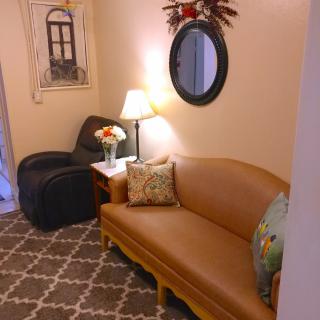
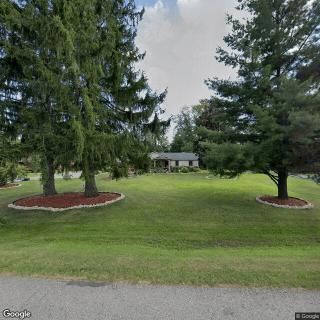
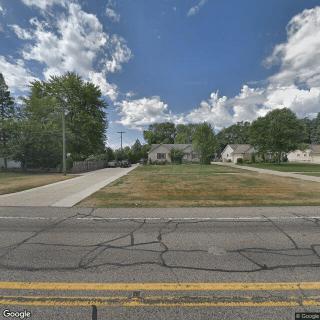
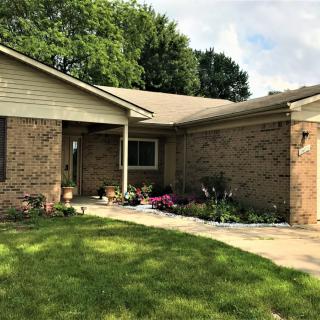

 6 resident community capacity
 Assisted Living
 Cable or satellite TV
 Dining room
 Fully furnished
 Garden
 Housekeeping services
 Move-in coordination
 Outdoor space
 Telephone
 Wi-Fi/high-speed internet available
 Detroit Metropolitan-Wayne County (17 miles away)
 24-hour supervision
 Activities of daily living assistance
 Assistance with bathing
 Assistance with dressing
 Assistance with transfers
 Diabetes diet
 Meal preparation and service
 Medication management
 Special dietary restrictions
 Transportation arrangement (medical)
 Transportation to doctors appointments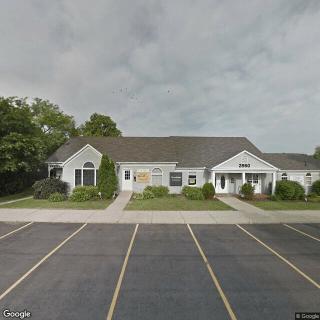
 Professional intake with the option to switch caregivers for a good match.


 Exploring the Contrasts Between Assisted Living and Skilled Nursing
 8 Key Indicators That Suggest It May Be Time to Transition from Assisted Living to Skilled Nursing Care
 Vibrant Senior Living: A Comprehensive Guide for Active Older Adults