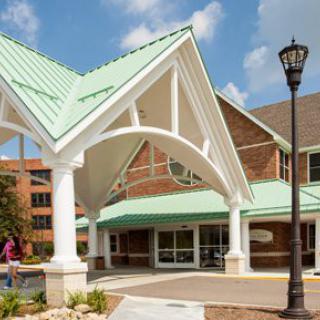
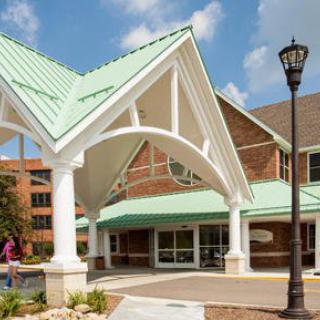

1200 Earhart Rd, Ann Arbor, MI 48105
To contact a resident: (734) 913-0730
For more information about senior living options: (866) 208-4318
Glacier Hills, a CCRC Costs & Pricing
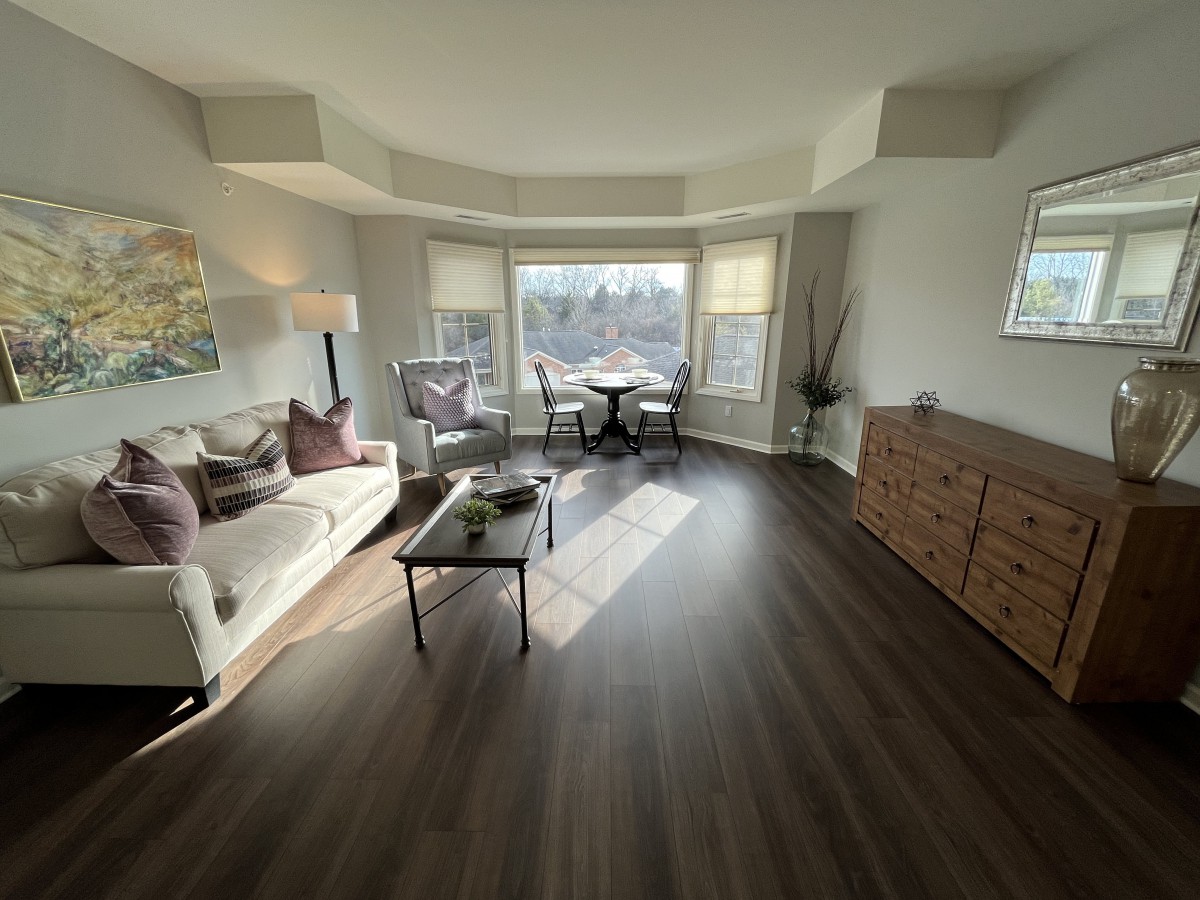
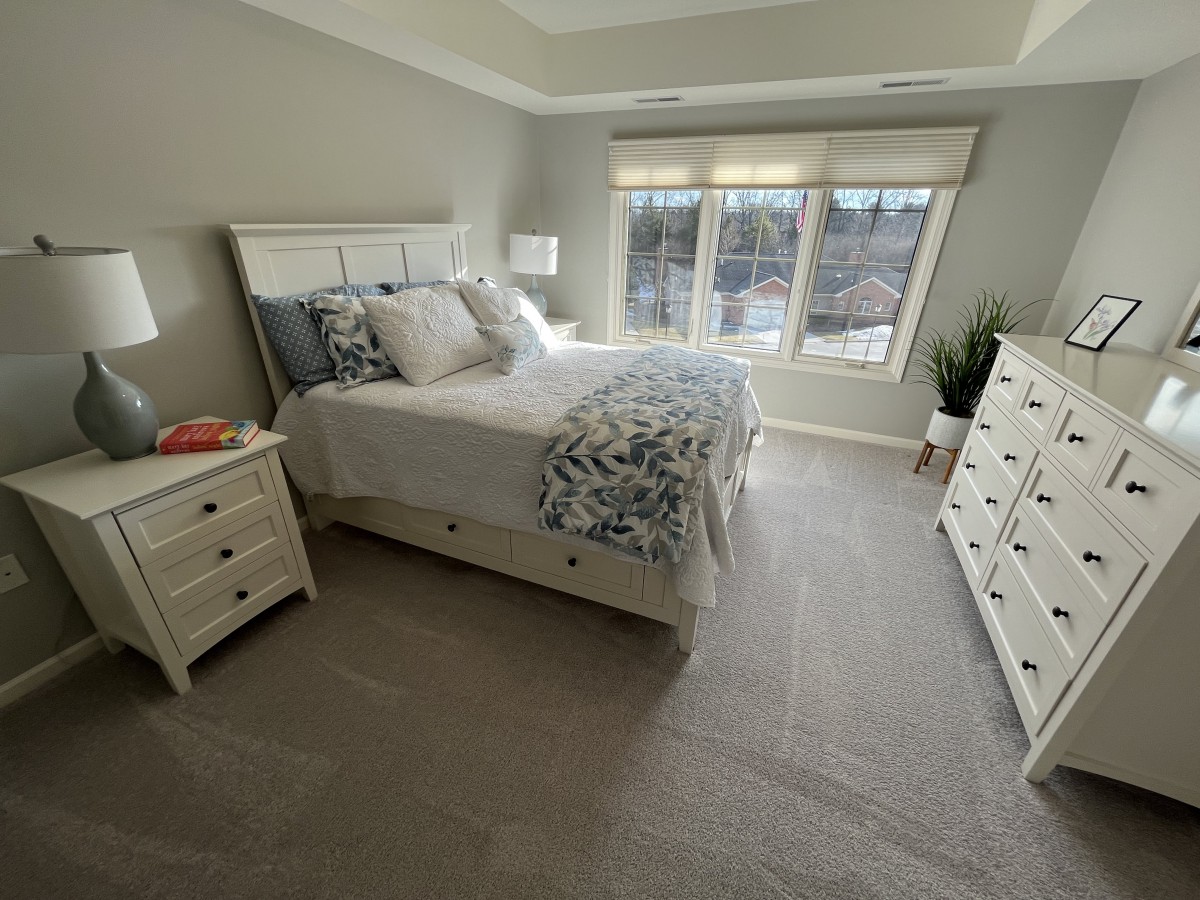
Glacier Hills, a Continuing Care Retirement Community (CCRC), offers competitive pricing across its various room types when compared to the broader market in Washtenaw County and the state of Michigan. For instance, studio apartments range from $2,100 to $3,484, significantly lower than both the county average of $4,158 and the state average of $3,824. Semi-private rooms are priced at $2,680, which is also more affordable than the county's $3,383 and Michigan's $3,191. One-bedroom apartments at Glacier Hills cost $3,150, making them a favorable option compared to Washtenaw County's average of $3,868 and the state's average of $3,384. Similarly, private rooms are offered at $3,216 - slightly less than the county's rate of $3,385 but above the state's average of $3,675. Finally, two-bedroom units stand at $3,686; while this is higher than Washtenaw County's average of $4,984 and below Michigan's statewide median of $3,523. Overall, Glacier Hills presents an attractive value proposition for prospective residents seeking quality care within a budget-friendly framework.
| Floor plans | Glacier Hills, a CCRC | Washtenaw County | Michigan |
|---|---|---|---|
| Studio | $2,100 to $3,484 | $4,158 | $3,824 |
| Semi-Private | $2,680 | $3,383 | $3,189 |
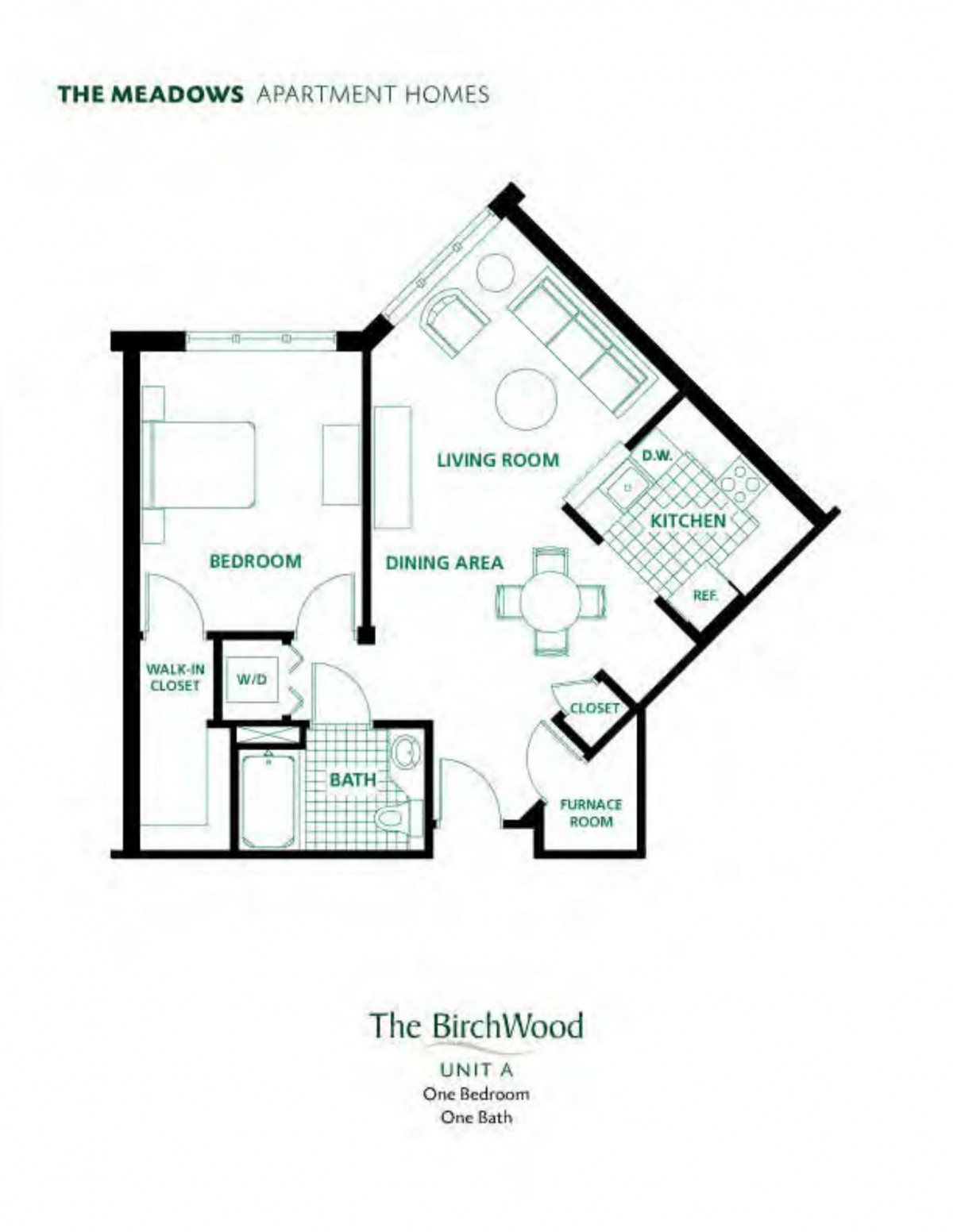
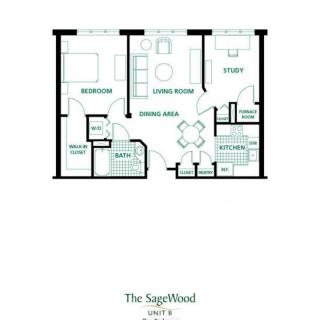
| 1 Bedroom | $3,150 | $3,868 | $3,384 |
| Private | $3,216 | $3,385 | $3,674 |
| 2 Bedrooms | $3,686 | $4,984 | $3,523 |
Assisted Living communities with a similar price nearby
-
from +$175 / mo
Pleasant Valley Family Care
$2,275 to $7,000 / month23.0 miles away -
from -$205 / mo
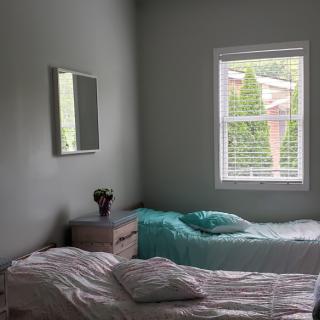
D & P Special Needs Center
$1,895 to $4,195 / month21.7 miles away -
from +$375 / mo
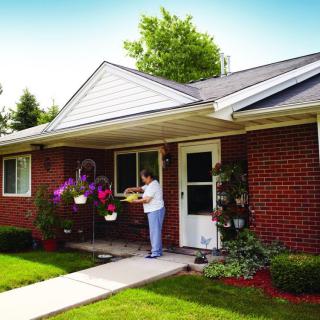
Dearborn Heights
$2,475 to $2,675 / month19.9 miles away -
from -$300 / mo
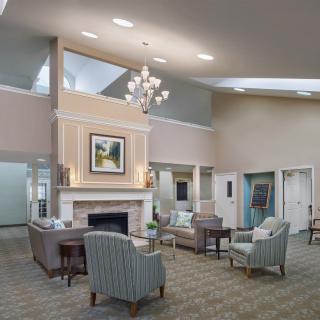
American House West Bloomfield Senior Living
$1,800 to $2,900 / month23.7 miles away -
from -$404 / mo
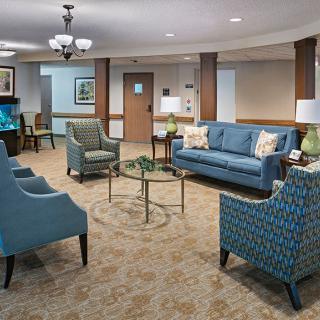
American House Southgate
$1,696 to $2,832 / month24.3 miles away
Overall Review of Glacier Hills, a CCRC
Pros
 The staff members are very nice and helpful.
- Her mom seems happy there.
- Glacier Hills is clean.
- The staff at Glacier Hills are friendly and helpful.
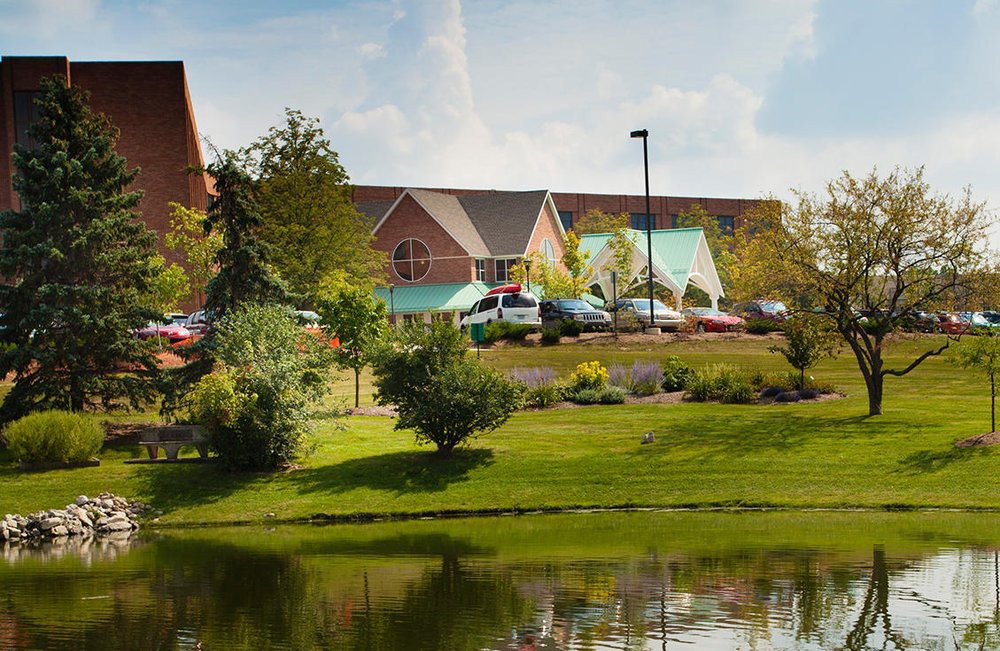
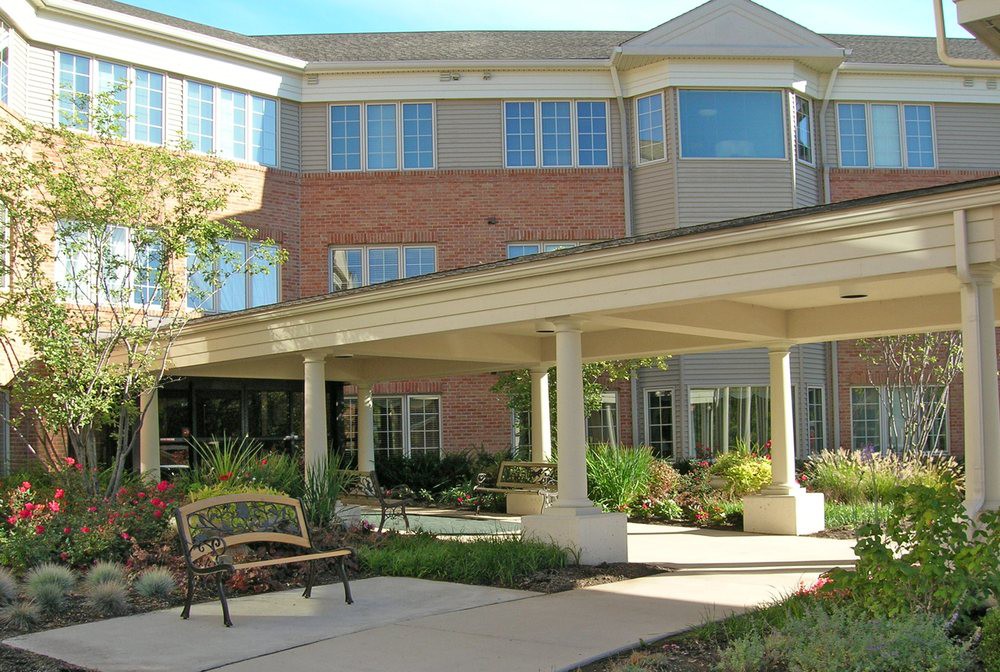
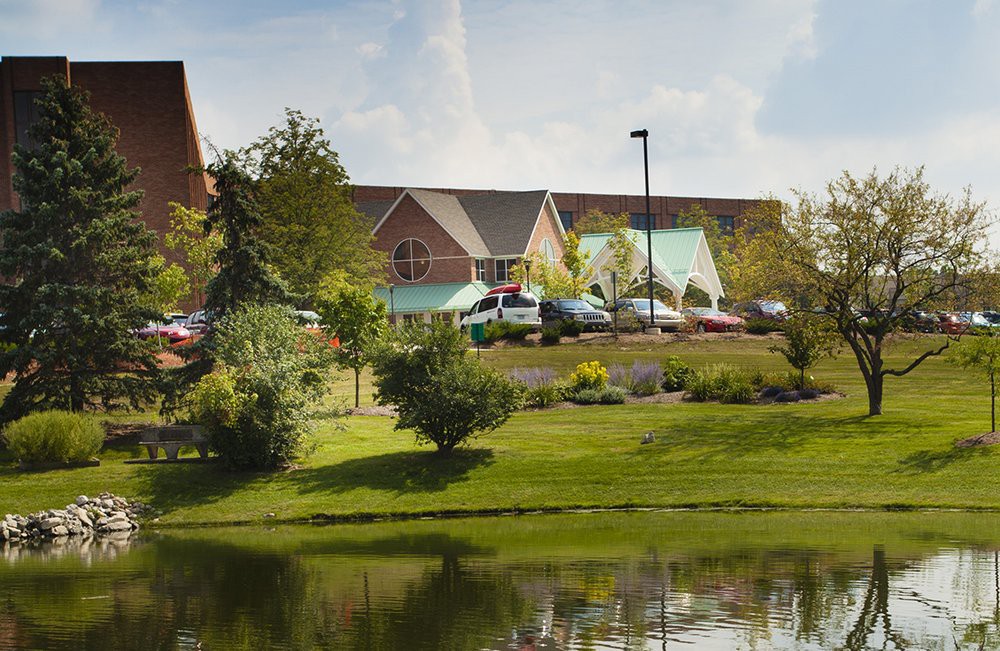
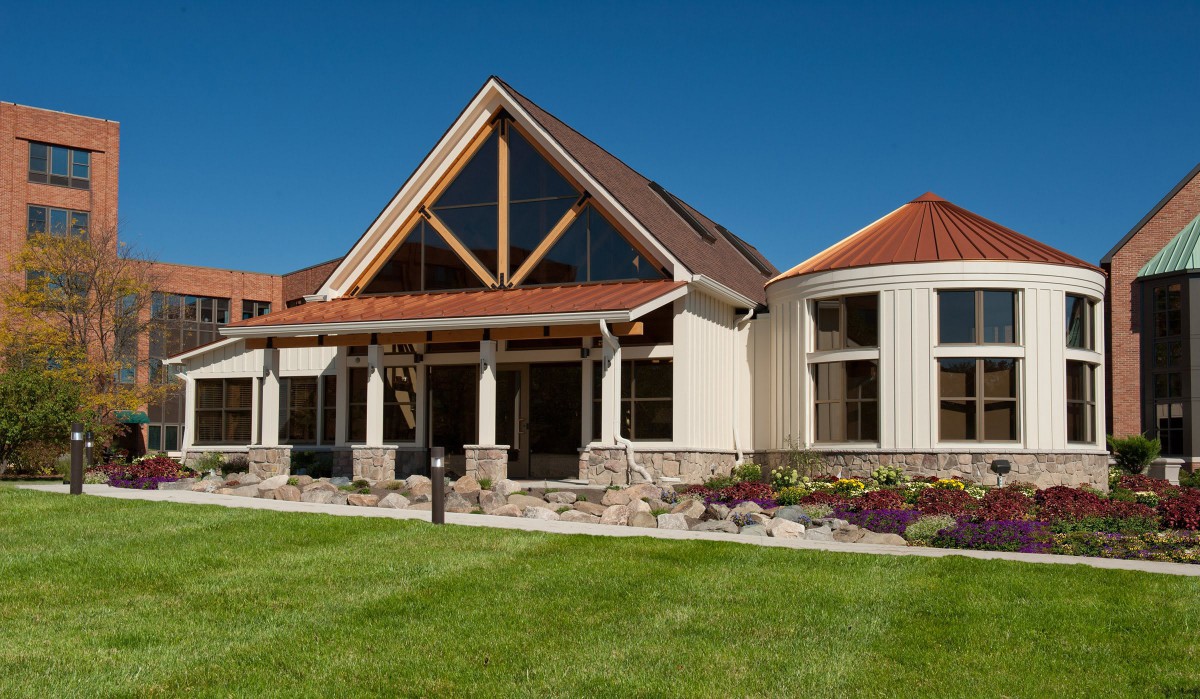
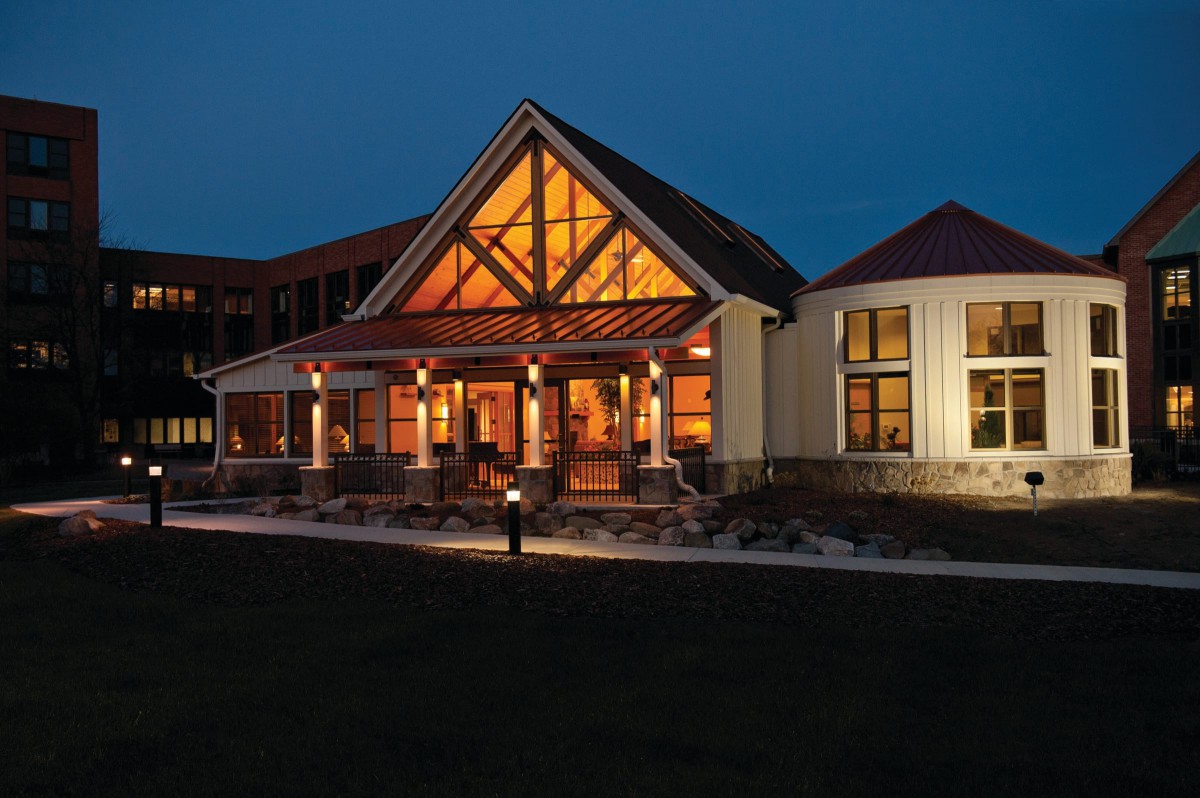
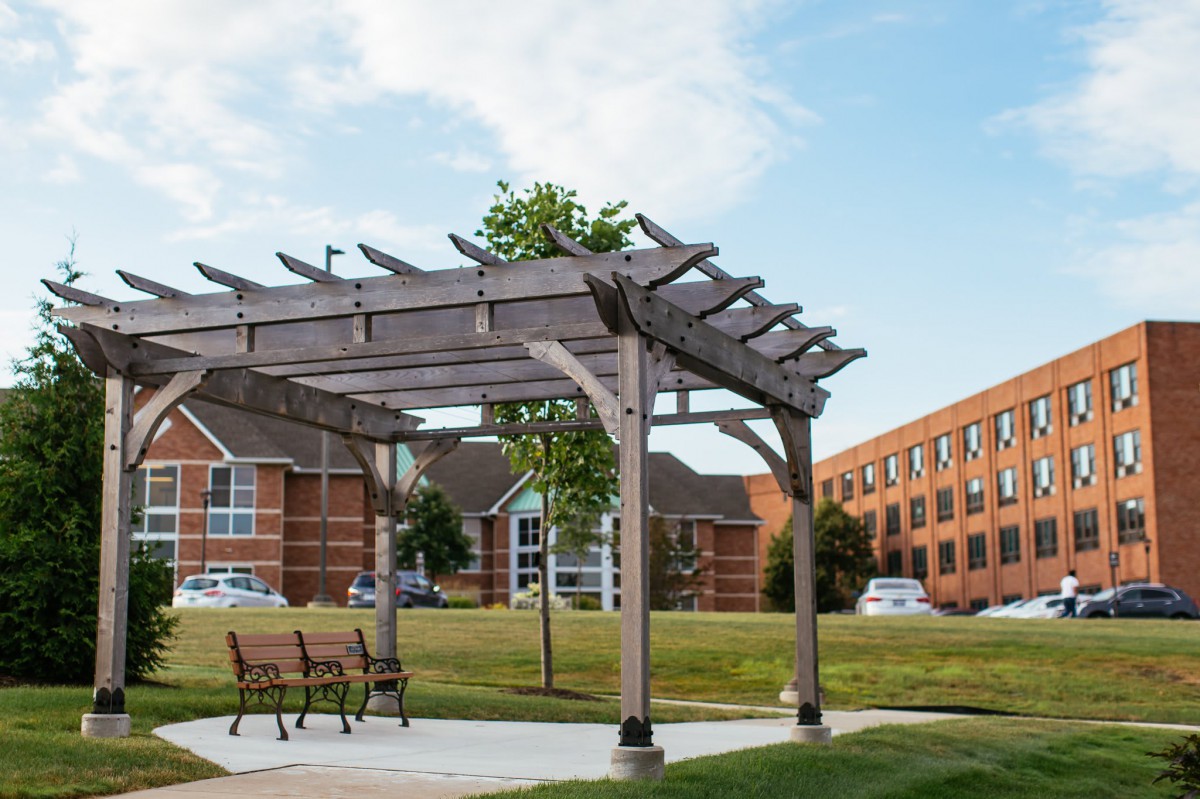
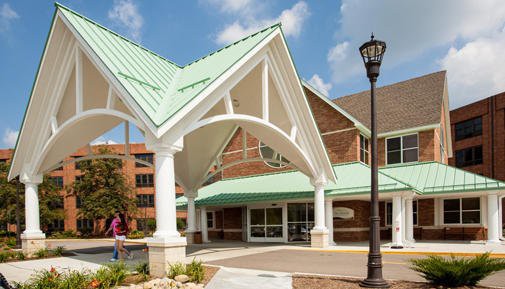
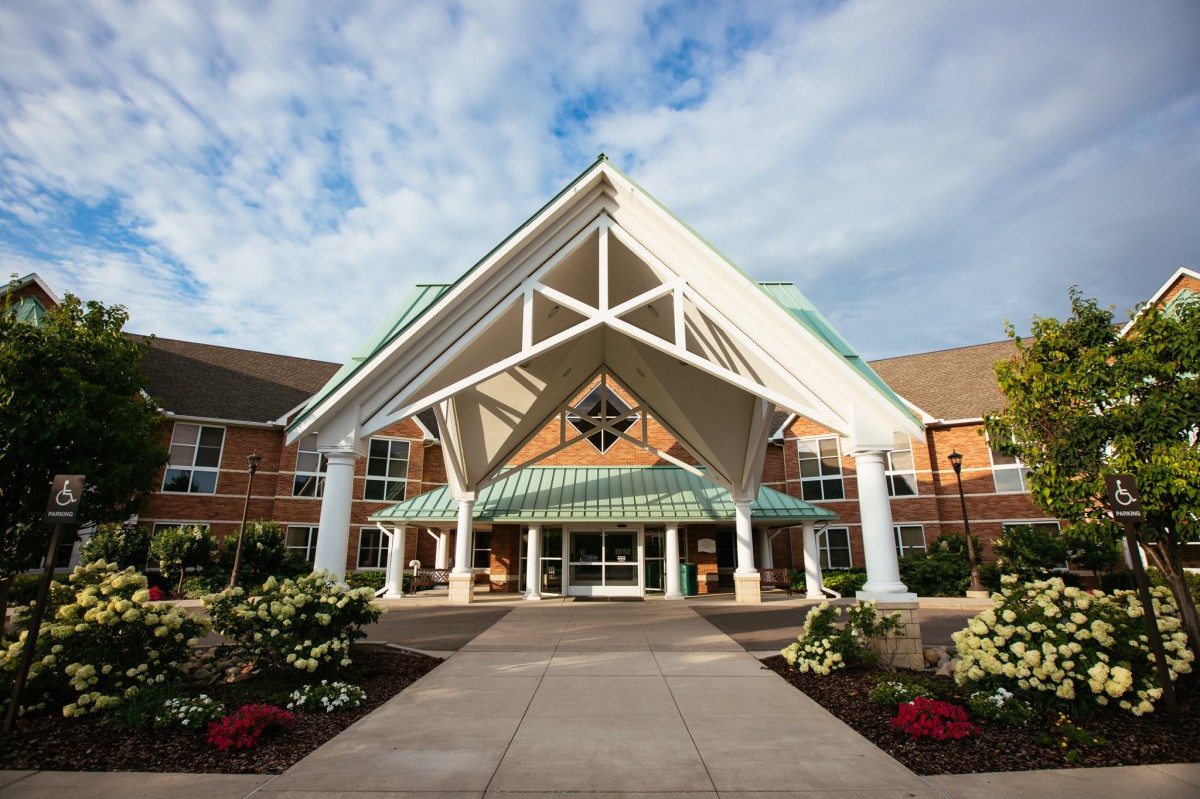
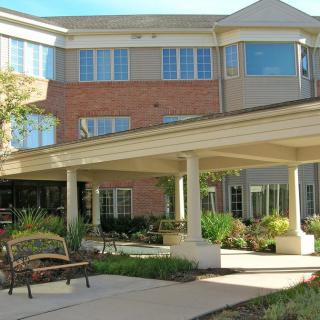
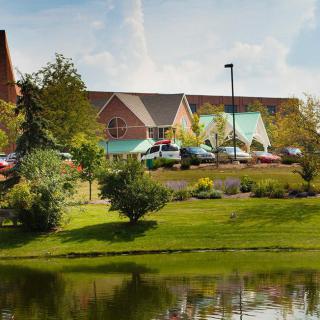
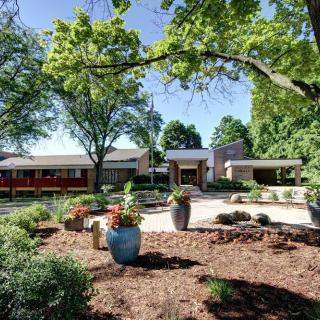
- Glacier Hills has beautiful grounds.
- Glacier Hills offers wonderful programs.
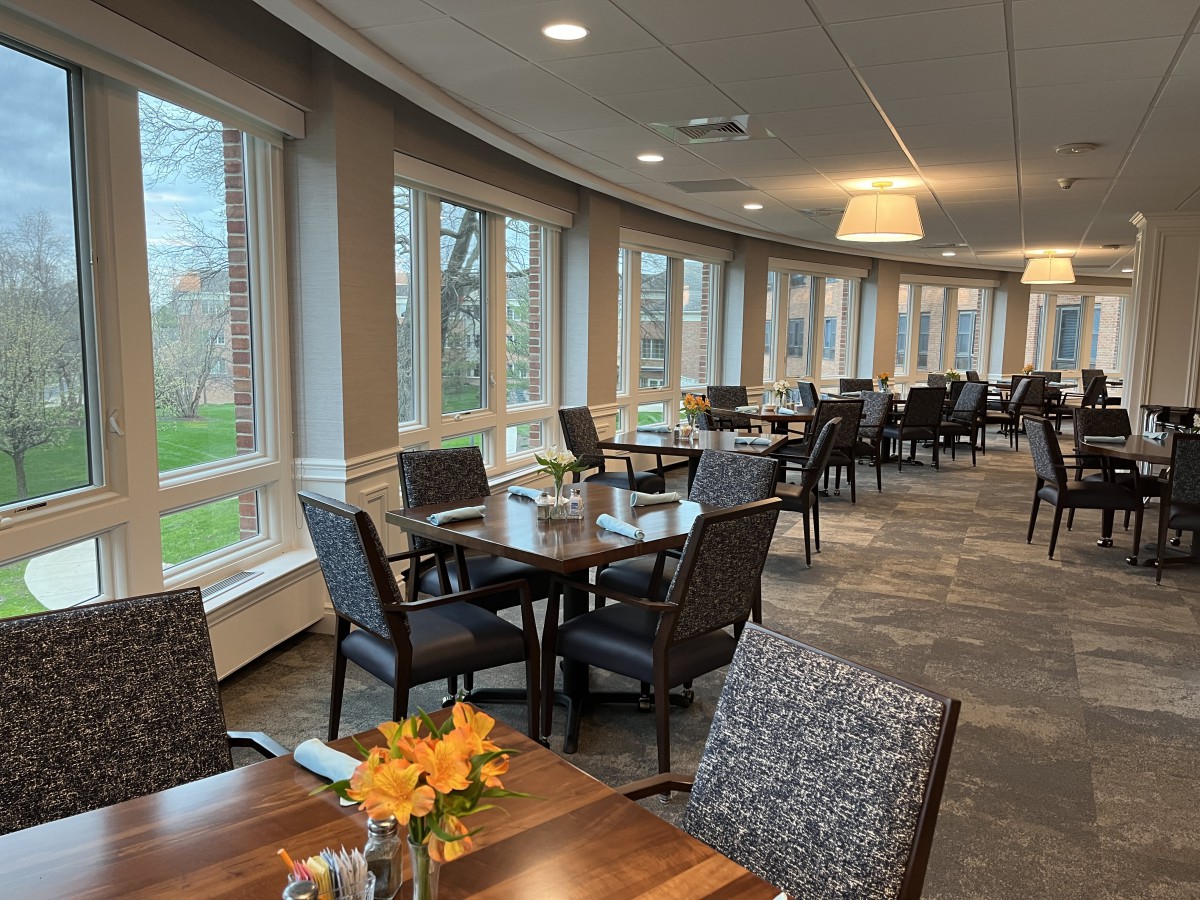
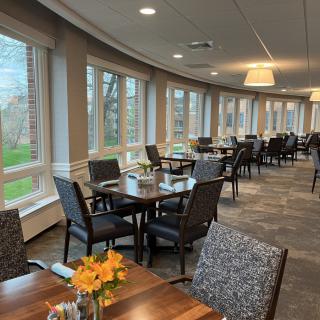
- The dining program offers three meals a day with choices.
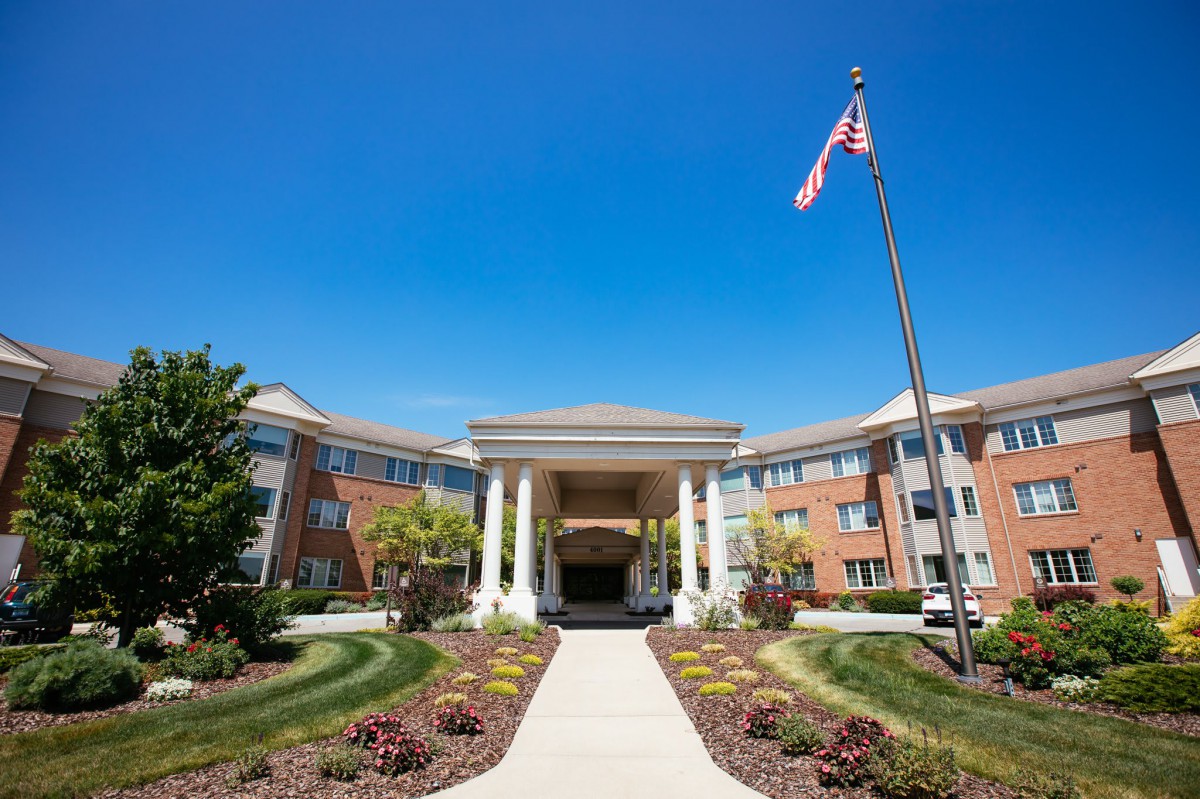
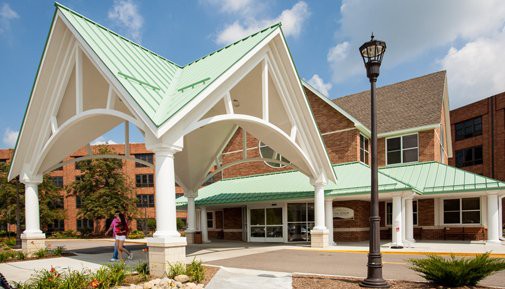
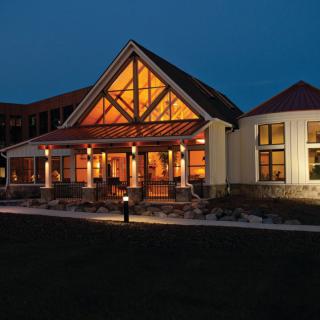
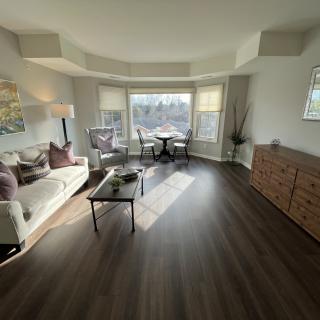
- The facility is beautiful.
- Residents have said it's a great place to be.
- The food is good.
Cons
 The rent has increased annually.
- The dining room was closed for months on her floor, forcing residents to eat elsewhere and lose meal credits.
- The staff was not friendly and the facility felt institutional rather than homey.
- The community is understaffed with caregivers.
- Care and services were substandard, with outlets not working and promised programs and equipment missing.
- A resident fell and lay on the floor for 12 hours before anyone helped.
- Oxygen equipment was not properly connected on multiple occasions, leading to confusion.
- The facility misrepresented itself as “5 star” and overstaffed, yet the care did not meet expectations.
Review
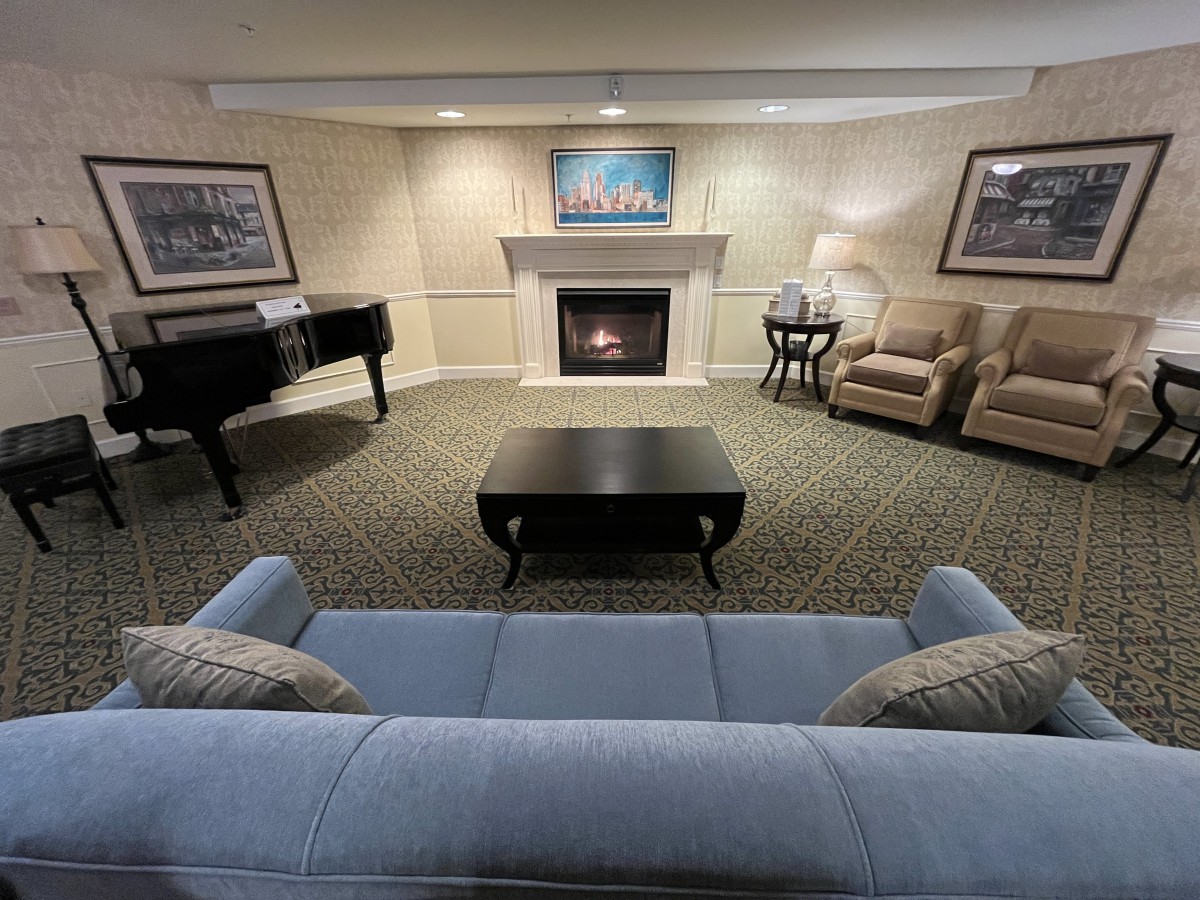
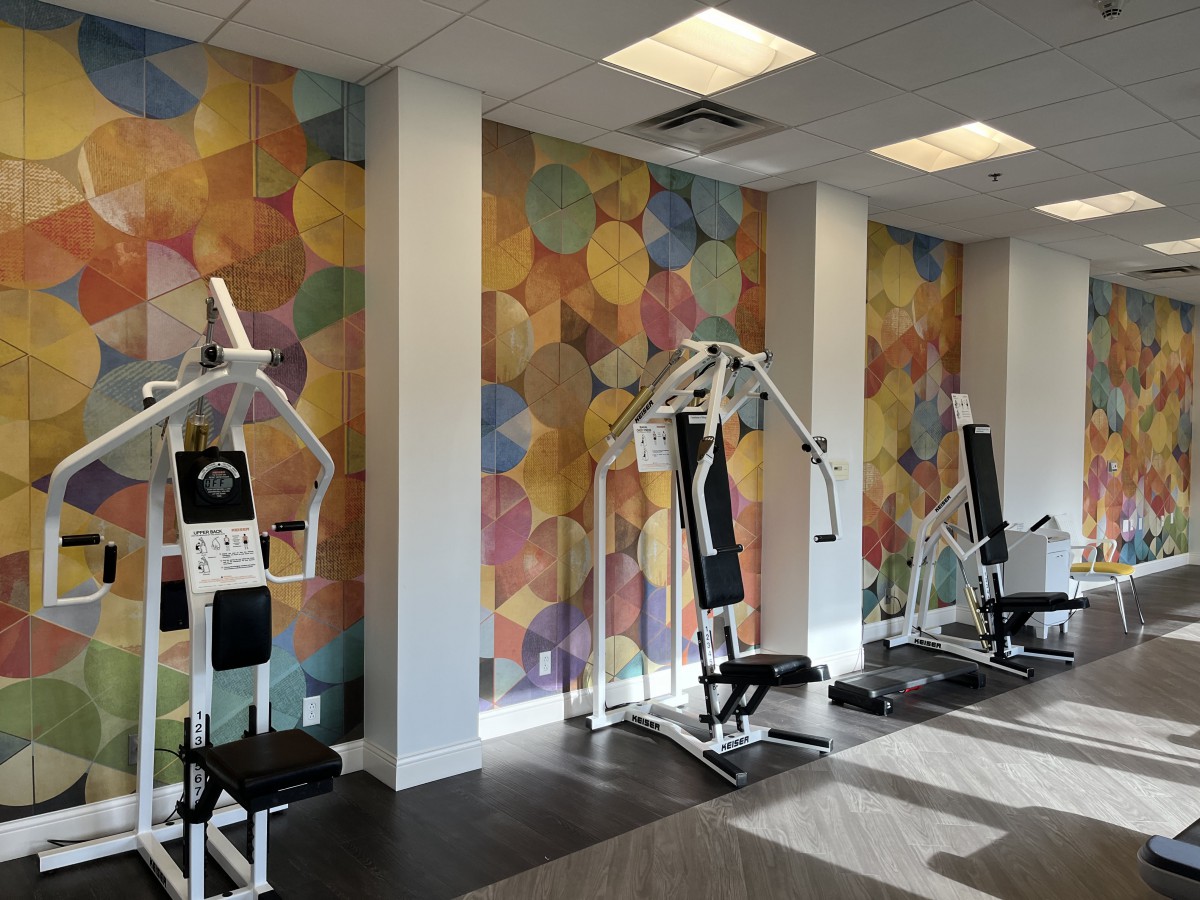
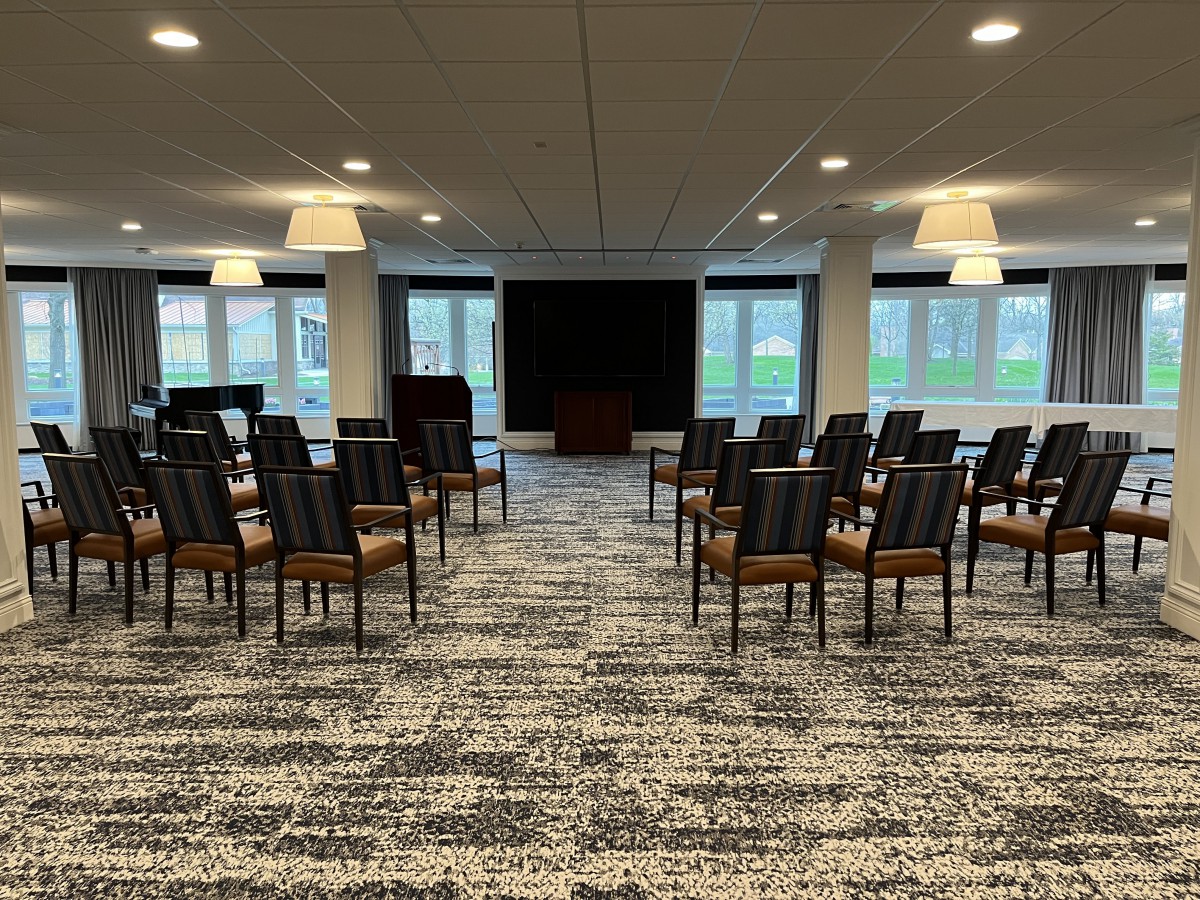
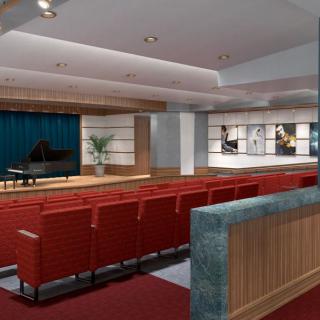
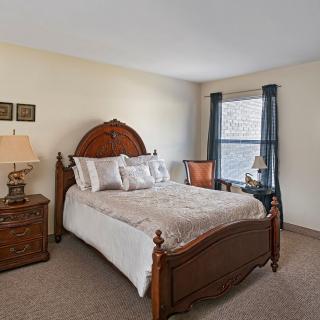
Glacier Hills is best suited for seniors who want a large, activity-forward campus in Ann Arbor with the continuity of care options to grow into, not out of, their living situation. It works well for relatively independent residents who value abundant programming, strong social opportunities, and convenient access to on-site rehab or assisted living as needs evolve. Couples or family members who want to stay connected on one campus can find the layout and program breadth appealing, with multiple dining venues, fitness offerings, and a broad calendar that supports an active lifestyle without forcing a move at every transition.
That said, there are clear reasons families should explore alternatives. The community has faced persistent concerns about staffing stability and responsiveness, particularly after management changes. Reviews highlight high turnover, lean caregiver coverage at peaks like mealtimes, and communication gaps with families about care concerns. For anyone prioritizing consistently proactive, high-touch care and transparent, timely updates, Glacier Hills may not meet expectations. It pays to explore other options with verifiable staffing ratios and demonstrable continuity at the leadership level before committing.
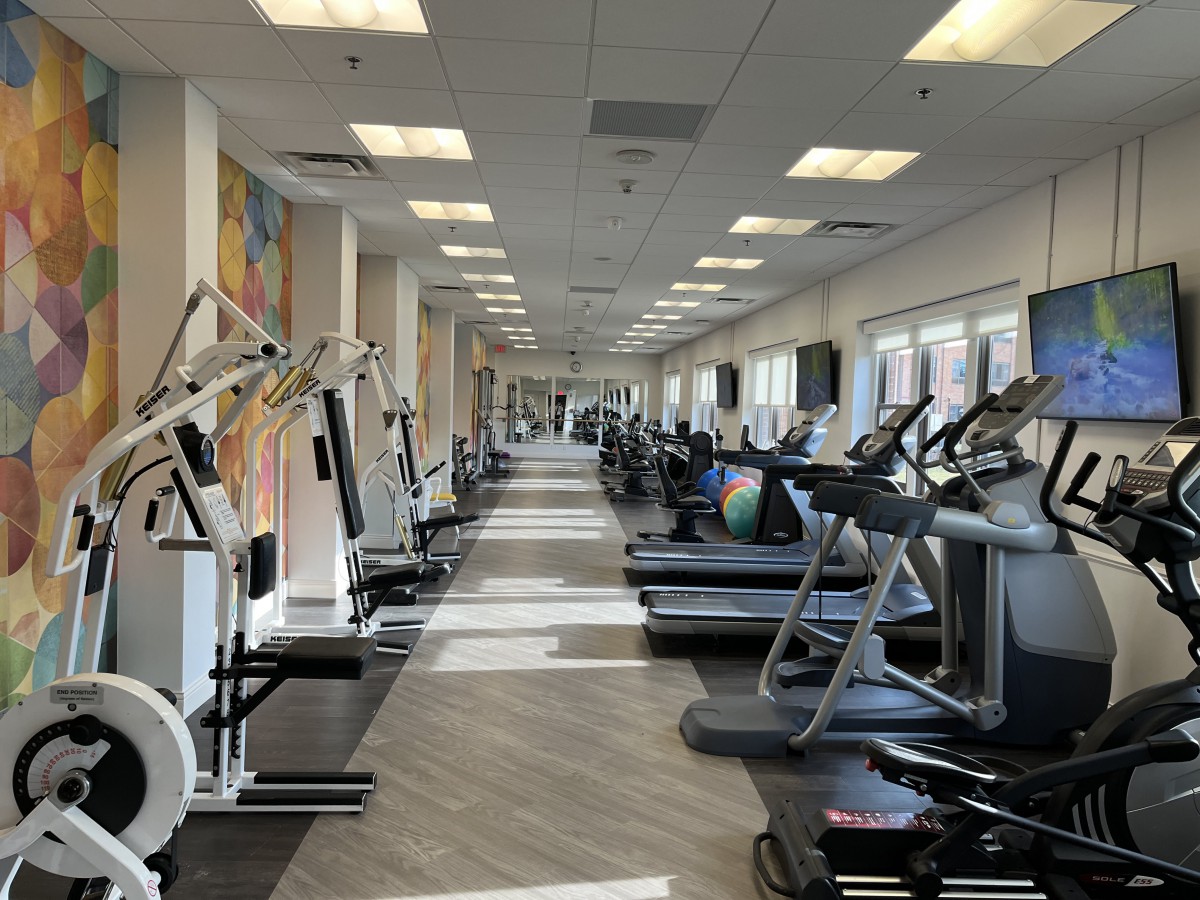
On the upside, Glacier Hills delivers tangible positives that often balance the decision toward staying. Residents repeatedly describe the staff as friendly and helpful, and public areas are generally clean, with housekeeping praised for the spaces the public sees. The campus is rich in amenities, gyms, activity zones, field trips, and a wide range of programs, that support social connection and ongoing engagement. Dining is frequently cited as a strength, with three meals daily and diverse offerings, reinforced by a resident liaison who can help navigate meals and services when care needs change. For families, those elements translate into a vibrant quality of life that can reduce the urgency to移ve as needs evolve.
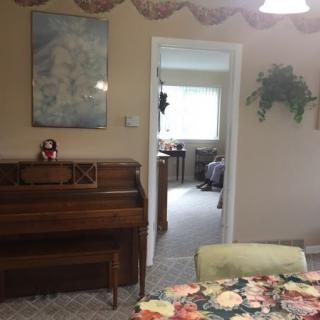
However, the downsides carry real weight in the calculus. Several reviews flag an institutional feel on a very large campus, with criticisms that the size can overwhelm residents who require easier navigation or more intimate, home-like environments. There are multiple accounts of inadequate in-room maintenance, frequent understaffing, and tensions between pacing of meals and assistance at table. Even more troubling are stories of delayed response to urgent needs, lapses in monitoring, and a perception that some residents were not treated with the expected level of dignity during medical events. The price tag is consistently noted as high, with annual rent increases that compound the financial burden over time.
The key question is whether the campus-level advantages compensate for the care-related risks. For families prioritizing robust programming, social integration, and the likelihood of evolving care on a single site, Glacier Hills can be compelling, provided careful, concrete assurances are obtained about staffing, care coordination, and accountability. The resident liaison role is a meaningful asset here, offering a point person to help bridge dining, activities, and services as needs shift. Yet in environments where care quality and predictable staffing are non-negotiable, those strengths may not fully offset ongoing concerns about consistency, responsiveness, and transparency.
Practically, decision-making should hinge on a disciplined due diligence process. Tour the facility with a focused checklist that includes current caregiver-to-resident ratios, shift coverage during peak activity times, and the cadence of communication with families about care changes. Request specifics on meal-credit policies when dining options are limited, and clarify how menu flexibility or ala carte choices would be handled for residents with particular preferences. Seek testimonials from families with loved ones in both independent living and longer-term care to gauge consistency over time. Finally, compare Glacier Hills’ total cost of care, accounting for prospective rent increases and ancillary charges, with competing CCRCs in the area to ensure that value aligns with risk.
In the end, Glacier Hills stands as a viable option for families seeking a lively, resource-rich community that supports independence while offering a path to more care on campus. It is less ideal for those whose priority is unwavering, consistently excellent caregiving and a warm, intimate atmosphere. If safety, reliable staffing, and proactive communication are non-negotiables, the prudent course is to explore alternatives or demand firm, recent, and verifiable assurances before committing. For the right family, the campus offers significant upside; for others, the risks warrant comparison shopping and a cautious, data-driven decision.
 22 resident community capacity
 1-bedroom apartments
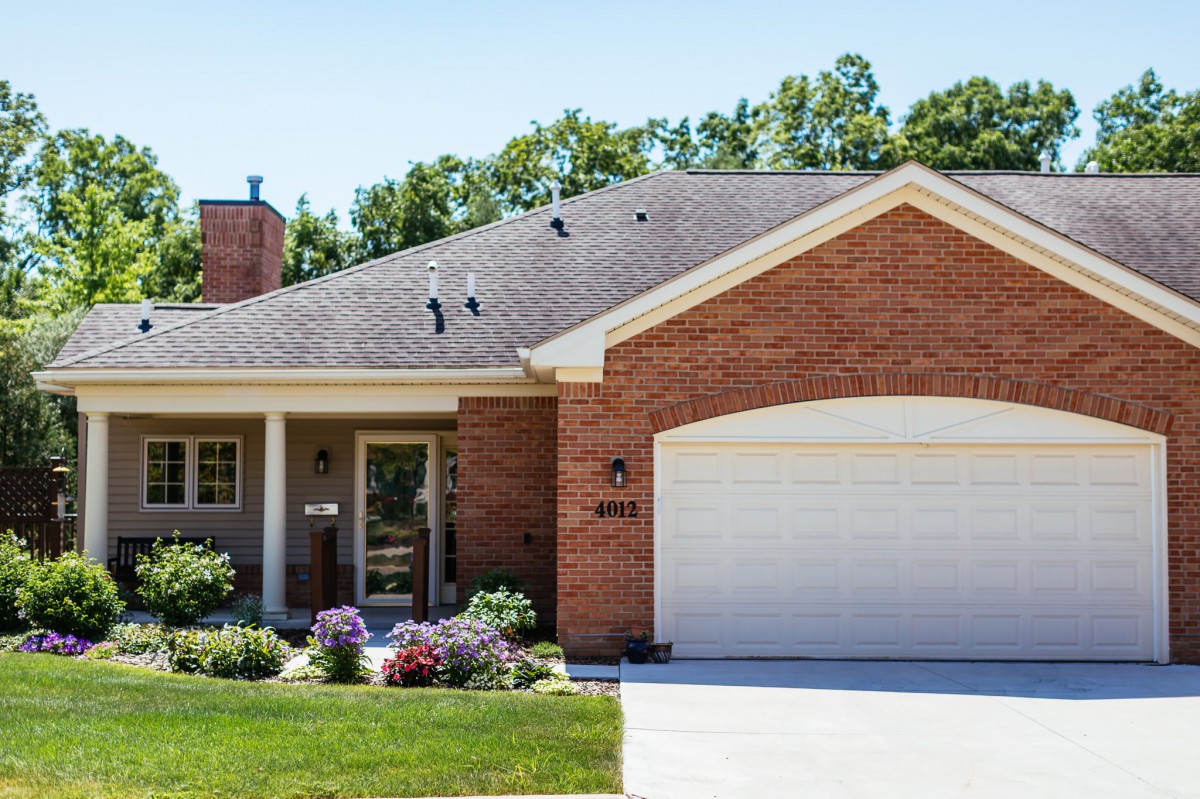
 Detached homes
 Assisted Living
 Continuing Care Retirement Community (CCRC)
 Independent Living
 Memory Care
 Respite Care
 Skilled Nursing Facility
 Cats allowed
 Dogs allowed
 Activities off-site
 Air-conditioning
 Beautician on-site
 Cable or satellite TV
 Devotional services off-site
 Dining room
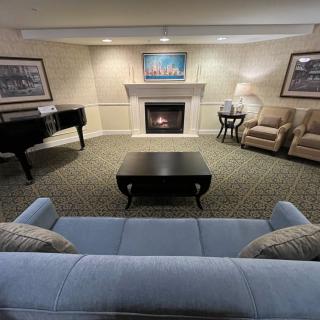
 Fireplaces
 Full kitchen
 Fully furnished
 Garden
 Handicap accessible
 Housekeeping services
 Indoor common areas
 Laundry
 Move-in coordination
 Outdoor common areas
 Private bathrooms
 Wheelchair accessible showers
 Wi-Fi/high-speed internet available
 Detroit Metropolitan-Wayne County (18 miles away)
 Community operated transportation
 24-hour call system
 Ambulatory care
 Assistance with bathing
 Assistance with dressing
 Assistance with transfers
 Diabetes diet
 Diabetic care
 High acuity care
 Meal preparation and service
 Medication management
 Special dietary restrictions
 Art classes
 Catholic services
 Educational speakers / life long learning
 Fitness programs
 Jewish services
 Yoga / chair yoga

 Vibrant Senior Living: A Comprehensive Guide for Active Older Adults
 Assisted Living and Memory Care: Understanding Their Core Differences
 Choosing the Right Senior Care: A Detailed Exploration of Assisted Living and Nursing Homes