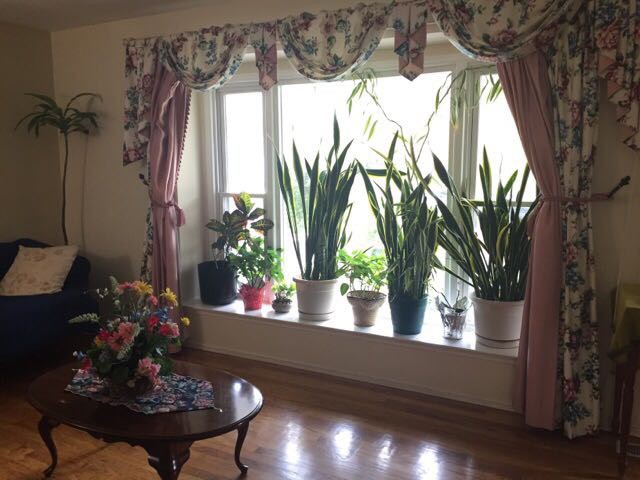
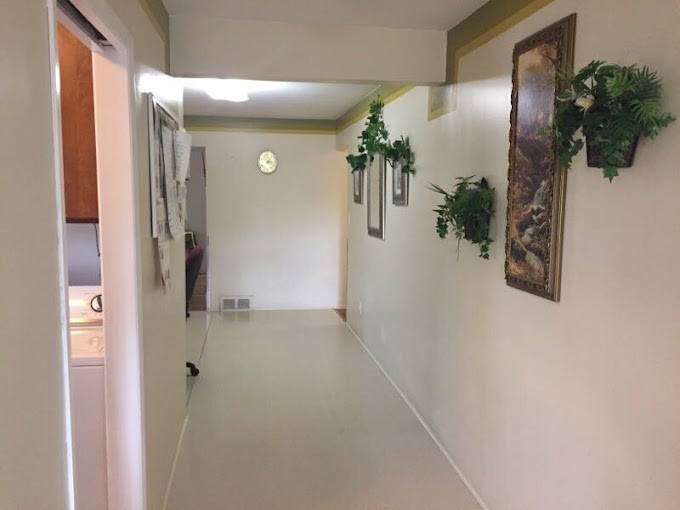
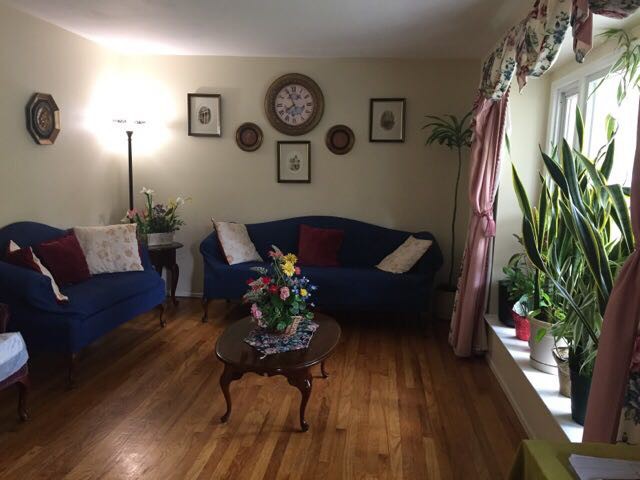
2139 Georgetown Boulevard, Ann Arbor, MI 48105
For more information about senior living options: (866) 208-4318
Overall Review of Orchard Hills Living
Pros
 The staff at Orchard Hills Living are knowledgeable, pleasant, and courteous.
- Eric and Jane and the staff have huge hearts in caring for residents with dignity.
- Orchard Hills Living feels like a home, with a small, at-home environment and personalized attention.
- The meals are wonderful and the care is empathetic.
- The owners and staff bend over backwards to accommodate residents' dietary and personal needs.
- Orchard Hills Manor is warm and inviting, with caregivers and owners who provide care with utmost compassion.
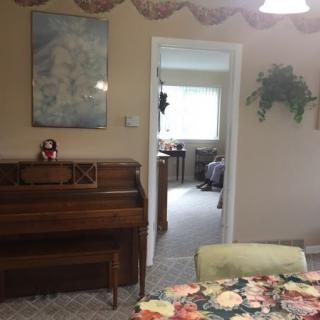
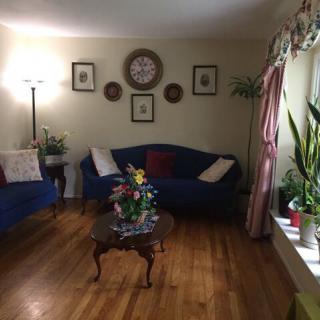
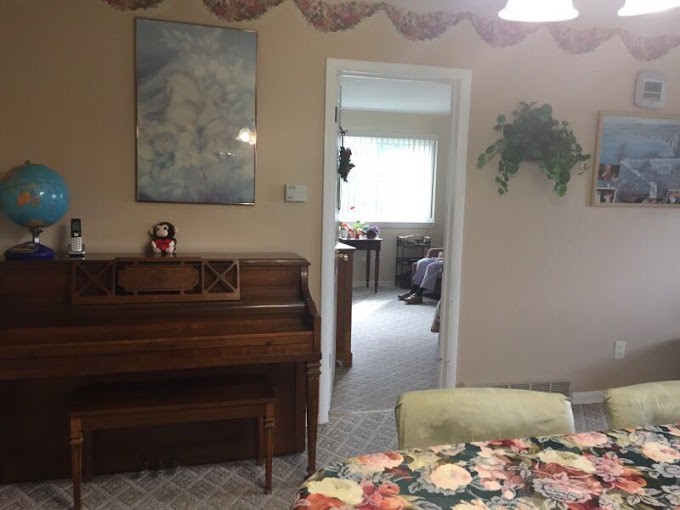
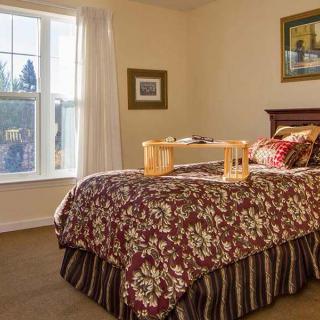
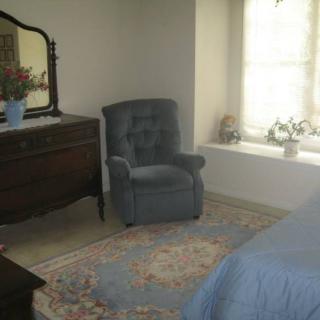
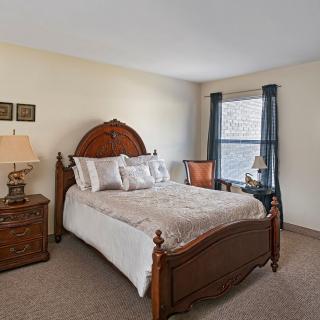
- The facility is kept clean, with private rooms and a home-like atmosphere that makes residents feel comfortable.
Cons
 The facility is very small, with only about six residents, and there is almost no social activity, leaving residents largely in their rooms.
- The bathrooms are dated and the rooms are small.
- There is a language barrier with staff that makes communication difficult.
- The owner is accused of keeping all unused rent when a resident passes away, described as selfish and criminal.
- Marian is described as money-hungry, focused on payments rather than residents’ needs.
- The food is not particularly good, and residents may not have meal options.
Review
Orchard Hills Living in Ann Arbor is best suited for families seeking a tightly run, home-like setting where a resident-to-caregiver ratio feels intimate and consistently hands-on. It excels for seniors who prioritize highly personalized attention, dietary customization, and the dignity of everyday life over a bustling campus atmosphere. This is not a campus with a calendar of public activities; it is a private, six-resident home where the care team acts as an extension of the family. Those needing extensive social programming, campus-style amenities, or broad insurance coverage should consider alternatives. The right match will value the steady, personal touch and the sense that the resident’s unique preferences drive daily life.
The strengths here are remarkably concrete. Orchard Hills is a true small-house environment with 24/7 on-site care, often delivered by owners who are medical professionals. Residents have private rooms, and the setup allows for individualized routines, including flexible dining times and the ability to accommodate special dietary requests. Families repeatedly highlight the quality of meals, fresh ingredients, and the willingness to prepare requested dishes, an uncommon perk in this tier of care. The staff’s patience and attentiveness, paired with frequent family communication about health and safety, turns routine care into a reliable, reassuring experience. The facility’s cleanliness, homelike layout, and the sense that staff know residents and their histories contribute to a dignified daily life.
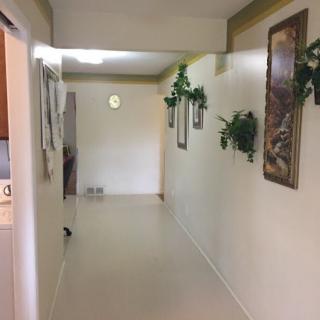
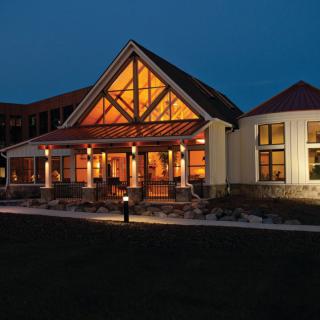
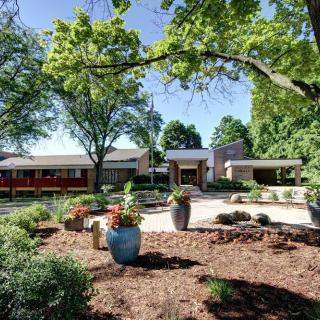
That said, the most consistent caveat centers on scale and activity. The small footprint, roughly six residents in a ranch-style home, translates into limited social programming relative to larger assisted living communities. For families prioritizing a busy activity calendar, Orchard Hills will feel quiet and less stimulating. Language differences can surface in conversations with some staff, and some families would like a broader repertoire of activities or a more robust social mix. The physical plant itself is older, with narrower hallways and smaller bathrooms, which can be a minor barrier for mobility or equipment needs. For families balancing wish lists, this means choosing an exceptionally personal milieu over a campus with expansive amenities.
Financial considerations also shape the decision. A number of reviews note the home’s private-pay model, which can be appealing for the level of individualized care, but a few concerns emerge about policy on unused rent and what happens if a resident passes away or moves out, these scenarios can mean paying for days beyond a departure, which feels at odds with expectations formed in larger, more liquidity-conscious facilities. Additionally, Orchard Hills does not accept insurance, necessitating out-of-pocket funding or third-party financing. That reality matters when comparing this option to facilities that bill through private-pay, long-term care policies, or Medicare Advantage plans. The combination of cost visibility and policy nuance will determine fit for many households.
Even with these caveats, the positives remain substantial enough to offset concerns for the right family. The owners’ hands-on medical background translates into proactive health monitoring and a high level of trust, and the staff’s individualized approach, evidenced in thoughtful meals and personalized attention, creates a sense of genuine belonging for residents and their families. The home environment reduces the impersonality that can accompany larger facilities, and families repeatedly describe feeling welcomed and kept in the loop about care decisions. For families seeking a place where a resident can thrive with dignity in a calm, intimate setting, Orchard Hills delivers on its promise with uncommon clarity.
For families evaluating Orchard Hills, concrete next steps matter. Confirm current floor plans and occupancy to ensure the six-resident model remains intact, then press for a clear picture of daily activity routines and any planned outings or guest programming. Review the latest menu and ask to see a few recent sample meals to gauge how flexible dietary needs are actually implemented. Discuss the financial terms explicitly, particularly how unused time is handled upon a resident’s passing or a move-out, and verify whether any exceptions exist for exceptional circumstances. Finally, walk through accessibility details, bathrooms, door widths, and the backyard layout, to ascertain that safety plus a sense of freedom go hand in hand. If these factors align, Orchard Hills stands out as a remarkably warm, capable home that families rarely regret choosing.
 6 resident community capacity
 Studio apartments
 Assisted Living
 Board and Care Home
 Cable or satellite TV
 Cafe
Cafe Computer center
 Dining room
 Full kitchen
 Fully furnished
 Garden
 Guest parking
 Housekeeping services
 Laundry
 Move-in coordination
 Outdoor space
 Overnight guests
 Party space
 Respite or short term stays offered
 Security gate
 Small library
 Telephone
 Wi-Fi/high-speed internet available
 Detroit Metropolitan-Wayne County (19 miles away)
 24-hour supervision
 Activities of daily living assistance
 Assistance with bathing
 Assistance with dressing
 Assistance with transfers
 Companion care
 Diabetes diet
 Meal preparation and service
 Medication management
 Psychiatric care
 Special dietary restrictions
 Arts and crafts
 Book club
 Cooking club
 Educational speakers / life long learning
 Fitness programs
 Games
Games Live musical performances
 Religious services
 Tai Chi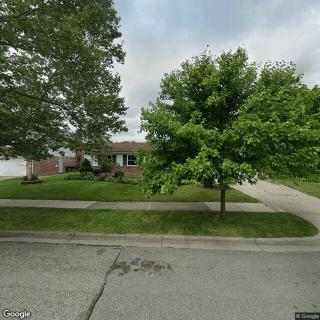


 8 Key Indicators That Suggest It May Be Time to Transition from Assisted Living to Skilled Nursing Care
 Vibrant Senior Living: A Comprehensive Guide for Active Older Adults
 When to Transition from Assisted Living to Memory Care: Key Indicators, Steps, and Finding the Right Community