Encore House

2890 Easy Street, Ann Arbor, MI 48108

For more information about senior living options: (844) 490-3973

3.6 from 63 reviews
5 stars
40
4 stars
1
3 stars
0
2 stars
0
1 stars
22

Assisted Living

Overall Review of Encore House

Pros

  • pro Rohman is an excellent trainer who thoroughly explains everything needed to prepare for the first day.
  • pro Matt Hescheles is very helpful in the classes he teaches.
  • pro Andrea delivered excellent instruction on medications.
  • pro The onboarding training was excellent, and the videos proved useful.
  • pro Rohman, Matt, and Andrea are outstanding trainers who cover all grounds and answer questions thoroughly.
  • pro The training prepared new hires well for both the job and personal life goals.
  • pro Eisenhower Center has been an exceptional choice for residents with special needs, offering outstanding support and care.
  • pro The facility is well-run with friendly staff, contributing to a positive environment.

Cons

  • pro The staff were described as unprofessional, lazy, rude, and inattentive.
  • pro The reviewers stated the facility should be shut down.
  • pro A resident attacked a 1-year-old, and staff could not restrain the resident and offered no apology.
  • pro The center was criticized for not paying attention to clients, poor communication with families and among staff, and terrible housekeeping.
  • pro The staff were described as mostly under 25 with no credentials or experience in the medical field, and they were disrespectful; management was described as bad.
  • pro Residents were moved to a dilapidated apartment complex during Covid to take in drug addicts, and the new complex was described as trash.
  • pro The place was labeled as trash with awful treatment, and it was not recommended to live or work there.
  • pro Staff allegedly confiscated residents' cash and personal belongings and barred access to them.
  • pro The facility faced frequent police involvement, with management accused of lying and staff being rude when contacted.
  • pro Transportation for residents to work was discontinued due to a lack of staff.

Review

In this broad set of feedback about Eisenhower Center, the most consistent thread is the clear importance many people place on training and the people who deliver it. A number of reviewers foreground Rohman as a standout trainer, someone who brings clarity, pace, and genuine care to the process. They describe him as detail-oriented, enthusiastic, and deeply committed to making sure policies and procedures are understood. The repeated praise for Rohman paints a picture of a trainer who not only explains the logistics of the first day or the rules of the facility, but also takes responsibility for whether new hires actually grasp what they need to know. From "Rohman trained our class and he thoroughly showed and explained everything we needed to know" to "Rohman was amazing!!! He truly cares about these residents in the way he trained us," these voices converge on the sense that the training experience was transformative, left people feeling prepared, and set a high bar for professional conduct.

Beyond Rohman, several reviewers extend the positive training narrative to other team members who supported newcomers. Matt, Andrea, and Vicky surface in multiple accounts as capable, engaged trainers who contributed to an on-boarding experience that felt comprehensive. The description of on-board training as "excellent" and of the team as "excellent trainers" echoes through several posts. One reviewer notes that the videos, while long, proved useful, and that the instructors' insistence on understanding what the job would entail on the floors helped new hires picture their future work more clearly. The consistency of these affirmations - "new hire training was great," "they gave us the essentials we needed to do the job," "training was good and helpful" - builds a sense of a well-structured program that many participants found valuable and empowering.

A different thread within the same set of remarks highlights a more personal sense of belonging and confidence. Some reviewers describe the campus and culture as supportive, with lines like "Great facility, everything is ran so well" and "Friendly staff I love it here!" These sentiments are reinforced by statements about how confident people feel after their training, with claims such as "I'm confident I'll succeed" and "I feel prepared to start." There is also praise for the environment around the center - describing Eisenhower Center as an exceptional choice for a family member with special needs - and expressions of appreciation for the way staff members and management appear to engage with clients in a compassionate, client-centered fashion. In this sense, the positive accounts portray a community where training is not merely a series of modules but a gateway to meaningful, patient-centered care and a hopeful, collaborative workplace.

Amid these affirmations, there is no shortage of strong cautions about different facets of the center. A substantial portion of the feedback shifts to serious concerns about professionalism, communication, and safety within the broader operation. One reviewer explicitly condemns the staff as unprofessional, lazy, rude, and unattentive, even suggesting that the place should be shut down, with a pointed remark about good reviews allegedly coming from staff themselves. Another post is a near-epistolary warning: "DO NOT LEAVE YOUR CHILD HERE," describing a disturbing episode in which a one-year-old experienced severe distress and required hospitalization; the reviewer accuses the staff of mishandling the situation, offering no apology, and calls for legal action. Taken together, these statements illustrate a perception among some residents' families that the center's larger team can be disorganized, unsympathetic, or inadequately equipped to handle emergencies.

The most jarring and specific claims concern a critical incident involving a resident and a young family member. A reviewer recounts that "a resident attacked my 1 year old daughter," and that the staff were unable to restrain the person or manage the situation effectively. The account emphasizes the lack of an apology or visible concern for the child's welfare and foreshadows legal action. The tone here is accusatory and urgent, suggesting that safety protocols either failed or were not enforced, and that the center's response afterward was insufficient to address the family's harm or anxiety. While these statements reflect one family's experience, they feed into a broader narrative of ongoing safety worries that some reviewers feel authorities should scrutinize.

Other critical themes emerge around housing, mobility, and daily operations. Several posts describe not only a perceived decline in communication and follow-through but tangible, ongoing problems: a move to a different apartment complex during the Covid era described as chaotic and risky; reports of fires and a building being condemned; aides allegedly intruding into residents' spaces in ways that feel intrusive or unsafe; claims of a culture where staff are perceived as dismissive, inattentive, or preoccupied with personal devices rather than residents. There are pointed criticisms about management's reliability, including allegations that staff promotions or promises are not fulfilled, transport tokens or bus passes were not delivered, and care coordination with families and guardians was inconsistently maintained. One reviewer's blunt conclusion - "This place is trash and they treat you awful," with a call for shutdown - caps a broader sense of erosion in trust.

The spectrum of experiences - from star trainers who make new hires feel capable and framed for success to alarming reports of safety failures and management shortcomings - paints a complex portrait of Eisenhower Center. The training program, featuring Rohman and company, stands out as a beacon of professional development and compassionate outreach, with many participants expressing gratitude for the thorough, practical instruction and the sense that they could rely on the trainers to guide them through the expectations of the job. Conversely, the facility's broader environment, communications, and safety protocols sit under scrutiny, with several reviewers calling for stronger oversight, accountability, and systemic changes to protect residents and support families.

In sum, the narrative surrounding Eisenhower Center contains both strong praise for its training culture and pointed, sometimes dire, warnings about its day-to-day operations. The recurring praise for Rohman, Matt, Andrea, and Vicky suggests a core of dedicated professionals who can deliver high-quality education and mentorship. Yet the equally forceful critiques remind us that training excellence does not automatically translate into consistently safe, well-run care across all aspects of the center. The contrast invites a careful, ongoing examination of how to preserve the strengths of a robust training program while addressing concerns about safety, communication, and resident welfare at the organizational level. The voices collectively call for continued investment in talented trainers and a parallel commitment to stronger governance and accountability to ensure all residents receive the consistent care and security they deserve.

Features

Housing

  • 6 resident community capacity 6 resident community capacity

Types of Care

  • Assisted Living Assisted LivingAssisted living facilities provide crucial support and care for seniors who may need help with daily tasks such as medication management, bathing, and meal preparation. These communities offer a safe and comfortable environment where seniors can maintain their independence while receiving the assistance they need to thrive in their golden years.

Amenities

  • Cable or satellite TV Cable or satellite TVCable or satellite TV is important for seniors because it provides entertainment, news, and companionship, helping to combat loneliness and boredom. It also offers a wide range of programming options tailored to different interests and preferences.
  • Dining room Dining roomDining rooms are important for seniors as they provide a space for socialization, connection, and nutritious meals. They offer opportunities for residents to bond over shared meals, foster a sense of community, and promote healthy eating habits. Dining rooms also ensure that seniors have access to well-balanced meals tailored to their dietary needs and preferences.
  • Fully furnished Fully furnishedFully furnished senior living communities are important for seniors because they provide convenience, comfort, and a hassle-free moving experience. Seniors can easily settle into their new living space without the stress of having to buy and move furniture. This allows them to focus on enjoying their new home and community.
  • Garden GardenGardens are important for seniors as they provide a peaceful and therapeutic environment for relaxation, physical activity, and socialization. Being in nature has been shown to reduce stress, improve mood, and promote overall well-being. Gardens also offer opportunities for seniors to engage in gardening activities, which can improve mobility, flexibility, and cognitive function. Additionally, gardens create a sense of community and connection with others who share a passion for plants and outdoor spaces.
  • Housekeeping services Housekeeping servicesHousekeeping services are important for seniors because they help maintain a clean and safe living environment, promote independence, and reduce the risk of accidents or illnesses. Additionally, having assistance with household chores can alleviate physical strain and allow seniors to focus on other aspects of their well-being.
  • Move-in coordination Move-in coordinationMove-in coordination is important for seniors because it helps ease the transition into their new living environment. It ensures that all logistics, such as packing, organizing movers, and setting up utilities are taken care of, allowing seniors to focus on settling in and adjusting to their new home. Having a smooth move-in process can alleviate stress and anxiety, making the transition smoother and more enjoyable for seniors.
  • Outdoor space Outdoor spaceOutdoor spaces are important for seniors as they provide opportunities for physical activity, social interaction, exposure to natural light and fresh air, and a sense of connection to nature. Having access to outdoor spaces can improve overall well-being and quality of life for older adults living in senior communities.
  • Telephone TelephoneTelephones are important for seniors as they provide a lifeline for communication with loved ones, emergency services, and healthcare providers. They offer a sense of security and independence, enabling seniors to stay connected and access assistance when needed.
  • Wi-Fi/high-speed internet available Wi-Fi/high-speed internet availableWi-Fi/high-speed internet is important for seniors to stay connected with loved ones, access online resources, and participate in virtual activities to combat feelings of loneliness and isolation. It also allows them to easily manage healthcare needs, access entertainment, and engage in lifelong learning opportunities.

Transportation

  • Detroit Metropolitan-Wayne County (19 miles away) Detroit Metropolitan-Wayne County (19 miles away)

Care Services

  • 24-hour supervision 24-hour supervision24-hour supervision is important for seniors to ensure their safety, well-being, and access to immediate assistance in case of emergencies or health issues. This constant support provides peace of mind for both seniors and their loved ones, allowing them to age in place with dignity and security.
  • Activities of daily living assistance Activities of daily living assistanceActivities of daily living assistance are important for seniors because they provide essential support with tasks such as eating, bathing, dressing, and mobility. This assistance helps seniors maintain their independence, dignity, and overall quality of life as they age.
  • Assistance with bathing Assistance with bathingAssistance with bathing is crucial for seniors as it helps maintain personal hygiene, prevents infections, and ensures their overall well-being and comfort. It also provides a sense of dignity and independence for seniors who may struggle with this task on their own.
  • Assistance with dressing Assistance with dressingAssistance with dressing is important for seniors because it helps maintain their independence, promotes personal hygiene, prevents accidents and injuries, and improves overall quality of life. This service ensures that seniors can continue to dress comfortably and confidently, despite any physical limitations they may have.
  • Assistance with transfers Assistance with transfersAssistance with transfers is crucial for seniors as it helps prevent falls and injuries, maintains their independence, and ensures they can safely navigate their living environment. It also provides peace of mind for both seniors and their loved ones.
  • Coordination with health care providers Coordination with health care providersCoordination with health care providers is crucial for seniors to ensure proper medical care, medication management, and overall well-being. This collaboration helps prevent overlapping treatments, track progress more effectively, and provide comprehensive support tailored to individual needs.
  • Diabetes diet Diabetes dietA diabetes diet is crucial for seniors as it helps manage blood sugar levels, reduce risks of complications, and improve overall health and well-being. By following a balanced and nutritious diet tailored to their specific needs, seniors can better control their diabetes and enhance their quality of life.
  • Meal preparation and service Meal preparation and serviceMeal preparation and service are crucial for seniors as they may have limited mobility or energy to cook nutritious meals. Having access to healthy and convenient food options can ensure they are getting the proper nutrition needed to maintain their overall health and well-being.
  • Medication management Medication managementMedication management is crucial for seniors to ensure they are taking the right medications at the correct dosages and times. This helps prevent adverse drug interactions, reduces the risk of medication errors, and promotes overall health and well-being. Proactive management also allows for adjustments as needed based on changing health conditions or new prescriptions.
  • Special dietary restrictions Special dietary restrictionsSpecial dietary restrictions are important for seniors because age-related changes in metabolism and health conditions can make it difficult for their bodies to process certain foods. By following a diet tailored to their specific needs, seniors can maintain their overall health and well-being, manage chronic conditions, and reduce the risk of complications such as malnutrition or food interactions with medications.
  • Transportation arrangement (medical) Transportation arrangement (medical)Transportation arrangements for medical purposes are essential for seniors as they may have difficulty driving themselves to appointments or accessing public transportation. Having reliable and safe transportation options ensures that seniors can receive timely medical care and maintain their health and well-being.
  • Transportation to doctors appointments Transportation to doctors appointmentsTransportation to doctors' appointments is crucial for seniors as it ensures they have access to necessary medical care and support for their health needs. Without reliable transportation, seniors may struggle to attend important appointments, leading to potential delays in treatment and health complications. Providing transportation services helps seniors maintain their overall well-being and quality of life.

Dining

  • Diabetes diet Diabetes dietA diabetes diet is crucial for seniors as it helps manage blood sugar levels, reduce risks of complications, and improve overall health and well-being. By following a balanced and nutritious diet tailored to their specific needs, seniors can better control their diabetes and enhance their quality of life.
  • Special dietary restrictions Special dietary restrictionsSpecial dietary restrictions are important for seniors because age-related changes in metabolism and health conditions can make it difficult for their bodies to process certain foods. By following a diet tailored to their specific needs, seniors can maintain their overall health and well-being, manage chronic conditions, and reduce the risk of complications such as malnutrition or food interactions with medications.

Activities

  • Community-sponsored activities Community-sponsored activitiesCommunity-sponsored activities are important for seniors as they provide opportunities for social interaction, mental stimulation, and physical activity. These activities can help improve overall well-being, combat loneliness and isolation, and promote a sense of belonging and purpose among older adults.
  • Scheduled daily activities Scheduled daily activitiesScheduled daily activities are important for seniors because they provide structure, socialization, mental stimulation, and physical activity. Engaging in regular activities can improve overall well-being and quality of life for seniors living in a community setting.

Description

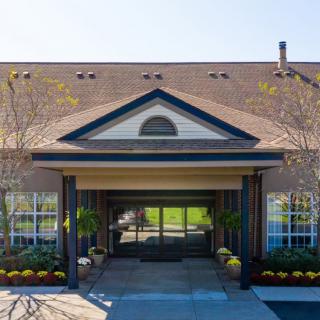
Encore House in Ann Arbor, MI is a thriving assisted living community that offers a wide range of amenities and care services to suit the needs and preferences of its residents. Our goal is to provide a comfortable and vibrant environment where seniors can enjoy their golden years with peace of mind.

Our spacious dining room is the perfect place for residents to enjoy delicious meals prepared by our skilled chefs. Whether they have special dietary restrictions or prefer traditional cuisine, our team caters to their individual preferences.

All of our apartments are fully furnished, ensuring that residents feel at home from the moment they move in. We understand the importance of maintaining a clean and organized living space, which is why we offer housekeeping services to keep apartments tidy and comfortable.

At Encore House, we believe that outdoor spaces are essential for promoting a healthy and active lifestyle. Residents can relax in the serene garden area or participate in various outdoor activities. Additionally, our community provides Wi-Fi/high-speed internet access so residents can stay connected with loved ones online.

Our dedicated care team is committed to assisting residents with their daily activities such as bathing, dressing, and transfers. We also coordinate with healthcare providers to ensure that every resident's specific medical needs are met. From diabetes diets to medication management, our staff is trained to handle a wide variety of care requirements.

Transportation is made convenient at Encore House, with arrangements available for medical visits and doctor's appointments. Families can have peace of mind knowing that their loved ones will be safely transported when needed.

We understand the importance of social engagement and mental stimulation for our residents' overall well-being. That's why we offer scheduled daily activities that cater to various interests and hobbies. From group outings to local cafes and parks, there are plenty of opportunities for residents to socialize and enjoy new experiences.

Encore House is conveniently located near numerous amenities including cafes, parks, pharmacies, physicians, restaurants, places of worship, theaters, and hospitals. This ensures that residents have easy access to essential services and a vibrant community life.

In summary, Encore House in Ann Arbor, MI is a welcoming assisted living community that focuses on providing quality care and a fulfilling lifestyle for seniors. With an array of amenities, care services, and convenient location, our community strives to make every resident feel at home and well taken care of.

Nearby Places of Interest

Pharmacies

  • Rite Aid (0.4 miles)
  • Ann Arbor Pharmacy (0.9 miles)
  • Clark Professional Pharmacy (0.9 miles)
  • Walgreens (1 miles)
  • CVS Pharmacy (1.4 miles)
  • Kroger Pharmacy (1.4 miles)
  • CVS Pharmacy (1.8 miles)

Places of Worship

  • Church of the Good Shepherd (0.6 miles)
  • Grace Ann Arbor Church (1.3 miles)
  • St Lukes Lutheran Church (1.7 miles)

Parks

  • County Farm Park (0.7 miles)
  • Gallup Park (2.2 miles)
  • Gallup Canoe Livery (2.2 miles)
  • Furstenberg Nature Area (2.4 miles)
  • Nichols Arboretum (2.5 miles)
  • Allmendinger Park (2.8 miles)

Physicians

  • Christensen Carl W MD - Christensen Carl W, MD (0.8 miles)
  • Bio Energy Medical Center (0.9 miles)
  • U S Medical Management (1.5 miles)
  • Skymint - Ann Arbor - Recreational & Medical Marijuana (1.7 miles)
  • CTR For Reproductive M (1.7 miles)
  • Briarwood Medical Group (1.8 miles)
  • University of Michigan Health Center (1.8 miles)

Hospitals

  • Serenity Home Care & Rehab Services (0.8 miles)
  • Affiliated Podiatrists PC (1.5 miles)
  • C.S. Mott Children's Hospital (2.6 miles)
  • Ped Cardiology Cs Mott (2.7 miles)
  • University of Michigan Von Voigtlander Women's Hospital (2.7 miles)
  • University of Michigan - Transplant Center (2.7 miles)
  • Amou (2.7 miles)

Restaurants

  • Olga's Kitchen (1.1 miles)
  • Chili's Grill & Bar (1.3 miles)
  • Olive Garden (1.7 miles)
  • Mark's Mid-Town Coney Island (1.8 miles)
  • Wendy's (1.8 miles)
  • P.F. Chang's China Bistro (1.9 miles)
  • IHOP (1.9 miles)

Cafes

  • Starbucks (1.2 miles)
  • Starbucks (1.2 miles)
  • RoosRoast Coffee (1.4 miles)
  • Zingerman's Coffee Company (2.2 miles)
  • Drip House Coffee Co. (2.5 miles)
  • Panera Bread (2.7 miles)
  • Starbucks (3.1 miles)

Transportation

  • U-Haul Moving & Storage (1.7 miles)

Theaters

  • Ann Arbor 20 + Imax (1.9 miles)

Frequently Asked Questions

Where is Encore House?

Nearby Communities

Related Resources

  • assisted living vs memory careUnderstanding the Distinctions: Assisted Living and Memory Care Explained

    The article differentiates between assisted living and memory care, explaining that assisted living supports seniors with daily activities while promoting independence, whereas memory care provides specialized services for individuals with dementia, focusing on secure environments and cognitive support. It also addresses staff training, safety considerations, costs, family involvement, and transition strategies for families navigating these care options.

  • elderly parent refuses assisted livingGuiding Elderly Parents Who Refuse Assisted Living: 6 Practical Steps

    Family caregivers face emotional, legal, and practical challenges when elderly parents refuse assisted living, often due to fears of losing autonomy. Open conversations and professional assessments can help address these concerns while exploring alternatives and ensuring safety, potentially leading to legal guardianship if necessary.

  • luxury assisted livingYour Comprehensive Guide to Luxury Assisted Living: Elevated Facilities, Amenities, and Costs

    Luxury assisted living offers high-quality senior care in a resort-like environment that combines essential medical support, gourmet dining, and personalized services to enhance residents' independence and well-being. These upscale facilities emphasize holistic health and community-building through customized care plans and social activities, catering to the growing demand for enriched senior living experiences despite higher costs.