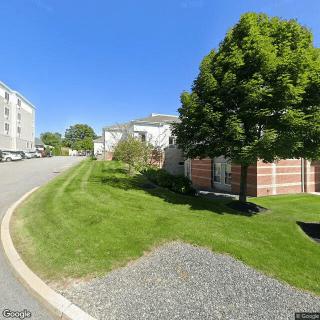
65 Briarwood Cir, Worcester, MA 01606
To contact a resident: (508) 852-2670
For more information about senior living options: (866) 208-4318
Overall Review of Briarwood Continuing Care
Pros
 The Briarwood staff are wonderful.
- The staff are kind and friendly.
- Briarwood is a wonderful place to live.
- The community is great and active.
- Everyone from staff to residents is warm and welcoming.
Cons
 My father is not the easiest person.
Review
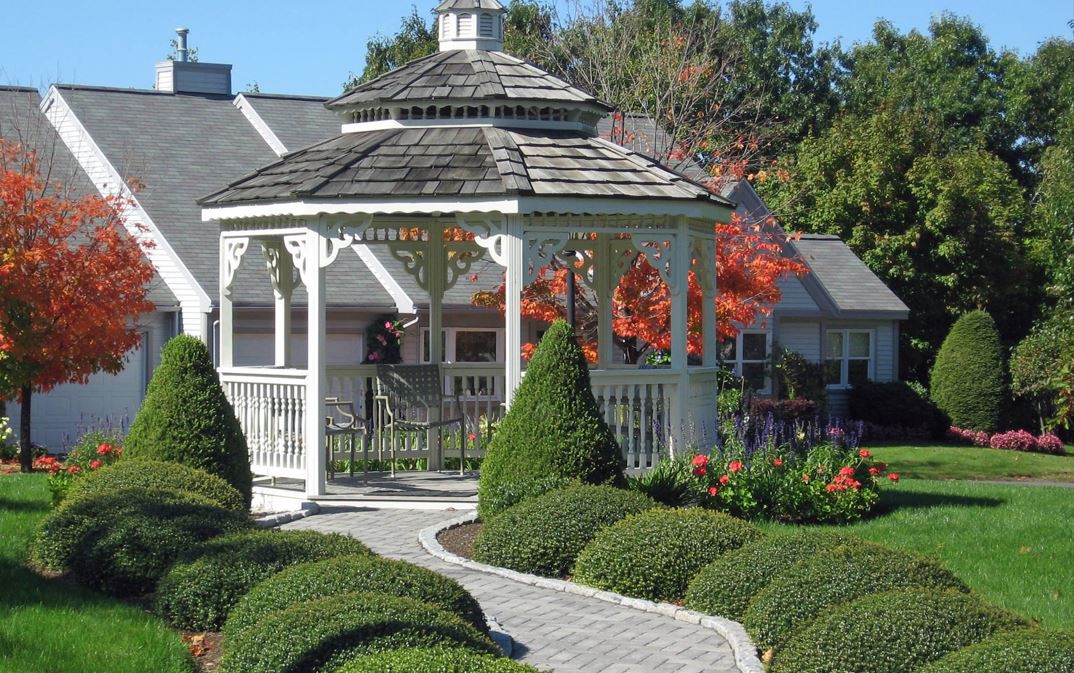
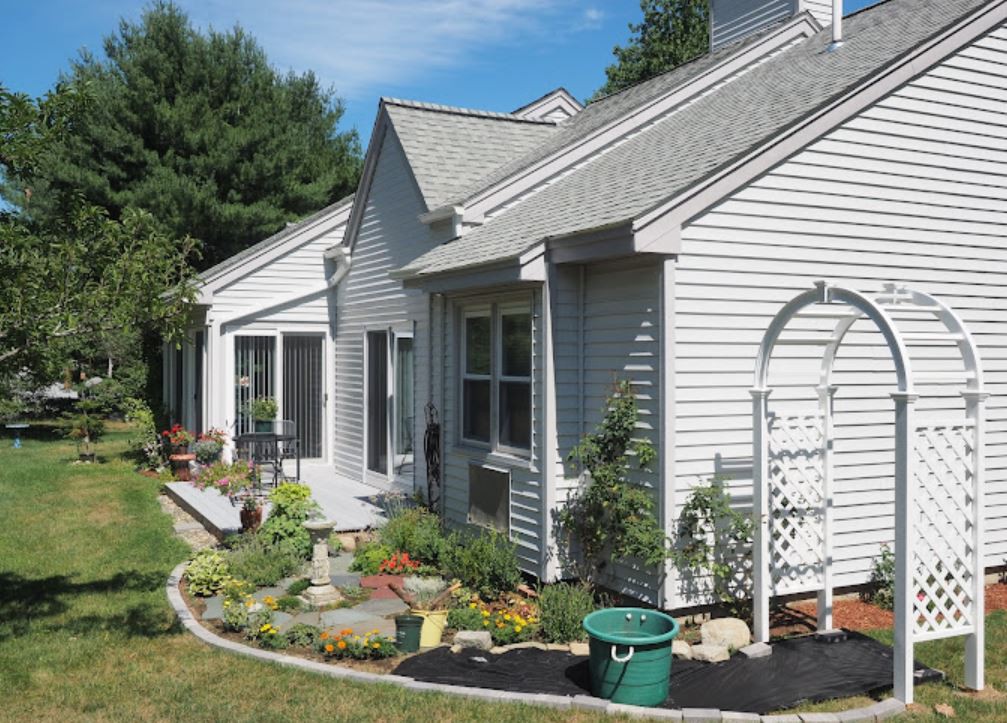
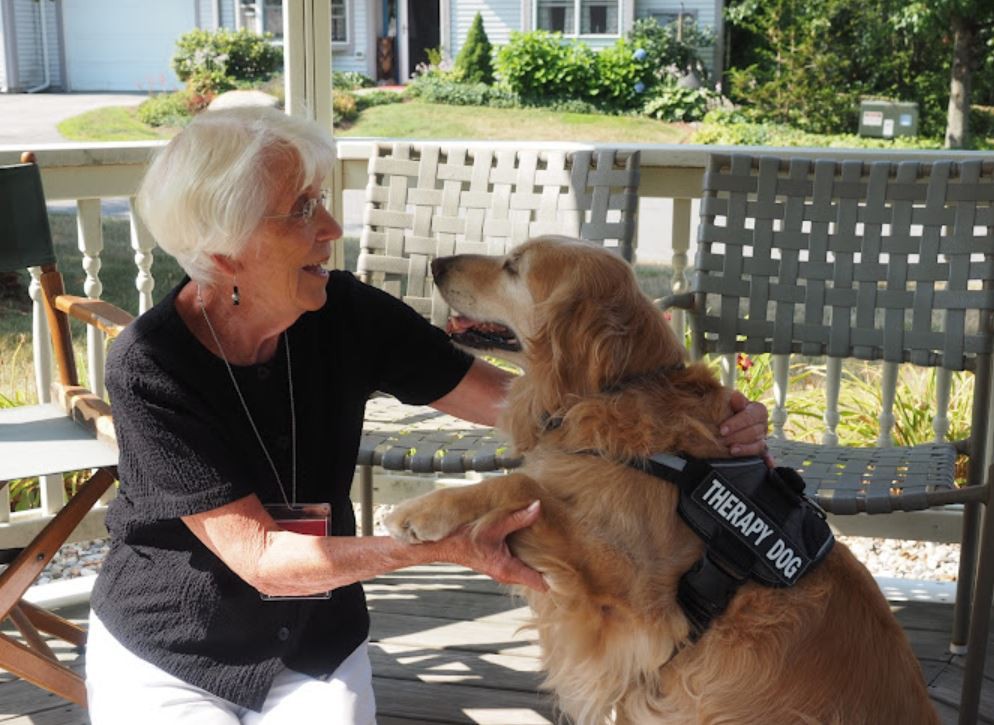
Briarwood Continuing Care in Worcester is best suited for families seeking a warm, socially vibrant senior living setting where daily life is anchored by attentive staff and a collaborative community. The reviews consistently spotlight a campus that feels welcoming from first contact, with residents who are engaged and neighbors who look out for one another. This is not a cold, clinical environment; it is a place where care routines blend with companionship, making it a strong fit for seniors who appreciate built-in activities, regular interaction, and a sense of belonging as needs require additional support over time. The continuing care model adds a practical edge for families wanting stability as care needs evolve without uprooting a loved one.
The strongest, most consistent pro is the people who make Briarwood what it is. Staff are described as wonderful, kind, friendly, and patient, even when a resident presents a challenge. A parent or partner who isn’t easy to care for is explicitly acknowledged as met with empathy and steady professionalism. That pattern of warmth extends beyond staff to the broader community: residents themselves are portrayed as welcoming, creating an active, connected atmosphere. For families trying to gauge whether care will feel personal rather than transactional, these impressions matter, and they point decisively toward Briarwood as a place where ordinary days are punctuated by thoughtful attention and human warmth.
In practical terms, the pros translate into meaningful daily benefits. A warm, supportive staff makes medication routines, mobility assistance, and daily chores smoother, reducing anxiety for families and enhancing a loved one’s sense of security. An active community means programs, outings, and opportunities to socialize, which can be a lifeline for mental and emotional well-being. When a resident is not the easiest personality to manage, the staff’s steady approach demonstrates not only competence but resilience; that combination tends to yield fewer drags on quality of life and lower caregiver stress for families trying to navigate transitions. The net effect is a living environment where care is dependable, and companionship is easy to find.
There are reasonable reasons why some families might consider alternatives. If the priority is a quieter pace, minimal social density, or tightly controlled costs, Briarwood may feel more active than some households prefer. For those who require highly specialized medical oversight, memory-care programs, or very budget-focused options outside a continuing-care setting, it can be prudent to explore other Worcester-area communities or in-home arrangements. The absence of any explicit downsides in the reviews does not erase the reality that every family has different thresholds for pace, privacy, and price. Briarwood’s strengths become potential trade-offs when those thresholds point elsewhere.
To make an informed decision, engage with Briarwood through a targeted tour and probing questions. Look closely at staffing patterns: caregiver-to-resident ratios, turnover rates, and staff stability across shifts. Verify the level of care available on-site and how smoothly residents transition between assisted living, memory support, and any skilled nursing components. Examine the activity calendar for substance and cadence, are there enough meaningful programs without feeling overwhelming? Review dining options, guest policies, transportation services, and the process for personalized care planning. Finally, observe interactions among staff, residents, and families to confirm that the warmth described in reviews translates into daily practice.
In sum, Briarwood Continuing Care stands out for families prioritizing a compassionate, engaged community with dependable staff who treat residents, and their loved ones, with respect and kindness. It is especially well-suited for those who value social opportunity, steady caregiving attention, and a sense of continuity as care needs evolve. Alternative paths should be considered by those seeking lower social intensity, tighter cost controls, or more specialized medical supervision. For the right family, Briarwood offers a pragmatic blend of heart, activity, and reliability that can make the transition to continued care feel less daunting and more as a natural, supportive next chapter.
 Assisted Living
 Independent Living
 Memory Care
 Skilled Nursing Facility
 Activities on-site
 Devotional services off-site
 Indoor common areas
 Worcester Regional (6 miles away)
 Ambulatory care
 Diabetic care
 Meals provided



 Dementia, Paranoia, and Caregiver Guidance: Understanding the Connection
 Engaging Memory Care Activities That Enhance Quality of Life
 When to Transition from Assisted Living to Memory Care: Key Indicators, Steps, and Finding the Right Community