



Briarwood Community in Worcester, MA

Save

  • Interior

    A beautifully decorated Christmas tree with lights and ornaments, surrounded by wrapped presents.
  • Outdoors

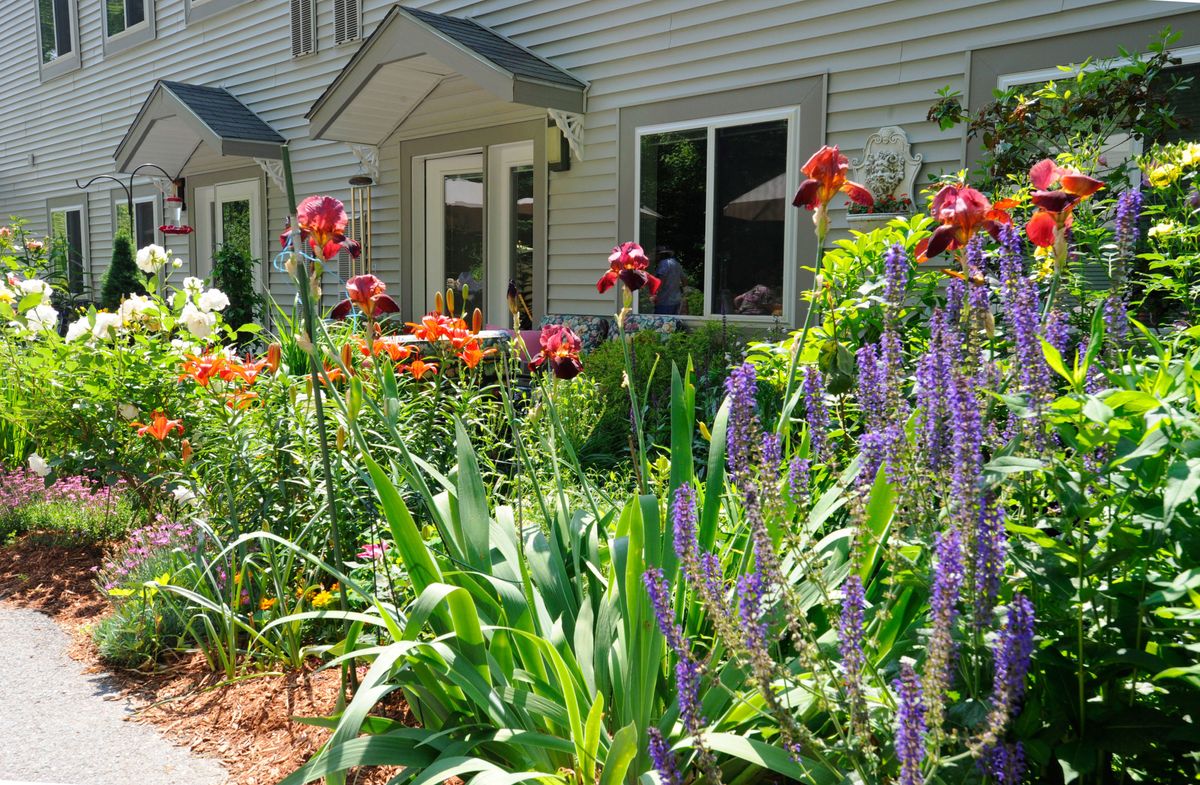
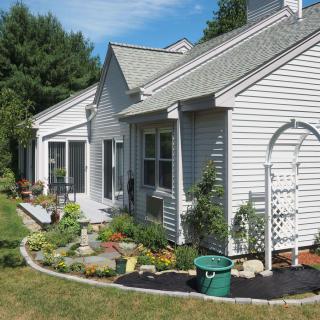
    A vibrant garden with a variety of flowers in front of a house.
  • Building

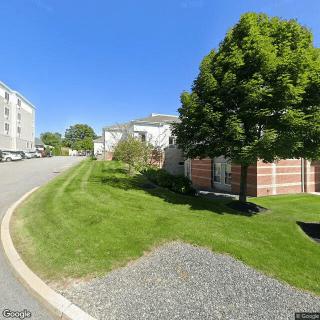
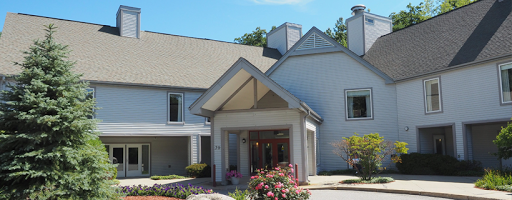
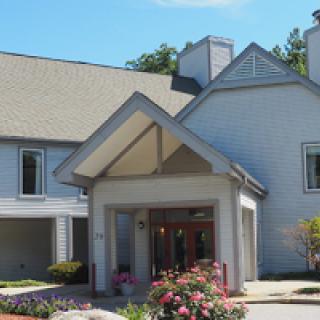
    A welcoming entrance to a beautifully designed building surrounded by vibrant flowers.
  • Trees

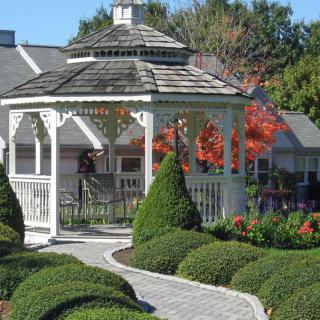
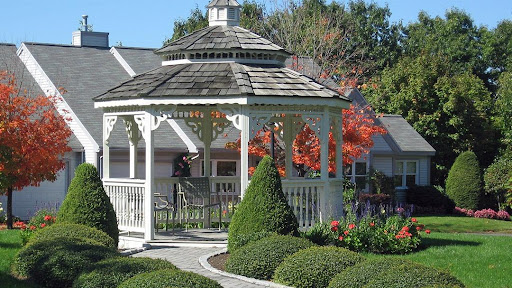
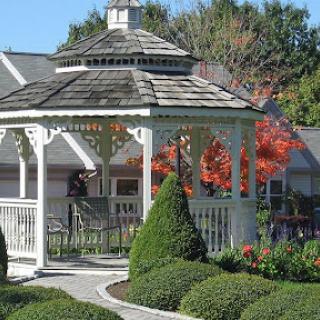
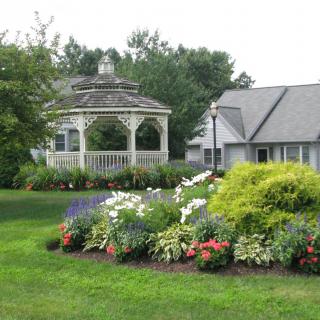
    A charming gazebo surrounded by beautifully manicured gardens and vibrant autumn leaves.
  • Dining

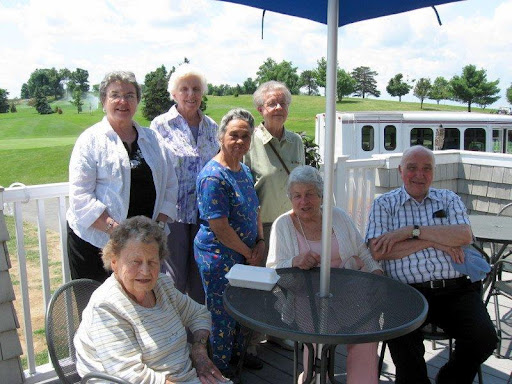
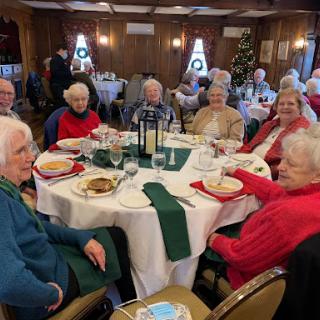
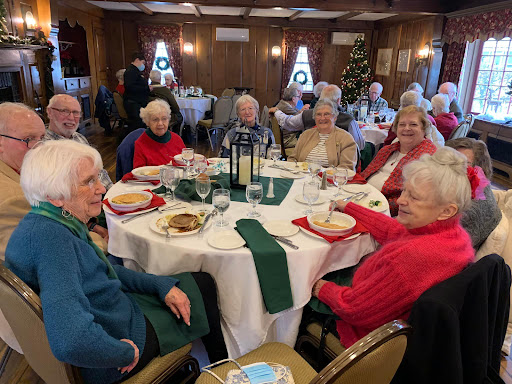
    A joyful gathering of seniors enjoying a festive meal together.
  • Landscaping

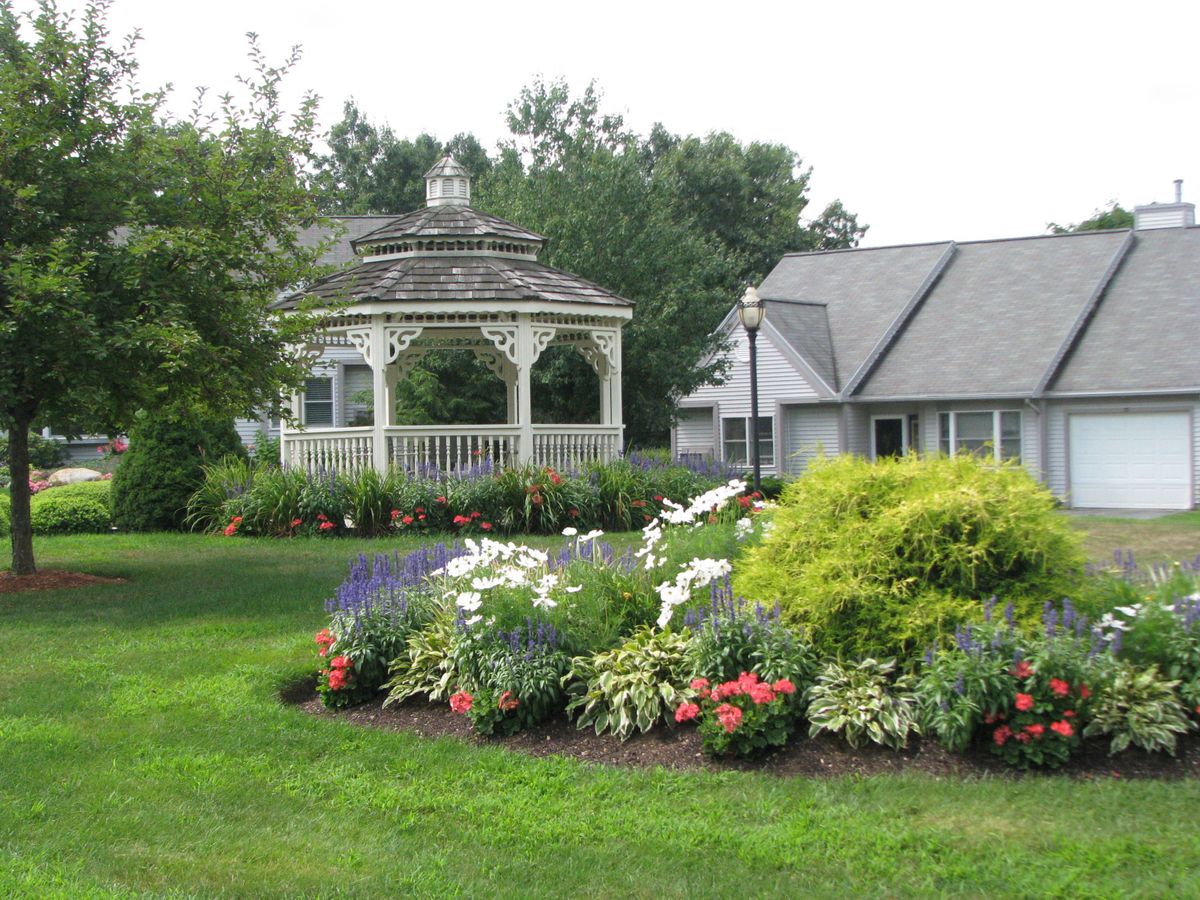
    A scenic garden with a gazebo and vibrant flowers adjacent to a house.
  • Garden

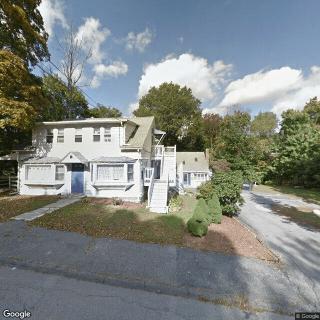
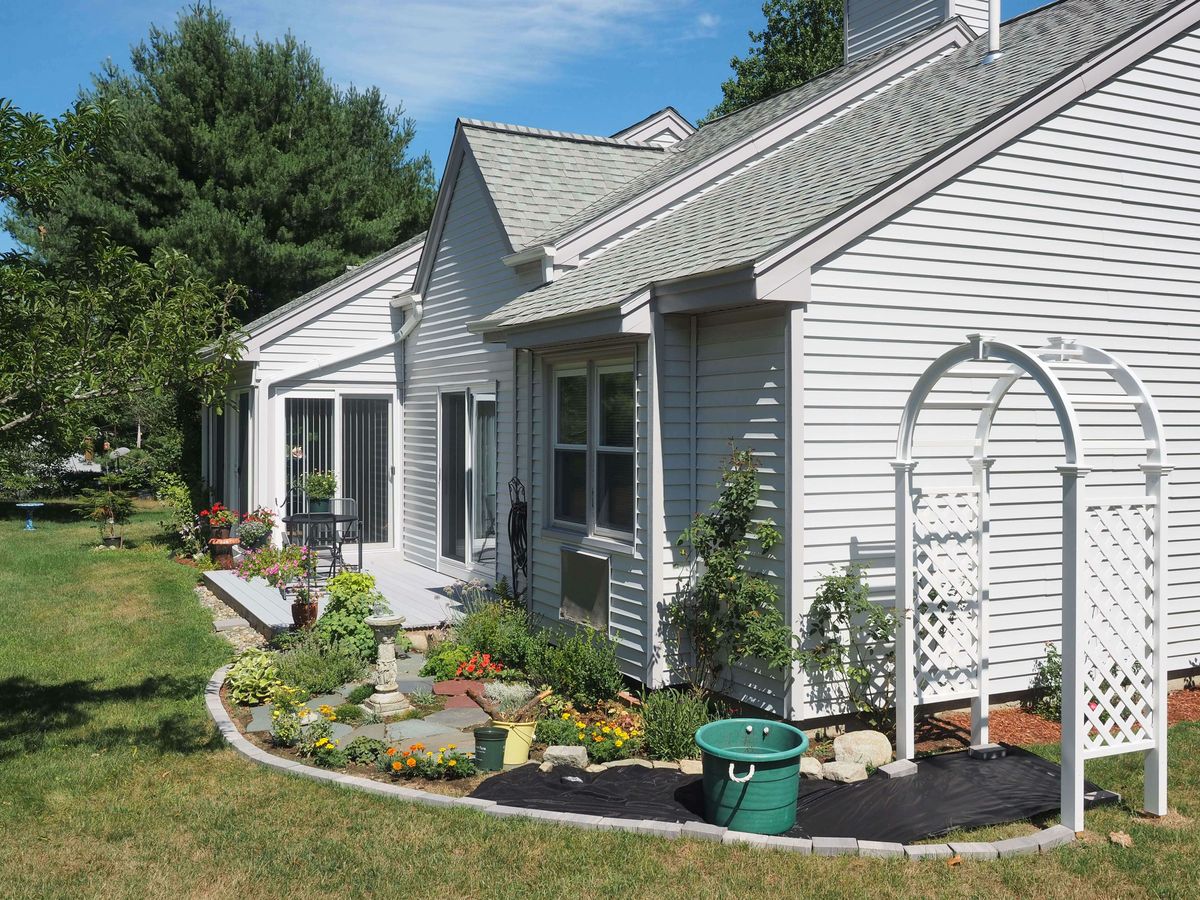
    A suburban house with a well-maintained garden and yard.
  • Outdoor

    A snow-covered gazebo surrounded by a serene winter landscape.
  • Gardening

    A woman tending to her beautiful garden filled with colorful flowers.

Briarwood Community in Worcester, MA

65 Briarwood Circle, Worcester, MA 01606

For more information about senior living options: (844) 490-3973

4.7 from 12 reviews
5 stars
8
4 stars
4
3 stars
0
2 stars
0
1 stars
0

Assisted Living Continuing Care Retirement Community (CCRC) Independent Living Memory Care

Overall Review of Briarwood Community

Pros

  • pro The staff are wonderful and friendly, always accommodating residents.
  • pro The memory care unit offers daily activities that keep residents very active and engaged.
  • pro The community feels small, homey, and tightly knit, with no unpleasant odors.
  • pro The facility is clean, modern, and well-maintained.
  • pro The dining options and overall food quality are excellent, with varied menu choices.
  • pro The building features a state-of-the-art gym, a large pool, and numerous activities and events.
  • pro The campus encompasses five acres of wooded property with cottages arranged like a little neighborhood and pleasant gardens.
  • pro The staff are five-star, smiling, and highly attentive to residents' needs.
  • pro The community is nonprofit with engaged resident volunteers on the board, contributing to a positive atmosphere.
  • pro The environment is warm, welcoming, and friendly for both staff and residents.

Cons

  • pro The reviewer noted that the food was not always the best.
  • pro The reviewer did not like the hotel-like feel of the building, as it did not seem very home-like or warm.

Review

Briarwood Community in Worcester is best suited for families seeking a close-knit, non-profit continuing-care option that blends independent living cottages with a small, intimate memory-care neighborhood and a broad slate of wellness amenities. The memory-care unit, limited to about 12 residents, is designed for personalized attention in a homey setting, while the surrounding campus supplies generous opportunities for social interaction, fitness, and cultural activities. Proximity matters here - locations near home and relatives help ease transitions, and the campus layout promotes a sense of belonging rather than a clinical, impersonal atmosphere. This is a community built for residents who value continuity, a warm environment, and staff who can treat daily routines as meaningful parts of life.

Those who may want to consider alternatives are the same families chasing a hotel-like or ultra-luxury feel, or those needing a larger memory-care footprint with a broader array of specialized programs. A few reviews note that some spaces can read as more "hotel" than home, and while the campus offers robust programming, the dining experience isn't uniformly described as five-star across every meal. For families prioritizing a larger-scale operation, higher-end gourmet dining, or a corporate for-profit model, Briarwood's nonprofit governance and its smaller memory-care cohort may not align with expectations. In short, for seekers of sizable memory-care capacity or highly premium dining, there are other CCRCs that may fit more precisely.

The strongest prosaic force here is the small, highly engaged memory-care community paired with a warm residential feel. With only 12 residents, care teams can tailor activities and routines to individual needs, a feature that can significantly reduce sundowning risk and wandering while preserving dignity and autonomy. The staff are repeatedly described as compassionate and capable, and the overall environment feels clean, welcoming, and home-like rather than clinical. The campus supports a vibrant lifestyle: a state-of-the-art gym, a large pool, regular programming, and opportunities to participate in independent cultural activities - plus a pavilion for social events. When combined with well-kept grounds and cottage living, the pros of attention, activity, and accessibility frequently outweigh the occasional unevenness in dining.

Equally important is Briarwood's practical governance and community culture. The nonprofit structure, with resident representation on the board and volunteer leadership, appeals to families seeking stewardship and transparency. Residents can live independently in two-bedroom cottages with garages, then transition into assisted living or memory care within the same campus as needs evolve, which makes aging in place a credible option. Dining is generally strong, with anecdotes of delicious meals and flexible on-campus options, including dining rooms and cafes. The campus design - five acres of wooded property, private yards around cottages, and easy access to outdoor spaces - reinforces the sense that life here remains personal and grounded in familiar routines, rather than an impersonal, elevator-lobby experience.

Memory care is the centerpiece that influences decision-making here. Families value the continuity of care within a familiar community setting, where staff learn individual likes and dislikes and can adjust care plans accordingly. The presence of daily activities tailored to cognitive needs, alongside ongoing physical programs, supports a dignified lifestyle that many families associate with peace of mind. Yet it is essential to acknowledge the caveat noted by some reviewers: dining quality is not consistently highlighted as exceptional, and a few residents or visitors felt the overall ambiance could veer toward a more formal "hotel" atmosphere rather than a fully homey experience. These are manageable drawbacks when the core needs - secure, attentive care, meaningful activity, and a cohesive memory-care option - align with what Briarwood delivers.

Bottom line: Briarwood is a practical, strongly advised option for families seeking a thoughtfully run, intimate continuum-of-care campus where memory care is integrated into a warm, residential environment. The combination of a small memory-care unit, devoted staff, robust wellness amenities, and cottage-based independent living creates a compelling package for aging in place with dignity. It is less well-suited for families chasing large-scale memory care, purely premium dining experiences, or a hotel-like atmosphere throughout the campus. Pros offset most cons when the priority is close-knit care, personal attention, and a coherent aging path. Prospective families should tour, speak with the lead staff - Dani in memory care and Tracy in the admissions process - and assess whether the homey, active, nonprofit model fits their priorities and expectations.

Features

Housing

  • 52 resident community capacity 52 resident community capacity

Types of Care

  • Assisted Living Assisted LivingAssisted living facilities provide crucial support and care for seniors who may need help with daily tasks such as medication management, bathing, and meal preparation. These communities offer a safe and comfortable environment where seniors can maintain their independence while receiving the assistance they need to thrive in their golden years.
  • Continuing Care Retirement Community (CCRC) Continuing Care Retirement Community (CCRC)Continuing Care Retirement Communities (CCRCs) are important for seniors because they provide a range of housing options and care services all in one location. This allows seniors to age in place and receive the level of care they need as their health changes, without having to move to a new facility. CCRCs provide a sense of security and peace of mind for seniors and their families, knowing that they will be taken care of no matter what the future holds.
  • Independent Living Independent LivingIndependent living communities are important for seniors because they offer a safe and supportive environment where older adults can live independently while still having access to amenities and services that enhance their quality of life. These communities provide social opportunities, recreational activities, and assistance with daily tasks, promoting overall well-being and allowing seniors to maintain their independence for as long as possible.
  • Memory Care Memory CareMemory care is crucial for seniors as it provides specialized support and services for individuals with dementia or Alzheimer's disease. These programs offer a safe and secure environment where residents receive personalized care, cognitive stimulation, and help with daily activities. Memory care helps seniors maintain their independence, quality of life, and dignity while also providing peace of mind for their families.

Amenities

  • Air-conditioning Air-conditioningAir conditioning is important for seniors as they are more vulnerable to heat-related illnesses and may have underlying health conditions that make it difficult for them to regulate their body temperature. It helps to keep them comfortable, safe, and healthy in hot weather.
  • Beauty salon Beauty salonBeauty salons are important for seniors because they provide a space for them to feel pampered, socialize, and maintain their personal grooming and hygiene. Regular visits to a beauty salon can help boost seniors' self-esteem and overall well-being.
  • Cable or satellite TV Cable or satellite TVCable or satellite TV is important for seniors because it provides entertainment, news, and companionship, helping to combat loneliness and boredom. It also offers a wide range of programming options tailored to different interests and preferences.
  • Computer center Computer centerA computer center is essential for seniors as it provides access to technology, communication tools, and resources that can enhance their daily lives. It allows them to stay connected with loved ones, engage in online activities, and learn new skills, ultimately promoting socialization and mental stimulation.
  • Fitness room Fitness roomHaving a fitness room in a senior living community is essential for seniors to stay active, maintain their physical health, and improve their overall well-being. Regular exercise can help prevent falls, reduce the risk of chronic diseases, and promote mental sharpness. It also provides social opportunities for residents to connect with others and enjoy a sense of community.
  • Fully furnished Fully furnishedFully furnished senior living communities are important for seniors because they provide convenience, comfort, and a hassle-free moving experience. Seniors can easily settle into their new living space without the stress of having to buy and move furniture. This allows them to focus on enjoying their new home and community.
  • Gaming room Gaming roomGaming rooms are important for seniors as they provide a fun and engaging environment for socializing, cognitive stimulation, and physical activity. Games can improve memory, problem-solving skills, and overall mental well-being while fostering friendships and reducing feelings of isolation.
  • Garden GardenGardens are important for seniors as they provide a peaceful and therapeutic environment for relaxation, physical activity, and socialization. Being in nature has been shown to reduce stress, improve mood, and promote overall well-being. Gardens also offer opportunities for seniors to engage in gardening activities, which can improve mobility, flexibility, and cognitive function. Additionally, gardens create a sense of community and connection with others who share a passion for plants and outdoor spaces.
  • Housekeeping services Housekeeping servicesHousekeeping services are important for seniors because they help maintain a clean and safe living environment, promote independence, and reduce the risk of accidents or illnesses. Additionally, having assistance with household chores can alleviate physical strain and allow seniors to focus on other aspects of their well-being.
  • Kitchenette KitchenetteKitchenettes are important for seniors living in senior living communities because they provide the convenience and independence of being able to prepare simple meals and snacks in the comfort of their own living space. This can help promote a sense of autonomy and well-being for seniors, allowing them to maintain some level of control over their dietary choices and daily routines.
  • Move-in coordination Move-in coordinationMove-in coordination is important for seniors because it helps ease the transition into their new living environment. It ensures that all logistics, such as packing, organizing movers, and setting up utilities are taken care of, allowing seniors to focus on settling in and adjusting to their new home. Having a smooth move-in process can alleviate stress and anxiety, making the transition smoother and more enjoyable for seniors.
  • Outdoor space Outdoor spaceOutdoor spaces are important for seniors as they provide opportunities for physical activity, social interaction, exposure to natural light and fresh air, and a sense of connection to nature. Having access to outdoor spaces can improve overall well-being and quality of life for older adults living in senior communities.
  • Private bathrooms Private bathroomsPrivate bathrooms are important for seniors in senior living communities because they provide independence, dignity, and comfort. Having a private bathroom allows seniors to maintain their personal hygiene routines without the need for assistance, promoting a sense of autonomy and privacy. Additionally, private bathrooms help prevent the spread of infections and provide a safe and clean environment for seniors to navigate safely.
  • Restaurant-style dining Restaurant-style diningRestaurant-style dining is important for seniors because it allows them to enjoy delicious, nutritious meals in a social and upscale setting. This enhances their dining experience, promotes healthy eating habits, and fosters socialization with fellow residents, ultimately contributing to their overall well-being and quality of life.
  • Small library Small librarySmall libraries are important for seniors as they provide access to a variety of reading materials, including books, newspapers, and magazines. This can help stimulate their minds, keep them engaged, and provide a sense of community through book clubs and other social activities. Additionally, reading has been shown to improve cognitive function and overall mental well-being in older adults.
  • Telephone TelephoneTelephones are important for seniors as they provide a lifeline for communication with loved ones, emergency services, and healthcare providers. They offer a sense of security and independence, enabling seniors to stay connected and access assistance when needed.
  • Wellness center Wellness centerWellness centers are important for seniors because they offer a variety of programs and services that promote physical, mental, and emotional well-being. These centers provide opportunities for exercise, socialization, education, and relaxation, helping seniors maintain their overall health and quality of life.
  • Wi-Fi/high-speed internet available Wi-Fi/high-speed internet availableWi-Fi/high-speed internet is important for seniors to stay connected with loved ones, access online resources, and participate in virtual activities to combat feelings of loneliness and isolation. It also allows them to easily manage healthcare needs, access entertainment, and engage in lifelong learning opportunities.

Transportation

  • Worcester Regional (6 miles away) Worcester Regional (6 miles away)
  • Community operated transportation Community operated transportationCommunity operated transportation is crucial for seniors as it provides them with the means to access essential services, social activities, and medical appointments. It allows seniors to maintain their independence and quality of life by ensuring they can participate in activities outside of their homes. Additionally, community-operated transportation services offer a safe and reliable way for seniors to travel without having to rely on family or friends for assistance.
  • Transportation arrangement Transportation arrangementTransportation arrangements are crucial for seniors as they may face challenges with driving, mobility, or access to public transportation. Having reliable transportation services ensures that seniors can easily attend appointments, social activities, and maintain their independence and quality of life.
  • Transportation arrangement (non-medical) Transportation arrangement (non-medical)Transportation arrangements are essential for seniors as they provide access to essential services, activities, and social interactions outside the home. This service helps maintain independence, mobility, and overall well-being for seniors who may have limited transportation options.

Care Services

  • 24-hour call system 24-hour call system24-hour call systems are important for seniors because they provide peace of mind and immediate assistance in case of emergencies. This technology ensures that help is always available, promoting safety and security for elderly individuals living alone or in assisted living facilities.
  • 24-hour supervision 24-hour supervision24-hour supervision is important for seniors to ensure their safety, well-being, and access to immediate assistance in case of emergencies or health issues. This constant support provides peace of mind for both seniors and their loved ones, allowing them to age in place with dignity and security.
  • Activities of daily living assistance Activities of daily living assistanceActivities of daily living assistance are important for seniors because they provide essential support with tasks such as eating, bathing, dressing, and mobility. This assistance helps seniors maintain their independence, dignity, and overall quality of life as they age.
  • Assistance with bathing Assistance with bathingAssistance with bathing is crucial for seniors as it helps maintain personal hygiene, prevents infections, and ensures their overall well-being and comfort. It also provides a sense of dignity and independence for seniors who may struggle with this task on their own.
  • Assistance with dressing Assistance with dressingAssistance with dressing is important for seniors because it helps maintain their independence, promotes personal hygiene, prevents accidents and injuries, and improves overall quality of life. This service ensures that seniors can continue to dress comfortably and confidently, despite any physical limitations they may have.
  • Assistance with transfers Assistance with transfersAssistance with transfers is crucial for seniors as it helps prevent falls and injuries, maintains their independence, and ensures they can safely navigate their living environment. It also provides peace of mind for both seniors and their loved ones.
  • Diabetes diet Diabetes dietA diabetes diet is crucial for seniors as it helps manage blood sugar levels, reduce risks of complications, and improve overall health and well-being. By following a balanced and nutritious diet tailored to their specific needs, seniors can better control their diabetes and enhance their quality of life.
  • Meal preparation and service Meal preparation and serviceMeal preparation and service are crucial for seniors as they may have limited mobility or energy to cook nutritious meals. Having access to healthy and convenient food options can ensure they are getting the proper nutrition needed to maintain their overall health and well-being.
  • Medication management Medication managementMedication management is crucial for seniors to ensure they are taking the right medications at the correct dosages and times. This helps prevent adverse drug interactions, reduces the risk of medication errors, and promotes overall health and well-being. Proactive management also allows for adjustments as needed based on changing health conditions or new prescriptions.
  • Special dietary restrictions Special dietary restrictionsSpecial dietary restrictions are important for seniors because age-related changes in metabolism and health conditions can make it difficult for their bodies to process certain foods. By following a diet tailored to their specific needs, seniors can maintain their overall health and well-being, manage chronic conditions, and reduce the risk of complications such as malnutrition or food interactions with medications.

Dining

  • Diabetes diet Diabetes dietA diabetes diet is crucial for seniors as it helps manage blood sugar levels, reduce risks of complications, and improve overall health and well-being. By following a balanced and nutritious diet tailored to their specific needs, seniors can better control their diabetes and enhance their quality of life.
  • Special dietary restrictions Special dietary restrictionsSpecial dietary restrictions are important for seniors because age-related changes in metabolism and health conditions can make it difficult for their bodies to process certain foods. By following a diet tailored to their specific needs, seniors can maintain their overall health and well-being, manage chronic conditions, and reduce the risk of complications such as malnutrition or food interactions with medications.

Activities

  • Community-sponsored activities Community-sponsored activitiesCommunity-sponsored activities are important for seniors as they provide opportunities for social interaction, mental stimulation, and physical activity. These activities can help improve overall well-being, combat loneliness and isolation, and promote a sense of belonging and purpose among older adults.
  • Concierge services Concierge servicesConcierge services are essential for seniors as they provide assistance with daily tasks and errands, enhance their quality of life by offering convenience and personalized care, and promote a sense of safety and security.
  • Fitness programs Fitness programsFitness programs are crucial for seniors as they help improve strength, flexibility, balance, and overall well-being. Staying active can reduce the risk of chronic diseases, improve mental health, and enhance quality of life in older adults.
  • Planned day trips Planned day tripsPlanned day trips are important for seniors because they offer opportunities for socialization, mental stimulation, and physical activity. They provide a change of scenery and help seniors stay engaged and connected to their community, promoting overall well-being and quality of life.
  • Resident-run activities Resident-run activitiesResident-run activities are important for seniors as they encourage social interaction, creativity, and a sense of autonomy. These activities empower seniors to stay engaged and active in their community while fostering meaningful connections with their peers.
  • Scheduled daily activities Scheduled daily activitiesScheduled daily activities are important for seniors because they provide structure, socialization, mental stimulation, and physical activity. Engaging in regular activities can improve overall well-being and quality of life for seniors living in a community setting.

Description

The Briarwood Community in Worcester, MA is a welcoming and vibrant assisted living community that offers a range of care services to meet the needs of its residents. With options for Continuing Care Retirement Community (CCRC), Independent Living, and Memory Care, individuals can find the level of support that suits them best.

Residents at Briarwood enjoy a variety of amenities designed to enhance their daily lives. A beauty salon is available for those who want to look and feel their best, while cable or satellite TV provides entertainment options in the privacy of their own rooms. The community also operates transportation services, making it easy for residents to get around town for appointments or social outings.

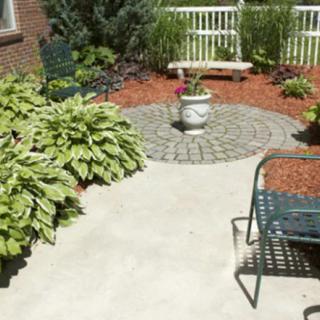
For those who enjoy technology, the computer center offers access to the internet and other digital resources. Keeping fit and active is made easy with a fully equipped fitness room on-site. The gaming room provides opportunities for friendly competition and social interaction. The beautiful garden and outdoor space allow residents to enjoy nature and fresh air.

Housekeeping services ensure that each resident's living space stays clean and tidy. Private bathrooms offer convenience and privacy. Move-in coordination takes away the stress of transitioning into a new home. Restaurant-style dining provides delicious meals prepared by professional chefs, catering to individual dietary restrictions if needed. A small library is available for bookworms, while telephone services keep residents connected with loved ones.

Additionally, Briarwood offers comprehensive care services to support individuals' needs around the clock. With 24-hour supervision, assistance with activities of daily living such as bathing and dressing is readily available. Medication management ensures medications are taken correctly and on time. Special dietary restrictions are accommodated to meet individual health needs.

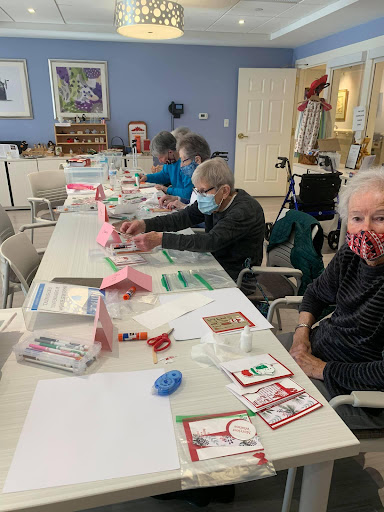
Residents at Briarwood can enjoy a wide variety of activities both within the community and in nearby areas. Concierge services are provided for any assistance needed, ensuring residents have a smooth experience during their stay. Fitness programs promote active lifestyles, planned day trips provide opportunities for exploration, and resident-run activities encourage social engagement. A schedule of daily activities keeps residents busy and engaged.

With numerous nearby amenities, residents have easy access to cafes, parks, pharmacies, physicians, restaurants, places of worship, and hospitals. This ensures that all their needs are met conveniently and efficiently.

The Briarwood Community in Worcester, MA is a warm and vibrant assisted living community that provides high-quality care services in a comfortable and engaging environment.

Nearby Places of Interest

Physicians

  • Great Brook Valley Health Center (1 miles)
  • Reliant Medical Group (1.8 miles)
  • West Boylston Family Medicine (2.1 miles)
  • HB Eye Care Center (2.1 miles)
  • Saint Vincent Medical Group (2.1 miles)
  • Lake View Court (2.1 miles)
  • Dr Zinman (2.3 miles)

Places of Worship

  • Our Lady of The Rosary Rectory & Main Number (1.3 miles)
  • St Spyridon Cathedral Special Events Committee (4.1 miles)

Pharmacies

  • Walgreens (1.3 miles)
  • Walgreens (1.6 miles)
  • CVS Pharmacy (1.7 miles)
  • CVS Pharmacy (1.7 miles)
  • CVS Pharmacy (2.1 miles)
  • CVS Pharmacy (2.5 miles)
  • Gaia Biotech (2.6 miles)

Restaurants

  • O'Connor's Restaurant & Bar (1.6 miles)
  • Wendy's (1.6 miles)
  • Chick-Fil-A (2.5 miles)
  • Chipotle Mexican Grill (3.1 miles)
  • Regatta Deli & Sandwich Shoppe (3.1 miles)
  • Tavern in the Square (3.1 miles)
  • Hooters (3.3 miles)

Cafes

  • Panera Bread (2.3 miles)
  • Bean Counter (3 miles)
  • Starbucks (3.1 miles)
  • Fuel America (3.2 miles)
  • Redemption Rock Brewing (3.3 miles)
  • In House Coffee (3.5 miles)
  • Starbucks (3.6 miles)

Parks

  • Green Hill Park (2.5 miles)
  • Elm Park (4 miles)
  • Lake Park (4 miles)
  • Beaver Brook Park (4.8 miles)

Hospitals

  • Worcester Recovery Center And Hospital (2.6 miles)
  • U Mass Hospital (2.7 miles)
  • UMass ACC (2.9 miles)
  • UMass Interventional Radiology (3.2 miles)
  • Nahtm (3.2 miles)
  • Saint Vincent Hospital (3.8 miles)
  • St Vincent Hospital (3.8 miles)

Frequently Asked Questions

Where is Briarwood Community?
Does Briarwood Community provide care for residents with dementia or Alzheimer's disease?
What photos are available for Briarwood Community in Worcester, Massachusetts?

Nearby Communities

  • Briarwood Continuing Care

    Briarwood Continuing Care

    Worcester, MA


    pro Comprehensive care continuum with diabetic care and engaging activities.

  • The Elms At Briarwood

    The Elms At Briarwood

    Worcester, MA

    4.9 from 7 reviews
     

    pro Comprehensive assisted living with 24-hour supervision, medication management, respite care, and restaurant-style dining.

  • The Evergreens

    The Evergreens

    Worcester, MA


    pro Intimate 12-bed community with comprehensive care (24-hour supervision, ADL support, medication management), meals, housekeeping, transportation, and daily activities.

  • Knollwood Nursing Center

    Knollwood Nursing Center

    Worcester, MA

    2.9 from 17 reviews
     

    pro Immaculate, well-maintained facility with caring staff and engaging activities.

  • Pleasant Acres Rest Home

    Pleasant Acres Rest Home

    Worcester, MA

    1.6 from 11 reviews
     

    pro Some staff show dedication to safety and resident engagement.

  • Angell Brook Village

    Angell Brook Village

    West Boylston, MA


    pro Personalized 24/7 care with modern amenities and easy access to healthcare, dining, and spiritual opportunities.

  • Dodge Park Rest Home

    Dodge Park Rest Home

    Worcester, MA

    4.9 from 143 reviews
    $8,997 to $10,675 / month

    pro Caring staff with strong safety practices.

  • Christopher House Of Worcester

    Christopher House Of Worcester

    Worcester, MA

    3.6 from 14 reviews
     

    pro Warm, friendly staff in a clean, engaging environment with active rehab and social programs.

  • St Mary Health Care Center

    St Mary Health Care Center

    Worcester, MA

    3.8 from 21 reviews
     

    pro Caring staff, clean, well-maintained environment with engaging activities.

Related Resources

  • dementia careMemory Care Pathways: A Holistic Guide to Dementia Support

    "Memory Care Pathways: A Holistic Guide to Dementia Support" outlines the complexities of dementia and its various types, emphasizing early detection, patient-centered care strategies, caregiver support, and long-term care options while addressing legal and financial considerations to enhance the quality of life for individuals with dementia and their families.

  • sundown syndromeComprehending Evening Confusion in Dementia: Causes, Manifestations, and Support

    Sundown syndrome, or sundowning, is a phenomenon in dementia patients characterized by increased confusion and agitation during late afternoon and evening, influenced by factors like disrupted circadian rhythms and fatigue. Effective caregiver strategies include establishing routines and managing environmental light while addressing caregiver stress through support services.

  • delirium vs dementiaDelirium and Dementia: Unraveling the Key Differences

    Delirium is a rapidly onset, reversible cognitive disturbance often caused by acute medical issues, while dementia is a gradual and irreversible decline due to chronic neurodegenerative diseases. Accurate differentiation between the two is essential for appropriate treatment and management in older adults.