
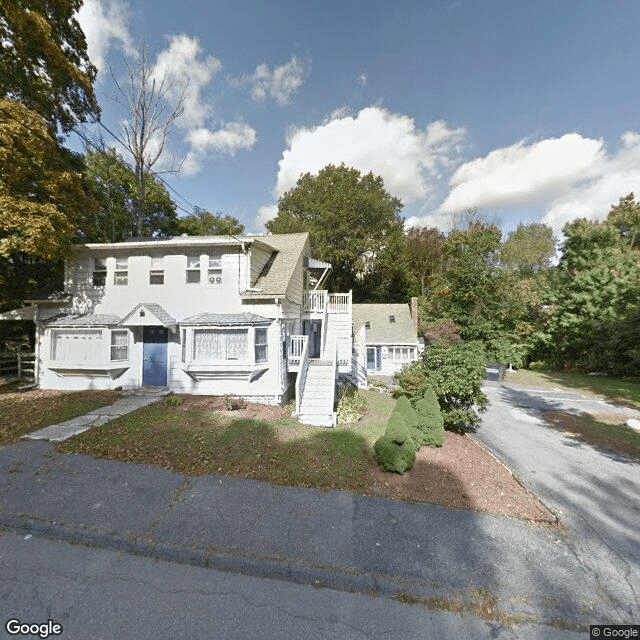
107 E Mountain St, Worcester, MA 01606
To contact a resident: (508) 853-8333
For more information about senior living options: (866) 208-4318
Overall Review of Pleasant Acres Rest Home
Pros
 It is a great resthome.
- The staff goes above and beyond for the residents.
- Visitors are welcome to come in at any time and talk to the staff.
Cons
 The owner is terrible and money-hungry, and she treats her own family as beneath her; she should be audited.
- The facility is evil, with bathrooms constantly dirty with urine, disgusting food (mostly sandwiches), and weak coffee and iced tea; the place should be closed down.
- The management is highly unprofessional, with the manager lying about a resident, getting her kicked out, and allegedly supplying residents with alcohol; the place needs new management.
- The rest home is a last-resort option and a disgrace for seniors, worse than other facilities; it should be avoided.
- The environment is unsanitary and cramped — odors of urine, rooms more like closets, and a resident’s full diaper left in the TV room; the owner is rarely present.
- The facility is unsafe and poorly run, with staff not responding for 20 minutes and a worker who appeared sleep- or intoxicated, before anyone unlocked the door.
Review
Pleasant Acres Rest Home in Worcester best fits families with limited resources who can commit to aggressive oversight. The community’s track record shows a divided picture: some staff are praised, and visitors are welcome to observe care. Yet the prevailing pattern reveals management gaps, sanitation problems, and inconsistent day-to-day operations. For seniors who require reliable supervision, clean surroundings, and predictable routines, this is not the safest or most comfortable option. Families must be ready to monitor care, press for accountability, and be prepared to relocate quickly if conditions worsen. In practical terms, the value here hinges on the family’s ability to stay engaged and proactive rather than rely on steady, hands-off care.
Explicitly, alternatives should be considered by anyone who expects professionalism, sanitation, and safety. If medical oversight, consistent staffing, and a respectful living environment matter, this community does not reliably deliver. Reports of urine on the floor, strong odors, cramped rooms, and inconsistent supervision signal a risky baseline. There are also accounts of misplacement and an owner who is perceived as disengaged. For residents with memory issues, incontinence, or complex medical needs, the risk of neglect or subpar care is too high. In short, it is prudent to compare with other local options that offer clearer governance and demonstrable quality improvements.
One clear pro exists: some staff members are genuinely helpful, and families are encouraged to visit freely, which can facilitate oversight. However, these positives do not offset the core drawbacks. Sanitation lapses, small spaces, and a sense that leadership is absent undermine any goodwill. When odors, hard beds, and noise from a busy street intrude on daily life, the benefits of friendly staff lose impact. The care experience becomes a game of hoping for good days rather than relying on reliable, consistent care. In practice, individual kindness cannot compensate for systemic problems and inconsistent operations that keep families anxious rather than confident in a loved one’s welfare.
Environmental and safety concerns are persistent. Urine on floors, rooms that feel like closets, and weak housekeeping translate into a lower quality of life. A busy road adds sleep disruption and stress. Reports of staff despondency or absence further heighten risk for neglect. Governance matters here: when ownership is perceived as unavailable or misaligned, response times and accountability suffer. These factors collectively outweigh any potential convenience and point toward a facility where daily safety, meals, medications, and dignity are not consistently protected. The pattern is enough to urge careful consideration and a cautious approach before committing to long-term residency.
Evaluation should focus on observable conditions and governance. During tours, assess cleanliness of bathrooms and common areas, and test staff responsiveness in real time. Request room-by-room comparisons and verify that residents’ needs are met promptly, with clear medication management and safe handling. Speak with multiple residents and family advocates to gauge consistency. Ask whether the administrator is regularly present, how complaints are tracked, and what measurable improvements exist. Bring along a checklist and demand recent inspection data from state resources. Require a concrete improvement plan with timelines if choosing to proceed, and set a firm go/no-go date for decision-making.
Bottom line: Pleasant Acres Rest Home represents a high-risk option for most seniors. It may suit families willing to supervise intensely and operate within a tight budget, but for anyone prioritizing clean conditions, steady staffing, and accountable leadership, better choices exist. Strongly consider facilities with transparent governance, reliable sanitation records, and demonstrated, consistent care. If a tour is pursued, use a structured plan, insist on tangible improvements within a defined window, and be prepared to move if progress stalls. The safer path is to prioritize environments where quality and dignity are consistently upheld rather than relying on sporadic goodwill.
 Board and Care Home
 Worcester Regional (6 miles away)





 Understanding Hospice Care at Home: Comprehensive Services, Key Benefits, and Eligibility
 Understanding the Full Cost of 24/7 In-Home Care: A Detailed Overview
 Exploring the World of Home Health Nurses: Qualifications, Roles, and Hiring Tips