Interim Healthcare
Save
442 Westfield St, West Springfield, MA 01089
For more information about senior living options: (844) 490-3973
What level of care are you interested in?

Assisted Living

Memory Care

Independent Living

Skilled Nursing Facility

Continuing Care Retirement Community (CCRC)CCRC

Other
This collection of experiences paints a troubling picture of Interim Health Care from multiple angles, centering on the way care was scheduled, staffed, and managed, and how those choices affected elderly or dependent clients who rely on dependable support. Across several reviews, what stands out is a pattern of last-minute changes, inadequate replacements, and a hierarchy that sometimes seemed indifferent to the practical and emotional toll on families who are already juggling delicate daily routines. The frustration isn't just about a missed appointment; it's about a sense that the system meant to provide reliable help for people at their most vulnerable time was repeatedly failing to show up, communicate, or be accountable.
A recurring thread is the abrupt removal of a caregiver that a client had come to trust. In one particularly vivid account, a caregiver who typically arrived around 11:15 a.m. was suddenly no longer assigned to that client without warning for the day in question. The client rushed home to meet the caregiver, waited for a half hour, and then had to call the agency, only to be told that the caregiver "has decided not to work with you." The agency claimed there were no available replacements in the area, leaving the client - who is 83 years old and relies on assistance with household chores - in a situation where laundry piled up, a dirty bathroom, and dirty floors created additional stress and health concerns. The narrator emphasizes both the immediate practical strain and the emotional impact of feeling abandoned by a system that should be ensuring continuity of care.
The interactions with the agency's management compound the sense of disempowerment. One reviewer describes being met with a rude, condescending response from a manager named Bill, who reportedly instructed them to find another company and claimed he would contact another agency (Highland Valley) but never followed through. The reviewer characterizes the exchange as emblematic of a company that would rather shift responsibility than resolve a scheduling gap, and they bluntly question how a business that serves the elderly could tolerate such behavior. The fear and frustration voiced in this encounter are palpable: the client is left to cope on their own, while the agency offers no assurance, no plan for coverage, and little visible concern for safety or dignity. The sense of being dismissed - especially when dealing with a population that cannot easily adjust to sudden changes - strikes at the heart of what home-care services are supposed to provide.
An update added another layer of dismay: the reviewer later learned that the "rude old guy" who initially caused the distress was, in fact, the owner. This realization appears to have reinforced the perception that leadership at the company was unsympathetic and unaccountable to clients' needs. A separate reviewer echoes this sentiment, noting that a PCA (person-centered advocate or similar referral contact) told them she would not refer anyone else to the agency after her own negative experience. The sense that ownership and referrals carry reputational weight, yet are not translating into better day-to-day practice for clients, leaves a lasting impression of distrust.
The complaints extend to the organization's onboarding and orientation processes. In one instance, a potential employee who came in for orientation faced a hostile reception because they did not wear scrubs. The person explained they were not a nurse and were simply helping with homemaking for a family member. The employee was told, "goodbye, we don't need you," and faced criticism for not purchasing scrubs if the company insists they be worn. The reviewer points out that scrubs are expensive and not a reasonable expectation for someone working a limited number of hours, particularly if the agency is not paying the full rate for training or orientation. The broader takeaway is a culture that appears to prize uniform standards and perceived professionalism over practical realities for workers and clients alike, which can deter well-meaning individuals from joining the team and can misalign expectations from the outset.
Beyond these episodes, the reviews repeatedly highlight broader reliability issues: staff members who call in sick or fail to show up, last-minute changes that disrupt plans, and insufficient replacements with a sense of procedural shrugging rather than proactive problem-solving. One reviewer emphasizes that hours are not always made up when a caregiver misses a shift, leaving the client without service and without a consistent routine. Another recounts a specific incident during the COVID era, where a caregiver was exposed to the virus, and management allowed her to complete the shift despite health concerns. The client's request for guidance and adherence to safety guidelines was met with a dismissive attitude, and the manager allegedly refused to share or confirm guidelines in writing. Stories like this underscore not only logistical failures but also a troubling approach to safety and transparent communication during a public health crisis.
The tone across many accounts is predominantly negative, with complaints about the staff's attitude and the organization's willingness to take responsibility. One reviewer describes the overall experience as "awful," noting that even when the client attempted to raise concerns or request accountability, the administration would not engage or would direct them to leave if they did not like the situation. Another reviewer quotes the experience of being told to go elsewhere after voicing concerns, reinforcing the sense that the company prioritizes avoiding confrontation over addressing problems. The most caustic observation is that an organization should be serving vulnerable people, yet the pattern of missed visits, poor communication, and a dismissive culture seemingly undermines the safety and dignity of elderly clients.
Not all notes are uniformly negative, however. A minority of reviewers offer contrasting praise, pointing to times when management and office staff were supportive of the employee and flexible with scheduling. One reviewer emphasizes that management has "worked with me on my schedule" and was "very understanding" when the author was sick or in the process of purchasing a home. There is also a brief, closing sentiment about teamwork and "lovely people" among the staff, suggesting that not every interaction is rancorous and that there are some instances of positive experiences. These occasional positives provide a counterpoint to the more common concerns and imply that outcomes may vary by location, supervisor, or the specific caregiver assigned.
In the longer arc, several reviewers describe a sense that the agency's priorities do not consistently align with the needs of the elderly or vulnerable clients. The recurring themes of last-minute changes, unreliable staffing, poor communication, and perceived disrespect toward families and patients coalesce into a narrative of dissatisfaction and loss of trust. Some clients have taken their concerns to external bodies or found themselves seeking alternatives - moving on to other agencies that are perceived as more responsive and reliable. The overall impression is that, despite occasional favorable experiences, the pattern of unreliability and management-style issues is significant enough to drive families to seek other options and to question whether the organization's stated mission matches its everyday practice.
Taken together, these experiences illustrate a challenging reality for those who rely on Interim Health Care for essential in-home support. For many clients, the hope of dependable, compassionate assistance is tempered by repeated last-minute withdrawals, insufficient coverage, and a management tone that can feel dismissive rather than constructive. While there are glimpses of positive management support in some reports, the more dominant narrative centers on frustration, fear of inadequate care, and a search for alternative providers that can deliver consistent, respectful, and reliable service to the elderly and those needing help with daily tasks.
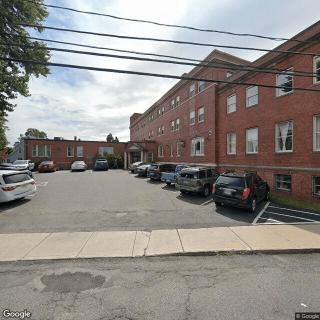
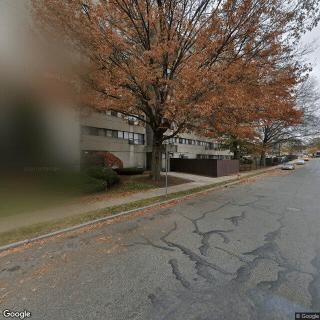
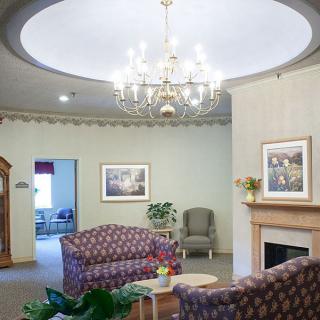
The assisted living community described above is located in West Springfield, MA and is operated by Interim Healthcare. The community boasts a convenient location with several amenities and services in close proximity.
Residents of the community have access to two nearby cafes, providing opportunities for socialization over a cup of coffee or a light meal. Additionally, the presence of four parks allows residents to enjoy outdoor activities and scenic surroundings.
Healthcare and medication needs are well taken care of with 17 pharmacies located nearby. This ensures that residents can easily obtain their prescribed medications and any necessary healthcare supplies.
With 30 physicians in the vicinity, residents can easily schedule appointments and receive medical care without having to travel long distances. This accessibility to healthcare professionals provides peace of mind for both residents and their families.
The community also offers a wide variety of dining options, as there are 28 restaurants nearby. This allows residents to explore different cuisines and enjoy meals outside of the community if they desire.
Transportation needs are met with one transportation service available nearby. This enables residents to attend appointments, run errands, or enjoy outings without relying on personal vehicles.
Lastly, the presence of six hospitals close by offers an added level of security for residents. In case of emergencies or specific medical needs, prompt access to emergency care or specialized treatments is readily available.
Overall, this assisted living community in West Springfield provides convenience, comfort, and peace of mind with its proximity to various amenities essential for a fulfilling and independent lifestyle.
This part of West Springfield, Massachusetts offers convenient access to various healthcare services, including physicians' offices and pharmacies within a short distance. There are reputable hospitals nearby for any medical emergencies or ongoing care needs. For dining options, there is a mix of fast-food chains like McDonald's and local eateries such as Lattitude and Taste of Lebanon. The area also has amenities like parks for outdoor recreation like Robinson State Park and transportation options with Springfield Union Station not too far away. Overall, this neighborhood provides a blend of healthcare facilities, dining choices, and recreational opportunities suitable for senior living.
Interim Healthcare is located at 442 Westfield St, West Springfield, MA 01089 in Hampden County, Massachusetts
Landmark At Monastery Heights
West Springfield, MA
Caring staff, clean facilities, and engaging activities.
Landmark At Monastery Heights reviews
Landmark At Monastery Heights images
Prosper at Monastery Height
West Springfield, MA
Warm, attentive staff with engaging activities in a welcoming community.
Prosper at Monastery Height costs
Prosper at Monastery Height reviews
Prosper at Monastery Height images
Heritage Hall West
Agawam, MA
Clean facility with attentive care and solid therapies.
Heritage Hall West costs
Heritage Hall West reviews
Heritage Hall West images
The Atrium at Cardinal Drive
Agawam, MA
The Atrium at Cardinal Drive costs
The Atrium at Cardinal Drive reviews
The Atrium at Cardinal Drive images
Holiday Quail Run Estates
Agawam, MA
Spacious, recently remodeled apartments with friendly staff and engaging activities.
Holiday Quail Run Estates costs
Holiday Quail Run Estates reviews
Holiday Quail Run Estates images
Armbrook Village
Westfield, MA
Friendly staff and engaging activities with memory-care programming.
Armbrook Village costs
Armbrook Village reviews
Armbrook Village images
California's Form 602A: An In-Depth Examination of Senior Care Assessment

California's Form 602A is a vital tool for evaluating the health needs of seniors seeking residential care, detailing their medical conditions and daily living requirements to ensure proper service alignment. This standardized form enhances communication among physicians, families, and facilities, serving as a regulatory measure for admissions and ongoing care while adapting to changing healthcare practices.
Comprehensive Look at Senior Blood Pressure Charts: Normal and Elevated Levels by Age

The overview of blood pressure management for seniors emphasizes the importance of monitoring and interpreting blood pressure readings, noting that normal ranges can vary due to age-related factors and individual health conditions. It highlights tailored guidelines for systolic and diastolic levels, the necessity of early detection and consistent management to prevent serious health complications, and advocates for personalized care strategies that incorporate lifestyle changes and medication adherence.
Top Canine Companions for Older Adults
Dogs can greatly improve the lives of older adults by offering emotional support and encouraging physical activity, with factors such as size, temperament, and grooming needs being crucial in selecting a suitable breed. Senior dogs often make ideal companions for this demographic, promoting social connections and requiring care routines that align with seniors' capabilities.