
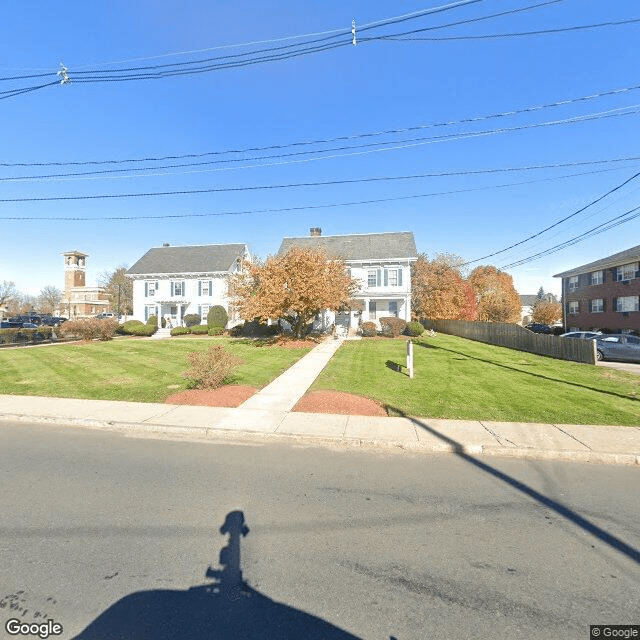
32 Franklin St, Stoneham, MA 02180
To contact a resident: (781) 438-0580
For more information about senior living options: (866) 208-4318
Fuller House Costs & Pricing
Fuller House offers an attractive monthly rate for its private rooms at $3,000, significantly lower than both Middlesex County's average of $6,607 and the broader Massachusetts state average of $6,090. This pricing strategy not only positions Fuller House as a cost-effective option for residents seeking quality accommodations but also highlights its competitive edge in a market where housing costs can be prohibitively high. By keeping expenses manageable while maintaining service quality, Fuller House appeals to individuals who value both affordability and comfort in their living arrangements.
| Floor plans | Fuller House | Middlesex County | Massachusetts |
|---|---|---|---|
| Private | $3,000 | $6,607 | $6,090 |
Senior living communities with a similar price nearby
-
from -$575 / mo

New Horizons At Choate
$2,425 to $4,495 / month2.8 miles away -
from -$400 / mo

Unique HomeCare Services
$2,600 to $5,300 / month17.9 miles away -
About the same

Vineyard Community Living - Nova Brighton
$3,000 to $5,000 / month9.4 miles away -
from -$549 / mo

Avenu at Natick
$2,451 to $5,615 / month18.5 miles away -
from +$350 / mo
Benchmark Senior Living at Chelmsford Crossings
$3,350 to $4,550 / month15.2 miles away
Overall Review of Fuller House
Pros
 The staff at the Fuller House are like family.
- Residents and their families feel they are living the good life and sleeping well.
Review
Fuller House in Stoneham is best suited for families seeking a genuinely home-like senior living environment where care feels personal and daily life is guided by a tightly knit, attentive staff. The standout factor is a staff culture that reads as family to residents and their visiting loved ones, creating a sense of safety, belonging, and predictable routines. In this setting, the emphasis on interpersonal relationships translates into tangible well-being for residents, underscored by reports of peaceful nights and a daily experience that feels both comfortable and controlled by people who know the residents well. For families who want visible warmth, consistent assistants, and a caregiving team that treats mom and dad as part of a trusted circle, Fuller House delivers.
Anyone whose priority is brisk independence, a bustling social calendar, or wide-ranging medical oversight from a large campus should seriously consider alternatives. This is not the place for someone chasing nightclub-style programming or extensive on-site medical services, if those are absolute must-haves. Similarly, families that require crystal-clear, long-term pricing transparency or a model with a broad spectrum of specialized nursing options may find value in comparing other communities. Fuller House’s strength sits in its intimate, person-centered approach; those seeking more expansive amenities or a different care continuum may prefer a setting with a different balance of services.
The primary advantages, a staff that feels like family, residents who describe life there as “the good life,” and notably tranquil nights, tunch the typical concerns families carry about care. When staff are deeply known by name and habit, communication becomes effortless, care plans stay aligned with preferences, and quick responsiveness follows naturally. This reduces caregiver stress for families and elevates residents’ sense of security, which in turn supports sleep quality, a practical, measurable benefit. The review’s strongest point is precisely that: a caregiving team that generates reliable comfort, enabling residents to rest well and wake with steadier routines.
That same family-centered approach pays dividends beyond sleep. A homey atmosphere tends to smooth daily friction and makes transitions into assisted living less jarring for older adults who fear loss of control. The warmth and familiarity of the staff likely curtail anxiety about new surroundings, reduce mood fluctuations, and foster trust in the care decisions being made. For families, this creates a lower emotional burden during the adjustment period, because the care team’s consistency and open, compassionate communication become the reference point for what “quality of life” looks like in practice.
Even with no explicit drawbacks cited in the available perspective, it remains prudent to weigh common trade-offs when choosing a community. The absence of listed cons does not erase the need to assess size, staffing coverage across shifts, and the breadth of programming in real terms, not just in a single glowing report. Prospective residents should verify how often staff turnover occurs, how care plans are reviewed, and what safety routines are in place at night. Ask about meal quality, transportation options, and the availability of additional medical or therapeutic services on-site or nearby. In contexts like Fuller House, the strength of the culture can be the decisive factor, but the practicalities of day-to-day life still demand careful confirmation.
For families prioritizing peace of mind, warmth, and a sleep-forward lifestyle for their loved one, Fuller House presents a compelling case. The combination of a family-like staff, a sincerely positive resident experience, and demonstrable sleep stability creates a strong foundation for ongoing well-being. The recommended path is a focused visit: observe interactions between staff and residents, meet a few team members across shifts, and inquire about turnover, care planning, and emergency responsiveness. If those lines of inquiry reinforce the sense of belonging and reliable care, Fuller House should rise to the top of the shortlist. If, instead, the goal is a more expansive activity schedule or broader medical oversight, keep alternatives in rotation for a final comparison.
 Board and Care Home
 Private
 Private bathrooms
 Gen Edw L Logan International (9 miles away)
 Diabetic care






 Home Health Care Aides: Understanding Their Role and Supporting Your Family
 Urinary Tract Infections in Older Adults: Comprehensive Insights on Symptoms, Treatment, and Prevention
 California's Form 602A: An In-Depth Examination of Senior Care Assessment