
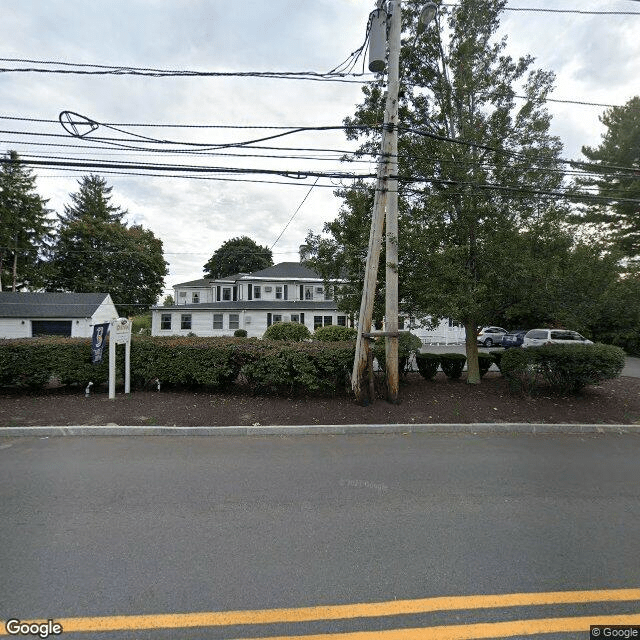
490 William Street, Stoneham, MA 02180
To contact a resident: (781) 438-1116
For more information about senior living options: (866) 208-4318
Arnold House Nursing Home Costs & Pricing
Arnold House Nursing Home presents a higher cost structure compared to both Middlesex County and the broader state of Massachusetts. For semi-private accommodations, residents at Arnold House are expected to pay $10,065 monthly, starkly surpassing the county's average of $6,395 and the state's rate of $5,805. Similarly, studio rooms at Arnold House are priced at $11,437, again significantly exceeding both local ($5,867) and state-level ($5,312) averages. Private rooms mirror this trend with a price point of $11,437 at Arnold House compared to Middlesex County's $6,607 and Massachusetts' $6,090. These figures suggest that while residents might benefit from specialized care or amenities provided by Arnold House Nursing Home, they are also facing elevated costs relative to their immediate surroundings and the wider region.
| Floor plans | Arnold House Nursing Home | Middlesex County | Massachusetts |
|---|---|---|---|
| Semi-Private | $10,065 | $6,395 | $5,805 |
| Studio | $11,437 | $5,867 | $5,312 |
| Private | $11,437 | $6,607 | $6,090 |
Skilled Nursing Facilities with a similar price nearby
-
About the same

Maplewood At Weston
$9,850 to $11,600 / month12.2 miles away -
from -$1165 / mo
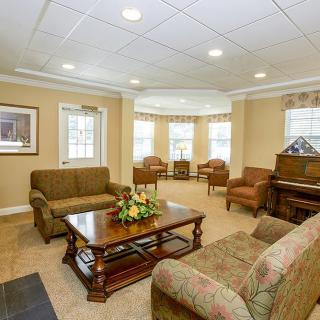
Greystone Farm At Salem
$8,900 / month21.0 miles away -
from -$1765 / mo
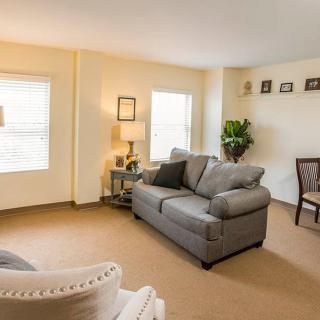
The Falls At Cordingly Dam
$8,300 to $9,050 / month13.4 miles away -
from -$1785 / mo
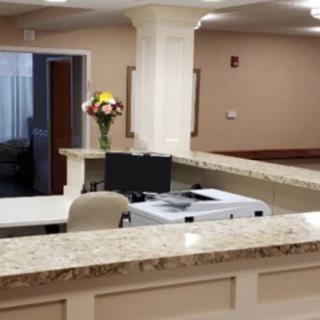
Reservoir Center For Health & Rehabilitation
$8,280 to $8,880 / month24.1 miles away -
from -$1905 / mo
Academy Manor
$8,160 to $9,390 / month11.5 miles away
Overall Review of Arnold House Nursing Home
Pros
 Arnold House was the best place for their father.
- The nursing staff were highly educated and most importantly caring toward their father and his sisters.
- They became part of the Arnold House family.
- The food was excellent and homemade.
- They would highly recommend Arnold House for peace of mind.
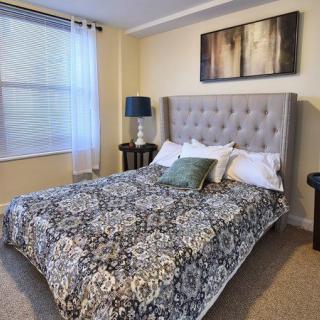
- The residence is very nice, with fully furnished, beautiful rooms.
Cons
 None found.
Review
Arnold House Nursing Home in Stoneham, MA is best suited for families that want a small, closely supervised setting where professional nursing care is paired with a genuinely warm, home-like atmosphere. This community is a solid choice for elders who require steady nursing oversight and daily support but thrive when care feels personal rather than procedural. It appeals most to families seeking peace of mind through relationships, staff who know residents by name, routines that feel predictable, and an environment that mirrors a supportive extended family rather than a distant institution.
The core strengths are unmistakable in the caregiving culture. The nursing team is described as highly educated and consistently caring, delivering attention that families repeatedly call “the most important” factor in their peace of mind. That level of professionalism fused with warmth translates into reliable day-to-day care, timely responses, and a sense that a loved one is in capable hands. Coupled with that is a welcoming, inclusive staff dynamic, families feel they become part of the community, not merely visitors, which reduces the anxiety that often accompanies transitions into care.
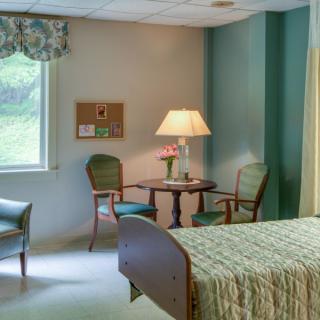
Another standout is the food and the living environment. Reviews highlight homemade, satisfying meals that contribute to residents’ comfort and nutritional routine, a practical edge that enhances mood and appetite. The rooms themselves are described as fully furnished and beautiful, offering privacy and a sense of home without requiring immediate renovations. In combination, this practical hospitality, good meals and comfortable, well-presented living spaces, helps residents settle in quickly and maintain a positive outlook, which is essential when health concerns require ongoing attention.
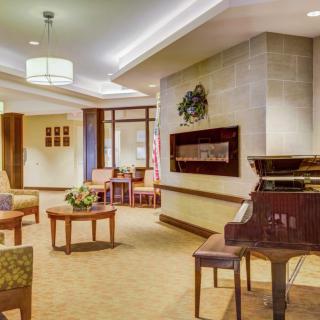
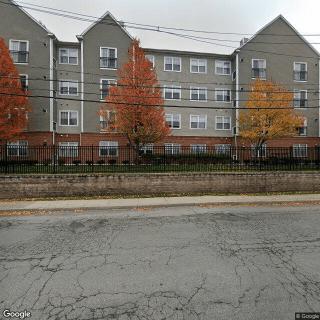
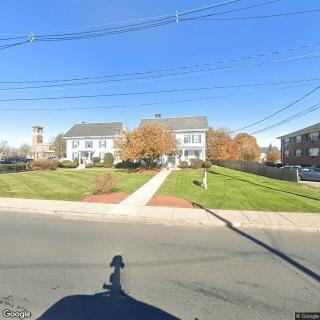
Yet there is a noteworthy caveat to weigh. The facility is described as an older residence, which can give an impression of dated décor or limited modernization in common areas. For families that equate modern aesthetics, high-end amenities, or expansive activity spaces with quality of life, this may feel like a step back. It does not undermine the clinical competence or the kindness of staff, but it may influence expectations for those who want a facility that mirrors newer builds with more contemporary design and a broader range of on-site amenities.
Despite the potential drawbacks, the major advantages often dominate the decision for the right候 family. The combination of skilled, compassionate nurses and a familial staff culture offers tangible reassurance, safety, stability, and consistent encouragement that let families sleep easier at night. The home-style meals and inviting rooms counterbalance any architectural impression, delivering a daily lived experience that centers on connection and well-being rather than gloss. For families prioritizing continuity of care and a humane, resident-centered approach, Arnold House provides a meaningful and practical win.
The bottom line is straightforward: Arnold House serves best those who value a grounded, human-centered nursing environment over the latest architectural trend. It is less well-suited for families chasing cutting-edge facilities, resort-like amenities, or specialized memory-care programs that exist primarily in newer campuses. Prospective movers should go in with clear expectations about the building’s age, confirm current staffing ratios, and inquire about meal options, room configurations, and bundled services versus add-ons. For families seeking dependable nursing care wrapped in a true sense of belonging, Arnold House is a compelling option worth serious consideration, provided the trade-offs around modernization align with the resident’s preferences and needs.
 Assisted Living
 Memory Care
 Skilled Nursing Facility
 Activities on-site
 Bath tubs
 Beautician on-site
 Devotional services off-site
 Indoor common areas
 Outdoor common areas
 Private
 Respite or short term stays offered
 Gen Edw L Logan International (10 miles away)
 Ambulatory care
 Diabetic care
 High acuity care
 Meals provided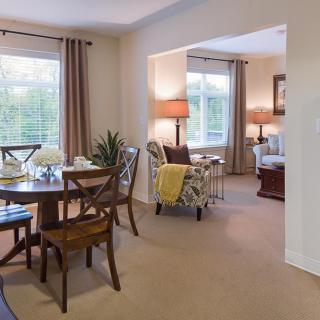


 When Dementia Sparks Anger and Aggression: Understanding the Connection and Ways to Cope
 Dementia Behaviors: In-Depth Understanding and Effective Coping Strategies
 5 Early Indicators of Dementia and What You Can Do