The Residence At Melrose Station offers a range of living options with costs that reflect its premium services and amenities. For a studio apartment, the monthly fee is set at $6,000, which is slightly above Middlesex County's average of $5,867 and significantly higher than the state average of $5,312. Semi-private rooms are priced at $7,300, again surpassing both county and state averages. One-bedroom units come in at $7,600, while two-bedroom accommodations are available for $8,500; both figures exceed their respective county and state benchmarks. Overall, while The Residence At Melrose Station does present higher monthly costs compared to local averages, it likely reflects an elevated standard of care and quality that many residents find invaluable.
Floor plans
The Residence At Melrose Station
Middlesex County
Massachusetts
Studio
$6,000
$5,867
$5,312
Semi-Private
$7,300
$6,395
$5,805
1 Bedroom
$7,600
$5,920
$5,349
2 Bedrooms
$8,500
$6,960
$6,151
Memory care communities with a similar price nearby
Overall Review of The Residence At Melrose Station
common18 reviews mention this
Clean, well-kept environment stands out
Residents and families repeatedly describe an especially clean, well maintained building.
Many reviewers comment on how immaculate the community looks inside and out, including common areas and residents’ rooms. Several also say the building staff keep it “sparkling” or “always shining,” and that the facility feels bright and well cared for. Even when reviews mention other concerns, they still frequently call out the cleanliness and upkeep.
differentiator12 reviews mention this
Dining quality and restaurant style
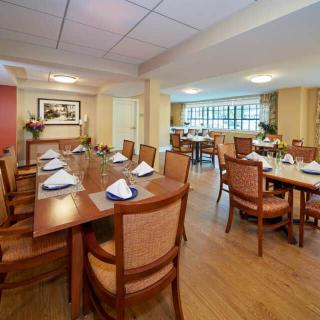
Restaurant-style dining and consistently praised food are a major reason families recommend it.
Reviewers often highlight the food quality and describe meals in a restaurant-style setting with “anytime” options. Some families also mention that dining staff learn preferences and provide friendly service during visits and shared meals. The kitchen is portrayed as having variety and special occasion meals that stand out compared with other senior living experiences.
common10 reviews mention this
Activities drive daily engagement
A steady mix of scheduled activities is a recurring highlight in the reviews.
Residents appear to have plenty to do, with reviewers describing exercise classes, social gatherings, live music or performances, and regular scheduled activities. Several also reference ongoing engagement through outings and community events, and a number of reviewers say their loved one looks forward to activities. A few mentions also connect the activity calendar with a “homey” feel and a stronger sense of community.
caveat6 reviews mention this
Memory care receives mixed feedback
Memory-care experiences vary, with both strong praise and clear complaints in the reviews.
Some families describe the memory care unit as supportive, respectful, and attentive, including staff knowing residents by name and residents looking engaged and well cared for. Others say memory care did not meet expectations, citing communication problems and insufficient nursing support for dementia-related needs. Taken together, reviewers’ experiences with memory care range from highly positive to strongly negative.
common22 reviews mention this
Care staff are a key strength
Warm, responsive staff—along with individualized attention—comes up throughout the reviews.
Many reviewers praise the care team and administrators for being kind, compassionate, and responsive, including learning residents’ names and preferences. Several families describe frequent check-ins, supportive transitions for new residents, and staff advocating for needs when problems arise. A small number of reviews criticize nursing follow-through, so it’s not uniformly perfect, but the overall staff presence is a prominent theme.
caveat5 reviews mention this
Pricing feels high for some families
Families frequently say the community is costly compared with alternatives.
Multiple reviewers describe the move as expensive or “on the pricier side,” while still acknowledging that the quality and experience may justify the cost for them. Others raise concerns about the amount of medical or nursing support relative to what was expected and paid for. Overall, cost is the most consistent reservation, even when reviewers are otherwise satisfied.
common3 reviews mention this
Convenient nearby shopping and services
Reviewers mention nearby stores and conveniences that help families visiting or caregiving.
Some families point to the community’s location for everyday errands, including being walkable to nearby shopping and pharmacies. Others mention convenience for caregivers by referencing proximity to a hospital and local services. Reviewers also describe being able to reach public events and areas in town without long trips.
How we summarize
Counts show how many written reviews mention each theme; a review can touch several themes, and only frequently mentioned themes are displayed.
Features
Housing
22 resident community capacity
1-bedroom apartments
2-bedroom apartments
Studio apartments
Types of Care
Assisted Living
Independent Living
Memory Care
Respite Care
Pets
Cats allowed
Dogs allowed
Amenities
Activities on-site
Air-conditioning
Beautician on-site
Beauty salon
Cable or satellite TV
Devotional services off-site
Dining room
Fully furnished
Garden
Ground floor units
Handicap accessible
Housekeeping services
Indoor common areas
Kitchenette
Move-in coordination
Outdoor common areas
Outdoor space
Respite or short term stays offered
Restaurant-style dining
Small library
Telephone
Wheelchair accessible showers
Wi-Fi/high-speed internet available
Transportation
Gen Edw L Logan International (7 miles away)
Transportation arrangement (non-medical)
Transportation to doctors appointments
Care Services
12-16 hour nursing
24-hour call system
24-hour supervision
Activities of daily living assistance
Ambulatory care
Assistance with bathing
Assistance with dressing
Assistance with transfers
Coordination with health care providers
Dementia waiver
Diabetes diet
Hospice waiver
Incontinence care
Meal preparation and service
Medication management
Mental wellness program
Mild cognitive impairment
Special dietary restrictions
Specialized memory care programming
Transportation arrangement (medical)
Transportation to doctors appointments
Dining
Anytime dining
Diabetes diet
Gluten-free
Guest meals
International cuisine
Kosher
Low / no sodium
Meals provided
No Sugar
Professional chef
Restaurant style dining
Special dietary restrictions
Special dining programs
Vegan
Vegetarian
Activities
Activities on-site
BBQs or picnics
Community-sponsored activities
Day trips and outings
Devotional activities offsite
Educational speakers / life long learning
Happy hour
Live dance or theater performances
Live musical performances
Live well programs
Reminiscence programs
Resident-run activities
Scheduled daily activities
Tai Chi
Yoga / chair yoga
Nearby Places of Interest
This part of Melrose, Massachusetts offers a convenient and diverse array of amenities for seniors considering the area for living. With several reputable physicians and pharmacies in close proximity, residents can easily access necessary healthcare services. There are also various dining options ranging from casual eateries like Liberty Bell Roast Beef and Seafood to well-known chains like McDonald's. Nearby parks such as Melrose Common provide opportunities for outdoor recreation and relaxation. Additionally, accessible transportation options including Wellington Station and Assembly Station make getting around the area convenient. For those interested in cultural activities, theaters like AMC Assembly Row 12 are within reach. With places of worship nearby, residents can also engage in spiritual practices. Overall, this part of Melrose presents a well-rounded community with amenities that cater to diverse interests and needs.
Physicians
North Suburban Orthopedic Associates (0.3 miles)
Harvard Vanguard Medical Associates (5 miles)
Harvard Vanguard Medical Associates (6 miles)
Harvard Vanguard Medical Associates (6.4 miles)
Restaurants
Liberty Bell Roast Beef and Seafood (0.6 miles)
Soc's Icecream (1.6 miles)
Hooters (2.3 miles)
Kelly's Roast Beef (2.9 miles)
McDonald's (2.9 miles)
Night Shift Brewing (3.5 miles)
Bone Up Brewing Company (3.5 miles)
Pharmacies
Walgreens (0.7 miles)
CVS Pharmacy (2.1 miles)
Walgreens (2.2 miles)
Walgreens (2.3 miles)
CVS Pharmacy (2.3 miles)
Walgreens (2.6 miles)
CVS Pharmacy (3.1 miles)
Parks
Melrose Common (0.7 miles)
Sheepfold, Middlesex Fells Reservation (2 miles)
John M. Devir Park (2.7 miles)
Middlesex Fells Reservation (3.2 miles)
Tufts Park (4.3 miles)
Grove-Cedar Bike Path (4.9 miles)
Medford St Dog Park (5.1 miles)
Transportation
Wellington Station (3.8 miles)
Assembly Station (4.5 miles)
MBTA Davis Square Station (5 miles)
Sullivan Square Station (5 miles)
Porter Square MBTA Station (5.4 miles)
MBTA Union Square Station (5.6 miles)
MBTA North Station (6.3 miles)
Cafes
Starbucks (4.2 miles)
Starbucks (4.5 miles)
Cafe Rustica (5.5 miles)
Forge Baking Company (5.5 miles)
Tatte Bakery & Cafe (6.3 miles)
Flour Bakery + Cafe (6.4 miles)
Theaters
AMC Assembly Row 12 (4.3 miles)
Kendall Square Cinema (6.2 miles)
Places of Worship
St Agnes Parish-Arlington (5 miles)
The Church of Jesus Christ of Latter-day Saints (6 miles)
The Residence At Melrose Station offers a range of living options with costs that reflect its premium services and amenities. For a studio apartment, the monthly fee is set at $6,000, which is slightly above Middlesex County's average of $5,867 and significantly higher than the state average of $5,312. Semi-private rooms are priced at $7,300, again surpassing both county and state averages. One-bedroom units come in at $7,600, while two-bedroom accommodations are available for $8,500; both figures exceed their respective county and state benchmarks. Overall, while The Residence At Melrose Station does present higher monthly costs compared to local averages, it likely reflects an elevated standard of care and quality that many residents find invaluable.
The features offered at The Residence At Melrose Station are specifically designed to support the unique needs of residents with dementia or Alzheimer's disease. With 24-hour supervision, residents receive constant monitoring to ensure their safety and well-being. Assistance with activities of daily living, such as bathing, dressing, and transfers, enables individuals to maintain dignity while receiving necessary help. Coordination with healthcare providers and medication management ensures that all medical needs are met efficiently, while the dementia waiver allows for tailored care plans. Incontinence care and meal preparation focus on comfort and nutrition, vital for overall health. Specialized memory care programming addresses cognitive challenges through engaging activities that stimulate mental wellness, supported by a dedicated mental wellness program. For those with mild cognitive impairment, these comprehensive services foster independence and enhance quality of life, including transportation arrangements for medical appointments to ensure continuity of care.
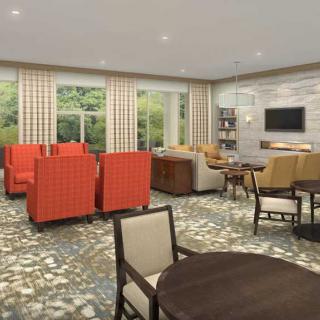
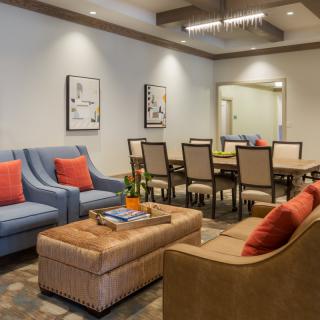
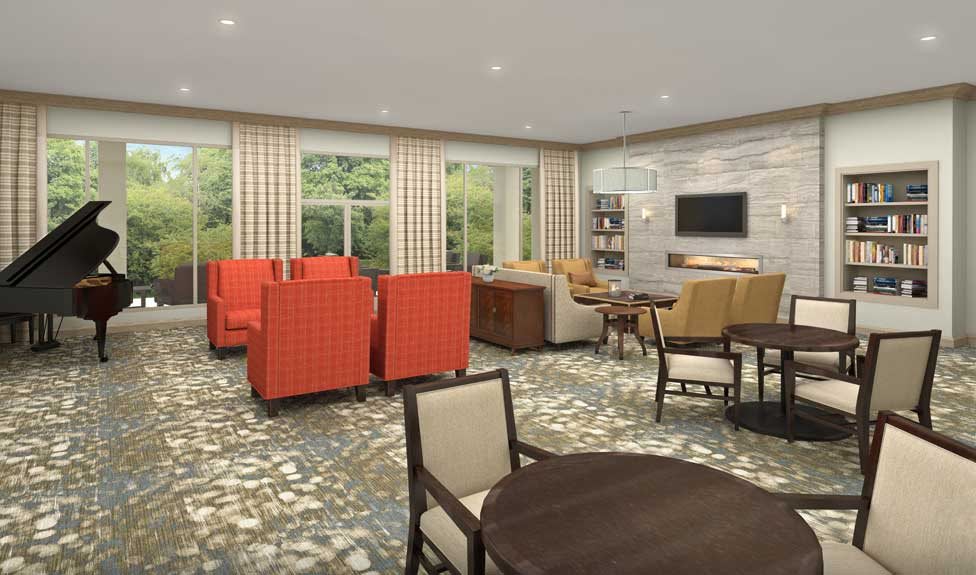
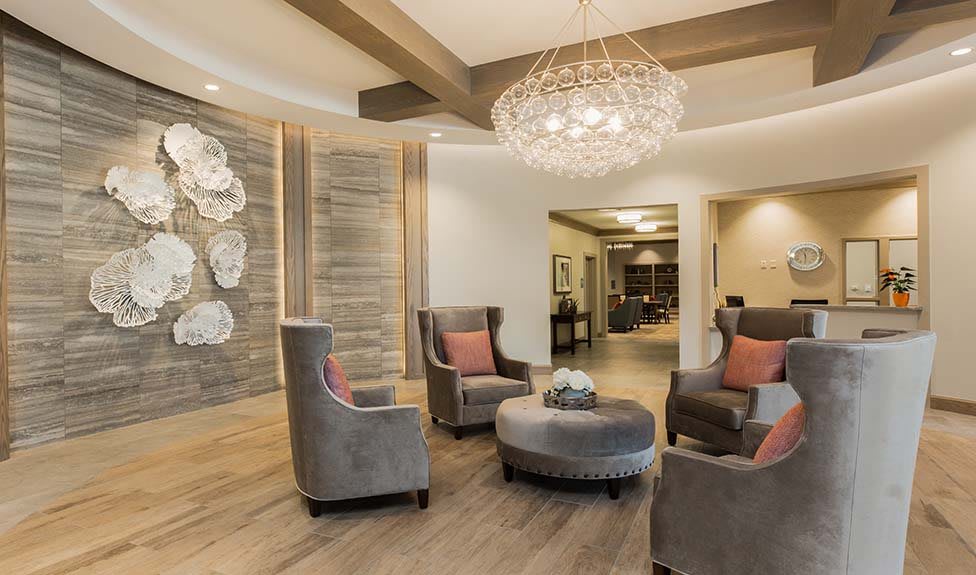
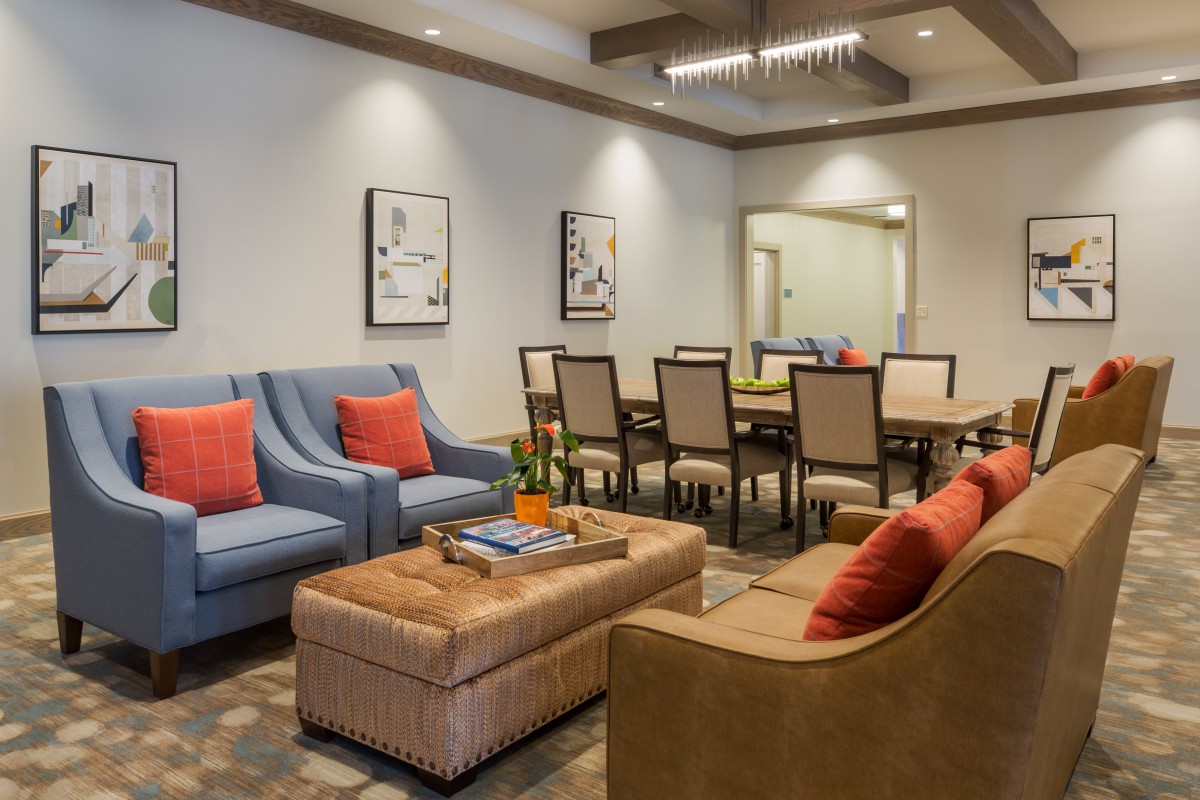
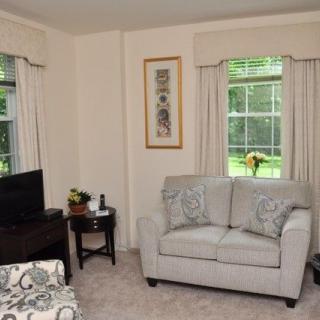
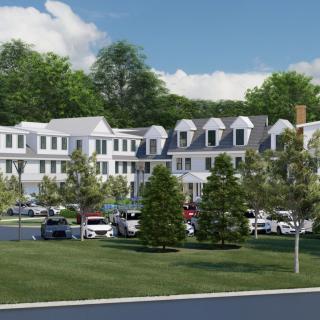
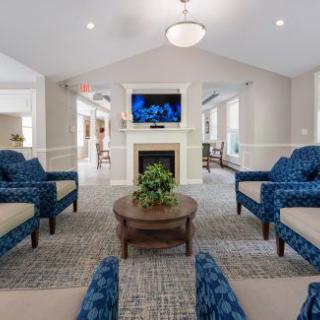
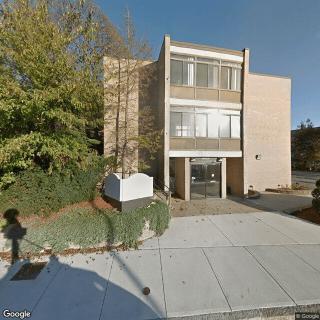
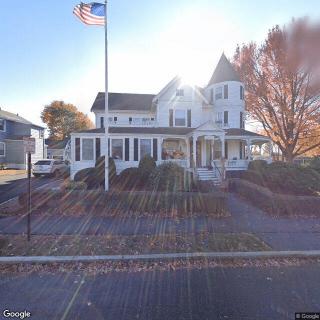
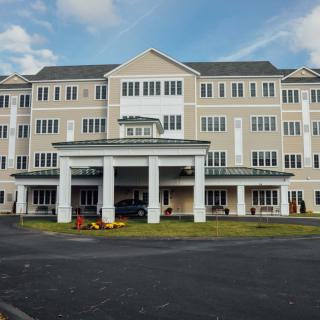
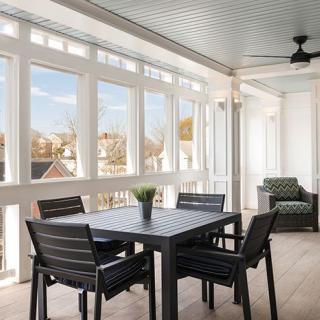
The Residence At Melrose Station on seniors.fyi includes 19 photos including images showing interior, decor, dining, living room, seating area, modern lighting, architecture, artwork, and more.
Nearby Communities
Congregational Retirement Home
Melrose, MA
4.7 from 6 reviews
Home Instead - Melrose, MA
Melrose, MA
4.8 from 52 reviews
Tailored, transparent care with compassionate, responsive staff.
Melrose Healthcare
Melrose, MA
2.9 from 26 reviews
$6,330 to $6,630 / month
Extensive on-site amenities and 24/7 comprehensive care with private rooms.
Elmhurst Healthcare
Melrose, MA
3.4 from 68 reviews
Small, home-like setting with 24/7 supervision and ADL support.
EPOCH Senior Healthcare of Melrose
Melrose, MA
1 from 1 review
$7,500 / month
Vibrant, well-connected community with easy access to dining, parks, pharmacies, and entertainment.
Oosterman's Melrose Rest Home
Melrose, MA
5 from 5 reviews
$3,900 to $4,600 / month
Affordable assisted living with diabetic care and respite options.
Forestdale Park
Malden, MA
4.8 from 52 reviews
Well-kept, recently renovated with attentive staff and engaging activities.
The Arbors at Stoneham
Stoneham, MA
4.7 from 79 reviews
$6,075 to $8,025 / month
Caring, friendly staff in a warm, home-like environment with engaging daily activities.
Brightview Wakefield
Wakefield, MA
4.7 from 54 reviews
Clean, spacious rooms and a friendly, welcoming staff create a positive environment.
Medicaid coverage for assisted living varies by state and is primarily available to low-income individuals, with eligibility dependent on strict income and asset limits. Some states offer HCBS waivers for specific services in assisted living, but families must generally cover room and board costs, and should verify facility acceptance of Medicaid while considering potential waiting lists.
Medicaid waivers for assisted living services provide vital support for seniors and individuals with disabilities in need of long-term care, with varying state-specific eligibility criteria and benefits. These waivers cover personal care and case management but often do not fully cover room and board, leading to waiting lists for many applicants.
The article compares assisted living and skilled nursing facilities, detailing their differing levels of assistance, medical support, cost structures, and day-to-day experiences. It emphasizes that assisted living is for those needing help with daily activities while maintaining independence, whereas skilled nursing facilities provide intensive medical care with 24-hour staff supervision.
Landscaping, Building, Architecture, Park, and Urban
Windows
Artwork, Dining Table, and Modern Lighting
Chandelier and Lobby
Seating Area
Get PricingAsk A QuestionSchedule A TourContact Senior Advisor
By clicking submit, you agree to our Partner's Terms of Use. You
also consent to receive calls and texts, which may be autodialed, from our Partner. Your consent is not a condition to
using our Partner's service. Please visit our Partner's Privacy Policy for information about their privacy practices.









 22 resident community capacity
 1-bedroom apartments
 Assisted Living
 Independent Living
 Memory Care
 Respite Care
 Cats allowed
 Dogs allowed
 Activities on-site
 Air-conditioning
 Beautician on-site
 Cable or satellite TV
 Devotional services off-site
 Dining room
 Fully furnished
 Garden
 Ground floor units
 Handicap accessible
 Housekeeping services
 Indoor common areas
 Kitchenette
 Move-in coordination
 Outdoor common areas
 Restaurant-style dining
 Small library
 Telephone
 Wheelchair accessible showers
 Wi-Fi/high-speed internet available
 Gen Edw L Logan International (7 miles away)
 Transportation arrangement (non-medical)
 12-16 hour nursing
 24-hour call system
 Ambulatory care
 Assistance with bathing
 Assistance with dressing
 Assistance with transfers
 Diabetes diet
 Hospice waiver
 Incontinence care
 Medication management
 Mental wellness program
 Special dietary restrictions
 Transportation arrangement (medical)
 BBQs or picnics
 Day trips and outings
 Educational speakers / life long learning
 Happy hour
 Live dance or theater performances
 Live musical performances
 Live well programs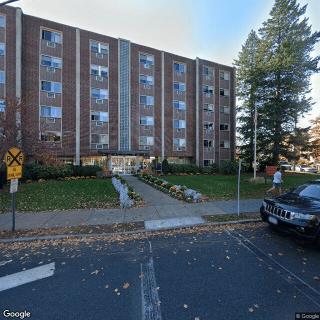
 Tailored, transparent care with compassionate, responsive staff.
 How and When Medicaid May Cover Assisted Living Costs
 A Detailed Exploration of Assisted Living Medicaid Waivers Across the United States
 Exploring the Contrasts Between Assisted Living and Skilled Nursing