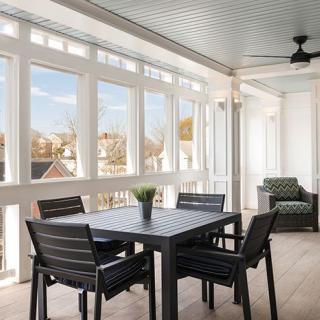
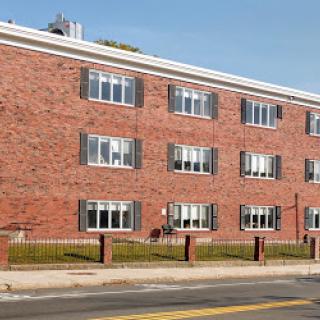
Elmhurst Healthcare in Melrose, MA

Save

Elmhurst Healthcare in Melrose, MA

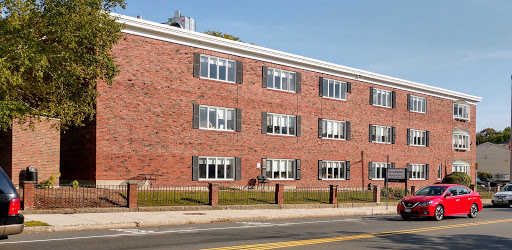
743 Main Street, Melrose, MA 02176

For more information about senior living options: (844) 490-3973

3.4 from 62 reviews
5 stars
31
4 stars
6
3 stars
2
2 stars
1
1 stars
22

Skilled Nursing Facility

What level of care are you interested in?

Assisted Living

Memory Care

Independent Living

Skilled Nursing Facility

Continuing Care Retirement Community (CCRC)CCRC

Other


Request a tour at Elmhurst Healthcare

    Overall Review of Elmhurst Healthcare

    Pros

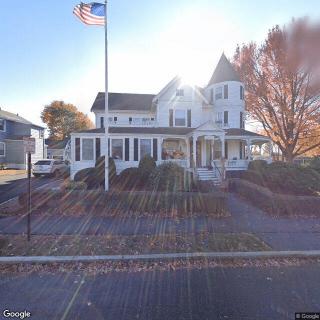
    • pro The facility is exceptional and feels like a home rather than a hospital.
    • pro The staff are kind, encouraging, and motivating.
    • pro The physical therapy is amazing, sometimes twice daily, seven days a week.
    • pro The staff are phenomenal, even at night when no one is watching.
    • pro They accommodate comfort by allowing outside food to make residents feel welcome.
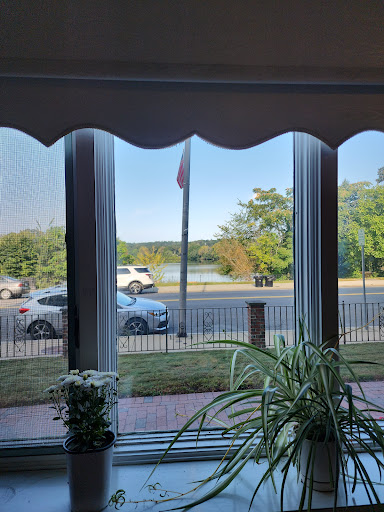
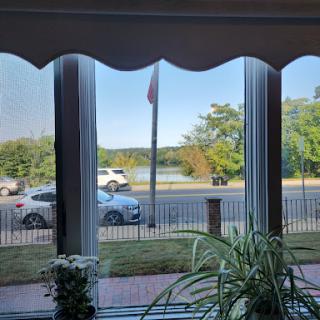
    • pro The view of the lake and fall foliage is great.
    • pro Kiersten Fumicello provides great help as the social worker.
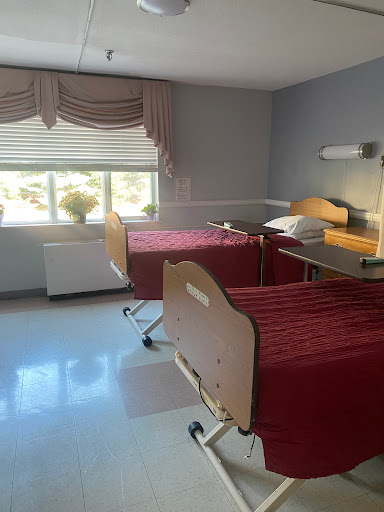
    • pro The rooms are clean, well maintained, and residents are well cared for.
    • pro The receptionist is welcoming and professional.
    • pro There are always activities that keep patients busy and engaged.

    Cons

    • pro The facility is horrible.
    • pro Aides are lazy and mean, and the day nurse is nasty with a large attitude.
    • pro They lie about injuries and patient progress.
    • pro The management is uncaring and hard to deal with.
    • pro The staff is understaffed and fails to attend to patients.
    • pro The food is terrible.
    • pro There is a pervasive odor of urine in the facility.
    • pro Care is lacking and compassion is non-existent.
    • pro Patients are treated like numbers rather than individuals.

    Review

    Elmhurst Healthcare in Melrose is best suited for older adults who need focused rehabilitation and want to experience a warm, home-like atmosphere woven together with strong therapy teams. The facility often shines for residents who respond to hands-on PT and OT, appreciate daily structure, and value a staff that feels genuinely invested in progress. Families seeking clear, day-by-day therapeutic momentum will find the most traction here, with many reviews highlighting impressive physical therapy results and attentive nursing care during active rehab weeks. The environment can feel less clinical than a hospital and more oriented toward daily improvement, social interaction, and early independence. This is not a place that markets itself as a luxury resort; it is a rehab-centric setting that rewards engagement, advocacy, and a proactive approach to therapy.

    That said, attention to alternatives is prudent for families prioritizing flawless administration, consistent staffing, and rigorous accountability across all shifts. Several reviews point to significant drawbacks that would push a careful buyer toward other options: reports of understaffing at busy times, variable responsiveness to bells, and pockets of frustration with communication and discharge coordination. Language barriers and inconsistent cultural or dietary accommodations also surface in some accounts, along with recurrent complaints about cleanliness and odor in certain areas. For families that cannot supervise daily care or who require uniformly high standards of administration and patient advocacy, these patterns argue for exploring other facilities with steadier leadership and more uniform staffing.

    The strongest argument in Elmhurst's favor rests on the people delivering care. The therapy teams frequently receive high praise for their expertise, motivation, and ability to help patients regain walking and independence. Numerous patients credit nurses, CNAs, and social workers with making meaningful strides, often citing particular staff members by name for going "above and beyond." The sense of a cohesive rehab team - therapists, nurses, activities staff, and case managers - translates into tangible progress, sometimes outpacing rival facilities. When the care plan aligns with a patient's goals, the upside is substantial: faster mobility, improved confidence, and a more normalized rehab experience that feels less like a hospital and more like a recovery-focused community.

    However, the cons are persistent enough to temper any unalloyed endorsement. Complaints range from "understaffed" and inattentive aides to outright disrespect and undependable communication in some shifts. There are cautions about inconsistent food quality and the lack of individualized dietary protocols in certain reviews, which matters for patients with specific medical or sodium restrictions. Discharge missteps, missing belongings, and reports of management disconnects during transitions also recur, with some families describing a stressful, even frightening experience during a loved one's stay. In short, Elmhurst can deliver excellent rehab when the right team is on duty, but it can disappoint when leadership and staffing gaps arise.

    For decision-making, the practical takeaway centers on alignment of expectations with daily realities. Elmhurst functions best when families actively partner with the care team: insist on a clear daily therapy schedule, request regular updates from the social worker, and verify that discharge planning is comprehensive from the outset. Tour the facility with questions about night staffing, language support, meal customization, and infection-control practices; observe how staff respond to bells and calls for assistance. If a resident has strong therapy needs, a clear rehab trajectory, and a reasonable chance of quick mobility gains, Elmhurst can be a strong home base. If consistency, flawless administrative coordination, and universal accessibility across shifts are nonnegotiable, families should compare other options more rigorously.

    In the end, Elmhurst stands as a candidly mixed option: robust rehab potential and a compassionate frontline team on many days, tempered by reports of uneven operations and occasional care gaps. The right fit appears in situations where recovery speed and hands-on therapy trump occasional administrative missteps, and where families are prepared to stay engaged and vigilant. The recommendation is practical, not romantic: choose Elmhurst when rehab momentum and staff-driven care are the priority, but keep the door open to alternatives if steadiness, universal accessibility, or impeccable daily operations are non-negotiable.

    Features

    Housing

    • 45 resident community capacity 45 resident community capacity

    Types of Care

    • Skilled Nursing Facility Skilled Nursing FacilitySkilled Nursing Facilities are crucial for seniors as they provide round-the-clock medical care, rehabilitation services, and assistance with daily activities. These facilities ensure that seniors receive the specialized care they need to maintain their health and well-being as they age.

    Amenities

    • Beauty salon Beauty salonBeauty salons are important for seniors because they provide a space for them to feel pampered, socialize, and maintain their personal grooming and hygiene. Regular visits to a beauty salon can help boost seniors' self-esteem and overall well-being.
    • Cable or satellite TV Cable or satellite TVCable or satellite TV is important for seniors because it provides entertainment, news, and companionship, helping to combat loneliness and boredom. It also offers a wide range of programming options tailored to different interests and preferences.
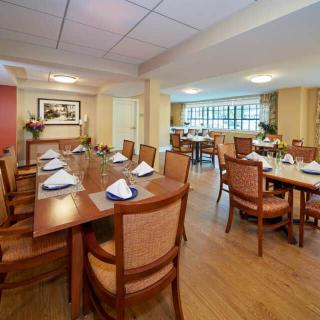
    • Dining room Dining roomDining rooms are important for seniors as they provide a space for socialization, connection, and nutritious meals. They offer opportunities for residents to bond over shared meals, foster a sense of community, and promote healthy eating habits. Dining rooms also ensure that seniors have access to well-balanced meals tailored to their dietary needs and preferences.
    • Fully furnished Fully furnishedFully furnished senior living communities are important for seniors because they provide convenience, comfort, and a hassle-free moving experience. Seniors can easily settle into their new living space without the stress of having to buy and move furniture. This allows them to focus on enjoying their new home and community.
    • Garden GardenGardens are important for seniors as they provide a peaceful and therapeutic environment for relaxation, physical activity, and socialization. Being in nature has been shown to reduce stress, improve mood, and promote overall well-being. Gardens also offer opportunities for seniors to engage in gardening activities, which can improve mobility, flexibility, and cognitive function. Additionally, gardens create a sense of community and connection with others who share a passion for plants and outdoor spaces.
    • Housekeeping services Housekeeping servicesHousekeeping services are important for seniors because they help maintain a clean and safe living environment, promote independence, and reduce the risk of accidents or illnesses. Additionally, having assistance with household chores can alleviate physical strain and allow seniors to focus on other aspects of their well-being.
    • Kitchenette KitchenetteKitchenettes are important for seniors living in senior living communities because they provide the convenience and independence of being able to prepare simple meals and snacks in the comfort of their own living space. This can help promote a sense of autonomy and well-being for seniors, allowing them to maintain some level of control over their dietary choices and daily routines.
    • Move-in coordination Move-in coordinationMove-in coordination is important for seniors because it helps ease the transition into their new living environment. It ensures that all logistics, such as packing, organizing movers, and setting up utilities are taken care of, allowing seniors to focus on settling in and adjusting to their new home. Having a smooth move-in process can alleviate stress and anxiety, making the transition smoother and more enjoyable for seniors.
    • Outdoor space Outdoor spaceOutdoor spaces are important for seniors as they provide opportunities for physical activity, social interaction, exposure to natural light and fresh air, and a sense of connection to nature. Having access to outdoor spaces can improve overall well-being and quality of life for older adults living in senior communities.
    • Private PrivatePrivacy is important for seniors as it allows them to maintain their independence, dignity, and sense of control over their own lives. It also gives them the space and freedom to relax, reflect, and engage in activities that bring them joy and fulfillment. Creating private spaces within senior living facilities is crucial for promoting overall well-being and quality of life.
    • Restaurant-style dining Restaurant-style diningRestaurant-style dining is important for seniors because it allows them to enjoy delicious, nutritious meals in a social and upscale setting. This enhances their dining experience, promotes healthy eating habits, and fosters socialization with fellow residents, ultimately contributing to their overall well-being and quality of life.
    • Small library Small librarySmall libraries are important for seniors as they provide access to a variety of reading materials, including books, newspapers, and magazines. This can help stimulate their minds, keep them engaged, and provide a sense of community through book clubs and other social activities. Additionally, reading has been shown to improve cognitive function and overall mental well-being in older adults.
    • Telephone TelephoneTelephones are important for seniors as they provide a lifeline for communication with loved ones, emergency services, and healthcare providers. They offer a sense of security and independence, enabling seniors to stay connected and access assistance when needed.
    • Wi-Fi/high-speed internet available Wi-Fi/high-speed internet availableWi-Fi/high-speed internet is important for seniors to stay connected with loved ones, access online resources, and participate in virtual activities to combat feelings of loneliness and isolation. It also allows them to easily manage healthcare needs, access entertainment, and engage in lifelong learning opportunities.

    Transportation

    • Gen Edw L Logan International (7 miles away) Gen Edw L Logan International (7 miles away)

    Care Services

    • 24-hour call system 24-hour call system24-hour call systems are important for seniors because they provide peace of mind and immediate assistance in case of emergencies. This technology ensures that help is always available, promoting safety and security for elderly individuals living alone or in assisted living facilities.
    • 24-hour supervision 24-hour supervision24-hour supervision is important for seniors to ensure their safety, well-being, and access to immediate assistance in case of emergencies or health issues. This constant support provides peace of mind for both seniors and their loved ones, allowing them to age in place with dignity and security.
    • Activities of daily living assistance Activities of daily living assistanceActivities of daily living assistance are important for seniors because they provide essential support with tasks such as eating, bathing, dressing, and mobility. This assistance helps seniors maintain their independence, dignity, and overall quality of life as they age.
    • Assistance with bathing Assistance with bathingAssistance with bathing is crucial for seniors as it helps maintain personal hygiene, prevents infections, and ensures their overall well-being and comfort. It also provides a sense of dignity and independence for seniors who may struggle with this task on their own.
    • Assistance with dressing Assistance with dressingAssistance with dressing is important for seniors because it helps maintain their independence, promotes personal hygiene, prevents accidents and injuries, and improves overall quality of life. This service ensures that seniors can continue to dress comfortably and confidently, despite any physical limitations they may have.
    • Assistance with transfers Assistance with transfersAssistance with transfers is crucial for seniors as it helps prevent falls and injuries, maintains their independence, and ensures they can safely navigate their living environment. It also provides peace of mind for both seniors and their loved ones.
    • Diabetes diet Diabetes dietA diabetes diet is crucial for seniors as it helps manage blood sugar levels, reduce risks of complications, and improve overall health and well-being. By following a balanced and nutritious diet tailored to their specific needs, seniors can better control their diabetes and enhance their quality of life.
    • Meal preparation and service Meal preparation and serviceMeal preparation and service are crucial for seniors as they may have limited mobility or energy to cook nutritious meals. Having access to healthy and convenient food options can ensure they are getting the proper nutrition needed to maintain their overall health and well-being.
    • Medication management Medication managementMedication management is crucial for seniors to ensure they are taking the right medications at the correct dosages and times. This helps prevent adverse drug interactions, reduces the risk of medication errors, and promotes overall health and well-being. Proactive management also allows for adjustments as needed based on changing health conditions or new prescriptions.
    • Mental wellness program Mental wellness programMental wellness programs are essential for seniors as they promote cognitive stimulation, emotional support, and social engagement. These programs help prevent isolation, depression, and cognitive decline, ultimately enhancing the overall quality of life for older adults.
    • Special dietary restrictions Special dietary restrictionsSpecial dietary restrictions are important for seniors because age-related changes in metabolism and health conditions can make it difficult for their bodies to process certain foods. By following a diet tailored to their specific needs, seniors can maintain their overall health and well-being, manage chronic conditions, and reduce the risk of complications such as malnutrition or food interactions with medications.
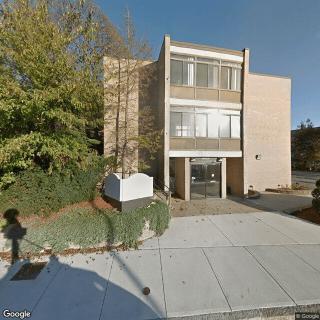
    Dining

    • Diabetes diet Diabetes dietA diabetes diet is crucial for seniors as it helps manage blood sugar levels, reduce risks of complications, and improve overall health and well-being. By following a balanced and nutritious diet tailored to their specific needs, seniors can better control their diabetes and enhance their quality of life.
    • Special dietary restrictions Special dietary restrictionsSpecial dietary restrictions are important for seniors because age-related changes in metabolism and health conditions can make it difficult for their bodies to process certain foods. By following a diet tailored to their specific needs, seniors can maintain their overall health and well-being, manage chronic conditions, and reduce the risk of complications such as malnutrition or food interactions with medications.

    Activities

    • Community-sponsored activities Community-sponsored activitiesCommunity-sponsored activities are important for seniors as they provide opportunities for social interaction, mental stimulation, and physical activity. These activities can help improve overall well-being, combat loneliness and isolation, and promote a sense of belonging and purpose among older adults.
    • Resident-run activities Resident-run activitiesResident-run activities are important for seniors as they encourage social interaction, creativity, and a sense of autonomy. These activities empower seniors to stay engaged and active in their community while fostering meaningful connections with their peers.
    • Scheduled daily activities Scheduled daily activitiesScheduled daily activities are important for seniors because they provide structure, socialization, mental stimulation, and physical activity. Engaging in regular activities can improve overall well-being and quality of life for seniors living in a community setting.

    Description

    Elmhurst Healthcare in Melrose, MA is an assisted living community that offers a wide range of amenities and care services to provide residents with a comfortable and convenient living environment. The community features fully furnished apartments with cable or satellite TV, a dining room for communal meals, and a kitchenette for residents who prefer to cook their own meals. The outdoor space and garden provides a peaceful and relaxing environment for residents to enjoy.

    Housekeeping services are provided to ensure that the living spaces are always clean and tidy. Move-in coordination is available to assist new residents in settling into their new home smoothly. Wi-Fi/high-speed internet access is provided throughout the community, allowing residents to stay connected with family and friends.

    The care services at Elmhurst Healthcare include 24-hour supervision to ensure the safety and well-being of all residents. Trained staff members provide assistance with activities of daily living such as bathing, dressing, and transfers. Specialized diets such as diabetes diet are catered for, and meal preparation and service are offered.

    Medication management is provided to ensure that residents take their medications correctly and on time. A mental wellness program is also available, providing support for residents' emotional well-being.

    Residents can participate in resident-run activities as well as scheduled daily activities organized by the community. Nearby cafes, parks, pharmacies, restaurants, transportation options, physicians' offices, and theaters provide opportunities for outings and social engagement.

    Overall, Elmhurst Healthcare in Melrose, MA offers a comfortable assisted living community with a range of amenities and care services designed to meet the needs of its residents while promoting independence and an active lifestyle.

    Nearby Places of Interest

    This part of Melrose, Massachusetts, offers a variety of amenities and services that cater to seniors' needs. There are several reputable physicians and pharmacies within close proximity, ensuring easy access to medical care. In terms of dining options, there is a mix of casual eateries like Liberty Bell Roast Beef and Seafood, as well as more well-known chains such as McDonald's. The area also boasts several parks and recreational areas for outdoor activities and relaxation. Transportation options are convenient with several MBTA stations nearby for those who prefer public transit. Additionally, there are cafes for socializing and enjoying a cup of coffee, as well as theaters for entertainment. Places of worship are also available for spiritual fulfillment. Overall, this part of Melrose provides a well-rounded community for seniors looking for a lively yet comfortable environment to call home.

    Physicians

    • North Suburban Orthopedic Associates (0 miles)
    • Harvard Vanguard Medical Associates (5.3 miles)
    • Harvard Vanguard Medical Associates (6.3 miles)
    • Harvard Vanguard Medical Associates (6.6 miles)

    Restaurants

    • Liberty Bell Roast Beef and Seafood (0.3 miles)
    • Soc's Icecream (1.2 miles)
    • Hooters (1.9 miles)
    • Kelly's Roast Beef (2.5 miles)
    • McDonald's (3.1 miles)
    • Night Shift Brewing (3.7 miles)
    • Bone Up Brewing Company (3.8 miles)

    Pharmacies

    • Walgreens (0.4 miles)
    • CVS Pharmacy (1.9 miles)
    • Walgreens (2 miles)
    • CVS Pharmacy (2.4 miles)
    • Walgreens (2.5 miles)
    • Walgreens (2.7 miles)
    • CVS Pharmacy (2.9 miles)

    Parks

    • Melrose Common (0.5 miles)
    • Sheepfold, Middlesex Fells Reservation (2.3 miles)
    • Middlesex Fells Reservation (3 miles)
    • John M. Devir Park (3 miles)
    • Tufts Park (4.7 miles)
    • Grove-Cedar Bike Path (5.3 miles)
    • Medford St Dog Park (5.4 miles)

    Transportation

    • Wellington Station (4.1 miles)
    • Assembly Station (4.7 miles)
    • Sullivan Square Station (5.3 miles)
    • MBTA Davis Square Station (5.3 miles)
    • Porter Square MBTA Station (5.7 miles)
    • MBTA Union Square Station (5.9 miles)
    • MBTA North Station (6.5 miles)

    Cafes

    • Starbucks (4.4 miles)
    • Starbucks (4.5 miles)
    • Forge Baking Company (5.8 miles)
    • Cafe Rustica (5.8 miles)
    • Tatte Bakery & Cafe (6.7 miles)
    • Flour Bakery + Cafe (6.8 miles)

    Theaters

    • AMC Assembly Row 12 (4.6 miles)
    • Kendall Square Cinema (6.5 miles)

    Places of Worship

    • St Agnes Parish-Arlington (5.3 miles)
    • The Church of Jesus Christ of Latter-day Saints (5.7 miles)
    • Lynn Spanish Branch Latter-day Saints (5.7 miles)
    • St Paul Parish, Harvard Square (6.7 miles)

    Hospitals

    • Spaulding Rehabilitation Hospital (5.7 miles)

    Frequently Asked Questions

    Where is Elmhurst Healthcare?
    What photos are available for Elmhurst Healthcare in Melrose, Massachusetts?

    Nearby Communities

    • EPOCH Senior Healthcare of Melrose

      EPOCH Senior Healthcare of Melrose

      Melrose, MA

      1 from 1 review
      $7,500 / month

      pro Vibrant, well-connected community with easy access to dining, parks, pharmacies, and entertainment.


    • Home Instead - Melrose,  MA

      Home Instead - Melrose, MA

      Melrose, MA

      4.8 from 49 reviews
       

      pro Tailored, transparent care with compassionate, responsive staff.

    • The Residence At Melrose Station

      The Residence At Melrose Station

      Melrose, MA

      4.7 from 87 reviews
      $6,000 to $8,500 / month

      pro Caring staff in a luxurious, clean setting with engaging activities and dining.

    • Congregational Retirement Home

      Congregational Retirement Home

      Melrose, MA

      4.6 from 5 reviews
       

    • Oosterman's Melrose Rest Home

      Oosterman's Melrose Rest Home

      Melrose, MA

      5 from 5 reviews
      $3,900 to $4,600 / month

      pro Affordable assisted living with diabetic care and respite options.

    • Melrose Healthcare

      Melrose Healthcare

      Melrose, MA

      2.8 from 25 reviews
      $6,330 to $6,630 / month

      pro Extensive on-site amenities and 24/7 comprehensive care with private rooms.

    • Forestdale Park

      Forestdale Park

      Malden, MA

      4.8 from 45 reviews
       

      pro Well-kept, recently renovated with attentive staff and engaging activities.

    • The Arbors at Stoneham

      The Arbors at Stoneham

      Stoneham, MA

      4.8 from 72 reviews
      $6,075 to $8,025 / month

      pro Caring, friendly staff in a warm, home-like environment with engaging daily activities.

    • Brightview Wakefield

      Brightview Wakefield

      Wakefield, MA

      4.7 from 48 reviews
       

      pro Clean, spacious rooms and a friendly, welcoming staff create a positive environment.

    Related Resources

    • does medicare cover hospiceComprehensive Guide to Medicare Coverage for Hospice Care

      Hospice care focuses on providing comfort and support for individuals nearing the end of life, with Medicare Part A covering services like nursing care and counseling for patients with a terminal illness and a life expectancy of six months or less. While most hospice services are low-cost for eligible patients, families should be aware that certain expenses, such as room and board, may not be covered.

    • caregiver burnoutCaring for Those Who Care: Recognizing, Understanding, and Overcoming Caregiver Burnout

      Caregiver burnout is a common issue resulting from the intense physical, emotional, and mental demands of caregiving, leading to symptoms like fatigue and social withdrawal. To prevent burnout, caregivers should recognize early warning signs and implement self-care strategies, seek support, and prioritize their own well-being alongside that of those they care for.

    • caregiver burnoutCaregiver Exhaustion: Recognizing the Signs and Restoring Your Well-Being

      Caregiver exhaustion, or burnout, stems from the relentless demands of caregiving, leading to emotional and physical depletion characterized by stress, frustration, and neglect of personal needs. Addressing this burden is essential to prevent long-term consequences, with early recognition and support being crucial for caregivers to maintain balance and implement self-care.


    Get Pricing Ask A Question Schedule A Tour Contact Senior Advisor