
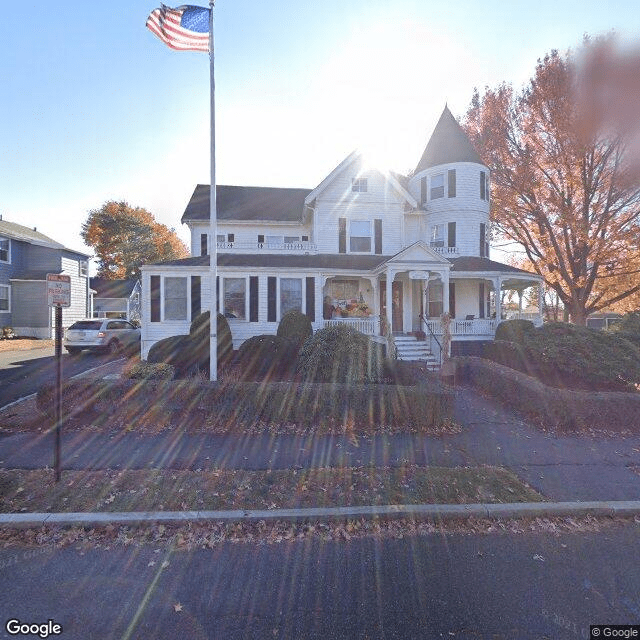
93 Laurel St, Melrose, MA 02176
To contact a resident: (781) 665-3188
For more information about senior living options: (866) 208-4318
Oosterman's Melrose Rest Home Costs & Pricing
Oosterman's Melrose Rest Home offers competitive pricing for its residential care services, particularly when compared to the broader market in Middlesex County and the state of Massachusetts. The cost for a semi-private room at Oosterman's is $3,900 per month, significantly lower than the county average of $6,395 and the state average of $5,805. Similarly, the one-bedroom option at Oosterman's is priced at $4,600, which remains below both Middlesex County's average of $5,920 and Massachusetts' average of $5,349. These favorable rates not only make Oosterman's an appealing choice for families seeking quality care but also reflect its commitment to affordability while delivering essential support and comfort to residents.
| Floor plans | Oosterman's Melrose Rest Home | Middlesex County | Massachusetts |
|---|---|---|---|
| Semi-Private | $3,900 | $6,395 | $5,805 |
| 1 Bedroom | $4,600 | $5,920 | $5,349 |
Assisted Living communities with a similar price nearby
-
from +$600 / mo

Benchmark at Hanover
$4,500 to $7,500 / month24.8 miles away -
from +$435 / mo
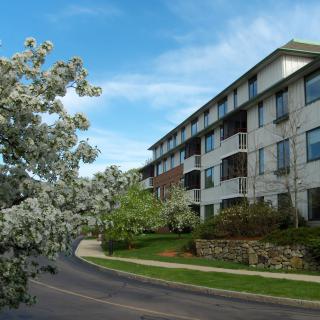
Orchard Cove Hebrew SeniorLife, a CCRC
$4,335 to $8,400 / month19.7 miles away -
from +$300 / mo

Orchard Hill Assisted Living at Sudbury
$4,200 to $5,100 / month21.3 miles away -
from +$450 / mo

Windsor Place Of Wilmington
$4,350 to $5,695 / month7.2 miles away -
from +$450 / mo
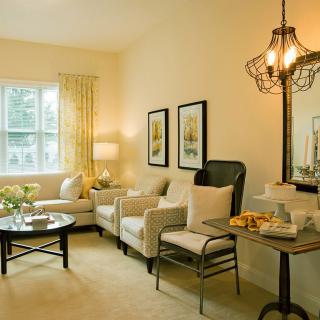
The Arbors at Dracut
$4,350 to $8,200 / month19.3 miles away
Overall Review of Oosterman's Melrose Rest Home
Pros
 Oosterman’s Rest Home is described as a caring, home-like place rather than a facility.
- The staff are friendly and interactive with the residents, providing attentive care.
- The home feels warm, cozy, and charming, with a real sense of home.
- It is less expensive than larger assisted living facilities.
- Families trust Oosterman’s due to its history of caring for loved ones and stable staffing.
- The staff are flexible and accommodating to residents’ needs and family routines, including daily visits.
Review
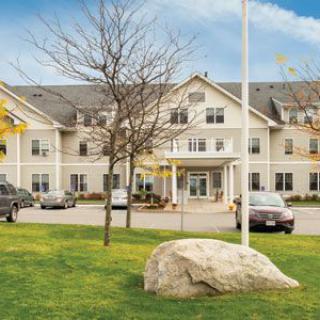
Oosterman’s Melrose Rest Home is best suited for families seeking a genuinely home-like living arrangement for an aging relative, where care feels personal, attention is consistent, and daily life centers on warmth rather than institutional formality. It appeals to residents and families who value staff who are friendly, engaged, and willing to accommodate flexible schedules and active family involvement. The setting is especially attractive for those managing memory-care transitions, given the emphasis on a comforting, nonclinical atmosphere that feels more like a home than a facility. The small, intimate footprint and the emphasis on real connections over grand programming make this community a clear choice for those who prioritize comfort and relational care.
Those weighing alternatives should consider options if a high level of medical oversight or extensive, campus-scale amenities is non-negotiable. For seniors with advanced nursing needs, frequent on-site medical care, or a requirement for a wide array of structured activities and specialized dementia programming, a larger, more formal assisted living or skilled-nursing facility may be preferable. While Oosterman’s has demonstrated staffing strength and a stable core team, the smaller scale may leave some families seeking a more standardized, corporate-backed operation feeling uncertain. In short, stability and scale matter when clinical intensity or broad programmatic offerings are the main criteria.
The strongest pros converge around warmth, authenticity, and cost effectiveness. The environment feels homey, cozy, and distinctly non-hospital-like, which reduces stress for residents and eases family concerns. Staff are repeatedly described as friendly, interactive, and genuinely connected to residents, not merely performing tasks. The ability to accommodate family in-and-out access for a loved one, and to do so with a practical degree of flexibility, adds a level of livability that is hard to replicate elsewhere. The financial value is repeatedly highlighted, with many noting the care quality at a price point that outpaces larger institutions, making ongoing residence feasible for families who must balance budgets with caregiving needs. The continuity of personnel, including long-standing staff and specific individuals praised by families, reinforces trust and reliability.
These strengths offset the main gaps that naturally accompany a smaller, home-style setting. The absence of a grand, formal medical campus is mitigated by attentive, consistent caregiving, where staff know residents well and respond with warmth and practical adjustments to daily life. The potential uncertainty sometimes associated with ownership changes is tempered by evidence of increased staffing and the retention of original caregivers, which preserves familiarity and trust. In this light, the intimate footprint becomes a deliberate design choice rather than a liability, translating into fewer transitions, more meaningful daily interactions, and a sense that care is tailored rather than templated. The result is a reliable, affordable alternative that excels in everyday quality of life.
For families seriously evaluating Oosterman’s, practical steps sharpen the decision. Schedule firsthand visits to observe morning routines, meal times, and how staff engage with residents, paying particular attention to conversations and the tone of care. Inquire about specific dementia-related supports, daily activity options, and the cadence of medical oversight, who is on-call, how often clinical staff are present, and what emergency protocols look like. Clarify the cost structure, what is included, and what may incur additional charges, as well as policies around family in-and-out visits. Ask about staff-to-resident ratios, retention rates, and how transitions are handled if a higher level of care becomes necessary. These questions lay bare whether the home’s strengths align with the resident’s needs and family expectations.
In sum, Oosterman’s Melrose Rest Home stands as a practical, emotionally intelligent option for families prioritizing a true home atmosphere, meaningful staff relationships, and affordability. It excels where relational care, flexibility, and comfort trump institutional size or formal programming. Those seeking robust, on-site medical specialization or a larger, more standardized operation should pursue alternatives. When the priority is trust built on everyday interactions, continuity, and a warm, livable environment, this community delivers a compelling, if not definitive, match.
 Assisted Living
 Activities on-site
 Devotional services off-site
 Indoor common areas
 Respite or short term stays offered
 Gen Edw L Logan International (7 miles away)
 Ambulatory care
 Diabetic care
 Meals provided



 Medicare Coverage for Assisted Living: An In-Depth Exploration
 Choosing the Right Senior Care: A Detailed Exploration of Assisted Living and Nursing Homes
 Understanding the True Cost of Assisted Living in 2025: A Comprehensive Guide