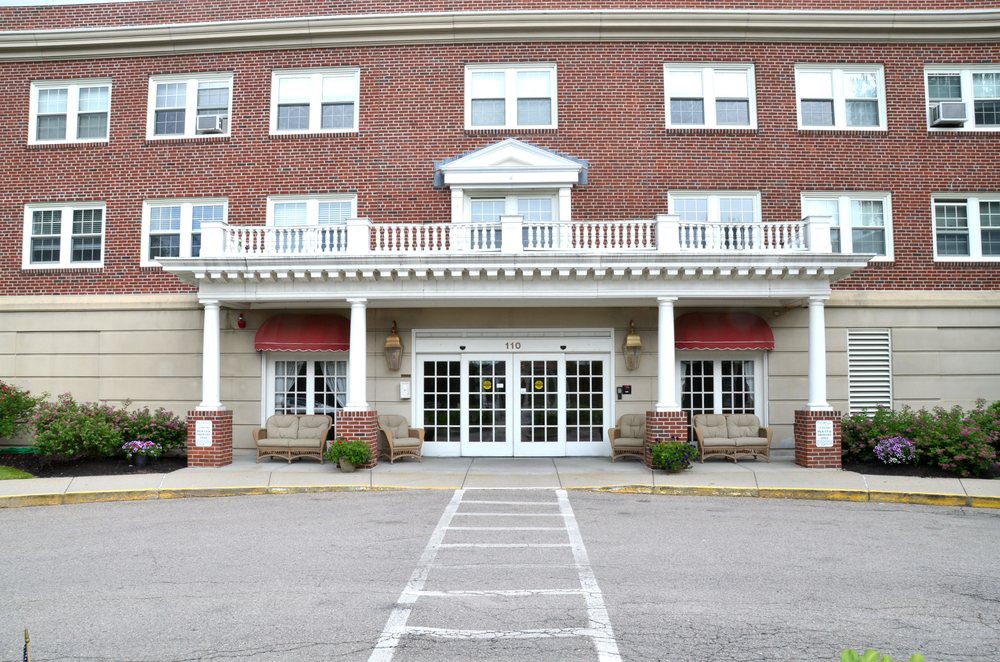

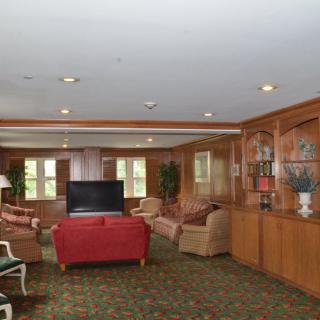
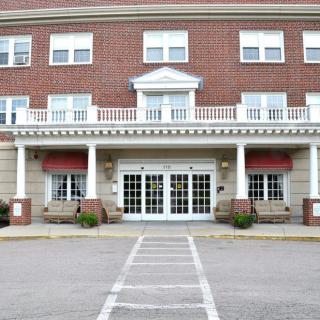



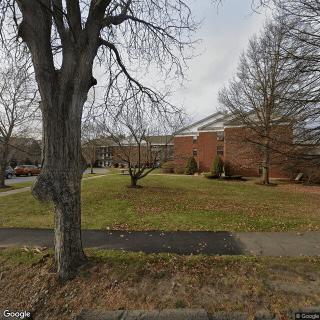
110 West St, Needham, MA 02494
To contact a resident: (781) 444-6655
For more information about senior living options: (866) 208-4318
Kindred Living at Needham Heights Costs & Pricing
Kindred Living at Needham Heights offers a competitive pricing structure for its living accommodations, particularly when compared to the broader costs of similar facilities in both Norfolk County and the state of Massachusetts. For instance, the monthly rate for a private room at Kindred Living is $3,300, significantly lower than the county average of $5,047 and the state average of $6,090. Even semi-private rooms at $3,600 present an attractive alternative when juxtaposed with Norfolk County's average of $6,142 and Massachusetts's standard of $5,805. While studio apartments are priced at $5,800 - a bit higher than both county ($5,282) and state ($5,312) averages - 1-bedroom units at $6,000 are still reasonable compared to Norfolk County's average of $5,598 and Massachusetts's rate of $5,349. Additionally, 2-bedroom options at Kindred Living stand at $6,500 but remain competitive against county ($6,133) and state ($6,151) figures. Overall, Kindred Living provides value while maintaining high standards in senior care amenities.
| Floor plans | Kindred Living at Needham Heights | Norfolk County | Massachusetts |
|---|---|---|---|
| Private | $3,300 | $5,047 | $6,090 |
| Semi-Private | $3,600 | $6,142 | $5,805 |
| Studio | $5,800 | $5,282 | $5,312 |
| 1 Bedroom | $6,000 | $5,598 | $5,349 |
| 2 Bedrooms | $6,500 | $6,133 | $6,151 |
Assisted Living communities with a similar price nearby
-
from -$150 / mo

The Branches of North Attleboro
$3,150 / month22.6 miles away -
from +$100 / mo
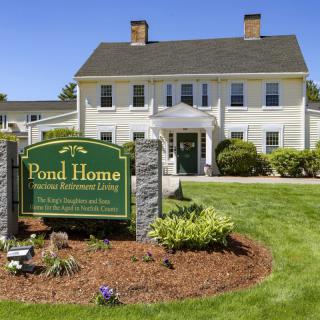
Pond Home
$3,400 to $5,076 / month16.2 miles away -
from -$370 / mo

The Willows Retirement Community
$2,930 to $4,850 / month14.1 miles away -
from +$335 / mo
The Residence at Great Woods
$3,635 to $8,550 / month21.4 miles away -
About the same
Benchmark Senior Living at Chelmsford Crossings
$3,350 to $4,550 / month22.5 miles away
Overall Review of Kindred Living at Needham Heights
Pros
 Avery Crossing is truly one of the best.
 - They offer many things that are great, particularly the food and the daily car service.
- Great staff—kind, well trained, friendly and reliable.
- Food is tasty and of excellent quality.
- Thoughtful activities and an excellent fitness program.
- Location has lots of interesting shops and restaurants in walking distance.
- Everyone is so kind and caring.
- They genuinely care about the residents and go the extra mile to keep families in the loop.
- The atmosphere is very upbeat and you can tell that people are happy living at Avery Crossings.
- On-site staff has been terrific and extremely accommodating.
Cons
 They are closing and have given residents only three months to find new accommodations.
- They haven’t even bothered to provide opportunities for other residence homes to meet residents and discuss alternatives.
- They haven’t provided counselors to help the residents they claim to serve.
- They do not care that this magnitude of change disrupts residents’ daily lives and routines.
- They display a callous attitude toward residents in Needham, MA, that could extend to their other locations.
- Corporate decisions appear to prioritize profit over residents’ wellbeing, with on-site staff limited by those choices.
Review
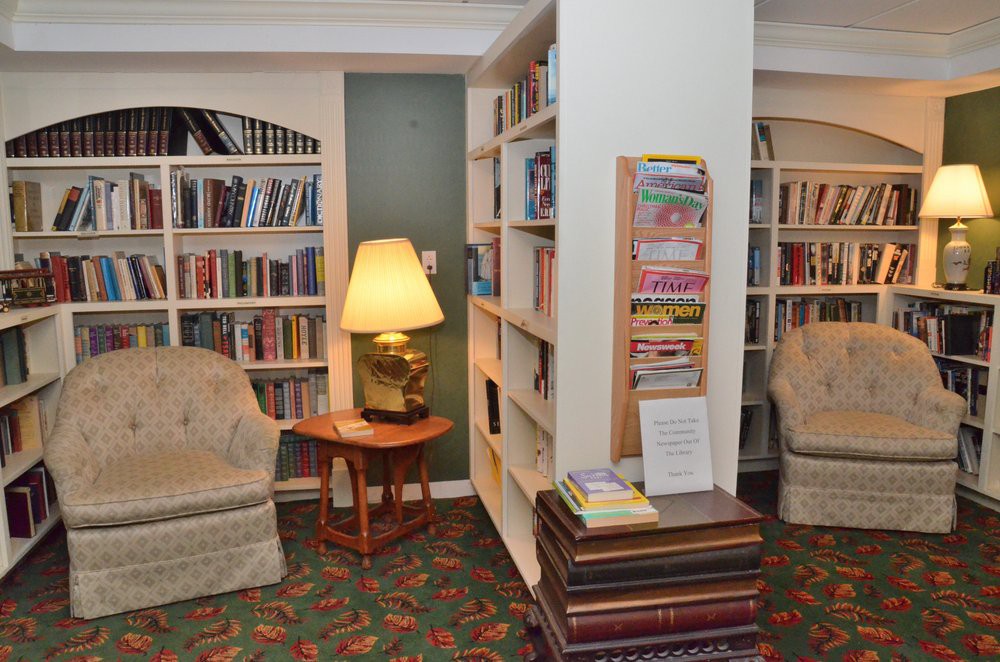
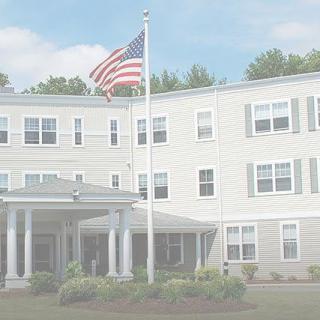
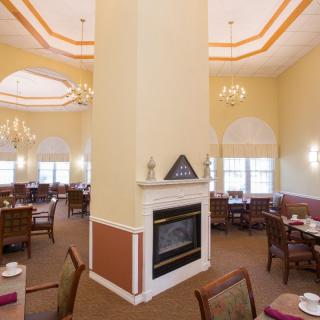
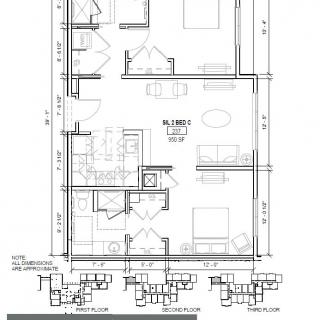
Kindred Living at Needham Heights is best suited for seniors who want a lively, well-staffed assisted-living environment with convenient access to shops and parks, and who can tolerate a real possibility of relocation if corporate plans change. The community delivers consistently strong on-site care and a positive resident culture: attentive, approachable staff; clean, well-kept facilities; dependable routines; and engaging programming. Apartments can feel surprisingly spacious, with examples of comfortable one-bedroom layouts, and amenities such as daily car service and a bright, upbeat atmosphere help residents settle in. In short, the daily life here is solid and satisfying, until the larger question of long-term residency looms.
Those weighing a move should be explicit about their tolerance for instability. People prioritizing long-term continuity and predictable housing arrangements should carefully consider alternatives. The most consequential drawback cited in reviews is the abrupt closure decision that leaves residents with three months to relocate, and a notable lack of transitional counseling or placement support. That dynamic creates substantial stress for residents, families, and caregivers, regardless of how strong the on-site team may be. If steadiness, known future housing, and guaranteed placement matter, it is prudent to explore other options now rather than wait for a forced move to become unavoidable.
From a practical standpoint, the positives here are meaningful. The staff consistently comes across as kind, capable, and dependable, with minimal turnover and a culture of genuine attention to residents. Families repeatedly note that nurses and aides are familiar with individual needs, and that communication remains steady and transparent. Cleaning standards are high, meals are well regarded, and the daily car service removes a recurring logistical strain for many residents. The location, across from a small shopping area and easy access to services, adds real daily convenience, while a robust slate of activities and a strong fitness program keeps life engaging. These are the sorts of everyday advantages that sustain a sense of normalcy and social connection.
Yet the strongest positives do not erase the core risk. The looming closure undermines the very value that families seek from an assisted-living choice: a stable, predictable home where care and community endure beyond a few years. The on-site strengths, friendly staff, reliable care, tasty dining, and lively programs, are undermined by the reality that residents must relocate, potentially disrupting routines, friendships, and continuity of care. Even with excellent staff and facilities, the closure makes the overall proposition feel precarious, transforming once-appealing features into temporary benefits rather than lasting advantages.
For families moving forward, the most prudent course is to demand and document transition supports. Seek explicit transition pathways, guaranteed placement in partner communities, and concrete timelines for medical-record transfers, lease terms, and any financial implications. Start interviewing nearby alternatives with open enrollment and realistic wait times while still within the community’s orbit, so a Plan B exists without delay. A proactive approach minimizes panic and preserves a sense of control for the resident, which is essential when the strongest selling points, staff warmth, programming, and convenience, are overshadowed by impermanence.
In the end, Kindred Living at Needham Heights offers a high-quality day-to-day living environment: strong staff, clean surroundings, good food, active programming, and a walkable location that residents noticeably enjoy. These strengths are genuine and substantial, and they translate into a meaningful, comfortable lifestyle for many residents. The catch is the closing reality, an overarching factor that cannot be ignored. For households where continuity and long-term residency are nonnegotiable, it makes sense to prioritize alternatives with confirmed occupancy and clearer stability. If pursuing Kindred, lock in a hard transition plan now, verify every detail of the move, and assemble a realistic shortlist of comparable communities to ensure the resident’s care and community aren’t sacrificed to a corporate decision.
 Assisted Living
 Independent Living
 Cats allowed
 Dogs allowed
 Activities off-site
 Air-conditioning
 Beautician on-site
 Devotional services off-site
 Handicap accessible
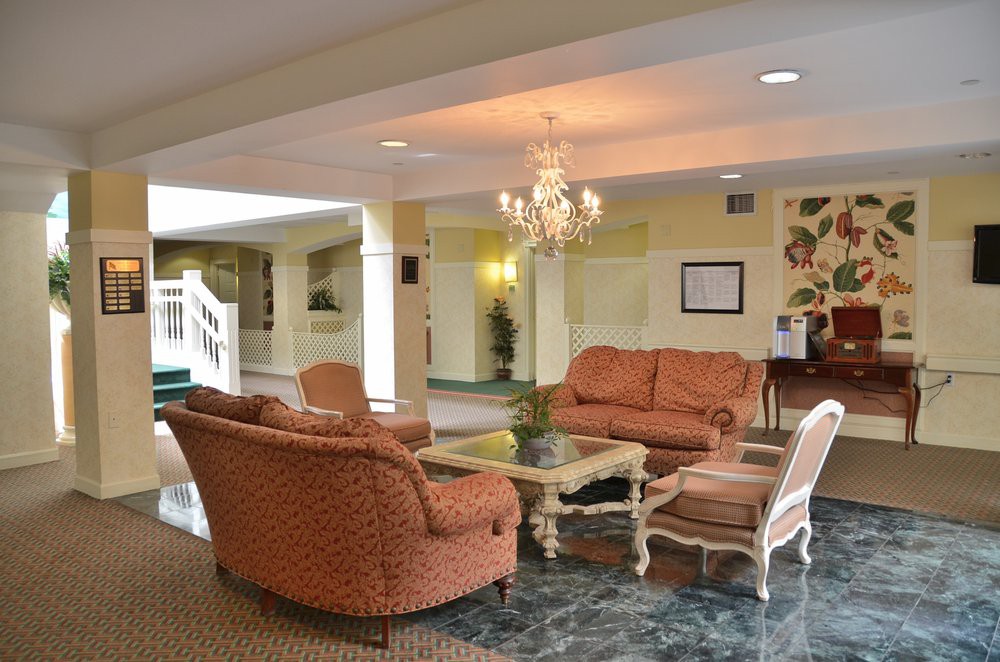
 Indoor common areas
 Kitchenette
 Outdoor common areas
 Respite or short term stays offered
 Wheelchair accessible showers
 Wi-Fi/high-speed internet available
 Gen Edw L Logan International (13 miles away)
 Ambulatory care
 Diabetic care
 Incontinence care
 Medication management
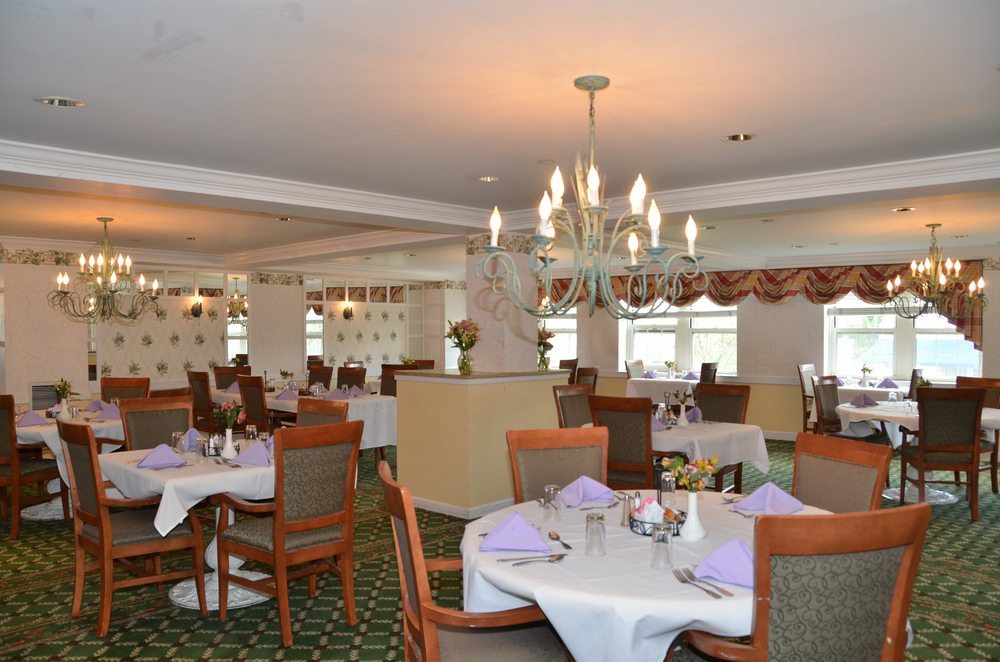
 Anytime dining
 Art classes
 Cooking classes
 Day trips and outings
 Educational speakers / life long learning
 Happy hour
 Karaoke
 Live dance or theater performances
 Live musical performances
 Live well programs
 Visiting Rabbi
 Wine tasting




 Senior Transition Services: Understanding Their Role, Cost, and Importance
 Exploring the Path to Senior Living: A Comprehensive Look at Independent Living and Assisted Living
 Is Assisted Living Deductible on Your Taxes? Understanding the Complexities of Assisted Living Expenses and Deductions