

100 West St, Needham, MA 02494
To contact a resident: (781) 234-6300
For more information about senior living options: (866) 208-4318
Overall Review of Avery Manor
Pros
 The staff were excellent, caring, and professional.
- The staff at Avery Manor would find time to sit with him, talk with him, and take him to activities.
- They made his grandfather feel at home.
- He enjoyed theatre outings and Friday night wine and cheese gatherings.
- The place has turned around, and the staff are friendly and smile a lot now.
- The reviewer would give Avery Manor an A.
- The staff at Avery Manor made his last days enjoyable.
Cons
 The experience at Avery Crossing was not a good one; the staff were inattentive and the care was terrible, and she ended up coming out of rehab worse than when she went in.
- They are very prejudiced against Black people and do not make people feel welcome when someone wants to send their sister there.
- The call lights were not answered quickly, which was a concern.
Review
Avery Manor in Needham is best suited for seniors who primarily need help with daily tasks and who value a warm, socially engaging environment. The assisted-living section is described by residents and families as caring, professional, and capable of meaningful interaction with residents. When staff are present in a relaxed, sociable setting, residents can participate in activities, theatre outings, and social gatherings that give a sense of home. The strongest validation comes from stories of staff sitting with residents, engaging them in conversation, and helping a loved one feel valued during difficult times. This makes Avery Manor a compelling option for families seeking companionship and personal attention in the early-to-moderate stages of need.
That said, the community reveals serious caveats for anyone anticipating high-acuity care or reliable rehab outcomes. Several reviews recount a stark contrast between the assisted-living experience and the high-care area, where care quality deteriorates and staff appear inattentive. The pattern described is one where a resident’s health trouble is managed well in the lower level, but once transfer to higher medical needs, the care becomes inconsistent, leaving family members worried about safety and recovery. For families facing or planning for significant medical challenges, these gaps in high-care responsiveness are a critical red flag.
Pros in the core assisted-living setting clearly do not entirely offset the main cons tied to higher-acuity needs. The positive experiences emphasize personal warmth, regular engagement, and a culture that can make residents feel at home, even in trying circumstances. The ability of staff to dedicate time to a resident with behavioral challenges and to integrate him into activities speaks to a culture of genuine care, one that is meaningful for quality of life. However, the disconnect between that warmth and the reliability of care in the high-care unit means the advantages are conditional, not universal, and targets a narrower subset of residents with stable, lower-level needs.
Families evaluating Avery Manor should approach with a focused set of questions and a clear plan for transitions. Tour the high-care area and demand specifics on staffing ratios, turnover, and who handles rehab and medical overlays. Inquire about call-light response times, especially during peak hours, and how quickly critical needs are addressed. Probe the facility’s approach to behavioral health and conflict-resolution, and seek concrete examples of staff training in dementia, agitation, or aggression. Directly address concerns about inclusivity and bias, and request documentation of anti-discrimination policies and staff culture initiatives. A disciplined due-diligence process will reveal whether the current strengths can be sustained if medical complexity increases.
Overall, Avery Manor earns a 3.2 rating from six reviews, a mosaic that captures both heartfelt praise and substantive concern. The two- and four-star experiences highlight sincere, hands-on staff and a home-like atmosphere, while the two- and one-star reports underscore inconsistent responses in higher levels of care, with worries about call-light timeliness and a troubling suggestion of prejudice. That combination means the decision hinges on trajectory: for residents who stay within assisted living and can enjoy ongoing social programming and personal attention, Avery Manor can be a good match. For those with anticipated or evolving medical needs, the risk of uneven care makes alternatives worth weighing more heavily.
In the end, Avery Manor is not a universal choice but a conditional one. It works best for families seeking a personally attended, socially vibrant environment where staff pride themselves on making residents feel valued in the daily routine. It is less suitable for families prioritizing seamless, high-quality medical and rehabilitative care across all acuity levels, or for those who cannot tolerate the hiccups reported as soon as health concerns escalate. Prospective residents should balance the demonstrated warmth and activity-filled culture against the documented gaps in high-care performance, and apply a rigorous vetting process before committing. If selecting Avery Manor, plan for ongoing dialogue with leadership, set clear expectations, and confirm that the high-care transitions are supported by consistently reliable staffing and responsive care.
 Skilled Nursing Facility
 Gen Edw L Logan International (13 miles away)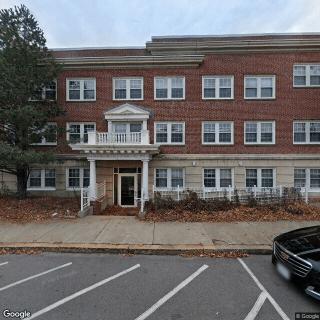






 Comprehensive Exploration of Living Wills and Other Advance Directives
 A Detailed Exploration of Living Wills and Advance Directives
 Comprehensive Guide to Medicare Coverage for Hospice Care