
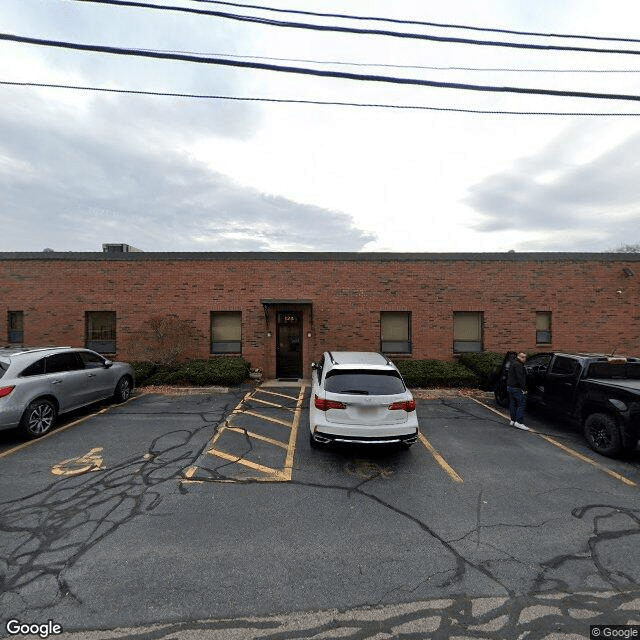
124 Crescent Rd, Needham Heights, MA 02494
To contact a resident: (781) 449-0402
For more information about senior living options: (866) 208-4318
Overall Review of Griswold Special Care
Pros
 Griswold Home Care provides excellent service with professional, caring staff who maintain open communication with families.
- The caregivers offer companionship, run errands, and help keep loved ones safe and well cared for on a weekly basis.
- Griswold's office team provides placement assistance and is readily available to answer questions and address concerns.
- They can arrange 24-hour caregiver coverage on short notice at a reasonable cost.
- The caregivers help keep the home safe, clean, and healthy, giving families essential peace of mind.
- The caregiving team demonstrates composure, patience, and effective problem-solving in challenging situations, making a positive difference for families.
- The care team enhances quality of life for clients by fostering meaningful connections and warm conversations.
Cons
 Joan Carew was described as very unprofessional.
- The reviewer felt she was inconsistent and unresponsive about references.
- The reviewer believed she implied the job might not be right for them after repeated contact.
- The No Visitors policy during COVID-19 was extremely hard on the family.
- The family found the COVID-19 restrictions frustrating and unfair to their father.
Review
Griswold Home Care in Needham Heights is best suited for families seeking dependable, in-home support that centers on a steady caregiver relationship. This service excels when a senior can remain in familiar surroundings while receiving practical help, errands, companionship, light housekeeping, and safety oversight, from a caregiver who becomes a trusted daily presence. The strongest value comes from caregivers who bring consistency, warmth, and practical skills to day-to-day life, with the office team actively maintaining the connection, adjusting schedules, and ensuring expectations stay aligned. For households prioritizing independence at home with a reliable human touch, Griswold delivers measurable peace of mind.
Those evaluating alternatives should note a few clear boundaries. If the priority is round-the-clock nursing supervision or a facility environment with intensive medical oversight, a traditional assisted living or skilled-nursing setting may be a better fit. Grist for a different palate is the need for a static, single caregiver without turnover risk; here, family members should understand that agency-based care can involve caregiver changes and scheduling variability. Additionally, onboarding and communications can be uneven depending on the individual coordinator. One candid experience shows a recruitment process that felt mismanaged, suggesting that some families may encounter friction during intake.
From the strongest side, the pros consistently align with the core needs of many families: reliable, compassionate caregivers who can manage daily tasks and offer meaningful companionship; proactive office communication that checks in after visits and coordinates the broader care plan; and a demonstrated ability to handle difficult or unexpected situations with composure. Across multiple accounts, caregivers not only performed basic care but also helped keep the home clean, safe, and orderly, while staying attuned to the emotional needs of the person receiving care. The staff’s practical judgment, knowing when to escalate concerns and when to reassure family members, emerges as a recurring strength, underpinning the sense of security families feel.
However, the one skeptical voice highlights a real caveat: onboarding and consistency can hinge on the individual staff member assigned and the coordinator overseeing placement. The description of a recruiter who appeared unprofessional and a drawn-out reference-check process underscores a potential snag in the initial setup. While this seems to be an exception rather than the rule given the overwhelming positive feedback, it is a reminder to secure a clearly defined intake timeline, a dedicated care coordinator, and a documented care plan before starting service. Families should insist on a concrete point of contact who remains the same through the transition period.
The practical offset to these onboarding concerns lies in the depth of the caregiving relationships and the office’s responsiveness once care is underway. Several families emphasize how Maryann, Patti, and other coordinators bend over backward to meet needs, whether arranging alternate caregivers quickly, guiding through insurance questions, or coordinating with hospital teams during transitions. The ability to generate a care notebook, share notes and photos from shifts, and provide scheduled updates offers a tangible mechanism for maintaining transparency and trust. When a caregiver proves steady, the benefits compound: safety is enhanced, routines stabilize, and conversations become meaningful rather than transactional.
In the end, Griswold’s value proposition is clear for need-home cases where independence matters and caregivers can build enduring rapport with a loved one. Families should pursue this option if the goal is to preserve daily life in a familiar setting with a supportive, communicative team behind the scenes. If the priority shifts toward guaranteed, disease-specific medical oversight or a rigid intake experience, alternatives deserve consideration. For most scenarios, demanding a dedicated coordinator, a specific caregiver match, and a documented care plan will maximize the advantages Griswold already demonstrates: reliable companionship, practical support, and a practical pathway to safer, happier days at home.
 Gen Edw L Logan International (13 miles away)




 A Comprehensive Exploration of Common Misunderstandings about Powers of Attorney
 Senior Move Management: Understanding the Role, Value, and Associated Costs
 Weight Training for Seniors: Building Strength and Vitality