
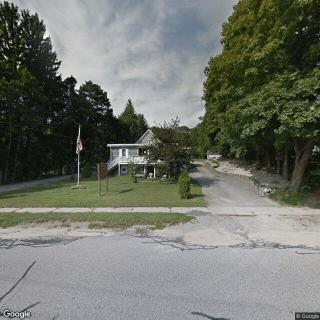
261 Village St., Medway, MA 02053
To contact a resident: (508) 333-3300
For more information about senior living options: (866) 208-4318
Overall Review of Whitney Place at Medway
Pros
 The staff at Whitney Place in Medway are described as compassionate, friendly, and capable.
- Jonathan Terlaje is praised for being patient, knowledgeable, thorough, and professional.
- The team keeps families informed with timely updates about health concerns and changes.
- The staff handle emergencies quickly and professionally, with calm and respectful demeanor.
- The facility is beautiful, modern, clean, and offers engaging activities and well-kept outdoor spaces.
- The move-in process is seamless and well organized, with staff coordinating packing and settling in.
- Residents and families feel reassured that their loved ones are in safe hands cared for by a dedicated team.
- The dining and activities staff contribute to daily life that is joyful and engaging.
- The leadership at the Willows/Whitney Place is described as top-notch, with directors who bring energy and care.
- The care for individuals with dementia is described as compassionate and attentive.
- The facility earns high praise as one of the best assisted living options in Massachusetts.
- The staff are consistently friendly and welcoming, making new residents feel like family.
Cons
 The facility is expensive.
- One reviewer finds it hard to award five stars, implying there are areas for improvement.
- There was an unfortunate hospital visit on the first night.
- A hiccup occurred during move-in related to a hospital admission, signaling initial disruption.
Review
Whitney Place at Medway is best suited for families seeking a vibrant, well-staffed assisted-living home with dedicated memory-care support and a seamless transition from hospital or independent living. It works especially well for residents who want a robust calendar of activities, reliable nursing oversight, and a community that feels energetic rather than clinical. The campus combines modern design, well-lit spaces, secure outdoor areas, and a dining and social life that keeps people engaged. For families, the decisive factor in choosing this community is the staff-driven focus on communication and continuity of care, with move-in logistics handled with a high degree of organization and care.
On the ground, the strongest advantages are the people and the process. The sales and transition team, led by Jonathan Terlaje, consistently delivers calm, informed guidance and coordinates moves so apartments are ready quickly and without drama. Once residents settle, the nursing staff, spelled out by the provider’s own commendations, exhibit expert care, respect, and regular updates to families. The dining room, activities staff, and maintenance teams are described as attentive and reliable, ready to handle emergencies with composure and to keep daily life smooth. The facility’s architecture, clean, modern, with bright common areas and accessible outdoor space, bolsters a sense of safety and belonging, while the Tapestry memory-care program adds a structured framework for residents who need dementia-focused oversight.
Cost is the most persistent caveat, and it matters for families weighing long-term affordability. Many reviews flag Whitney Place as premium-priced, which can be a hurdle for budget-conscious households. The premium, however, is not confined to plush finishes; it reflects a deep commitment to ongoing nursing presence, care coordination, and a leadership culture that treats each resident as a person with evolving needs. The potential downside, a bustling, activity-rich environment, can be less suitable for residents who crave quiet or who prefer a smaller, more intimate setting. For those whose loved one requires heavier hands-on skilled nursing or a noticeably slower, more homelike pace, alternate options with lower fees or a calmer milieu might be a better fit. Still, the value proposition hinges on whether peace of mind, dependable care, and a supportive community are worth the premium.
Those strong points do substantial work offsetting the cost and pace, especially for families navigating complex health needs. The team’s responsiveness reduces anxiety about medical events and fosters continuity of care, with real-time updates and proactive planning. Move-in logistics are handled with efficiency and empathy, minimizing distress during a difficult transition. For memory care, the Tapestry program delivers more than generic supervision; it provides routines, trained staff, and consistent supervision that translates into steadier days and fewer surprises. The overall sense of belonging, the idea of joining a “Willows family”, adds a meaningful, often overlooked layer of value that goes beyond square footage or amenities. When price is a concern, this combination of care quality, communication, and community tone often justifies the higher ongoing costs for families prioritizing safety, predictability, and staff fidelity.
To make a sound decision, prospective families should structure their visit around both measurable factors and personal fit. Inquire about staff-to-resident ratios and how staffing scales as memory-care needs evolve; tour the Tapestry program and ask for concrete examples of daily routines and caregiver responses to common scenarios; confirm emergency response protocols and the nurse-on-call framework for nights and weekends. Evaluate dining quality, menu variety, and the availability of flexible meal accommodations, along with the breadth of activities and the quiet zones where residents can decompress. Speak with current residents and families about the frequency and clarity of updates, and examine the move-in process for potential friction points. Finally, benchmark this community against alternatives that may offer similar programming at a different price point or with a different balance of independence, care intensity, and ambience to ensure alignment with both care needs and budget realities.
In the final assessment, Whitney Place at Medway stands out for families seeking a confident, care-forward environment with exceptional staff, reliable care coordination, and a lively social ecosystem. It is a strong recommendation for those prioritizing top-tier nursing support and a seamless transition during a difficult move, with memory-care options that feel integrated rather than outsourced. Those who must watch every dollar or who prefer a quieter, more intimate setting should scrutinize pricing, room configurations, and scheduling to confirm whether the value aligns with expectations. For a loved one facing memory challenges or a demanding recovery, and for families needing transparent communication and genuine partnership with caregivers, Whitney Place at Medway offers a compelling, practical balance of safety, engagement, and peace of mind.
 Assisted Living
 Memory Care
 Activities on-site
 Devotional services off-site
 Indoor common areas
 Ambulatory care
 Diabetic care
 Meals provided






 Exploring the Contrasts Between Assisted Living and Skilled Nursing
 Vibrant Senior Living: A Comprehensive Guide for Active Older Adults
 Assisted Living and Memory Care: Understanding Their Core Differences