
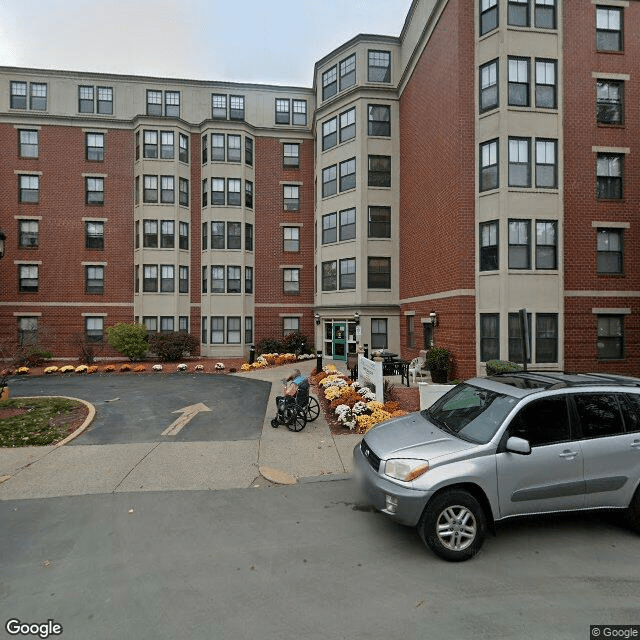
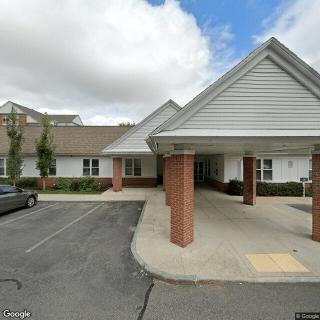
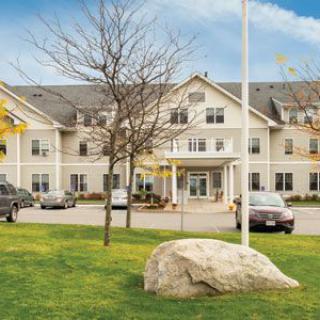
66 Main St., Everett, MA 02149
To contact a resident: (617) 387-7466
For more information about senior living options: (866) 208-4318
Overall Review of Everett Villa
Cons
 The facility is described as more like a prison than senior living.
- Several former residents' relatives have told others not to move in.
- Staff enter residents' apartments without any announcements.
- Residents are controlled, and the environment is described as very bad.
- They claim they are told what to say to certain people.
- They report that even perfect strangers have told them these things without provocation.
- The reviewer would never want to live there.
- The reviewer is currently homeless.
Review
Everett Villa in Everett, MA is best suited for seniors who can tolerate a tightly supervised, low-privacy living arrangement and for families prioritizing straightforward oversight and location within the Everett area. The community seems to deliver a structured environment with steady staff presence, which can translate into predictable routines and reliable access to care for residents who do not demand complete autonomy over daily life. Those weighing options should consider how much independence is realistically acceptable in this setting, recognizing that the trade-off for that structure may be a significant reduction in personal privacy and resident-led decision-making.
The most striking takeaway from the reviews centers on privacy and control. A highly negative account portrays senior living here as more prison-like than home, with allegations of unannounced apartment entries and a level of control that borders on coercive. The reviewer describes being told what to say to certain people and notes that the intrusion comes from staff who arrive without provocation. Such claims are not minor irritants; they strike at resident dignity, consent, and the right to personal boundaries. For families considering this option, these are red flags that warrant immediate, in-person verification through on-site visits and candid conversations with current residents and families.
There is a contrasting note in a separate 4-star review, suggesting that some aspects of Everett Villa work for particular residents. However, the lack of detail makes it hard to gauge what those redeeming qualities are, and they canā€™t offset the severity of the concerns raised in the other testimonial. The overall rating of 2.5, pulled down by a polarized set of experiences, signals inconsistent practices that could vary widely from one unit or staff shift to the next. In practical terms, a family should assume that the care experience may be uneven and dependent on individual staff and management approaches.
Who should consider alternatives? Families that hold privacy, resident autonomy, and dignified, voluntary participation in daily life as nonnegotiable should look elsewhere. If the prospect of unannounced visits, staff directives about personal speech, or a sense that residents are being managed rather than supported feels unacceptable, it is wise to compare other communities that emphasize clear resident rights, consent policies, and transparent, resident-centered routines. When evaluating options, ask pointed questions about privacy safeguards, how consent for staff entries is handled, and the formal rights residents have to control how they are spoken to, who may visit, and when.
In weighing pros against cons, the limited, unclear advantages do little to offset the most serious drawbacks described. A predictable staff presence, basic services, or location convenience may be appealing, but those benefits fail to justify a living environment where privacy appears compromised and residents feel coerced. For families with tight budgets or pressing needs for supervision and safety, Everett Villa might be tolerable if a thorough, hands-on due diligence confirms there is an enforceable privacy protocol and respectful staff behavior. For many others, the emotional and psychological costs of a highly controlled atmosphere are simply too high a price.
Bottom line: Everett Villa is not broadly recommended for families seeking independence, dignity, and a resident-directed daily life. It may serve a niche segment that can tolerate stringent oversight and a more institutional feel at a potentially lower cost, but only after rigorous on-site verification of privacy protections and staff conduct. If red flags persist or if conversations with current residents reveal ongoing privacy violations or intrusive practices, alternatives with stronger commitments to resident rights, less intrusive care models, and clearer governance should be pursued. In either case, a disciplined checklist, policy on staff entries, resident rights documentation, and opportunities to observe genuine resident choice, will distinguish a suitable match from a misfit before committing.
 Active Adult Communities (55+)
 Gen Edw L Logan International (4 miles away)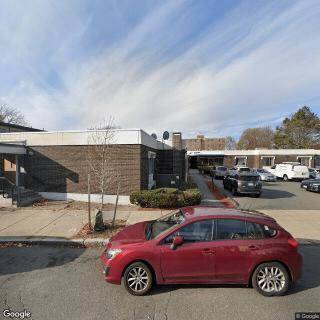
 Broad amenities and 24/7 care services.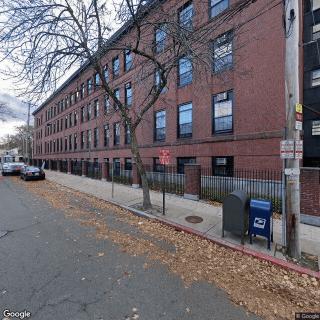

 Exploring Nonmedical Home Care: Understanding Services, Costs, and Financial Approaches
 Engaging Brain Games and Innovative Apps to Keep Senior Minds Active
 Effective Strategies for Keeping Seniors' Minds Active: A Deep Dive into Brain Games and Apps