201 Captains Row, Chelsea, MA 02150
To contact a resident: (617) 887-0826
For more information about senior living options: (866) 208-4318
Chelsea Jewish Foundation Costs & Pricing
At Chelsea Jewish Foundation, the monthly costs for accommodations are competitive within both Suffolk County and the broader Massachusetts market. For a studio apartment, residents can expect to pay $5,145, which is slightly below the county average of $5,278 and the state average of $5,312. In terms of one-bedroom units, Chelsea Jewish Foundation offers pricing at $5,985; this is higher than Suffolk County's average of $5,439 but remains lower than the state's average of $5,349. Overall, these comparative figures reflect Chelsea Jewish Foundation's commitment to providing quality living options at attractive price points while catering to the needs of its community.
| Floor plans | Chelsea Jewish Foundation | Suffolk County | Massachusetts |
|---|---|---|---|
| Studio | $5,145 | $5,278 | $5,312 |
| 1 Bedroom | $5,985 | $5,439 | $5,349 |
Memory care communities with a similar price nearby
-
from -$645 / mo
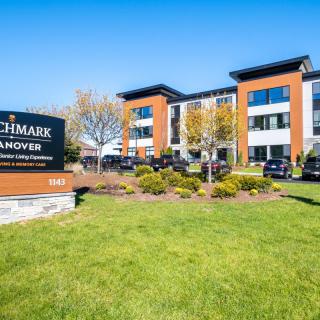
Benchmark at Hanover
$4,500 to $7,500 / month20.6 miles away -
About the same
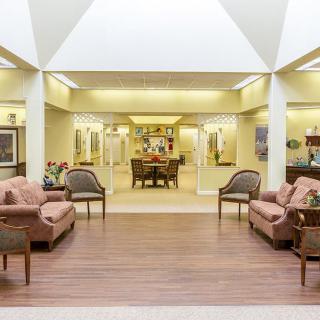
The Atrium At Drum Hill
$5,000 to $6,350 / month23.3 miles away -
from +$955 / mo
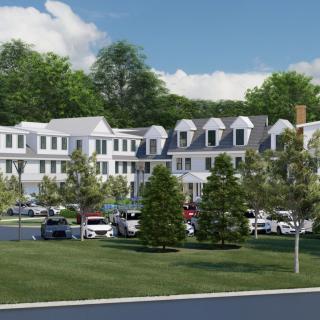
The Residence at Bedford
$6,100 to $8,800 / month13.0 miles away -
from -$400 / mo

Stone Hill At Andover
$4,745 to $9,295 / month19.5 miles away -
from -$795 / mo
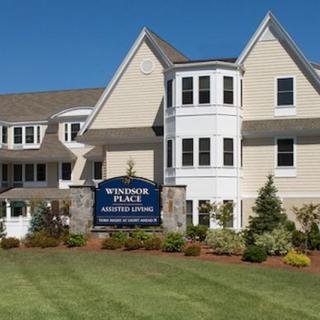
Windsor Place Of Wilmington
$4,350 to $5,695 / month11.4 miles away
Overall Review of Chelsea Jewish Foundation
Pros
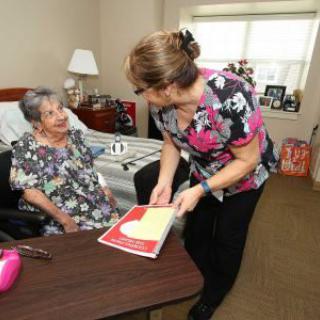
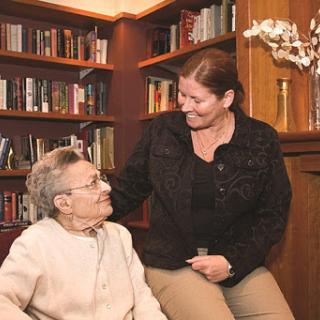
 The staff treated her as if she were their own mother.
- The level of care, kindness, and communication exceeded expectations.
- The staff surrounded her with compassion and family at the end of life.
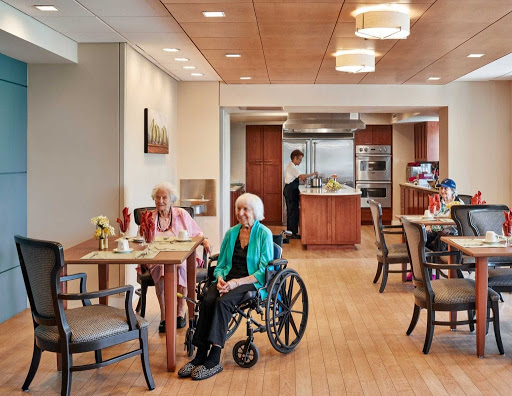
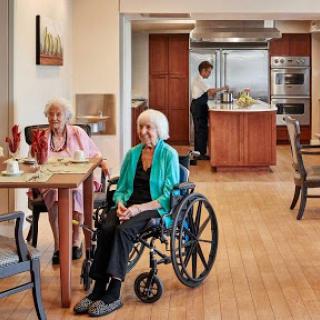
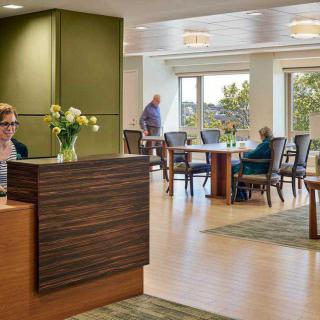
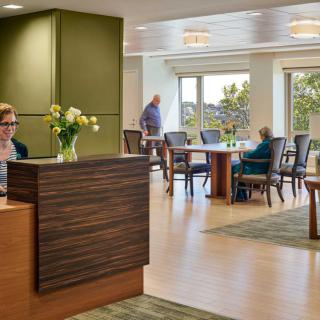
- The facility offers a home-like atmosphere for residents.
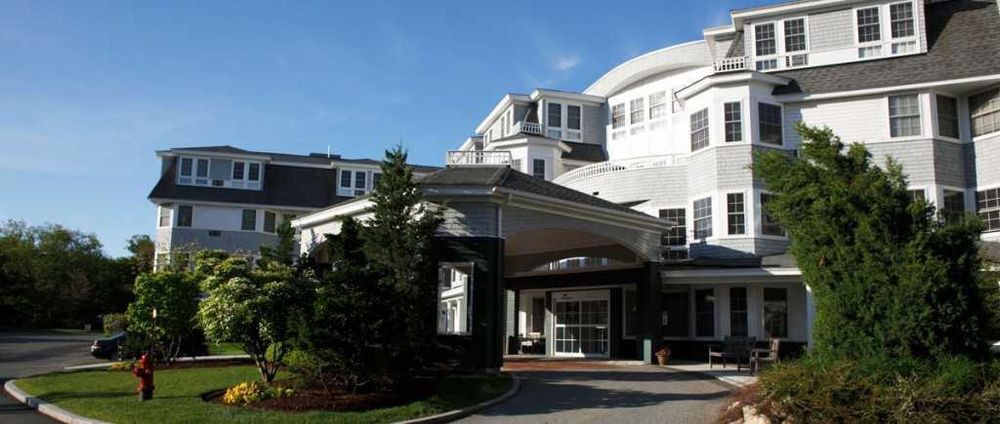
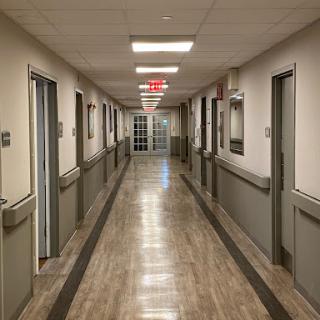
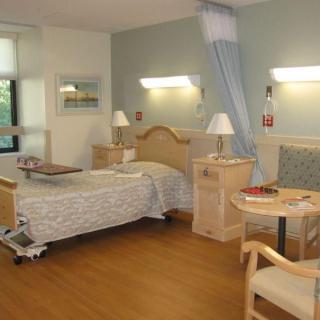
- The buildings are very clean, and the rooms are comfortable and spacious.
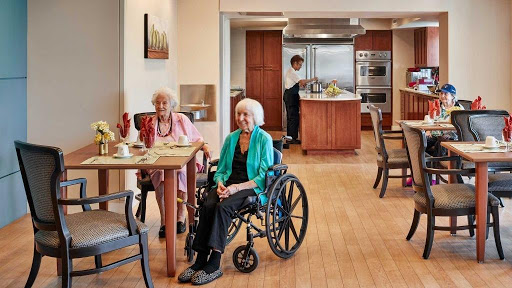
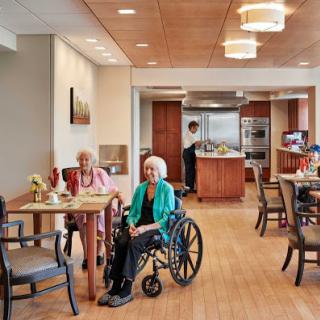
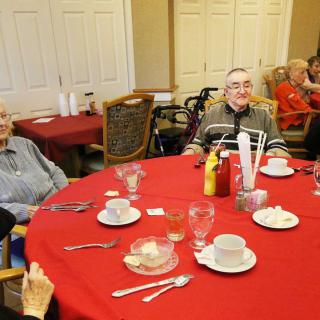
- The food is good and dining options are inviting.
- The activities engage residents, with sing-alongs and regular bingo get-togethers.
- The CJF staff have created a new home and a solid place of belonging.
Cons
 One reviewer warns that bringing loved ones to the facility could result in abuse and neglect by CNAs who pretend not to speak English.
- The reviewer notes that although the Cohen Florence Levine Estates is nice, it is unaffordable for some families.
Review
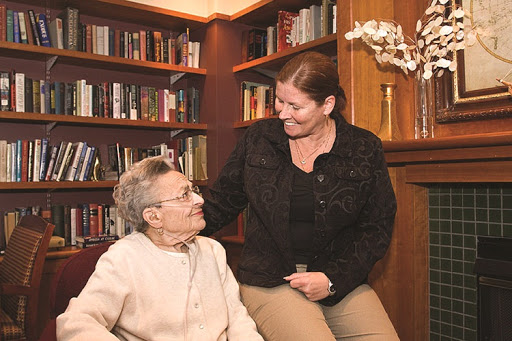
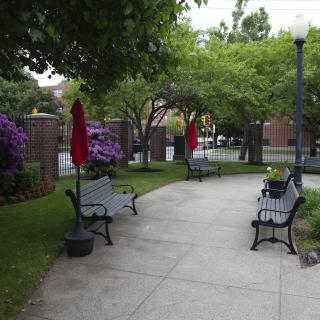
Chelsea Jewish Foundation’s Katzman Center and its related Chelsea-area offerings are best suited for families seeking a warm, home-like environment with hands-on, person-centered care, especially for residents in the early stages of dementia or those who thrive on robust social programming. The community earns its appeal from a longstanding culture of caregiver attentiveness, a clean and comfortable physical setting, solid meals, and a calendar filled with meaningful activities, sing-alongs, bingo, and outdoor spaces that invite conversation and calm. The atmosphere tends to feel like a true community rather than a sterile institution, which can make a big difference for families prioritizing belonging and daily engagement over clinical formality. For families needing a highly medicalized or high-acuity setting, however, this may not be the optimal match.
Two realities stand out as you weigh alternatives. First, staffing reliability has been the subject of concern in some family accounts, with reports of neglect or insufficient supervision that would alarm anyone seeking consistently steady caregiving. While those incidents are not universal across all shifts, they create a meaningful red flag for anyone whose loved one requires close, continuous oversight or whose safety depends on every CNA interaction being attentive and well-supervised. Second, the financial picture matters: the facility has a price tier that some families find difficult to sustain long term, particularly when comparing with comparable options in the greater Boston area. Affordability can be the decisive factor when the day-to-day quality of care is balanced against the budget.
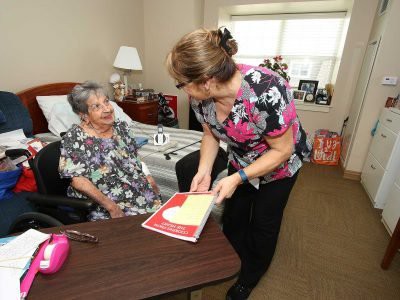
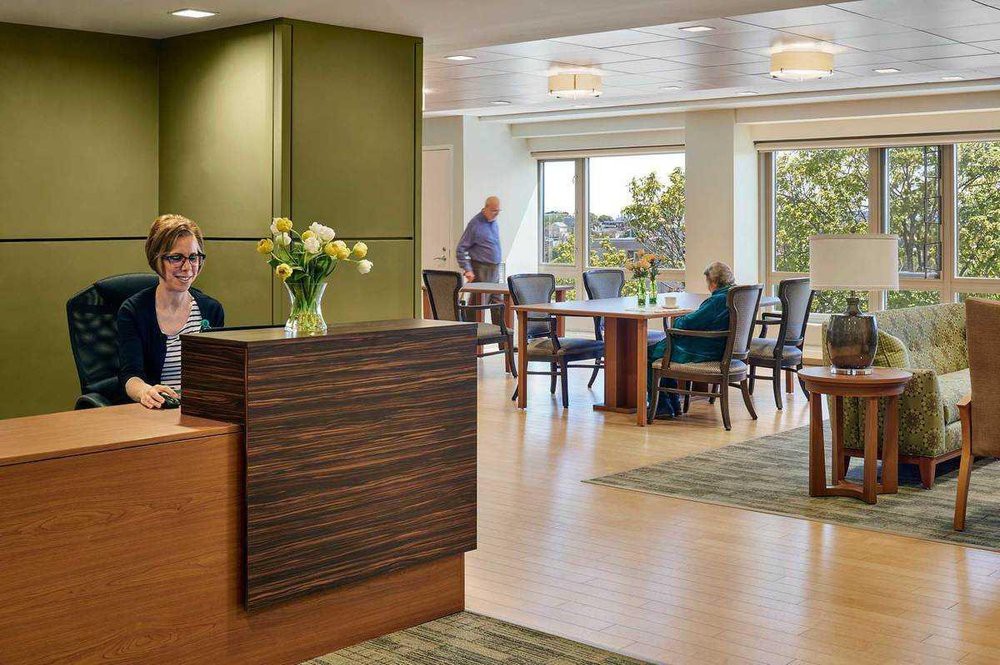
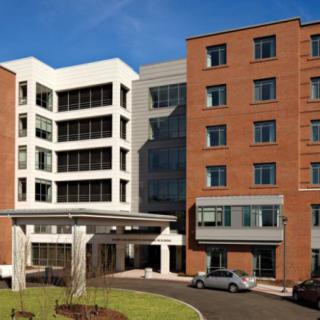
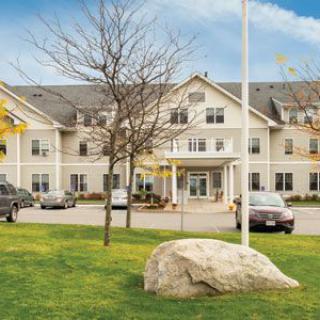
On the positive side, the key pros are concrete and recurring in resident experiences. The buildings themselves read as clean, well maintained, and welcoming, with comfortable rooms and amenities that support independent living within a supportive framework. The social and activity programming lands well with many residents who enjoy organized events and opportunities for meaningful interaction. Food is frequently described as satisfactory or better, and amenities such as snack bars, light refreshments, and common spaces support a casual, livable daily routine. The presence of a nurse on duty and the generally knowledgeable, caring staff across CNAs to administrators contributes to a sense that help is available when needed, and that staff are attentive to both individual needs and family communication.
The less favorable threads cannot be ignored when forming a decision. Foremost is the safety and trust implication tied to reports of abuse or neglect on some shifts, which undermines the bottom-line confidence many families rely on when entrusting a loved one to daily care. Even if these accounts do not reflect every shift or every caregiver, they reverberate through the decision-making process and require direct, in-depth validation during tours and discussions with leadership. Language barriers in some caregiving interactions are another friction point cited by families, complicating daily communication and care planning, particularly for residents with cognitive needs who rely on clear, consistent updates. Finally, affordability remains a real constraint; even when the care quality aligns with expectations, ongoing costs can challenge families’ long-term planning.
The favorable elements, strong relational care, a home-like environment, and robust programming, can offset many downsides if the family’s priorities align with what this community does well. A staff culture that feels present and empathetic, paired with frequent activities and accessible social spaces, can deliver a sense of dignity and daily purpose that is hard to match in more clinical settings. The rooms and common areas, when paired with good food and a practical daily routine, create a livable rhythm that supports comfort and emotional well-being for many residents. For families evaluating dementia care specifically, this community’s emphasis on day-to-day engagement and staff attentiveness can be a critical factor in sustaining quality of life over time.
For families weighing a final decision, the recommended approach is clear: visit with a plan to observe multiple shifts, speak with direct caregivers, and request a tour of the Katzman Center’s dementia-focused pathways and care plans. Ask hard questions about staffing ratios, turnover, and the steps taken when concerns arise, and request recent examples of how care plans are adapted to evolving needs. Compare the cost structure against other local options, including what services are included, potential increases, and what would be needed to maintain care if circumstances change. When paired with careful site-specific due diligence, Chelsea Jewish Foundation can be a strong, emotionally supportive home for many residents, provided the family’s criteria place premium on a loving, engaging environment and the willingness to vigilantly assess safety and affordability over time.
 1-bedroom apartments
 Assisted Living
 Memory Care
 Activities off-site
 Air-conditioning
 Beautician on-site
 Cable or satellite TV
 Cafe
Cafe Devotional services off-site
 Dining room
 Financial aid
 Garden
 Handicap accessible
 Housekeeping services
 Indoor common areas
 Kitchenette
 Laundry
 Outdoor common areas
 Party space
 Private bathrooms
 Respite or short term stays offered
 Wheelchair accessible showers
 Gen Edw L Logan International (3 miles away)
 Ambulatory care
 Assistance with bathing
 Assistance with dressing
 Incontinence care
 Meal preparation and service
 Medication management
 Art classes
 Catholic services
 Day trips and outings
 Educational speakers / life long learning
 Fitness programs
 Games
Games Jewish services
 Karaoke
 Live dance or theater performances
 Live musical performances
 Live well programs
 English

 Exploring the Contrasts Between Assisted Living and Skilled Nursing
 Vibrant Senior Living: A Comprehensive Guide for Active Older Adults
 Assisted Living and Memory Care: Understanding Their Core Differences