


255 Central Avenue, Chelsea, MA 02150
For more information about senior living options: (866) 208-4318
Overall Review of Eastpointe Rehab Center
Pros
 Some CNAs go above and beyond.
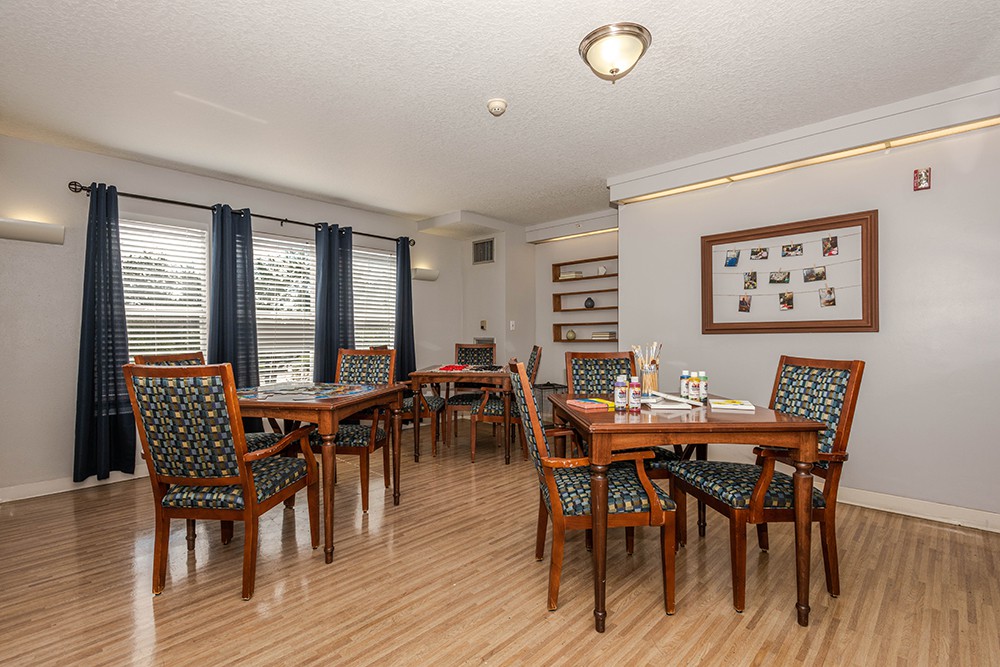
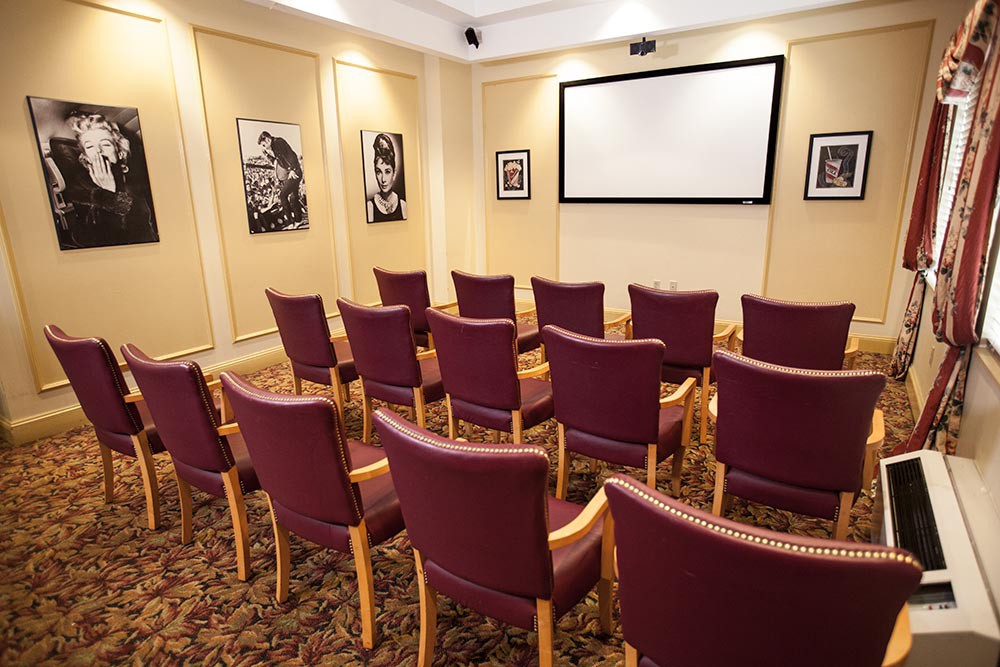
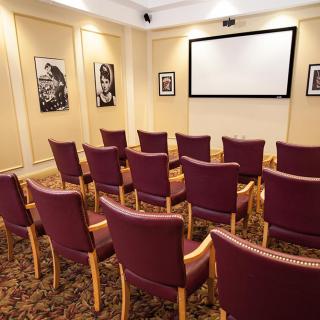
- The activities there are very good, with scheduled entertainment like bowling, bingo, and trivia.
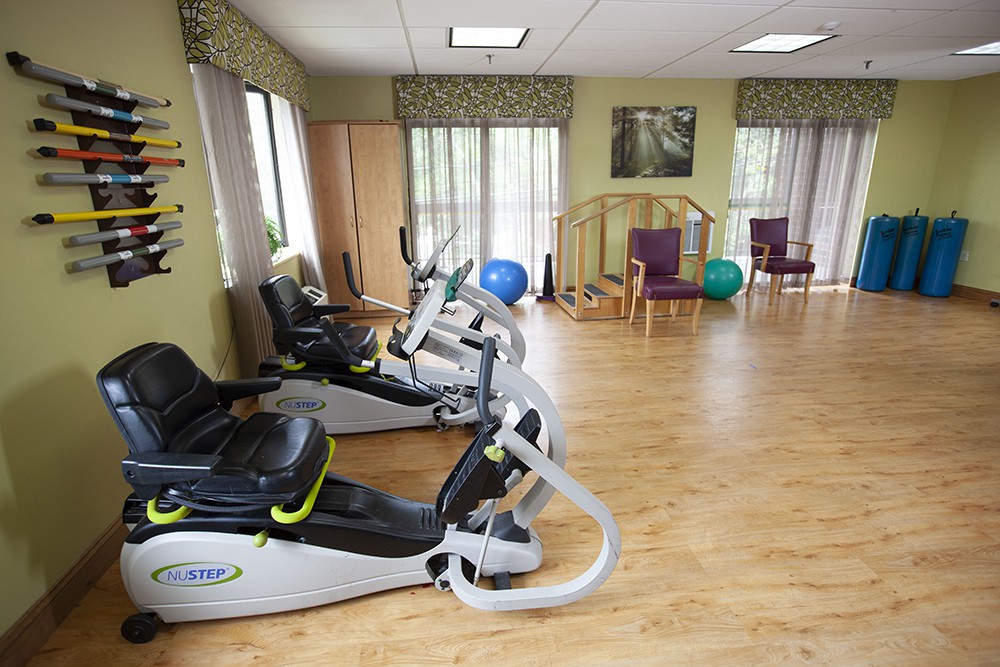
- The therapists were very good.
- Overall, there were many good things noted about the care.
Cons
 The facility cannot administer medications on time as prescribed by doctors.
- They have failed to provide medications on time since the first day, for six months.
- Because of this, the resident suffers daily from not receiving medications on time.
- The staff needs to be better trained to listen, show empathy, be patient, and show respect to the patients.
- Night-time care was non-existent; residents would buzz for help and no one would answer.
- The rest of the facility is poor.
- Therapy did not start promptly; the resident stayed in bed for days.
Review
Eastpointe Rehab Center in Chelsea, MA is best suited for seniors who need a short-term post-acute rehabilitation stay and can tolerate variability in nursing responsiveness. The center offers solid physical and occupational therapy and maintains an active program of social and cognitive activities that help residents stay engaged. A private room is available, though the unit uses a shared bathroom arrangement for many rooms. Medicare and Medicaid acceptance helps with access and affordability for eligible residents. For families prioritizing rehab progress and ongoing therapy engagement, Eastpointe provides meaningful clinical input and a livelier daily rhythm than some peers.
Yet serious caveats frame the decision. The most damaging and persistent issue is timely medication administration. Reports indicate prescriptions are not consistently passed on schedule, with real consequences for residents who rely on precise dosing. The severity of this problem is underscored by accounts of months-long delays that left patients unstably medicated and suffering as a result. This is not a minor nuisance; it directly affects safety, symptoms, and overall well-being, making reliable med management a non-negotiable expectation.
Staffing reveals a patchwork reality. Some certified nursing assistants deliver care with genuine attentiveness and patience, going above and beyond for residents. But other aides are described as unhelpful or inattentive, contributing to gaps in daily care. Therapy services, by contrast, are consistently highlighted as a strength, the therapists are skilled, collaborative, and capable of driving meaningful functional gains. The contrast between capable therapy and uneven day-to-day caregiving creates a mixed experience: progress in rehab sits alongside ongoing quality-of-care concerns that families must weigh.
Night-time care and responsiveness emerge as another weak point. One resident’s experience after surgery illustrates a systemic shortfall: delayed initiation of therapy and a night-shift culture where calls for help go unanswered. Even when therapists perform well, the overall environment feels uneven because basic comforts and safety checks depend on the availability and responsiveness of non-therapy staff. In short, the clinical team can deliver rehab victories, but the facility’s ability to provide steady, reliable around-the-clock care remains inconsistent.
Do the positives offset the negatives? They offset some aspects for families focused on recovery speed and engagement, but they do not fully compensate for fundamental safety gaps. The ability to deliver solid therapy and maintain an active activity calendar is meaningful, yet it cannot excuse unreliable medication administration or unreliable 24/7 care. For residents with complex medical needs or those who require strict medication timing, Eastpointe risks undermining stability in ways that longer-term facilities should avoid.
The bottom-line guidance is practical and decisive. Families considering Eastpointe should demand transparency about medication administration workflows: confirm the exact med-pass schedule, who administers each medication, and what escalation occurs if a dose is missed. Request a dedicated care team with clear accountability and insist on measurable response times for call bells and requests for assistance, especially overnight. If possible, arrange a trial period with predefined benchmarks for medication handling and safety checks, and compare Eastpointe against other facilities known for reliable med management and stronger night coverage. For those prioritizing safety and consistent caregiving, alternatives with demonstrated reliability in medication administration and 24/7 staff responsiveness are worth pursuing, even if they offer fewer rehab-program perks. Eastpointe can work for a certain short-term rehab niche, but families should enter with eyes wide open and active oversight to ensure that medical and daily-care standards meet essential needs.
 195 resident community capacity
 Skilled Nursing Facility
 Air-conditioning
 Beauty salon
 Cable or satellite TV
 Computer center
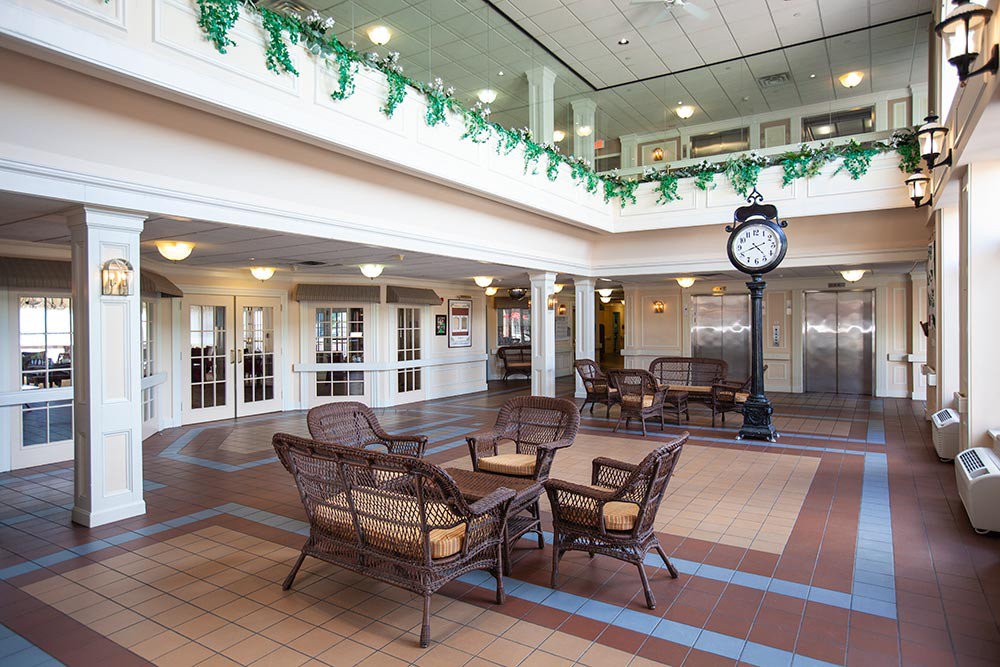
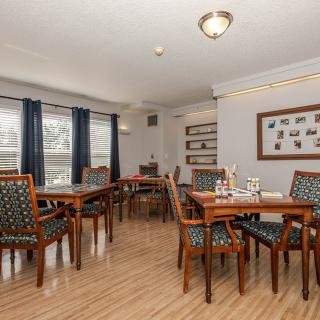
 Dining room
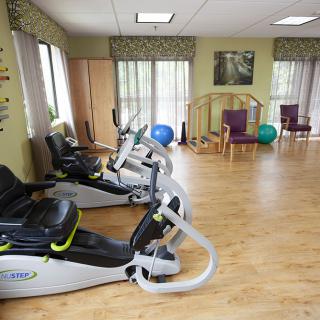
 Fitness room
 Fully furnished
 Gaming room
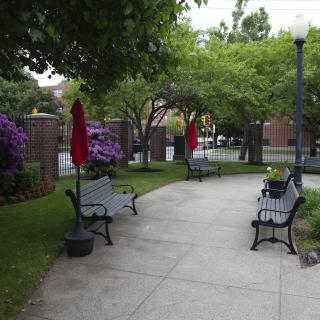
 Garden
 Housekeeping services
 Kitchenette
 Move-in coordination
 Outdoor space
 Private bathrooms
 Restaurant-style dining
 Small library
 Telephone
 Wellness center
 Wi-Fi/high-speed internet available
 Gen Edw L Logan International (2 miles away)
 Community operated transportation
 12-16 hour nursing
 24-hour call system
 Activities of daily living assistance
 Assistance with bathing
 Assistance with dressing
 Assistance with transfers
 Diabetes diet
 Medication management
 Mental wellness program
 Special dietary restrictions
 Concierge services
 Planned day trips




 Understanding Home Health Care: A Comprehensive Guide
 Home Health Care Demystified: A Comprehensive Guide for Families and Caregivers
 Seniors and Modern Transportation: Exploring Uber, Lyft, and Other Ride-Hailing Options