For more information about senior living options: (866) 208-4318
4.2 from 129 reviews
5 stars
93
4 stars
6
3 stars
6
2 stars
6
1 stars
18
Overall Review of Lighthouse Nursing Care Center
common28 reviews mention this
Staff help and bedside attention
Residents and families frequently describe responsive, caring staff.
Many reviews emphasize that staff members are patient, helpful, and attentive to residents’ day-to-day needs. Several visitors say they felt comfortable during admissions, case conferences, or visits because staff communicated and treated people respectfully. A recurring contrast in negative feedback is that care can feel inconsistent—especially around getting help promptly—so some families urge closer follow-through.
common18 reviews mention this
Cleanliness and building upkeep
Cleanliness is a frequent point of praise, with some serious exceptions.
A number of reviews describe the facility as clean, well kept, and organized, with staff maintaining rooms and responding quickly to maintenance requests. Others report troubling cleanliness concerns such as pests, trash left behind, strong odors, and soiled conditions. Because both experiences appear in the reviews, cleanliness may depend on timing, unit, or staffing.
caveat11 reviews mention this
Food quality draws mixed reactions
Food quality is often discussed, ranging from acceptable to disappointing.
Some residents and visitors mention meals positively, including that food can be enjoyable and that they did not hear complaints during visits. Other reviews say meals are cold, stale, or not well suited for dietary needs, and a few describe specific meal problems that made recovery harder. The community also offers diabetes-diet and special-diet support, which aligns with how meal needs come up in reviews.
caveat16 reviews mention this
Care response and staffing reliability
Some reviews report delayed responses and uneven support at times.
While many families describe care as attentive, multiple reviews raise concerns about getting help quickly—such as delays after call buttons or nurses not arriving when needed. Several negative accounts connect those delays to missed tasks like wound attention, feeding, hydration, or assistance with toileting. A smaller number of reviews also mention variability by floor or shift, suggesting that staffing patterns may affect the experience.
common6 reviews mention this
Activities and rehab support
Residents and visitors mention scheduled activities and therapy support.
Reviews frequently reference daily activities and time spent in organized programs, which families describe as helping residents stay engaged. Multiple accounts also mention physical and occupational therapy on-site as part of recovery, with some people saying they improved mobility during rehab. This aligns with the community listing scheduled daily activities and coordinated daily support services.
How we summarize
Counts show how many written reviews mention each theme; a review can touch several themes, and only frequently mentioned themes are displayed.
Features
Housing
21 resident community capacity
Types of Care
Skilled Nursing Facility
Amenities
Beauty salon
Cable or satellite TV
Dining room
Fully furnished
Garden
Housekeeping services
Kitchenette
Move-in coordination
Outdoor space
Telephone
Wi-Fi/high-speed internet available
Transportation
Gen Edw L Logan International (4 miles away)
Care Services
24-hour call system
24-hour supervision
Activities of daily living assistance
Assistance with bathing
Assistance with dressing
Assistance with transfers
Coordination with health care providers
Diabetes diet
Meal preparation and service
Medication management
Mental wellness program
Special dietary restrictions
Transportation arrangement (medical)
Transportation to doctors appointments
Dining
Diabetes diet
Special dietary restrictions
Activities
Community-sponsored activities
Scheduled daily activities
Nearby Places of Interest
Pharmacies
Walgreens (0.4 miles)
CVS Pharmacy (0.8 miles)
CVS Pharmacy (2.3 miles)
CVS Pharmacy (2.5 miles)
Walgreens (2.7 miles)
CVS Pharmacy (2.9 miles)
Walgreens (2.9 miles)
Restaurants
Kelly's Roast Beef (1.9 miles)
Bone Up Brewing Company (2.5 miles)
Night Shift Brewing (2.6 miles)
Kelley Square Pub (2.8 miles)
McDonald's (3 miles)
Kelly's Roast Beef (3.2 miles)
ReelHouse (3.2 miles)
Hospitals
Spaulding Rehabilitation Hospital (2.9 miles)
Transportation
AirFrance Graf Lounge (3 miles)
Terminal E (3.1 miles)
Wellington Station (3.1 miles)
The Lounge (3.2 miles)
Unified Rental Car Center (3.2 miles)
Terminal C (3.3 miles)
Assembly Station (3.4 miles)
Parks
Medford St Dog Park (3.2 miles)
LoPresti Park (3.3 miles)
John M. Devir Park (3.4 miles)
Melrose Common (3.4 miles)
Piers Park (3.5 miles)
Christopher Columbus Waterfront Park (4 miles)
Fan Pier Park (4.5 miles)
Theaters
AMC Assembly Row 12 (3.4 miles)
AMC Loews Boston Common 19 (4.8 miles)
Kendall Square Cinema (4.8 miles)
Cafes
Starbucks (3.5 miles)
Starbucks (4.4 miles)
Ogawa Coffee (4.4 miles)
Caffe Nero (4.6 miles)
Phin Coffee House (4.6 miles)
Physicians
North Suburban Orthopedic Associates (3.9 miles)
Places of Worship
Lynn Spanish Branch Latter-day Saints (4.6 miles)
The Church of Jesus Christ of Latter-day Saints (4.6 miles)
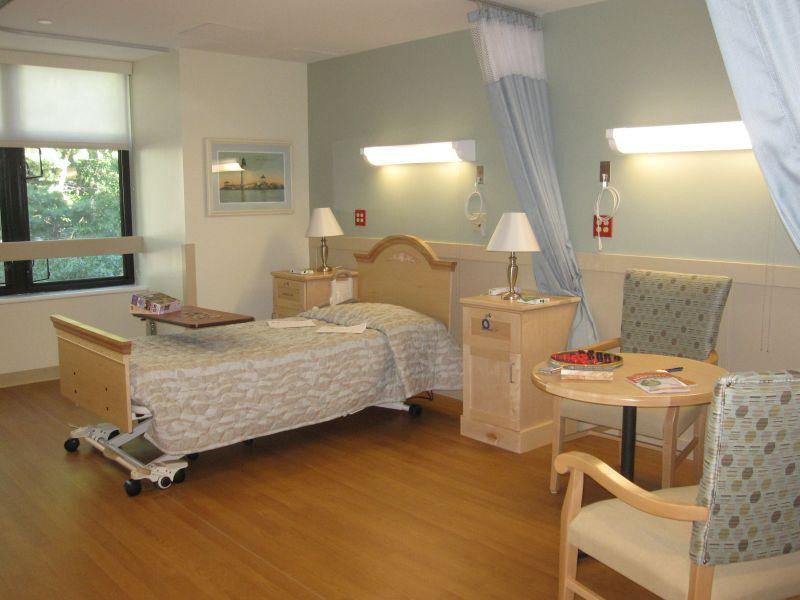
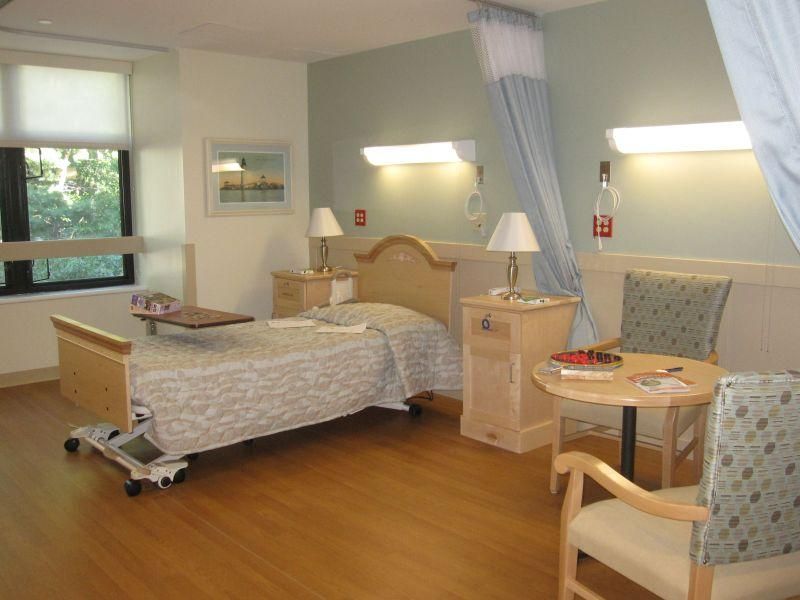
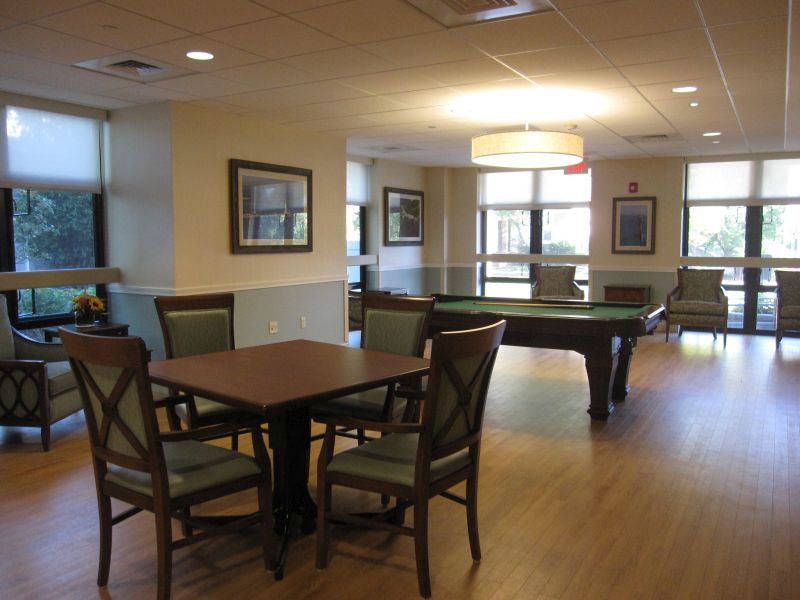
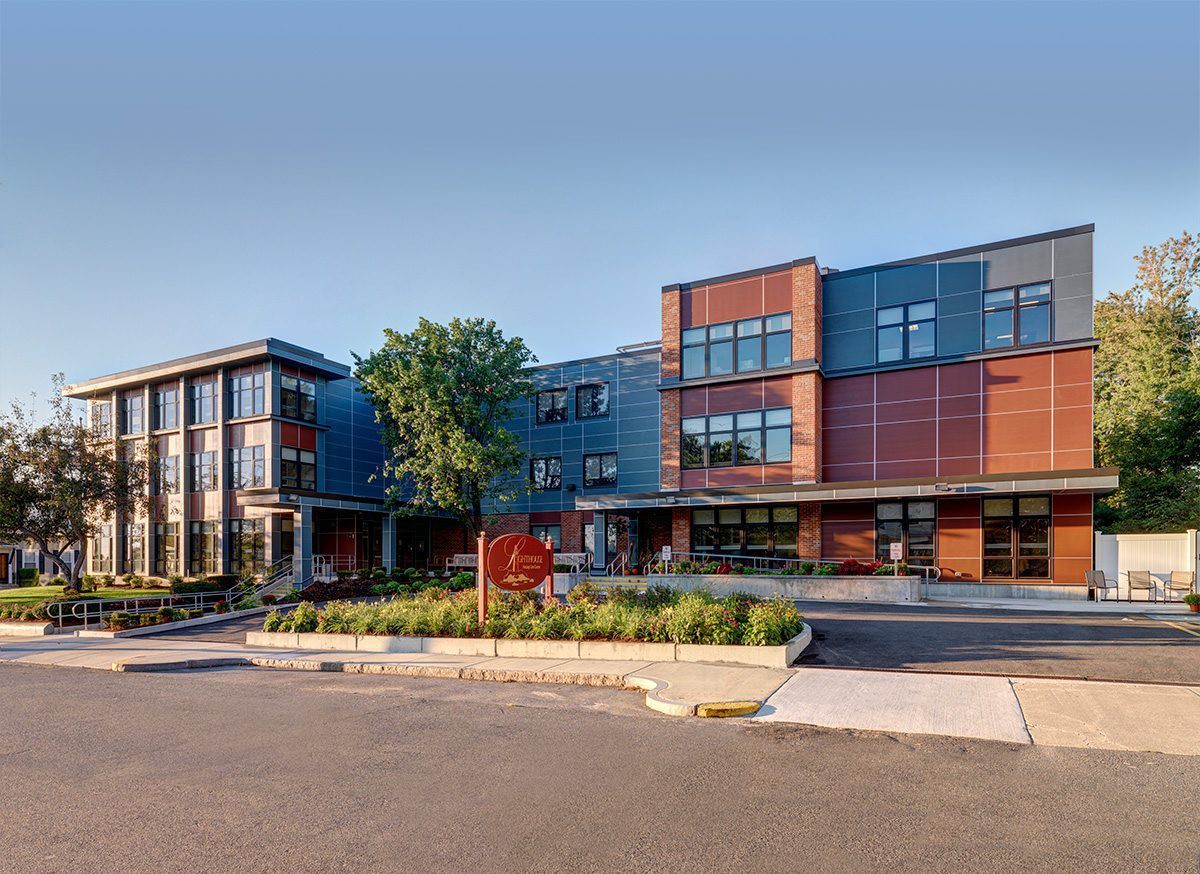
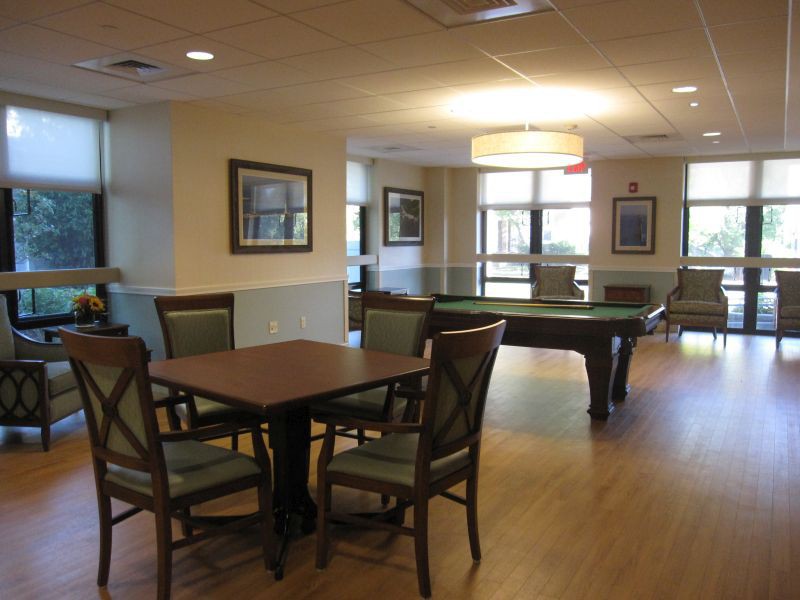
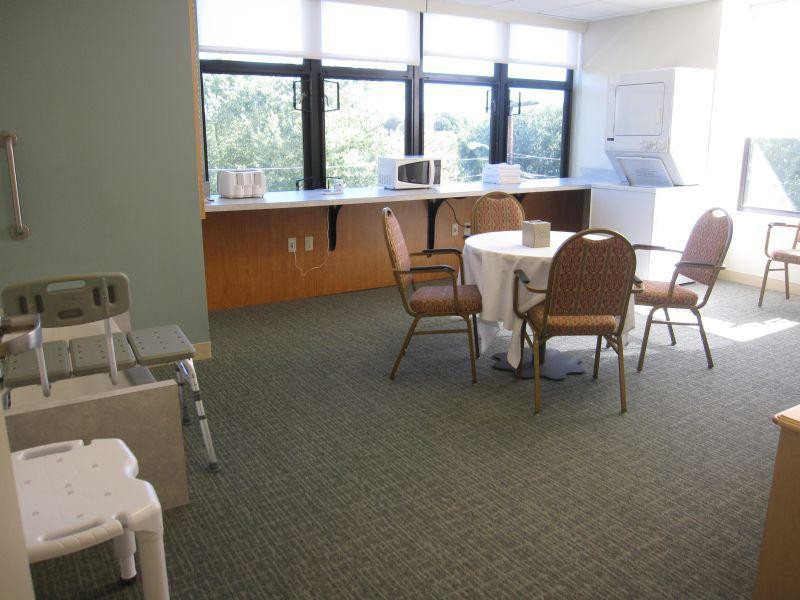
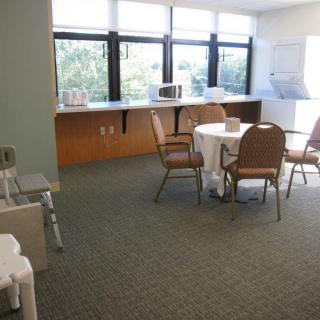
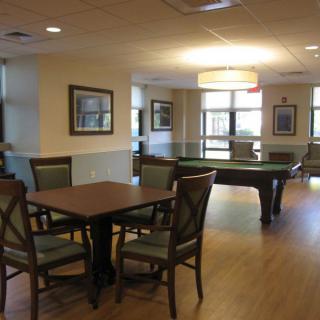
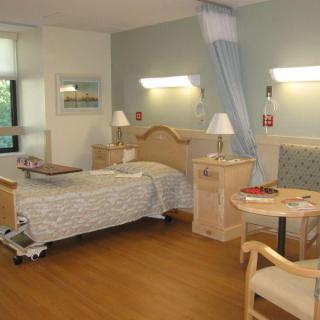
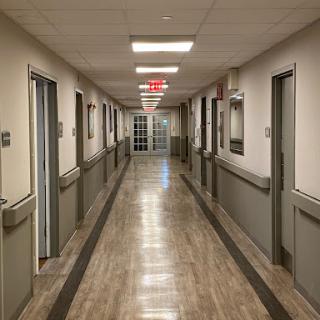
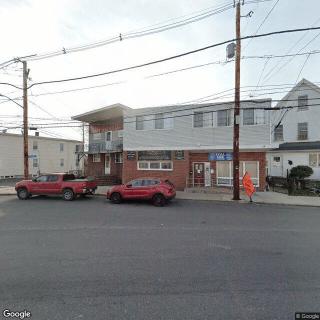
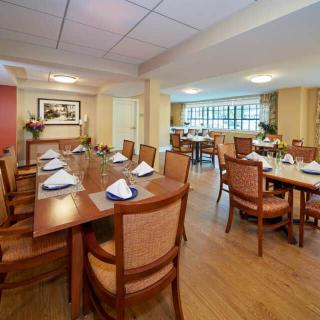
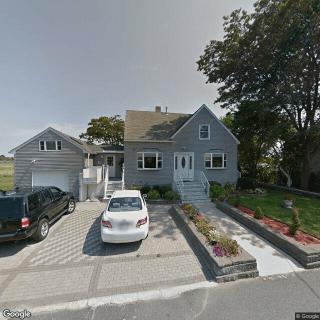
Lighthouse Nursing Care Center on seniors.fyi includes 6 photos including images showing windows, interior, bedroom, billiards, lighting, kitchenette, healthcare, bathroom, and more.
Nearby Communities
Prospect House
Revere, MA
3.7 from 53 reviews
$5,148 to $6,373 / month
Caring staff and a family-like atmosphere with engaging activities.
Home Care Heroes Group
Revere, MA
Well-connected location with abundant nearby amenities (dining, parks, pharmacies, transit, worship, theater, and hospital).
Rehabilitation & Nursing Center At Everett
Everett, MA
4 from 115 reviews
Strong administrator and attentive staff delivering high-quality care.
Ameriken Caring Services - Revere
Revere, MA
3.7 from 3 reviews
Caring and helpful senior care with a clean environment
Chelsea Skilled Nursing And Rehabilitation
Chelsea, MA
3.1 from 11 reviews
Strong rehabilitation program and some caring staff.
Soldiers Home In Massachusetts
Chelsea, MA
4.6 from 24 reviews
$7,115 / month
Modern, immaculate facility with private rooms and dedicated veteran-focused activities.
Forestdale Park
Malden, MA
4.8 from 52 reviews
Well-kept, recently renovated with attentive staff and engaging activities.
The Parc At Harbor View Senior Living
Winthrop, MA
4.3 from 45 reviews
Warm, attentive staff with engaging activities in a beautiful, well-kept setting.
The Rubin Home Assisted Living
Saugus, MA
4.5 from 14 reviews
Compassionate, family-like staff with a clean, well-maintained environment and good meals.
The article explores the complexities of using Social Security to finance long-term nursing home care in the U.S., detailing eligibility requirements and misconceptions, while emphasizing that these benefits often do not cover full costs and highlighting the need for strategic financial planning and professional guidance.
Pneumonia significantly affects older adults due to weakened immune systems and atypical symptoms that complicate diagnosis, necessitating early detection and tailored treatment. Risk factors include chronic diseases and cognitive impairments, with preventive measures like vaccinations and healthy lifestyles being crucial for reducing risk.
Palliative care enhances the quality of life for seriously ill patients by providing comprehensive support at home through a multidisciplinary team, addressing various needs and prioritizing comfort over curative treatments. While it offers personalized care and involves family in decision-making, challenges like caregiver stress and logistical issues persist, with growing demand prompting advancements in technology and healthcare policies to improve access.
Landscaping, Building, Entrance, and Modern Architecture
Windows
Bathroom
Lighting and Recreation Room
Wall Art and Game Room
Healthcare
Billiards
Kitchenette
Get PricingAsk A QuestionSchedule A TourContact Senior Advisor
By clicking submit, you agree to our Partner's Terms of Use. You
also consent to receive calls and texts, which may be autodialed, from our Partner. Your consent is not a condition to
using our Partner's service. Please visit our Partner's Privacy Policy for information about their privacy practices.


 21 resident community capacity
 Skilled Nursing Facility
 Beauty salon
 Cable or satellite TV
 Dining room
 Fully furnished
 Garden
 Housekeeping services
 Kitchenette
 Move-in coordination
 Outdoor space
 Telephone
 Wi-Fi/high-speed internet available
 Gen Edw L Logan International (4 miles away)
 24-hour call system
 Activities of daily living assistance
 Assistance with bathing
 Assistance with dressing
 Assistance with transfers
 Diabetes diet
 Meal preparation and service
 Medication management
 Mental wellness program
 Special dietary restrictions
 Transportation arrangement (medical)
 Transportation to doctors appointments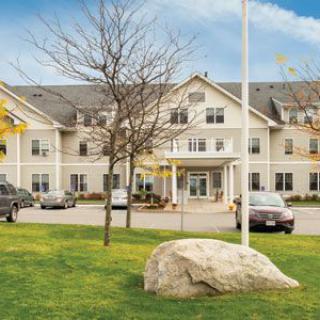
 Caring staff and a family-like atmosphere with engaging activities.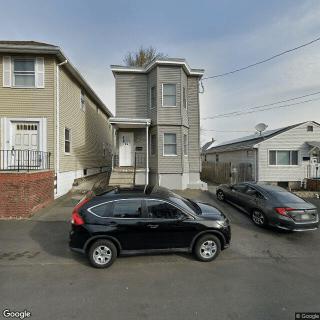


 Financing Long-Term Nursing Home Care Through Social Security: A Thorough Exploration
 Essential Knowledge on Pneumonia in Older Adults
 Exploring Palliative Care in the Home: A Comprehensive Overview