The Arbors at Chicopee

Save

  • Interior

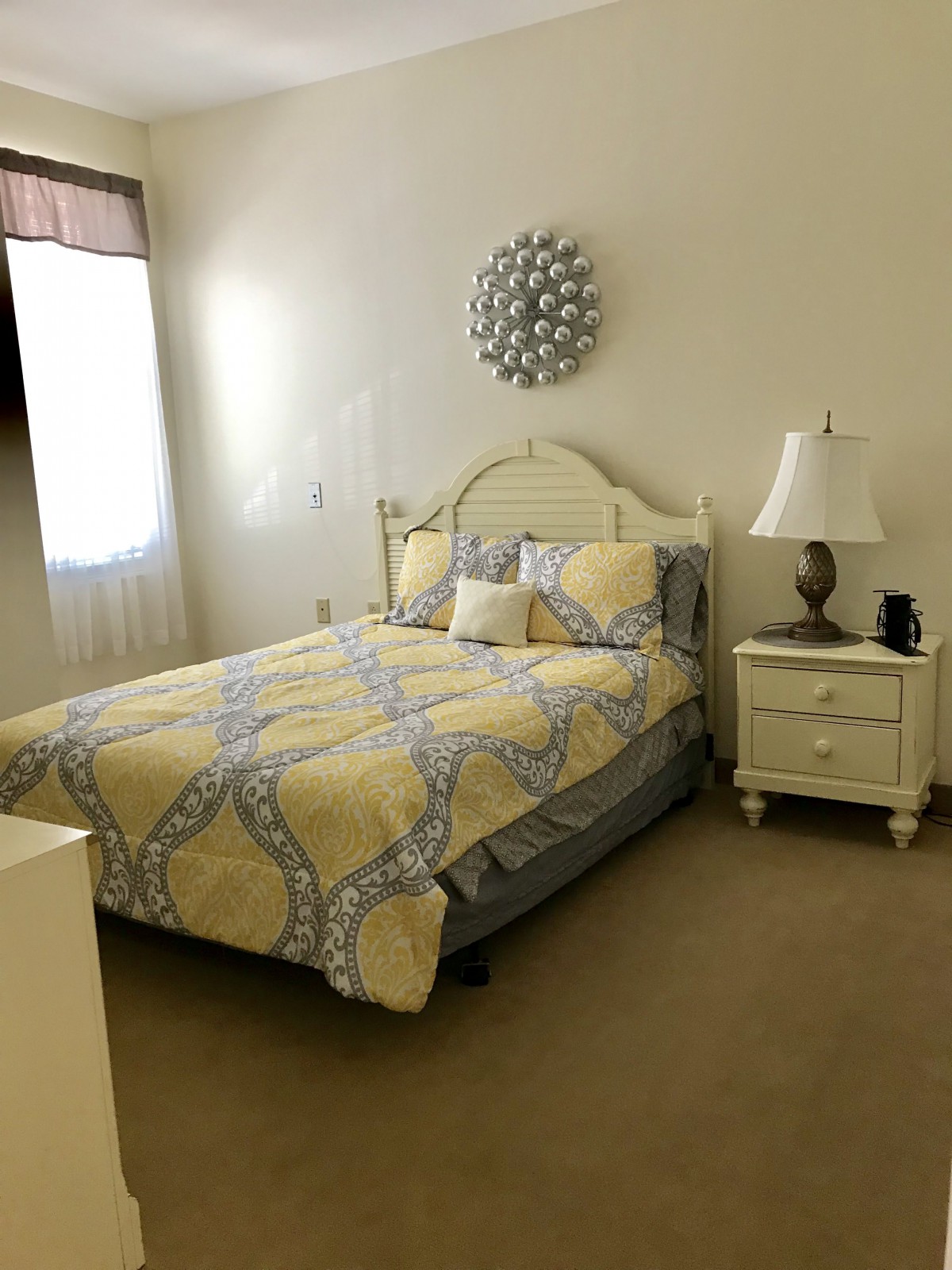
    A cozy, elegantly decorated bedroom with a large bed, upholstered chair, and stylish lamps.
  • Decor

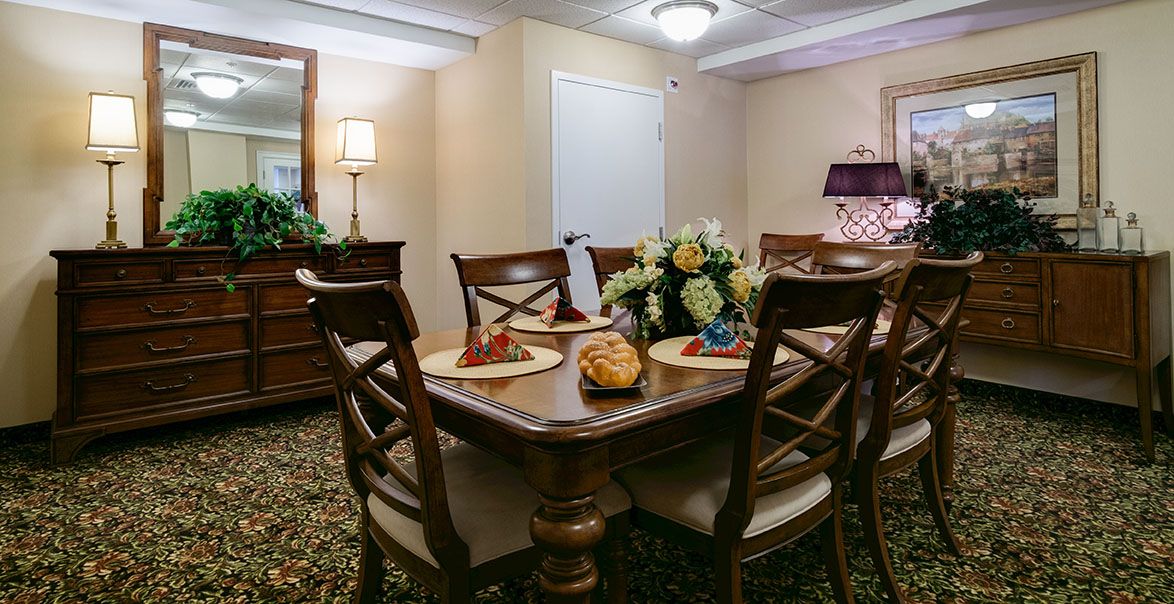
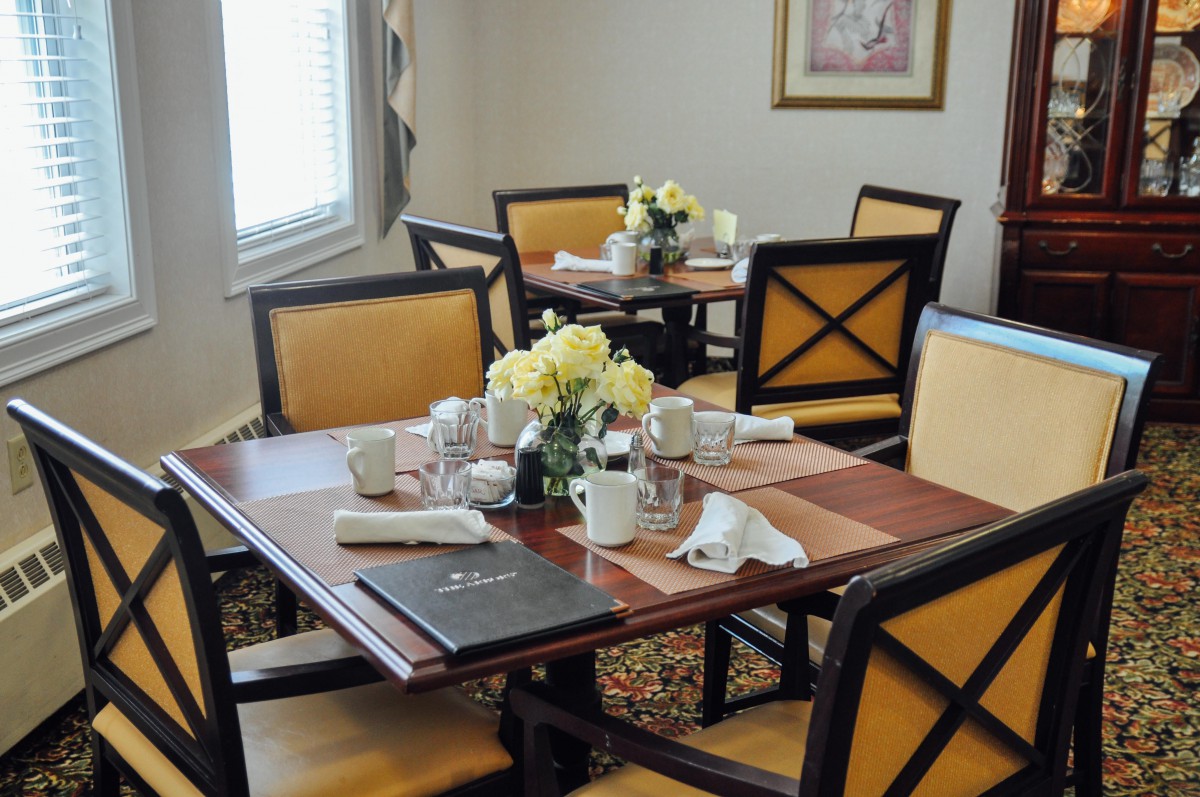
    A cozy dining room with a wooden table set for a meal, surrounded by chairs and decorated with flowers.
  • Living Room

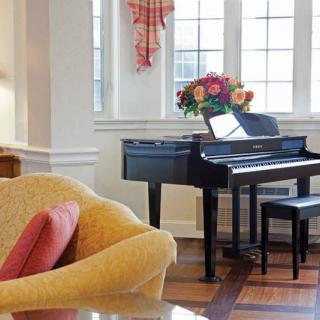
    A cozy living room with a beige sofa, elegant lamps, and golden curtains.
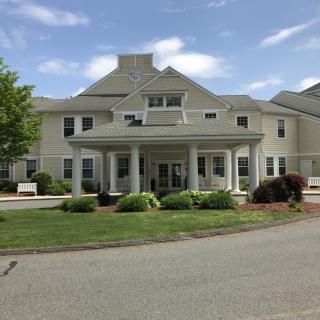
  • Building

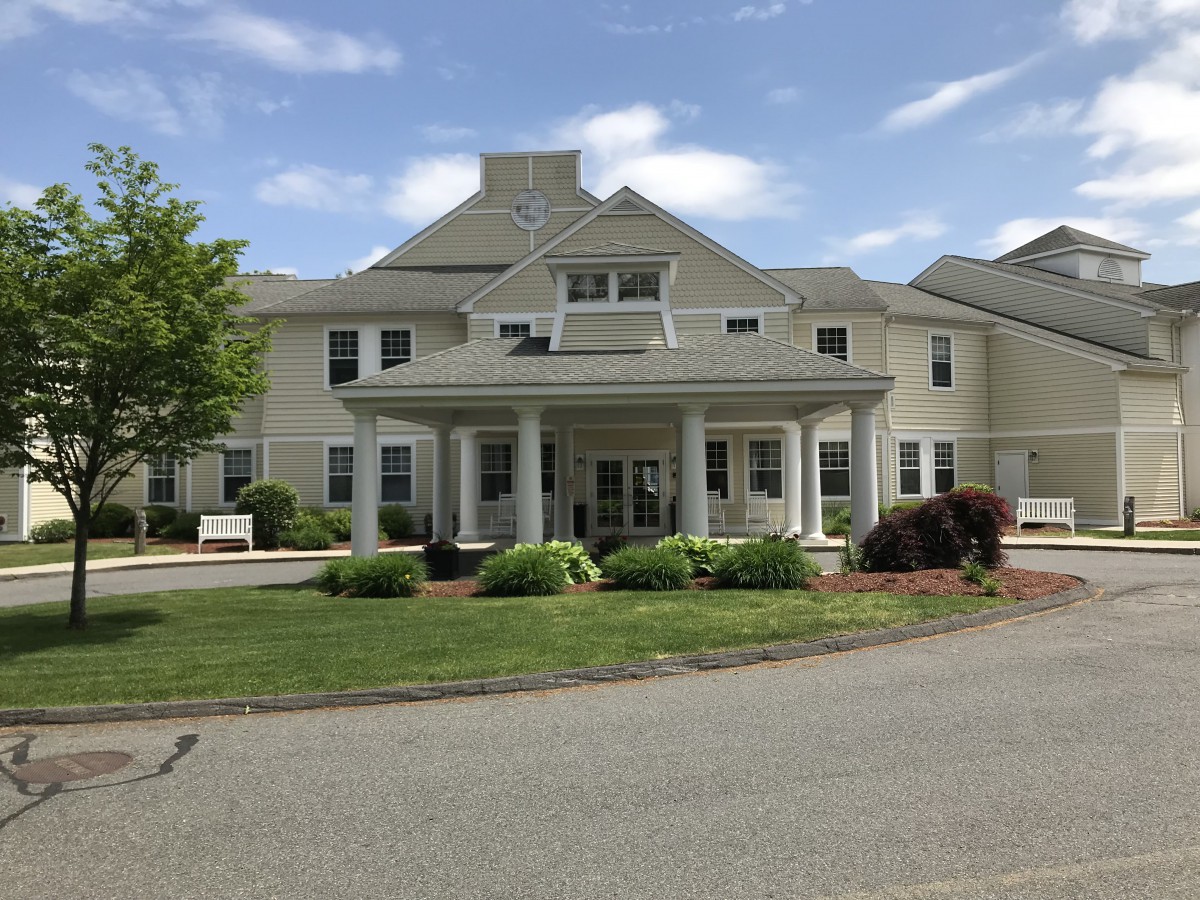
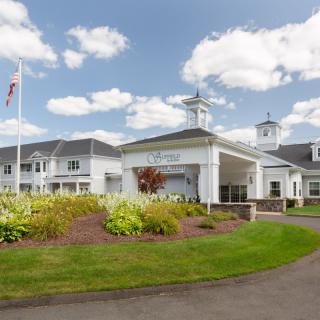
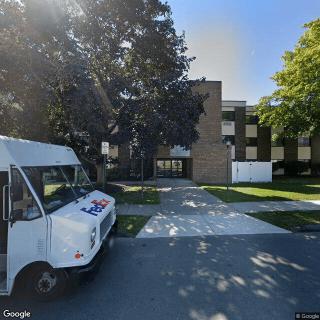
    A large residential building with landscaped gardens and a driveway in front.
  • Bedroom

    A cozy and well-decorated bedroom with a neatly made bed and a bedside table.
  • Windows

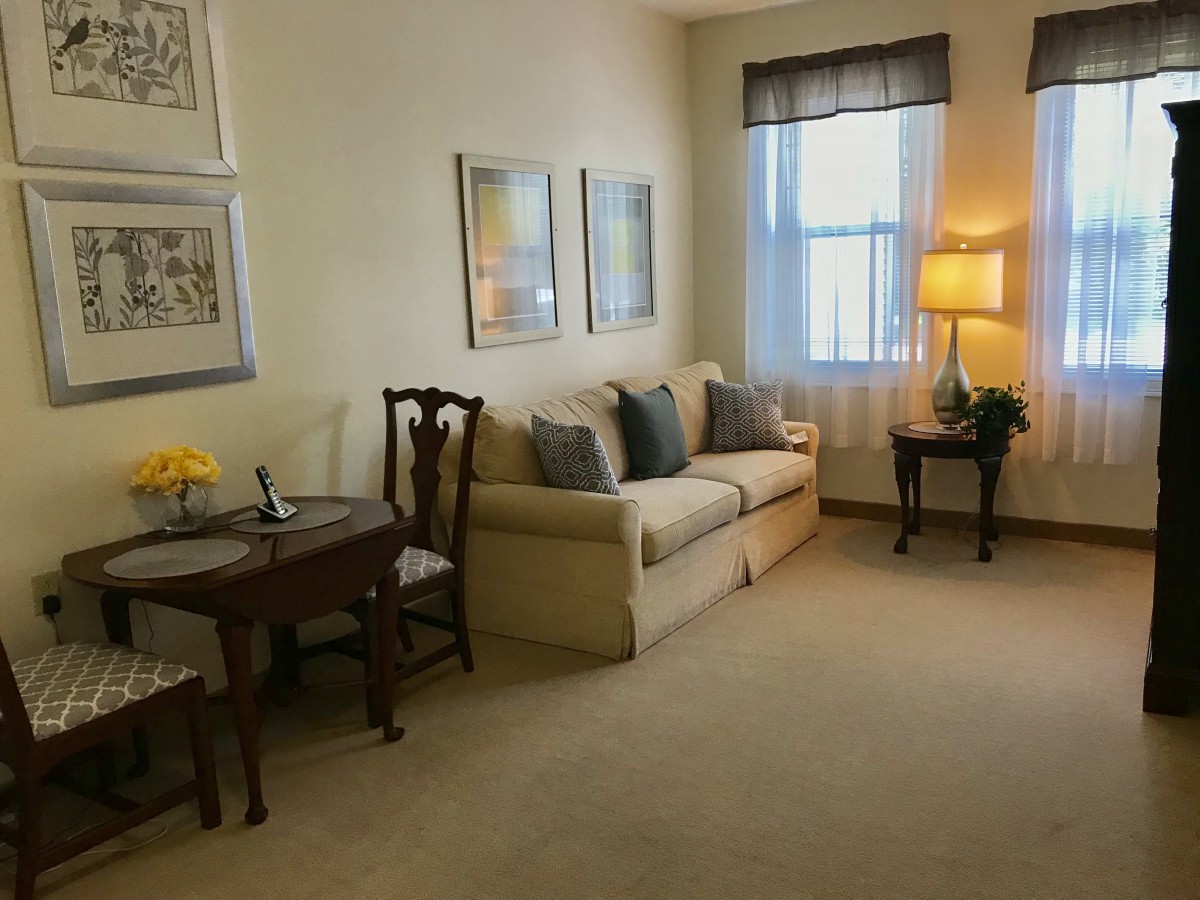
    A cozy living room with a sofa, a small table with chairs, and a lamp by the window.
  • Dining

    An elegantly set dining table with coffee cups and flowers in a restaurant setting.
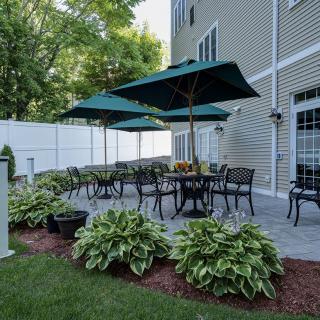
  • Landscaping

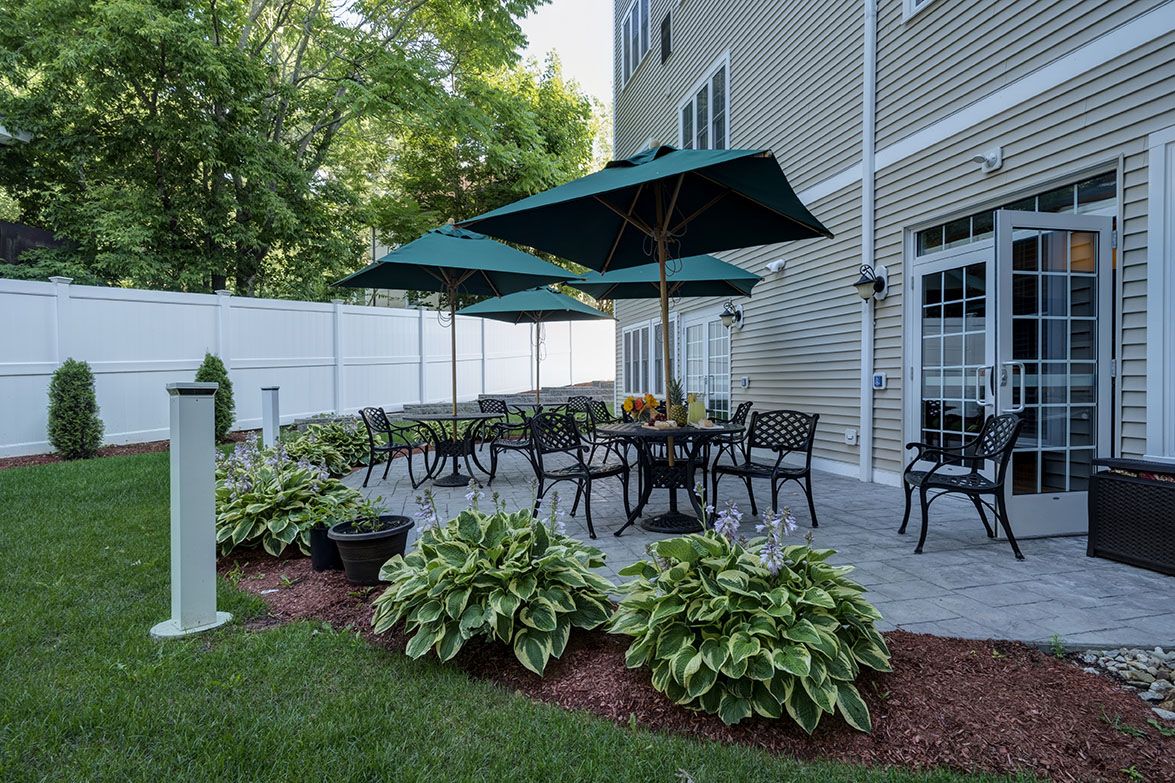
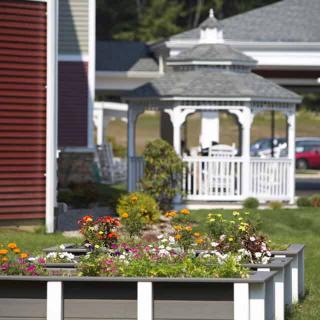
    A cozy outdoor patio setup with green umbrellas, metal tables, chairs, and lush landscaping.
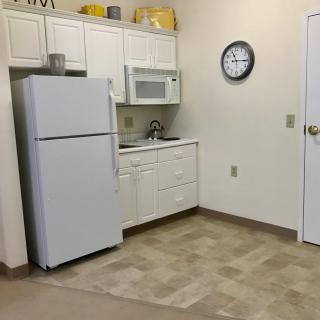
  • Kitchen

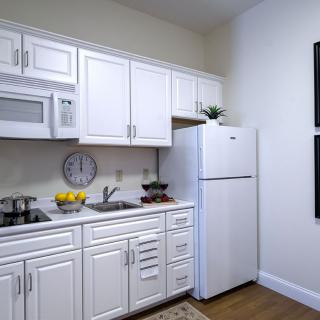
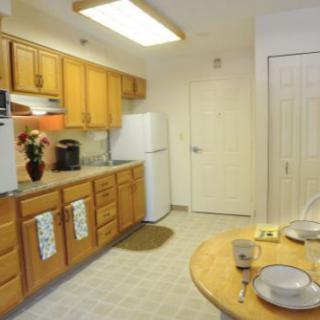
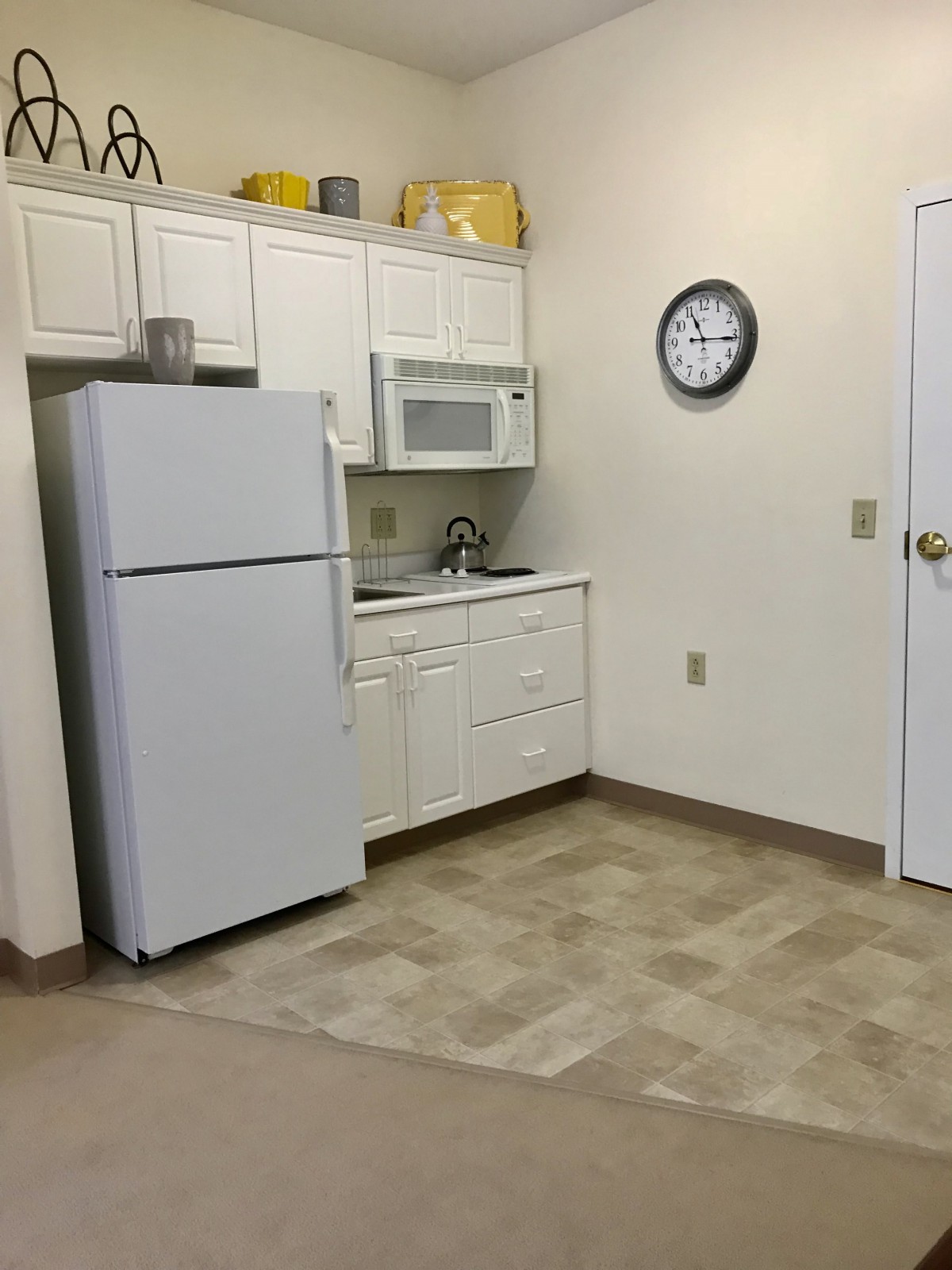
    A small kitchen with a refrigerator, microwave, sink, and clock on the wall.
  • Artwork

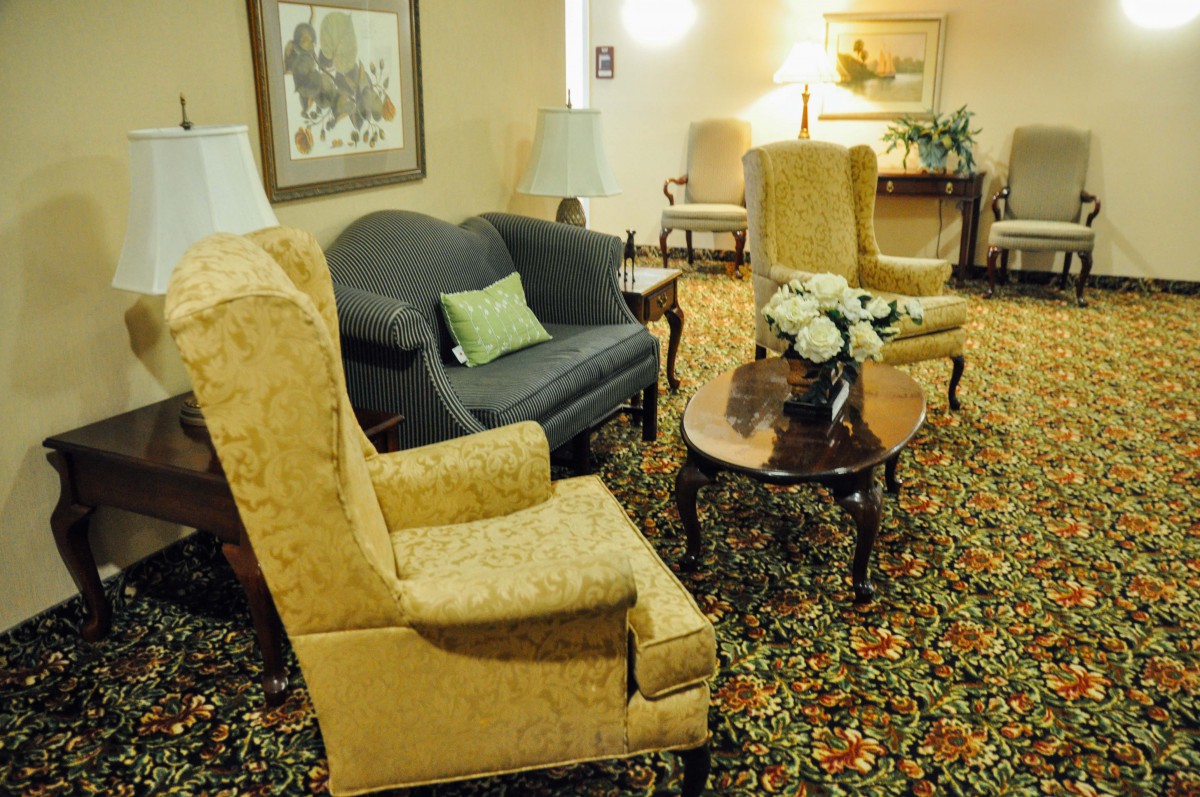
    A cozy living room featuring a fireplace, yellow sofas, and a wooden coffee table adorned with flowers.
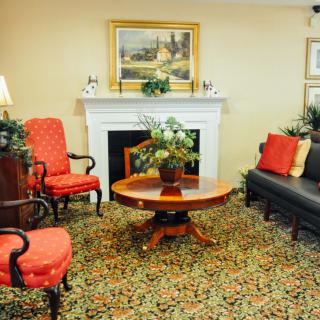
  • Seating Area

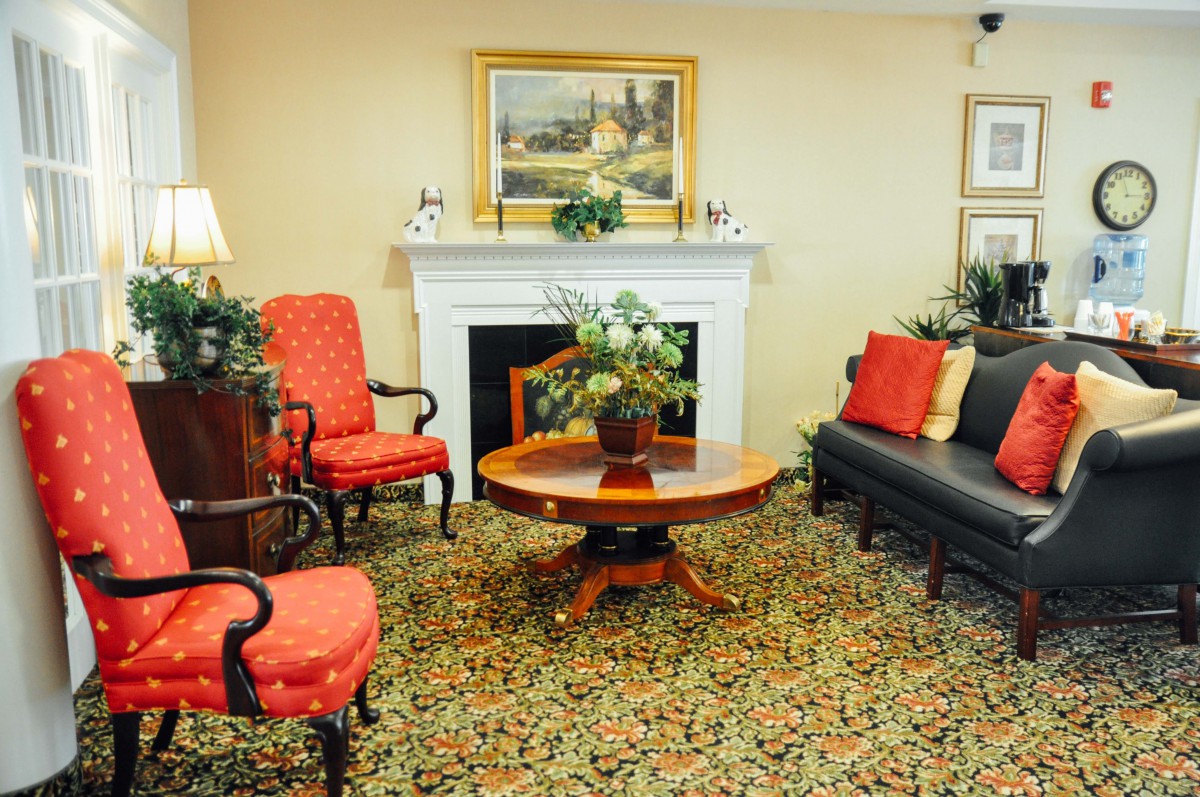
    A classic living room with elegant furniture and a cozy fireplace.
  • Bathroom

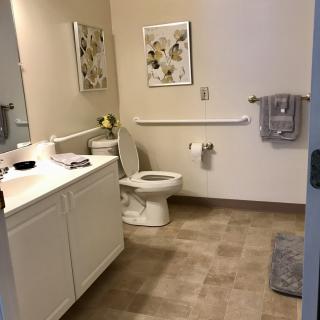
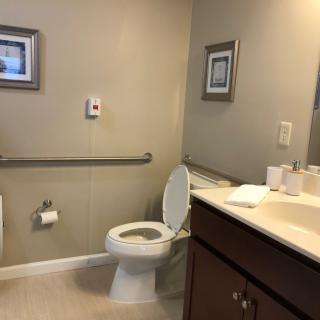
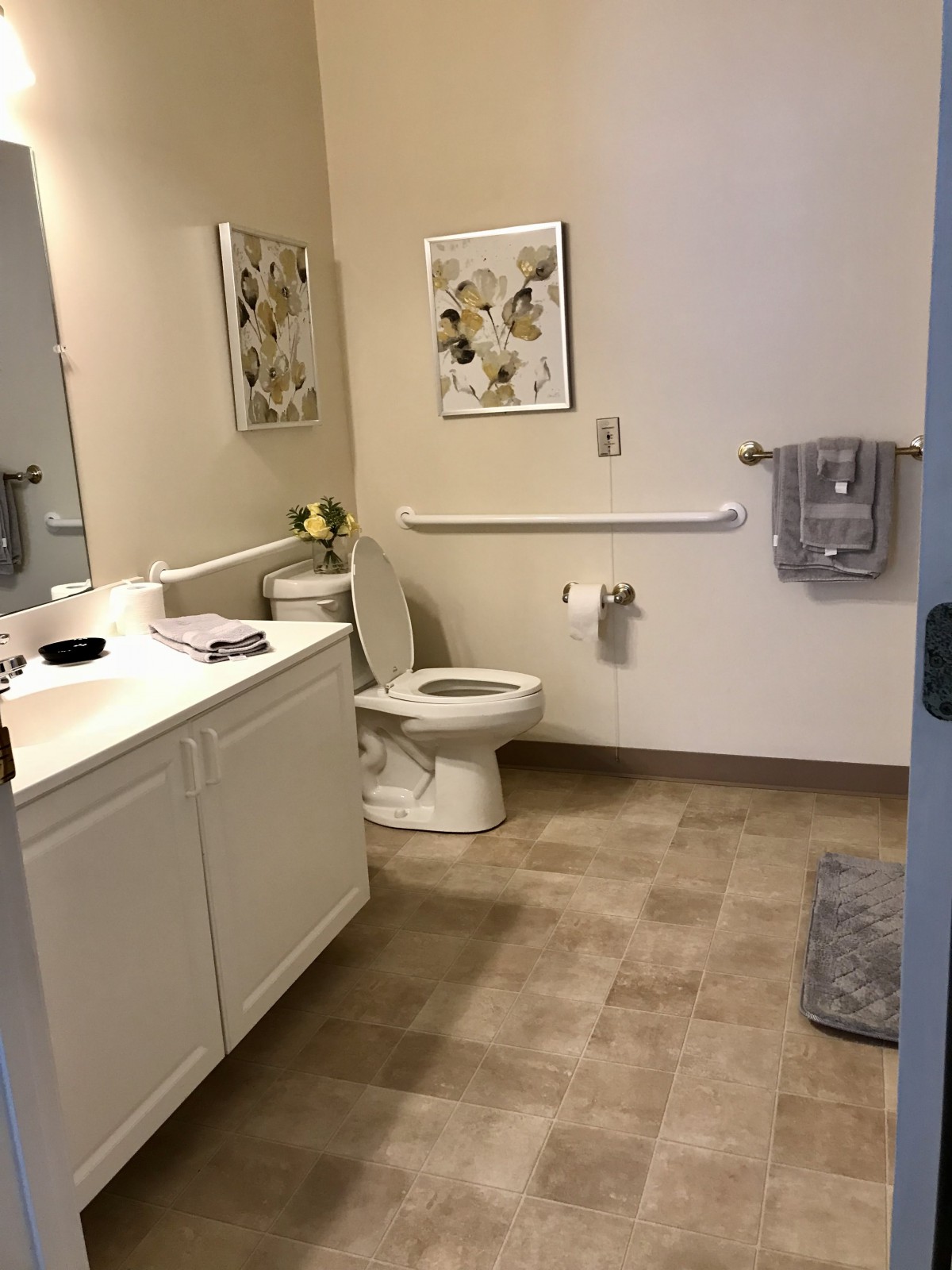
    A clean and modern bathroom with a sink, toilet, and decorative elements.

The Arbors at Chicopee

Information last verified:

929 Memorial Dr, Chicopee, MA 01020

For more information about senior living options: (844) 490-3973

4.7 from 85 reviews
5 stars
71
4 stars
8
3 stars
4
2 stars
0
1 stars
2

Seniors.FYI Elite Community Awards

Top 5% Senior Living Community in 2019Top 5% Senior Living Community in 2020Top 5% Senior Living Community in 2025

Add this award to your website

The Arbors at Chicopee Costs & Pricing

The Arbors at Chicopee presents competitive pricing for its residential options when compared to broader averages in Hampden County and the state of Massachusetts. For a semi-private room, residents will pay $3,995 per month, significantly lower than the county average of $4,955 and the state average of $5,805. The one-bedroom units are priced at $5,935, which is notably higher than Hampden County's average of $4,085 but still slightly less than the state's average of $5,349. Studios are available for $5,985 - again showing a similar trend of being above county averages while remaining just below state costs. Lastly, the two-bedroom option comes in at $6,585, which is higher than both local and statewide averages of $4,672 and $6,151 respectively. Overall, while some unit types exceed county averages, The Arbors offers an attractive choice particularly for those seeking semi-private accommodations in an engaging community environment.

Floor plansThe Arbors at ChicopeeHampden CountyMassachusetts
Semi-Private$3,995$4,955$5,805
1 Bedroom$5,935$4,085$5,349
Studio$5,985$4,052$5,312
2 Bedrooms$6,585$4,672$6,151

Overall Review of The Arbors at Chicopee

Pros

  • pro The Arbors at Chicopee is described as warm, cozy, and like home.
  • pro The staff are consistently caring, attentive, friendly, and professional.
  • pro The meals are excellent, well portioned, and offer a variety of options.
  • pro There are abundant activities that keep residents socially engaged and happy.
  • pro The facility is clean, safe, and easy for residents to navigate.
  • pro Families feel peace of mind knowing their loved ones are safe, well cared for, and treated like family.
  • pro The Reflections memory care unit is praised for compassionate staff and engaging programming.
  • pro Many reviewers consider The Arbors among the best in the area and would recommend it to others.

Cons

  • pro The Arbors could improve on everything, especially keeping memory-care residents from roaming the halls and banging on doors.
  • pro The food could be better at times and needs improvement.
  • pro The nurses sometimes say inappropriate things to residents about tasks they do not want to perform.
  • pro A nurse became upset when asked to move a small end table, signaling inconsistent staff responsiveness.
  • pro The move-in process was unprofessional and traumatic, with staff disregarding medical opinions about the resident’s safety.
  • pro The deposit and sudden change in move-in plans left the family feeling misled and distressed.
  • pro Some reviewers felt the facility was overpriced and not providing value for the cost.
  • pro COVID restrictions caused activities to be paused and the overall atmosphere to change for the worse.
  • pro Some rooms were reported as very hot, with windows difficult to open.

Review

The Arbors at Chicopee is best suited for families seeking a warm, home-like assisted living experience where staff are genuinely engaged with residents, and where robust social programs and memory-care options are built into daily life. This community shines for seniors who want daily interaction, varied activities, and a sense of belonging, all supported by a hands-on, family-owned culture. It works especially well for those who value clear, personal connections with caregivers, a dining program that feels restaurant-like, and an environment that emphasizes dignity, respect, and residential comfort. The Reflections memory-unit offers structured programming and familiar, familiar faces, often described as a compassionate extension of the home rather than a clinical setting. For many families, the Arbors represents the right blend of independence within a supported framework and a pervasive feeling that residents are cared for as part of a larger, caring family.

Those considering alternatives should focus on cost sensitivity and on residents with advanced or highly specific safety needs. The price point can be a meaningful consideration for families watching budgets, especially when evaluating long-term value against other area options. For loved ones who require stringent, highly controlled safety measures or a higher level of clinical oversight beyond what a typical memory-care program provides, other communities may offer more predictable, tightly supervised environments. Additionally, for families seeking a facility with less emphasis on program variety or a quieter daily pace, there are communities that prioritize simplicity and a more restrained activity calendar. In short, the Arbors excels in warmth and engagement but may not be the best fit for every financial or clinical scenario.

The strongest positives lie in the staff and the culture they cultivate. Reviews repeatedly highlight caregivers who are attentive, patient, and genuinely fond of residents, with teams that know names, greet warmly, and go the extra mile to foster connection. The dining experience is consistently praised, well-planned meals with restaurant-style choices and appropriately portioned servings, and the way activities are integrated into daily life keeps residents socially engaged and mentally stimulated. Families frequently note how transitions into the Arbors are handled with empathy and clarity, and how housekeeping, laundry, and routine services are coordinated in a way that reduces family stress. The Reflections unit stands out for its experienced leadership and a proactive approach to memory care, including regular outings, therapy-dog visits, and a culture of inclusion that makes both residents and their families feel seen and supported.

Of course, no care setting is without its caveats, and several reviews flag meaningful cautions to inform a decision. A minority of voices describe experiences that feel misaligned with expectations, most notably, a single account of an admission process that turned adversarial after initial acceptance, with implications about how medical history is weighed and how moves are coordinated. That perspective underscores the need for families to insist on transparent policies, confirm acceptance criteria up front, and maintain clear lines of communication with leadership throughout the transition. There are occasional remarks about care consistency and individual staff interactions, reminding prospective families to verify how care plans are developed and monitored for each resident, especially those with complex needs. A few residents have mentioned climate-related concerns or price-versus-value questions, emphasizing the importance of touring with specific questions about room conditions, meal variability, and the predictability of daily schedules.

These pros and cons collectively tilt in favor of a trust-based, relationship-driven model that many families find highly compelling. The Arbors’ strengths, the people, the purposeful programming, and the sense of home, tend to offset the drawbacks by delivering tangible daily benefits: residents who are visibly engaged, meals that feel satisfying, and a community that treats care as a family responsibility rather than a transactional service. The depth of staff training, the emphasis on attending to individual preferences, and the ability to move between independent living-style apartments and more supportive memory-care options within the same campus offer a flexible pathway as needs evolve. Where concerns do arise, the responses from leadership, the quality of the Reflections program, and the overall culture of care provide a strong counterbalance that supports informed, confident decisions for families.

For families evaluating the Arbors, a practical plan yields the best outcomes. Start with a candid tour that includes the Reflections team and a live look at typical days, from meals and activities to quiet moments in common spaces. Ask to review sample care plans, daily schedules, and the memory-care calendar to gauge consistency and personalization. Confirm move-in policies, deposits, and respite options to understand short- and longer-term commitments. Meet current residents and family members to hear firsthand about how needs are anticipated and addressed, and specifically query about safety and wandering policies in memory care. Finally, compare the overall value proposition, combining apartment options, amenities, meals, care intensity, and the quality of relationships, with other area communities to determine whether the Arbors best aligns with the senior’s personality, care requirements, and family budget. When aligned, it is hard to match The Arbors for people who want to feel they have joined a welcoming, active, and truly caring community.

Features

Housing

  • 90 resident community capacity 90 resident community capacity

Types of Care

  • Assisted Living Assisted LivingAssisted living facilities provide crucial support and care for seniors who may need help with daily tasks such as medication management, bathing, and meal preparation. These communities offer a safe and comfortable environment where seniors can maintain their independence while receiving the assistance they need to thrive in their golden years.
  • Memory Care Memory CareMemory care is crucial for seniors as it provides specialized support and services for individuals with dementia or Alzheimer's disease. These programs offer a safe and secure environment where residents receive personalized care, cognitive stimulation, and help with daily activities. Memory care helps seniors maintain their independence, quality of life, and dignity while also providing peace of mind for their families.

Amenities

  • Activities on-site Activities on-siteActivities on-site are important for seniors because they provide opportunities for socialization, mental stimulation, physical activity, and overall well-being. Engaging in activities can help seniors stay active, maintain their independence, and improve their quality of life.
  • Air-conditioning Air-conditioningAir conditioning is important for seniors as they are more vulnerable to heat-related illnesses and may have underlying health conditions that make it difficult for them to regulate their body temperature. It helps to keep them comfortable, safe, and healthy in hot weather.
  • Bath tubs Bath tubsBath tubs are important for seniors because they provide a safe and relaxing way to bathe, helping to prevent slips and falls while promoting independence and overall well-being.
  • Beauty salon Beauty salonBeauty salons are important for seniors because they provide a space for them to feel pampered, socialize, and maintain their personal grooming and hygiene. Regular visits to a beauty salon can help boost seniors' self-esteem and overall well-being.
  • Cable or satellite TV Cable or satellite TVCable or satellite TV is important for seniors because it provides entertainment, news, and companionship, helping to combat loneliness and boredom. It also offers a wide range of programming options tailored to different interests and preferences.
  • Computer center Computer centerA computer center is essential for seniors as it provides access to technology, communication tools, and resources that can enhance their daily lives. It allows them to stay connected with loved ones, engage in online activities, and learn new skills, ultimately promoting socialization and mental stimulation.
  • Devotional services off-site Devotional services off-siteDevotional services off-site are important for seniors as they provide spiritual nourishment, social engagement, and a sense of community outside of the senior living facility. This can enhance overall well-being and help combat feelings of isolation and loneliness often experienced by older adults.
  • Dining room Dining roomDining rooms are important for seniors as they provide a space for socialization, connection, and nutritious meals. They offer opportunities for residents to bond over shared meals, foster a sense of community, and promote healthy eating habits. Dining rooms also ensure that seniors have access to well-balanced meals tailored to their dietary needs and preferences.
  • Fitness room Fitness roomHaving a fitness room in a senior living community is essential for seniors to stay active, maintain their physical health, and improve their overall well-being. Regular exercise can help prevent falls, reduce the risk of chronic diseases, and promote mental sharpness. It also provides social opportunities for residents to connect with others and enjoy a sense of community.
  • Fully furnished Fully furnishedFully furnished senior living communities are important for seniors because they provide convenience, comfort, and a hassle-free moving experience. Seniors can easily settle into their new living space without the stress of having to buy and move furniture. This allows them to focus on enjoying their new home and community.
  • Gaming room Gaming roomGaming rooms are important for seniors as they provide a fun and engaging environment for socializing, cognitive stimulation, and physical activity. Games can improve memory, problem-solving skills, and overall mental well-being while fostering friendships and reducing feelings of isolation.
  • Garden GardenGardens are important for seniors as they provide a peaceful and therapeutic environment for relaxation, physical activity, and socialization. Being in nature has been shown to reduce stress, improve mood, and promote overall well-being. Gardens also offer opportunities for seniors to engage in gardening activities, which can improve mobility, flexibility, and cognitive function. Additionally, gardens create a sense of community and connection with others who share a passion for plants and outdoor spaces.
  • Housekeeping services Housekeeping servicesHousekeeping services are important for seniors because they help maintain a clean and safe living environment, promote independence, and reduce the risk of accidents or illnesses. Additionally, having assistance with household chores can alleviate physical strain and allow seniors to focus on other aspects of their well-being.
  • Indoor common areas Indoor common areasIndoor common areas are crucial for seniors as they provide a space for socialization, recreation, and community engagement, promoting overall well-being and reducing feelings of isolation and loneliness.
  • Kitchenette KitchenetteKitchenettes are important for seniors living in senior living communities because they provide the convenience and independence of being able to prepare simple meals and snacks in the comfort of their own living space. This can help promote a sense of autonomy and well-being for seniors, allowing them to maintain some level of control over their dietary choices and daily routines.
  • Move-in coordination Move-in coordinationMove-in coordination is important for seniors because it helps ease the transition into their new living environment. It ensures that all logistics, such as packing, organizing movers, and setting up utilities are taken care of, allowing seniors to focus on settling in and adjusting to their new home. Having a smooth move-in process can alleviate stress and anxiety, making the transition smoother and more enjoyable for seniors.
  • Outdoor common areas Outdoor common areasOutdoor common areas are important for seniors as they provide a space for socialization, physical activity, and relaxation. Being outside in nature can improve mood and overall well-being, while also encouraging movement and engagement with others. These spaces can help combat feelings of isolation and promote a sense of community among residents.
  • Outdoor space Outdoor spaceOutdoor spaces are important for seniors as they provide opportunities for physical activity, social interaction, exposure to natural light and fresh air, and a sense of connection to nature. Having access to outdoor spaces can improve overall well-being and quality of life for older adults living in senior communities.
  • Private bathrooms Private bathroomsPrivate bathrooms are important for seniors in senior living communities because they provide independence, dignity, and comfort. Having a private bathroom allows seniors to maintain their personal hygiene routines without the need for assistance, promoting a sense of autonomy and privacy. Additionally, private bathrooms help prevent the spread of infections and provide a safe and clean environment for seniors to navigate safely.
  • Restaurant-style dining Restaurant-style diningRestaurant-style dining is important for seniors because it allows them to enjoy delicious, nutritious meals in a social and upscale setting. This enhances their dining experience, promotes healthy eating habits, and fosters socialization with fellow residents, ultimately contributing to their overall well-being and quality of life.
  • Small library Small librarySmall libraries are important for seniors as they provide access to a variety of reading materials, including books, newspapers, and magazines. This can help stimulate their minds, keep them engaged, and provide a sense of community through book clubs and other social activities. Additionally, reading has been shown to improve cognitive function and overall mental well-being in older adults.
  • Telephone TelephoneTelephones are important for seniors as they provide a lifeline for communication with loved ones, emergency services, and healthcare providers. They offer a sense of security and independence, enabling seniors to stay connected and access assistance when needed.
  • Wellness center Wellness centerWellness centers are important for seniors because they offer a variety of programs and services that promote physical, mental, and emotional well-being. These centers provide opportunities for exercise, socialization, education, and relaxation, helping seniors maintain their overall health and quality of life.
  • Wi-Fi/high-speed internet available Wi-Fi/high-speed internet availableWi-Fi/high-speed internet is important for seniors to stay connected with loved ones, access online resources, and participate in virtual activities to combat feelings of loneliness and isolation. It also allows them to easily manage healthcare needs, access entertainment, and engage in lifelong learning opportunities.

Transportation

  • Bradley International (18 miles away) Bradley International (18 miles away)
  • Community operated transportation Community operated transportationCommunity operated transportation is crucial for seniors as it provides them with the means to access essential services, social activities, and medical appointments. It allows seniors to maintain their independence and quality of life by ensuring they can participate in activities outside of their homes. Additionally, community-operated transportation services offer a safe and reliable way for seniors to travel without having to rely on family or friends for assistance.
  • Transportation arrangement Transportation arrangementTransportation arrangements are crucial for seniors as they may face challenges with driving, mobility, or access to public transportation. Having reliable transportation services ensures that seniors can easily attend appointments, social activities, and maintain their independence and quality of life.
  • Transportation arrangement (non-medical) Transportation arrangement (non-medical)Transportation arrangements are essential for seniors as they provide access to essential services, activities, and social interactions outside the home. This service helps maintain independence, mobility, and overall well-being for seniors who may have limited transportation options.
  • Transportation to doctors appointments Transportation to doctors appointmentsTransportation to doctors appointments is crucial for seniors as it ensures they have access to necessary medical care and support, promoting their health and well-being. It allows them to receive timely treatment, monitor existing conditions, and address any new health concerns efficiently. Additionally, transportation services can help seniors maintain their independence and quality of life by enabling them to stay connected with their healthcare providers.

Care Services

  • 12-16 hour nursing 12-16 hour nursing12-16 hour nursing care is crucial for seniors in order to ensure around-the-clock monitoring, timely medication administration, and prompt response to any health concerns or emergencies. This level of care helps to promote the overall well-being and safety of seniors living in senior living communities.
  • 24-hour call system 24-hour call system24-hour call systems are important for seniors because they provide peace of mind and immediate assistance in case of emergencies. This technology ensures that help is always available, promoting safety and security for elderly individuals living alone or in assisted living facilities.
  • 24-hour supervision 24-hour supervision24-hour supervision is important for seniors to ensure their safety, well-being, and access to immediate assistance in case of emergencies or health issues. This constant support provides peace of mind for both seniors and their loved ones, allowing them to age in place with dignity and security.
  • Activities of daily living assistance Activities of daily living assistanceActivities of daily living assistance are important for seniors because they provide essential support with tasks such as eating, bathing, dressing, and mobility. This assistance helps seniors maintain their independence, dignity, and overall quality of life as they age.
  • Ambulatory care Ambulatory care"Ambulatory care services provide essential medical support and treatment to seniors without requiring hospitalization, allowing them to maintain their independence and quality of life while managing chronic conditions or receiving routine medical care."
  • Assistance with bathing Assistance with bathingAssistance with bathing is crucial for seniors as it helps maintain personal hygiene, prevents infections, and ensures their overall well-being and comfort. It also provides a sense of dignity and independence for seniors who may struggle with this task on their own.
  • Assistance with dressing Assistance with dressingAssistance with dressing is important for seniors because it helps maintain their independence, promotes personal hygiene, prevents accidents and injuries, and improves overall quality of life. This service ensures that seniors can continue to dress comfortably and confidently, despite any physical limitations they may have.
  • Assistance with transfers Assistance with transfersAssistance with transfers is crucial for seniors as it helps prevent falls and injuries, maintains their independence, and ensures they can safely navigate their living environment. It also provides peace of mind for both seniors and their loved ones.
  • Diabetes diet Diabetes dietA diabetes diet is crucial for seniors as it helps manage blood sugar levels, reduce risks of complications, and improve overall health and well-being. By following a balanced and nutritious diet tailored to their specific needs, seniors can better control their diabetes and enhance their quality of life.
  • Diabetic care Diabetic careDiabetic care is crucial for seniors as they are more susceptible to developing diabetes due to aging and other health conditions. Proper management of diabetes can help prevent complications such as heart disease, vision loss, and nerve damage, improving the overall quality of life for seniors in senior living communities.
  • Meal preparation and service Meal preparation and serviceMeal preparation and service are crucial for seniors as they may have limited mobility or energy to cook nutritious meals. Having access to healthy and convenient food options can ensure they are getting the proper nutrition needed to maintain their overall health and well-being.
  • Medication management Medication managementMedication management is crucial for seniors to ensure they are taking the right medications at the correct dosages and times. This helps prevent adverse drug interactions, reduces the risk of medication errors, and promotes overall health and well-being. Proactive management also allows for adjustments as needed based on changing health conditions or new prescriptions.
  • Mental wellness program Mental wellness programMental wellness programs are essential for seniors as they promote cognitive stimulation, emotional support, and social engagement. These programs help prevent isolation, depression, and cognitive decline, ultimately enhancing the overall quality of life for older adults.
  • Mild cognitive impairment Mild cognitive impairment"Mild cognitive impairment" is important for seniors because it is an early stage of cognitive decline that can potentially progress to more severe conditions such as dementia. Recognizing and addressing mild cognitive impairment can help seniors receive appropriate care and support to maintain their quality of life and independence for as long as possible.
  • Special dietary restrictions Special dietary restrictionsSpecial dietary restrictions are important for seniors because age-related changes in metabolism and health conditions can make it difficult for their bodies to process certain foods. By following a diet tailored to their specific needs, seniors can maintain their overall health and well-being, manage chronic conditions, and reduce the risk of complications such as malnutrition or food interactions with medications.
  • Specialized memory care programming Specialized memory care programmingSpecialized memory care programming is crucial for seniors with cognitive impairments such as dementia or Alzheimer's disease. These programs provide a safe and supportive environment tailored to the unique needs of individuals with memory loss, helping them maintain their independence, dignity, and quality of life.

Dining

  • Diabetes diet Diabetes dietA diabetes diet is crucial for seniors as it helps manage blood sugar levels, reduce risks of complications, and improve overall health and well-being. By following a balanced and nutritious diet tailored to their specific needs, seniors can better control their diabetes and enhance their quality of life.
  • Guest meals Guest mealsGuest meals are important for seniors living in senior living communities because they provide an opportunity for socialization and companionship. Sharing a meal with friends, family, or new acquaintances can help combat feelings of loneliness and isolation, promote a sense of community, and enhance overall well-being. Additionally, guest meals allow seniors to enjoy delicious food in a comfortable setting without the hassle of cooking or cleaning up, making dining a pleasurable and stress-free experience.
  • Meals provided Meals provided"Meals provided" are crucial for seniors in assisted living communities as it ensures they have access to nutritious, balanced meals without the stress of meal planning and preparation. This can help promote overall health and well-being for seniors who may have limited mobility or cognitive abilities.
  • Restaurant style dining Restaurant style diningRestaurant style dining is important for seniors as it offers them a social and enjoyable dining experience, promotes healthy eating habits, and provides personalized menu options to cater to their dietary needs and preferences. This type of dining setting can enhance their overall quality of life and create a sense of community within the senior living facility.
  • Room service Room serviceRoom service is important for seniors in a senior living community because it provides convenience and allows them to have their meals delivered directly to their room. This can be especially beneficial for seniors who may have mobility issues or difficulty accessing the dining area. Room service ensures that seniors are able to receive nutritious meals without having to navigate through the facility, allowing them to maintain their independence and overall well-being.
  • Special dietary restrictions Special dietary restrictionsSpecial dietary restrictions are important for seniors because age-related changes in metabolism and health conditions can make it difficult for their bodies to process certain foods. By following a diet tailored to their specific needs, seniors can maintain their overall health and well-being, manage chronic conditions, and reduce the risk of complications such as malnutrition or food interactions with medications.

Activities

  • Art classes Art classesArt classes are important for seniors because they provide a creative outlet, improve cognitive function, reduce stress and anxiety, promote socialization, and enhance overall well-being and quality of life.
  • Community-sponsored activities Community-sponsored activitiesCommunity-sponsored activities are important for seniors as they provide opportunities for social interaction, mental stimulation, and physical activity. These activities can help improve overall well-being, combat loneliness and isolation, and promote a sense of belonging and purpose among older adults.
  • Concierge services Concierge servicesConcierge services are essential for seniors as they provide assistance with daily tasks and errands, enhance their quality of life by offering convenience and personalized care, and promote a sense of safety and security.
  • Cooking classes Cooking classesCooking classes are important for seniors as they provide opportunities for social interaction, enhance cognitive skills, promote healthy eating habits, and boost confidence in the kitchen.
  • Day trips and outings Day trips and outingsDay trips and outings are important for seniors as they provide opportunities for socialization, mental stimulation, physical activity, and a break from daily routines. These experiences can enhance overall well-being and quality of life for older adults living in senior communities.
  • Devotional activities offsite Devotional activities offsiteDevotional activities offsite are important for seniors because they provide social engagement, spiritual growth, and a sense of community outside of their living environment. This can improve overall well-being, mental health, and combat feelings of isolation or loneliness.
  • Educational speakers / life long learning Educational speakers / life long learningEducational speakers and lifelong learning opportunities are crucial for seniors as they provide mental stimulation, promote social engagement, and contribute to overall well-being. Continuous learning helps seniors stay mentally sharp, build new skills, and maintain a sense of purpose and fulfillment in their lives. It also allows them to stay connected to the world around them and fosters a sense of community within senior living facilities.
  • Fitness programs Fitness programsFitness programs are crucial for seniors as they help improve strength, flexibility, balance, and overall well-being. Staying active can reduce the risk of chronic diseases, improve mental health, and enhance quality of life in older adults.
  • Gardening club Gardening clubGardening clubs are important for seniors because they provide a sense of community, promote physical activity and mental well-being, and offer opportunities for socialization and connection with nature. Gardening can also improve cognitive function and overall quality of life for seniors.
  • Happy hour Happy hourHappy hour is important for seniors as it provides a social activity that promotes camaraderie and reduces feelings of loneliness or isolation. It also offers an opportunity for older adults to relax, unwind, and enjoy some drinks or snacks in a fun and welcoming atmosphere.
  • Live dance or theater performances Live dance or theater performancesLive dance or theater performances are important for seniors because they provide opportunities for socialization, mental stimulation, and emotional engagement. These performances can help combat feelings of isolation and loneliness, while also offering a sense of connection to the arts and culture. Additionally, watching live performances can bring joy and create lasting memories for seniors in their later years.
  • Live musical performances Live musical performancesLive musical performances can provide seniors with a sense of joy, nostalgia, and connection. Music has the power to evoke emotions and memories, improve mood and cognitive function, and foster social interaction among seniors. It can also serve as a form of therapy and stress relief for older adults, making it an important activity to include in senior living communities.
  • Planned day trips Planned day tripsPlanned day trips are important for seniors because they offer opportunities for socialization, mental stimulation, and physical activity. They provide a change of scenery and help seniors stay engaged and connected to their community, promoting overall well-being and quality of life.
  • Resident-run activities Resident-run activitiesResident-run activities are important for seniors as they encourage social interaction, creativity, and a sense of autonomy. These activities empower seniors to stay engaged and active in their community while fostering meaningful connections with their peers.
  • Scheduled daily activities Scheduled daily activitiesScheduled daily activities are important for seniors because they provide structure, socialization, mental stimulation, and physical activity. Engaging in regular activities can improve overall well-being and quality of life for seniors living in a community setting.
  • Stretching classes Stretching classesStretching classes are important for seniors because they help improve flexibility, reduce the risk of injury, and promote overall health and well-being. Regular stretching can also help alleviate joint pain and stiffness, enhance balance and coordination, and increase range of motion.
  • Wine tasting Wine tastingWine tasting can be a fun and social activity for seniors, allowing them to engage their senses, learn about different varieties of wine, and potentially meet new friends. It also offers health benefits such as improved cognitive function and reduced risk of heart disease when consumed in moderation.
  • Yoga / chair yoga Yoga / chair yogaYoga and chair yoga are important for seniors as they promote flexibility, balance, strength, and overall wellbeing. These practices can help improve mobility, reduce stress, and enhance mental clarity, ultimately leading to a higher quality of life in their senior years.

Description

The Arbors at Chicopee in Chicopee, MA is a Memory Care community that provides specialized care for individuals with memory impairments. Our community offers a range of amenities to enhance the comfort and well-being of our residents, including bath tubs for relaxation and personal care, indoor and outdoor common areas for socialization and recreation, and Wi-Fi/high-speed internet access to stay connected with loved ones.

Our dedicated staff provides exceptional care services tailored to the unique needs of each resident. We offer diabetic care to ensure proper management of diabetes, as well as medication management to assist residents in taking their medications safely and on time.

Dining at The Arbors is a delightful experience. With meals provided, our residents can enjoy three delicious and nutritious meals daily in a restaurant-style setting. Additionally, room service is available for residents who prefer to dine in the comfort of their own apartments.

To promote an active lifestyle and engagement within the community, we offer a variety of activities for residents to participate in. These include cooking classes where residents can learn new recipes and techniques, day trips and outings to explore the local area, devotional activities offsite for spiritual enrichment, educational speakers/life-long learning opportunities, a gardening club for green thumbs, happy hour for socializing over refreshments, live dance or theater performances to entertain residents, live musical performances for enjoyment, stretching classes to promote flexibility and mobility, wine tasting events for connoisseurs, as well as yoga/chair yoga sessions for relaxation and physical well-being.

Living at The Arbors at Chicopee also means being conveniently located near various amenities. There are cafes and parks nearby where residents can enjoy leisurely strolls or meet up with friends. Pharmacies are easily accessible with 16 options close by ensuring quick access to medications. With 26 physicians nearby, residents have easy access to medical professionals when needed. For dining options outside our community's restaurant-style dining, there are 27 restaurants nearby offering diverse culinary choices. Transportation services are available nearby for residents who require assistance in getting around. In case of medical emergencies or health needs, there are seven hospitals nearby to provide immediate care.

At The Arbors at Chicopee, we strive to create a warm and vibrant community where residents can live comfortably while receiving the memory care they need.

Nearby Places of Interest

This area of Chicopee, Massachusetts offers a convenient and diverse range of amenities for seniors looking to settle in the area. With a variety of restaurants such as Arby's, Applebee's, and Ninety-Nine Restaurant & Pub nearby, there are plenty of dining options to choose from. Additionally, there are several physicians' offices including Lenzy Dermatology and Holyoke Orthopedics within close proximity for medical needs. Pharmacies like Walgreens and CVS provide easy access to medication and health supplies. For leisurely activities, cafes like Blue Room Cafe offer a relaxing atmosphere for socializing with friends. Transportation options are also readily available with Five Star School Bus and Springfield Union Station nearby. In terms of healthcare, Holyoke Hospital and Shriners Hospitals for Children are easily accessible in case of medical emergencies. Overall, this area provides a well-rounded environment for senior living with various conveniences close at hand.

Restaurants

  • Arby's (0.3 miles)
  • Say When Cafe (0.4 miles)
  • Applebee's (0.7 miles)
  • Doc's Place (0.7 miles)
  • Ninety-Nine Restaurant & Pub (0.7 miles)
  • Chipotle Mexican Grill (0.7 miles)
  • Friendly's (0.7 miles)

Physicians

  • Lenzy Dermatology (0.5 miles)
  • Denhart Brett C DMD Mcnally Brothers Oral Surgery Chicopee (1 miles)
  • Avada Hearing Care Center (1.3 miles)
  • Chicopee Health Center (2.6 miles)
  • Mateen, Zubeena Dr - Holyoke Medical Center Oncology (2.9 miles)
  • Holyoke Orthopedics (2.9 miles)
  • Holyoke Associates In Internal Medicine (3 miles)

Pharmacies

  • Walgreens (0.8 miles)
  • CVS Pharmacy (0.8 miles)
  • CVS Pharmacy (1.3 miles)
  • Holyoke Health Center (2.3 miles)
  • Walgreens (2.4 miles)
  • CVS Pharmacy (2.6 miles)
  • Sirona Healing Arts (2.8 miles)

Cafes

  • Blue Room Cafe (2 miles)

Transportation

  • Five Star School Bus Chicopee (2.1 miles)
  • Springfield Union Station (ZSF) (5.4 miles)

Hospitals

  • Holyoke Hospital (2.9 miles)
  • Diabetes Center of Western Mass (3 miles)
  • Shriners Hospitals for Children (4.4 miles)
  • Baystate Pain Management Center (4.4 miles)
  • Baystate Medical Center (4.5 miles)
  • Baystate Hospital Dailey Building (4.5 miles)
  • Mercy Medical Center (4.8 miles)

Parks

  • Van Horn Park Path (4.1 miles)

Frequently Asked Questions

How much does it cost to live at The Arbors at Chicopee in Chicopee, MA?
Where is The Arbors at Chicopee?
Does The Arbors at Chicopee provide care for residents with dementia or Alzheimer's disease?
What photos are available for The Arbors at Chicopee in Chicopee, Massachusetts?

Nearby Communities

  • River Mills Assisted Living at Chicopee Falls

    River Mills Assisted Living at Chicopee Falls

    Chicopee, MA

    3.6 from 32 reviews
    $4,950 to $5,550 / month

    pro Modern, inviting facility with engaging activities.
  • River Mills Assisted Living At Chicopee Falls

    River Mills Assisted Living At Chicopee Falls

    Chicopee, MA

    3.5 from 22 reviews
     

    pro Robust memory care with 24/7 supervision and engaging activities.

  • Willimansett Nursing Ctr

    Willimansett Nursing Ctr

    Chicopee, MA

    3.9 from 64 reviews
     

    pro High-quality care with dedicated staff in a pleasant environment.

  • Willimansett Center West

    Willimansett Center West

    Chicopee, MA


    pro Restaurant-style dining with extensive amenities and mental wellness support.

  • Chicopee Gardens For Nursing Rehabilitation

    Chicopee Gardens For Nursing Rehabilitation

    Chicopee, MA

    4 from 70 reviews
     

    pro Extensive amenities with 24/7 care support

  • Touching Hearts At Home - Hampden County,  MA

    Touching Hearts At Home - Hampden County, MA

    Chicopee, MA

    4.8 from 17 reviews
     

    pro Supportive environment with easy access to amenities and nearby healthcare

  • Beaven Kelly Home

    Beaven Kelly Home

    Holyoke, MA

    4.5 from 12 reviews
     

    pro Excellent access to healthcare, dining, parks, and pharmacies nearby.

  • Sarawood Assisted Living

    Sarawood Assisted Living

    Holyoke, MA

    3.4 from 12 reviews
    $3,050 / month

    pro Some CNAs provide good care; convenient location and a cozy, small-community atmosphere.

  • Day Brook Village Senior Living

    Day Brook Village Senior Living

    Holyoke, MA

    3.2 from 43 reviews
     

    pro Active, engaging community with well-maintained grounds and comfortable accommodations.

Related Resources

  • dementia careMemory Care Pathways: A Holistic Guide to Dementia Support

    "Memory Care Pathways: A Holistic Guide to Dementia Support" outlines the complexities of dementia and its various types, emphasizing early detection, patient-centered care strategies, caregiver support, and long-term care options while addressing legal and financial considerations to enhance the quality of life for individuals with dementia and their families.

  • sundown syndromeComprehending Evening Confusion in Dementia: Causes, Manifestations, and Support

    Sundown syndrome, or sundowning, is a phenomenon in dementia patients characterized by increased confusion and agitation during late afternoon and evening, influenced by factors like disrupted circadian rhythms and fatigue. Effective caregiver strategies include establishing routines and managing environmental light while addressing caregiver stress through support services.

  • delirium vs dementiaDelirium and Dementia: Unraveling the Key Differences

    Delirium is a rapidly onset, reversible cognitive disturbance often caused by acute medical issues, while dementia is a gradual and irreversible decline due to chronic neurodegenerative diseases. Accurate differentiation between the two is essential for appropriate treatment and management in older adults.