
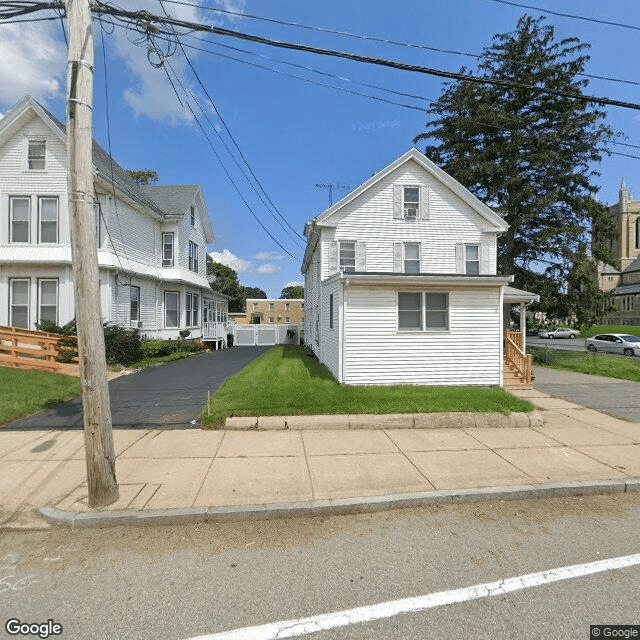
629 N Main St, Brockton, MA 02301
To contact a resident: (508) 588-7790
For more information about senior living options: (866) 208-4318
Ann L Ward Congregate House Costs & Pricing
At Ann L Ward Congregate House, the monthly cost for a private room is $4,500, which positions it as a more affordable option compared to the average rates in Plymouth County and the broader Massachusetts area. In Plymouth County, private room costs average around $5,083, while statewide averages reach approximately $6,090. This pricing structure not only highlights the competitive rates offered by Ann L Ward Congregate House but also reflects its commitment to providing quality care and comfortable living arrangements at a value that is advantageous to residents and their families.
| Floor plans | Ann L Ward Congregate House | Plymouth County | Massachusetts |
|---|---|---|---|
| Private | $4,500 | $5,083 | $6,090 |
Senior living communities with a similar price nearby
-
About the same
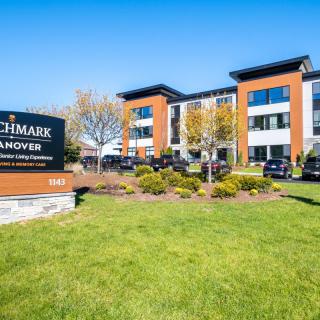
Benchmark at Hanover
$4,500 to $7,500 / month9.1 miles away -
from +$500 / mo

The Residences at Stafford Hill
$5,000 / month21.2 miles away -
from -$165 / mo
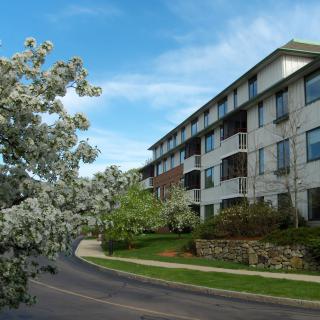
Orchard Cove Hebrew SeniorLife, a CCRC
$4,335 to $8,400 / month6.9 miles away -
from +$800 / mo
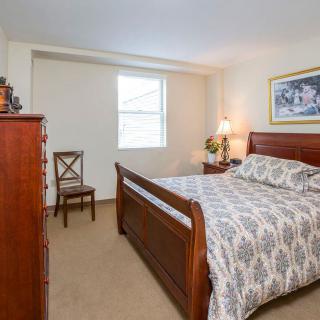
Cabot Park Village
$5,300 to $8,450 / month19.6 miles away -
About the same
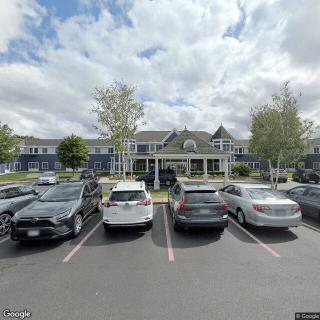
Benchmark Senior Living At Plymouth Crossings
$4,550 to $8,250 / month21.6 miles away
Overall Review of Ann L Ward Congregate House
Pros
 The place is quite cozy, quiet, and provides a great environment for older people.
- It offers a cozy, quiet atmosphere suitable for older adults.
- The applicant remains hopeful about being next in line.
Cons
 Their application was submitted last March, and they have not heard back from the landlord.
- They think the landlord might be waiting to allow people to rent, implying a delay, possibly due to COVID-19.
Review
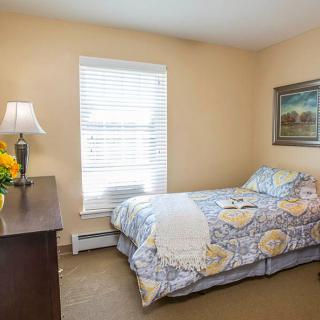
Ann L Ward Congregate House in Brockton is best suited for older adults who prize a cozy, quiet, homelike setting over flashy amenities. It appeals to residents who want a low-stress atmosphere where neighbors know one another and daily life feels manageable. The environment favors comfort and dignity, with a simple, unhurried pace that suits those who view home-like surroundings as the primary value. It is not a high-energy, activity-rich campus; it is a practical option for seniors who want safety, familiarity, and a straightforward daily rhythm.
Those who may want to consider alternatives are families seeking prompt intake and crystal-clear communication. The available feedback points to an intake process that can stall, with limited visibility into when a move-in might occur. If timely status updates, transparent timelines, and proactive outreach matter, other communities with stronger admissions discipline should be prioritized. For residents requiring more structured programming, a fuller on-site staff presence, or specialized services beyond the basics, this Congregate House may fall short.
The strongest, tangible pro is the ambiance: a cozy, quiet setting that can feel like home and support consistent, low-stress routines. That warmth can offset the absence of resort-style amenities, provided the resident’s needs align with a simple, predictable daily life. Yet the primary weakness, an inconsistent intake and uncertain timeline, undermines the core purpose of moving to a community: a timely transition to safer, supported living. In practical terms, the appealing atmosphere cannot fully compensate for administrative friction that delays placement and heightens family anxiety.
The main con is the communication gap surrounding admissions. A prospective resident who submitted an application in March reports radio silence, which raises legitimate concerns about reliability and follow-through. This kind of disconnect matters far beyond courtesy; it directly affects planning, caregiver hours, and financial commitments. Without a clear path to move-in, families are forced to hedge their bets, duplicating outreach efforts and risking months of waiting. The emotional and logistical toll of this uncertainty is a decisive factor for many seeking immediate, dependable housing.
From a decision-making standpoint, prospective residents should pursue concrete assurances before committing. Demand a current intake status, a realistic wait-time window, and a documented admissions timeline. Request a single point of contact and, if possible, a written plan that outlines what the next steps look like. Whenever feasible, visit and interview current residents or families to gauge how responsive and consistent the staff truly is in everyday communications. Compare this against nearby options in Brockton that offer more transparent admissions progress and clearer expectations. A practical verdict emerges: this community can work well for those who prioritize a warm, home-like atmosphere and can tolerate a slower, less certain admissions process; for those who cannot, it is prudent to explore alternatives with firmer timelines and steadier outreach.
 Board and Care Home
 Gen Edw L Logan International (18 miles away)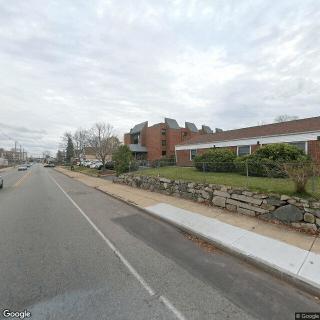



 Caregiver Exhaustion: Recognizing the Signs and Restoring Your Well-Being
 Understanding Hospice Care at Home: Comprehensive Services, Key Benefits, and Eligibility
 Understanding the Full Cost of 24/7 In-Home Care: A Detailed Overview