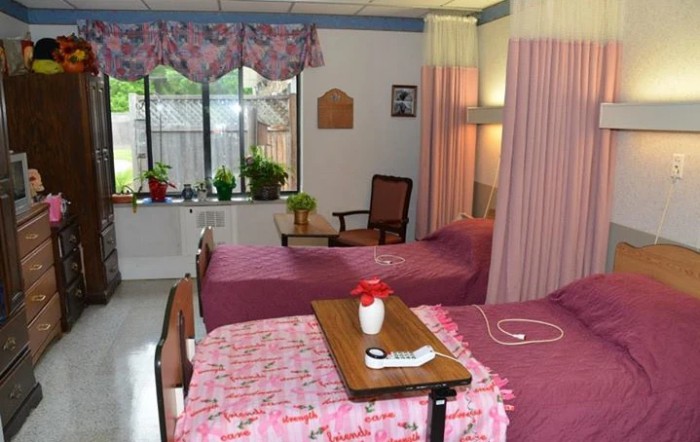
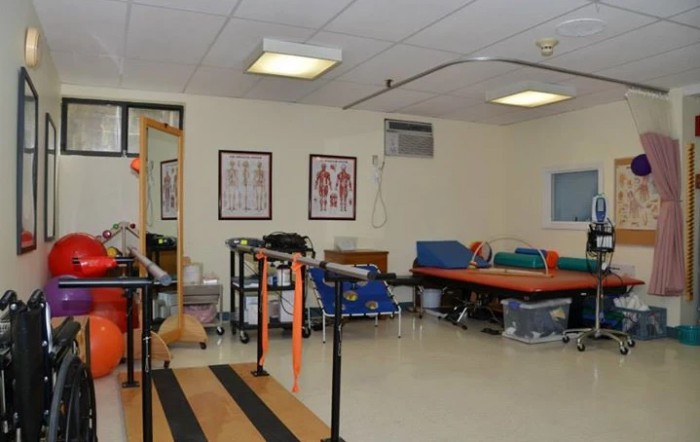
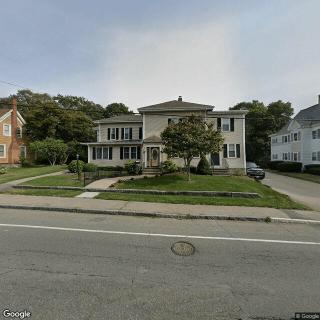
277 Washington Street, Abington, MA 02351
For more information about senior living options: (866) 208-4318
Overall Review of Colony Center For Health & Rehabilitation
Pros
 The staff is lovely, attentive, and caring.
- The nursing home is very involved with Veterans and always has new and fun activities.
- Telephones in rooms are great.
- Cable is free.
Review
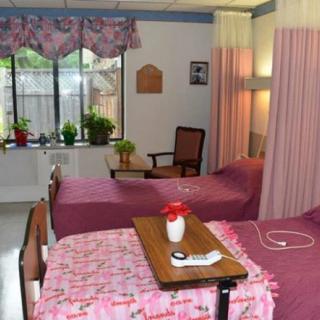
Colony Center for Health & Rehabilitation in Abington is best suited for veterans and older adults who want a hands-on, caregiver-led environment with a steady stream of social activity. The care team is described as lovely, attentive, and genuinely caring, which matters when daily routines hinge on reliable help with mobility, personal care, and medication management. The rooms are semi-private, indicating a social setting that favors interaction over privacy. For families, the in-room telephones and free cable add real convenience, helping residents stay connected with loved ones and entertained without additional costs.
Those who require private accommodations or prefer a quieter, solitary living arrangement may want to consider alternatives. The semi-private layout can limit privacy and personal space, and for residents with memory concerns or specialized care needs, a facility with private rooms or memory-care services might be a better fit. Similarly, families prioritizing shorter rehab stays or a broader network of clinical partners may want to compare other local options. In short, the availability of private rooms and the scope of specialized programs will be the key differentiators for these families.
Two standout pros anchor the overall value: staff quality and activity programming. The reviewers describe staff as lovely, attentive, and caring, translating into more reliable assistance, faster response times, and better supervision during routine tasks and therapy. The facility’s emphasis on Veterans adds a meaningful differentiator, expanding social opportunities and fostering a sense of belonging. The result is a livelier environment where residents regularly participate in new activities, improving mood and reducing isolation. In practical terms, these strengths offset the downside of room sharing by enriching daily life and reinforcing the care experience.
Access to in-room communication and entertainment is another practical edge. Telephones in rooms and free cable simplify connectivity with family, reduce the cost burden of staying in touch, and encourage residents to stay engaged with the outside world. These conveniences support independence for longer and can lessen emotional strain on families worried about isolation. When combined with attentive staffing and an active calendar, the setting feels structured and supportive rather than routine. That mix often translates into smoother discharge planning and fewer hospital transfers during rehab, which matters for recovery timelines and overall satisfaction.
Nevertheless, the limited privacy built into semi-private rooms remains the clearest drawback to weigh heavily in the decision. For some families, the trade-off is acceptable because the care team’s attentiveness and social stimulation provide more value than a private room would. For others, private space is non-negotiable, and that preference should push toward alternatives. Prospective residents should request an in-person tour focused on room configurations, speak with the activities director about the depth and variety of programming, and ask how veteran-focused services are integrated into daily routines and care plans. This due diligence helps align expectations with actual practice.
In sum, Colony Center for Health & Rehabilitation represents a solid choice for veterans and seniors who prize a responsive staff, meaningful activity programming, and practical in-room conveniences over private space. It earns its four-star signal through tangible daily benefits rather than glossy marketing language. For families prioritizing engagement, social connectedness, and dependable caregiving, this community warrants serious consideration. When privacy and private accommodations rise to the top of the list, or when a facility with broader clinical services or memory-care specialization is required, exploring alternatives is prudent. A focused visit will reveal whether the balance of pros and cons fits the specific care goals.
 92 resident community capacity
 Skilled Nursing Facility
 Air-conditioning
 Beauty salon
 Cable or satellite TV
 Computer center
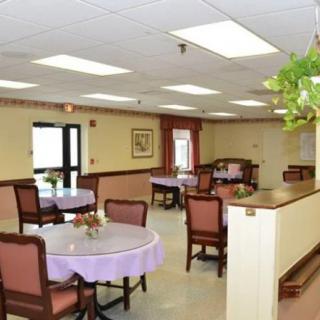
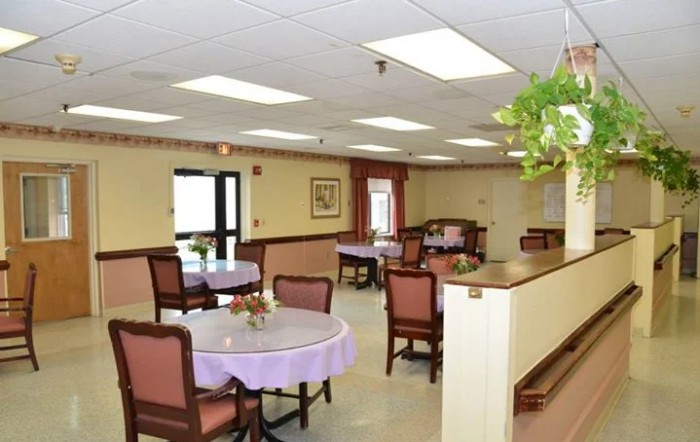
 Dining room
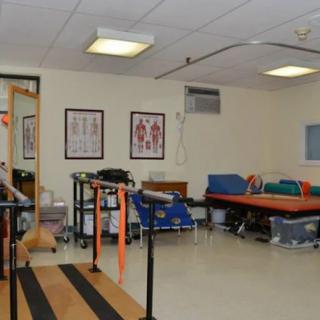
 Fitness room
 Fully furnished
 Gaming room
 Garden
 Housekeeping services
 Kitchenette
 Move-in coordination
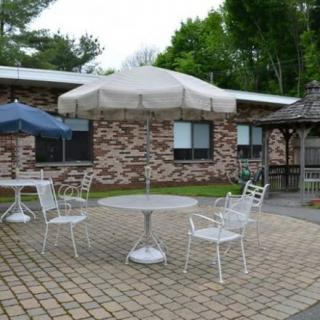
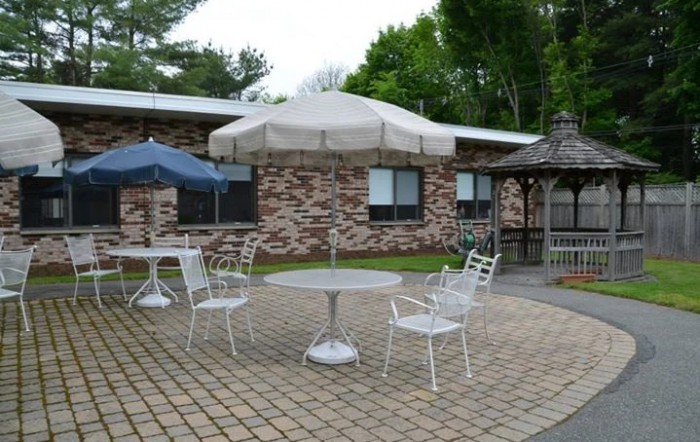
 Outdoor space
 Private bathrooms
 Restaurant-style dining
 Small library
 Telephone
 Wellness center
 Wi-Fi/high-speed internet available
 Gen Edw L Logan International (18 miles away)
 Community operated transportation
 12-16 hour nursing
 24-hour call system
 Activities of daily living assistance
 Assistance with bathing
 Assistance with dressing
 Assistance with transfers
 Diabetes diet
 Medication management
 Mental wellness program
 Special dietary restrictions
 Concierge services
 Planned day trips




 Urinary Tract Infections in Older Adults: Comprehensive Insights on Symptoms, Treatment, and Prevention
 California's Form 602A: An In-Depth Examination of Senior Care Assessment
 Comprehensive Look at Senior Blood Pressure Charts: Normal and Elevated Levels by Age