
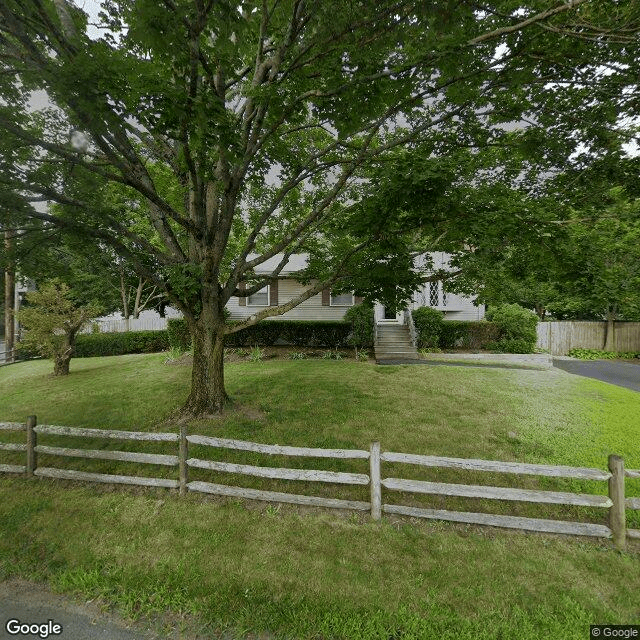
400 Auburn St, 2nd Floor, Whitman, MA 02382
To contact a resident: (781) 447-8999
For more information about senior living options: (866) 208-4318
Overall Review of Home Instead Senior Care
Pros
 The caregivers were always lovely, patient, and hardworking.
- A great team cared for him for a year, helping him stay in his home with a high quality of life.
- The family gained confidence that he was well taken care of while they couldn't be there.
- Willie Sanders provided heartfelt encouragement and support to the family.
- The office staff were wonderful, with a person answering the phone every time and prompt communication when plans changed.
- The staff goes above and beyond on a daily basis and are comforting and understanding.
- The reviewer would highly recommend Home Instead.
- The company is great, with wonderful, kind caregivers and office staff.
Cons
 The company is not good; the owner only cares about the money.
- They are fraud.
- They should be called nursing home or hospital instead.
- Do not expect any care to actually show up for your elderly loved one.
- They will continually assure you that they will actually be there.
- They will take your money, and they will never show up, or let you know they aren't coming.
Review
This Whitman Home Instead Senior Care location is best suited for families seeking hands-on, non-medical in-home support that allows an elderly loved one to stay at home with a steady, compassionate caregiving team and a responsive local office. The model works best when a highly involved family wants daily companionship, help with activities of daily living, transportation, and reliable caregiver presence, all coordinated under a seemingly engaged owner and office staff. When the arrangement holds, it produces meaningful quality of life for the senior and peace of mind for relatives who cannot be present every day.
Those weighing alternatives should consider a few clear red flags. If guaranteed daily coverage, predictable schedules, and formal accountability are non-negotiable, or if the care needs include more medical oversight or complex tasks, a traditional assisted living setting or another home-care provider with stronger guarantees may be preferable. Some families have encountered uneven reliability and inconsistent visit timeliness, which can undermine confidence and derail a carefully planned care plan. In short, this option can be transformative when the team stays aligned, but it can be problematic if coverage falters or communications lapse.
The strongest positives center on human-reliant care: caregivers described as loving, patient, and hardworking, with office staff and the owner portrayed as supportive and responsive. The ability to keep a loved one at home while knowing a dedicated team is available creates real, observable benefits, on-time visits, clear communication, and proactive problem-solving when plans shift. When the care team shows up and operates cohesively, families report a sense of assurance that someone is consistently tending to daily needs and emotional well-being, which can reduce stress during a difficult period.
However, the negative experiences can be stark and warrant serious weight in the decision. A subset of reviews questions the integrity of leadership and the reliability of service, citing missed visits, lack of communication, or money-focused behavior. Those outlier experiences matter: the contrast between consistently excellent care and frequent missed or uncertain visits makes risk management essential. Prospective clients should scrutinize the business model, contract specifics, and contingencies for back-up coverage, recognizing that perceived governance quality can swing the experience dramatically.
From a practical decision standpoint, households should insist on a written care plan, explicit backup arrangements, and a transparent schedule with guaranteed coverage whenever possible. Before committing, request a trial period to observe the cadence of visits, the responsiveness of the office, and the consistency of the caregiver roster. Ask for a clear billing structure, cancellation policies, and a defined process for handling schedule changes or caregiver substitutions. It is prudent to require direct contact information for the owner or supervisor and to confirm what happens when a caregiver falls ill or a planned visit cannot occur.
In the end, this community offers a compelling option for families prioritizing at-home aging in place, anchored by high-quality caregiver interactions and a responsive local team. The core decision hinges on reliability: when the system operates smoothly, it delivers significant value and genuine peace of mind; when it does not, the gaps can be disruptive. If stability and predictable coverage are paramount, explore guarantees with this agency and compare them against facility-based care or alternate providers that offer formal guarantees and stronger oversight. A well-structured intake, a written plan, and a realistic contingency strategy will determine whether this Home Instead location becomes a trusted long-term solution or a careful, time-bound trial.
 Gen Edw L Logan International (21 miles away)





 Weight Training for Seniors: Building Strength and Vitality
 Understanding the Sandwich Generation: Stress and Responsibilities for Multigenerational Caregivers
 8 Essential Assistive Devices for Older Adults