For more information about senior living options: (866) 208-4318
3.3 from 27 reviews
5 stars
13
4 stars
2
3 stars
1
2 stars
1
1 stars
10
Sachem Center For Health & Rehabilitation Costs & Pricing
At Sachem Center for Health & Rehabilitation, the monthly cost for a semi-private room is $7,500, which is notably higher than both the average rates in Plymouth County at $5,416 and throughout Massachusetts, where the average stands at $5,805. This pricing reflects not just the quality of care and the range of services provided at Sachem but also indicates its commitment to delivering a specialized level of support tailored to residents' needs. While it may be more expensive than other local options, many families might find that the enhanced amenities and personalized attention justify the investment in their loved one's well-being.
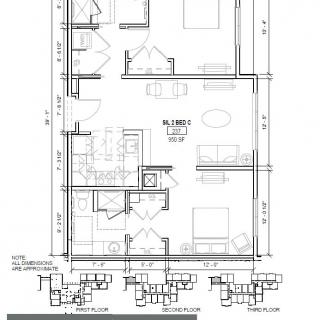
Floor plans
Sachem Center For Health & Rehabilitation
Plymouth County
Massachusetts
Semi-Private
$7,500
$5,416
$5,805
Skilled Nursing Facilities with a similar price nearby
Overall Review of Sachem Center For Health & Rehabilitation
common12 reviews mention this
Staff care and responsiveness stand out
Residents and families repeatedly describe staff as caring, knowledgeable, and helpful.
Many reviewers say the staff treat residents well and respond quickly when help is needed. Several specifically call out professionalism during intake, supportive interactions on visits, and staff who take time to assist residents and families. A few also mention staff making a major difference in day-to-day comfort and peace of mind, even when other aspects were criticized.
common13 reviews mention this
Care and safety feel closely watched
Families most often feel more secure when nursing support is consistently present.
Multiple reviews emphasize that residents are safer and better cared for when nurses are watching over them and following through on needs. Some reviewers describe medication handling and monitoring, while others share concerns when medication, vitals, or follow-up did not happen quickly enough. Overall, the reviews show strong expectations around hands-on supervision and timely clinical attention for rehab and dementia situations.
caveat4 reviews mention this
Cleanliness is a mixed picture
Odor and cleanliness complaints show up alongside comments about a clean building.
Some reviewers praise the facility as clean and sanitary, and they associate that with feeling comfortable and safe. Others report persistent odor, urine in bathrooms or floors, or cleanliness issues that made them leave or worry about basic care. That split suggests cleanliness can vary by area or period, and odor is a recurring concern in negative reviews.
common2 reviews mention this
Activities add something to the week
Residents get scheduled activities that families say are engaging.
Reviewers mention that the facility schedules events and keeps residents involved, including parties like Halloween and New Year’s Eve. Another reviewer says activities are ample and fun and involve more than just a single room. While the details vary by reviewer, the consistent thread is that there are things happening beyond basic routines.
caveat4 reviews mention this
Food quality is frequently mentioned
Food gets mixed feedback, from surprisingly good to hard-to-like.
Some reviewers call the food good or excellent and are surprised by the quality. Others complain the food is horrible or not handled well, and they connect that to dissatisfaction with care overall. Reviews that mention dining also tend to discuss meals as part of day-to-day comfort, not just taste.
How we summarize
Counts show how many written reviews mention each theme; a review can touch several themes, and only frequently mentioned themes are displayed.
Features
Housing
111 resident community capacity
Types of Care
Skilled Nursing Facility
Amenities
Air-conditioning
Beauty salon
Cable or satellite TV
Computer center
Dining room
Fitness room
Fully furnished
Gaming room
Garden
Housekeeping services
Kitchenette
Move-in coordination
Outdoor space
Private bathrooms
Restaurant-style dining
Small library
Telephone
Wellness center
Wi-Fi/high-speed internet available
Transportation
Gen Edw L Logan International (23 miles away)
Community operated transportation
Transportation arrangement
Transportation arrangement (non-medical)
Transportation to doctors appointments
Care Services
12-16 hour nursing
24-hour call system
24-hour supervision
Activities of daily living assistance
Assistance with bathing
Assistance with dressing
Assistance with transfers
Diabetes diet
Meal preparation and service
Medication management
Mental wellness program
Special dietary restrictions
Dining
Diabetes diet
Special dietary restrictions
Activities
Community-sponsored activities
Concierge services
Fitness programs
Planned day trips
Resident-run activities
Scheduled daily activities
Nearby Places of Interest
This part of East Bridgewater, Massachusetts offers a variety of amenities that may appeal to seniors looking for a peaceful and convenient place to live. With several parks nearby such as East Bridgewater Common and Whitman Town Park, residents can enjoy outdoor activities and leisurely walks. There are also many dining options available including Fiesta Mexican Restaurant and Peaceful Meadows Ice Cream, as well as pharmacies like CVS and Walgreens for easy access to medications. In terms of healthcare, there are several physicians' offices such as The Well and Brockton Oral & Maxillofacial Surgery, as well as hospitals like Signature Health Care within a reasonable distance. Additionally, cafes like Marylou's News offer a cozy spot to relax and enjoy a cup of coffee. Overall, this area provides a mix of recreational opportunities, healthcare services, and dining options making it a potentially desirable location for senior living.
Parks
East Bridgewater Common (0.1 miles)
Whitman Town Park (3.7 miles)
Memorial Field (4.6 miles)
Halifax Town Playground (5.7 miles)
Off the Wall Kidz (10.1 miles)
Braintree Highlands Community Playground (10.2 miles)
Massasoit State Park (10.4 miles)
Restaurants
Fiesta Mexican Restaurant (0.1 miles)
Johnny Macaroni's (1.4 miles)
Peaceful Meadows Ice Cream (2.2 miles)
Riviera Cafe Brewhouse (2.5 miles)
McGuiggan's Pub (3.5 miles)
Cape Cod Cafe (3.9 miles)
Barrett's Ale House (3.9 miles)
Pharmacies
CVS Pharmacy (0.4 miles)
CVS Pharmacy (2.7 miles)
CVS Pharmacy (2.8 miles)
Walgreens (3 miles)
CVS Pharmacy (3.1 miles)
Apothecare (4.2 miles)
CVS Pharmacy (4.4 miles)
Physicians
The Well (2.6 miles)
Beth Israel Deaconess Healthcare Bridgewater (2.6 miles)
Back To Basics Therapeutic Massage (3 miles)
Brockton Oral & Maxillofacial Surgery (3.5 miles)
Rheumatology Consultants (3.5 miles)
Kool Smiles (3.7 miles)
Outpatient Department Signature Healthcare - Brockton Hospital (4.4 miles)
At Sachem Center for Health & Rehabilitation, the monthly cost for a semi-private room is $7,500, which is notably higher than both the average rates in Plymouth County at $5,416 and throughout Massachusetts, where the average stands at $5,805. This pricing reflects not just the quality of care and the range of services provided at Sachem but also indicates its commitment to delivering a specialized level of support tailored to residents' needs. While it may be more expensive than other local options, many families might find that the enhanced amenities and personalized attention justify the investment in their loved one's well-being.
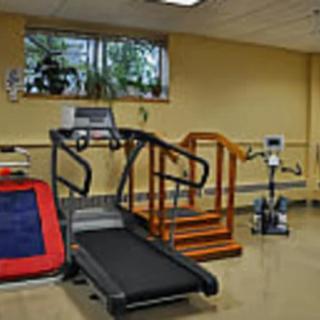
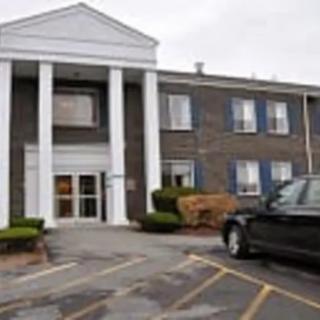
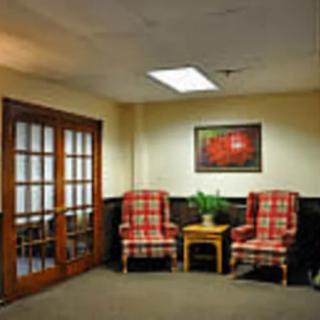
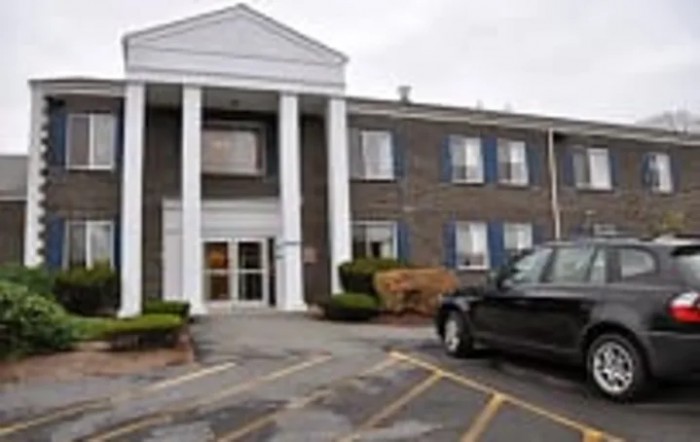
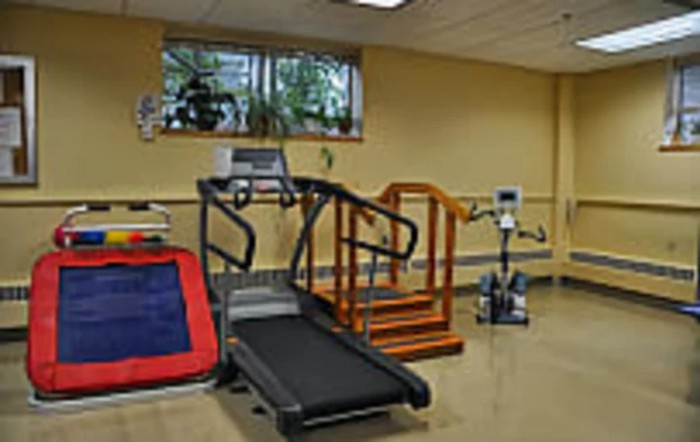
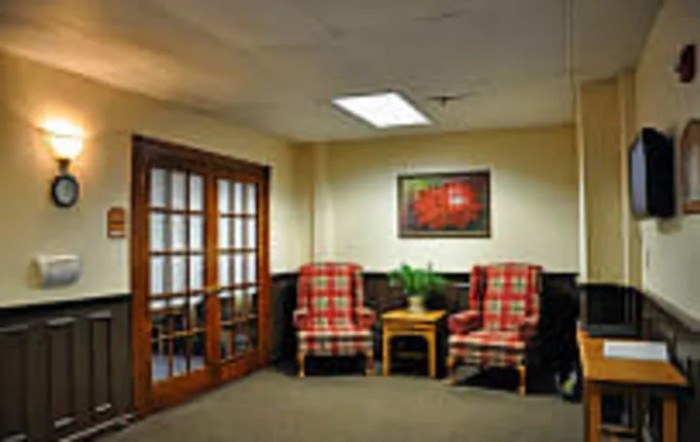
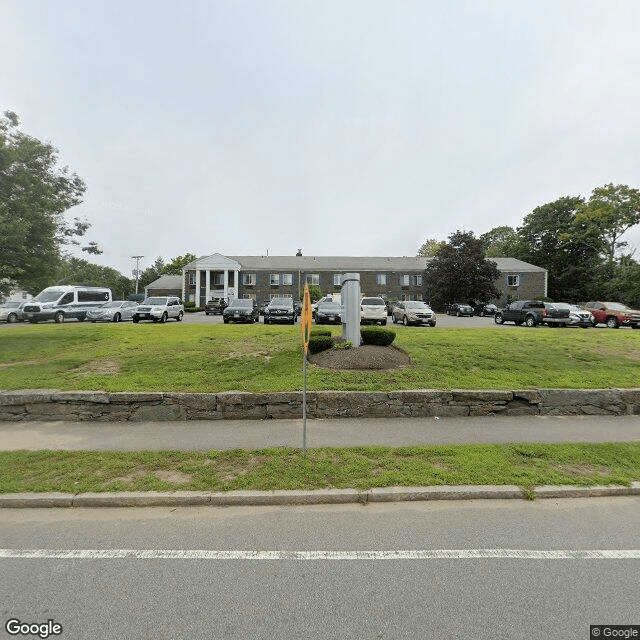
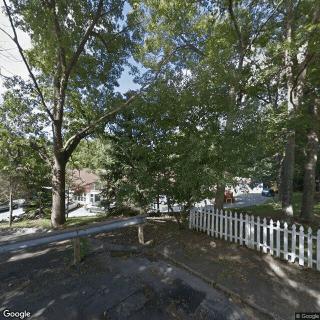
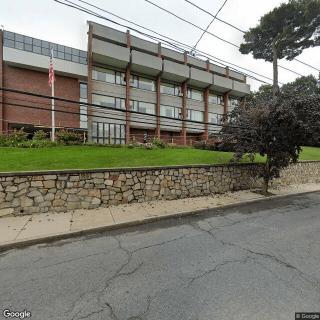
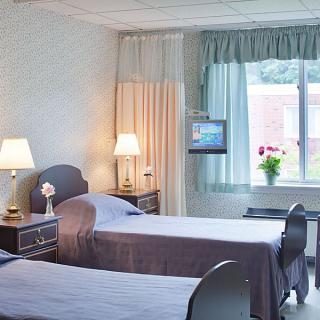
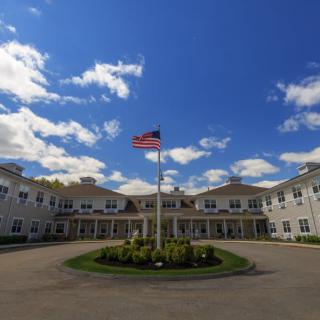
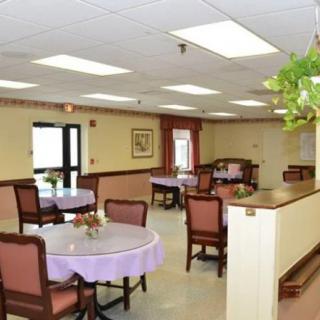
Sachem Center For Health & Rehabilitation on seniors.fyi includes 4 photos including images showing interior, artwork, lighting, building, parking, gym, exercise equipment, treadmill, and more.
Nearby Communities
Westview Rest Home
East Bridgewater, MA
4.2 from 5 reviews
Peaceful setting with personalized care and nearby medical amenities.
Home Instead Senior Care
Whitman, MA
4.1 from 10 reviews
Great access to nearby cafes, parks, pharmacies, physicians, restaurants, and a hospital.
The Village at Auburnville
Whitman, MA
Comprehensive on-site care (dressing assistance, meal prep and service, medication management) plus connectivity (Wi?Fi/telephone) and dietary accommodations.
All American Assisted Living at Hanson
Hanson, MA
4.5 from 59 reviews
$4,200 / month
Caring staff and a clean, active, engaged community.
Bridgewater Nursing Home
Bridgewater, MA
3.8 from 6 reviews
24-hour supervision with comprehensive care services and fully furnished rooms.
St Joseph Manor Health Care
Brockton, MA
3.7 from 56 reviews
Dedicated staff and VA support provided a private, comfortable room during the stay.
Connemara Senior Living
Brockton, MA
4.1 from 14 reviews
$2,495 to $3,895 / month
Small, homey setting with personalized care; staff know residents by name.
Brockton Council of Aging
Brockton, MA
Excellent proximity to amenities and healthcare facilities.
Colony Center For Health & Rehabilitation
Abington, MA
4 from 1 review
Attentive staff with veteran-focused activities and comfortable semi-private rooms.
Fecal incontinence, prevalent among older adults, arises from factors like weakened pelvic muscles and nerve damage, significantly affecting well-being and social interactions. Diagnosis involves clinical evaluation and tests to inform tailored treatments, while caregivers and preventive measures can aid in managing the condition effectively.
Anticipatory grief is an emotional response to the impending loss of a loved one, characterized by complex emotions such as sadness and anger, and involves navigating stages similar to those identified by Kübler-Ross. Coping strategies are vital for managing this process, emphasizing compassionate communication, self-care, and support groups while recognizing the cultural influences on grieving.
Adult day care programs offer essential support and activities for older adults, yet many hesitate to participate due to concerns about independence and stigma. To alleviate these apprehensions, families should facilitate open discussions, explore financial resources, suggest trial visits, and collaborate with healthcare providers to highlight the benefits of such services for both the participants and their caregivers.
Exercise Equipment, Gym, Rehabilitation, and Treadmill
Get PricingAsk A QuestionSchedule A TourContact Senior Advisor
By clicking submit, you agree to our Partner's Terms of Use. You
also consent to receive calls and texts, which may be autodialed, from our Partner. Your consent is not a condition to
using our Partner's service. Please visit our Partner's Privacy Policy for information about their privacy practices.


 111 resident community capacity
 Skilled Nursing Facility
 Air-conditioning
 Beauty salon
 Cable or satellite TV
 Computer center
 Dining room
 Fitness room
 Fully furnished
 Gaming room
 Garden
 Housekeeping services
 Kitchenette
 Move-in coordination
 Outdoor space
 Private bathrooms
 Restaurant-style dining
 Small library
 Telephone
 Wellness center
 Wi-Fi/high-speed internet available
 Gen Edw L Logan International (23 miles away)
 Community operated transportation
 12-16 hour nursing
 24-hour call system
 Activities of daily living assistance
 Assistance with bathing
 Assistance with dressing
 Assistance with transfers
 Diabetes diet
 Medication management
 Mental wellness program
 Special dietary restrictions
 Concierge services
 Planned day trips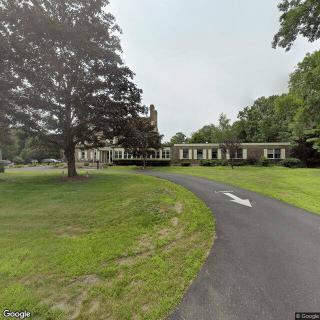
 Peaceful setting with personalized care and nearby medical amenities.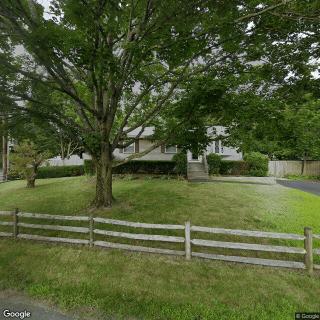


 Fecal Incontinence in Older Adults: A Comprehensive Guide
 Recognizing the Journey: Understanding and Navigating Anticipatory Grief
 Encouraging Participation in Adult Day Care: A Guide to Supporting a Hesitant Parent