Residents describe the atmosphere as warm, welcoming, and friendly.
Several reviewers mention feeling welcomed, including comments about a warm, friendly atmosphere. Others also frame the church community as a “family,” emphasizing how comfortable it feels to attend and worship there.
common2 reviews mention this
Worship space feels clean
Reviews highlight a clean, well-kept worship space.
More than one reviewer describes the space as clean and “nice,” and one specifically notes the sound system was clear. A few also describe the overall setting as comfortable, pointing to a smoother experience during services.
differentiator8 reviews mention this
Word-based services get praise
Many reviews praise services focused on God’s Word.
A large share of reviewers say the services deliver the “Word of God,” with repeated mentions of preaching, teaching, and messages every Sunday. Reviewers also describe the worship experience as Spirit-filled, with one calling out the Word and Spirit as always present during the service.
common4 reviews mention this
Church events and gatherings matter
Reviewers frequently mention attending special events at the church.
Beyond regular services, multiple reviewers reference attending or hosting events, including an installation and a graduation. Others describe high-attendance worship experiences like Thanksgiving, and at least one review mentions the venue being used for worship or events more broadly.
caveat18 reviews mention this
Little feedback on senior care
Most reviews focus on worship and events rather than daily senior care.
While the listing is for assisted living, the reviews provided are overwhelmingly about church services, worship, and community experiences. There are very few (if any) resident comments about day-to-day support, medication help, or care routines, so you may want to confirm how assisted living works with the community directly.
How we summarize
Counts show how many written reviews mention each theme; a review can touch several themes, and only frequently mentioned themes are displayed.
Features
Housing
7 resident community capacity
Types of Care
Assisted Living
Amenities
Cable or satellite TV
Dining room
Fully furnished
Garden
Housekeeping services
Move-in coordination
Outdoor space
Telephone
Wi-Fi/high-speed internet available
Transportation
Ronald Reagan Washington National (11 miles away)
Baltimore-Washington International (19 miles away)
Care Services
24-hour supervision
Activities of daily living assistance
Assistance with bathing
Assistance with dressing
Assistance with transfers
Coordination with health care providers
Diabetes diet
Meal preparation and service
Medication management
Special dietary restrictions
Transportation arrangement (medical)
Transportation to doctors appointments
Dining
Diabetes diet
Special dietary restrictions
Activities
Community-sponsored activities
Scheduled daily activities
Nearby Places of Interest
Pharmacies
CVS Pharmacy (0.4 miles)
Wegmans (0.9 miles)
CVS Pharmacy (1.8 miles)
Kaiser Pharmacy (2.1 miles)
CVS Pharmacy (2.1 miles)
Walgreens (2.3 miles)
CVS Pharmacy (2.9 miles)
Cafes
Starbucks (1 miles)
Starbucks (1.9 miles)
Starbucks (3 miles)
Starbucks (4.4 miles)
Vigilante Coffee (5 miles)
Wine & Butter Cafe & Market (8.1 miles)
Transportation
New Carrollton Amtrak Station (1.4 miles)
College Park - University of Maryland Metro Station (5.1 miles)
Benning Road Metro Station (5.5 miles)
Prince George's Plaza Metro Station (6 miles)
Greenbelt Metro Station (6.2 miles)
Greenbelt Station (6.2 miles)
West Hyattsville Metro Station (6.5 miles)
Restaurants
Jasper's (1.6 miles)
McDonald's (2 miles)
Golden Corral (2.1 miles)
McDonald's (2.4 miles)
McDonald's (3 miles)
McDonald's (3.8 miles)
Sonic Drive-In (4.4 miles)
Physicians
Dr Jenkin's Office (1.8 miles)
Dr Vanessa Allen (3.7 miles)
Ford Medical Associates (4.3 miles)
Rochelle Hardy Md (4.3 miles)
TLC Pediatrics (6.3 miles)
Maryland Primary Care Physicians (7.1 miles)
MyEyeDr (7.1 miles)
Parks
Watkins Regional Park (4.4 miles)
Allen Pond Park (6.1 miles)
Duvall Playground (6.2 miles)
L'Enfant Square (7.7 miles)
Lincoln Park (8 miles)
Hospitals
Bowie Health Center-Emergency Medical Care (5.8 miles)
Riverside Medical District Heights (6.1 miles)
Places of Worship
College Park United Methodist Church (6.5 miles)
Christian Community Presbyterian Church (6.5 miles)
Basilica of the National Shrine of the Immaculate Conception (8 miles)
Theaters
Alamo Drafthouse Cinema DC Bryant Street (7.9 miles)
Medicaid waivers for assisted living services provide vital support for seniors and individuals with disabilities in need of long-term care, with varying state-specific eligibility criteria and benefits. These waivers cover personal care and case management but often do not fully cover room and board, leading to waiting lists for many applicants.
The article examines the complexities of assisted living for individuals with disabilities, emphasizing the need for tailored care solutions that enhance quality of life and social inclusion, while addressing financial challenges and advocating for community integration. It discusses various housing options, the importance of financial assistance through public benefits, and highlights trends towards integrated and technology-driven solutions in disability-focused housing.
Assisted living for adults with disabilities has transformed to provide personalized care and support services aimed at improving residents' quality of life while balancing independence and assistance. However, low-income individuals often face challenges in affording these services, requiring navigation of various financial resources and advocacy for better policies and solutions.
Get PricingAsk A QuestionSchedule A TourContact Senior Advisor
By clicking submit, you agree to our Partner's Terms of Use. You
also consent to receive calls and texts, which may be autodialed, from our Partner. Your consent is not a condition to
using our Partner's service. Please visit our Partner's Privacy Policy for information about their privacy practices.

 7 resident community capacity
 Assisted Living
 Cable or satellite TV
 Dining room
 Fully furnished
 Garden
 Housekeeping services
 Move-in coordination
 Outdoor space
 Telephone
 Wi-Fi/high-speed internet available
 Ronald Reagan Washington National (11 miles away)
 24-hour supervision
 Activities of daily living assistance
 Assistance with bathing
 Assistance with dressing
 Assistance with transfers
 Diabetes diet
 Meal preparation and service
 Medication management
 Special dietary restrictions
 Transportation arrangement (medical)
 Transportation to doctors appointments
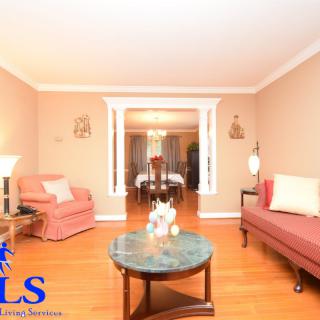
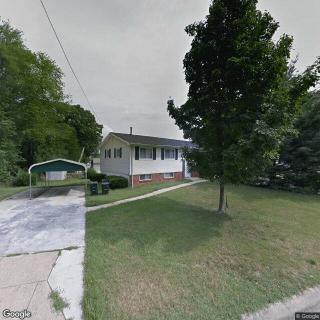
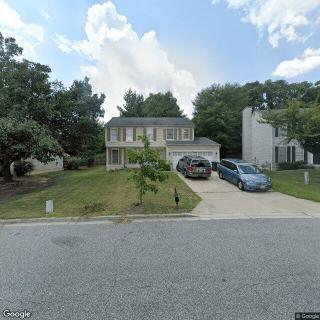
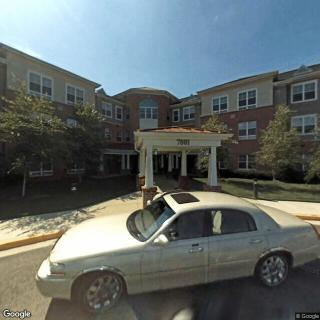
 Home-like setting with 24/7 supervision and diabetes-friendly dining.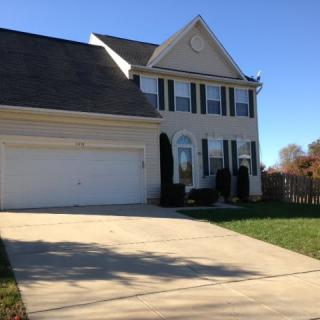
 A Detailed Exploration of Assisted Living Medicaid Waivers Across the United States
 Comprehensive Residential Support and Assisted Living Solutions for Individuals with Disabilities
 Comprehensive Supportive Living Arrangements for Adults with Disabilities