Montgomery Eldercare I in Colesville, MD

Save

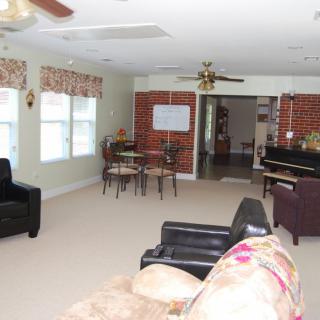
  • Interior

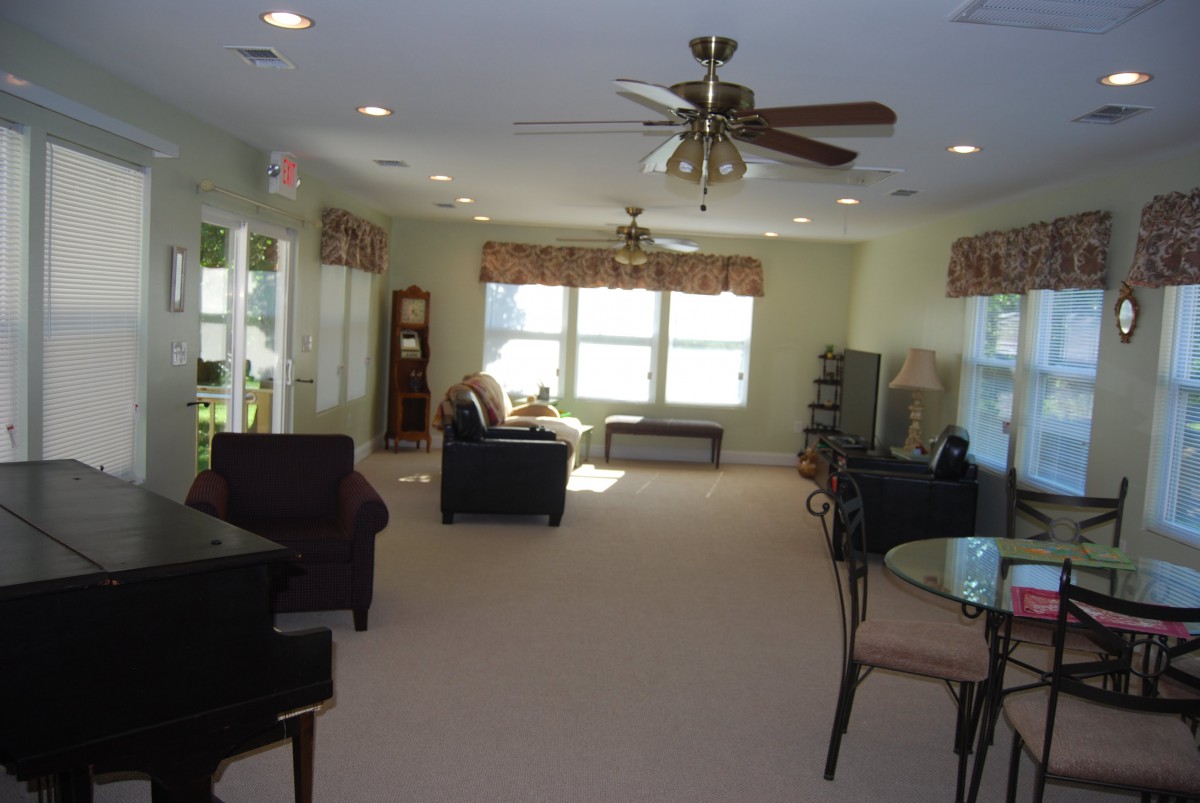
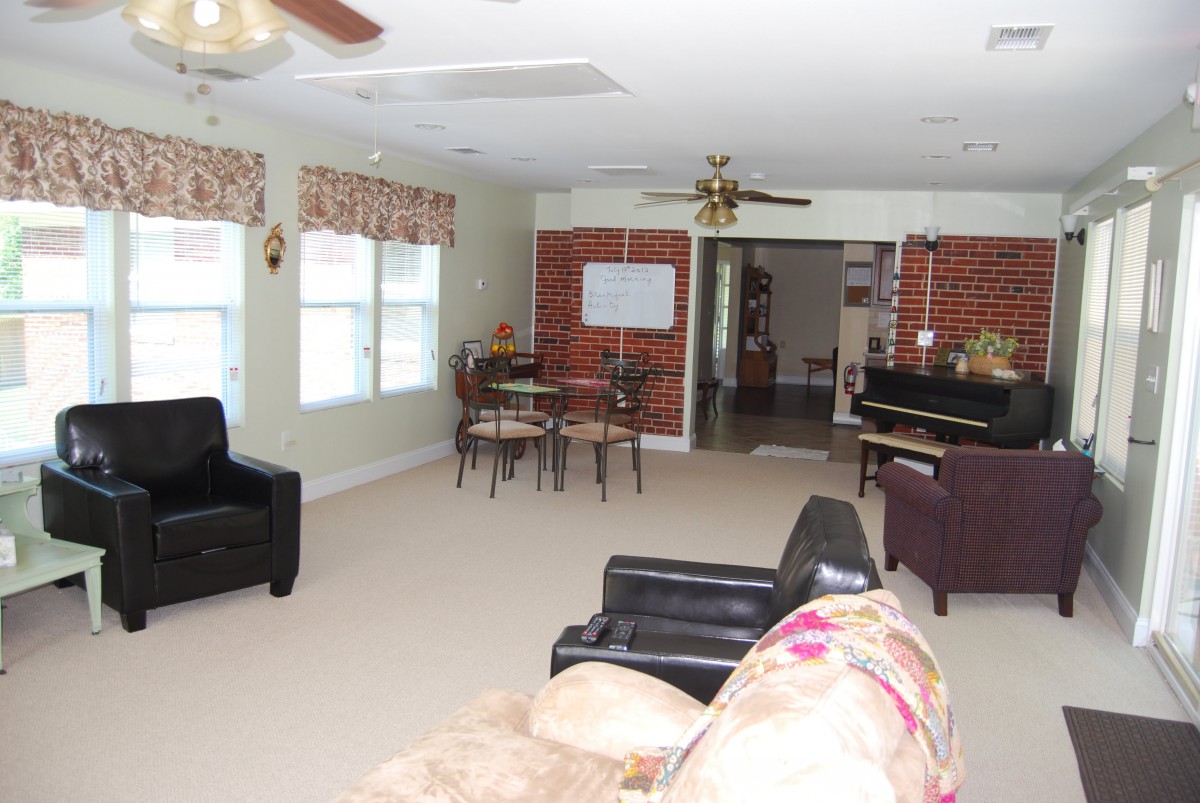
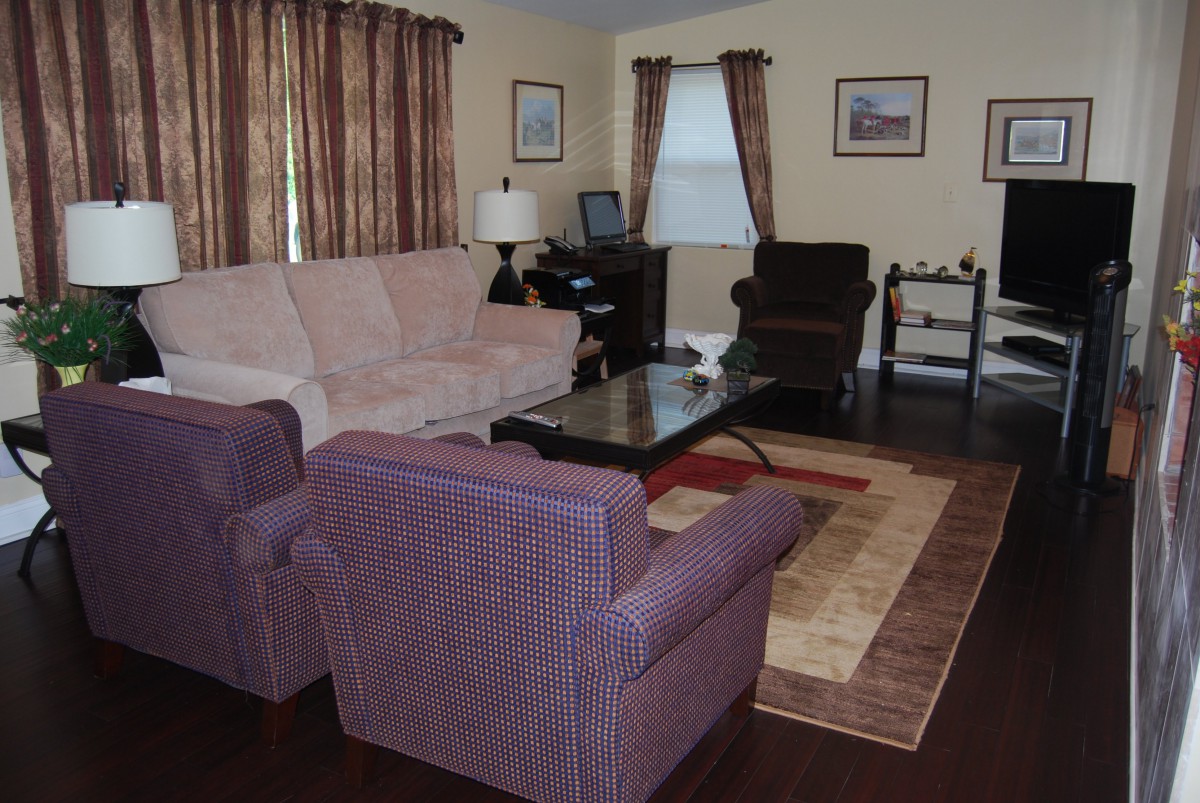
    A spacious living room with several chairs, a sofa, a coffee table, and large windows letting in natural light.
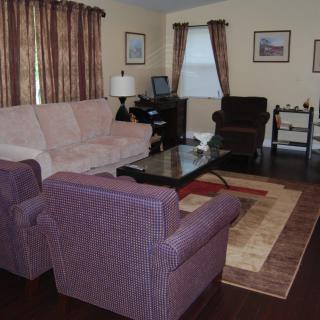
  • Decor

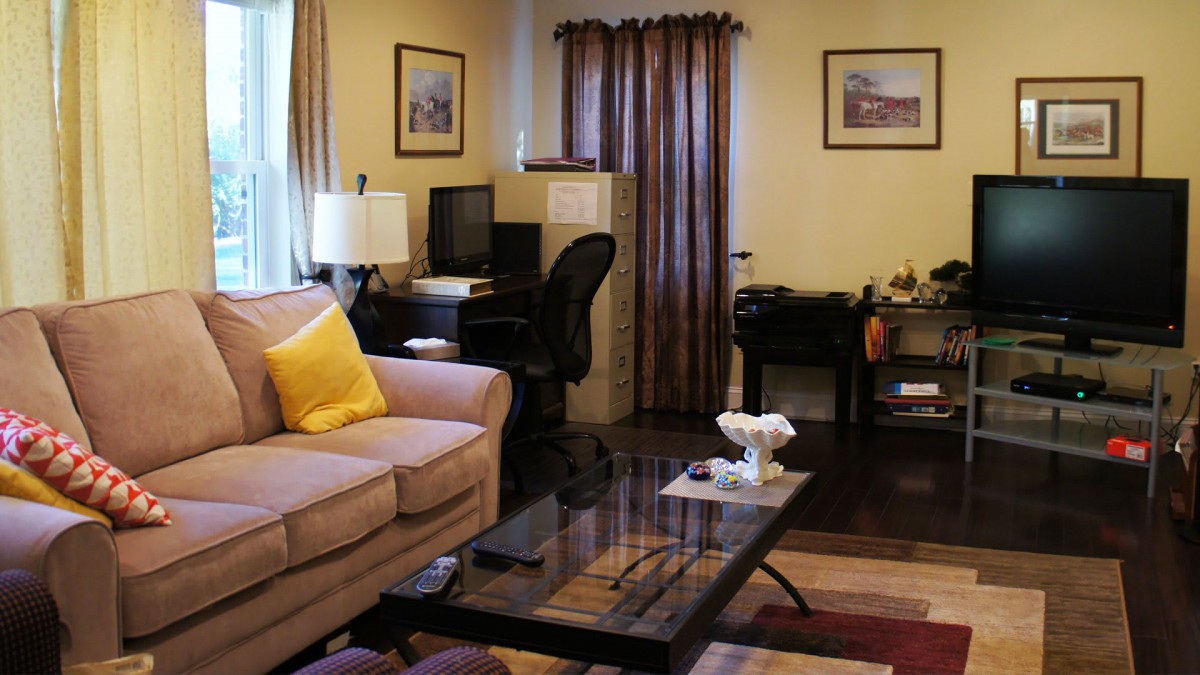
    A cozy living room with a sofa, armchair, and coffee table, complemented by warm-toned curtains and decor.
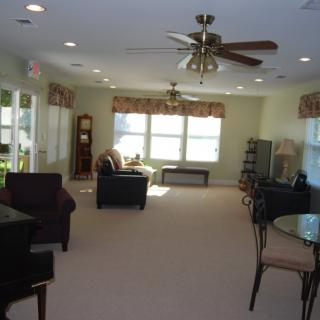
  • Living Room

    A spacious living room with multiple seating options, a piano, and large windows.
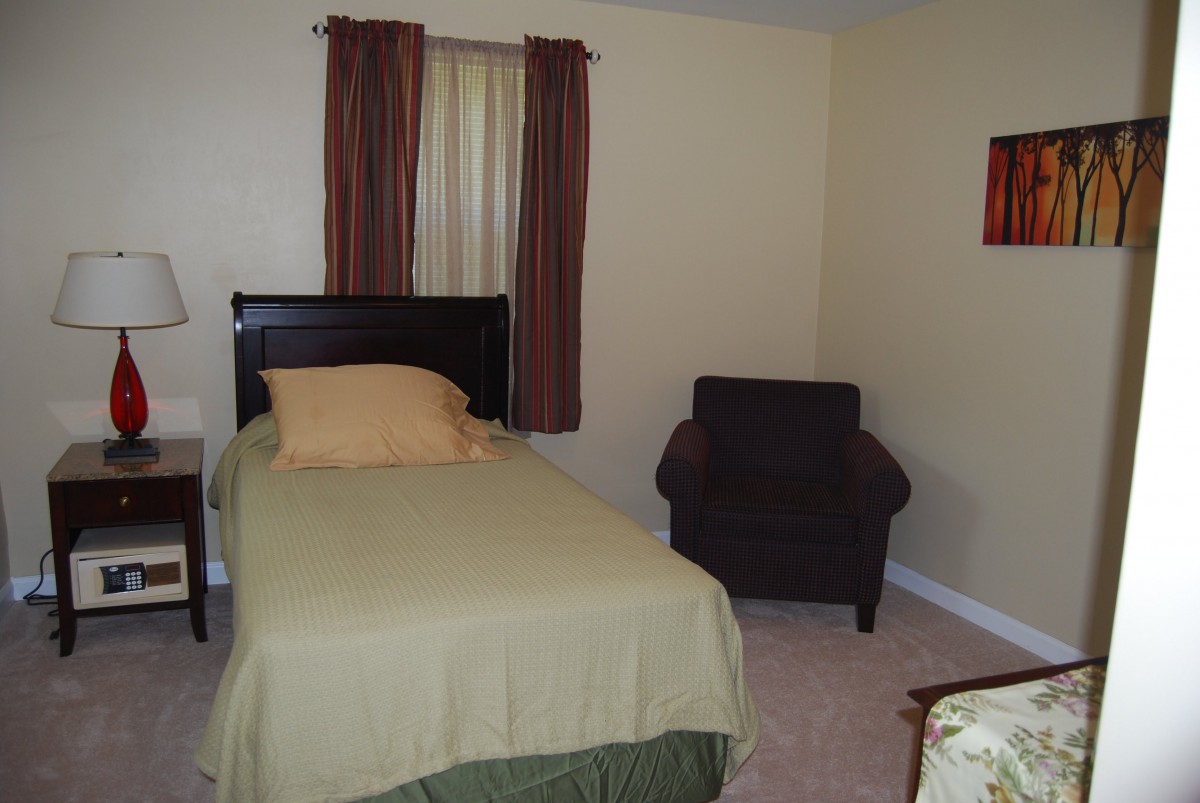
  • Bedroom

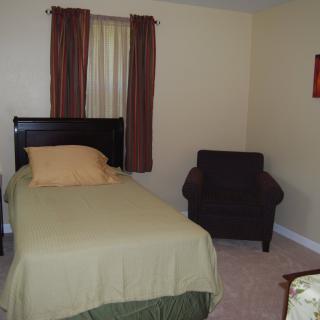
    A cozy bedroom featuring a single bed and an armchair next to a window with curtains.
  • Trees

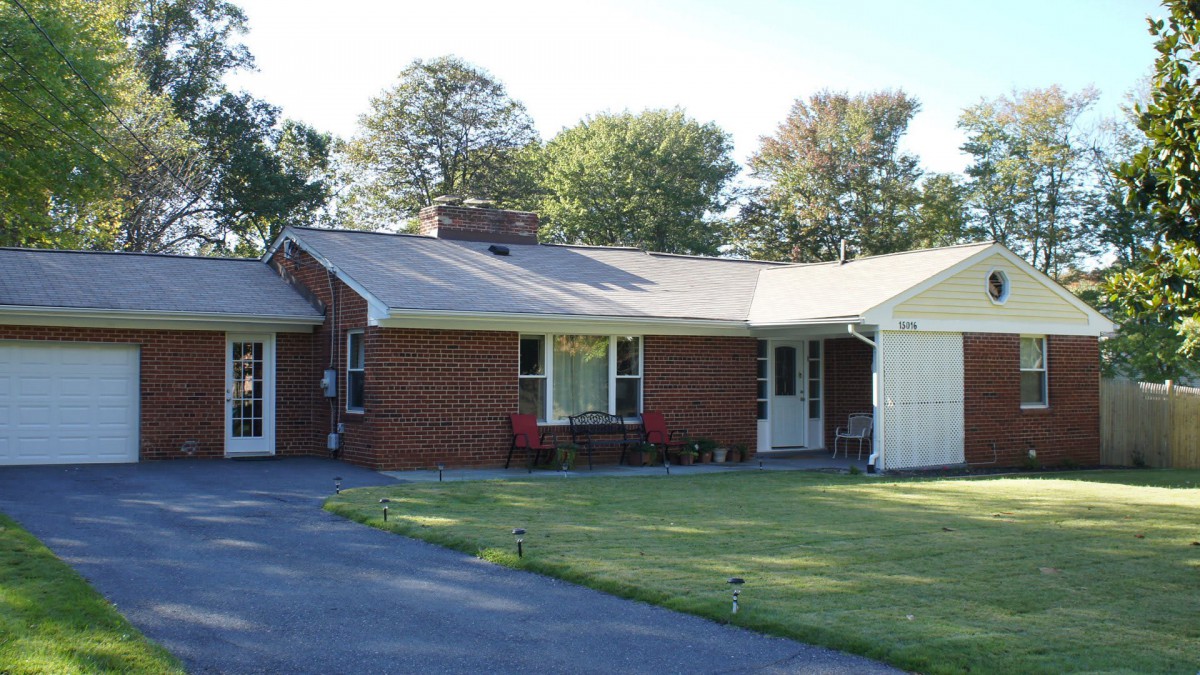
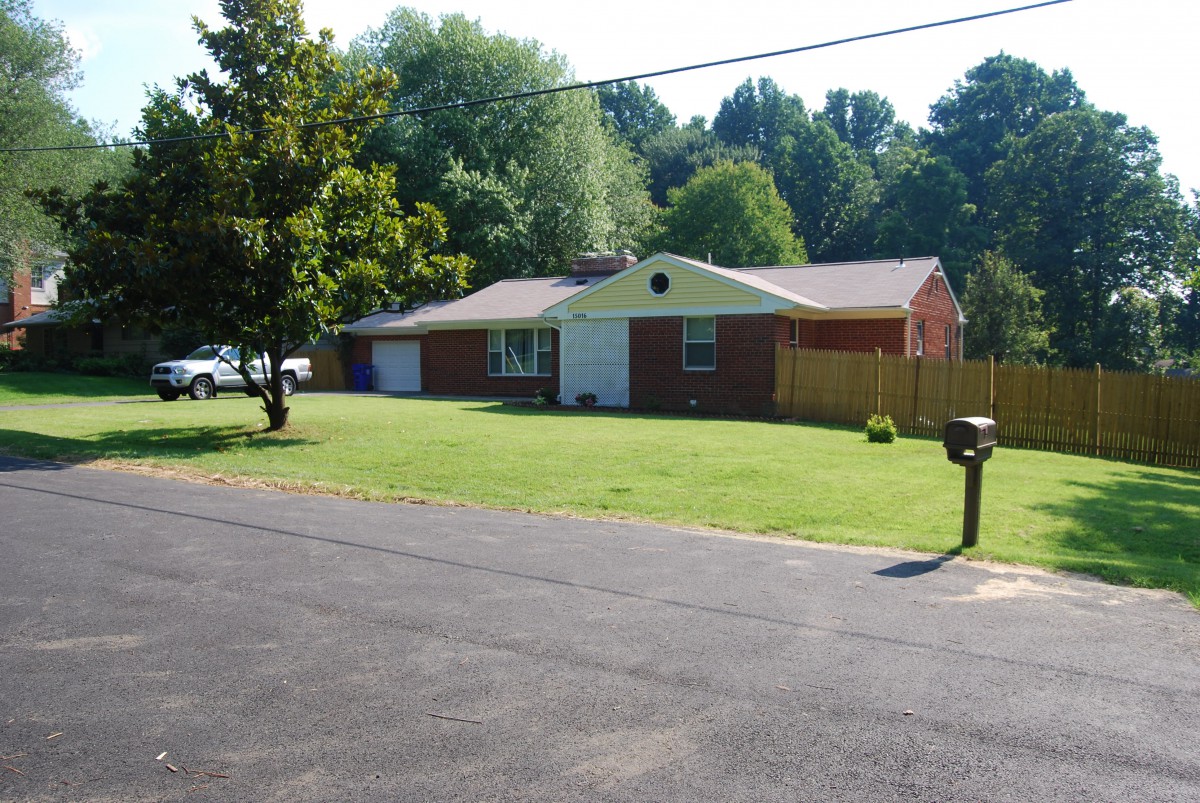
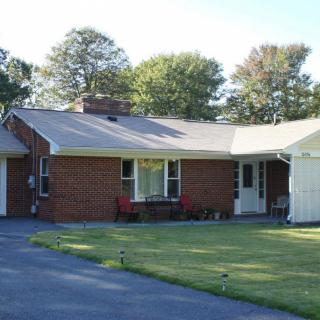
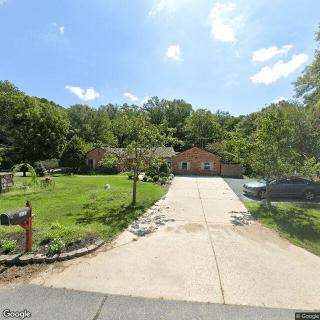
    A single-story brick house with a well-maintained lawn and surrounding trees.
  • Windows

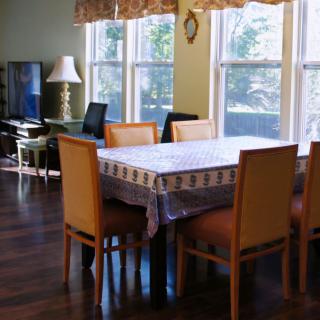
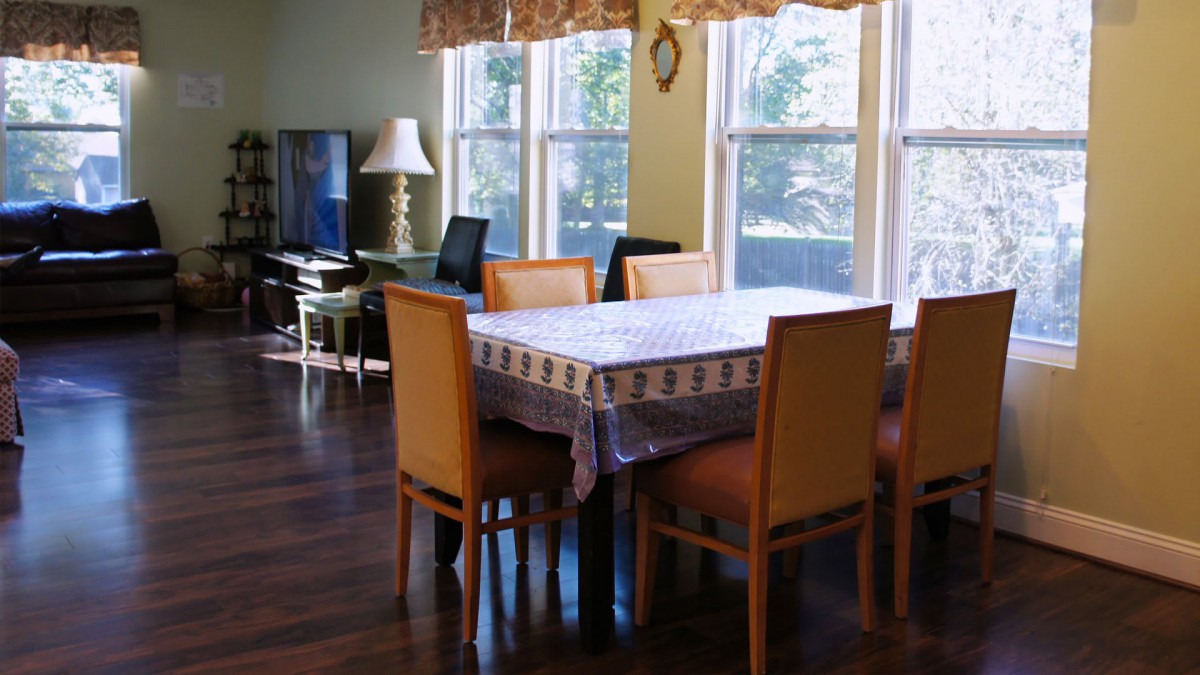
    A dining room with a table covered by a cloth, surrounded by chairs and illuminated by natural light through large windows.
  • Landscaping

    A suburban house with a neatly manicured lawn and surrounding trees on a sunny day.
  • Kitchen

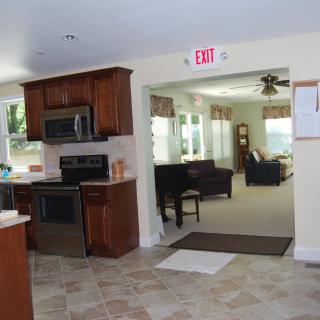
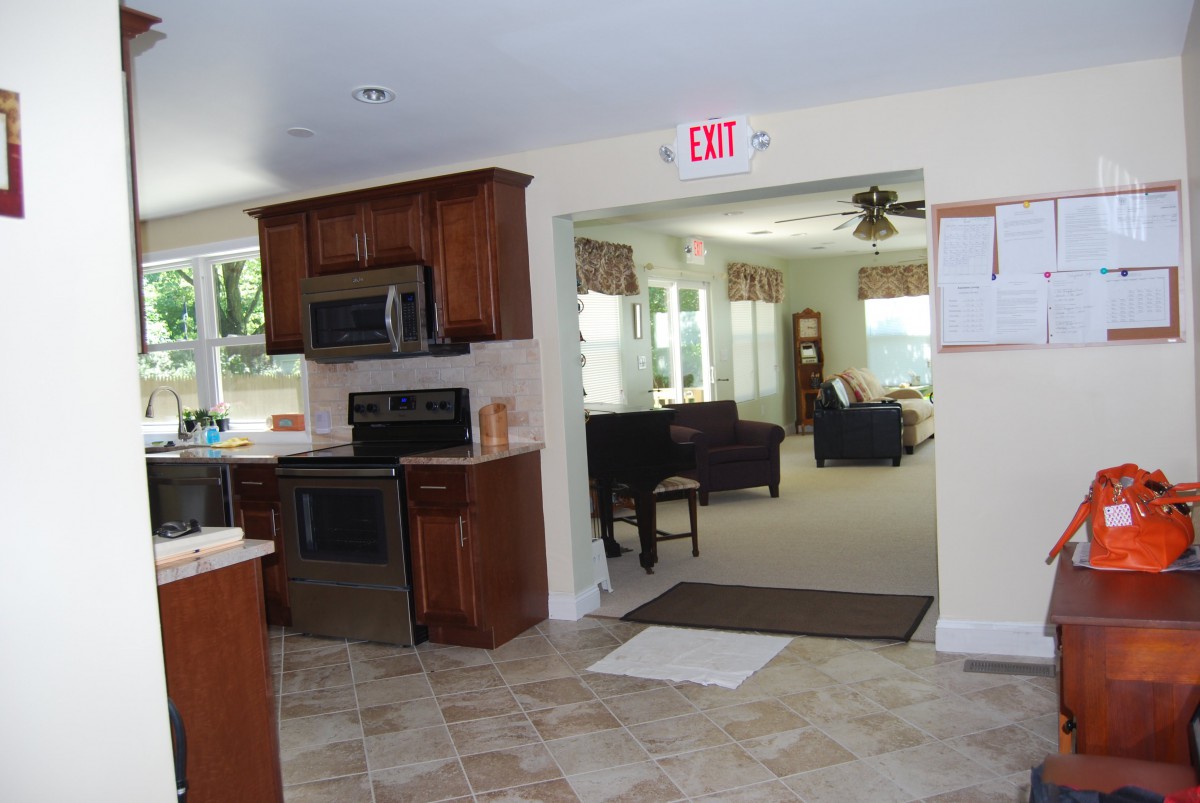
    A modern open floor plan featuring a kitchen and adjoining living area.
  • Garden

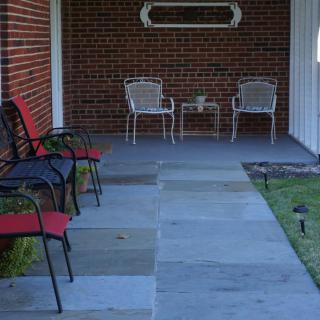
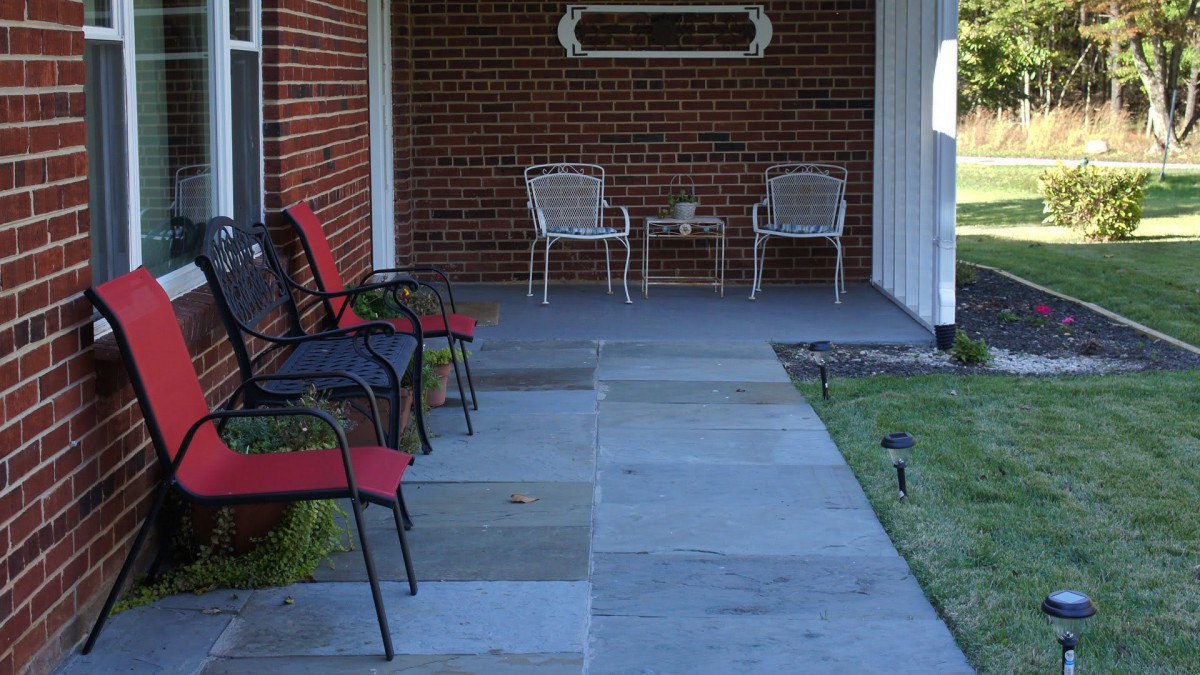
    A porch with multiple chairs and a small table set against a brick wall.
  • Piano

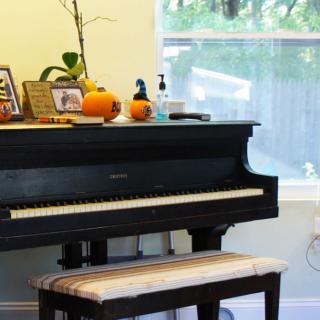
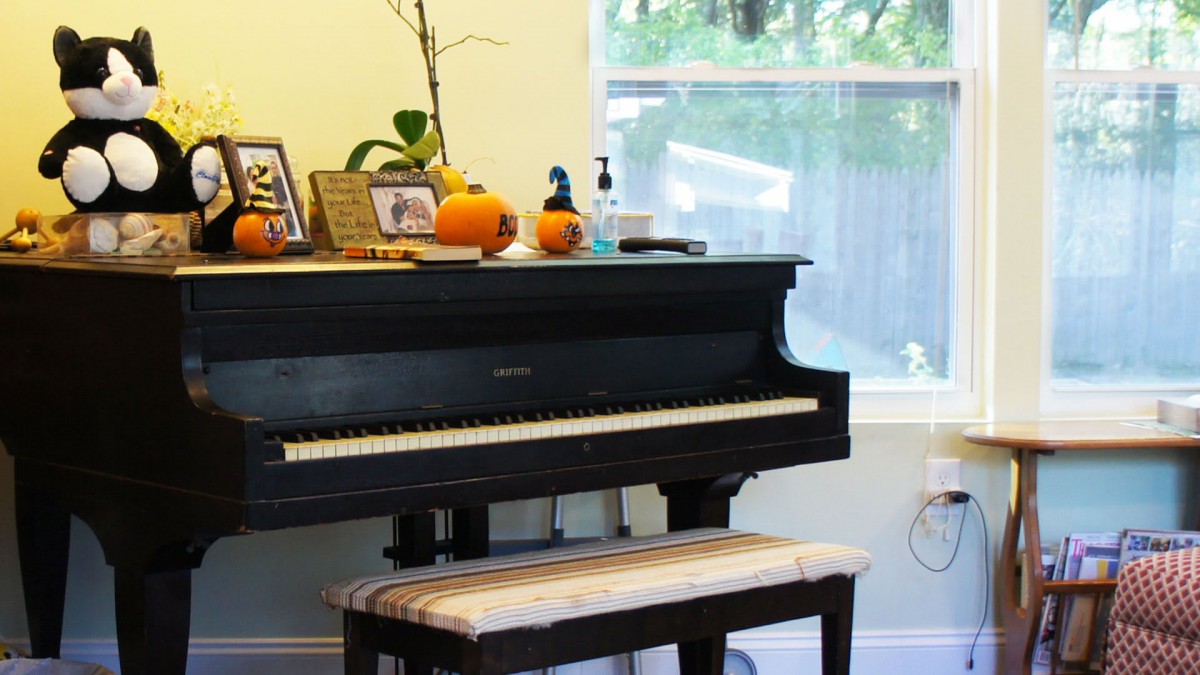
    A room with a piano decorated with pumpkins and photos.
  • Grass

    A sunny backyard with lush trees and a well-maintained lawn.
  • Brick

    A suburban brick house with a well-maintained lawn and surrounding trees.
  • Home Office

    A cozy living room with a home office setup, featuring a sofa, coffee table, and desk with a computer.

Montgomery Eldercare I in Colesville, MD

15016 Eastway Drive, Colesville, MD 20905

For more information about senior living options: (844) 490-3973

5 from 22 reviews
5 stars
22
4 stars
0
3 stars
0
2 stars
0
1 stars
0

Assisted Living Board and Care Home Memory Care

Montgomery Eldercare I Costs & Pricing

Montgomery Eldercare I offers competitive pricing for its residential care options compared to the broader market in Montgomery County and throughout Maryland. For those seeking semi-private accommodations, the monthly cost is $4,000, which is notably lower than the county average of $4,337 and significantly higher than the state average at $3,545. In terms of private rooms, residents can expect to pay $4,500 per month - again below the county's average of $5,009 while still being above Maryland's average of $4,112. For those in need of more spacious living arrangements such as a one-bedroom suite, Montgomery Eldercare I charges $5,900. This price exceeds both local and state averages of $4,842 and $3,904 respectively. Overall, their pricing strategy positions Montgomery Eldercare I as a valuable option for elder care within the community while still remaining conscious of affordability in relation to county and statewide costs.

Floor plansMontgomery Eldercare IMontgomery CountyMaryland
Semi-Private$4,000$4,337$3,545
Private$4,500$5,009$4,112
1 Bedroom$5,900$4,842$3,904

Overall Review of Montgomery Eldercare I

Pros

  • pro The care at Montgomery Eldercare exceeded every expectation.
  • pro The staff made the transition seamless for Nana and her family.
  • pro The staff welcomed Nana with open arms and treated her like family.
  • pro The team is unified and consistently on the same page to provide the best care possible.
  • pro The meals are consistently fresh and home-like.
  • pro The facility is exceptionally clean, well decorated, and welcoming.
  • pro Residents are engaged and well cared for in a home-like environment.
  • pro The caregivers are incredibly kind, compassionate, and attentive.
  • pro The home feels like a second home with one-on-one attention.
  • pro Open communication is maintained with families, and owners are involved daily.
  • pro The care provided is safe, respectful, and patient-centered.
  • pro The staff is professional, approachable, and highly recommended by families.
  • pro The facility is a great choice for loved ones recovering from illnesses or dealing with dementia.

Cons

  • pro The patient was on medication that kept her from eating, causing weight loss and leading to hospice.
  • pro Before discovering Montgomery Eldercare, the family had negative experiences with other facilities.

Review

Montgomery Eldercare I in Colesville, MD is best suited for families seeking a small, homey, hands-on assisted living where personal connection and meticulous daily care are nonnegotiable. It is especially strong for seniors navigating post-stroke recovery, dementia, or otherwise needing steady supervision, because the staff operates as a cohesive, unified team that keeps everyone on the same page. Families who prize transparent communication and regular updates will find a natural fit here, as the environment blends a remodeled, contemporary feel with a genuine sense of dignity and respect for residents.

Those evaluating alternatives should consider options that offer a larger campus with more on-site medical services, broader clinical programs, or a wider calendar of activities. If cost constraints, parking logistics, or the demand for cutting-edge tech amenities drive the decision, other communities may serve better. For residents requiring highly specialized memory-care protocols or rapid access to hospital-grade resources on site, a bigger operation with dedicated medical suites could be preferable. In short, speed of medical access and breadth of social programming are legitimate criteria that may lead families to explore other options.

The primary advantages are tangible and substantial. A warm, compassionate staff is paired with owners who are visibly involved on a daily basis, and caregivers communicate openly with families, delivering reassurance and clarity. The facility excels in cleanliness and upkeep, presenting a home-like atmosphere with meals that feel thoughtfully prepared. Residents are commonly described as alert and engaged, with daily activities and routines that can be tailored to individual needs. The care team's depth of experience - particularly in post-stroke and dementia scenarios - also includes effective coordination with in-home supports when appropriate, reinforcing a safe, respectful living environment.

In an intimate setting, a potential concern could be a perceived limit on the scale of on-site medical resources or the breadth of programming compared to larger communities. Yet those potential drawbacks are largely offset by highly personalized attention and rapid, proactive communication. The staff's ability to anticipate needs, maintain one-on-one attention, and create a tightly integrated care plan often translates into stronger safety, more consistent quality, and deeper resident trust than a larger operation might deliver. Modernized design and thoughtful touches further reduce a sense of clinical formality, helping residents feel truly at home.

Reliability and resident outcomes emerge as standout hallmarks. The community's cleanliness, consistent staffing, and clear care philosophy contribute to a dependable care experience that families can count on when schedules and in-person oversight are limited. Caregivers are repeatedly described as genuinely kind and patient, with the owners' ongoing involvement reinforcing confidence in daily operations. For mobility-impaired or memory-challenged residents, the combination of a well-planned physical layout, attentive meal planning, and proactive activity engagement supports dignity and a sense of independence whenever possible. Across strokes, dementia care, and transitions to hospice, the track record remains consistently solid.

Overall, Montgomery Eldercare I stands out as a top choice for families prioritizing an intimate, attentive, and well-coordinated care experience in a clean, home-like setting. It is especially compelling for those who want proactive communication, a cohesive caregiver team, and a facility that treats residents as individuals. Alternatives deserve consideration when the decision hinges on large-scale amenities, extensive on-site medical services, or lower cost; but for most long-term needs, this community offers a dependable, high-quality option that aligns with a family's caregiving values. Prospective families should schedule a tour, discuss specific care plans for stroke or dementia, and confirm how daily updates are shared and how health changes are managed.

Features

Housing

  • 5 resident community capacity 5 resident community capacity

Types of Care

  • Assisted Living Assisted LivingAssisted living facilities provide crucial support and care for seniors who may need help with daily tasks such as medication management, bathing, and meal preparation. These communities offer a safe and comfortable environment where seniors can maintain their independence while receiving the assistance they need to thrive in their golden years.
  • Board and Care Home Board and Care HomeBoard and care homes provide a smaller, more intimate setting for seniors who require assistance with daily tasks but do not need the level of care offered by a nursing home. They offer personalized care, meals, and social activities in a homelike environment, ensuring that seniors receive individualized attention and support in their golden years.
  • Memory Care Memory CareMemory care is crucial for seniors as it provides specialized support and services for individuals with dementia or Alzheimer's disease. These programs offer a safe and secure environment where residents receive personalized care, cognitive stimulation, and help with daily activities. Memory care helps seniors maintain their independence, quality of life, and dignity while also providing peace of mind for their families.

Amenities

  • Activities off-site Activities off-siteEngaging in off-site activities is crucial for seniors to maintain social connections, stay active, and stimulate their minds. It promotes overall well-being and helps combat feelings of isolation and loneliness.
  • Activities on-site Activities on-siteActivities on-site are important for seniors because they provide opportunities for socialization, mental stimulation, physical activity, and overall well-being. Engaging in activities can help seniors stay active, maintain their independence, and improve their quality of life.
  • Beautician on-site Beautician on-siteHaving a beautician on-site at a senior living community is important for seniors as it allows them to easily access grooming and personal care services, boosting their self-esteem and overall well-being. It also provides convenience and helps seniors maintain their sense of independence and personal style.
  • Cable or satellite TV Cable or satellite TVCable or satellite TV is important for seniors because it provides entertainment, news, and companionship, helping to combat loneliness and boredom. It also offers a wide range of programming options tailored to different interests and preferences.
  • Devotional services off-site Devotional services off-siteDevotional services off-site are important for seniors as they provide spiritual nourishment, social engagement, and a sense of community outside of the senior living facility. This can enhance overall well-being and help combat feelings of isolation and loneliness often experienced by older adults.
  • Dining room Dining roomDining rooms are important for seniors as they provide a space for socialization, connection, and nutritious meals. They offer opportunities for residents to bond over shared meals, foster a sense of community, and promote healthy eating habits. Dining rooms also ensure that seniors have access to well-balanced meals tailored to their dietary needs and preferences.
  • Fully furnished Fully furnishedFully furnished senior living communities are important for seniors because they provide convenience, comfort, and a hassle-free moving experience. Seniors can easily settle into their new living space without the stress of having to buy and move furniture. This allows them to focus on enjoying their new home and community.
  • Garden GardenGardens are important for seniors as they provide a peaceful and therapeutic environment for relaxation, physical activity, and socialization. Being in nature has been shown to reduce stress, improve mood, and promote overall well-being. Gardens also offer opportunities for seniors to engage in gardening activities, which can improve mobility, flexibility, and cognitive function. Additionally, gardens create a sense of community and connection with others who share a passion for plants and outdoor spaces.
  • Housekeeping services Housekeeping servicesHousekeeping services are important for seniors because they help maintain a clean and safe living environment, promote independence, and reduce the risk of accidents or illnesses. Additionally, having assistance with household chores can alleviate physical strain and allow seniors to focus on other aspects of their well-being.
  • Indoor common areas Indoor common areasIndoor common areas are crucial for seniors as they provide a space for socialization, recreation, and community engagement, promoting overall well-being and reducing feelings of isolation and loneliness.
  • Move-in coordination Move-in coordinationMove-in coordination is important for seniors because it helps ease the transition into their new living environment. It ensures that all logistics, such as packing, organizing movers, and setting up utilities are taken care of, allowing seniors to focus on settling in and adjusting to their new home. Having a smooth move-in process can alleviate stress and anxiety, making the transition smoother and more enjoyable for seniors.
  • Outdoor common areas Outdoor common areasOutdoor common areas are important for seniors as they provide a space for socialization, physical activity, and relaxation. Being outside in nature can improve mood and overall well-being, while also encouraging movement and engagement with others. These spaces can help combat feelings of isolation and promote a sense of community among residents.
  • Outdoor space Outdoor spaceOutdoor spaces are important for seniors as they provide opportunities for physical activity, social interaction, exposure to natural light and fresh air, and a sense of connection to nature. Having access to outdoor spaces can improve overall well-being and quality of life for older adults living in senior communities.
  • Private PrivatePrivacy is important for seniors as it allows them to maintain their independence, dignity, and sense of control over their own lives. It also gives them the space and freedom to relax, reflect, and engage in activities that bring them joy and fulfillment. Creating private spaces within senior living facilities is crucial for promoting overall well-being and quality of life.
  • Private bathrooms Private bathroomsPrivate bathrooms are important for seniors in senior living communities because they provide independence, dignity, and comfort. Having a private bathroom allows seniors to maintain their personal hygiene routines without the need for assistance, promoting a sense of autonomy and privacy. Additionally, private bathrooms help prevent the spread of infections and provide a safe and clean environment for seniors to navigate safely.
  • Respite or short term stays offered Respite or short term stays offeredRespite or short term stays provide seniors with a temporary solution when their regular caregiver is unavailable, offering them the opportunity to receive additional care and support during times of need, while also giving caregivers a chance to rest and recharge.
  • Telephone TelephoneTelephones are important for seniors as they provide a lifeline for communication with loved ones, emergency services, and healthcare providers. They offer a sense of security and independence, enabling seniors to stay connected and access assistance when needed.
  • Wheelchair accessible showers Wheelchair accessible showersWheelchair accessible showers are crucial for seniors as they provide a safe and independent bathing option for those with mobility challenges. These showers help prevent falls and allow seniors to maintain their dignity and autonomy while ensuring they can bathe comfortably.
  • Wi-Fi/high-speed internet available Wi-Fi/high-speed internet availableWi-Fi/high-speed internet is important for seniors to stay connected with loved ones, access online resources, and participate in virtual activities to combat feelings of loneliness and isolation. It also allows them to easily manage healthcare needs, access entertainment, and engage in lifelong learning opportunities.

Transportation

  • Ronald Reagan Washington National (17 miles away) Ronald Reagan Washington National (17 miles away)
  • Baltimore-Washington International (18 miles away) Baltimore-Washington International (18 miles away)

Care Services

  • 24-hour supervision 24-hour supervision24-hour supervision is important for seniors to ensure their safety, well-being, and access to immediate assistance in case of emergencies or health issues. This constant support provides peace of mind for both seniors and their loved ones, allowing them to age in place with dignity and security.
  • Activities of daily living assistance Activities of daily living assistanceActivities of daily living assistance are important for seniors because they provide essential support with tasks such as eating, bathing, dressing, and mobility. This assistance helps seniors maintain their independence, dignity, and overall quality of life as they age.
  • Ambulatory care Ambulatory care"Ambulatory care services provide essential medical support and treatment to seniors without requiring hospitalization, allowing them to maintain their independence and quality of life while managing chronic conditions or receiving routine medical care."
  • Assistance with bathing Assistance with bathingAssistance with bathing is crucial for seniors as it helps maintain personal hygiene, prevents infections, and ensures their overall well-being and comfort. It also provides a sense of dignity and independence for seniors who may struggle with this task on their own.
  • Assistance with dressing Assistance with dressingAssistance with dressing is important for seniors because it helps maintain their independence, promotes personal hygiene, prevents accidents and injuries, and improves overall quality of life. This service ensures that seniors can continue to dress comfortably and confidently, despite any physical limitations they may have.
  • Assistance with transfers Assistance with transfersAssistance with transfers is crucial for seniors as it helps prevent falls and injuries, maintains their independence, and ensures they can safely navigate their living environment. It also provides peace of mind for both seniors and their loved ones.
  • Coordination with health care providers Coordination with health care providersCoordination with health care providers is crucial for seniors to ensure proper medical care, medication management, and overall well-being. This collaboration helps prevent overlapping treatments, track progress more effectively, and provide comprehensive support tailored to individual needs.
  • Diabetes diet Diabetes dietA diabetes diet is crucial for seniors as it helps manage blood sugar levels, reduce risks of complications, and improve overall health and well-being. By following a balanced and nutritious diet tailored to their specific needs, seniors can better control their diabetes and enhance their quality of life.
  • Diabetic care Diabetic careDiabetic care is crucial for seniors as they are more susceptible to developing diabetes due to aging and other health conditions. Proper management of diabetes can help prevent complications such as heart disease, vision loss, and nerve damage, improving the overall quality of life for seniors in senior living communities.
  • High acuity care High acuity careHigh acuity care is important for seniors because it provides specialized medical attention and support for individuals with complex medical needs. This level of care ensures that seniors receive the appropriate treatment and assistance to maintain their health and quality of life as they age.
  • Incontinence care Incontinence careIncontinence care is essential for seniors to maintain their dignity, hygiene, and overall quality of life. By addressing incontinence issues promptly and effectively, seniors can enjoy a sense of independence and comfort in their daily activities.
  • Meal preparation and service Meal preparation and serviceMeal preparation and service are crucial for seniors as they may have limited mobility or energy to cook nutritious meals. Having access to healthy and convenient food options can ensure they are getting the proper nutrition needed to maintain their overall health and well-being.
  • Medication management Medication managementMedication management is crucial for seniors to ensure they are taking the right medications at the correct dosages and times. This helps prevent adverse drug interactions, reduces the risk of medication errors, and promotes overall health and well-being. Proactive management also allows for adjustments as needed based on changing health conditions or new prescriptions.
  • Special dietary restrictions Special dietary restrictionsSpecial dietary restrictions are important for seniors because age-related changes in metabolism and health conditions can make it difficult for their bodies to process certain foods. By following a diet tailored to their specific needs, seniors can maintain their overall health and well-being, manage chronic conditions, and reduce the risk of complications such as malnutrition or food interactions with medications.
  • Transportation arrangement (medical) Transportation arrangement (medical)Transportation arrangements for medical purposes are essential for seniors as they may have difficulty driving themselves to appointments or accessing public transportation. Having reliable and safe transportation options ensures that seniors can receive timely medical care and maintain their health and well-being.
  • Transportation to doctors appointments Transportation to doctors appointmentsTransportation to doctors' appointments is crucial for seniors as it ensures they have access to necessary medical care and support for their health needs. Without reliable transportation, seniors may struggle to attend important appointments, leading to potential delays in treatment and health complications. Providing transportation services helps seniors maintain their overall well-being and quality of life.
Dining

  • Diabetes diet Diabetes dietA diabetes diet is crucial for seniors as it helps manage blood sugar levels, reduce risks of complications, and improve overall health and well-being. By following a balanced and nutritious diet tailored to their specific needs, seniors can better control their diabetes and enhance their quality of life.
  • Meals provided Meals provided"Meals provided" are crucial for seniors in assisted living communities as it ensures they have access to nutritious, balanced meals without the stress of meal planning and preparation. This can help promote overall health and well-being for seniors who may have limited mobility or cognitive abilities.
  • Special dietary restrictions Special dietary restrictionsSpecial dietary restrictions are important for seniors because age-related changes in metabolism and health conditions can make it difficult for their bodies to process certain foods. By following a diet tailored to their specific needs, seniors can maintain their overall health and well-being, manage chronic conditions, and reduce the risk of complications such as malnutrition or food interactions with medications.
  • Special dining programs Special dining programsSpecial dining programs are important for seniors because they provide nutritious meals tailored to their dietary needs and preferences. These programs also offer socialization opportunities, promote overall health and well-being, and can help prevent malnutrition.
  • Vegetarian VegetarianA vegetarian diet is important for seniors because it can help lower the risk of chronic diseases, maintain a healthy weight, and provide essential nutrients needed for aging bodies. Additionally, plant-based diets are often easier on digestive systems and can contribute to overall well-being in older adults.

Activities

  • Activities off-site Activities off-siteEngaging in off-site activities is crucial for seniors to maintain social connections, stay active, and stimulate their minds. It promotes overall well-being and helps combat feelings of isolation and loneliness.
  • Activities on-site Activities on-siteActivities on-site are important for seniors because they provide opportunities for socialization, mental stimulation, physical activity, and overall well-being. Engaging in activities can help seniors stay active, maintain their independence, and improve their quality of life.
  • Community-sponsored activities Community-sponsored activitiesCommunity-sponsored activities are important for seniors as they provide opportunities for social interaction, mental stimulation, and physical activity. These activities can help improve overall well-being, combat loneliness and isolation, and promote a sense of belonging and purpose among older adults.
  • Devotional activities offsite Devotional activities offsiteDevotional activities offsite are important for seniors because they provide social engagement, spiritual growth, and a sense of community outside of their living environment. This can improve overall well-being, mental health, and combat feelings of isolation or loneliness.
  • Scheduled daily activities Scheduled daily activitiesScheduled daily activities are important for seniors because they provide structure, socialization, mental stimulation, and physical activity. Engaging in regular activities can improve overall well-being and quality of life for seniors living in a community setting.

Description

Montgomery Eldercare I is an assisted living community located in Colesville, MD. We provide a range of care services including board and care home as well as memory care for seniors who may require specialized assistance.

Our community offers a variety of amenities to ensure the comfort and convenience of our residents. These amenities include on-site activities, a beautician, cable or satellite TV, devotional services off-site, a dining room, fully furnished accommodations, a garden, housekeeping services, indoor and outdoor common areas, private and wheelchair accessible showers, move-in coordination, outdoor space, private bathrooms, respite or short term stays offered, telephone access and Wi-Fi/high-speed internet.

We also offer comprehensive care services to assist with daily living activities such as bathing and dressing. Our dedicated staff coordinates with healthcare providers to ensure personalized care plans for each resident. We also provide diabetes and diabetic care, high acuity care for those with more complex needs, incontinence care, medication management, meal preparation and service as well as special dietary restrictions.

At Montgomery Eldercare I, we prioritize the well-being of our residents by providing transportation arrangement to medical appointments and offering transportation to doctors' appointments when needed.

Our dining program includes nutritious meals that cater to special dietary restrictions such as vegetarian options. In addition to this, we organize various activities both on-site and within the community to keep our residents engaged and entertained. These activities include community-sponsored events and devotional activities off-site along with scheduled daily activities.

Located conveniently near parks, pharmacies, physicians' offices, restaurants and places of worship; Montgomery Eldercare I ensures that our residents have easy access to essential services outside the community.

Overall,Montgomery Eldercare I provides a warm and caring environment where seniors can receive personalized assistance while enjoying a comfortable lifestyle with numerous amenities and access to nearby services.

Nearby Places of Interest

The Colesville area of Maryland offers a range of amenities and services that cater to seniors looking for convenience and accessibility. With multiple pharmacies, physicians' offices, and hospitals within close proximity, residents have easy access to medical care and prescriptions. Additionally, there are several parks nearby for outdoor recreation and relaxation. Places of worship provide opportunities for spiritual fulfillment, while public transportation options such as metro stations make it easy to get around without needing to drive. Numerous dining options offer a variety of choices for meals, and cafes provide spaces for socializing or enjoying a cup of coffee. Overall, the Colesville area provides a well-rounded environment that supports senior living with its array of essential services and recreational opportunities.

Pharmacies

  • Walgreens (2 miles)
  • CVS Pharmacy (2.8 miles)
  • CVS Pharmacy (3.3 miles)
  • CVS Pharmacy (3.5 miles)
  • Herbiculture (3.8 miles)
  • Kaiser Permanente - Pharmacy (3.9 miles)
  • CVS Pharmacy (4 miles)

Parks

  • Georgian Forest Park & Tennis Courts (3.7 miles)
  • Winding Creek Local Park (5.9 miles)
  • Triadelphia Reservoir (6.1 miles)
  • High Ridge Park (7.3 miles)
  • Rock Creek Regional Park (7.4 miles)
  • Duvall Playground (7.9 miles)
  • Martin Road Park (8.9 miles)

Places of Worship

  • Saint Andrew Kim Catholic Church (3.9 miles)
  • Christ Congregational Church (6.3 miles)
  • College Park United Methodist Church (7.6 miles)
  • Church of the Redeemer (9.6 miles)

Transportation

  • Glenmont Metro Station (4 miles)
  • Forest Glen Metro Station (6.5 miles)
  • Twinbrook Metro Station (7.1 miles)
  • Hertz Rent A Car (7.5 miles)
  • Grosvenor-Strathmore Metro Station (7.6 miles)
  • Greenbelt Station (7.9 miles)
  • Greenbelt Metro Station (7.9 miles)

Restaurants

  • McDonald's (4.1 miles)
  • McDonald's (5 miles)
  • Jollibee (5.4 miles)
  • Looney's Pub (5.8 miles)
  • McDonald's (6.6 miles)
  • Chick-Fil-A (6.8 miles)
  • Facci Ristorante (7 miles)

Physicians

  • Potomac Valley Orthopedic (4.2 miles)
  • Montgomery Internal Medicine (4.7 miles)
  • Eternal Dermatology (5.9 miles)
  • Melvin S. Stern, MD (5.9 miles)
  • Sheikh, Sarah Capital Womens Care (6.3 miles)
  • Maple Lawn Surgery Center (6.3 miles)
  • Allergy Partners of Metro DC (7.2 miles)

Hospitals

  • Holy Cross Hospital (6.4 miles)
  • Howard County General Hospital, Johns Hopkins Medicine (9.8 miles)
  • Howard County General Hospital (9.8 miles)

Cafes

  • Starbucks (8.5 miles)
  • Lost Sock Roasters (9 miles)
  • Starbucks (9.7 miles)
  • Tatte Bakery & Cafe (9.8 miles)

Theaters

  • AMC Montgomery 16 (9.7 miles)

Frequently Asked Questions

How much does it cost to live at Montgomery Eldercare I in Colesville, MD?
Where is Montgomery Eldercare I?
Does Montgomery Eldercare I provide care for residents with dementia or Alzheimer's disease?
What photos are available for Montgomery Eldercare I in Colesville, Maryland?

Nearby Communities

  • Globale Visions Home Care

    Globale Visions Home Care

    Silver Spring, MD

     
    $3,507 to $4,559 / month

    pro Affordable pricing relative to Montgomery County and Maryland averages with good access to parks, pharmacies, physicians, and dining nearby.



  • Montgomery ElderCare IV

    Montgomery ElderCare IV

    Silver Spring, MD

    5 from 5 reviews
    $7,900 to $8,500 / month

    pro Compassionate, attentive staff with personalized care, engaging activities, and a clean, peaceful environment with private rooms.

  • Royal Healthcare Services

    Royal Healthcare Services

    Silver Spring, MD


    pro Small, intimate setting with comprehensive care and amenities.

  • The Mulrain-Boston House,  Inc.

    The Mulrain-Boston House, Inc.

    Silver Spring, MD

    4.9 from 28 reviews
     

    pro High acuity care with nearby amenities.

  • Good Hope Home Care

    Good Hope Home Care

    Silver Spring, MD


    pro Small, homelike assisted living with 24/7 supervision and comprehensive daily living support.

  • Acumen Care

    Acumen Care

    Silver Spring, MD


    pro Personalized board-and-care with comprehensive ADL support, medication management, meals, housekeeping, and transportation.

  • The Landing at Silver Spring

    The Landing at Silver Spring

    Silver Spring, MD

    4.4 from 31 reviews
    $4,900 to $6,300 / month

    pro Strong care staff, good family communication, and quality dining.

  • Wilshire Estates Gracious Retirement Living

    Wilshire Estates Gracious Retirement Living

    Silver Spring, MD

    4.5 from 72 reviews
    $3,387 / month

    pro Helpful, attentive staff; clean facilities; extensive amenities and activities.

  • Necitas

    Necitas

    Silver Spring, MD

    5 from 10 reviews
    $5,000 to $5,500 / month

    pro Small eight-bed, family-like community with highly skilled, compassionate staff and nurse-led leadership.

Related Resources

  • best foods for dementia patients to eatNourishing the Mind: Essential Dietary Approaches for Dementia

    Dementia is characterized by cognitive decline, with nutrition playing a vital role in brain health; while no specific diet can prevent or reverse it, a nutrient-dense diet rich in antioxidants and healthy fats may support cognitive function. The MIND diet, which emphasizes beneficial foods and limits processed items, along with proper hydration and individualized meal strategies, can enhance the well-being of dementia patients.

  • dementia behaviorsUnderstanding Dementia Behaviors: Practical Insights and Strategies for Caregivers

    Dementia affects memory and cognitive function in older adults, presenting challenges for caregivers due to behavioral changes such as confusion and mood swings. Compassionate, person-centered care that considers individual history and preferences, along with effective communication and environmental modifications, is essential for supporting both patients and their caregivers.

  • dementia and angerWhen Dementia Sparks Anger and Aggression: Understanding the Connection and Ways to Cope
    Dementia leads to cognitive impairment and can cause emotional and behavioral changes, including aggression that arises from frustration, confusion, or fear. Effective coping strategies for caregivers include understanding dementia's nature, recognizing triggers, using empathetic communication, and employing non-pharmacological interventions like music and art therapy.