
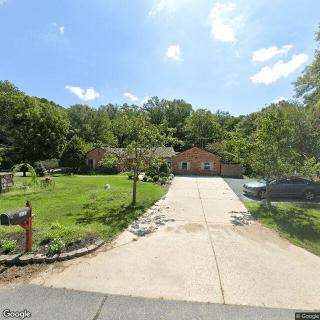
17212 Donora Rd, Silver Spring, MD 20905
To contact a resident: (301) 655-1978
For more information about senior living options: (866) 208-4318
Montgomery ElderCare IV Costs & Pricing
Montgomery ElderCare IV offers private rooms at a monthly cost of $7,900, which significantly exceeds the average costs in Montgomery County ($5,009) and throughout Maryland ($4,112). For those seeking a one-bedroom accommodation, the fee rises to $8,500, again reflecting a substantial premium compared to local averages of $4,842 in Montgomery County and $3,904 statewide. This pricing indicates that while Montgomery ElderCare IV provides specialized care and potentially enhanced services tailored to the needs of its residents, prospective clients should carefully consider their budget in relation to the offerings available within both the county and state.
| Floor plans | Montgomery ElderCare IV | Montgomery County | Maryland |
|---|---|---|---|
| Private | $7,900 | $5,009 | $4,112 |
| 1 Bedroom | $8,500 | $4,842 | $3,904 |
Memory care communities with a similar price nearby
-
from -$1285 / mo

The Residence at Colvin Run
$6,615 to $10,225 / month18.6 miles away -
from -$850 / mo
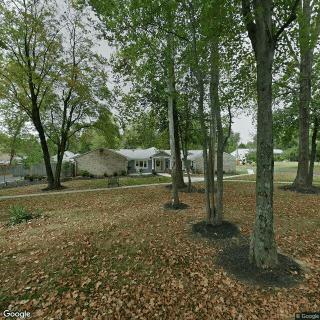
Maple Ridge Group Home
$7,050 / month5.7 miles away -
from -$250 / mo
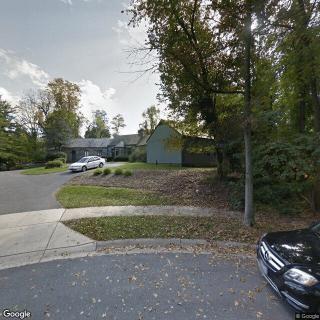
Cedar Glen
$7,650 / month10.2 miles away -
from -$400 / mo

Charter Senior Living of Columbia
$7,500 to $8,295 / month12.7 miles away -
from -$300 / mo
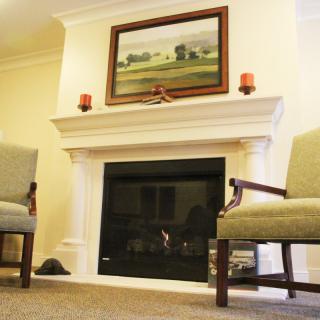
Great Falls Assisted Living
$7,600 / month20.2 miles away
Overall Review of Montgomery ElderCare IV
Pros
 They are very happy with Montgomery Eldercare.
- They are taking great care of their mother there.
- The staff engage residents in mental games and outdoor walks.
- The meals are prepared fresh and served hot.
- The staff-to-patient ratio of 3 to 5 is remarkable.
- The home is spotless and meals are homemade.
- Residents have private rooms, with comfortable common areas.
- Medical services, including labs and therapy, are provided in the home.
- The setting is peaceful, bright, and airy.
- The location is convenient and in a nice residential area.
Cons
 Assisted living was not a pleasant experience, and the next step beyond that was less so.
Review
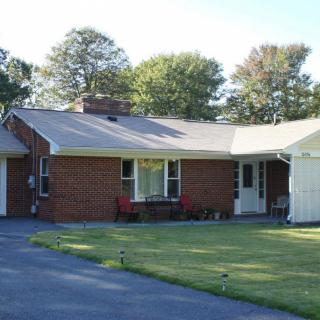
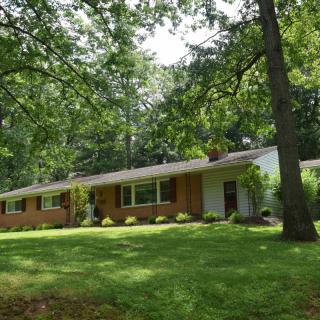
Montgomery ElderCare IV in Silver Spring is best suited for families seeking a compact, home-like setting where memory-care needs are met with high-touch, individualized attention. The community operates with a noticeably small footprint, translating into a hands-on approach: private or small shared rooms, consistent staffing, and a living room environment that feels more like a residence than a facility. For couples or siblings dealing with Alzheimer's or related dementia, the arrangement shines when staying together is possible, the option to keep personal keepsakes, like a piano, in shared space reinforces continuity. Daily walks, engaging mental activities, and meals prepared fresh and served hot round out a care experience that honors dignity and routine.
Alternatives to consider exist for families whose loved ones require broader medical resources, a more bustling social calendar, or a formal dementia unit with defined security features. Larger campuses can offer specialty memory-care wings, more extensive therapy programs, and a busier activity schedule, but they may strip away the intimate, home-like atmosphere that anchors MEC IV. For those needing frequent skilled-nursing oversight, aggressive rehabilitation, or a campus-wide social network, a different community may be a better fit. In short, MEC IV excels when care feels personal and cohesive; it may feel underwhelming for those seeking a more institutional setting.
Key advantages center on the high level of personalized care and the domestic feel. A staff-to-resident dynamic described as remarkable enables rapid response to needs, meticulous medication management, and meals that are prepared fresh and served hot. Private rooms with in-room amenities, a common area designed for comfort, and accessible features like easy-access railings contribute to daily safety and dignity. The option to provide in-home medical services and therapy, plus the ability to bring in familiar comforts, such as a piano or personal furniture, supports emotional well-being. Outdoor time and gentle activity prompts help maintain mobility and engagement, weaving health, comfort, and emotional health into everyday living.
Despite these strengths, the scale can pose limits. The small home setting houses only a handful of residents, which means fewer peer interactions and a more limited menu of on-site activities compared with larger communities. For families seeking a bustling campus with extensive event calendars and a broad social ecosystem, MEC IV may not deliver that energy. While medical services are available in-house, there is less indication of on-site specialists or a fixed, full-time clinical team typical of bigger facilities. For some, the intimate pace and quieter rhythm are ideals; for others, they translate into trade-offs on social opportunities and a wider range of services.
Yet the advantages largely offset these trade-offs. The tight-knit environment fosters unwavering attentiveness, with staff who know preferences and habits and who actively involve residents in walking, exercise, and activities. The ability to keep couples together or living with a spouse, plus the personal touch in choosing meals and managing medications, creates a stability that is hard to replicate in larger settings. Cleanliness, bright, airy spaces, and a peaceful residential neighborhood contribute to a sense of security and well-being. The combination of private rooms, home-like meals, on-site labs and therapy, and a convenient location makes MEC IV a compelling choice for families prioritizing dignity, continuity of care, and a calm daily routine.
Bottom line: Montgomery ElderCare IV is a strong match for memory-care needs expressed in a small, humane, and highly attentive environment. For families who value intimate attention, the ability to keep loved ones together, and a setting that emphasizes comfort and routines, it delivers results that feel tailored and respectful. Those requiring large-scale programming, extensive clinical resources, or a more dynamic social calendar should assess other options and visit alternatives that offer broader campus life. A thoughtful next step is a personal tour to observe staff interactions, verify the availability of private rooms and medications management, and confirm the fit with the residentā€™s daily rhythm and family expectations.
 Board and Care Home
 Memory Care
 Ronald Reagan Washington National (17 miles away)



 How to Communicate with a Loved One Living with Dementia: 10 Supportive Strategies
 Comprehensive Guide to VA Nursing Homes: A Crucial Long-Term Care Resource for Veterans
 Estimating the Expenses of At-Home Dementia Care: A Detailed Exploration