Friends House in Sandy Spring, MD

Save
Friends House Friends House Friends House Friends House

Friends House in Sandy Spring, MD

17340 Quaker Lane, Sandy Spring, MD 20860

For more information about senior living options: (844) 490-3973

3.8 from 48 reviews
5 stars
28
4 stars
5
3 stars
3
2 stars
3
1 stars
9

Assisted Living Continuing Care Retirement Community (CCRC) Memory Care Respite Care Skilled Nursing Facility

Overall Review of Friends House

Pros

  • pro The staff are exceptionally friendly, courteous, accommodating, and professionally competent.
  • pro Maintenance and care teams respond quickly and resolve issues skillfully.
  • pro The Friends House community feels welcoming, inclusive, and peaceful.
  • pro The Wellness Expo showcased a diverse, impressive range of resources for residents.
  • pro Catia and Marie are praised for thoughtful, comprehensive support, including transport and meals.
  • pro The nursing and rehabilitation teams provide outstanding, compassionate care; therapists are dedicated and skilled.
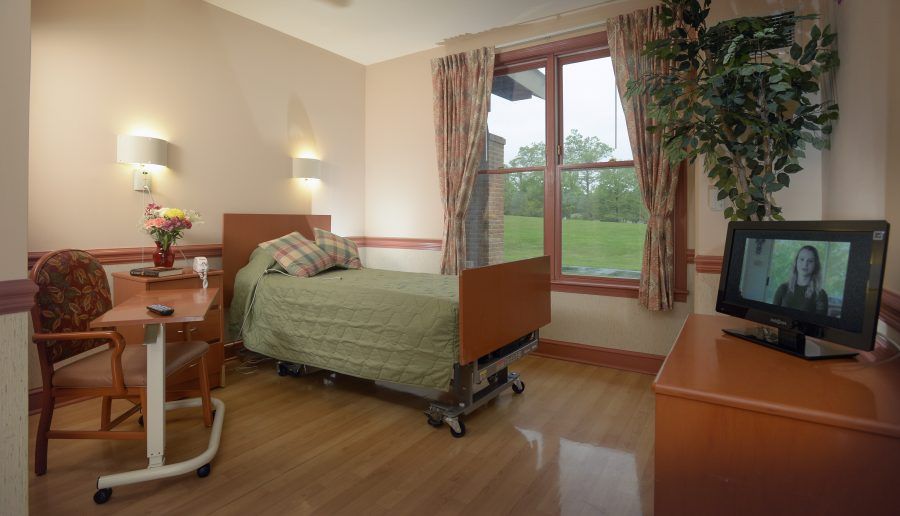
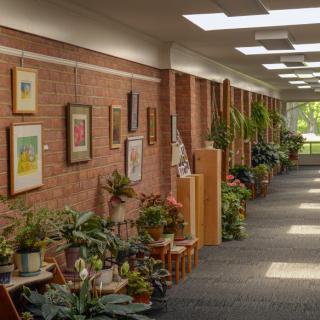
  • pro The facility is well-staffed, clean, and sunny, with a calming, positive atmosphere.
  • pro Admissions and administrative staff are helpful and responsive, ensuring smooth processes.

Cons

  • pro The facility is described as disorganized and unprofessional, with staff failing to answer questions or return calls.
  • pro Medication administration is criticized as incorrect, and some patients were not given necessary treatments.
  • pro Residents faced neglect and unsanitary conditions, including delays in basic care and unclean rooms.
  • pro There are serious allegations of abuse, with an employee reportedly beating a resident with a diaper.
  • pro The environment is reported to have pests, including mice, bugs, and snakes.
  • pro Administration allegedly punished residents for outdoor activity and labeled them flight risks, leading to forced moves.
  • pro Staffing issues and high turnover caused inconsistent care and poor communication.

Review

Friends House in Sandy Spring is best suited for seniors who need robust rehabilitation support alongside ongoing nursing care, set in a serene, nature-rich campus. The community shines for those recovering from orthopedic procedures or falls, with therapists who consistently drive mobility, balance, and independence, and for residents who prefer a socially engaged environment where activities are plentiful and thoughtfully organized. Independent living residents who eventually need more care also benefit from a seamless transition within the same campus. The vibe favors hands-on, attentive staff and a tight-knit resident network. Families should come prepared to participate in care planning and to monitor communication, because oversight matters here.

Those who require flawless administration and guaranteed responsiveness may want to consider alternatives. A number of reviews note slow or inconsistent communication, billing friction, and occasional missteps in care coordination. Families with previous experiences of poor management or who require precise scheduling, transportation reliability, or transparent, contract-based pricing may feel better elsewhere. For memory care or end-of-life care, some families experienced specialized care that ranged widely in consistency. Prospective residents who value a smaller, more contemporary campus or a facility with fewer reported administrative gaps should compare several options and verify references, not rely on impression alone.

On the upside, Friends House delivers a compelling rehabilitation story. The PT and OT teams are repeatedly praised as outstanding, with therapists who push progress, adapt plans, and help patients regain walking and daily living skills. Nursing staff and aides are described as caring, patient, and professional, creating a calmer, supportive mood that permeates the building. The campus also earns points for its environment: bright, well-maintained spaces, pleasant dining, and a calendar of activities and affinity groups that keep residents meaningfully engaged. Longtime residents report consistent quality of care even as the campus undergoes renovations, suggesting the core caregiving engine remains steady while walls and rooms evolve.

Yet the downsides deserve frank attention. Several reviews flag uneven communication, with questions left unanswered or delays in returning calls. Some accounts describe staffing variability that affects responsiveness, and a few families report experiences that feel or sound uncaring or chaotic, especially around transitions between care levels or during hospital readmissions. There are also entrenched concerns about admission agreements, billing, and some perceived gaps in safety or oversight; while not universal, these impressions persist enough to warrant a careful, point-by-point check. Prospective residents should demand current, written care plans, and a clear escalation path for concerns.

To navigate these realities, the decision playbook is concrete. Start by mapping rehab goals: what milestones need to be achieved, what discharge plan exists, and who drives it. Request to meet the rehabilitation team and the director of nursing, and tour during a typical day to observe wait times, response rates, and how aides interact with residents. Ask for recent state inspections and read the latest survey results. Get a transparent price quote that includes meals, activities, transportation, and any ancillary services, and insist on a written contract with cancellation and rate protections. Finally, contact current families or residents to hear about day-to-day experience and to verify that the promised atmosphere matches reality.

Bottom line: Friends House is a strong, capable option for families prioritizing rehab quality, compassionate nursing, and a vibrant, resourceful community. Its strengths in therapy, caring staff, and an appealing campus are meaningful offsets to the more frequent administrative hiccups and the occasional service gap, provided vigilance and proactive management accompany the arrangement. For those who prize seamless administration above all, or who require uniform, mistake-free coordination, exploring alternatives is wise. When the goal is recovery and reintegration, or sustained support within a warm community, Friends House remains a credible, practical choice - worth a disciplined due-diligence process to lock in the right care plan and expectations.

Features

Housing

  • 82 resident community capacity 82 resident community capacity

Types of Care

  • Assisted Living Assisted LivingAssisted living facilities provide crucial support and care for seniors who may need help with daily tasks such as medication management, bathing, and meal preparation. These communities offer a safe and comfortable environment where seniors can maintain their independence while receiving the assistance they need to thrive in their golden years.
  • Continuing Care Retirement Community (CCRC) Continuing Care Retirement Community (CCRC)Continuing Care Retirement Communities (CCRCs) are important for seniors because they provide a range of housing options and care services all in one location. This allows seniors to age in place and receive the level of care they need as their health changes, without having to move to a new facility. CCRCs provide a sense of security and peace of mind for seniors and their families, knowing that they will be taken care of no matter what the future holds.
  • Memory Care Memory CareMemory care is crucial for seniors as it provides specialized support and services for individuals with dementia or Alzheimer's disease. These programs offer a safe and secure environment where residents receive personalized care, cognitive stimulation, and help with daily activities. Memory care helps seniors maintain their independence, quality of life, and dignity while also providing peace of mind for their families.
  • Respite Care Respite CareRespite care provides temporary relief for caregivers, allowing them to recharge and attend to their own needs. It also gives seniors the opportunity to socialize, receive professional care, and experience a change of scenery, promoting overall well-being and reducing feelings of isolation.
  • Skilled Nursing Facility Skilled Nursing FacilitySkilled Nursing Facilities are crucial for seniors as they provide round-the-clock medical care, rehabilitation services, and assistance with daily activities. These facilities ensure that seniors receive the specialized care they need to maintain their health and well-being as they age.

Amenities

  • Air-conditioning Air-conditioningAir conditioning is important for seniors as they are more vulnerable to heat-related illnesses and may have underlying health conditions that make it difficult for them to regulate their body temperature. It helps to keep them comfortable, safe, and healthy in hot weather.
  • Beauty salon Beauty salonBeauty salons are important for seniors because they provide a space for them to feel pampered, socialize, and maintain their personal grooming and hygiene. Regular visits to a beauty salon can help boost seniors' self-esteem and overall well-being.
  • Cable or satellite TV Cable or satellite TVCable or satellite TV is important for seniors because it provides entertainment, news, and companionship, helping to combat loneliness and boredom. It also offers a wide range of programming options tailored to different interests and preferences.
  • Computer center Computer centerA computer center is essential for seniors as it provides access to technology, communication tools, and resources that can enhance their daily lives. It allows them to stay connected with loved ones, engage in online activities, and learn new skills, ultimately promoting socialization and mental stimulation.
  • Fitness room Fitness roomHaving a fitness room in a senior living community is essential for seniors to stay active, maintain their physical health, and improve their overall well-being. Regular exercise can help prevent falls, reduce the risk of chronic diseases, and promote mental sharpness. It also provides social opportunities for residents to connect with others and enjoy a sense of community.
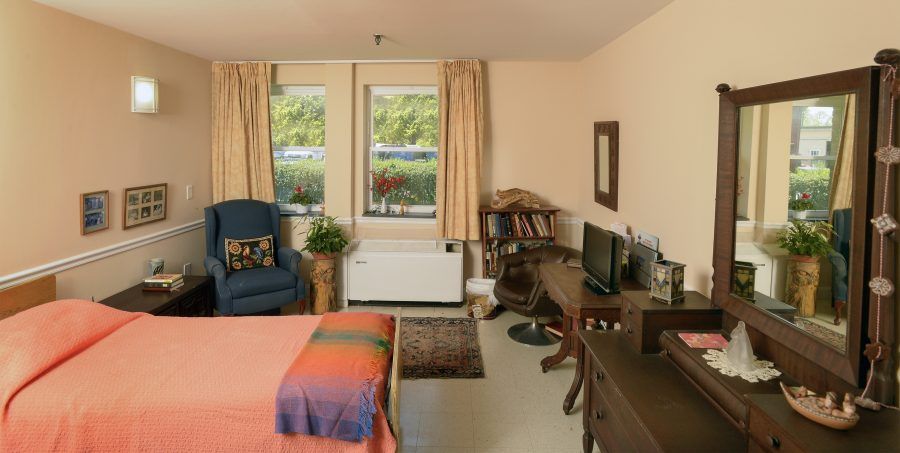
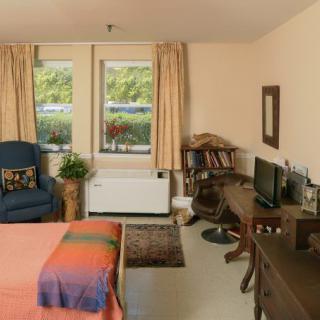
  • Fully furnished Fully furnishedFully furnished senior living communities are important for seniors because they provide convenience, comfort, and a hassle-free moving experience. Seniors can easily settle into their new living space without the stress of having to buy and move furniture. This allows them to focus on enjoying their new home and community.
  • Gaming room Gaming roomGaming rooms are important for seniors as they provide a fun and engaging environment for socializing, cognitive stimulation, and physical activity. Games can improve memory, problem-solving skills, and overall mental well-being while fostering friendships and reducing feelings of isolation.
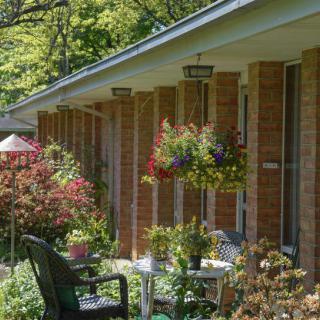
  • Garden GardenGardens are important for seniors as they provide a peaceful and therapeutic environment for relaxation, physical activity, and socialization. Being in nature has been shown to reduce stress, improve mood, and promote overall well-being. Gardens also offer opportunities for seniors to engage in gardening activities, which can improve mobility, flexibility, and cognitive function. Additionally, gardens create a sense of community and connection with others who share a passion for plants and outdoor spaces.
  • Housekeeping services Housekeeping servicesHousekeeping services are important for seniors because they help maintain a clean and safe living environment, promote independence, and reduce the risk of accidents or illnesses. Additionally, having assistance with household chores can alleviate physical strain and allow seniors to focus on other aspects of their well-being.
  • Kitchenette KitchenetteKitchenettes are important for seniors living in senior living communities because they provide the convenience and independence of being able to prepare simple meals and snacks in the comfort of their own living space. This can help promote a sense of autonomy and well-being for seniors, allowing them to maintain some level of control over their dietary choices and daily routines.
  • Move-in coordination Move-in coordinationMove-in coordination is important for seniors because it helps ease the transition into their new living environment. It ensures that all logistics, such as packing, organizing movers, and setting up utilities are taken care of, allowing seniors to focus on settling in and adjusting to their new home. Having a smooth move-in process can alleviate stress and anxiety, making the transition smoother and more enjoyable for seniors.
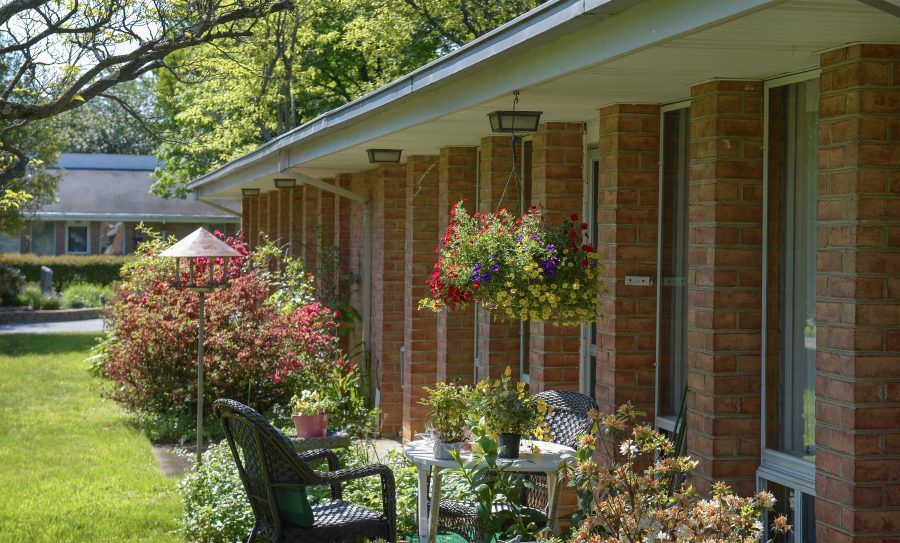
  • Outdoor space Outdoor spaceOutdoor spaces are important for seniors as they provide opportunities for physical activity, social interaction, exposure to natural light and fresh air, and a sense of connection to nature. Having access to outdoor spaces can improve overall well-being and quality of life for older adults living in senior communities.
  • Private bathrooms Private bathroomsPrivate bathrooms are important for seniors in senior living communities because they provide independence, dignity, and comfort. Having a private bathroom allows seniors to maintain their personal hygiene routines without the need for assistance, promoting a sense of autonomy and privacy. Additionally, private bathrooms help prevent the spread of infections and provide a safe and clean environment for seniors to navigate safely.
  • Restaurant-style dining Restaurant-style diningRestaurant-style dining is important for seniors because it allows them to enjoy delicious, nutritious meals in a social and upscale setting. This enhances their dining experience, promotes healthy eating habits, and fosters socialization with fellow residents, ultimately contributing to their overall well-being and quality of life.
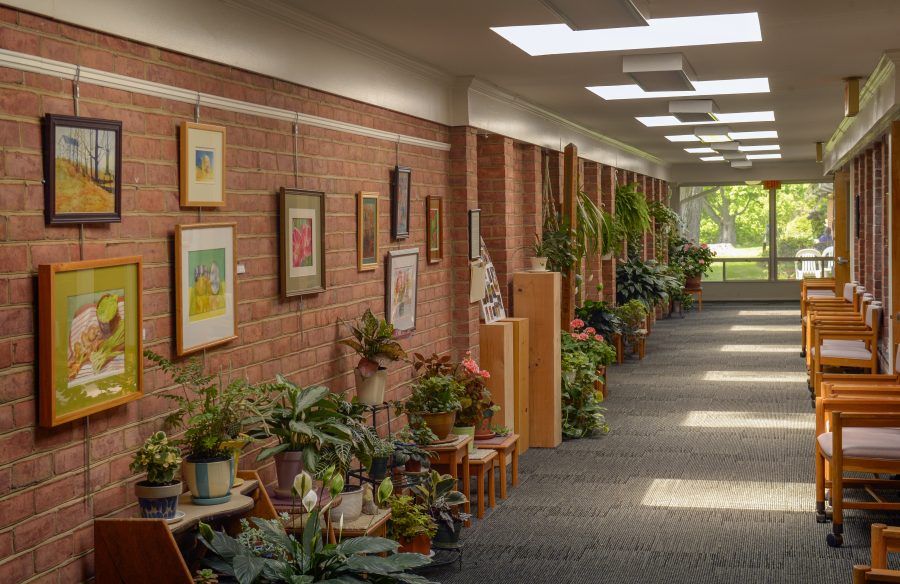
  • Small library Small librarySmall libraries are important for seniors as they provide access to a variety of reading materials, including books, newspapers, and magazines. This can help stimulate their minds, keep them engaged, and provide a sense of community through book clubs and other social activities. Additionally, reading has been shown to improve cognitive function and overall mental well-being in older adults.
  • Telephone TelephoneTelephones are important for seniors as they provide a lifeline for communication with loved ones, emergency services, and healthcare providers. They offer a sense of security and independence, enabling seniors to stay connected and access assistance when needed.
  • Wellness center Wellness centerWellness centers are important for seniors because they offer a variety of programs and services that promote physical, mental, and emotional well-being. These centers provide opportunities for exercise, socialization, education, and relaxation, helping seniors maintain their overall health and quality of life.
  • Wi-Fi/high-speed internet available Wi-Fi/high-speed internet availableWi-Fi/high-speed internet is important for seniors to stay connected with loved ones, access online resources, and participate in virtual activities to combat feelings of loneliness and isolation. It also allows them to easily manage healthcare needs, access entertainment, and engage in lifelong learning opportunities.

Transportation

  • Baltimore-Washington International (19 miles away) Baltimore-Washington International (19 miles away)
  • Ronald Reagan Washington National (20 miles away) Ronald Reagan Washington National (20 miles away)
  • Community operated transportation Community operated transportationCommunity operated transportation is crucial for seniors as it provides them with the means to access essential services, social activities, and medical appointments. It allows seniors to maintain their independence and quality of life by ensuring they can participate in activities outside of their homes. Additionally, community-operated transportation services offer a safe and reliable way for seniors to travel without having to rely on family or friends for assistance.
  • Transportation arrangement Transportation arrangementTransportation arrangements are crucial for seniors as they may face challenges with driving, mobility, or access to public transportation. Having reliable transportation services ensures that seniors can easily attend appointments, social activities, and maintain their independence and quality of life.
  • Transportation arrangement (non-medical) Transportation arrangement (non-medical)Transportation arrangements are essential for seniors as they provide access to essential services, activities, and social interactions outside the home. This service helps maintain independence, mobility, and overall well-being for seniors who may have limited transportation options.

Care Services

  • 24-hour call system 24-hour call system24-hour call systems are important for seniors because they provide peace of mind and immediate assistance in case of emergencies. This technology ensures that help is always available, promoting safety and security for elderly individuals living alone or in assisted living facilities.
  • 24-hour supervision 24-hour supervision24-hour supervision is important for seniors to ensure their safety, well-being, and access to immediate assistance in case of emergencies or health issues. This constant support provides peace of mind for both seniors and their loved ones, allowing them to age in place with dignity and security.
  • Activities of daily living assistance Activities of daily living assistanceActivities of daily living assistance are important for seniors because they provide essential support with tasks such as eating, bathing, dressing, and mobility. This assistance helps seniors maintain their independence, dignity, and overall quality of life as they age.
  • Assistance with bathing Assistance with bathingAssistance with bathing is crucial for seniors as it helps maintain personal hygiene, prevents infections, and ensures their overall well-being and comfort. It also provides a sense of dignity and independence for seniors who may struggle with this task on their own.
  • Assistance with dressing Assistance with dressingAssistance with dressing is important for seniors because it helps maintain their independence, promotes personal hygiene, prevents accidents and injuries, and improves overall quality of life. This service ensures that seniors can continue to dress comfortably and confidently, despite any physical limitations they may have.
  • Assistance with transfers Assistance with transfersAssistance with transfers is crucial for seniors as it helps prevent falls and injuries, maintains their independence, and ensures they can safely navigate their living environment. It also provides peace of mind for both seniors and their loved ones.
  • Diabetes diet Diabetes dietA diabetes diet is crucial for seniors as it helps manage blood sugar levels, reduce risks of complications, and improve overall health and well-being. By following a balanced and nutritious diet tailored to their specific needs, seniors can better control their diabetes and enhance their quality of life.
  • Meal preparation and service Meal preparation and serviceMeal preparation and service are crucial for seniors as they may have limited mobility or energy to cook nutritious meals. Having access to healthy and convenient food options can ensure they are getting the proper nutrition needed to maintain their overall health and well-being.
  • Medication management Medication managementMedication management is crucial for seniors to ensure they are taking the right medications at the correct dosages and times. This helps prevent adverse drug interactions, reduces the risk of medication errors, and promotes overall health and well-being. Proactive management also allows for adjustments as needed based on changing health conditions or new prescriptions.
  • Special dietary restrictions Special dietary restrictionsSpecial dietary restrictions are important for seniors because age-related changes in metabolism and health conditions can make it difficult for their bodies to process certain foods. By following a diet tailored to their specific needs, seniors can maintain their overall health and well-being, manage chronic conditions, and reduce the risk of complications such as malnutrition or food interactions with medications.

Dining

  • Diabetes diet Diabetes dietA diabetes diet is crucial for seniors as it helps manage blood sugar levels, reduce risks of complications, and improve overall health and well-being. By following a balanced and nutritious diet tailored to their specific needs, seniors can better control their diabetes and enhance their quality of life.
  • Special dietary restrictions Special dietary restrictionsSpecial dietary restrictions are important for seniors because age-related changes in metabolism and health conditions can make it difficult for their bodies to process certain foods. By following a diet tailored to their specific needs, seniors can maintain their overall health and well-being, manage chronic conditions, and reduce the risk of complications such as malnutrition or food interactions with medications.

Activities

  • Community-sponsored activities Community-sponsored activitiesCommunity-sponsored activities are important for seniors as they provide opportunities for social interaction, mental stimulation, and physical activity. These activities can help improve overall well-being, combat loneliness and isolation, and promote a sense of belonging and purpose among older adults.
  • Concierge services Concierge servicesConcierge services are essential for seniors as they provide assistance with daily tasks and errands, enhance their quality of life by offering convenience and personalized care, and promote a sense of safety and security.
  • Fitness programs Fitness programsFitness programs are crucial for seniors as they help improve strength, flexibility, balance, and overall well-being. Staying active can reduce the risk of chronic diseases, improve mental health, and enhance quality of life in older adults.
  • Planned day trips Planned day tripsPlanned day trips are important for seniors because they offer opportunities for socialization, mental stimulation, and physical activity. They provide a change of scenery and help seniors stay engaged and connected to their community, promoting overall well-being and quality of life.
  • Resident-run activities Resident-run activitiesResident-run activities are important for seniors as they encourage social interaction, creativity, and a sense of autonomy. These activities empower seniors to stay engaged and active in their community while fostering meaningful connections with their peers.
  • Scheduled daily activities Scheduled daily activitiesScheduled daily activities are important for seniors because they provide structure, socialization, mental stimulation, and physical activity. Engaging in regular activities can improve overall well-being and quality of life for seniors living in a community setting.

Description

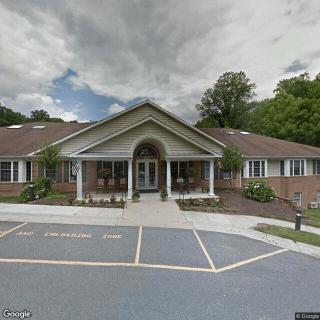
The Friends House in Sandy Spring, MD is an assisted living community that offers a range of care options including Continuing Care Retirement Community (CCRC), Memory Care, Respite Care, and Skilled Nursing Facility. This community provides a variety of amenities to enhance the residents' comfort and convenience. Residents can enjoy services like a beauty salon, access to cable or satellite TV, community operated transportation, a computer center, fitness room, fully furnished accommodations, gaming room, garden area, housekeeping services, kitchenette in each unit, move-in coordination assistance, outdoor space for recreation and relaxation, private bathrooms in each unit, restaurant-style dining experience with delicious meals prepared and served onsite, small library for reading enthusiasts, telephone access in each unit as well as transportation arrangement for non-medical purposes. The Friends House also offers a wellness center with programs and services focused on overall health and well-being. High-speed Wi-Fi internet is available throughout the community.

In terms of care services provided at Friends House assisted living community include 24-hour supervision to ensure safety and security of residents. Assistance with activities of daily living such as bathing and dressing is available when needed. The staff is also trained to provide assistance with transfers for those who require mobility support. Special dietary restrictions are catered to including diabetes diet requirements. Staff assist with meal preparation and service ensuring that residents receive balanced and nutritious meals. Medication management is offered to help individuals manage their medication regimen effectively. Moreover, transportation arrangements are made for non-medical needs of the residents.

The dining experience at Friends House takes into account special dietary restrictions to accommodate individual preferences and medical conditions. The facility also organizes various activities to keep residents engaged and entertained. These activities include concierge services to fulfill any specific requests or needs of residents, fitness programs aimed at promoting physical health and mobility among seniors along with planned day trips where residents can explore nearby attractions or attend events outside the community premises. Resident-run activities offer opportunities for social interaction and personal growth. In addition, scheduled daily activities ensure a lively and engaging community atmosphere.

The location of the Friends House in Sandy Spring, MD is convenient with two parks and four pharmacies nearby. There are also three physicians located closely to provide easy access to medical care. Furthermore, there is one place of worship within close proximity for those who wish to maintain their religious practices.

Overall, the Friends House in Sandy Spring, MD offers a comfortable and supportive environment for seniors seeking assisted living services. With a comprehensive range of care options, numerous amenities, attentive staff, and a variety of engaging activities available, residents can enjoy a fulfilling and enriching lifestyle at Friends House.

Nearby Places of Interest

Located in Sandy Spring, Maryland, this area offers a variety of amenities and services that cater to seniors. With multiple places of worship nearby, including Saint Andrew Kim Catholic Church and Church of the Redeemer, residents can find spiritual fulfillment. Access to several pharmacies, such as CVS and Walgreens, ensures easy access to medication and health supplies. Top-notch physicians like Montgomery Internal Medicine and Eternal Dermatology are within a short distance for medical care. Outdoor enthusiasts will enjoy the nearby parks like Triadelphia Reservoir and Rock Creek Regional Park for leisurely walks or picnics. Transportation options include metro stations like Glenmont Metro Station and Rockville Metro Station for convenient travel. Additionally, there is a selection of restaurants ranging from fast food chains like McDonald's to local favorites like Looney's Pub. Overall, this part of Sandy Spring provides a well-rounded living environment suitable for seniors seeking convenience and comfort.

Places of Worship

  • Saint Andrew Kim Catholic Church (1.1 miles)
  • Church of the Redeemer (6.9 miles)
  • Rockville Evangelical Mission (8.3 miles)
  • Christ Congregational Church (8.9 miles)

Pharmacies

  • CVS Pharmacy (1.1 miles)
  • CVS Pharmacy (2 miles)
  • CVS Pharmacy (3.5 miles)
  • Walgreens (4.8 miles)
  • CVS Pharmacy (5 miles)
  • CVS Pharmacy (5.4 miles)
  • CVS Pharmacy (5.6 miles)

Physicians

  • Montgomery Internal Medicine (1.8 miles)
  • Potomac Valley Orthopedic (3.5 miles)
  • Melvin S. Stern, MD (4.1 miles)
  • Eternal Dermatology (6.6 miles)
  • Sheikh, Sarah Capital Womens Care (6.8 miles)
  • Maple Lawn Surgery Center (6.8 miles)
  • Occupational Health Consultants (9 miles)

Parks

  • Triadelphia Reservoir (3.7 miles)
  • Georgian Forest Park & Tennis Courts (4.8 miles)
  • Rock Creek Regional Park (5.8 miles)
  • Winding Creek Local Park (6.7 miles)
  • Bohrer Park (8.9 miles)
  • Martin Road Park (9 miles)
  • High Ridge Park (9.1 miles)

Transportation

  • Glenmont Metro Station (5.5 miles)
  • Twinbrook Metro Station (7.3 miles)
  • Hertz Rent A Car (7.4 miles)
  • Rockville Metro Station (7.4 miles)
  • Shady Grove Metro Station (7.4 miles)
  • Grosvenor-Strathmore Metro Station (8.7 miles)
  • Forest Glen Metro Station (8.7 miles)

Restaurants

  • McDonald's (6.5 miles)
  • Chick-Fil-A (6.5 miles)
  • Looney's Pub (6.6 miles)
  • Peter's Grill (6.7 miles)
  • McDonald's (6.9 miles)
  • Taco Bell (7.1 miles)
  • Jollibee (7.2 miles)

Cafes

  • Starbucks (7.2 miles)
  • Starbucks (7.4 miles)
  • Silver Diner (9.2 miles)
  • Starbucks (9.2 miles)
  • Starbucks (9.9 miles)

Hospitals

  • Holy Cross Hospital (8.7 miles)
  • Howard County General Hospital, Johns Hopkins Medicine (9.2 miles)
  • Howard County General Hospital (9.2 miles)
  • Adventist HealthCare Shady Grove Medical Center (9.5 miles)

Theaters

  • AMC DINE-IN Rio Cinemas 18 (9.2 miles)

Frequently Asked Questions

Where is Friends House?
Does Friends House provide care for residents with dementia or Alzheimer's disease?
What photos are available for Friends House in Sandy Spring, Maryland?

Nearby Communities

  • Friends House Inc

    Friends House Inc

    Sandy Spring, MD


    pro Assisted living with diabetic care, engaging activities, and devotional programs; near parks and healthcare services.


  • Brooke Grove Foundation

    Brooke Grove Foundation

    Sandy Spring, MD

    4.6 from 32 reviews
     

    pro Caring, competent staff with strong nursing care in a pleasant, well-equipped setting.

  • Brooke Grove Rehab. & Nursing Center

    Brooke Grove Rehab. & Nursing Center

    Sandy Spring, MD


    pro Extensive amenities and around-the-clock care, plus transportation to appointments.

  • Meadows #1641

    Meadows #1641

    Sandy Spring, MD

    3.7 from 3 reviews
     

    pro Calm, tranquil setting with dedicated staff and some spacious upper-level rooms.

  • Meadows Assisted Living

    Meadows Assisted Living

    Sandy Spring, MD


    pro Specialized diabetic care with on-site activities and meals.

  • Meadows 1639

    Meadows 1639

    Sandy Spring, MD


    pro Fully furnished accommodations with 24-hour supervision, ADL support, and on-site activities.

  • Homecrest

    Homecrest

    Silver Spring, MD

    4.6 from 9 reviews
    $3,000 to $4,000 / month

    pro Clean, welcoming environment with long-tenured, compassionate staff.

  • Bel Pre Healthcare Center

    Bel Pre Healthcare Center

    Silver Spring, MD

    1.6 from 11 reviews
     

    pro Engaging activities and dedicated therapy staff.

  • Layhill Nursing And Rehabilitation Center

    Layhill Nursing And Rehabilitation Center

    Silver Spring, MD


    pro Extensive amenities and around-the-clock care with engaging activities.

Related Resources

  • does my mom have dementia quizFive Subtle Dementia Indicators to Observe: An In-Depth Guide to Understanding “Does My Mom Have Dementia?”

    The article presents five subtle indicators of dementia, such as memory lapses and mood swings, to help families assess cognitive decline in loved ones. It emphasizes early detection, open communication, and seeking professional help while providing practical support steps.

  • dementia paranoiaDementia, Paranoia, and Caregiver Guidance: Understanding the Connection

    Dementia encompasses progressive neurological disorders that impair cognitive functions and can lead to paranoia due to cognitive decline and emotional changes. The article discusses the triggers of paranoia in dementia, caregiver strategies for managing it, and the importance of distinguishing between dementia-related paranoia and other psychiatric conditions.

  • memory care activitiesEngaging Memory Care Activities That Enhance Quality of Life
    Memory care activities are essential for improving the quality of life of seniors with cognitive impairments, as they stimulate cognitive function, promote well-being, and encourage social interaction through tailored strategies. These activities combine structured exercises with spontaneous tasks, sensory engagement, physical workouts, creative pursuits, and intergenerational interactions to enhance emotional connection and a sense of purpose.