
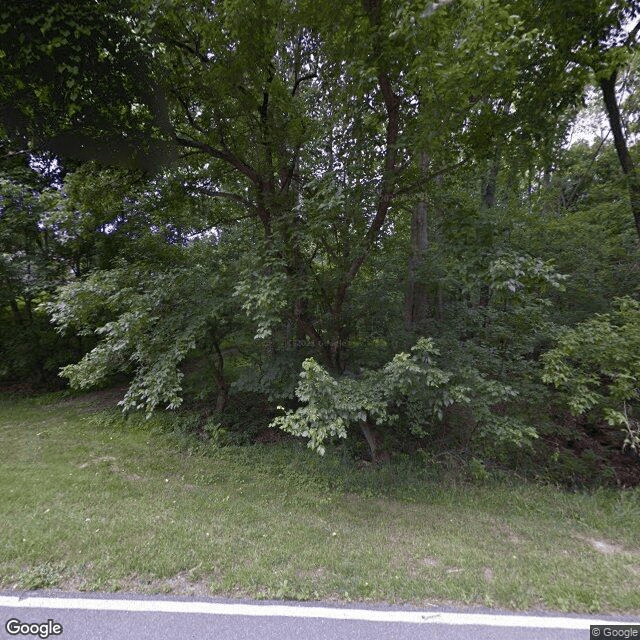
1641 Hickory Knoll Road, Sandy Spring, MD 20860
To contact a resident: (301) 260-2311
For more information about senior living options: (866) 208-4318
Overall Review of Meadows #1641
Pros
 Brooke Grove is superior.
- Great care and attention were given to both parents.
- The staff provided outstanding care, including caregivers, nurses, cooks, life enrichment staff, social workers, housekeepers, and managers.
- The staff went the extra mile to answer questions and comfort families.
- Nurses continually checked on residents during the last month of life, going above and beyond the call of duty.
- The facility kept family members informed about residents’ status and involved them in six-month reviews.
Cons
 The facility was truly understaffed, especially during evenings, nights, and weekends.
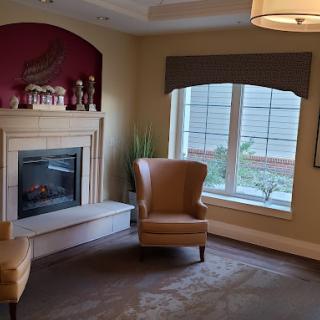
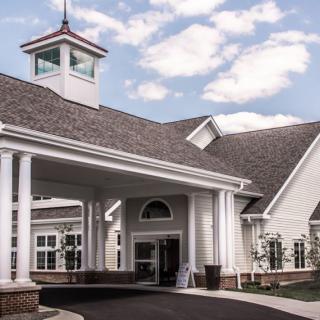
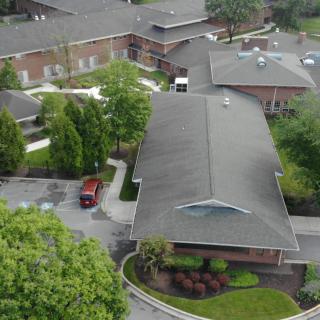
- Meadows #1641 was very dark and very dated, with no natural light.
- The rooms were like a dorm, with no separation.
- There were really thin carpets everywhere.
- It smelled musty, too.
- There was only one staff member for 16 residents.
- The residents did not seem active, and the overall environment was depressing.
Review
Meadows #1641 in Sandy Spring is best suited for families seeking a quiet, intimate assisted living setting where dedicated staff attention can compensate for a newer, more modern environment. The home-like vibe and tranquil grounds appeal to residents who do not mandate luxury amenities or expansive common spaces, but who value consistent oversight and stability. This community works best for seniors who can tolerate smaller, dorm-like rooms and an older building footprint in exchange for a staffed, connected team that knows residents and participates in regular care planning.
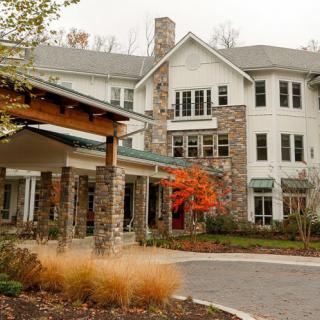
Those who may want to consider alternatives include families prioritizing brighter, more expansive living spaces and stronger, more visible daily programming. Meadows #1641 is described as dark and dated with limited natural light, and the layout is not conducive to universal privacy. A newer cluster within The Meadows, with four houses that offer wider floor plans and more natural light, is a clearly better pick for residents who need more physical room, greater daylight, and a more uplifting daily life. For families seeking consistently robust staffing and highly integrated medical oversight, facilities with established reputations for higher staffing ratios, such as Brooke Grove, provide a standard that Meadows #1641 struggles to meet on a daily basis.
The core strength of Meadows #1641 lies in the commitment of its staff. Reviews repeatedly acknowledge hardworking caregivers who show up for residents and strive to provide attentive, personal care. That dedication, however, is counterbalanced by a real staffing constraint: one staff member for 16 residents, with noticeably thinner coverage in evenings, nights, and weekends. The practical effect is care that can be intimate and responsive at times, yet inconsistent in urgency and availability when needs spike or during off-peak hours. In a setting where rapid response and constant visibility matter, this staffing reality becomes the decisive risk factor for many families.
Environment and programming at Meadows #1641 also drive the decision. The three-house configuration, positioned for the physically ambulatory, sits in a space described as dark, dated, and sometimes musty, with minimal separation between rooms and a dorm-like floor plan. In contrast, the newer four-house cluster is highlighted as brighter, more spacious, and better suited to residents who require more physical space and a more uplifting ambiance. The disparity between these two neighboring offerings means that choosing Meadows #1641 specifically may hinge on willingness to accept an older aesthetic and more limited day-to-day activities in exchange for predictable staff presence and consistent family updates.
For families weighing the decision, a practical next-step lens is essential. Prospective residents should tour during multiple shifts to observe staff-to-resident interactions, ask about actual staff ratios on evenings and weekends, and request a trial of activities to gauge engagement. Inspect room size, storage, privacy, and lighting, and pay close attention to odors, carpet condition, and overall maintenance. Request a detailed care plan, and inquire how often assessments are updated and who communicates changes to families. Inquire about access to external medical professionals, medication management, and how hospital-like routines are integrated into daily life.
In the end, Meadows #1641 functions as a reasonable option for a specific subset: those who prize a stable, attentive caregiving presence over architectural polish and expansive programming. For families where comfort with an older physical plant and less robust activity calendars is acceptable, the care commitment can be a meaningful anchor. Yet for most families seeking brighter living spaces, more vigorous daily activities, and steadier staffing across all hours, safer bets exist, preferably in the newer, brighter cluster within The Meadows or at comparable senior living communities with proven staffing models and broader engagement programs. The clear takeaway is practical: match needs to environment, and favor the option that aligns staffing reliability, living space quality, and activity opportunities with the resident’s day-to-day expectations.
 Assisted Living
 Activities on-site
 Devotional services off-site
 Indoor common areas
 Baltimore-Washington International (20 miles away)
 Ambulatory care
 Diabetic care
 Meals provided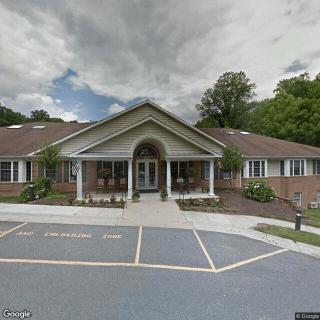

 Beyond the Bingo Hall: 50+ Enriching Activities for Seniors in Assisted Living
 Understanding the Distinctions: Assisted Living and Memory Care Explained
 Guiding Elderly Parents Who Refuse Assisted Living: 6 Practical Steps