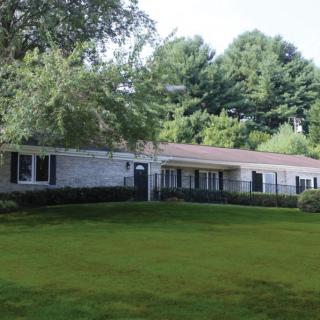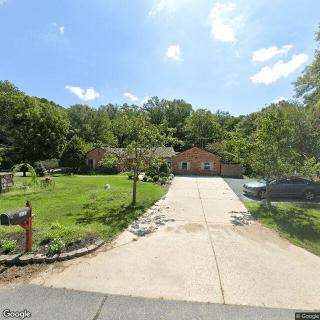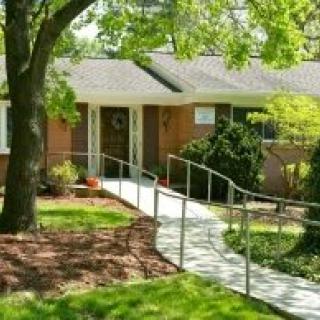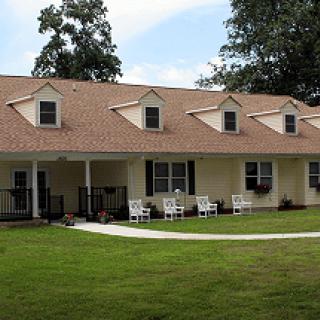

Alfred House V in Rockville, MD

Save

  • Interior

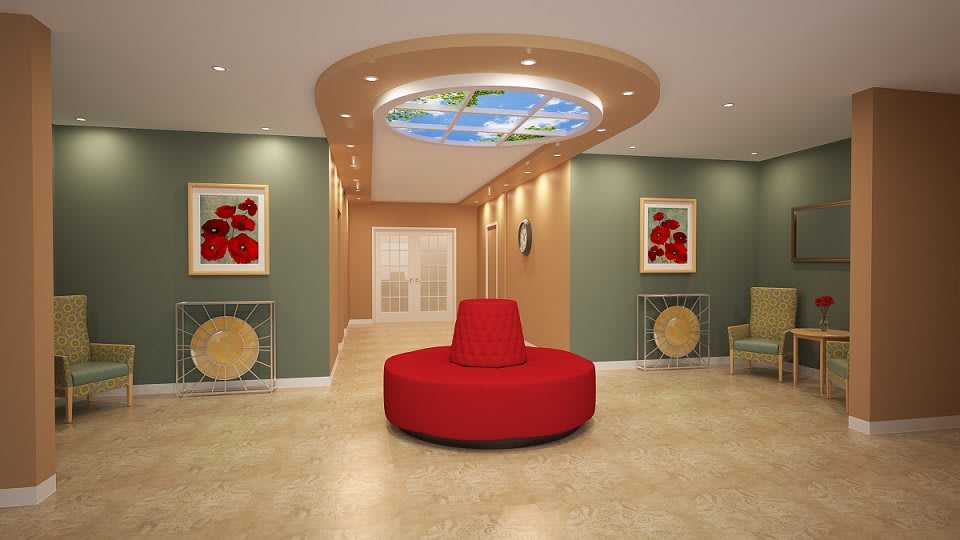
    A modern lobby featuring a circular red couch and a decorative ceiling.
  • Decor

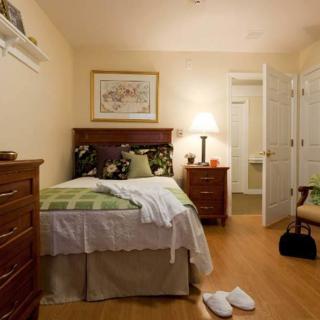
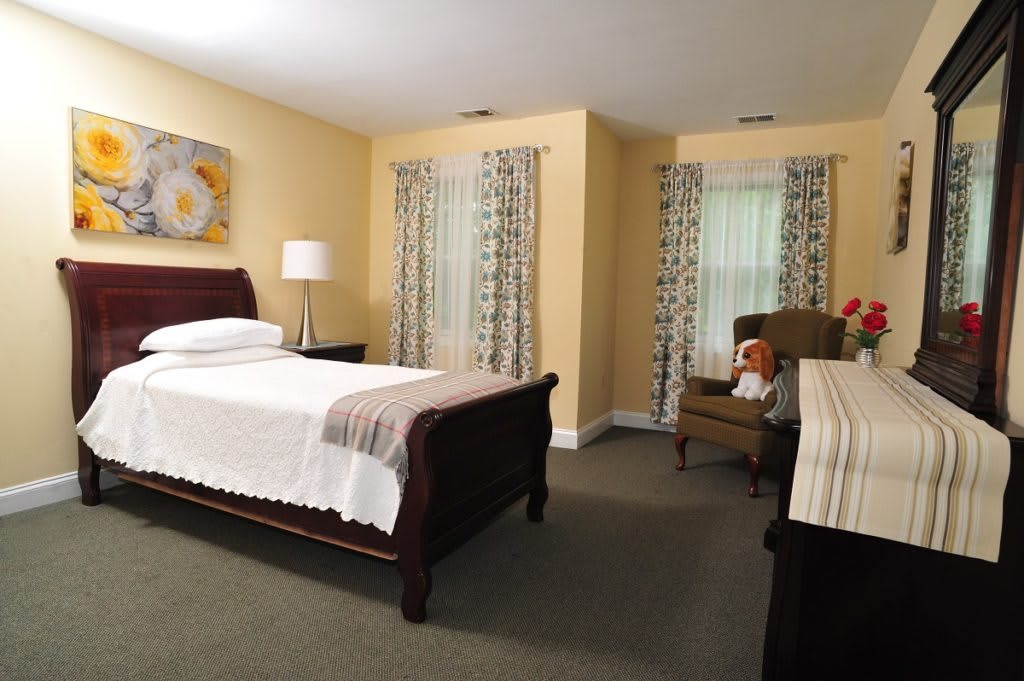
    A cozy bedroom with a large bed, armchair, and decorative curtains.
  • Living Room

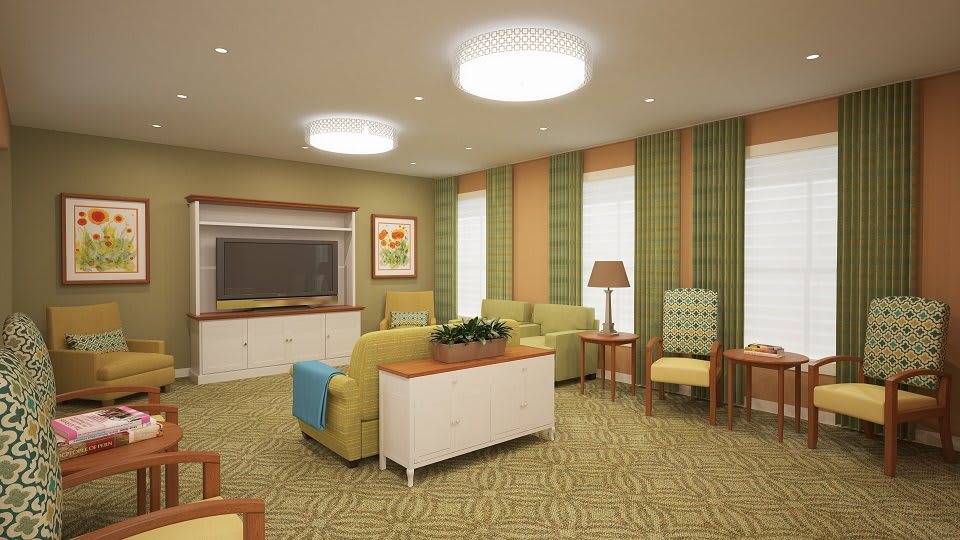
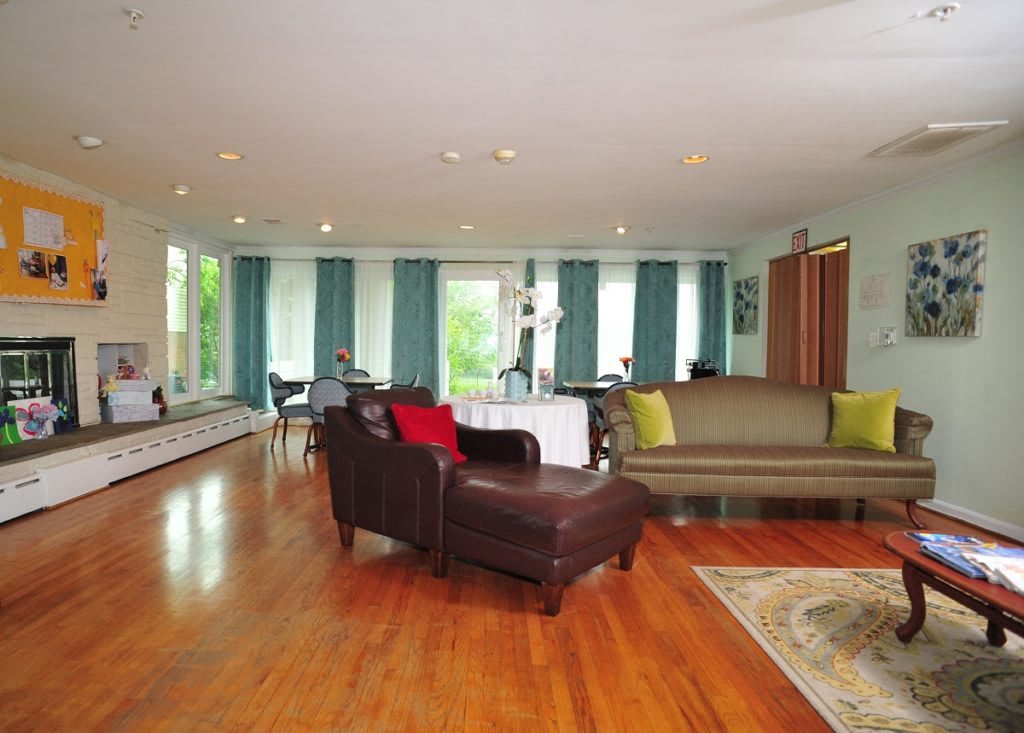
    A spacious living room with modern furnishings and large windows.
  • Bedroom

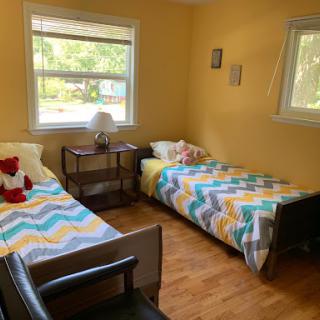
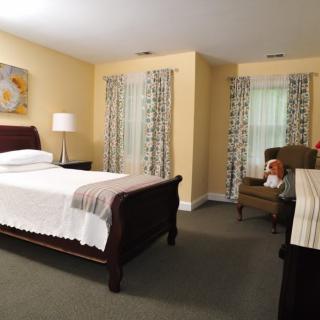
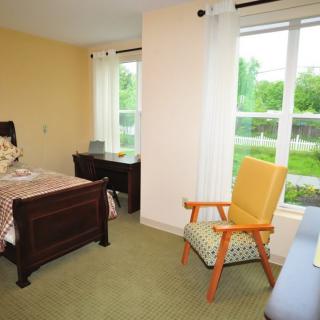
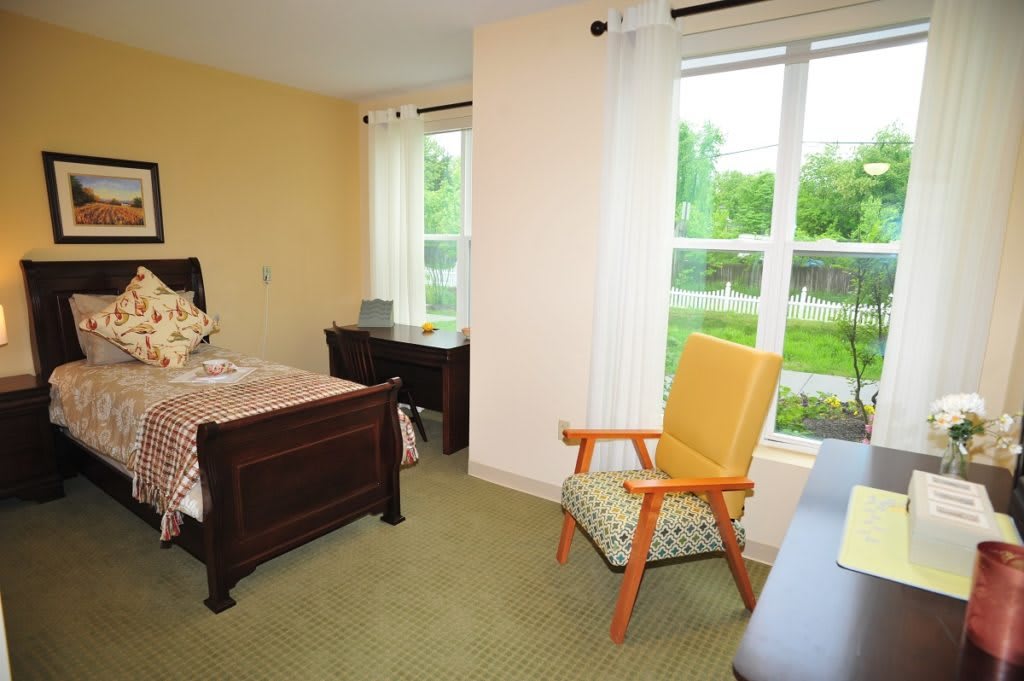
    A cozy bedroom with a single bed, desk, and a chair by the window.
  • Windows

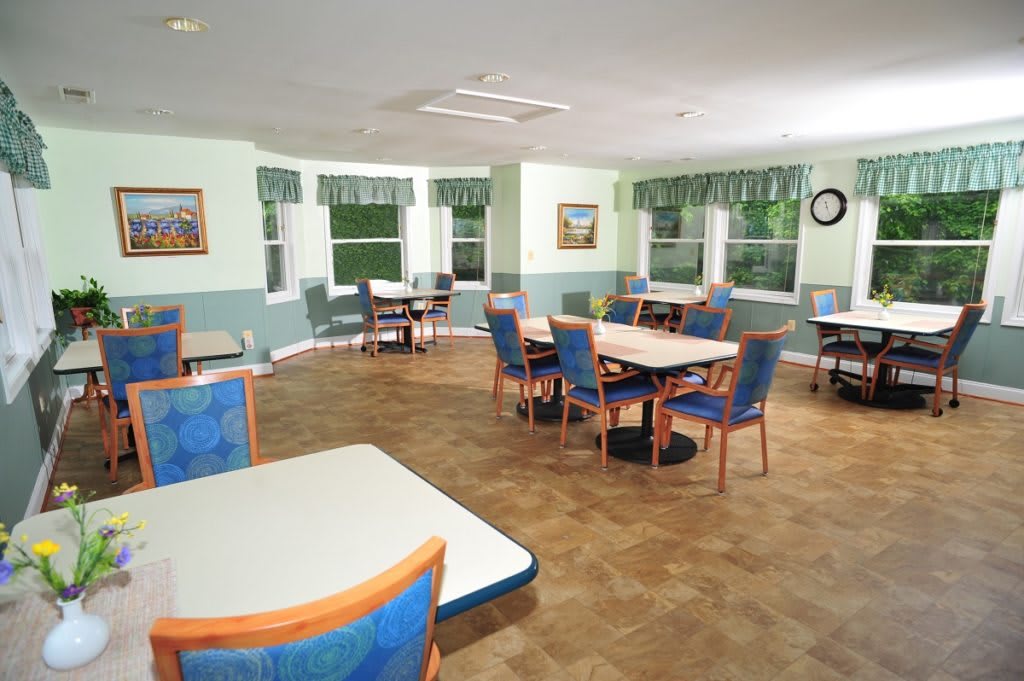
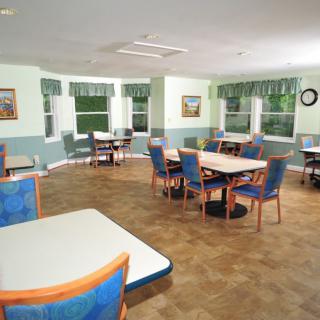
    An empty dining room with several tables and chairs, featuring large windows and bright lighting.
  • Dining

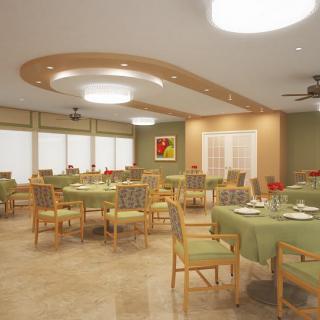
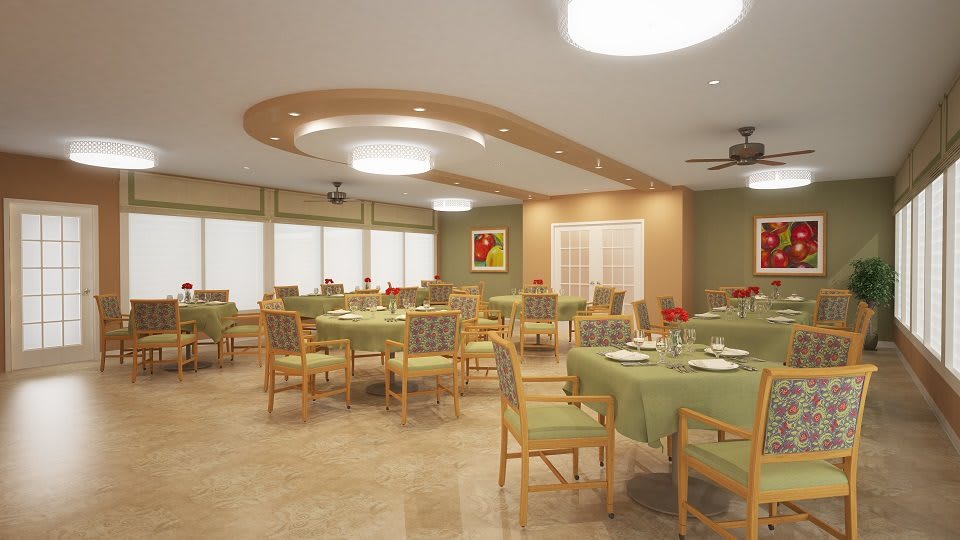
    A modern dining area with neatly arranged tables and chairs, featuring stylish ceiling lighting.
  • Chandelier

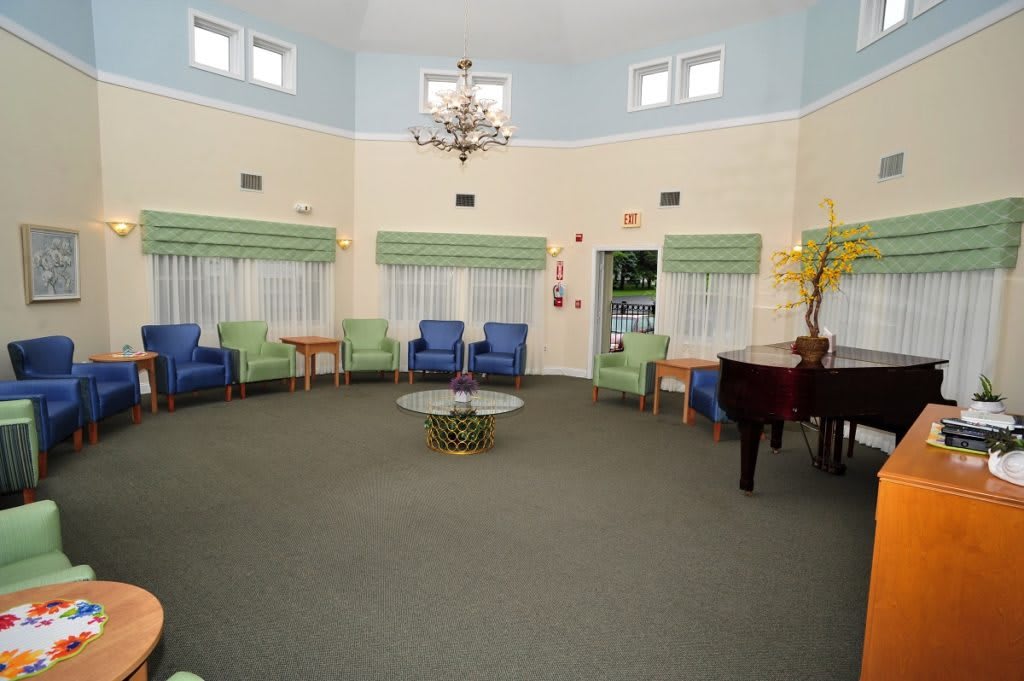
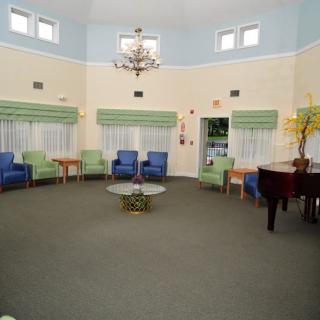
    A spacious lounge with comfortable seating, a chandelier, and a piano.

Alfred House V in Rockville, MD

18110 Cashell Road, Rockville, MD 20853

For more information about senior living options: (844) 490-3973

4.7 from 25 reviews
5 stars
20
4 stars
4
3 stars
0
2 stars
0
1 stars
1

Assisted Living Board and Care Home Memory Care

Alfred House V Costs & Pricing

Alfred House V offers a range of living accommodations with prices that reflect the premium services and amenities provided. For semi-private rooms, residents can expect to pay between $5,000 and $6,000 monthly, which is notably higher than the Montgomery County average of $4,337 and the state average of $3,545. Those opting for a studio will find a fixed monthly cost of $6,500, surpassing both county ($5,542) and state ($4,656) averages as well. Private room rates are set at $7,000, significantly exceeding the local rate of $5,009 and the Maryland average of $4,112. These costs highlight Alfred House V's positioning in the market as a higher-end facility catering to those seeking exceptional care and community engagement.

Floor plansAlfred House VMontgomery CountyMaryland
Semi-Private$5,000 to $6,000$4,337$3,545
Studio$6,500$5,542$4,656
Private$7,000$5,009$4,112

What level of care are you interested in?

Assisted Living

Memory Care

Independent Living

Skilled Nursing Facility

Continuing Care Retirement Community (CCRC)CCRC

Other


Request a tour at Alfred House V

    Overall Review of Alfred House V

    Pros

    • pro AlfredHouse is a first-rate facility with professional, caring staff.
    • pro AlfredHouse recreates a home-like environment in residents' rooms, making them comfortable and happy.
    • pro The experience at AlfredHouse exceeds expectations.
    • pro The staff look after residents closely, ensuring meals, medications, and daily care.
    • pro The caregivers truly love the residents and give them individual attention.
    • pro The facility is clean, safe, and well-maintained, with spacious, well-furnished rooms.
    • pro Families feel fortunate to have found AlfredHouse and would highly recommend it.

    Cons

    • pro Disgraceful - that sums up the AlfredHouse experience.
    • pro The care their loved one received was subpar, with dietary restrictions not followed, no activities or stimulation provided, and cheap-quality food.
    • pro Management is rude and has no understanding of dementia or state regulations.
    • pro The memory care tour offered limited choices, and the available room was in a separate building, which the reviewers did not like.
    • pro AlfredHouse V lacks an exercise facility at present, though they mentioned plans to build one.

    Review

    AlfredHouse V in Rockville, MD, is best suited for families seeking a true home-like environment where care feels personal and continuously attentive. The house-style setting, spacious rooms, and intimate staffing model suit seniors who thrive on predictable daily routines and direct, compassionate supervision. For residents with multiple chronic conditions, including memory challenges, the care team is accustomed to tailoring plans and staying flexible as needs shift. Those who value privacy paired with strong 24/7 support will find a comfortable balance here, with options for private or shared baths, and dining that resembles a family kitchen. It is not the right fit for someone chasing a large-campus feel, aggressive rehab programming, or a facility saturated with formal, institutional amenities.

    Alternatives become worth considering for families prioritizing a built-in gym or a single, integrated memory-care environment. Some reviewers noted memory-care spaces are sometimes in a separate building or have limited availability, which can hinder seamless transitioning or ongoing specialized programming. In such cases, exploring options with a unified memory-care wing or a larger campus may be prudent. For those who insist on a robust on-site fitness facility or a more centralized dementia program, a different community may offer a cleaner alignment of expectations and services.

    The strongest positives at AlfredHouse V are the consistently professional, compassionate staff, and the clear commitment to individualized care. Families repeatedly describe aides and caregivers as loving, attentive, and genuinely engaged with residents' daily needs - help with meals, hygiene, medications, and personal routines is delivered with steadiness and warmth. The environment is clean, updated, and well-maintained, with roomy, well-furnished living areas and well-appointed bathrooms. Food quality and dining ambience receive high marks, and the presence of a shared activities director - along with structured daily programming - helps maintain a sense of purpose and social connection for many residents.

    On the downside, the most salient drawbacks center on cadence and structure in memory care and the gym expectation. The absence of an on-site gym is a practical gap for families who prioritize regular, facility-supported exercise. Memory-care availability appears inconsistent in some instances, and a few families report limited room choices or the sense of a separate, less integrated memory-care setting. There is also at least one strongly negative review that cites subpar care in certain domains, with complaints about dietary restrictions not being followed, a lack of activities, low-quality meals, and management that is described as rude. While this voice is not representative of the majority, it serves as a caution that expectations must be clearly surfaced and closely monitored.

    Those benefits - home-like warmth, deeply attentive staff, clean and comfortable spaces, and reliable daily routines - help offset the most significant limitations. When care teams are allowed the flexibility to adapt to evolving needs, residents often thrive in this intimate setting more than in larger facilities where personalized attention can wane. The strong emphasis on family-like interaction, 24/7 support, and proactive daily engagement creates a tangible sense of safety and dignity for residents with memory issues or complex health needs. Yet the outlier experiences underscore the reality that good outcomes hinge on consistent leadership, reliable programming, and responsive dietary and activity planning.

    For families evaluating AlfredHouse V, the practical next steps are clear. Schedule in-depth tours with a focus on memory care access and daily programming, and request to observe activities at different times of day. Verify current staffing ratios, speak candidly with caregivers about how care plans are coordinated, and review sample menus to ensure dietary restrictions are respected. Ask for a detailed breakdown of room types, especially for memory-care residents, and confirm the timeline for any planned gym or fitness enhancements. Compare with nearby AlfredHouse locations (Needwood, Symphony) and other regional options to ensure the chosen path aligns with priorities: intimate, hands-on care in a home-like setting, versus a broader campus with more built-in facilities. This approach will reveal whether AlfredHouse V's strengths align with the family's care priorities and budget, while acknowledging and mitigating the potential gaps.

    Features

    Housing

    • 16 resident community capacity 16 resident community capacity

    Types of Care

    • Assisted Living Assisted LivingAssisted living facilities provide crucial support and care for seniors who may need help with daily tasks such as medication management, bathing, and meal preparation. These communities offer a safe and comfortable environment where seniors can maintain their independence while receiving the assistance they need to thrive in their golden years.
    • Board and Care Home Board and Care HomeBoard and care homes provide a smaller, more intimate setting for seniors who require assistance with daily tasks but do not need the level of care offered by a nursing home. They offer personalized care, meals, and social activities in a homelike environment, ensuring that seniors receive individualized attention and support in their golden years.
    • Memory Care Memory CareMemory care is crucial for seniors as it provides specialized support and services for individuals with dementia or Alzheimer's disease. These programs offer a safe and secure environment where residents receive personalized care, cognitive stimulation, and help with daily activities. Memory care helps seniors maintain their independence, quality of life, and dignity while also providing peace of mind for their families.

    Amenities

    • Activities on-site Activities on-siteActivities on-site are important for seniors because they provide opportunities for socialization, mental stimulation, physical activity, and overall well-being. Engaging in activities can help seniors stay active, maintain their independence, and improve their quality of life.
    • Cable or satellite TV Cable or satellite TVCable or satellite TV is important for seniors because it provides entertainment, news, and companionship, helping to combat loneliness and boredom. It also offers a wide range of programming options tailored to different interests and preferences.
    • Devotional services off-site Devotional services off-siteDevotional services off-site are important for seniors as they provide spiritual nourishment, social engagement, and a sense of community outside of the senior living facility. This can enhance overall well-being and help combat feelings of isolation and loneliness often experienced by older adults.
    • Dining room Dining roomDining rooms are important for seniors as they provide a space for socialization, connection, and nutritious meals. They offer opportunities for residents to bond over shared meals, foster a sense of community, and promote healthy eating habits. Dining rooms also ensure that seniors have access to well-balanced meals tailored to their dietary needs and preferences.
    • Fully furnished Fully furnishedFully furnished senior living communities are important for seniors because they provide convenience, comfort, and a hassle-free moving experience. Seniors can easily settle into their new living space without the stress of having to buy and move furniture. This allows them to focus on enjoying their new home and community.
    • Garden GardenGardens are important for seniors as they provide a peaceful and therapeutic environment for relaxation, physical activity, and socialization. Being in nature has been shown to reduce stress, improve mood, and promote overall well-being. Gardens also offer opportunities for seniors to engage in gardening activities, which can improve mobility, flexibility, and cognitive function. Additionally, gardens create a sense of community and connection with others who share a passion for plants and outdoor spaces.
    • Housekeeping services Housekeeping servicesHousekeeping services are important for seniors because they help maintain a clean and safe living environment, promote independence, and reduce the risk of accidents or illnesses. Additionally, having assistance with household chores can alleviate physical strain and allow seniors to focus on other aspects of their well-being.
    • Indoor common areas Indoor common areasIndoor common areas are crucial for seniors as they provide a space for socialization, recreation, and community engagement, promoting overall well-being and reducing feelings of isolation and loneliness.
    • Move-in coordination Move-in coordinationMove-in coordination is important for seniors because it helps ease the transition into their new living environment. It ensures that all logistics, such as packing, organizing movers, and setting up utilities are taken care of, allowing seniors to focus on settling in and adjusting to their new home. Having a smooth move-in process can alleviate stress and anxiety, making the transition smoother and more enjoyable for seniors.
    • Outdoor space Outdoor spaceOutdoor spaces are important for seniors as they provide opportunities for physical activity, social interaction, exposure to natural light and fresh air, and a sense of connection to nature. Having access to outdoor spaces can improve overall well-being and quality of life for older adults living in senior communities.
    • Private bathrooms Private bathroomsPrivate bathrooms are important for seniors in senior living communities because they provide independence, dignity, and comfort. Having a private bathroom allows seniors to maintain their personal hygiene routines without the need for assistance, promoting a sense of autonomy and privacy. Additionally, private bathrooms help prevent the spread of infections and provide a safe and clean environment for seniors to navigate safely.
    • Respite or short term stays offered Respite or short term stays offeredRespite or short term stays provide seniors with a temporary solution when their regular caregiver is unavailable, offering them the opportunity to receive additional care and support during times of need, while also giving caregivers a chance to rest and recharge.
    • Telephone TelephoneTelephones are important for seniors as they provide a lifeline for communication with loved ones, emergency services, and healthcare providers. They offer a sense of security and independence, enabling seniors to stay connected and access assistance when needed.
    • Wi-Fi/high-speed internet available Wi-Fi/high-speed internet availableWi-Fi/high-speed internet is important for seniors to stay connected with loved ones, access online resources, and participate in virtual activities to combat feelings of loneliness and isolation. It also allows them to easily manage healthcare needs, access entertainment, and engage in lifelong learning opportunities.

    Transportation

    • Ronald Reagan Washington National (21 miles away) Ronald Reagan Washington National (21 miles away)
    • Baltimore-Washington International (23 miles away) Baltimore-Washington International (23 miles away)
    • Washington Dulles International (24 miles away) Washington Dulles International (24 miles away)

    Care Services

    • 24-hour supervision 24-hour supervision24-hour supervision is important for seniors to ensure their safety, well-being, and access to immediate assistance in case of emergencies or health issues. This constant support provides peace of mind for both seniors and their loved ones, allowing them to age in place with dignity and security.
    • Activities of daily living assistance Activities of daily living assistanceActivities of daily living assistance are important for seniors because they provide essential support with tasks such as eating, bathing, dressing, and mobility. This assistance helps seniors maintain their independence, dignity, and overall quality of life as they age.
    • Ambulatory care Ambulatory care"Ambulatory care services provide essential medical support and treatment to seniors without requiring hospitalization, allowing them to maintain their independence and quality of life while managing chronic conditions or receiving routine medical care."
    • Assistance with bathing Assistance with bathingAssistance with bathing is crucial for seniors as it helps maintain personal hygiene, prevents infections, and ensures their overall well-being and comfort. It also provides a sense of dignity and independence for seniors who may struggle with this task on their own.
    • Assistance with dressing Assistance with dressingAssistance with dressing is important for seniors because it helps maintain their independence, promotes personal hygiene, prevents accidents and injuries, and improves overall quality of life. This service ensures that seniors can continue to dress comfortably and confidently, despite any physical limitations they may have.
    • Assistance with transfers Assistance with transfersAssistance with transfers is crucial for seniors as it helps prevent falls and injuries, maintains their independence, and ensures they can safely navigate their living environment. It also provides peace of mind for both seniors and their loved ones.
    • Coordination with health care providers Coordination with health care providersCoordination with health care providers is crucial for seniors to ensure proper medical care, medication management, and overall well-being. This collaboration helps prevent overlapping treatments, track progress more effectively, and provide comprehensive support tailored to individual needs.
    • Dementia waiver Dementia waiverDementia waivers are essential for seniors as they provide critical protections and accommodations for those experiencing cognitive decline. These waivers ensure individuals with dementia receive appropriate care, support, and resources to maintain their quality of life and dignity as they navigate the challenges of this progressive condition.
    • Diabetes diet Diabetes dietA diabetes diet is crucial for seniors as it helps manage blood sugar levels, reduce risks of complications, and improve overall health and well-being. By following a balanced and nutritious diet tailored to their specific needs, seniors can better control their diabetes and enhance their quality of life.
    • Diabetic care Diabetic careDiabetic care is crucial for seniors as they are more susceptible to developing diabetes due to aging and other health conditions. Proper management of diabetes can help prevent complications such as heart disease, vision loss, and nerve damage, improving the overall quality of life for seniors in senior living communities.
    • High acuity care High acuity careHigh acuity care is important for seniors because it provides specialized medical attention and support for individuals with complex medical needs. This level of care ensures that seniors receive the appropriate treatment and assistance to maintain their health and quality of life as they age.
    • Hospice waiver Hospice waiverHospice waivers are important for seniors because they allow individuals to receive specialized end-of-life care and support at home or in a hospice facility. This waiver ensures that seniors can access the necessary resources and services to maintain comfort and dignity during their final days.
    • Meal preparation and service Meal preparation and serviceMeal preparation and service are crucial for seniors as they may have limited mobility or energy to cook nutritious meals. Having access to healthy and convenient food options can ensure they are getting the proper nutrition needed to maintain their overall health and well-being.
    • Medication management Medication managementMedication management is crucial for seniors to ensure they are taking the right medications at the correct dosages and times. This helps prevent adverse drug interactions, reduces the risk of medication errors, and promotes overall health and well-being. Proactive management also allows for adjustments as needed based on changing health conditions or new prescriptions.
    • Mental wellness program Mental wellness programMental wellness programs are essential for seniors as they promote cognitive stimulation, emotional support, and social engagement. These programs help prevent isolation, depression, and cognitive decline, ultimately enhancing the overall quality of life for older adults.
    • Mild cognitive impairment Mild cognitive impairment"Mild cognitive impairment" is important for seniors because it is an early stage of cognitive decline that can potentially progress to more severe conditions such as dementia. Recognizing and addressing mild cognitive impairment can help seniors receive appropriate care and support to maintain their quality of life and independence for as long as possible.
    • Special dietary restrictions Special dietary restrictionsSpecial dietary restrictions are important for seniors because age-related changes in metabolism and health conditions can make it difficult for their bodies to process certain foods. By following a diet tailored to their specific needs, seniors can maintain their overall health and well-being, manage chronic conditions, and reduce the risk of complications such as malnutrition or food interactions with medications.
    • Specialized memory care programming Specialized memory care programmingSpecialized memory care programming is crucial for seniors with cognitive impairments such as dementia or Alzheimer's disease. These programs provide a safe and supportive environment tailored to the unique needs of individuals with memory loss, helping them maintain their independence, dignity, and quality of life.
    • Transportation arrangement (medical) Transportation arrangement (medical)Transportation arrangements for medical purposes are essential for seniors as they may have difficulty driving themselves to appointments or accessing public transportation. Having reliable and safe transportation options ensures that seniors can receive timely medical care and maintain their health and well-being.
    • Transportation to doctors appointments Transportation to doctors appointmentsTransportation to doctors' appointments is crucial for seniors as it ensures they have access to necessary medical care and support for their health needs. Without reliable transportation, seniors may struggle to attend important appointments, leading to potential delays in treatment and health complications. Providing transportation services helps seniors maintain their overall well-being and quality of life.

    Dining

    • Diabetes diet Diabetes dietA diabetes diet is crucial for seniors as it helps manage blood sugar levels, reduce risks of complications, and improve overall health and well-being. By following a balanced and nutritious diet tailored to their specific needs, seniors can better control their diabetes and enhance their quality of life.
    • Meals provided Meals provided"Meals provided" are crucial for seniors in assisted living communities as it ensures they have access to nutritious, balanced meals without the stress of meal planning and preparation. This can help promote overall health and well-being for seniors who may have limited mobility or cognitive abilities.
    • Special dietary restrictions Special dietary restrictionsSpecial dietary restrictions are important for seniors because age-related changes in metabolism and health conditions can make it difficult for their bodies to process certain foods. By following a diet tailored to their specific needs, seniors can maintain their overall health and well-being, manage chronic conditions, and reduce the risk of complications such as malnutrition or food interactions with medications.

    Activities

    • Activities on-site Activities on-siteActivities on-site are important for seniors because they provide opportunities for socialization, mental stimulation, physical activity, and overall well-being. Engaging in activities can help seniors stay active, maintain their independence, and improve their quality of life.
    • Community-sponsored activities Community-sponsored activitiesCommunity-sponsored activities are important for seniors as they provide opportunities for social interaction, mental stimulation, and physical activity. These activities can help improve overall well-being, combat loneliness and isolation, and promote a sense of belonging and purpose among older adults.
    • Devotional activities offsite Devotional activities offsiteDevotional activities offsite are important for seniors because they provide social engagement, spiritual growth, and a sense of community outside of their living environment. This can improve overall well-being, mental health, and combat feelings of isolation or loneliness.
    • Scheduled daily activities Scheduled daily activitiesScheduled daily activities are important for seniors because they provide structure, socialization, mental stimulation, and physical activity. Engaging in regular activities can improve overall well-being and quality of life for seniors living in a community setting.

    Description

    Alfred House V, located in Rockville, MD, is an assisted living community that offers a comfortable and homelike environment for its residents. With a focus on memory care, it provides specialized services and programs to support those with dementia or mild cognitive impairment.

    Residents at Alfred House V enjoy a range of amenities including a dining room where delicious meals are served, fully furnished rooms for their comfort, and a beautiful garden to relax and enjoy the outdoor space. The community also provides housekeeping services to ensure a clean and tidy living environment.

    For individuals who need short-term stays or respite care, Alfred House V offers flexible options. Move-in coordination services are available to assist residents during the transition process. Wi-Fi and high-speed internet are provided so that residents can stay connected with their loved ones.

    Care services at Alfred House V include assistance with activities of daily living such as bathing, dressing, and transfers. The community also coordinates with health care providers to ensure comprehensive care for each resident. Medication management is provided along with meal preparation and service according to special dietary restrictions such as diabetes diet.

    The mental wellness program at Alfred House V focuses on the well-being of each resident by providing activities specifically designed for memory care patients. Specialized memory care programming ensures that residents receive personalized attention and support in managing their cognitive challenges.

    Transportation arrangements are made for medical appointments, allowing residents to easily access healthcare services. Additionally, the community is situated conveniently near cafes, parks, pharmacies, restaurants, places of worship, and physicians' offices.

    At Alfred House V in Rockville, MD, residents can expect compassionate care in a warm and inviting atmosphere.

    Nearby Places of Interest

    This part of Rockville, Maryland offers a convenient and diverse range of amenities for seniors looking for a comfortable and accessible living environment. With multiple CVS Pharmacies nearby, as well as several physician offices and hospitals in close proximity, residents have easy access to healthcare services. Places of worship such as Saint Andrew Kim Catholic Church provide opportunities for spiritual fulfillment. Additionally, the area boasts several parks like Rock Creek Regional Park and Bohrer Park for outdoor recreation. A variety of dining options including Taco Bell, Sichuan Pavilion, and Silver Diner cater to different culinary preferences. The availability of transportation options such as metro stations and car rental services make getting around the area convenient. For entertainment, seniors can enjoy movies at AMC DINE-IN Rio Cinemas 18 or AMC Montgomery 16 theaters. Overall, this part of Rockville offers a well-rounded living experience for seniors in terms of healthcare facilities, recreational activities, dining choices, and transportation options.

    Pharmacies

    • CVS Pharmacy (1.7 miles)
    • CVS Pharmacy (4.5 miles)
    • CVS Pharmacy (4.9 miles)
    • CVS Pharmacy (5.2 miles)
    • Walgreens (5.4 miles)
    • CVS Pharmacy (5.5 miles)
    • CVS Pharmacy (5.8 miles)

    Physicians

    • Montgomery Internal Medicine (1.9 miles)
    • Potomac Valley Orthopedic (3.5 miles)
    • Kane Howard MD (6.1 miles)
    • Occupational Health Consultants (6.2 miles)
    • The Centers For Advanced Orthopaedics (6.2 miles)
    • Potomac Pediatrics (6.3 miles)
    • Tibor E Frekko (6.5 miles)

    Places of Worship

    • Saint Andrew Kim Catholic Church (2.5 miles)
    • Church of the Redeemer (3.3 miles)
    • Rockville Evangelical Mission (5 miles)

    Parks

    • Rock Creek Regional Park (3 miles)
    • Triadelphia Reservoir (5.4 miles)
    • Bohrer Park (5.5 miles)
    • Georgian Forest Park & Tennis Courts (5.7 miles)
    • Winding Creek Local Park (6.7 miles)
    • Falls Road Park (7.6 miles)

    Restaurants

    • Taco Bell (3.5 miles)
    • Peter's Grill (4.3 miles)
    • Sichuan Pavilion (5.4 miles)
    • Dulcinea Bar and Grill (5.5 miles)
    • McDonald's (5.5 miles)
    • Cava (5.6 miles)
    • La Casita Pupuseria (5.6 miles)

    Cafes

    • Starbucks (3.8 miles)
    • Silver Diner (6.1 miles)
    • Starbucks (6.4 miles)
    • Starbucks (6.7 miles)
    • Starbucks (6.7 miles)
    • Starbucks (7 miles)

    Transportation

    • Shady Grove Metro Station (4.4 miles)
    • Rockville Metro Station (5.5 miles)
    • Hertz Rent A Car (6.1 miles)
    • Twinbrook Metro Station (6.4 miles)
    • Nextcar Gaithersburg South (6.5 miles)
    • Glenmont Metro Station (6.7 miles)
    • Grosvenor-Strathmore Metro Station (8.6 miles)

    Theaters

    • AMC DINE-IN Rio Cinemas 18 (6 miles)
    • AMC Montgomery 16 (9.3 miles)

    Hospitals

    • Adventist HealthCare Shady Grove Medical Center (6.7 miles)
    • Holy Cross Germantown Hospital (8.1 miles)

    Frequently Asked Questions

    How much does it cost to live at Alfred House V in Rockville, MD?
    Where is Alfred House V?
    Does Alfred House V provide care for residents with dementia or Alzheimer's disease?
    What photos are available for Alfred House V in Rockville, Maryland?

    Nearby Communities

    • Serenity Gardens of Rockville

      Serenity Gardens of Rockville

      Rockville, MD


      pro Small, intimate 6-bed community with personalized care and inclusive services (meals, housekeeping, medication management, ADL assistance) plus medical transport.

    • Hope Haven

      Hope Haven

      Rockville, MD


      pro Specialized diabetic care with easy access to nearby medical professionals and amenities.

    • AlfredHouse I

      AlfredHouse I

      Rockville, MD

      5 from 1 review
      $4,100 to $5,100 / month

      pro Home-like, small community with personalized, name-by-name care and attentive staff.

    • Alfred House Florence

      Alfred House Florence

      Rockville, MD

      4.7 from 30 reviews
      $5,100 to $6,350 / month

      pro Excellent service, caring staff, and clean, safe environment.

    • Absolute Assisted Living,  Inc.

      Absolute Assisted Living, Inc.

      Rockville, MD

      5 from 8 reviews
      $3,400 to $3,450 / month

      pro Family-oriented staff delivering compassionate, high-quality care in a clean, home-like setting.

    • Absolute

      Absolute

      Rockville, MD

       
      $7,300 / month

      pro Comprehensive assisted living with 24-hour supervision, ADL support, meals, and medical transportation.

    • Homecrest

      Homecrest

      Silver Spring, MD

      4.6 from 9 reviews
      $3,000 to $4,000 / month

      pro Clean, welcoming environment with long-tenured, compassionate staff.

    • La Familia

      La Familia

      Rockville, MD

      4.7 from 13 reviews
      $2,800 to $3,800 / month

      pro Competitive pricing for semi-private and private rooms compared with local county and state averages.

    • Layhill Nursing And Rehabilitation Center

      Layhill Nursing And Rehabilitation Center

      Silver Spring, MD


      pro Extensive amenities and around-the-clock care with engaging activities.

    Related Resources

    • assisted living waiver programA Detailed Exploration of Assisted Living Medicaid Waivers Across the United States

      Medicaid waivers for assisted living services provide vital support for seniors and individuals with disabilities in need of long-term care, with varying state-specific eligibility criteria and benefits. These waivers cover personal care and case management but often do not fully cover room and board, leading to waiting lists for many applicants.

    • assisted living vs skilled nursingExploring the Contrasts Between Assisted Living and Skilled Nursing

      The article compares assisted living and skilled nursing facilities, detailing their differing levels of assistance, medical support, cost structures, and day-to-day experiences. It emphasizes that assisted living is for those needing help with daily activities while maintaining independence, whereas skilled nursing facilities provide intensive medical care with 24-hour staff supervision.

    • active senior livingVibrant Senior Living: A Comprehensive Guide for Active Older Adults
      Vibrant Senior Living emphasizes active senior living communities that promote independence and engagement through diverse amenities and activities, fostering wellness and social interaction among older adults. These communities range from independent to assisted living, with a focus on personal growth, family involvement, financial planning, and leveraging technology to enhance residents' experiences.


    Get Pricing Ask A Question Schedule A Tour Contact Senior Advisor