Alfred House Florence offers a range of room types at competitive prices within the context of Montgomery County and Maryland. For a semi-private room, residents can expect to pay $5,100 per month, which is notably higher than the county average of $4,337 and the state average of $3,545. Studio accommodations at Alfred House Florence are priced at $5,500, slightly below the county rate of $5,542 but above the state average of $4,656. For a private room, costs rise to $6,350, exceeding both Montgomery County's average of $5,009 and Maryland's more affordable average of $4,112. While these figures indicate that Alfred House Florence positions itself on the higher end of the spectrum for similar facilities in the area, many families may find value in its services and amenities that support quality care and comfort for their loved ones.
Floor plans
Alfred House Florence
Montgomery County
Maryland
Semi-Private
$5,100
$4,337
$3,545
Studio
$5,500
$5,542
$4,656
Private
$6,350
$5,009
$4,112
Memory care communities with a similar price nearby
Residents specifically mention Alzheimer’s and dementia care in their experience.
Several reviews describe situations involving memory needs, including advanced-stage Alzheimer’s and times when memory care was needed. Families also describe staff as accommodating for special needs and maintaining communication about progress. A couple of reviews call out problems with dementia understanding and compliance, so this theme is mixed depending on resident and management experience.
common6 reviews mention this
Care feels attentive and hands-on
Caregivers are described as hands-on with daily routines and personal support.
Multiple residents and families describe staff helping with day-to-day needs like eating and bathing, and following medication routines. Reviews also mention flexibility with chronic conditions and accommodating specific needs, along with caregivers who provide individual attention. Where problems are mentioned, they tend to focus on care quality and adherence to restrictions, which contrasts with the more positive experiences.
common5 reviews mention this
Clean and safe living setup
Residents and families consistently describe the community as clean and elderly-friendly.
Across several reviews, people describe the facility as very clean and designed with older adults in mind. Some specifically mention a sense of safety and elder-focused living arrangements. A negative review does not dispute cleanliness so much as overall care and programming, which is why the cleanliness theme stays largely positive.
caveat4 reviews mention this
Food quality gets mixed reviews
Food quality is a strong talking point, with both praise and complaints.
Some reviews highlight the food as great and say they were satisfied with dining. Others are much more critical, describing cheap quality food and dietary restrictions not being followed. That split suggests food is a key area where experiences vary, particularly around how well dietary needs are managed.
caveat2 reviews mention this
Activities may be hit or miss
Activity programming is mentioned, but not consistently.
One family says their loved one enjoys the activities and services provided. Another review is sharply negative, saying there were no activities or stimulation provided. Together, the reviews suggest residents’ experiences with engagement can vary.
Some families describe 24/7 care and even 24 hours a day across the year as part of why they chose the community. Others describe staff handling specific daily tasks like meals, bathing, and medication routines. While the overall feedback includes serious complaints from a minority of reviews, the positive reviews consistently connect care availability to peace of mind.
How we summarize
Counts show how many written reviews mention each theme; a review can touch several themes, and only frequently mentioned themes are displayed.
Features
Types of Care
Board and Care Home
Memory Care
Amenities
Activities on-site
Air-conditioning
Cable or satellite TV
Devotional services off-site
Full kitchen
Garden view
Ground floor units
Handicap accessible
Indoor common areas
Private
Respite or short term stays offered
Wheelchair accessible showers
Wi-Fi/high-speed internet available
Transportation
Ronald Reagan Washington National (21 miles away)
Baltimore-Washington International (23 miles away)
Washington Dulles International (24 miles away)
Care Services
Ambulatory care
Diabetic care
High acuity care
Incontinence care
Medication management
Dining
International cuisine
Kosher
Low / no sodium
Meals provided
No Sugar
Organic
Restaurant style dining
Special dining programs
Vegan
Vegetarian
Activities
Activities off-site
Activities on-site
Art classes
BBQs or picnics
Brain fitness
Day trips and outings
Devotional activities offsite
Live dance or theater performances
Live musical performances
Visiting Rabbi
Visiting chaplain or priest
Wii bowling
Nearby Places of Interest
This part of Rockville, Maryland offers a convenient location with a variety of amenities nearby. There are several pharmacies within a short driving distance, making it easy to access medication and healthcare services. Additionally, there are reputable physicians and hospitals in the area for any medical needs. Places of worship provide spiritual support, while parks offer opportunities for outdoor recreation and relaxation. The diverse selection of restaurants and cafes cater to different culinary preferences, and transportation options such as metro stations and car rental services allow for easy travel around the area. Overall, this neighborhood provides a well-rounded environment for senior living with access to essential services and recreational activities.
Pharmacies
CVS Pharmacy (1.6 miles)
CVS Pharmacy (4.4 miles)
CVS Pharmacy (4.9 miles)
CVS Pharmacy (5.2 miles)
Walgreens (5.4 miles)
CVS Pharmacy (5.6 miles)
CVS Pharmacy (5.9 miles)
Physicians
Montgomery Internal Medicine (1.8 miles)
Potomac Valley Orthopedic (3.5 miles)
Kane Howard MD (6.2 miles)
Occupational Health Consultants (6.2 miles)
The Centers For Advanced Orthopaedics (6.3 miles)
Potomac Pediatrics (6.4 miles)
Melvin S. Stern, MD (6.5 miles)
Places of Worship
Saint Andrew Kim Catholic Church (2.5 miles)
Church of the Redeemer (3.4 miles)
Rockville Evangelical Mission (5 miles)
Parks
Rock Creek Regional Park (3.1 miles)
Triadelphia Reservoir (5.3 miles)
Bohrer Park (5.6 miles)
Georgian Forest Park & Tennis Courts (5.7 miles)
Winding Creek Local Park (6.7 miles)
Falls Road Park (7.6 miles)
Restaurants
Taco Bell (3.5 miles)
Peter's Grill (4.3 miles)
Sichuan Pavilion (5.4 miles)
Dulcinea Bar and Grill (5.5 miles)
McDonald's (5.6 miles)
Cava (5.6 miles)
La Casita Pupuseria (5.7 miles)
Cafes
Starbucks (3.8 miles)
Silver Diner (6.2 miles)
Starbucks (6.5 miles)
Starbucks (6.8 miles)
Starbucks (6.8 miles)
Starbucks (7.1 miles)
Transportation
Shady Grove Metro Station (4.4 miles)
Rockville Metro Station (5.5 miles)
Hertz Rent A Car (6.2 miles)
Twinbrook Metro Station (6.4 miles)
Nextcar Gaithersburg South (6.6 miles)
Glenmont Metro Station (6.6 miles)
Grosvenor-Strathmore Metro Station (8.6 miles)
Theaters
AMC DINE-IN Rio Cinemas 18 (6.1 miles)
AMC Montgomery 16 (9.3 miles)
Hospitals
Adventist HealthCare Shady Grove Medical Center (6.8 miles)
Alfred House Florence offers a range of room types at competitive prices within the context of Montgomery County and Maryland. For a semi-private room, residents can expect to pay $5,100 per month, which is notably higher than the county average of $4,337 and the state average of $3,545. Studio accommodations at Alfred House Florence are priced at $5,500, slightly below the county rate of $5,542 but above the state average of $4,656. For a private room, costs rise to $6,350, exceeding both Montgomery County's average of $5,009 and Maryland's more affordable average of $4,112. While these figures indicate that Alfred House Florence positions itself on the higher end of the spectrum for similar facilities in the area, many families may find value in its services and amenities that support quality care and comfort for their loved ones.
Alfred House Florence offers essential features that significantly enhance the quality of memory care services for individuals with dementia or Alzheimer's disease. The medication management program ensures residents receive their medications on time and in the correct dosages, minimizing the risk of missed doses or adverse interactions, which is crucial for maintaining cognitive function and overall health. Incontinence care is also a vital aspect, as it addresses a common challenge faced by those with memory impairments, providing dignity and comfort to residents while allowing caregivers to focus on other critical supportive tasks. Additionally, brain fitness activities are tailored specifically to stimulate cognitive function through engaging exercises and games that promote memory retention and mental agility, fostering an environment where residents can thrive cognitively while enjoying social interaction and engagement.
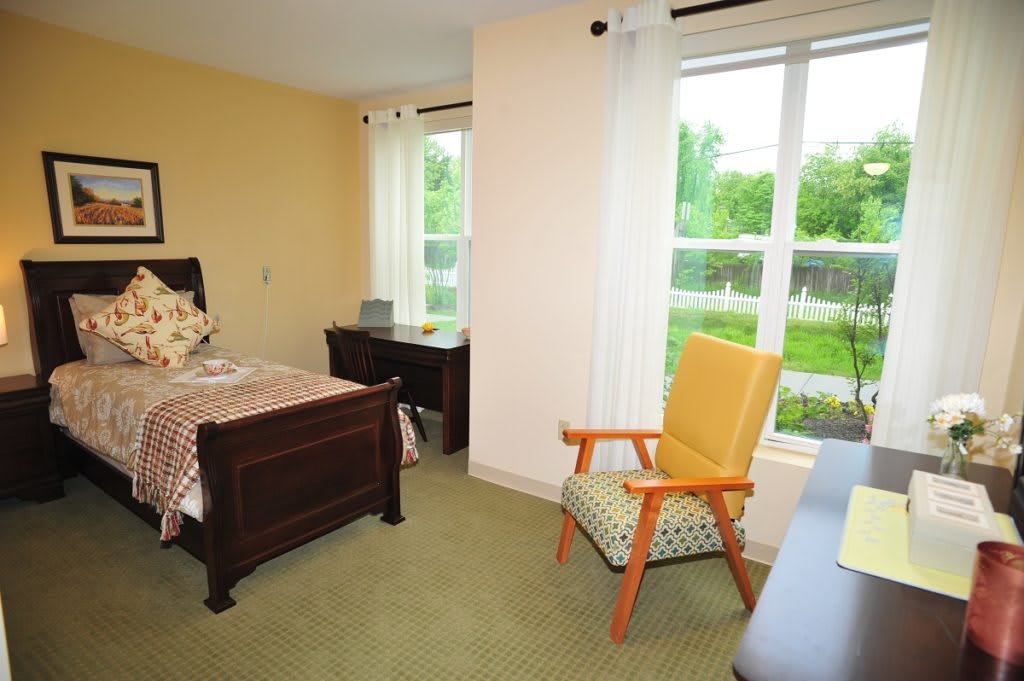
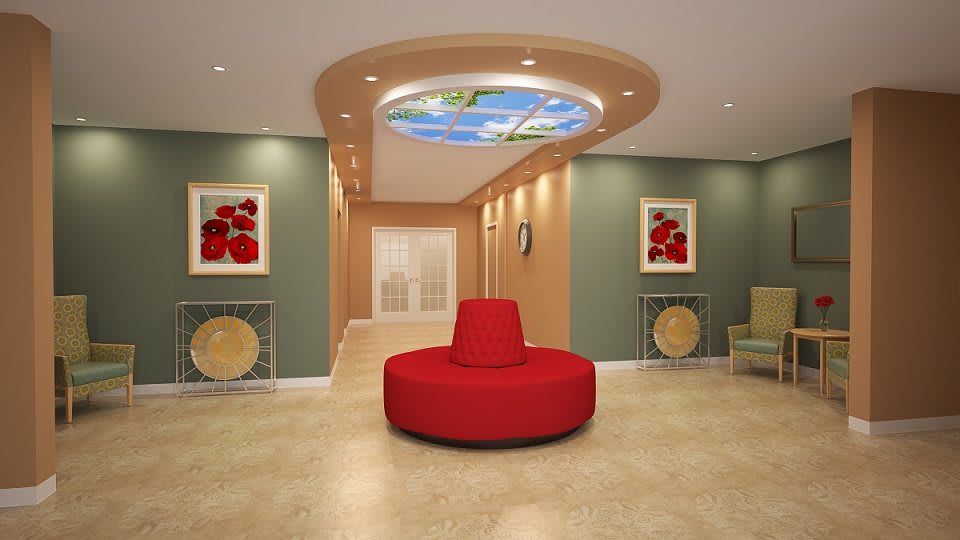
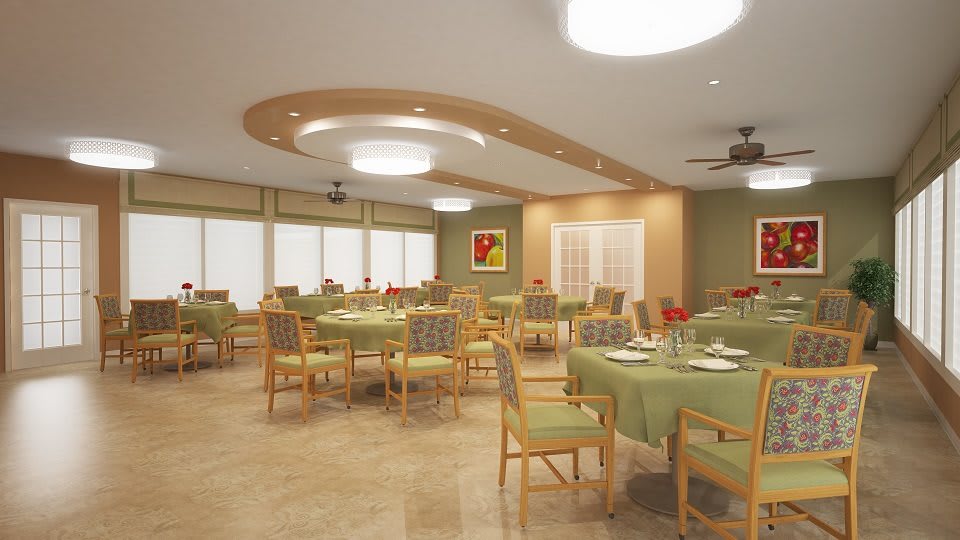
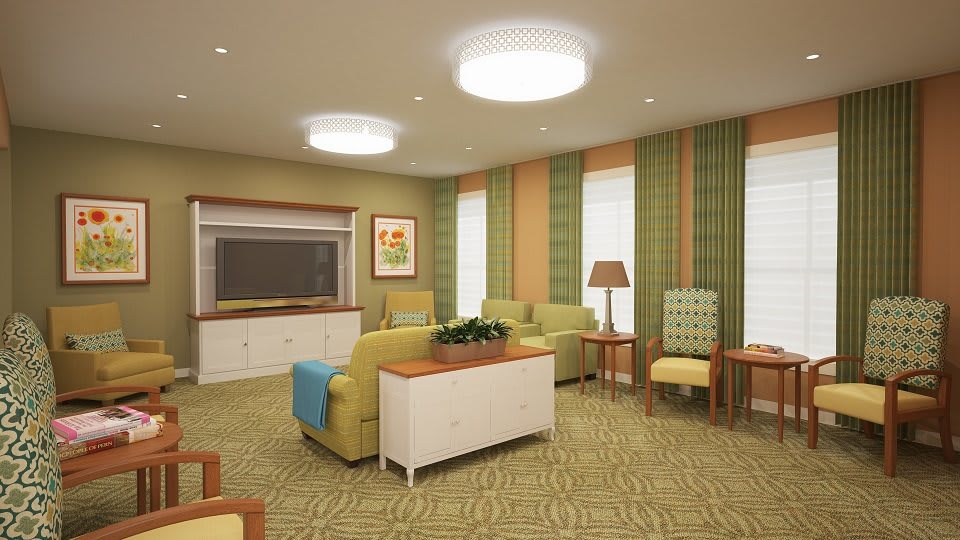
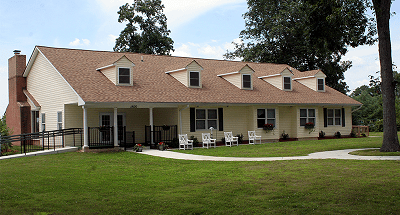
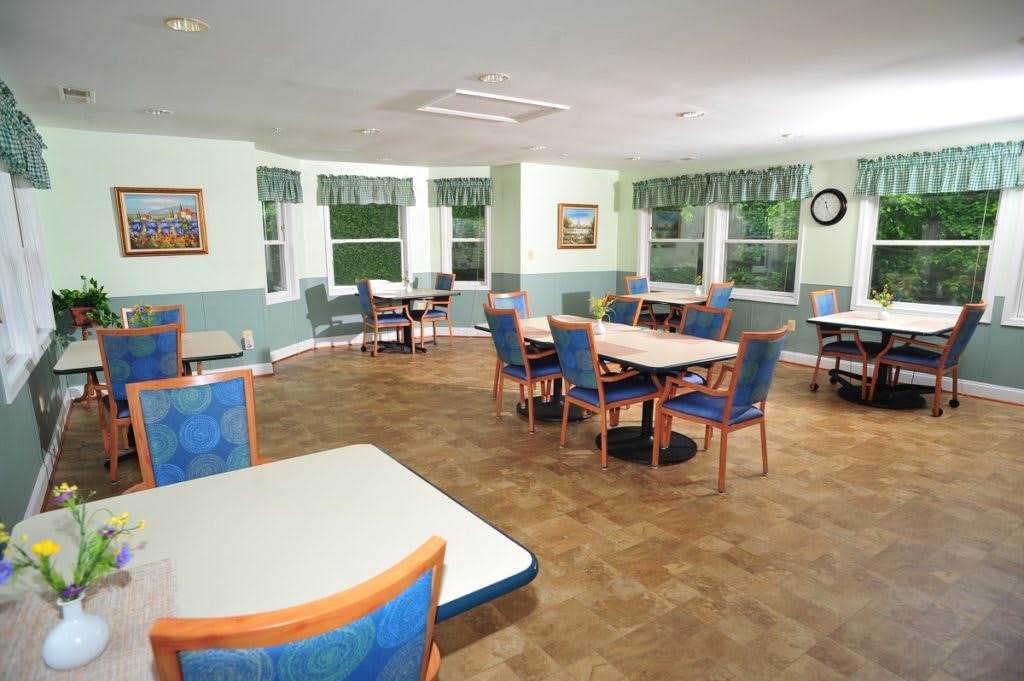
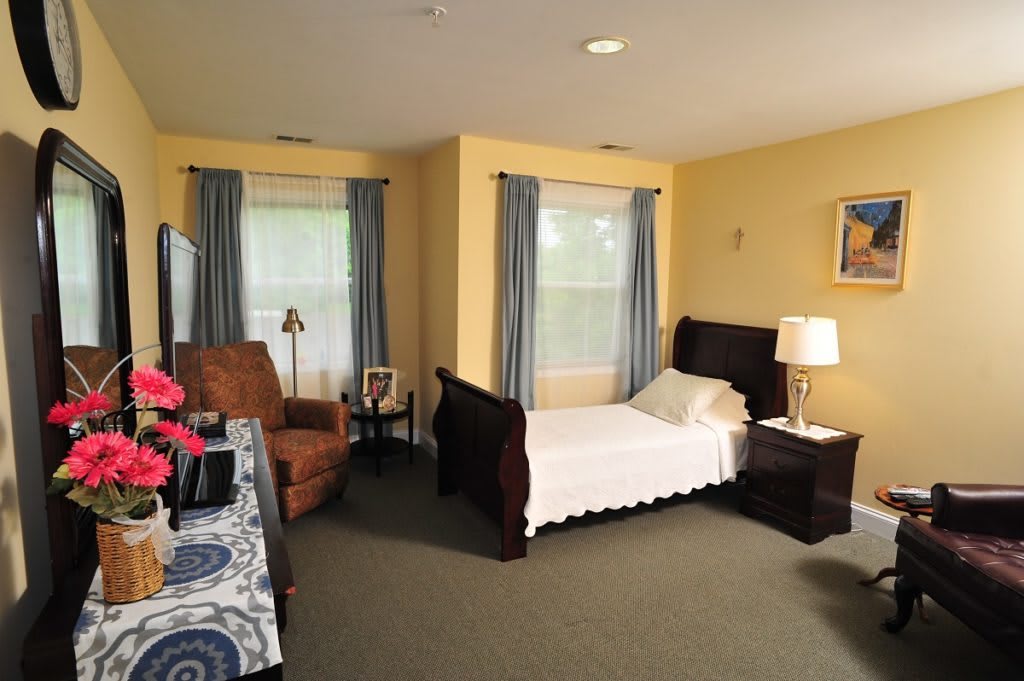
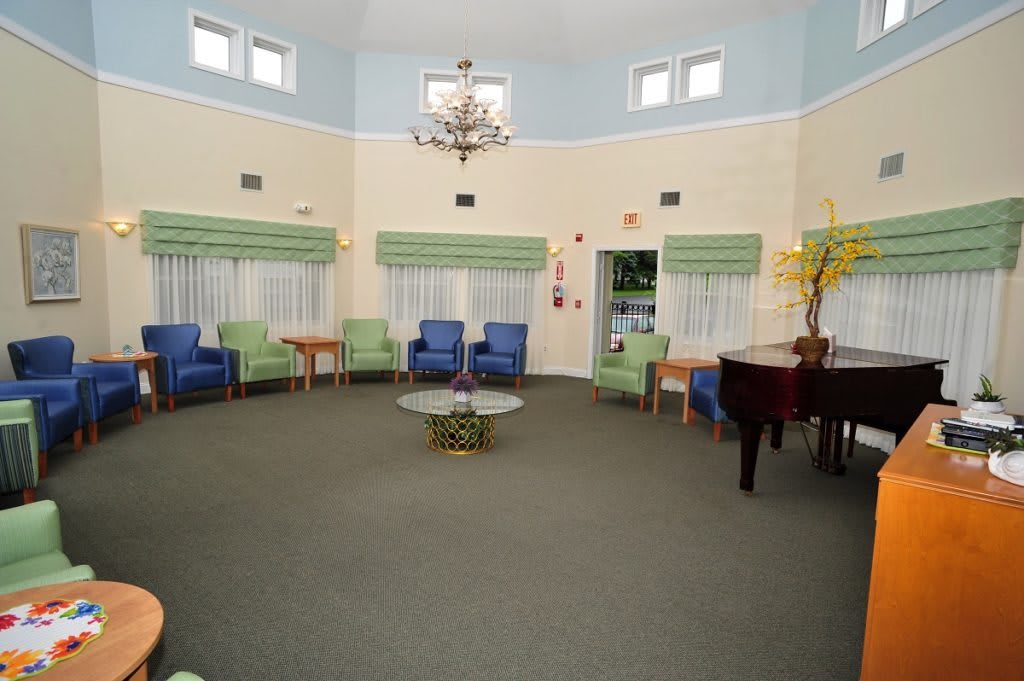
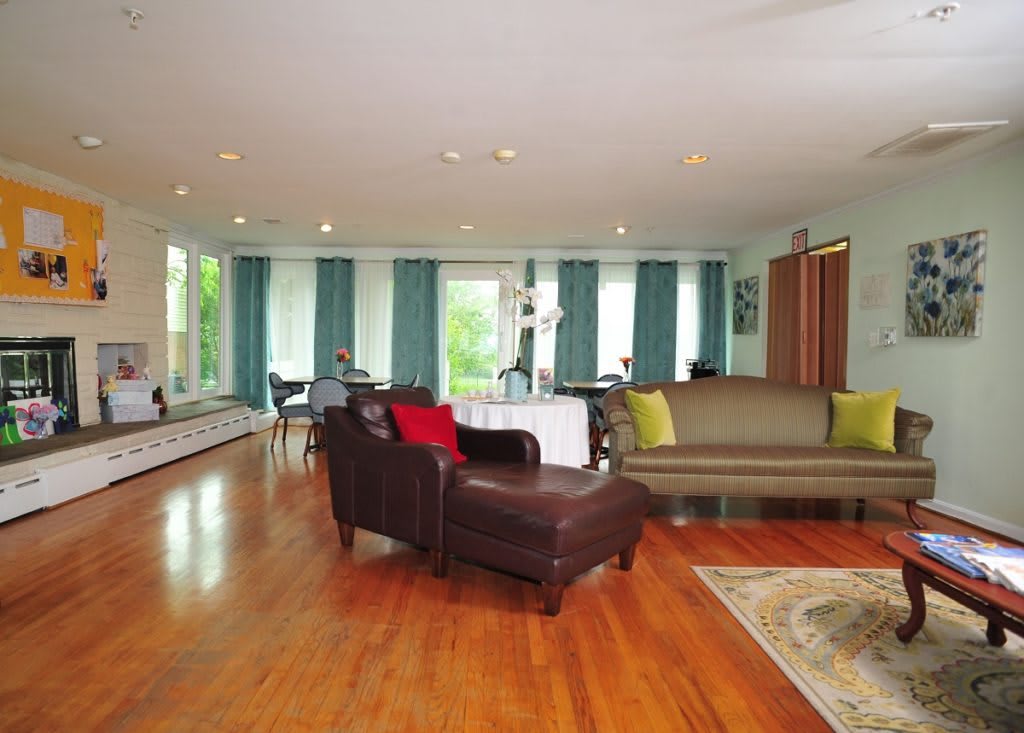
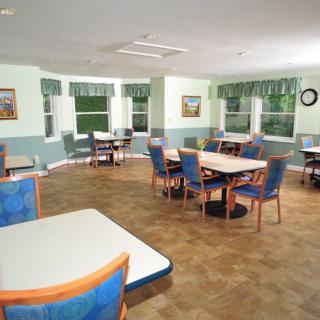
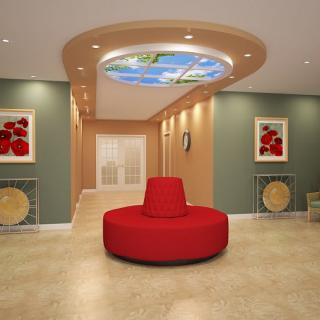
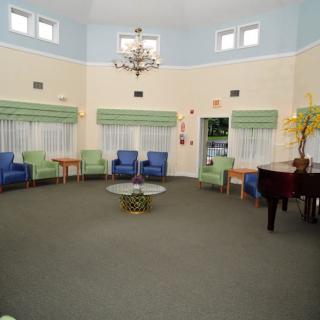
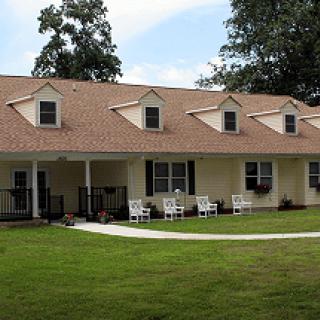
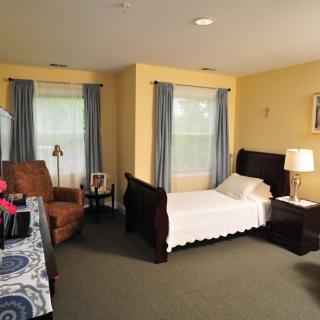
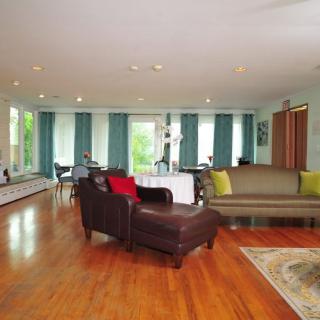
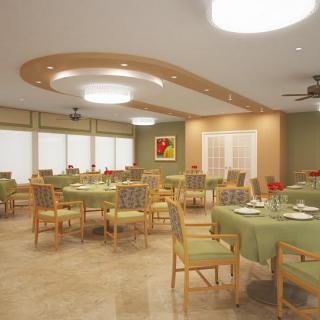
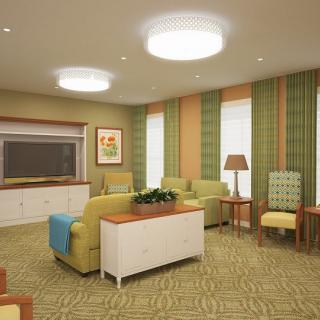
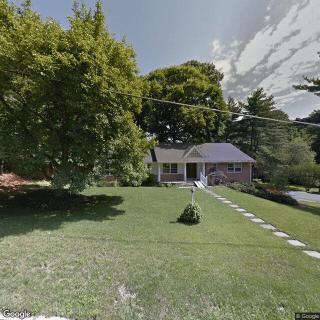
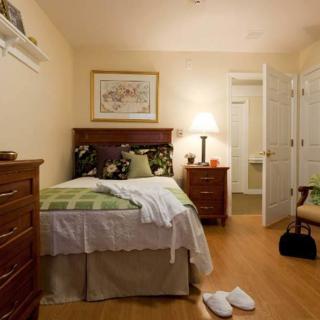
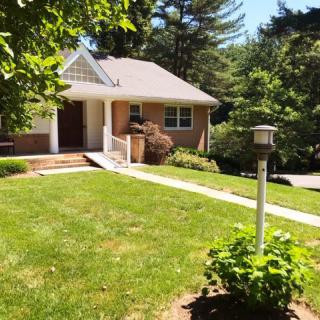
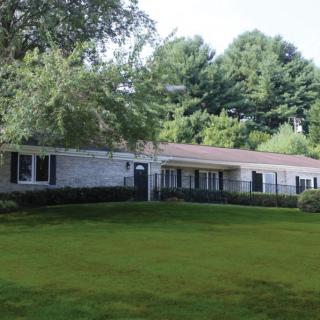
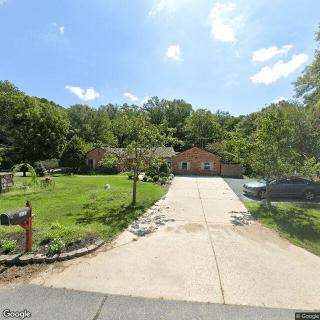
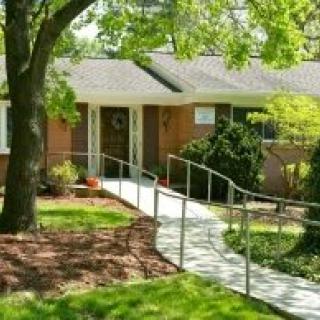
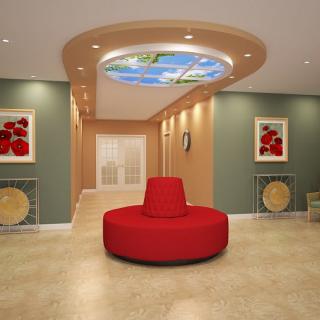
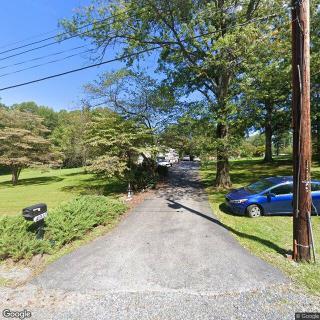
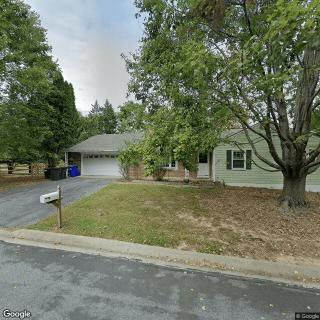
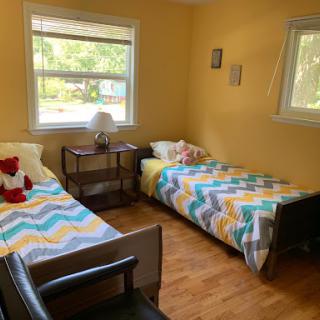
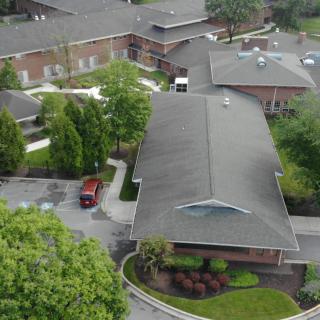
Alfred House Florence on seniors.fyi includes 10 photos including images showing interior, windows, bedroom, living room, decor, dining, chandelier, seating area, and more.
Nearby Communities
Serenity Gardens of Rockville
Rockville, MD
Small, intimate 6-bed community with personalized care and inclusive services (meals, housekeeping, medication management, ADL assistance) plus medical transport.
Hope Haven
Rockville, MD
3.8 from 20 reviews
Specialized diabetic care with easy access to nearby medical professionals and amenities.
AlfredHouse I
Rockville, MD
5 from 1 review
$4,100 to $5,100 / month
Home-like, small community with personalized, name-by-name care and attentive staff.
Alfred House V
Rockville, MD
4.7 from 25 reviews
$5,000 to $7,000 / month
Home-like setting with spacious, well-furnished rooms and engaging daily activities.
Absolute Assisted Living, Inc.
Rockville, MD
5 from 8 reviews
$3,400 to $3,450 / month
Family-oriented staff delivering compassionate, high-quality care in a clean, home-like setting.
Absolute
Rockville, MD
5 from 4 reviews
$7,300 / month
Comprehensive assisted living with 24-hour supervision, ADL support, meals, and medical transportation.
Homecrest
Silver Spring, MD
4.6 from 9 reviews
$3,000 to $4,000 / month
Clean, welcoming environment with long-tenured, compassionate staff.
La Familia
Rockville, MD
4.7 from 13 reviews
$2,800 to $3,800 / month
Competitive pricing for semi-private and private rooms compared with local county and state averages.
Layhill Nursing And Rehabilitation Center
Silver Spring, MD
4.6 from 100 reviews
Extensive amenities and around-the-clock care with engaging activities.
The article differentiates between assisted living and memory care, explaining that assisted living supports seniors with daily activities while promoting independence, whereas memory care provides specialized services for individuals with dementia, focusing on secure environments and cognitive support. It also addresses staff training, safety considerations, costs, family involvement, and transition strategies for families navigating these care options.
The article outlines effective communication strategies for interacting with loved ones with dementia, highlighting the need for empathy, patience, and understanding while emphasizing supportive approaches like using simple language, minimizing distractions, and focusing on feelings over facts to maintain dignity and foster connection. It also suggests seeking professional guidance when needed as communication challenges evolve.
VA nursing homes, or Community Living Centers (CLCs), offer tailored long-term care for veterans, featuring medical attention and rehabilitation in a supportive environment. The guide covers facility types, eligibility criteria, financial assistance options, quality of care standards, and alternatives to full-time nursing home placement.
Get PricingAsk A QuestionSchedule A TourContact Senior Advisor
By clicking submit, you agree to our Partner's Terms of Use. You
also consent to receive calls and texts, which may be autodialed, from our Partner. Your consent is not a condition to
using our Partner's service. Please visit our Partner's Privacy Policy for information about their privacy practices.

 Board and Care Home
 Memory Care
 Activities on-site
 Air-conditioning
 Cable or satellite TV
 Devotional services off-site
 Full kitchen
 Garden view
 Ground floor units
 Handicap accessible
 Indoor common areas
 Private
 Respite or short term stays offered
 Wheelchair accessible showers
 Wi-Fi/high-speed internet available
 Ronald Reagan Washington National (21 miles away)
 Ambulatory care
 Diabetic care
 High acuity care
 Incontinence care
 Medication management
 International cuisine
 Art classes
 BBQs or picnics
 Brain fitness
 Day trips and outings
 Live dance or theater performances
 Live musical performances
 Visiting Rabbi
 Visiting chaplain or priest
 Wii bowling
 Small, intimate 6-bed community with personalized care and inclusive services (meals, housekeeping, medication management, ADL assistance) plus medical transport.
 Understanding the Distinctions: Assisted Living and Memory Care Explained
 How to Communicate with a Loved One Living with Dementia: 10 Supportive Strategies
 Comprehensive Guide to VA Nursing Homes: A Crucial Long-Term Care Resource for Veterans