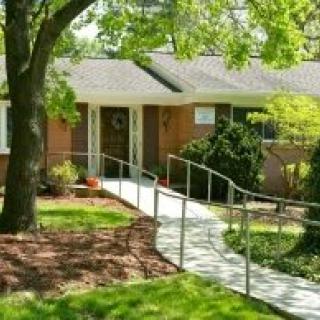
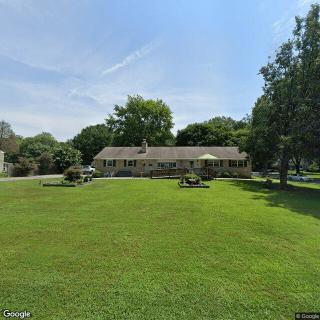
18114 Cashell Rd., Rockville, MD 20853
To contact a resident: (301) 460-6997
For more information about senior living options: (866) 208-4318
AlfredHouse I Costs & Pricing
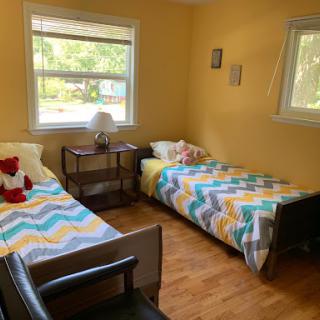
AlfredHouse I offers competitive pricing for its residential options, with the costs for a semi-private room set at $4,100 per month. This rate not only falls below the average for Montgomery County, which is $4,337, but also remains higher than the state average of $3,545 for similar accommodations. For those seeking more private living arrangements, AlfredHouse I's studio rooms are priced at $5,100 per month; while this is lower than the county's average of $5,542, it exceeds Maryland's state average of $4,656. Overall, AlfredHouse I positions itself as a cost-effective choice within the local market while offering quality care and comfortable living environments.
| Floor plans | AlfredHouse I | Montgomery County | Maryland |
|---|---|---|---|
| Semi-Private | $4,100 | $4,337 | $3,545 |
| Studio | $5,100 | $5,542 | $4,656 |
Assisted Living communities with a similar price nearby
-
About the same

Catherine's House
$4,000 / month11.0 miles away -
from -$600 / mo
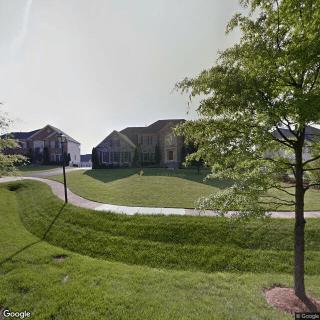
Best Home for Mom and Dad
$3,500 to $4,500 / month2.2 miles away -
About the same
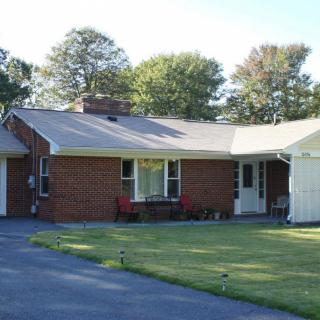
Montgomery Eldercare I
$4,000 to $5,900 / month6.3 miles away -
from -$300 / mo
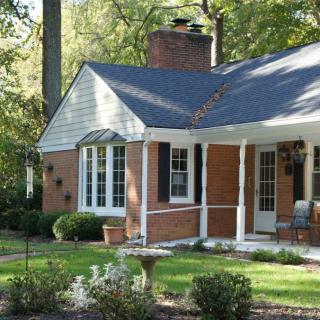
Montgomery Eldercare II
$3,800 to $5,000 / month7.4 miles away -
from -$600 / mo
Greenway Manor
$3,500 to $3,800 / month16.7 miles away
Overall Review of AlfredHouse I
Pros
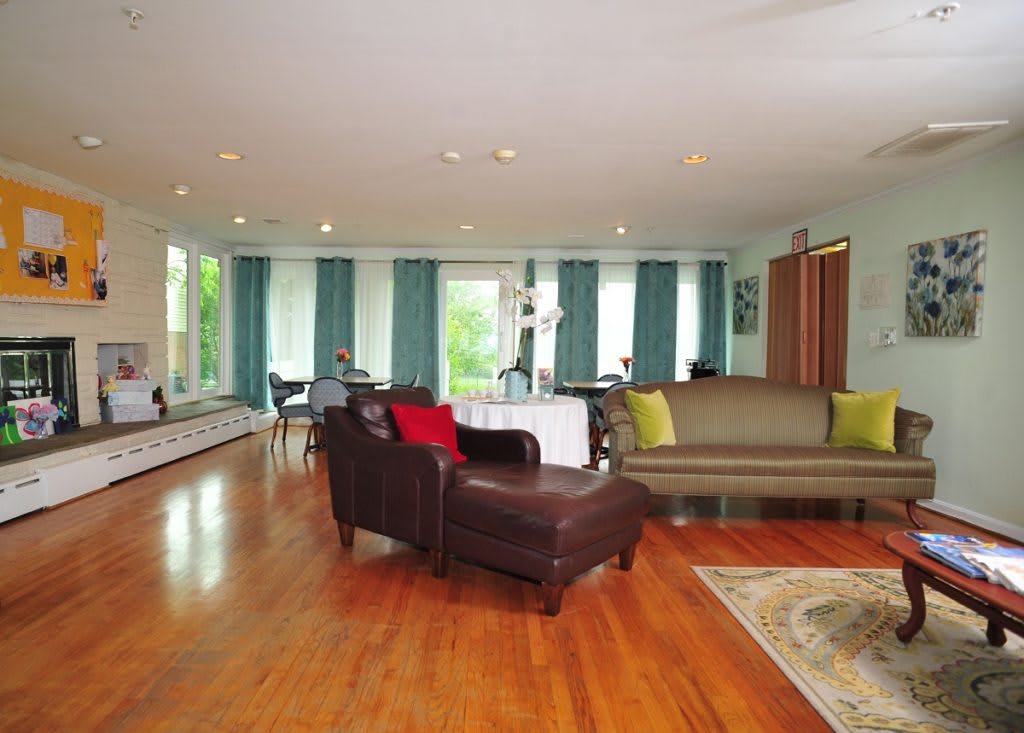
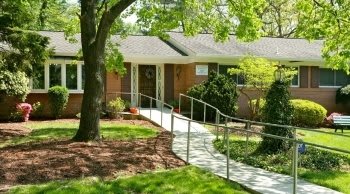
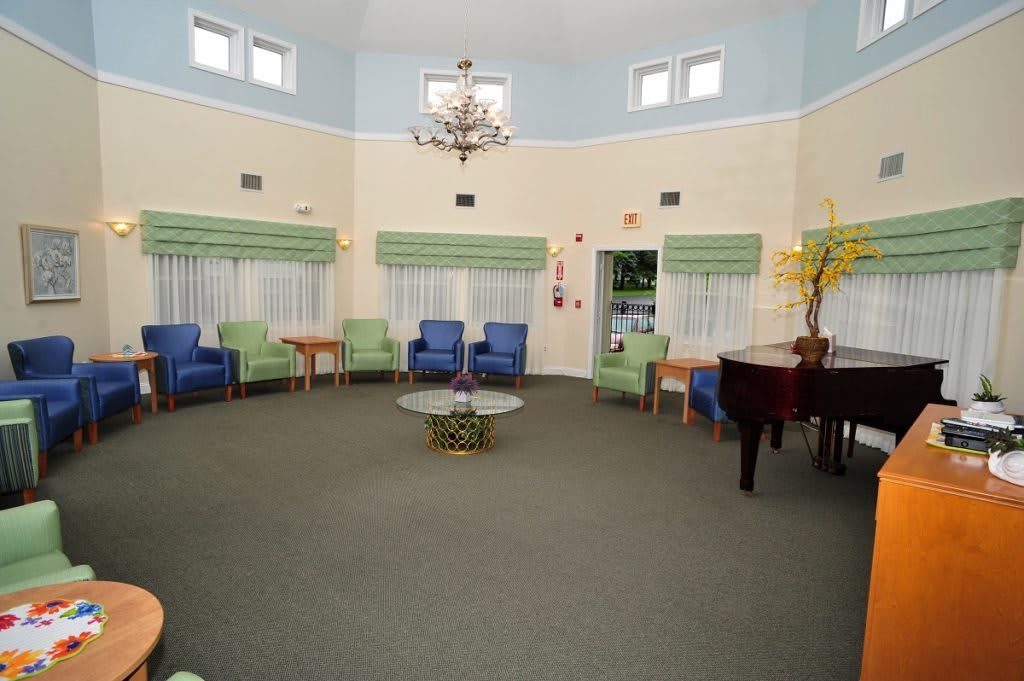
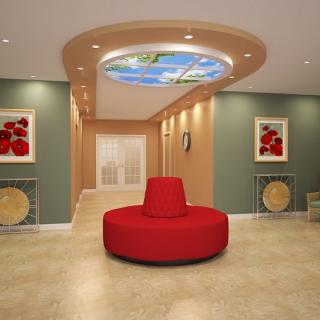
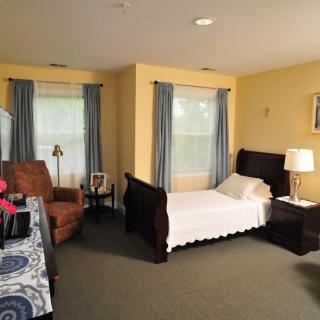
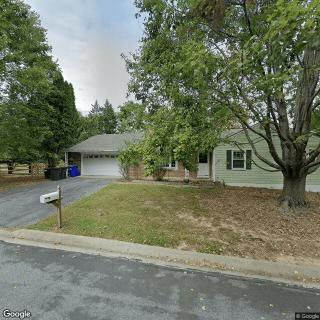
 Alfred House 1 is described as a place where residents feel at home and receive loving care.
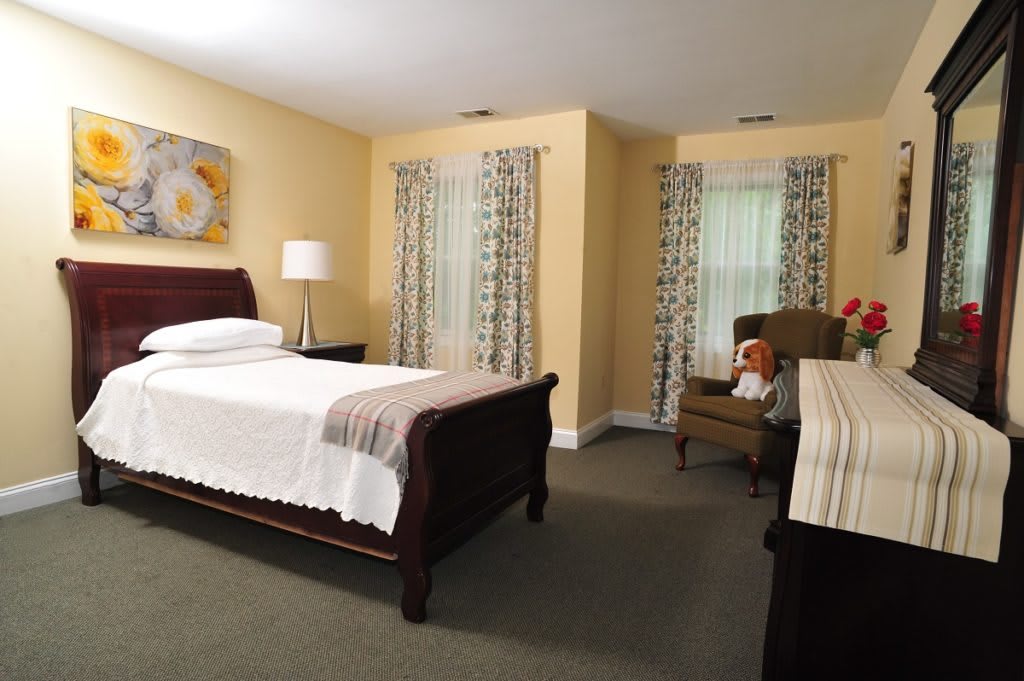
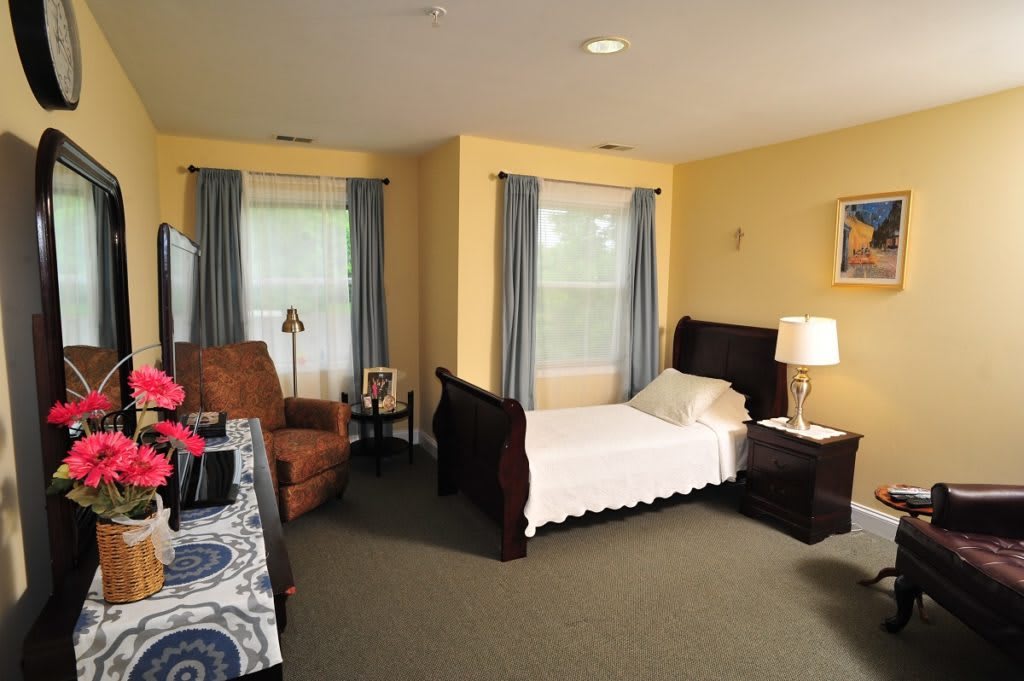
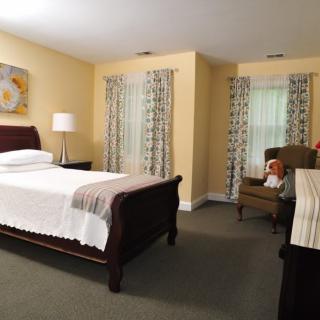
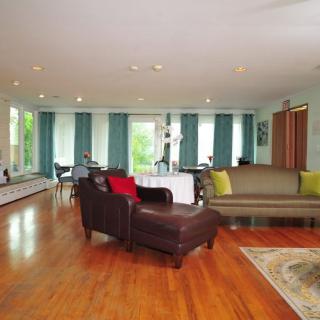
- It has a very homey atmosphere.
- The smaller community allows staff to know all residents by name and fosters strong one-on-one relationships.
- Loved ones note that the facility feels like home for their relatives, even after the COVID period.
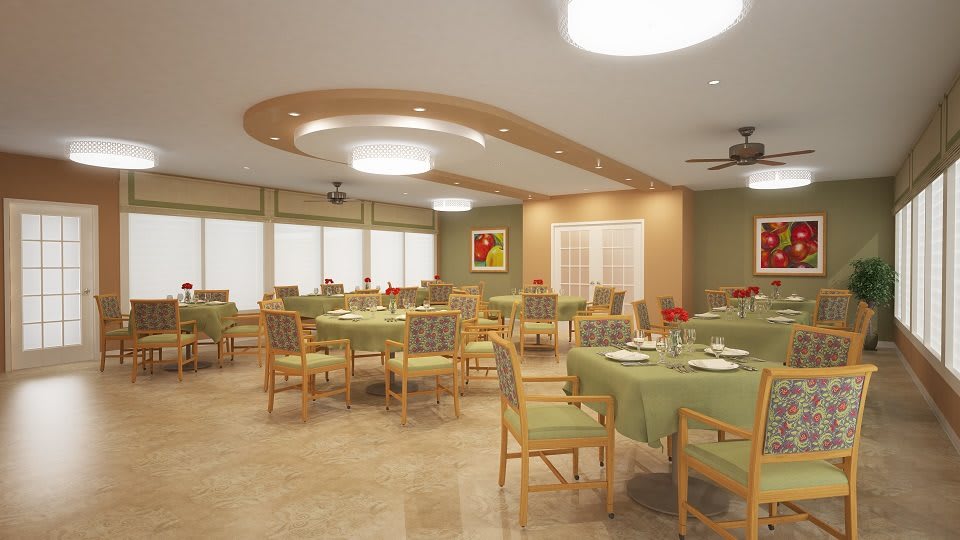
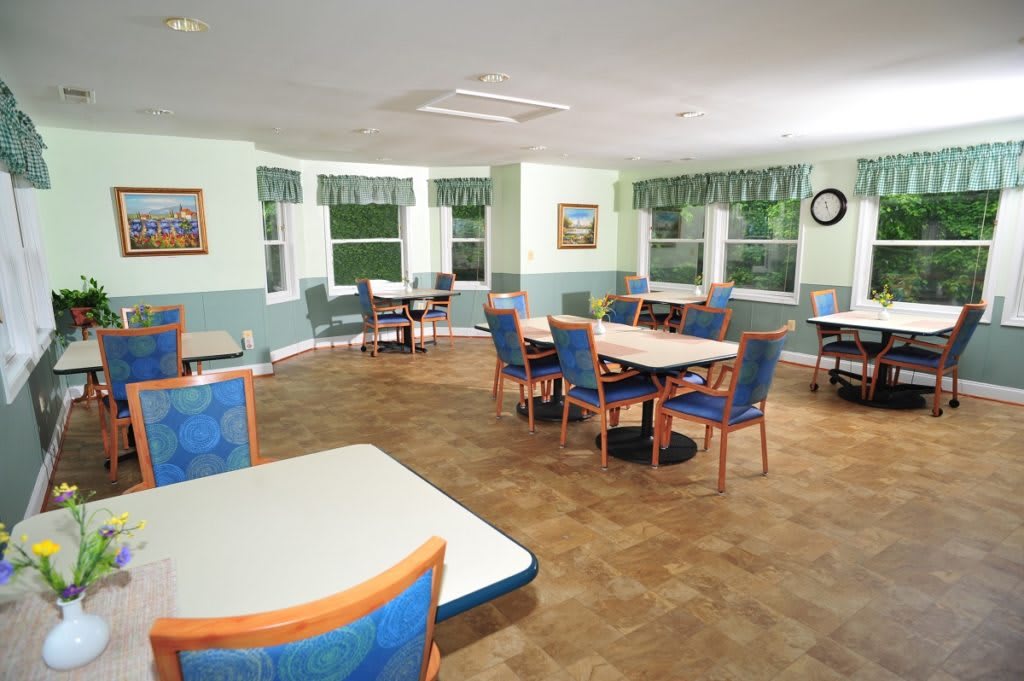
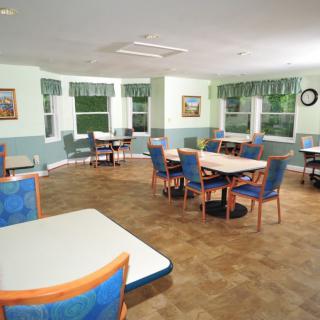
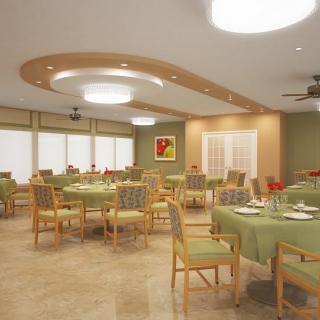
- In non-COVID times, it offers family-style dining with residents sitting around a big round table and eating together.
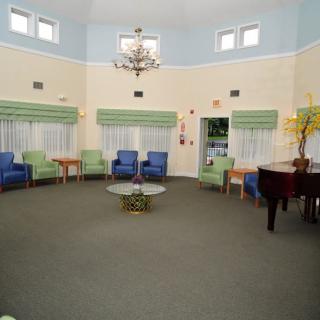
- Residents have the option to go next door to listen to live music.
- The facility’s handling of the pandemic, what it has learned, and how it has come through has left the reviewers impressed and thrilled.
Review
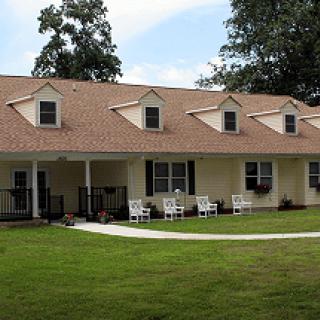
AlfredHouse I in Rockville is best suited for families seeking a small, home-like assisted living where residents are known by name and care feels intimate. This community shines for seniors who prioritizes belonging over breadth of amenities, where a calm, residential atmosphere replaces the impersonality of a larger campus. In this setting, daily life centers on warmth, familiarity, and genuine caregiver-resident connections, making it an ideal fit for those who want reassurance that mom or dad will be treated as a person, not simply another resident.
Families should consider alternatives if the priority is a broader activity calendar, more formal dining experiences, or a larger scale operation with a wider spectrum of on-site services. The intimate footprint of AlfredHouse I naturally constrains the breadth of offerings that a larger community can deliver, quiet evenings, fewer specialized programs, and a more limited menu of amenities. For seniors who expect a hotel-like environment, a full gym, or a sprawling campus with extensive medical partnerships, other options may better align with those expectations and needs.
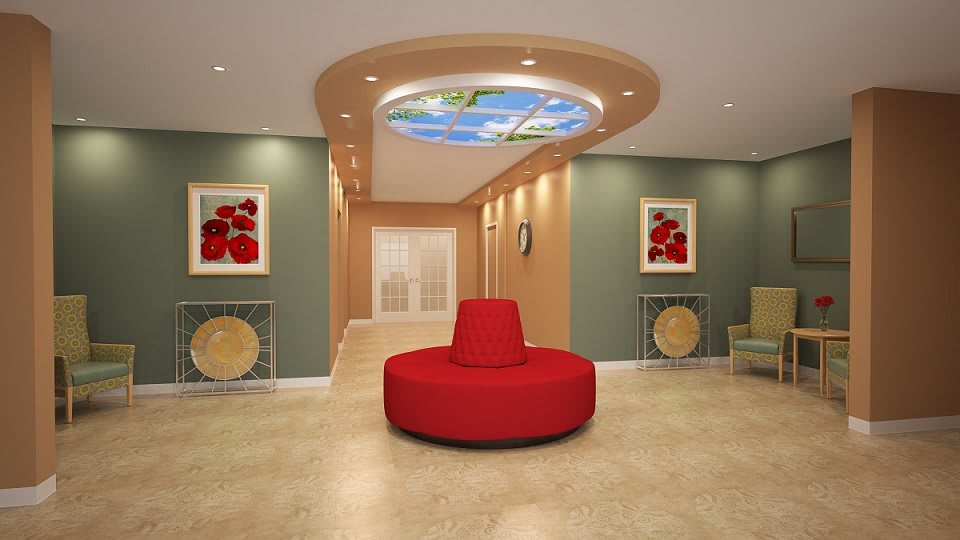
The strongest pros are the qualities that an intimate setting makes possible. Staff members know residents by name, enabling a level of one-on-one attention that translates into tailored care plans and quicker, more intuitive responses to changing routines or preferences. The homey atmosphere isn’t merely cosmetic; it structurally supports both safety and comfort, with caregivers who can notice subtle shifts in mood or health and adjust accordingly. Family-style dining, where neighbors gather around a round table to share a meal, fosters social connectedness, reduces isolation, and provides a regular, comforting ritual that many families value. The option to step next door for live music adds a simple, affordable enrichment that keeps daily life engaging without requiring transportation or elaborate planning.
Where potential trade-offs surface, the key inquiry is whether the benefits of small-scale life offset the limits that come with it. The same intimacy that makes care personalized can translate into a tighter schedule of activities and a smaller pool of on-site programs. The dining and social calendar, while warm and meaningful, may not match the breadth found in larger communities. For families with demanding medical needs, the scope of services and the availability of specialists may feel more constrained than in bigger facilities. In short, AlfredHouse I excels at “being a home,” but this can come at the cost of some choices and variety.
Yet the pros more than offset these trade-offs for the right resident profile. The tight-knit environment produces rapid trust-building between staff and residents, which often translates into consistent routines, fewer transfers, and peace of mind for families who want dependable, compassionate care. A home-centric culture reduces the clinical distance many seniors experience in larger settings, making daily life feel predictable and secure. The social life, anchored by shared meals and accessible, small-scale entertainment nearby, sustains regular interaction without the friction of coordinating across a sprawling campus. In practice, AlfredHouse I offers a meaningful sense of belonging that is frequently the decisive factor for families choosing care.
In sum, AlfredHouse I stands out for families who value a genuine sense of home, close caregiver relationships, and a calm, personal atmosphere. It is a compelling option for seniors who want daily life that feels like living with extended family, rather than navigating a large facility’s maze of services. Those who require a broader range of amenities, more intensive medical oversight, or a bustling social calendar should consider alternatives that better reflect those priorities. For the right resident, one who embraces intimacy, personalized attention, and the comfort of familiar routines, AlfredHouse I delivers confident, experienced care that families can trust.
 Assisted Living
 Activities on-site
 Air-conditioning
 Cable or satellite TV
 Devotional services off-site
 Garden view
 Handicap accessible
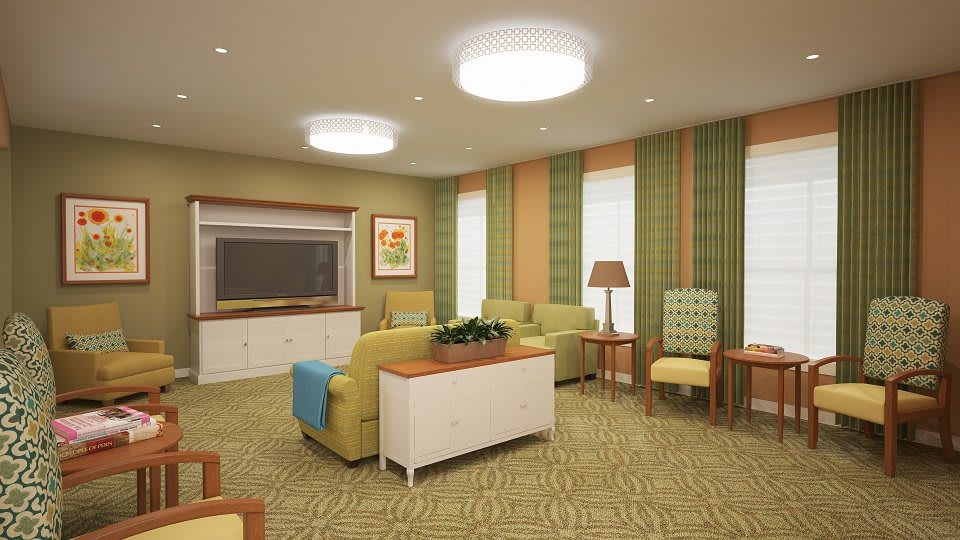
 Indoor common areas
 Private bathrooms
 Respite or short term stays offered
 Wheelchair accessible showers
 Wi-Fi/high-speed internet available
 Ronald Reagan Washington National (21 miles away)
 Ambulatory care
 Diabetic care
 High acuity care
 Incontinence care
 Medication management
 Gluten-free
 Art classes
 BBQs or picnics
 Birthday parties
 Day trips and outings
 Resident band or musicians
 Stretching classes
 Trivia games
 Visiting Rabbi
 Visiting chaplain or priest
 Wii bowling

 Vibrant Senior Living: A Comprehensive Guide for Active Older Adults
 When to Transition from Assisted Living to Memory Care: Key Indicators, Steps, and Finding the Right Community
 Assisted Living and Memory Care: Understanding Their Core Differences