
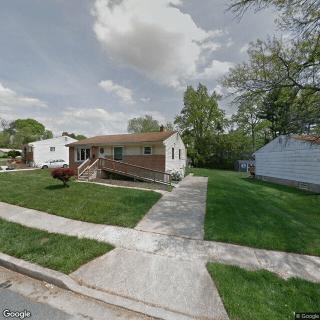
3737 Courtleigh Drive, Randallstown, MD 21133
For more information about senior living options: (866) 208-4318
Overall Review of Second Genesis III
Pros
 Second Genesis Eldercare did all that they could under the circumstances.
- The reviewer appreciated their efforts in dealing with a very distressed individual.
Cons
 The staff neglected the grandfather by not informing the family about his UTI, which allowed an infection to develop.
- The owner, Jackie Cromer, allegedly blocked contact by blacking out numbers so staff wouldn’t contact his POAs.
- The EMTs couldn’t reach the family because the contact information was obscured.
- The owner was suspected of injuring the grandfather’s eye and blaming it on Eliquis (a blood thinner).
- The reviewer would never cross paths with the owner again, expressing strong distrust.
- The grandfather ultimately passed away.
Review
Second Genesis III in Randallstown is best suited for families that insist on an active, hands-on approach to care management and are willing to contend with a governance dynamic that can feel uneven. The community appears most compatible with those who can demand accountability, request detailed incident notes, and persistently press for timely updates from leaders. It is not a clear fit for seniors with substantial medical needs or for households seeking a consistently high-touch, fully transparent operation without close oversight.
Those who may want to consider alternatives include families prioritizing predictable medical oversight, rapid problem resolution, and stable administrative leadership. Prospective residents who require tightly coordinated care plans, regular physician involvement, and unequivocal responsiveness from ownership will likely encounter frustration here unless a rigorous oversight framework is established and strictly followed. In short, this is a setting where due diligence and proactive governance matter more than average.
On the upside, the dynamic suggests some personal attention from staff and a willingness among individual aides to engage relationships with residents. One thread from the mixed feedback notes the presence of aides who connect with families and try to address distress in real time, which matters when moments of vulnerability arise. Another positive signal is the acknowledgment by at least one reviewer that management did make efforts to confront and resolve issues, indicating a potential for improved responsiveness if the proper processes are in place and consistently executed.
The most troubling elements center on care lapses and communication gaps that undermine trust. Allegations of a significant medical oversight, specifically a UTI linked to a prolonged infection, and the supposed blocking of contact with power-of-attorney representatives raise serious safety and governance concerns. When such events are paired with claims of an owner controlling communications, the risk calculus shifts toward caution. A four-review snapshot with a 2.3 overall rating reinforces that these are not isolated incidents but a pattern that can disrupt peace of mind for families.
Whether the pros can offset the cons hinges on concrete, formalized safeguards. If ownership remains locally involved and staff show consistent, accountable behavior, there is potential for improvement, provided there are transparent incident logs, clear escalation paths, and regular, verifiable updates to families. Without those guardrails, the local ownership advantage quickly loses leverage against the risks of miscommunication and episodic care gaps. The combination of conflicting narratives and unresolved tensions means few guarantees and a need for heightened scrutiny.
Practical guidance for families facing this decision is clear. Request a comprehensive care plan with documented medical oversight and a written incident-retort path, including exact timelines for notification to families and authorized contacts. Seek targeted references from current residents and families who have navigated medical events, and require direct access to the administrator or owner to gauge responsiveness. Schedule a visit with not just the sales staff but also the care team, and insist on meeting a potential resident’s POA to discuss escalation procedures. If choosing this community, enter with explicit expectations, a detailed monitoring plan, and a defined period to reassess the arrangement, otherwise, alternative options with steadier governance and demonstrable transparency may offer more predictable, less stressful outcomes for elders and their families.
 7 resident community capacity
 Assisted Living
 Cable or satellite TV
 Dining room
 Fully furnished
 Garden
 Housekeeping services
 Move-in coordination
 Outdoor space
 Telephone
 Wi-Fi/high-speed internet available
 Baltimore-Washington International (14 miles away)
 24-hour supervision
 Activities of daily living assistance
 Assistance with bathing
 Assistance with dressing
 Assistance with transfers
 Diabetes diet
 Meal preparation and service
 Medication management
 Special dietary restrictions
 Transportation arrangement (medical)
 Transportation to doctors appointments





 How and When Medicaid May Cover Assisted Living Costs
 A Detailed Exploration of Assisted Living Medicaid Waivers Across the United States
 Comprehensive Residential Support and Assisted Living Solutions for Individuals with Disabilities