
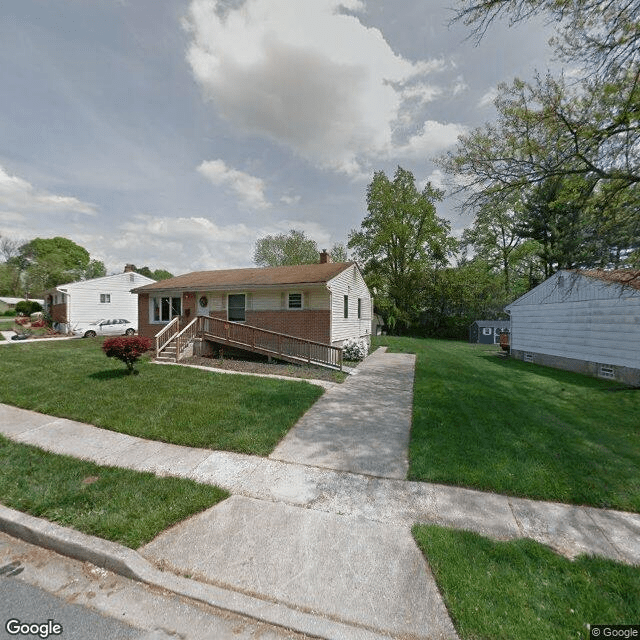
4744 Byron Road, Pikesville, MD 21208
For more information about senior living options: (866) 208-4318
Amazing Home Costs & Pricing
Amazing Home offers competitive pricing compared to both Baltimore City and the broader Maryland area. For a semi-private room, residents can expect to pay $2,600 per month at Amazing Home, which is significantly lower than the average costs of $3,116 in Baltimore City and $3,545 statewide. Similarly, the private room option at Amazing Home is priced at $3,400, again presenting a more affordable choice compared to Baltimore's rate of $3,729 and Maryland's average of $4,112. This makes Amazing Home an attractive option for families seeking quality care without breaking the bank.
| Floor plans | Amazing Home | Baltimore city | Maryland |
|---|---|---|---|
| Semi-Private | $2,600 | $3,116 | $3,545 |
| Private | $3,400 | $3,729 | $4,112 |
Assisted Living communities with a similar price nearby
-
from +$375 / mo
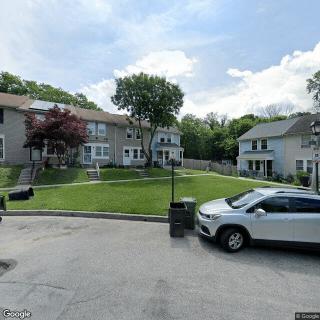
Gneale Home Care
$2,975 / month6.9 miles away -
from +$400 / mo
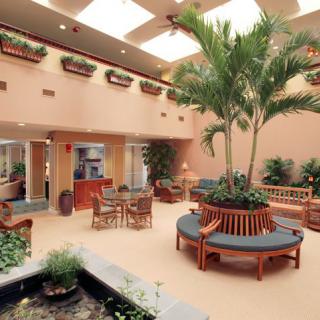
Residences at Vantage Point CCRC
$3,000 to $4,709 / month11.0 miles away -
from +$400 / mo

Friendship Assisted Living
$3,000 to $5,000 / month12.0 miles away -
from +$100 / mo
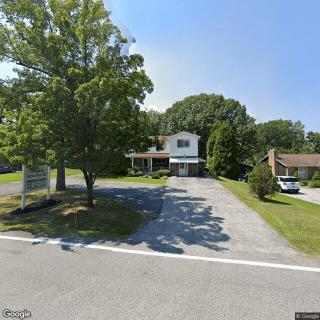
Angels Among Us
$2,700 to $7,000 / month21.5 miles away -
from +$400 / mo
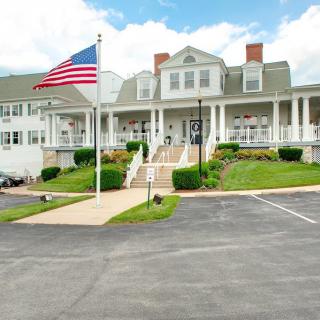
The Terraces at Westminster
$3,000 to $5,500 / month18.1 miles away
Overall Review of Amazing Home
Pros
 The staff are very caring and patient.
- The facility atmosphere is quiet and very orderly.
- Amazing Home is highly recommended to others.
- The facility is rated five in every category.
- They are very pleased with Amazing Home.
- Amazing Home is a great place.
Cons
 Amazing Home was disappointing.
- It needs updating.
- The wheelchair ramp is old and needs to be repaired, along with the drywall.
- The house is small.
Review
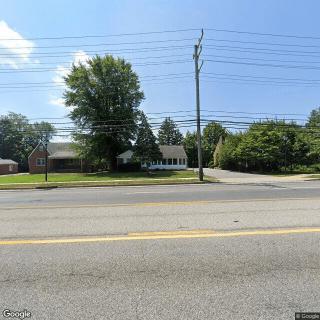
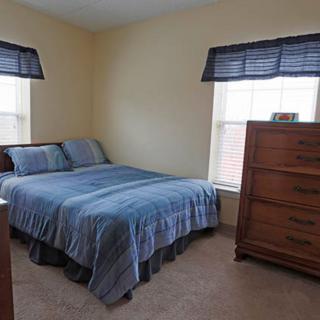
Amazing Home in Pikesville is best suited for families seeking a small, home-like setting where seniors receive steady, hands-on care and days unfold in a quiet, predictable rhythm. The residence operates with a tight footprint, roughly four residents, two private rooms and one double, set in a residential block that adds a neighborhood, non-institutional feel. It is notably cat-friendly, with capacity to accommodate a pet in a private room when feasible. For relatives who prize intimate supervision, a calm atmosphere, and a staff that prioritizes personal attention over sprawling programming, this community delivers a reassuring, low-stimulation home base.
Families who want a more expansive, activity-rich environment should consider alternatives. Several points raised by reviewers point to a mismatch with those seeking modern amenities or vigorous engagement calendars. The facility’s physical plant is described as outdated, with specific concerns about an aging wheelchair ramp and drywall that needs attention. The footprint is small, which can limit residents’ opportunities for varied activities, socializing beyond a small circle, and easy mobility for those with greater need. Additionally, onboarding can feel erratic, with reports of delayed responses to tours or admissions inquiries, and occasionally being told the facility is full.
The strongest positives center on the human touch. Staff are repeatedly described as caring and patient, contributing to a quiet, orderly vibe where residents appear well looked after. The intimate size fosters closer relationships between caregivers and individuals, potentially translating into more tailored routines and quicker recognition of changing needs. The private room option and the ability to accommodate a cat add practical appeal for households prioritizing dignity and companionship. In short, for seniors who thrive on predictable days, familiar faces, and a sense of belonging within a small circle, the care climate here holds real value.
Yet the main drawbacks cannot be dismissed. The physical environment and limited programming are real constraints. A small, aging house means less room for modernization and improvements, and the cited ramp and drywall issues signal ongoing maintenance needs. The complaint about “not many activities” is more than a cosmetic concern; it points to potential boredom, reduced social stimulation, and slower opportunities to try new routines or social roles. Communication gaps, occasional missed acknowledgments or unclear admission status, create understandable apprehension for families weighing move-in timing and next steps. These elements do not erase loving care, but they do require deliberate management of expectations.
Despite the tensions between pros and cons, the care-centered, homelike core can still offset the drawbacks for the right resident. For seniors who value consistent, attentive staff, low-key surroundings, and a flexible private-room arrangement (including pet-friendly options), the advantages can outweigh the maintenance and program gaps. The intimate setting encourages staff familiarity with personal histories, preferences, and routines, which often translates into smoother daily care, quicker response times, and a sense of safety that larger campuses sometimes lose. For families who can tolerate fewer daily activities and fewer visible upgrades, the emotional and relational benefits matter deeply.
The bottom line: this is a good fit for families prioritizing warmth, individualized attention, and a calm living space over modernization and a bustling activity calendar. Before deciding, verify current vacancy and obtain a concrete plan for any needed renovations or accessibility fixes, particularly around the ramp. Ask about the latest updates to the home’s infrastructure, confirm the scope of activities available, and clarify how the onboarding process will be managed to avoid future communication gaps. If a richer activity lineup, more turnkey modernization, and a broader campus experience are nonnegotiables, it is prudent to explore other options. For households comfortable with a smaller, intimate environment where caregivers know residents by name and a cat-friendly setup is a welcome bonus, Amazing Home represents a thoughtful, practical choice with clear, lived strengths.
 4 resident community capacity
 Assisted Living
 Board and Care Home
 Activities off-site
 Bath tubs
 Beautician on-site
 Cable or satellite TV
 Devotional services off-site
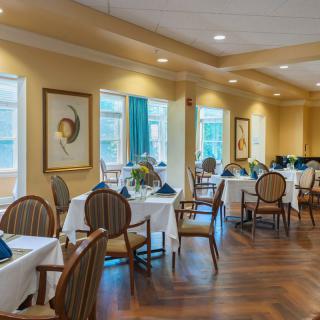
 Dining room
 Fully furnished
 Garden
 Housekeeping services
 Indoor common areas
 Move-in coordination
 Outdoor common areas
 Private
 Private bathrooms
 Respite or short term stays offered
 Telephone
 Wi-Fi/high-speed internet available
 Baltimore-Washington International (14 miles away)
 24-hour supervision
 Ambulatory care
 Assistance with bathing
 Assistance with dressing
 Assistance with transfers
 Diabetes diet
 Diabetic care
 High acuity care
 Incontinence care
 Meal preparation and service
 Medication management
 Special dietary restrictions
 Transportation arrangement (medical)
 Transportation to doctors appointments



 An Extensive Exploration of the VA Aid and Attendance Benefit
 Senior Transition Services: Understanding Their Role, Cost, and Importance
 Exploring the Path to Senior Living: A Comprehensive Look at Independent Living and Assisted Living