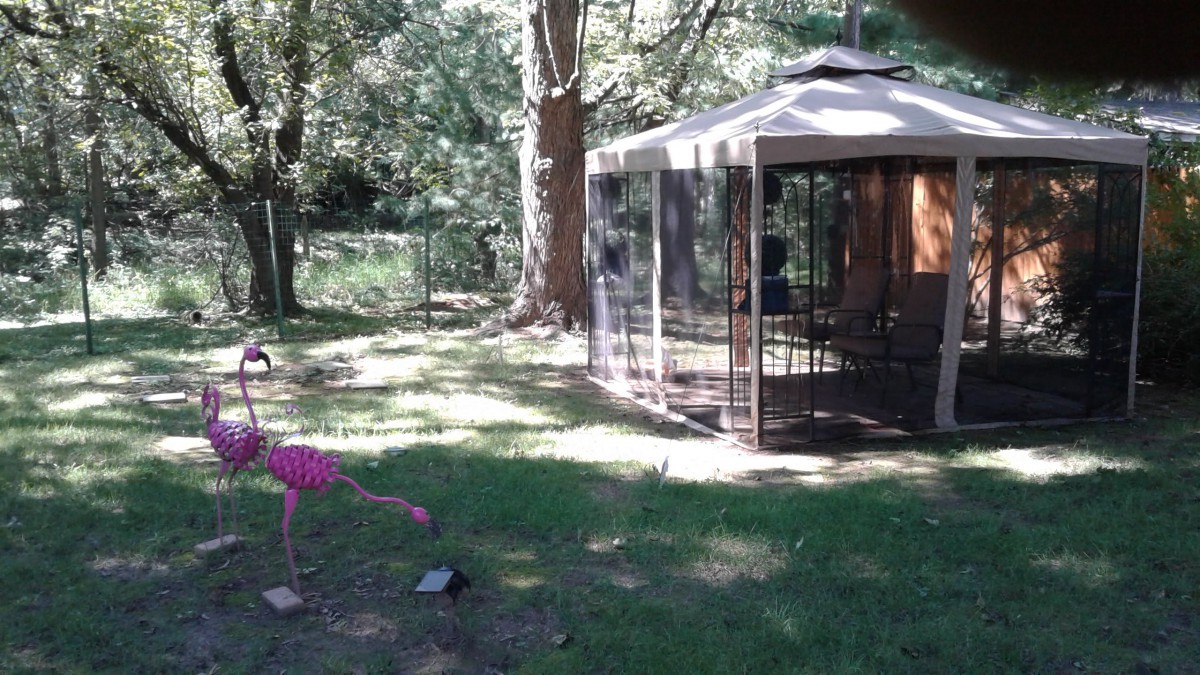
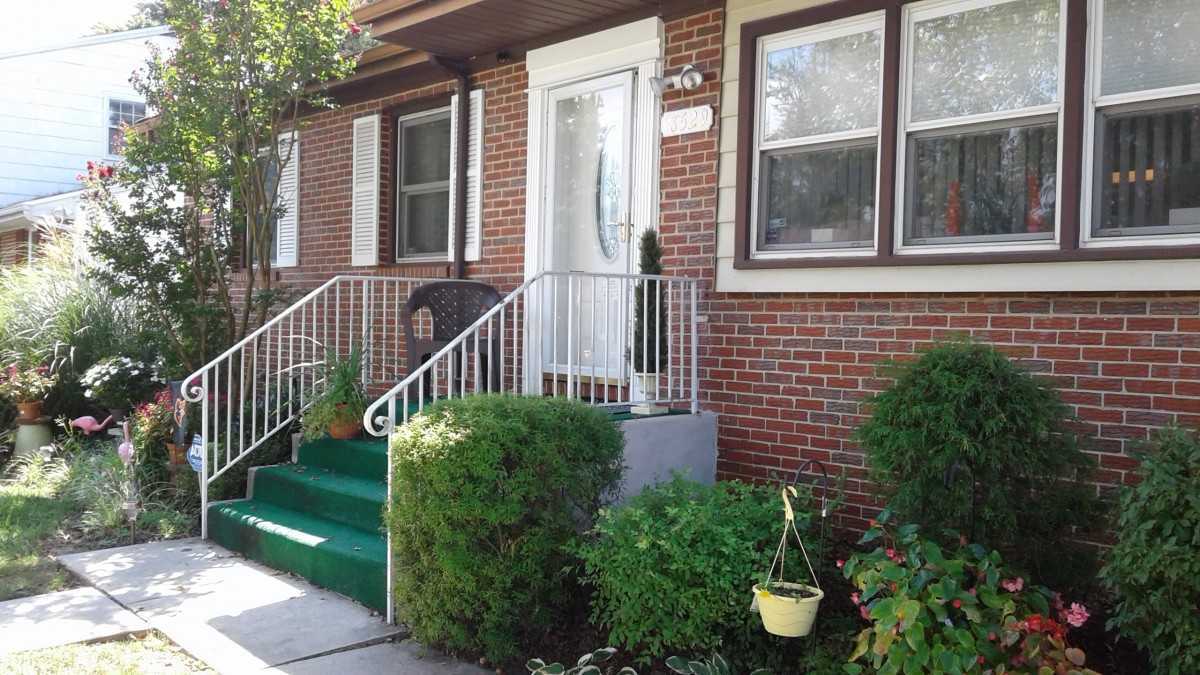
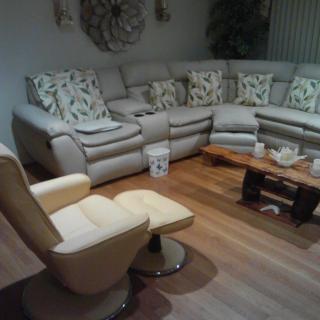
8529 Lucerne Rd., Randallstown, MD 21133
To contact a resident: (410) 922-4439
For more information about senior living options: (866) 208-4318
Pat's Golden Girls Costs & Pricing
Pat's Golden Girls offers competitive monthly rates compared to both Baltimore County and the broader Maryland state averages. For a semi-private room, Pat's charges $2,700, significantly lower than the county's average of $3,584 and the state average of $3,545. Similarly, for private accommodations, Pat's rate of $3,200 remains appealing against Baltimore County's average of $4,031 and Maryland's average of $4,112. This pricing strategy not only provides a cost-effective solution for families seeking quality care but also emphasizes Pat's commitment to affordability without compromising on the supportive environment that residents deserve.
| Floor plans | Pat's Golden Girls | Baltimore County | Maryland |
|---|---|---|---|
| Semi-Private | $2,700 | $3,584 | $3,545 |
| Private | $3,200 | $4,031 | $4,112 |
Senior living communities with a similar price nearby
-
from +$500 / mo

Mumsey's Residential Care
$3,200 to $5,400 / month4.8 miles away -
from +$275 / mo
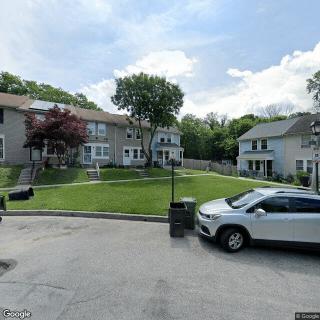
Gneale Home Care
$2,975 / month7.6 miles away -
from +$300 / mo
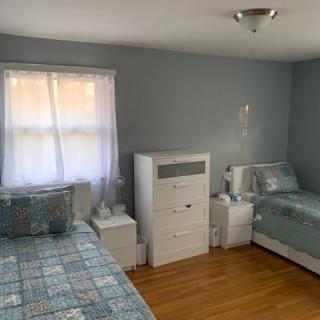
Hands & Hearts Assisted Living Silver Springs
$3,000 to $3,500 / month23.9 miles away -
from +$150 / mo
Cascadia Courts II, LLC
$2,850 / month23.9 miles away -
from -$200 / mo
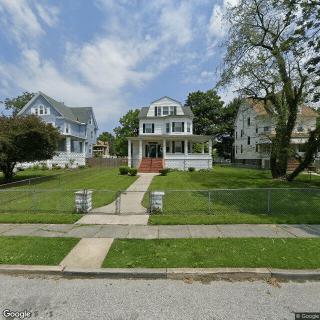
Almost Like Home, Inc
$2,500 to $3,500 / month5.5 miles away
Overall Review of Pat's Golden Girls
Pros
 Pat’s Golden Girls is described as an immense blessing for families and their loved ones.
- Pat is described as an amazing, kind, and patient person—one of a kind.
- The staff are sweet and attentive, creating a home-style environment.
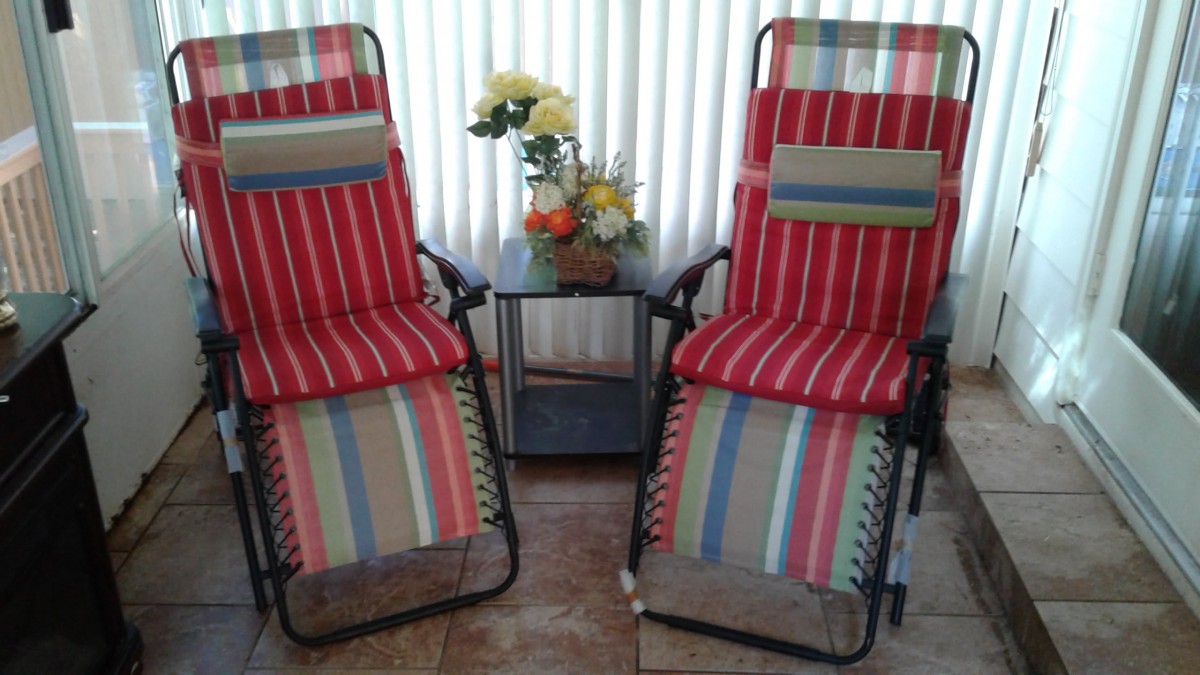
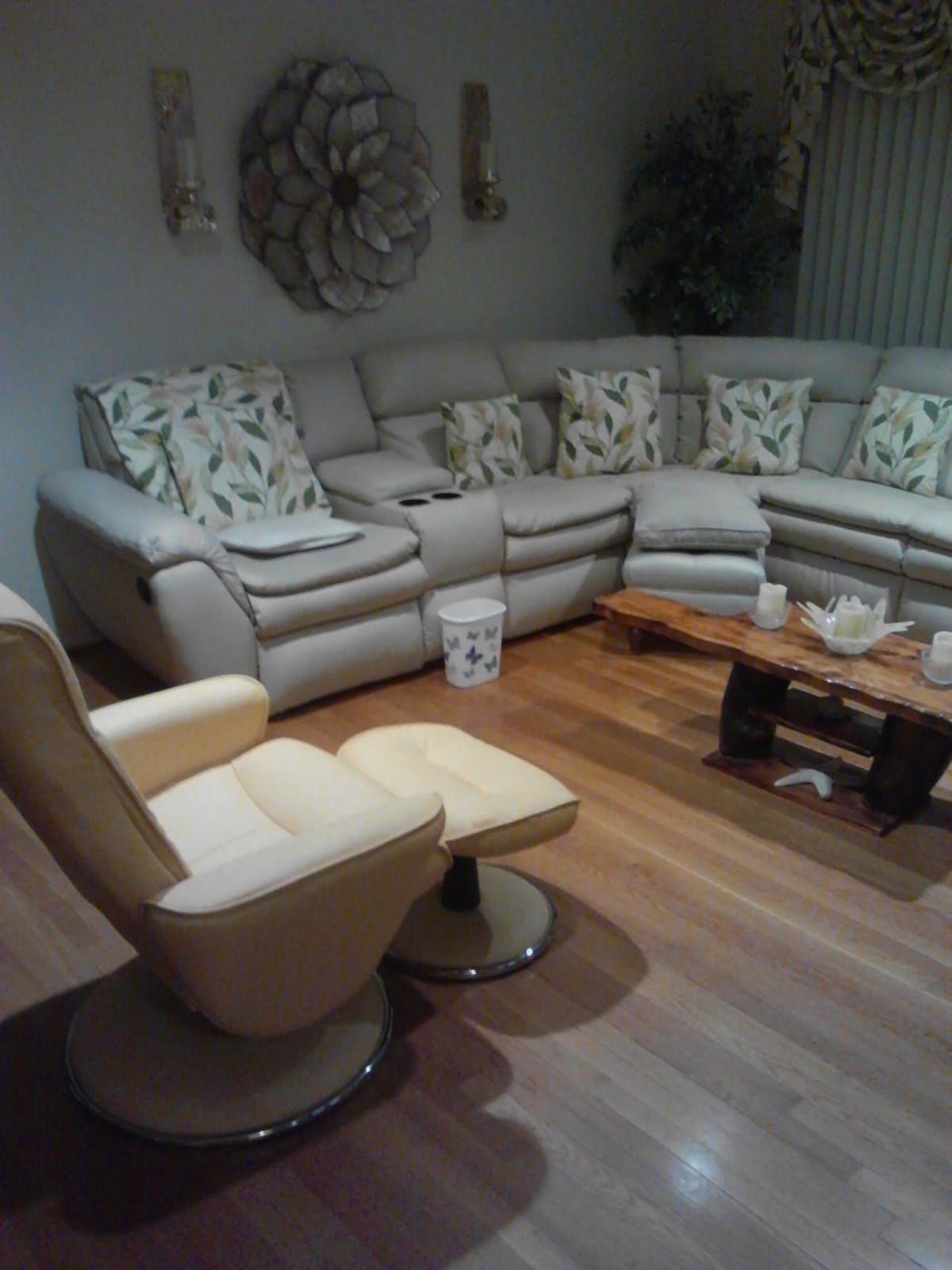
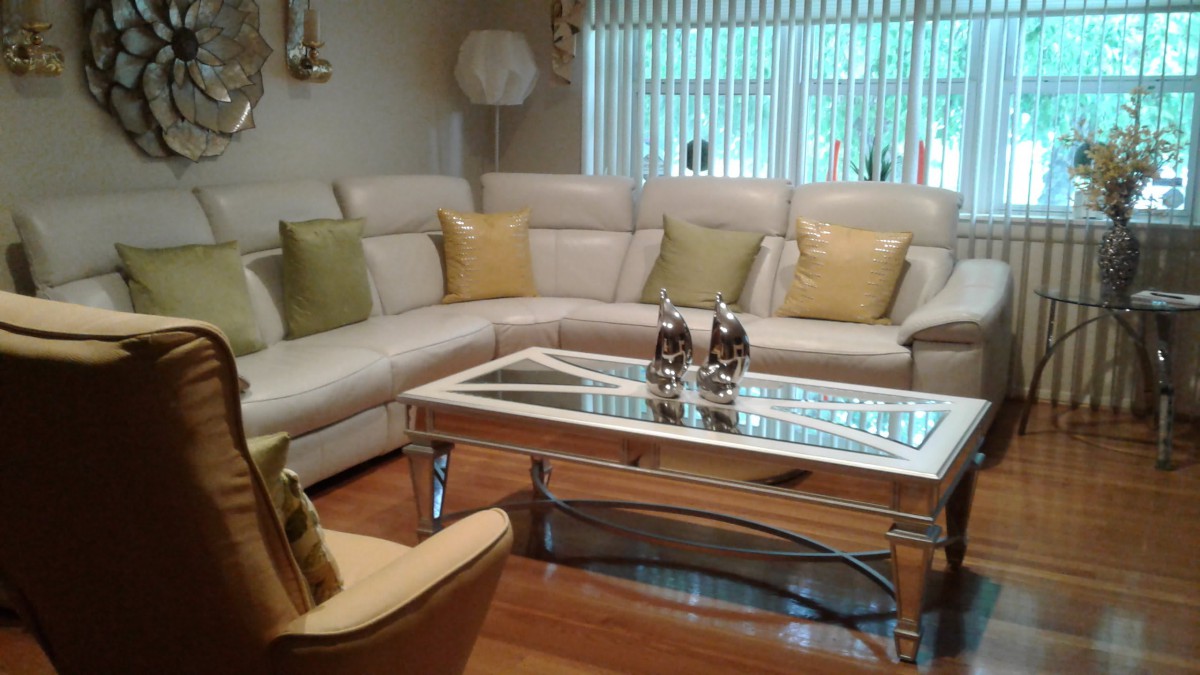
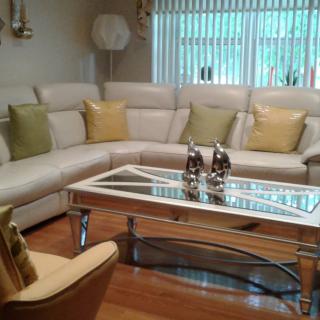
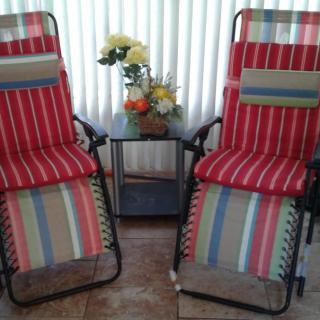
- The facility is clean with a warm, homey atmosphere.
- They would definitely recommend Pat’s Golden Girls to others.
- The home and owner are well-regarded, with the owner willing to work out the cost.
- The home is welcoming and a good match for seniors.
- The facility is immaculate, with residents looking well cared for, and the owner is informative, kind, and caring.
Cons
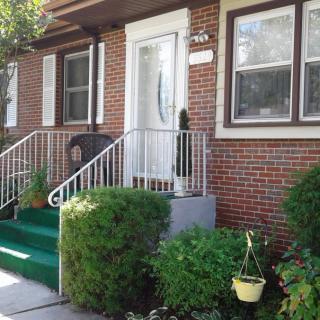
 There is concern about the dog and the front steps.
 - They were concerned about the twin bed for mom, though it was deemed acceptable.
- Only a semi-private room was offered and there was no bathtub, which did not meet basic requirements.
- The move-in process has been stressful for the family as they adjust to the new residence.
Review
Pat’s Golden Girls in Randallstown is best suited for families seeking a small, home-like assisted living where the owner-operator is deeply involved and responsive. The setting prioritizes warmth, routine, and personal attention over a large, clinical campus. Families gain confidence from Pat’s hands-on approach, regular updates, and daily touchpoints with caregivers. This option is ideal for seniors who want to feel truly cared for in a residence that feels like a private home rather than a facility.
Those who insist on a private room as a baseline or require a facility with broader medical staffing and structured programming may want alternatives. Several reviews note space is limited and layouts skew toward semi-private arrangements, with at least one situation where a private room cost prevented placement. Availability can be tight, so a family may face waiting and budget considerations before a spot opens. For seniors with higher medical needs, more robust on-site services, or stricter accessibility requirements, a larger community could be a better fit.
On the upside, the strongest asset is the human touch. Pat and her staff are described as welcoming, attentive, and genuinely caring, creating a home-like atmosphere that residents quickly settle into. Cleanliness and a tidy, well-maintained environment reinforce the sense of safety. The care team’s willingness to engage residents in activities, such as taking them out for birthday dinners, and proactive communication with families and healthcare providers stand out as meaningful advantages. Those factors often translate into smoother transitions and more consistent caregiving.
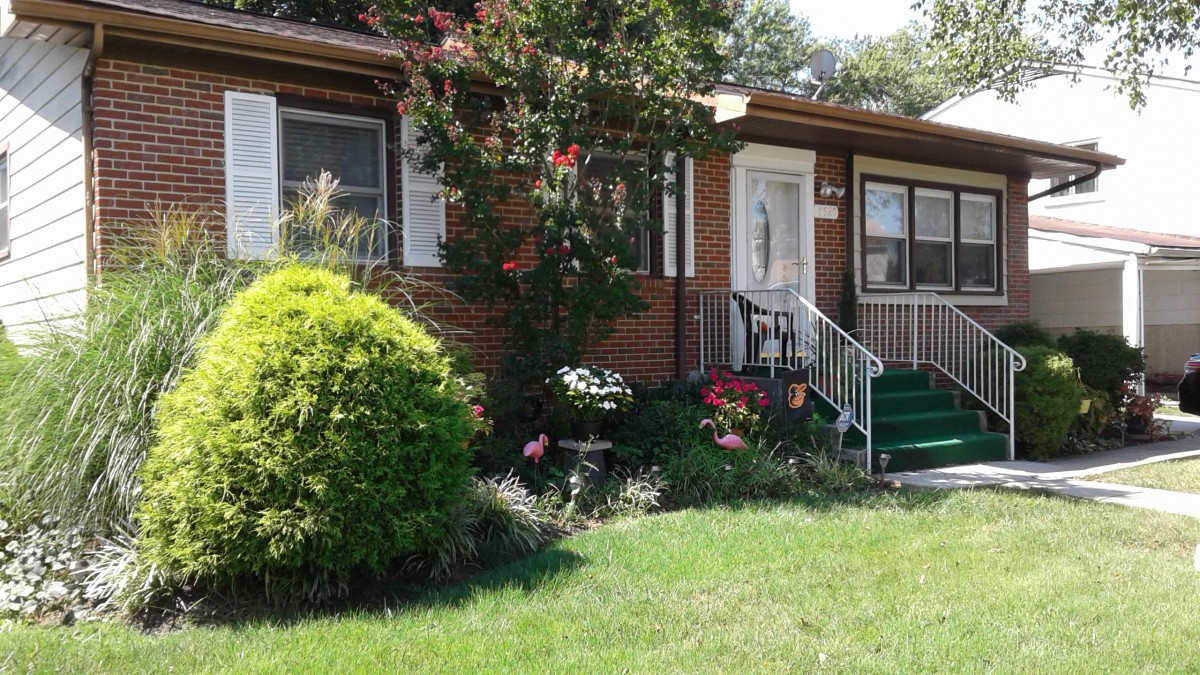
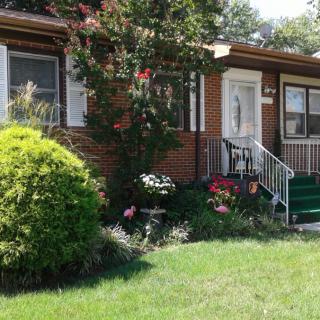
Nevertheless, the property does have limits that matter in decision making. The primary constraint is room variety: a private room is not always available, and in at least one instance the lack of a bathtub or the absence of essential features did not meet a family’s minimum expectations. While the facility is immaculate, the absence of certain amenities or the need to settle for a semi-private arrangement can be a dealbreaker for some. Practical concerns about entrance access and minor mobility hurdles were raised, though a ramp mitigates front-step issues. Food was noted as needing adjustment, a common and addressable concern in intimate homes.
Despite these drawbacks, the pros offset most concerns for the right buyer. The intimate setting amplifies accountability and timely responsiveness, with Pat personally staying in touch and coordinating doctor visits or medications. A homey environment supports emotional well-being and can ease the stress of a move, particularly when family anxiety runs high. In short, the combination of genuine warmth, consistent oversight, and a clean, welcoming space makes this option compelling for seniors who value personal connection over breadth of services.
Bottom line: Pat’s Golden Girls works best for families prioritizing a heartfelt, small-community vibe with direct access to the owner and a dedicated care team. It suits seniors who can tolerate limited room configurations and are comfortable with eventual private-room arrangements or higher costs if and when a private bed becomes available. The strongest benefits, exceptional warmth, attentiveness, and a home-like setting, substantially counterbalance the main constraints for the right resident. Prospective families should visit, meet Pat, and assess whether the room options, food preferences, and daily routine align with their loved one’s expectations, finances, and care needs. If those criteria fit, Pat’s Golden Girls can be a life-changing choice; if not, exploring other small-scale or larger communities would be prudent.
 Board and Care Home
 Activities on-site
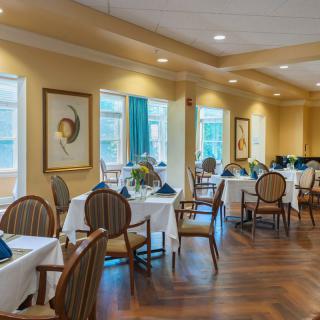
 Indoor common areas
 Outdoor common areas
 Private
 Private bathrooms
 Baltimore-Washington International (15 miles away)
 Ambulatory care
 Diabetic care
 High acuity care
 Incontinence care
 Medication management
 Meals provided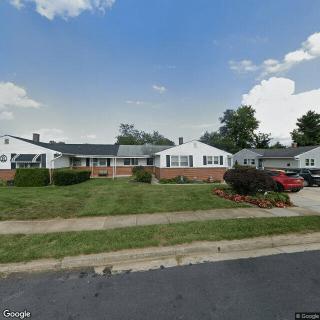


 Understanding the Nuances of Palliative Care and Hospice: A Comprehensive Exploration
 Fecal Incontinence in Older Adults: A Comprehensive Guide
 Recognizing the Journey: Understanding and Navigating Anticipatory Grief