Atrium Village Costs & Pricing
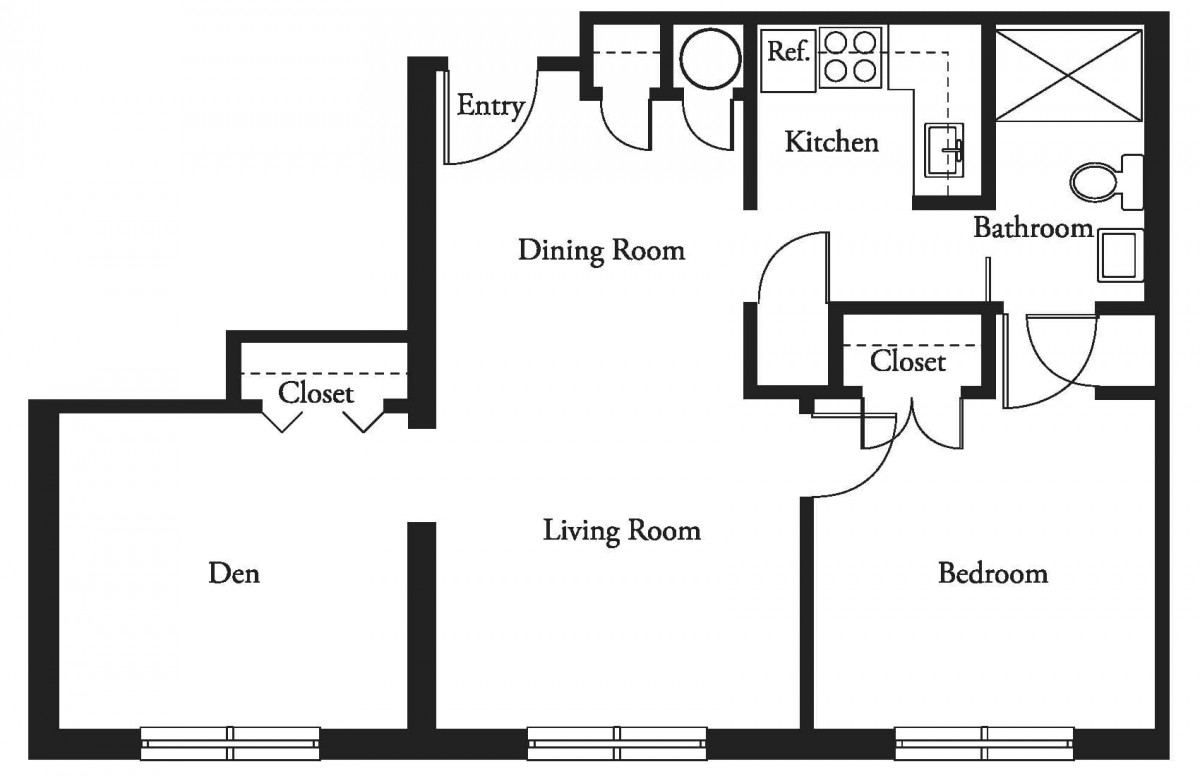
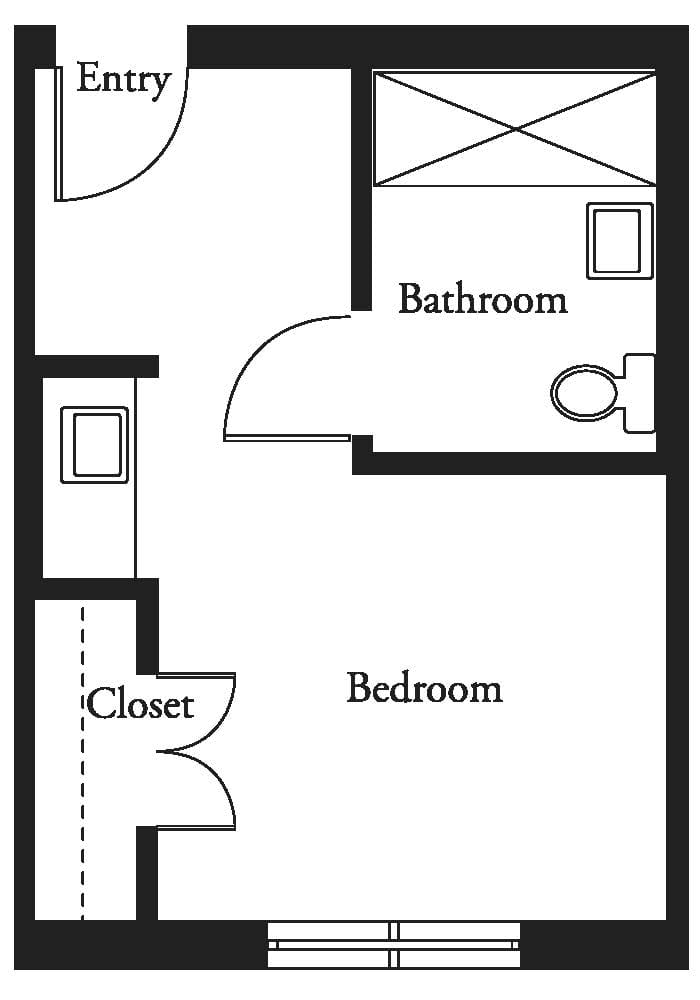
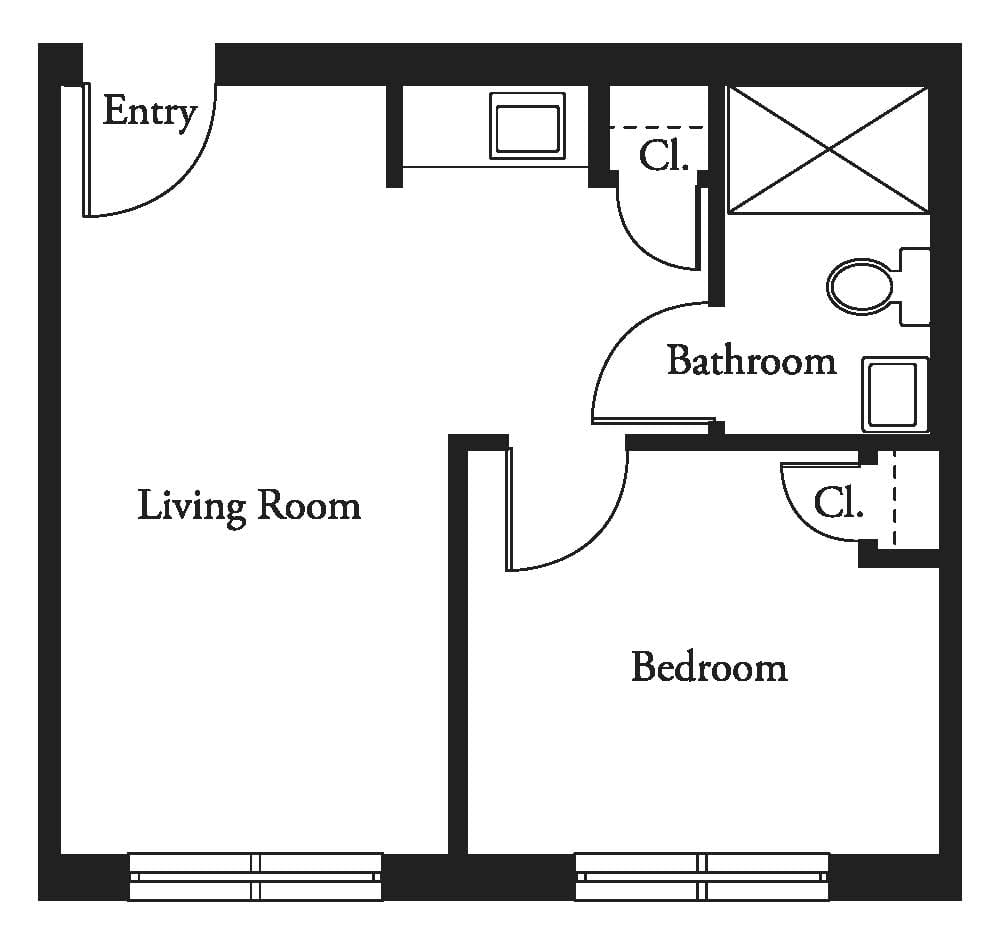
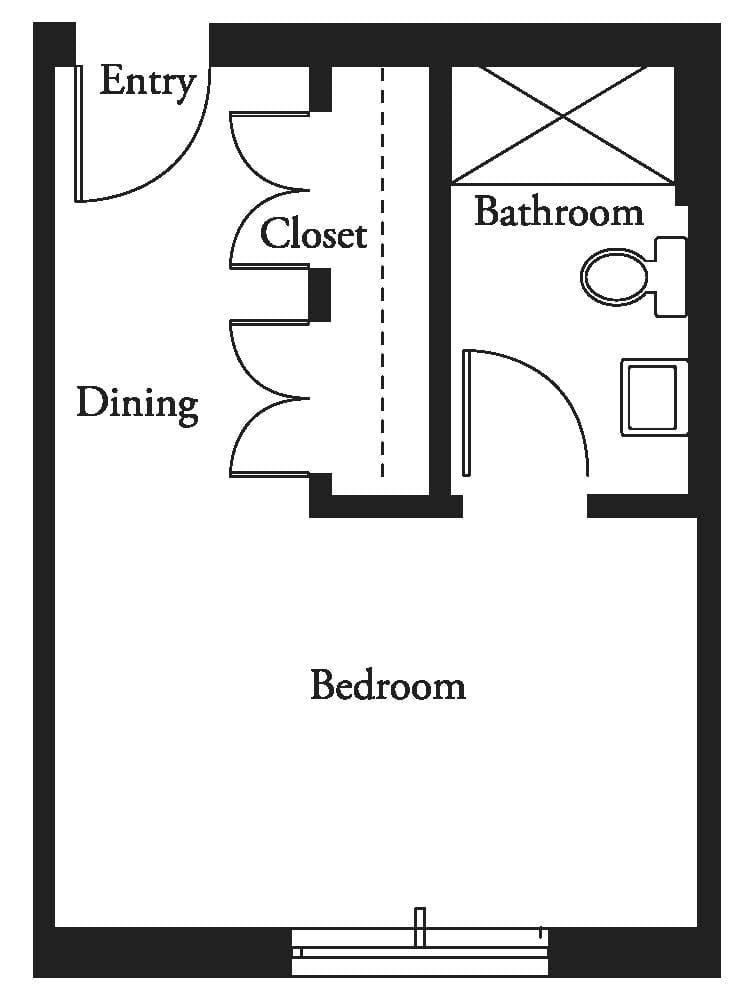
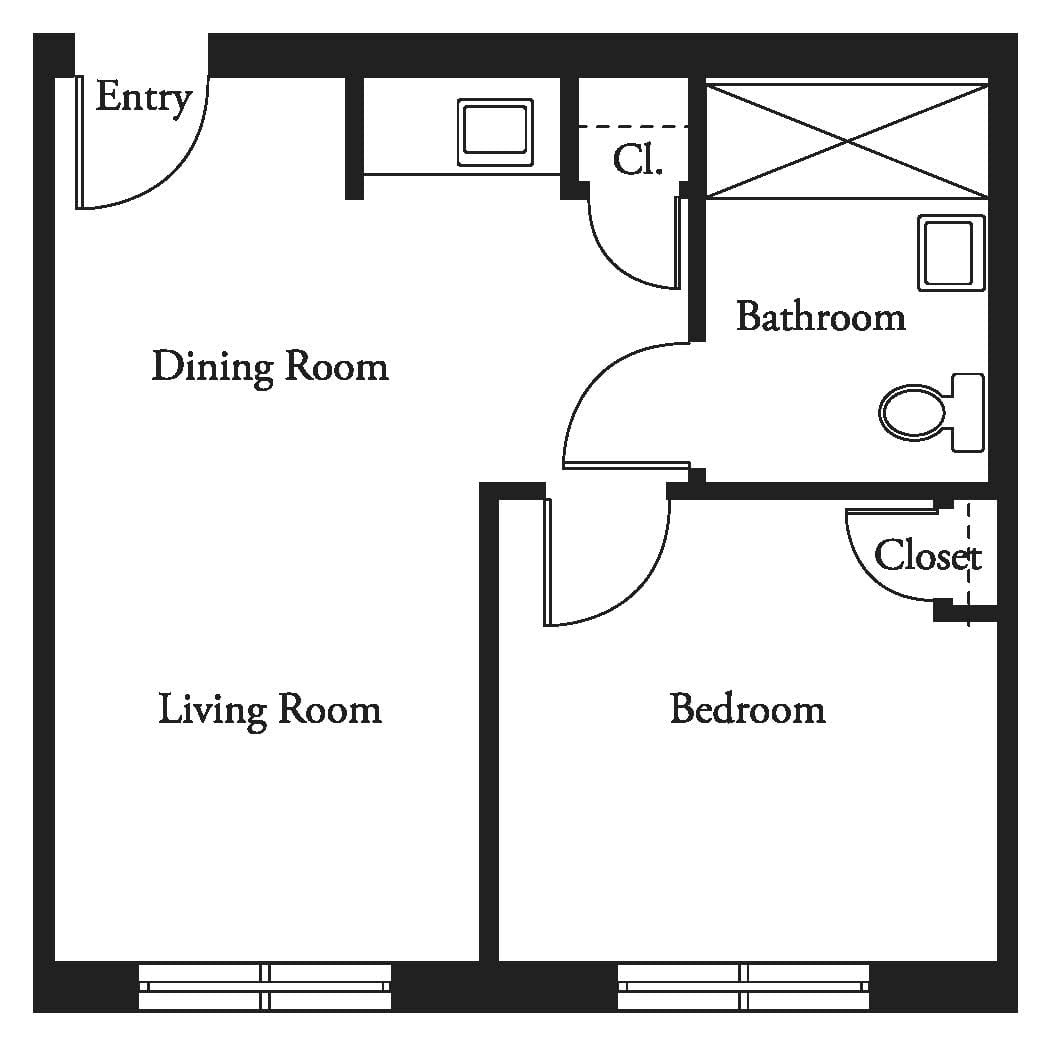
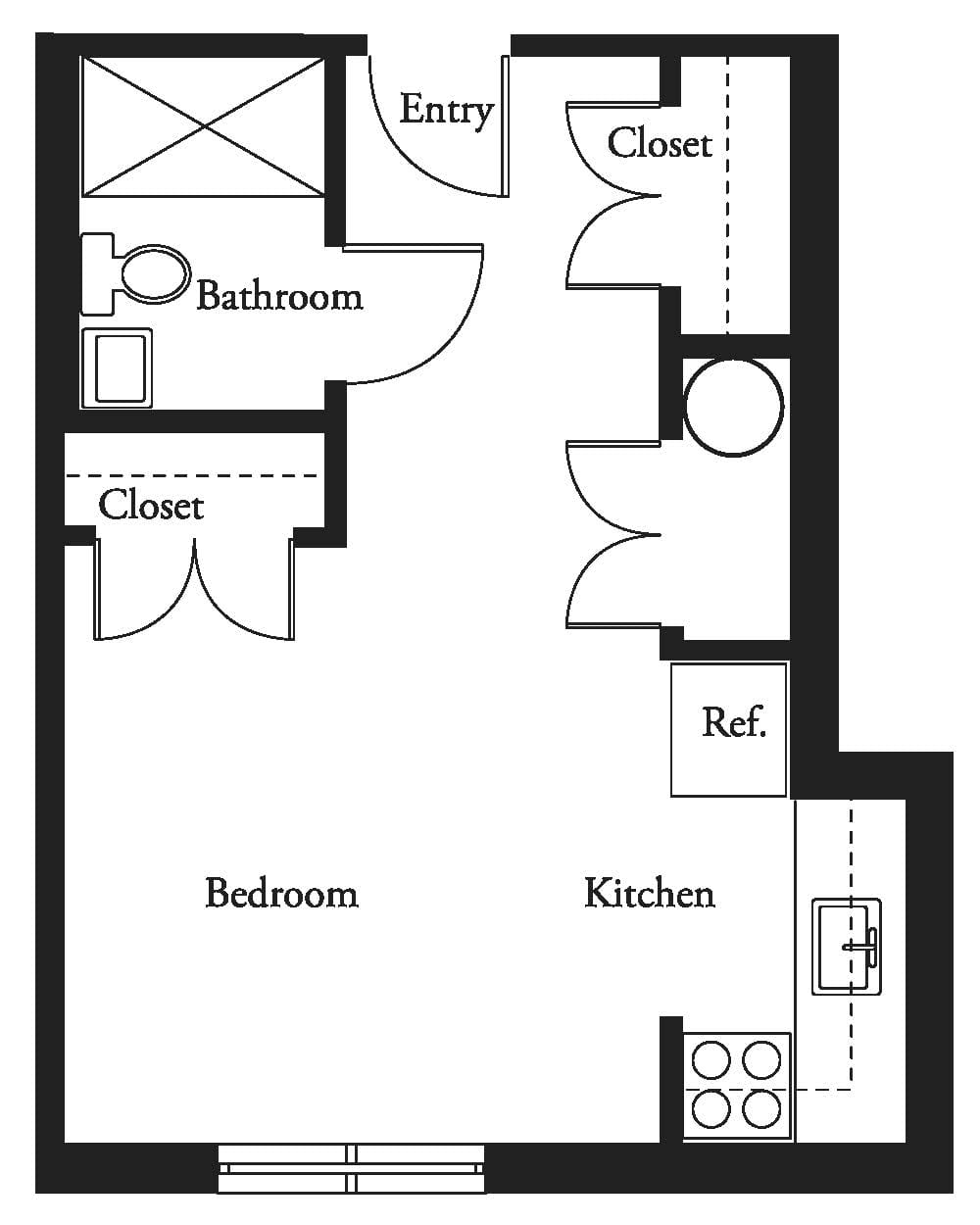
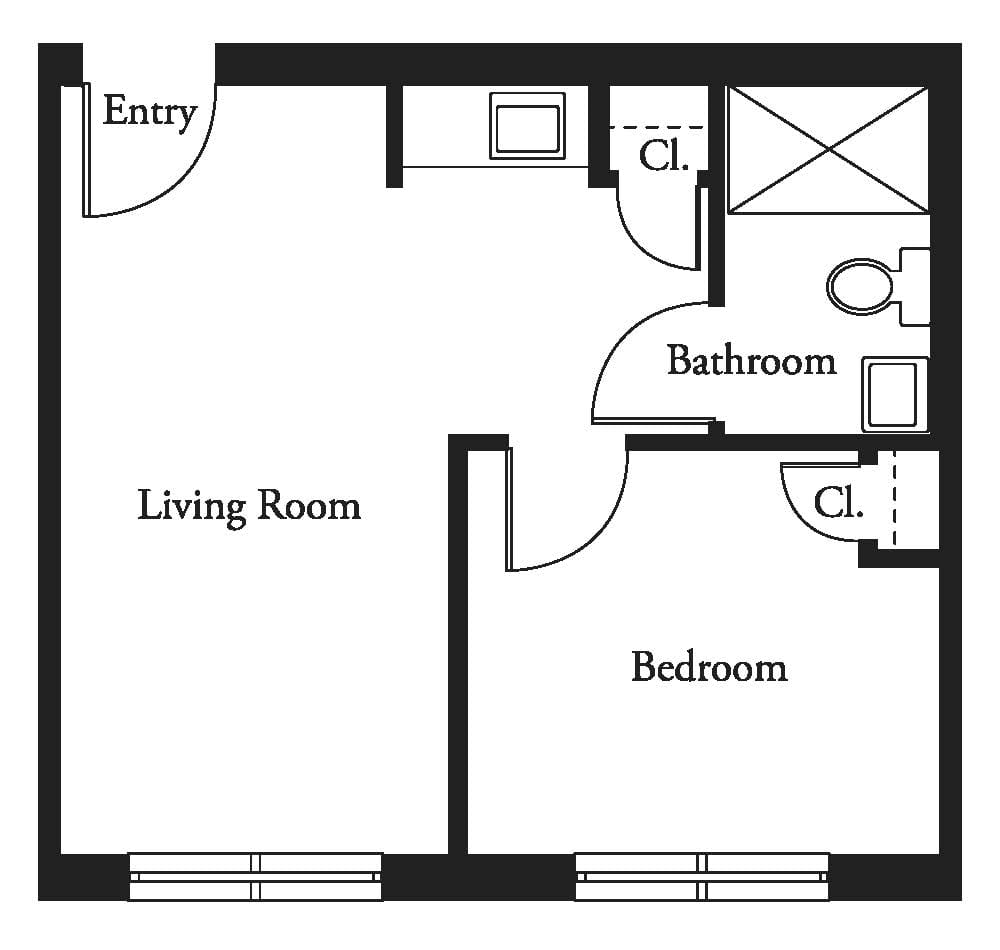
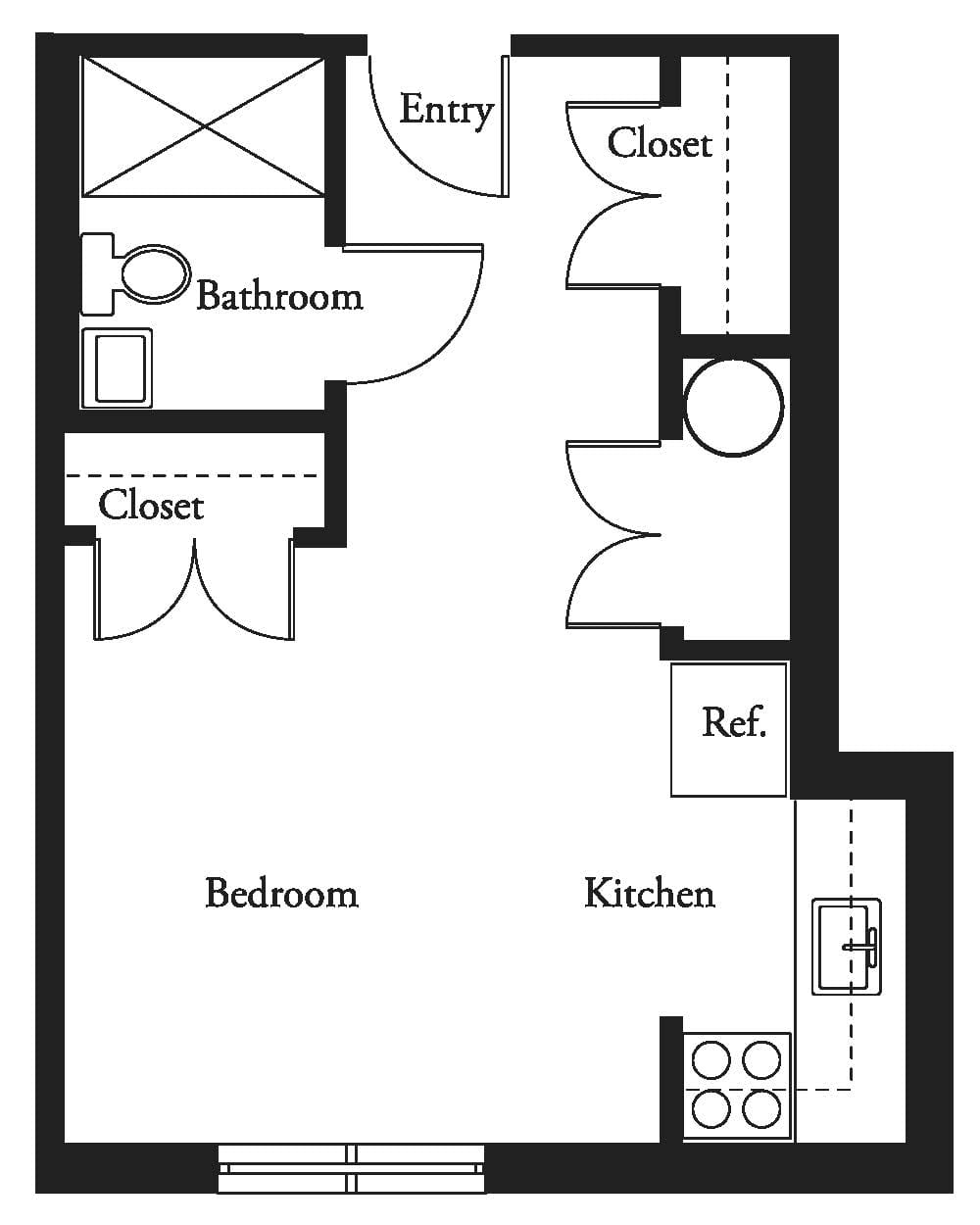
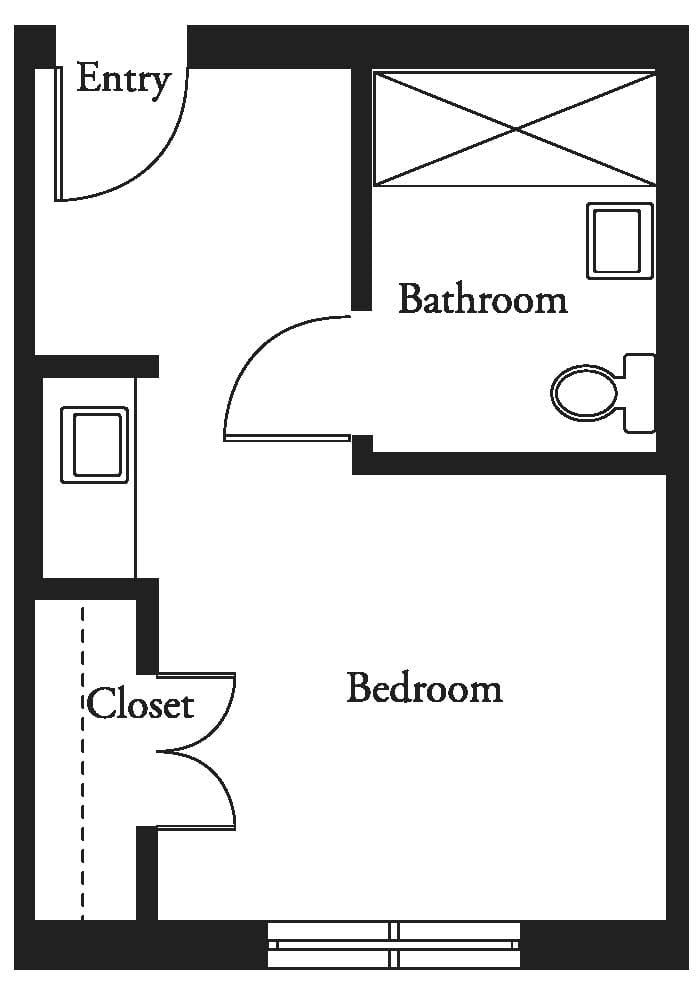
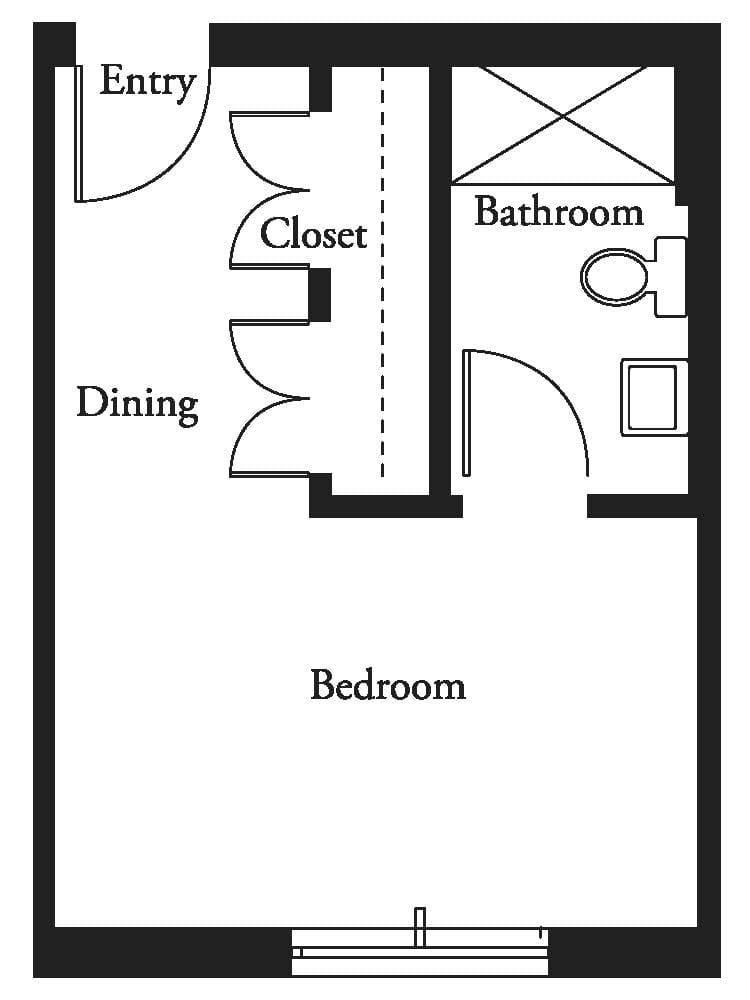
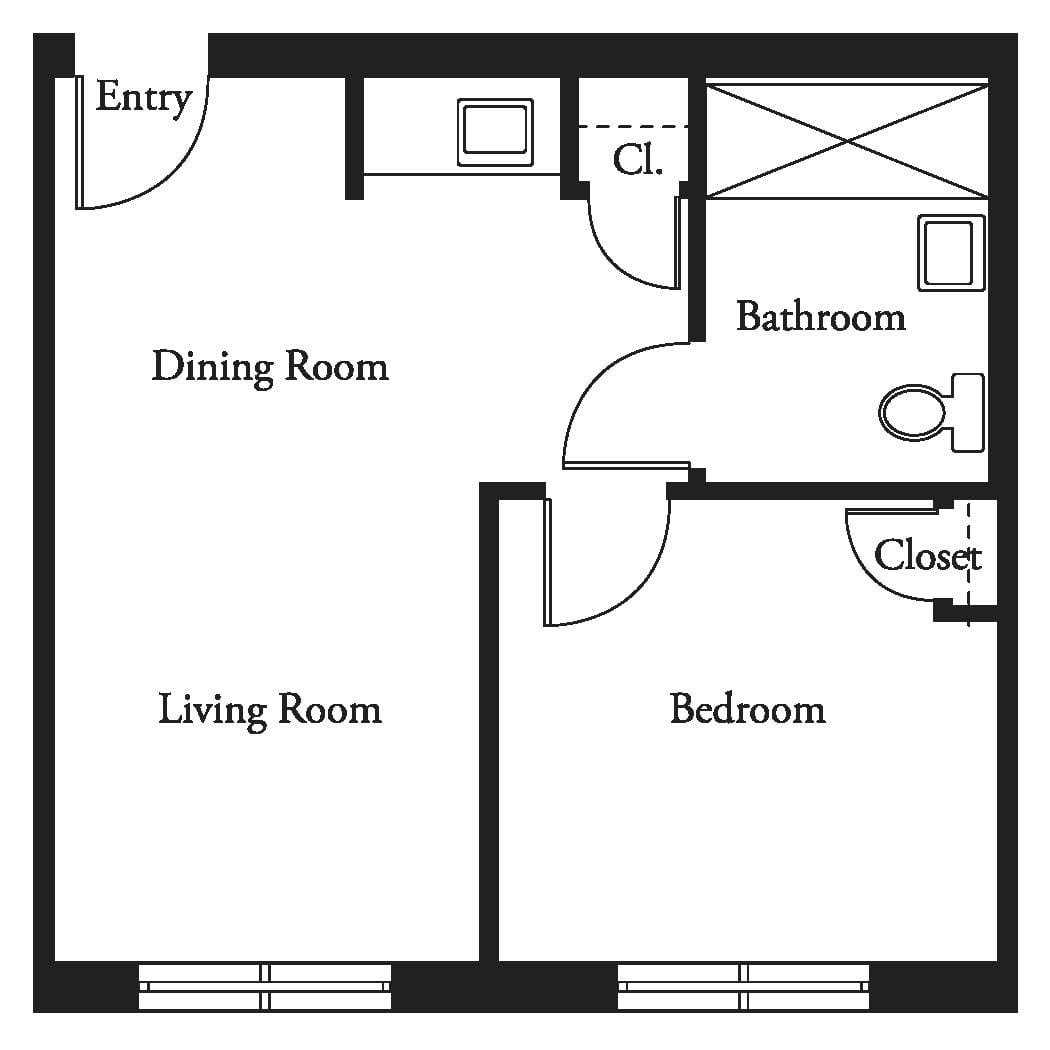
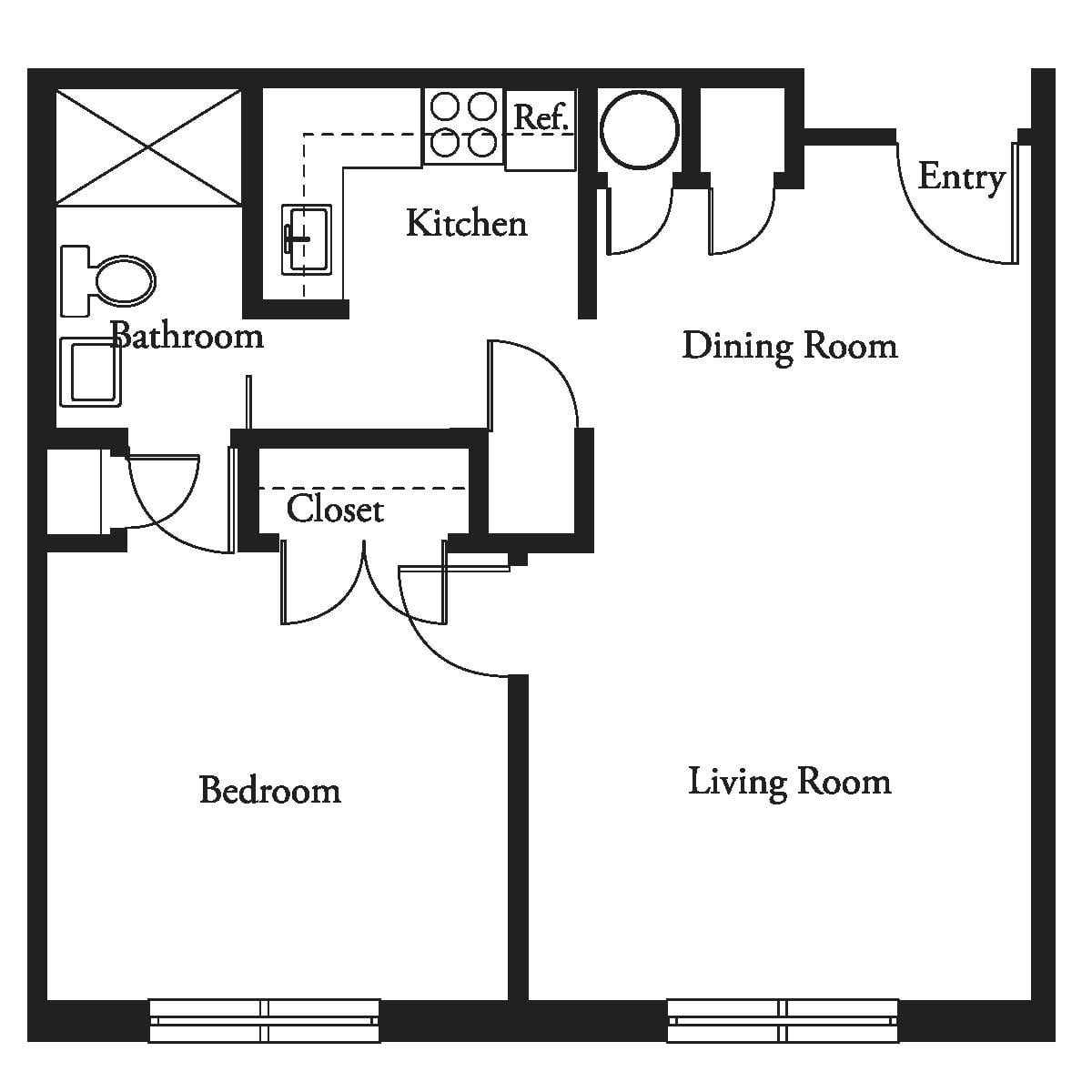
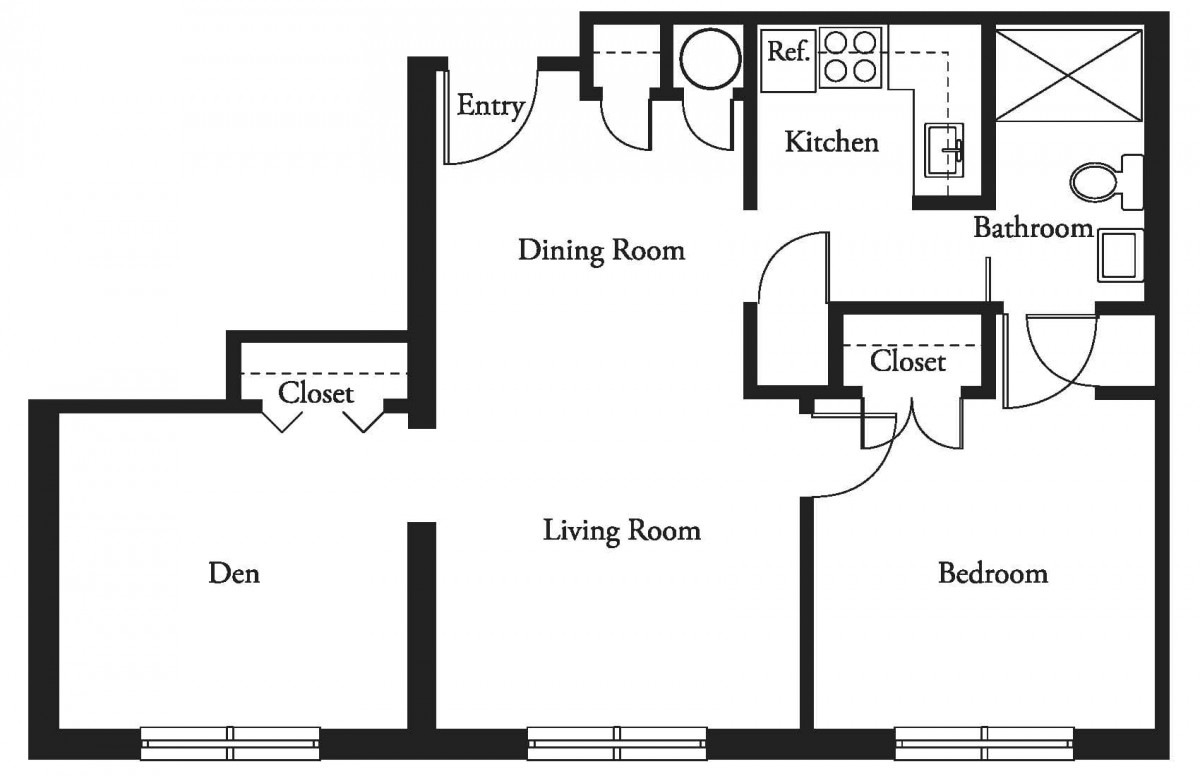
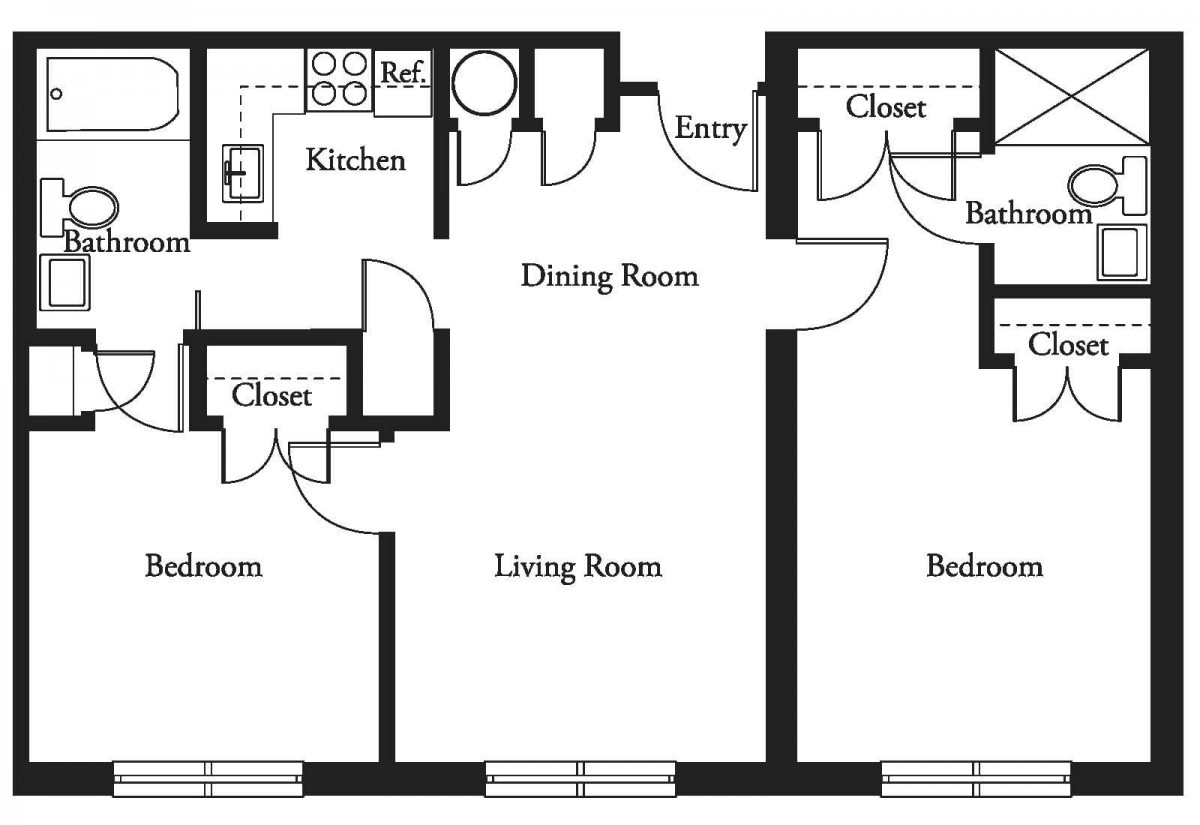
Atrium Village presents a competitive pricing structure for its living accommodations, particularly when compared to both Baltimore County and the broader Maryland state averages. For instance, a studio apartment is offered at $3,060, which significantly undercuts the county rate of $3,654 and the state average of $4,656. The one-bedroom units similarly provide excellent value at $3,700, slightly above the county's $3,722 but still below the state's $3,904. However, in stark contrast to more affordable options like semi-private rooms in the county at $3,584 or in Maryland at $3,545, Atrium Village's price of $4,500 may seem steep. Finally, for two-bedroom accommodations at Atrium Village priced at $4,704, it stands above both local and state averages of $3,891 and $3,497 respectively. This analysis highlights that while some options may be higher than regional competitors, other room types reflect significant savings for prospective residents seeking quality living environments.
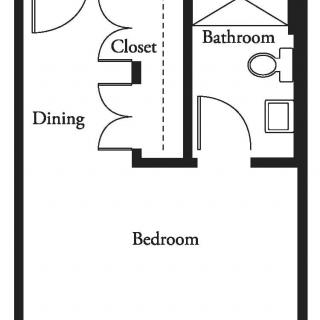
| Floor plans | Atrium Village | Baltimore County | Maryland |
|---|
| Studio | $3,060 | $3,654 | $4,656 |
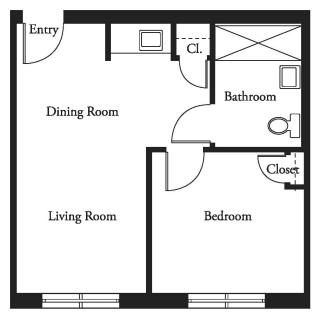
| 1 Bedroom | $3,700 | $3,722 | $3,904 |
| Semi-Private | $4,500 | $3,584 | $3,545 |
| 2 Bedrooms | $4,704 | $3,891 | $3,497 |
Memory care communities with a similar price nearby
-
About the same
Residences at Vantage Point CCRC
$3,000 to $4,709 / month
12.7 miles away
-
from +$330 / mo
Commonwealth Senior Living at Bel Air
$3,390 to $6,180 / month
24.9 miles away
-
from +$475 / mo
Brightview Perry Hall
$3,535 to $6,340 / month
17.7 miles away
-
from +$235 / mo
Brightview Westminster Ridge
$3,295 to $4,970 / month
15.2 miles away
-
from +$415 / mo
Brightview Severna Park
$3,475 to $5,275 / month
24.5 miles away
Overall Review of Atrium Village
common
28 reviews mention this
Staff kindness shows up repeatedly
Residents and families consistently describe friendly, responsive staff.
Across many reviews, people describe staff as friendly, caring, and helpful, including during day-to-day transitions and family check-ins. Several reviewers mention specific team members and how they reassured families or provided hands-on help with care tasks. Communication is also described as attentive by some families, especially when issues came up. A few negative reviews dispute that experience, pointing to staffing stress and management responsiveness problems.
common
19 reviews mention this
Dining is a mixed experience
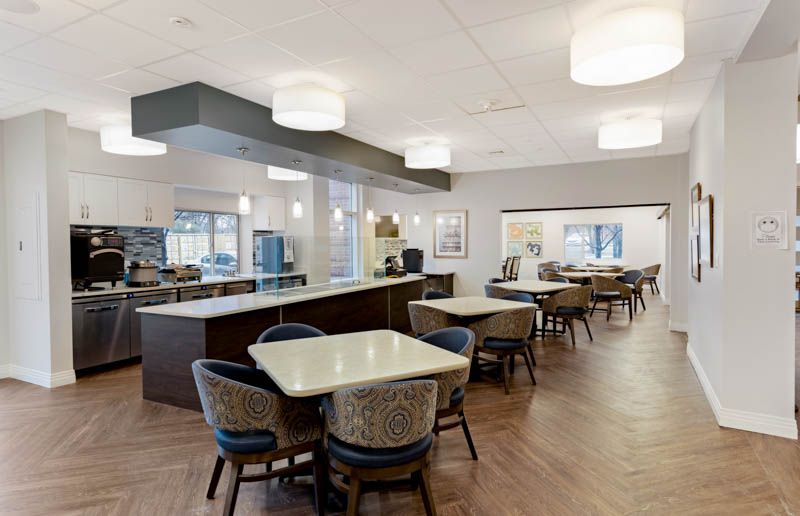
Food quality and service timing vary by reviewer.
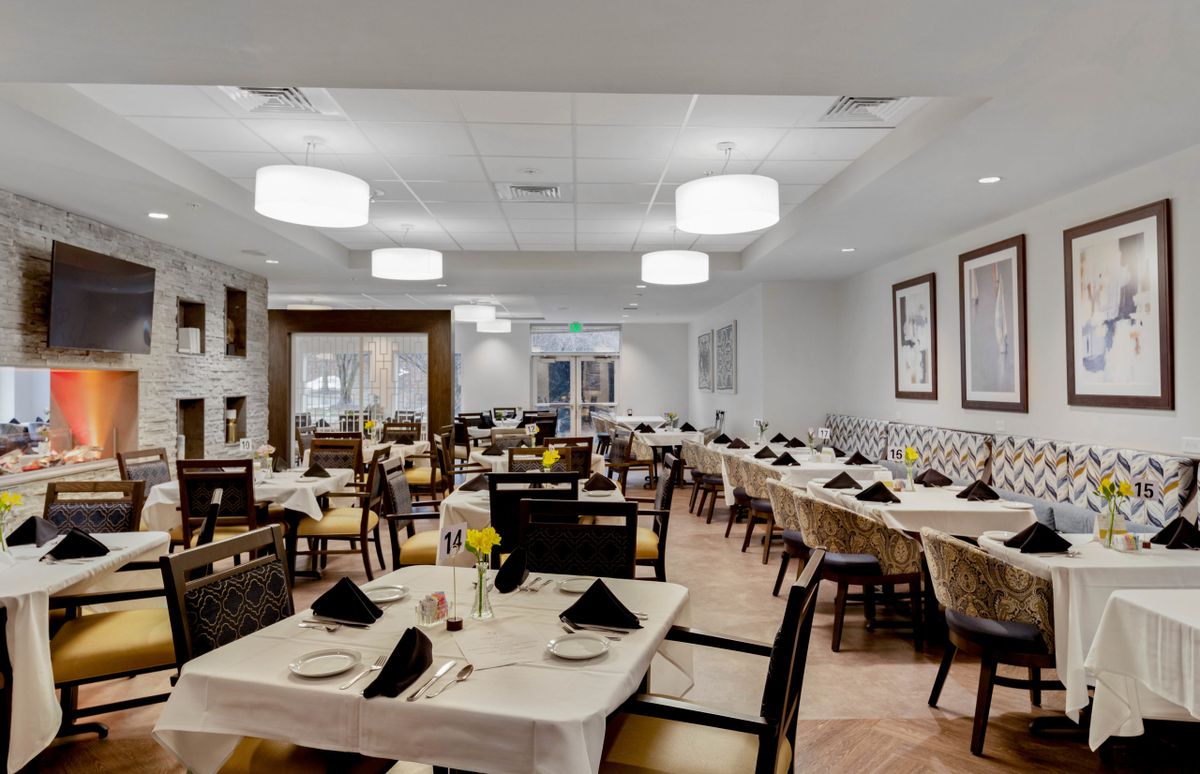
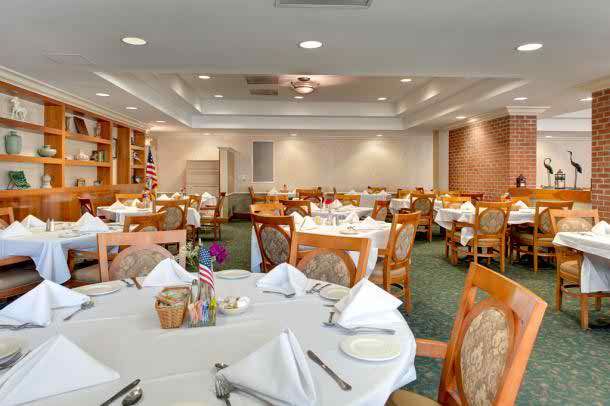
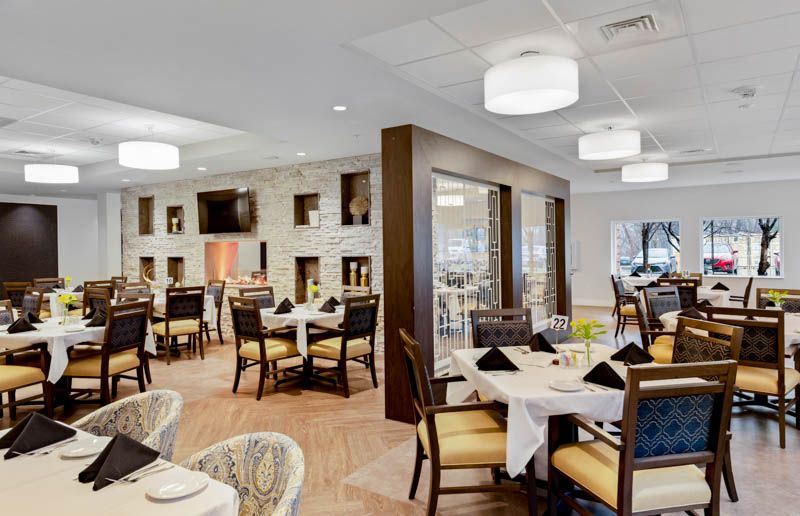
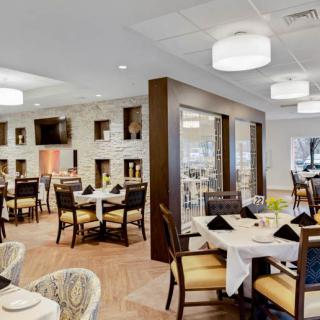
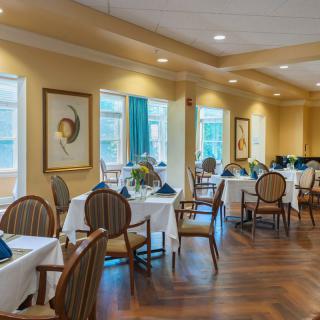
Dining comes up often, with some residents and families praising meals as good, tasty, or even “amazing,” and liking the dining setup and options. Others describe the food as bland or slow to be delivered, and a few mention less satisfaction with the consistency of the kitchen. Several reviews also connect dining to overall experience, positively or negatively, including comments about the dining room atmosphere and food service performance.
caveat
12 reviews mention this
Care and memory support need attention
Some residents and families report gaps in care responsiveness.
While many reviews describe good care and help with daily needs, a recurring set of concerns centers on staffing coverage, slow response, and inconsistent follow-through. Memory care is specifically called out by some reviewers as needing more meaningful support, with requests for more specialized or sensitive care. There are also reviews describing medication-related problems and delays, as well as complaints about how care needs were handled during higher-stakes situations.
differentiator
16 reviews mention this
Renovations and cleanliness stand out
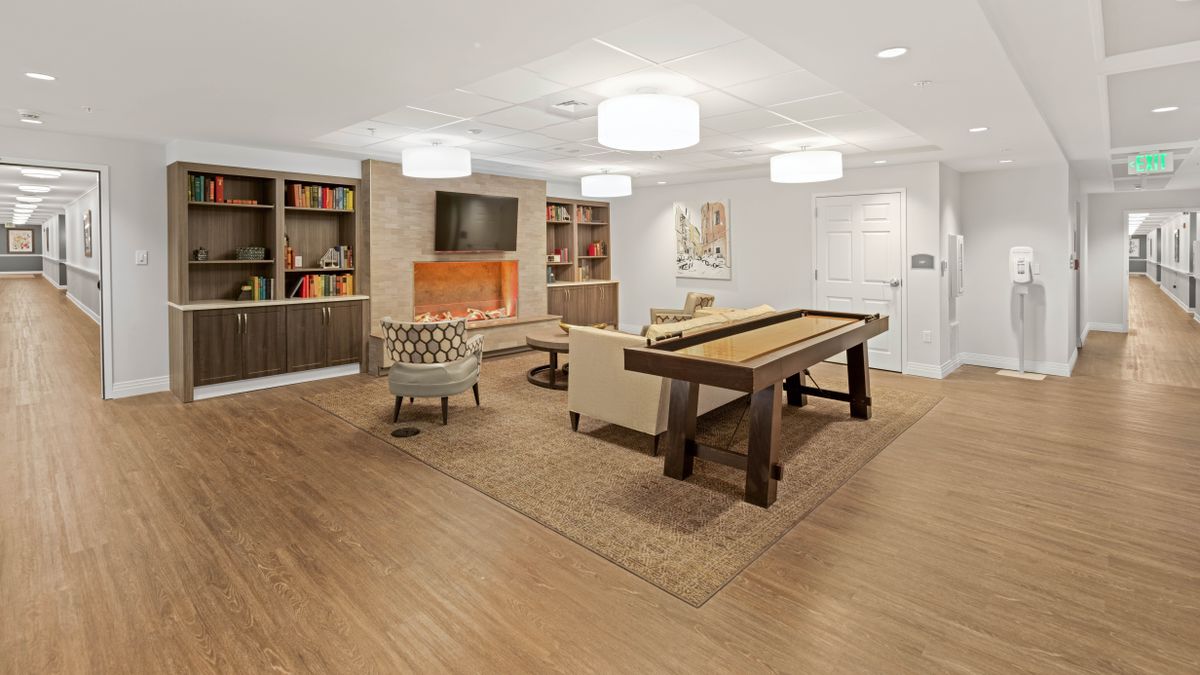
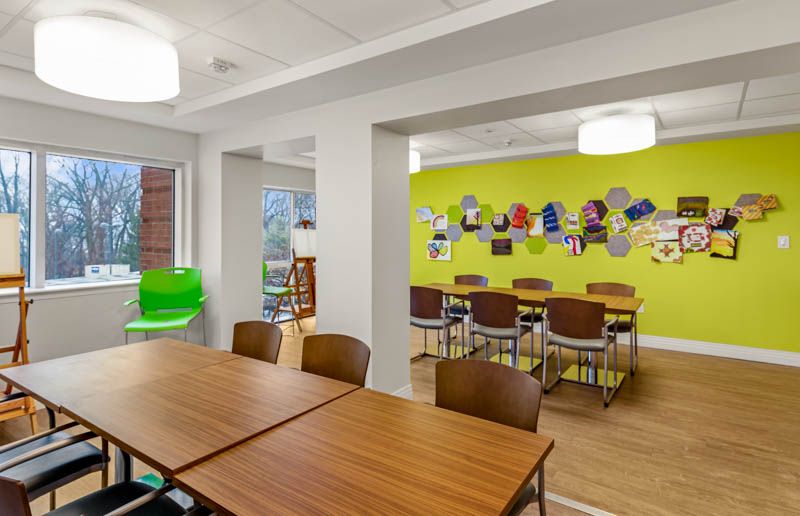
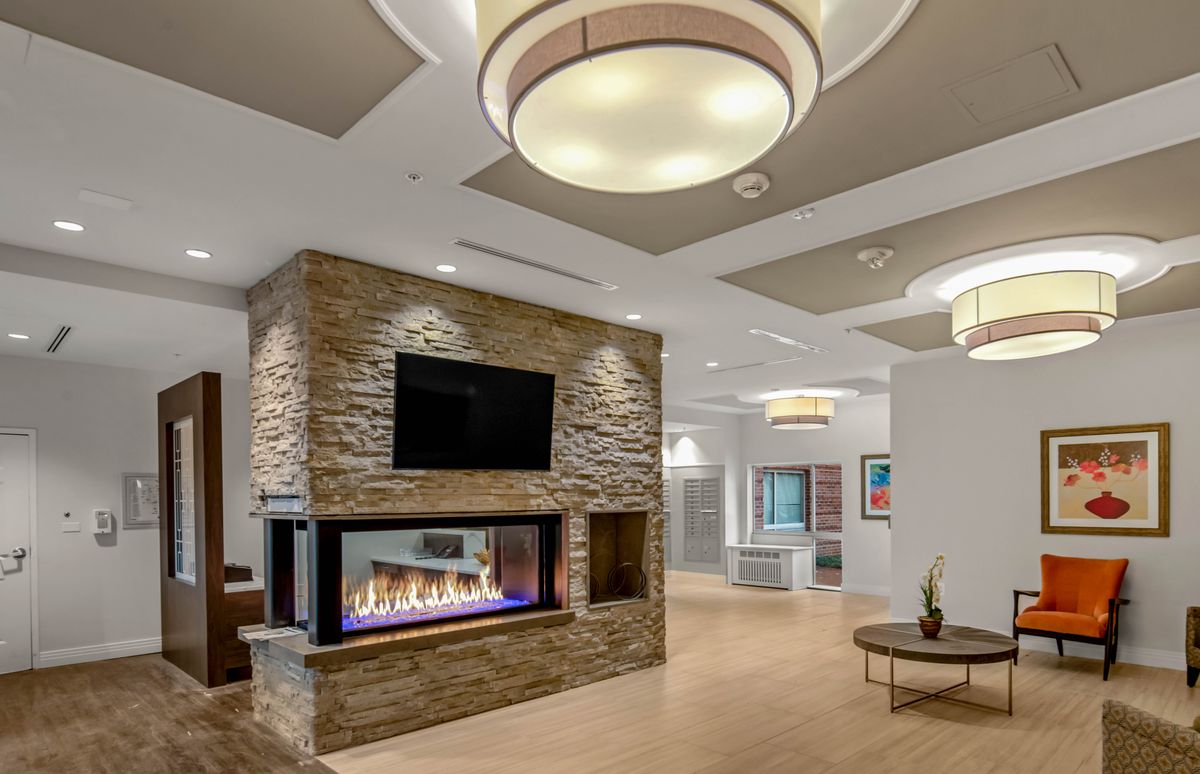
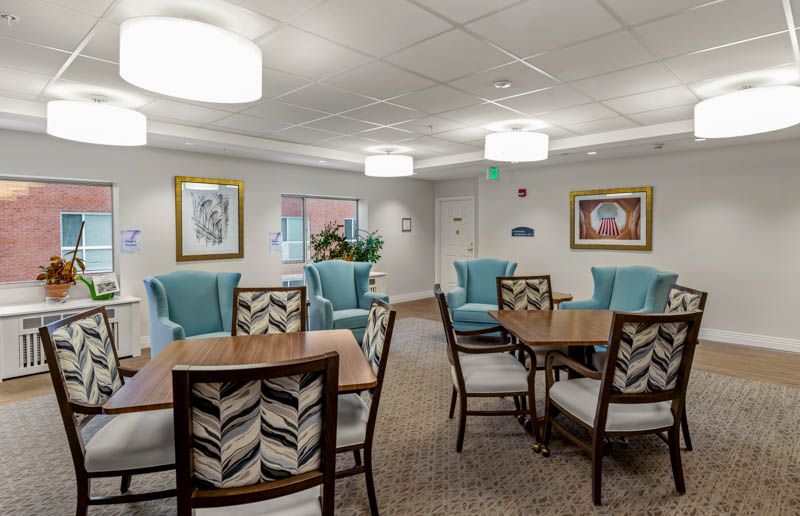
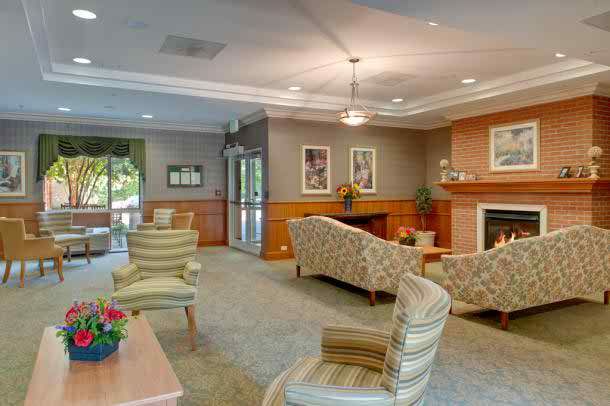
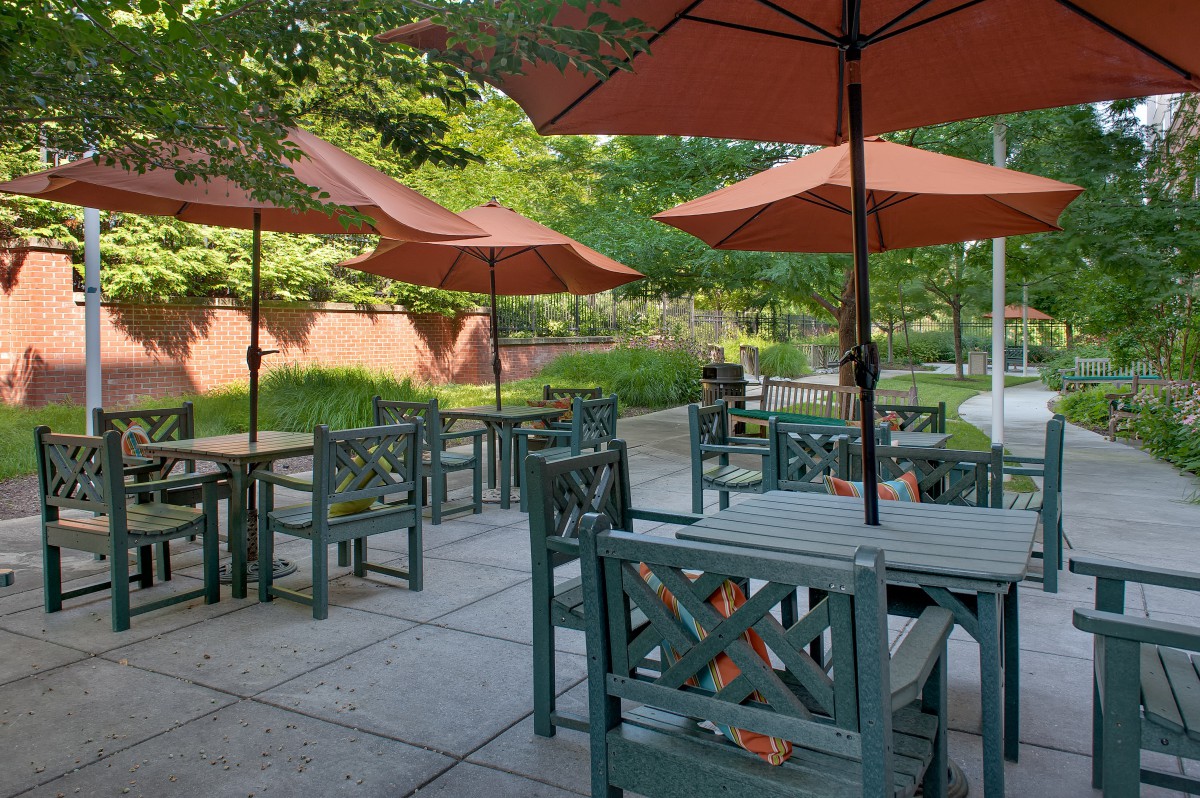
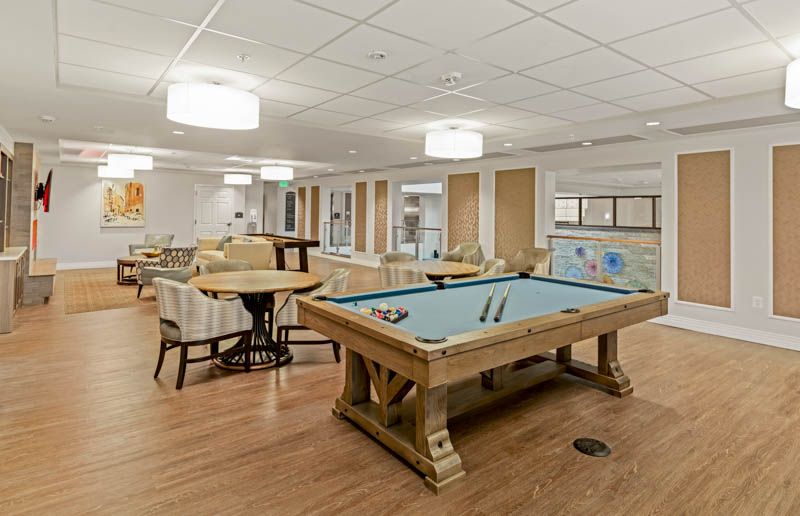
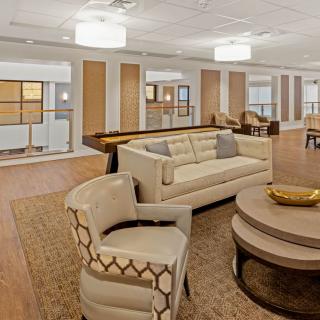
Residents frequently mention a clean, updated, bright environment.
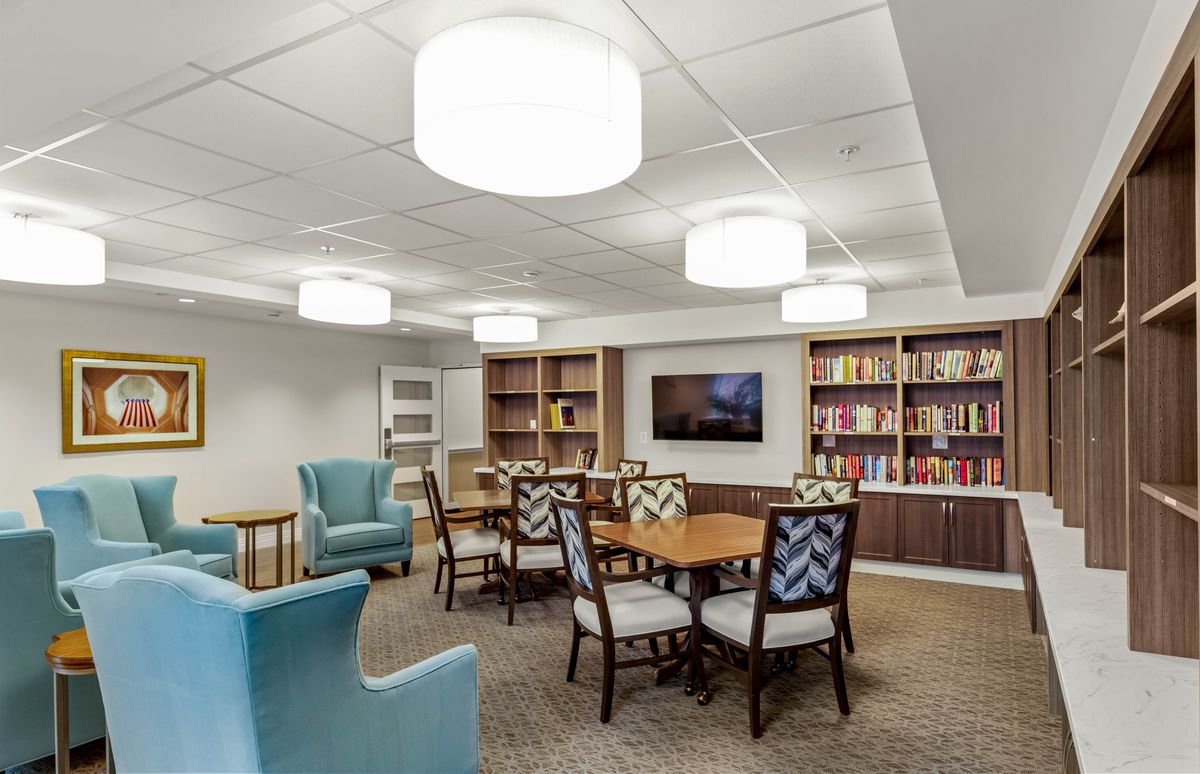
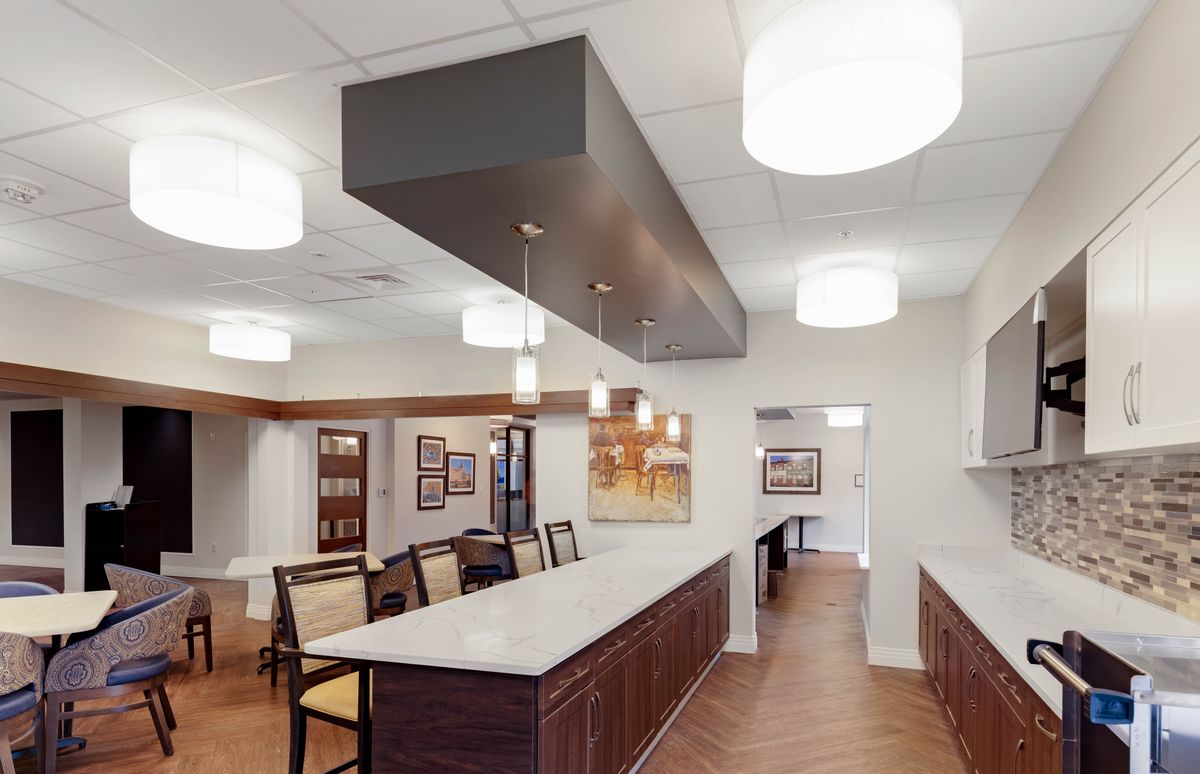
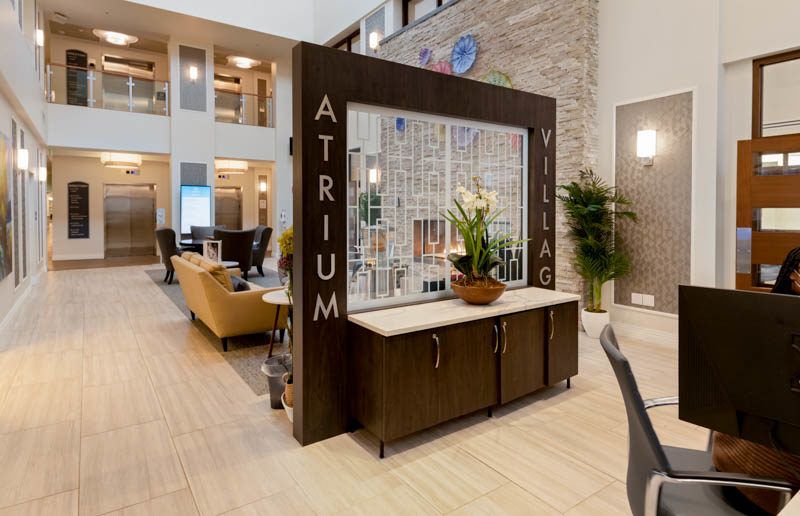
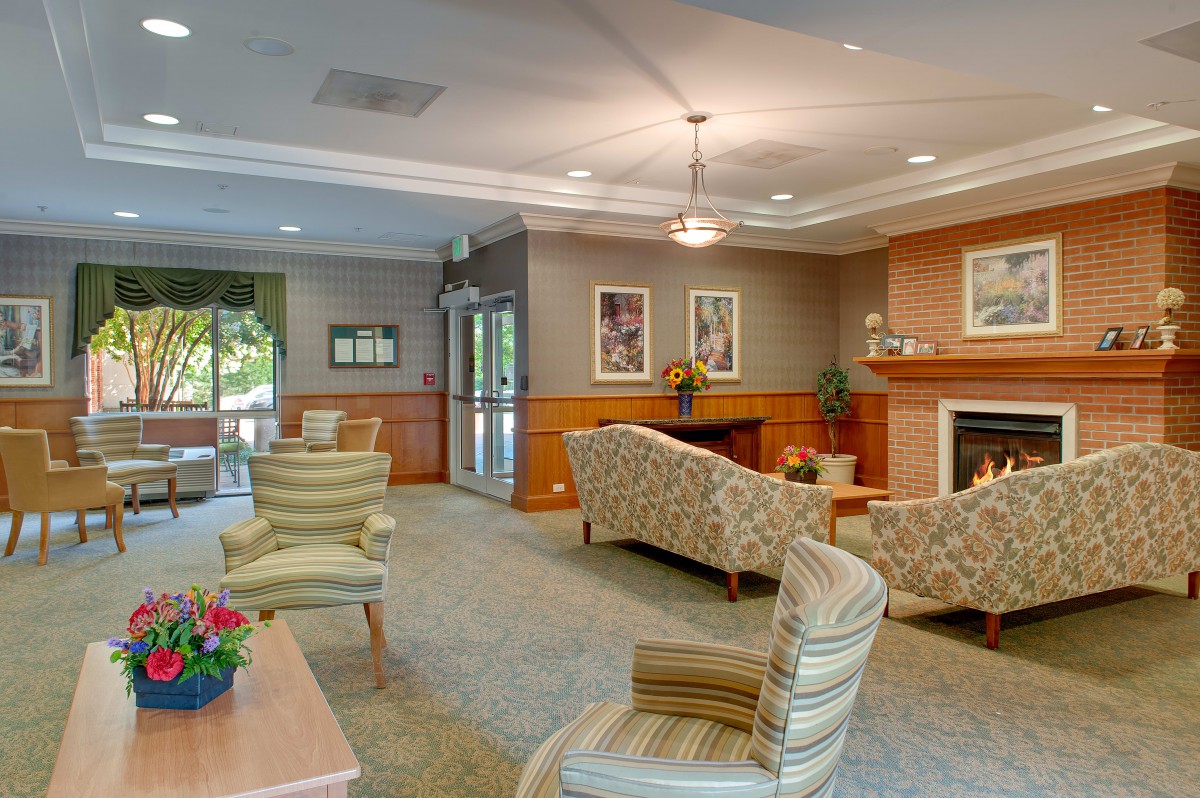
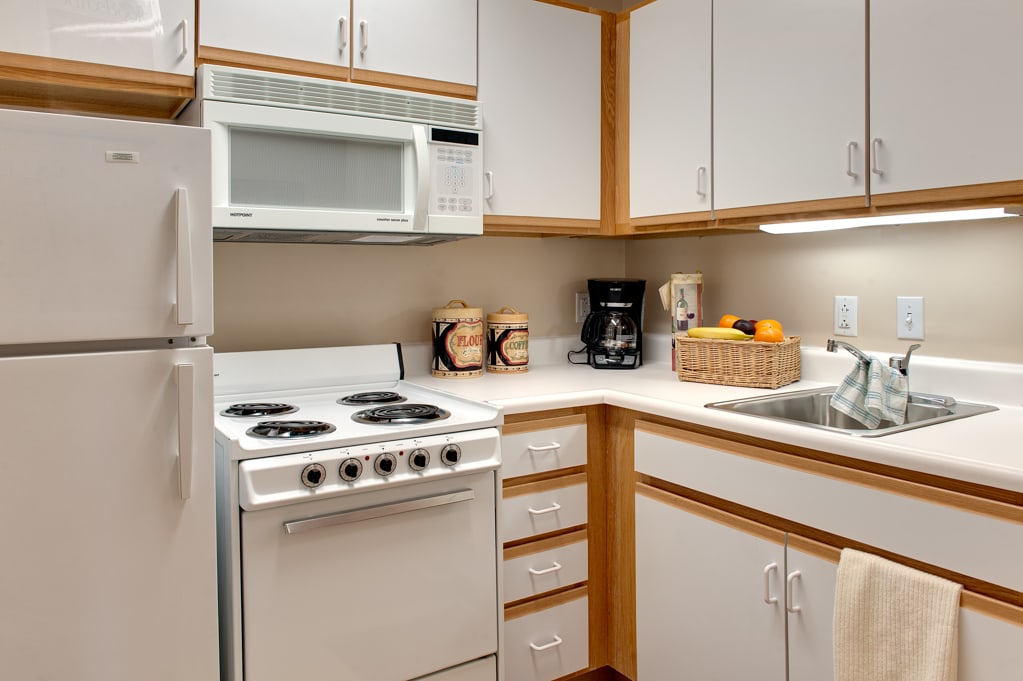
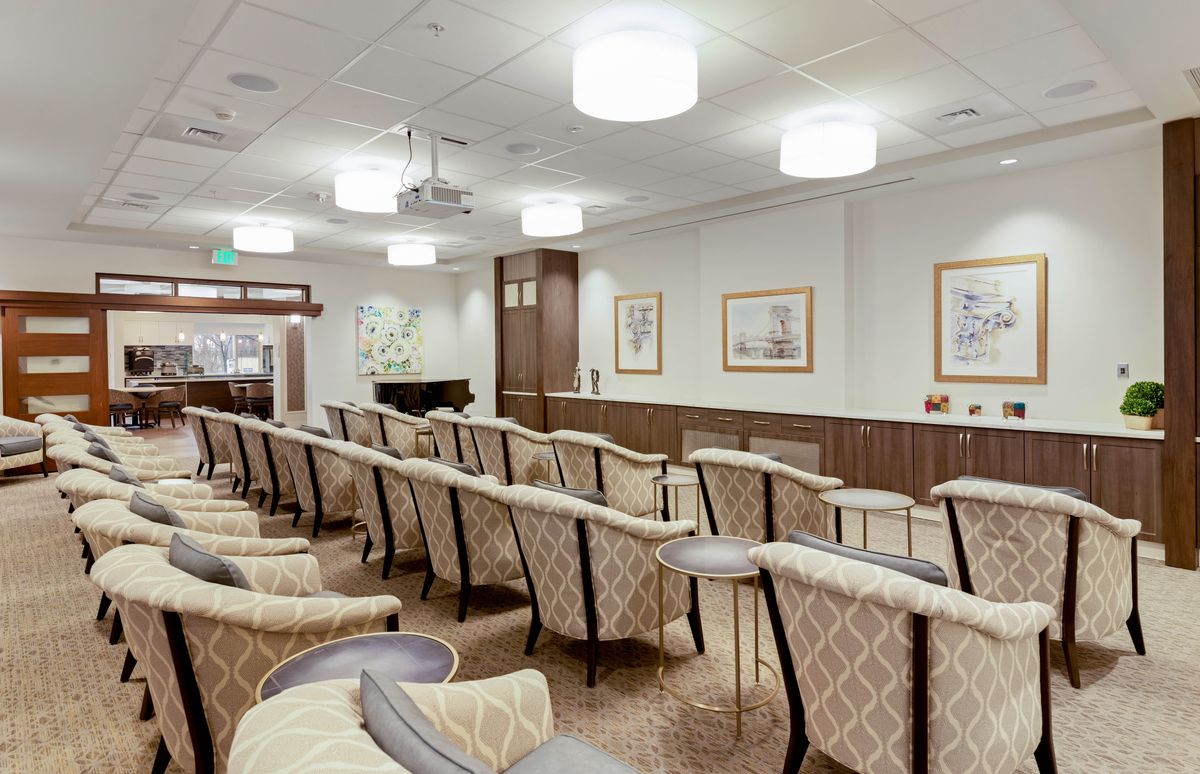
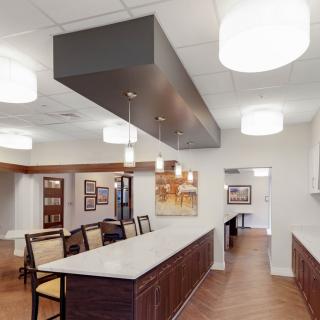
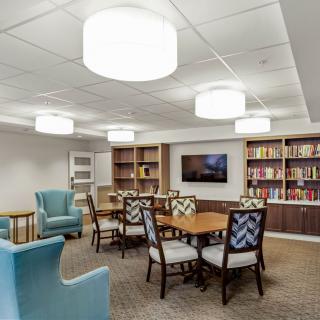
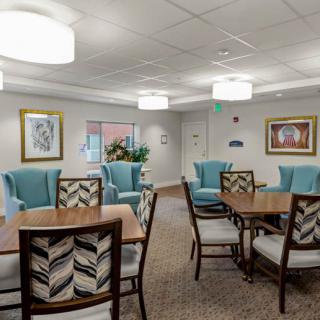
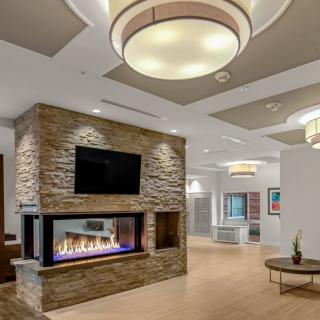
Multiple reviews describe the community as clean and well maintained, with an emphasis on it looking bright and updated. People mention renovations, updated rooms, and an overall look that feels more modern than a traditional senior facility. Even when other aspects received criticism, cleanliness and appearance were often singled out as strengths. A smaller number of reviews conflict with that theme, mentioning odors or cleanliness concerns.
common
17 reviews mention this
Activities help residents stay engaged
Many reviews cite frequent activities and social opportunities.
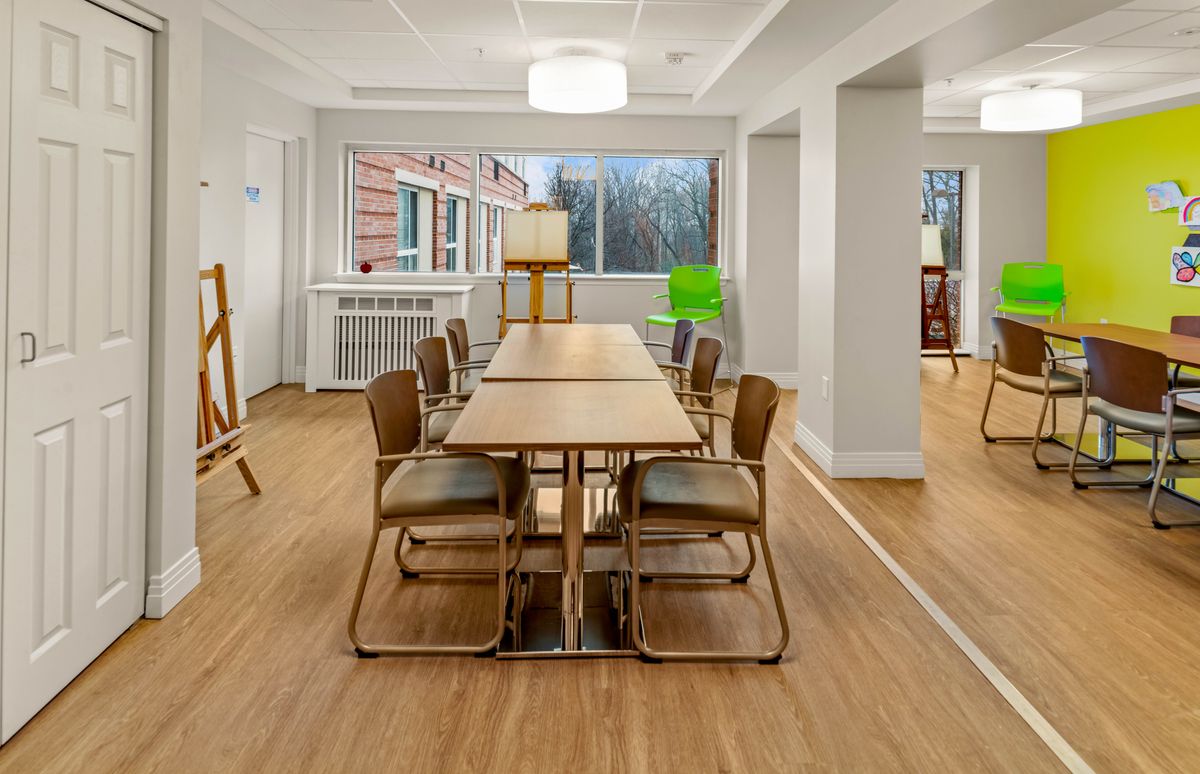
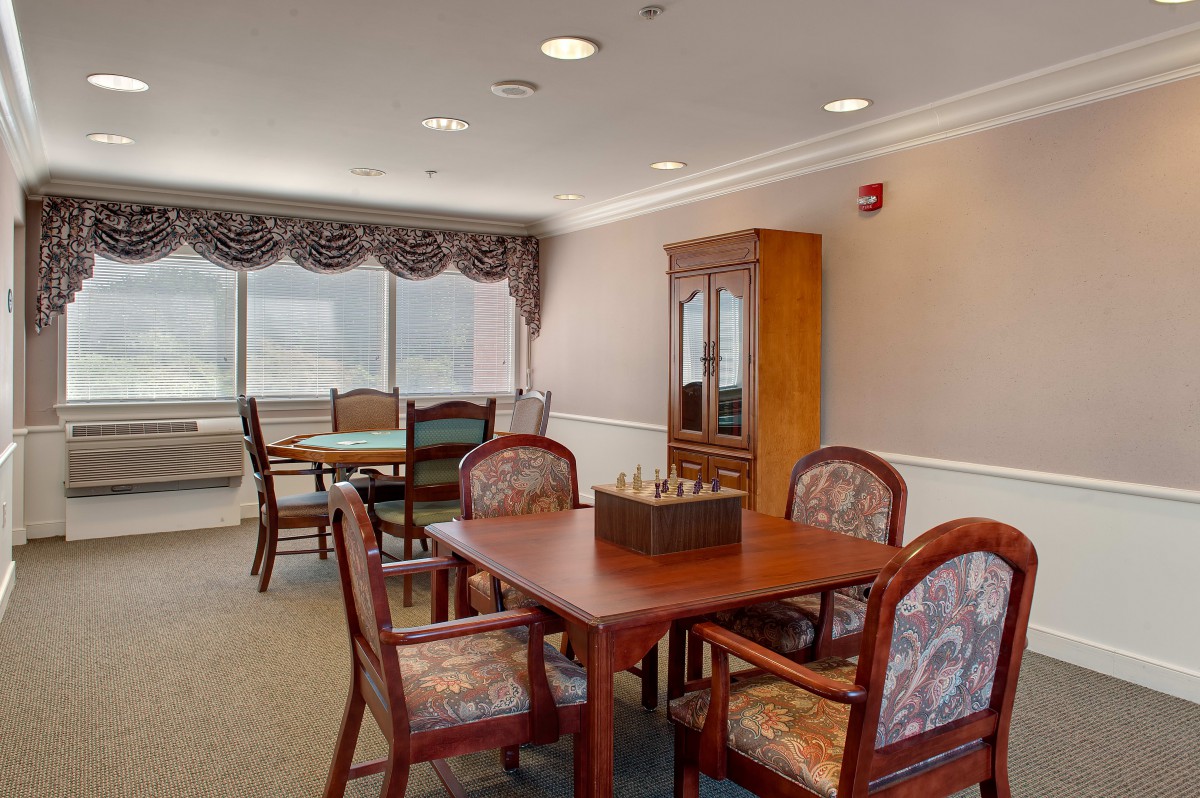
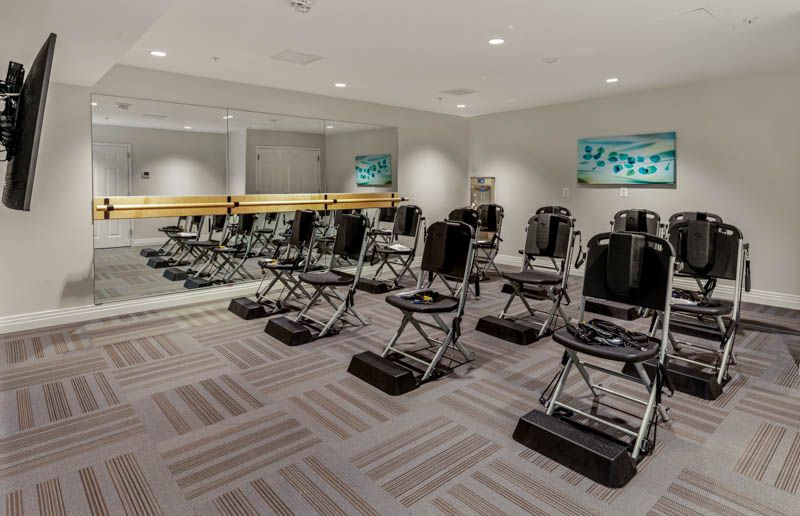
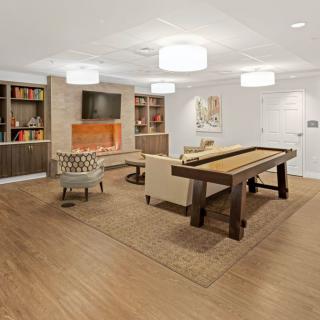
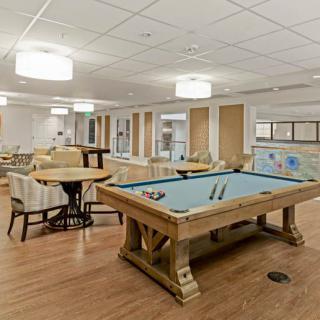
A lot of reviewers describe the community as offering regular scheduled activities, outings, and entertainment, with residents staying busy through classes, games, and group events. Some families also highlight that staff encourage participation and help residents get involved. A few reviews note limits—like missing outdoor space, smaller activity variety, or periods when fewer activities were available—along with concerns about segregation of activities across care levels.
caveat
10 reviews mention this
Pricing is a recurring concern
Several families say the community is expensive for the value.
Price is mentioned as a concern in multiple reviews, with some families calling the independent living or overall cost high. Others describe it as a tradeoff—agreeing the level of care and amenities justify it, but still noting expense. A separate set of comments ties cost concerns to disclosure and service details, including how offerings or expectations matched what was delivered.
How we summarize
Counts show how many written reviews mention each theme; a review can touch several themes, and only frequently mentioned themes are displayed.

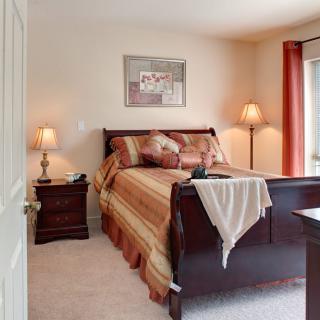
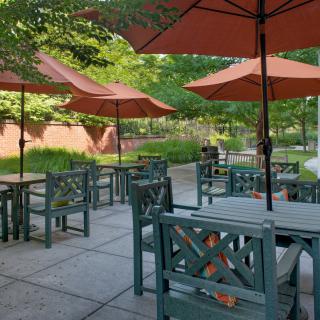
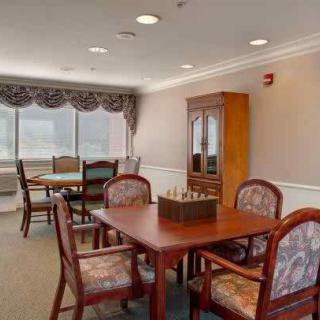
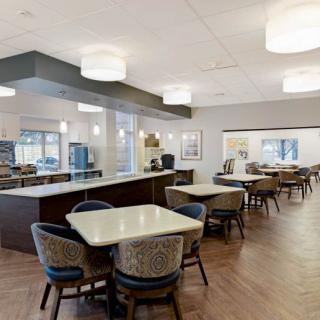

 265 resident community capacity
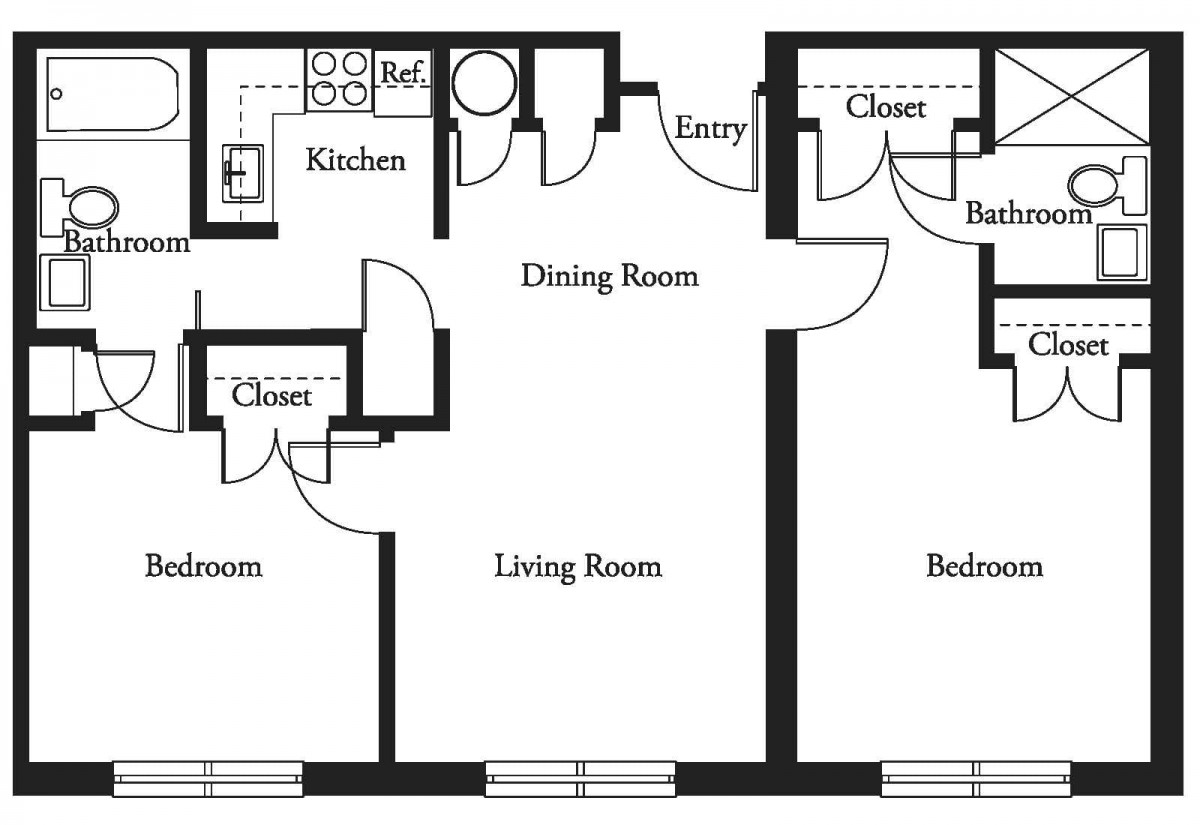
 1-bedroom apartments
 Assisted Living
 Independent Living
 Memory Care
 Cats allowed
 Dogs allowed
 Activities off-site
 Air-conditioning
 Bath tubs
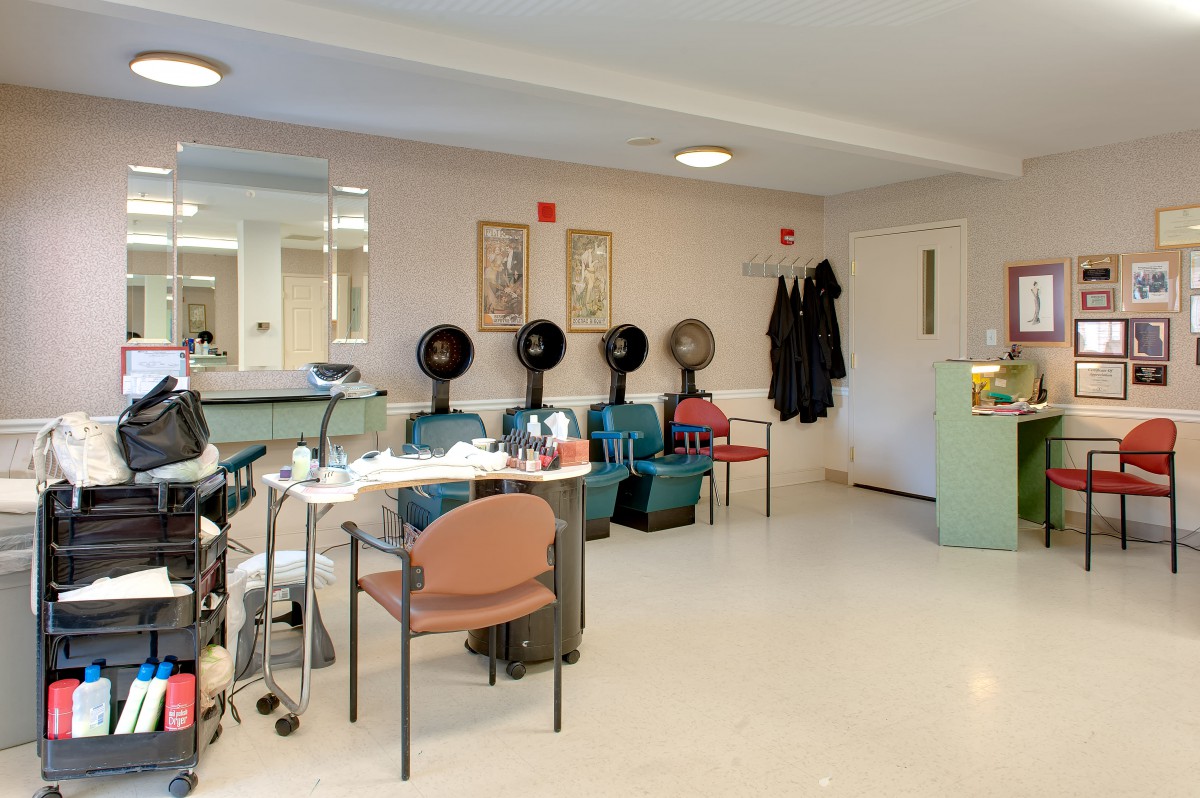
 Beautician on-site
 Cable or satellite TV
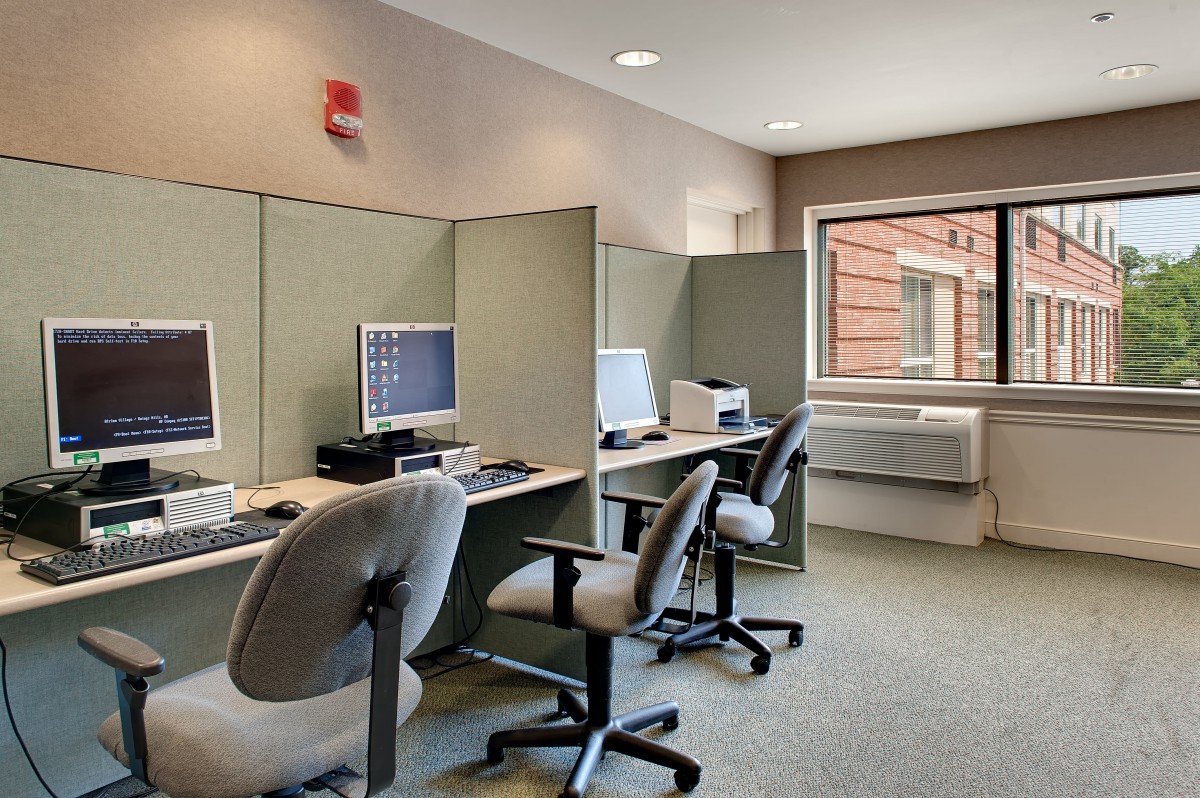
 Computer center
 Devotional services off-site
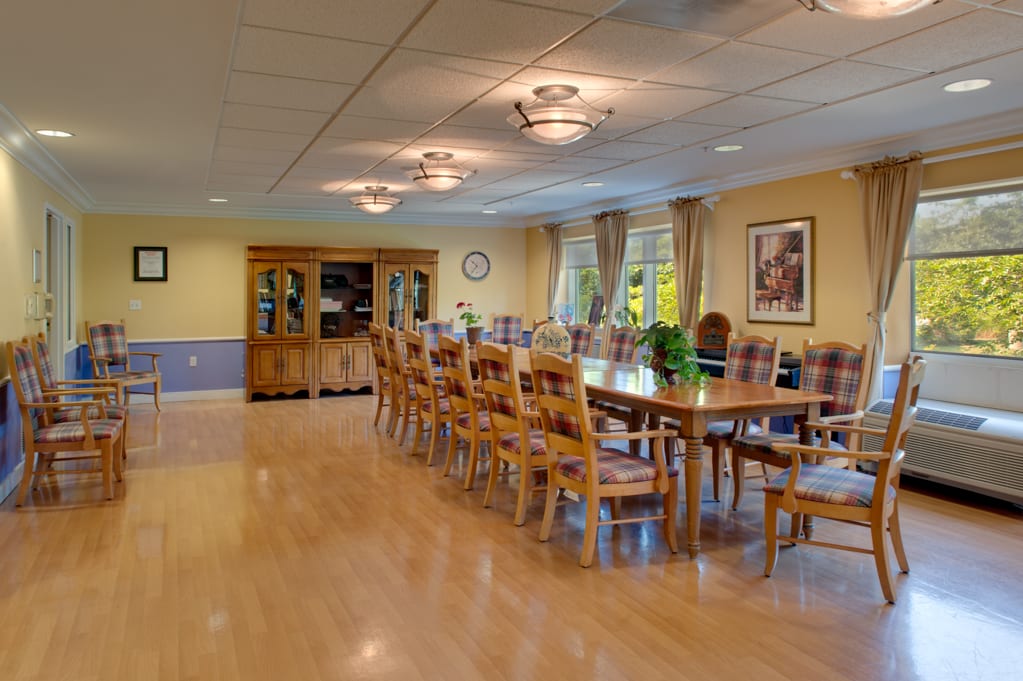
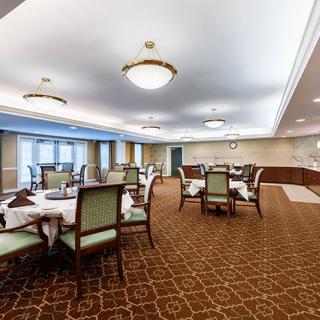
 Dining room
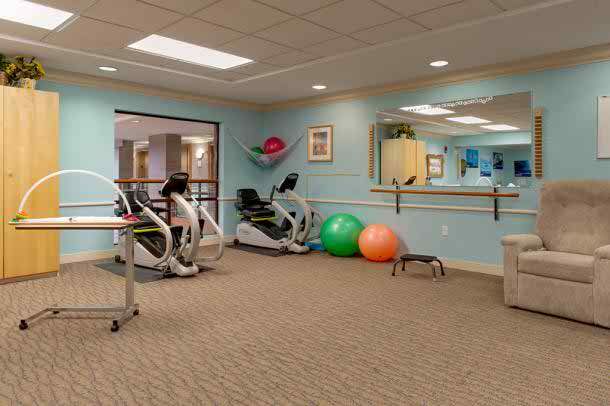
 Fitness room
 Full kitchen
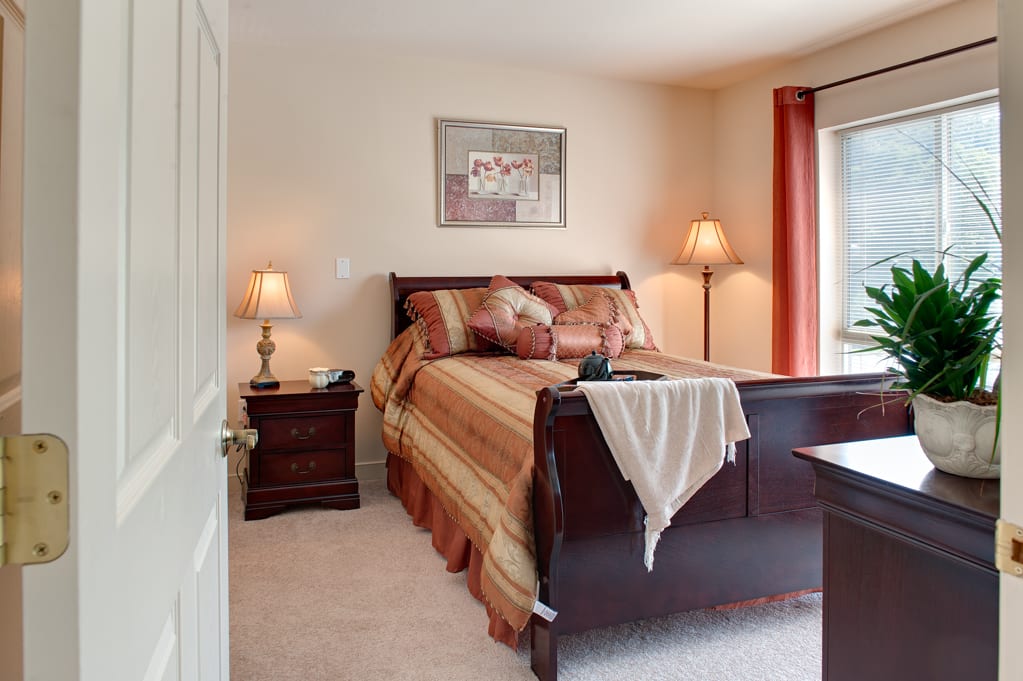
 Fully furnished
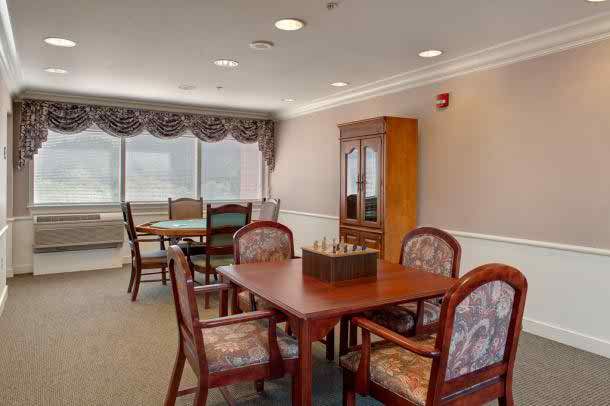
 Gaming room
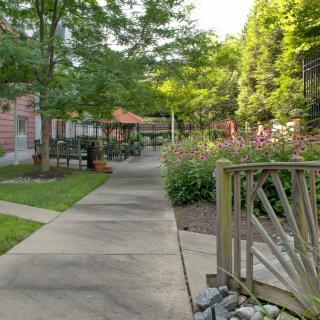
 Garden
 Ground floor units
 Guest parking
 Handicap accessible
 Housekeeping services
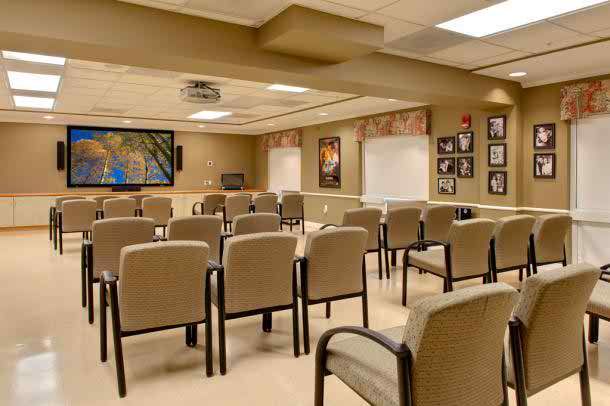
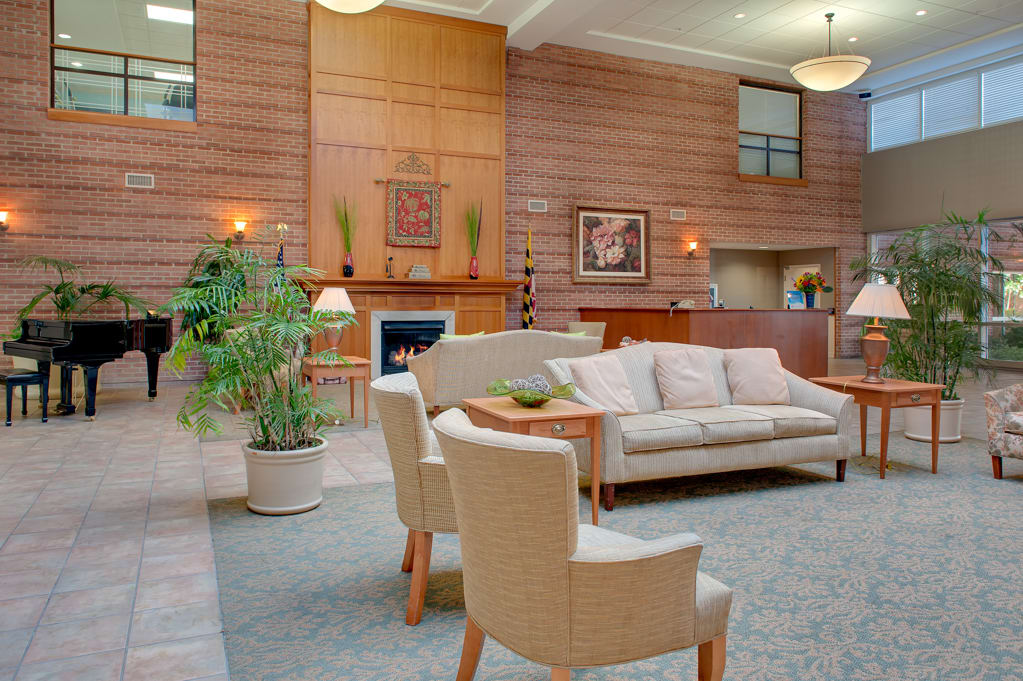
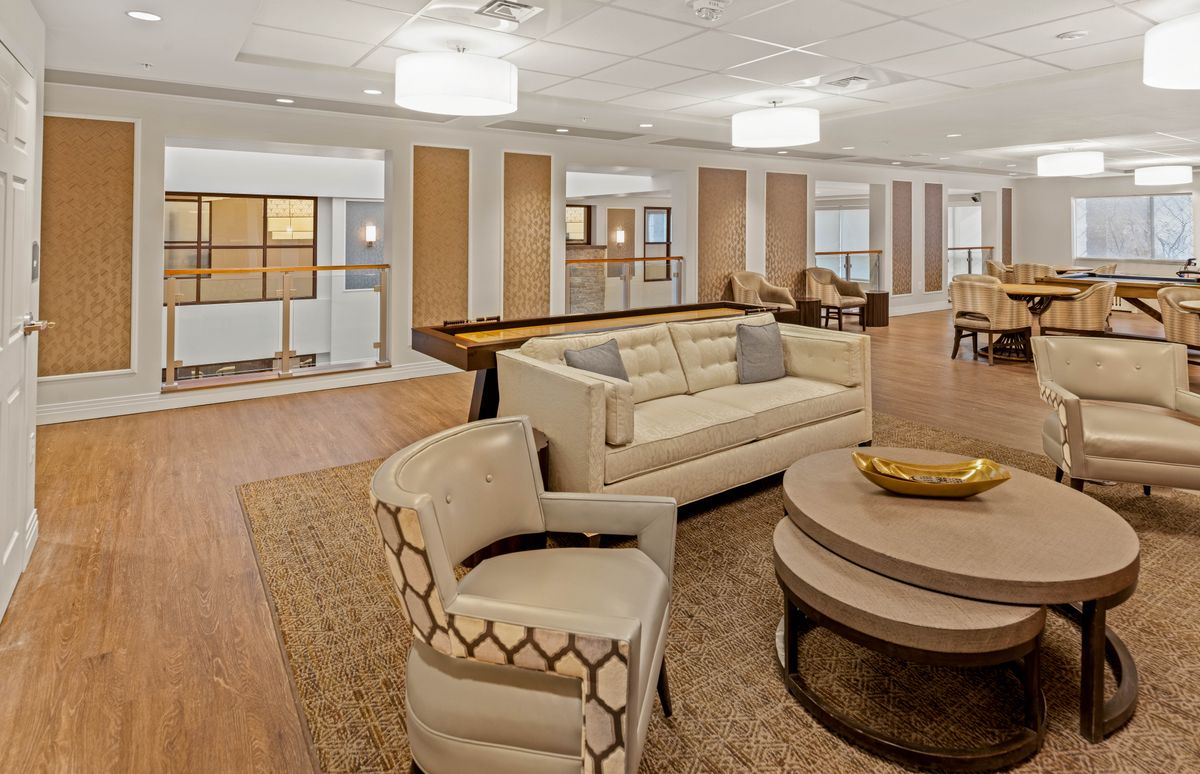
 Indoor common areas
 Move-in coordination
 Outdoor common areas
 Party space
 Private bathrooms
 Respite or short term stays offered
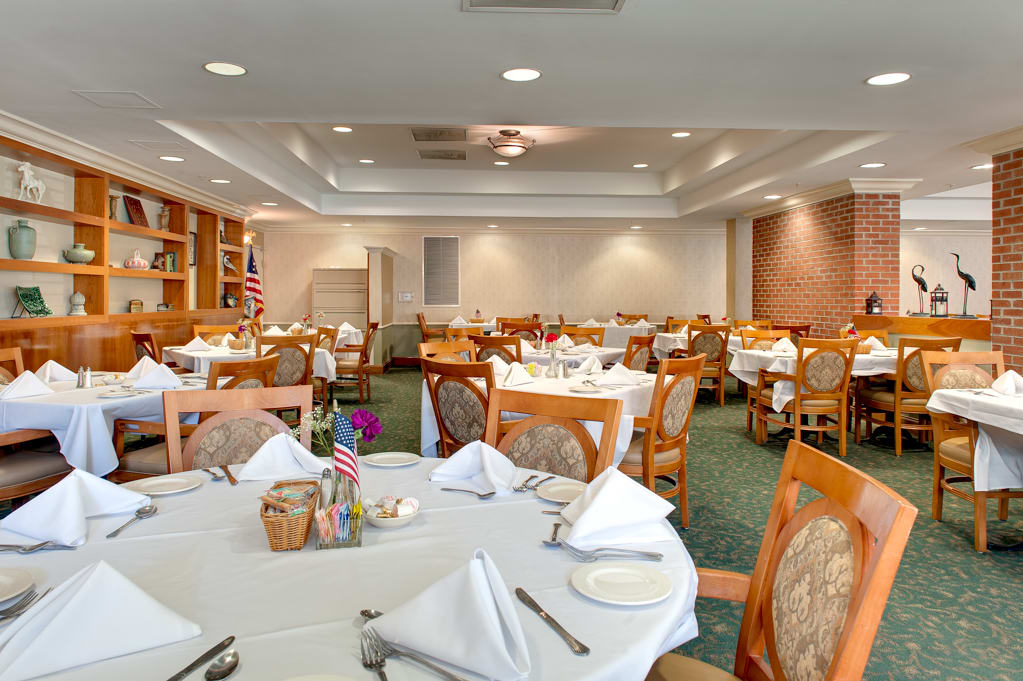
 Restaurant-style dining
 Small library
 Telephone
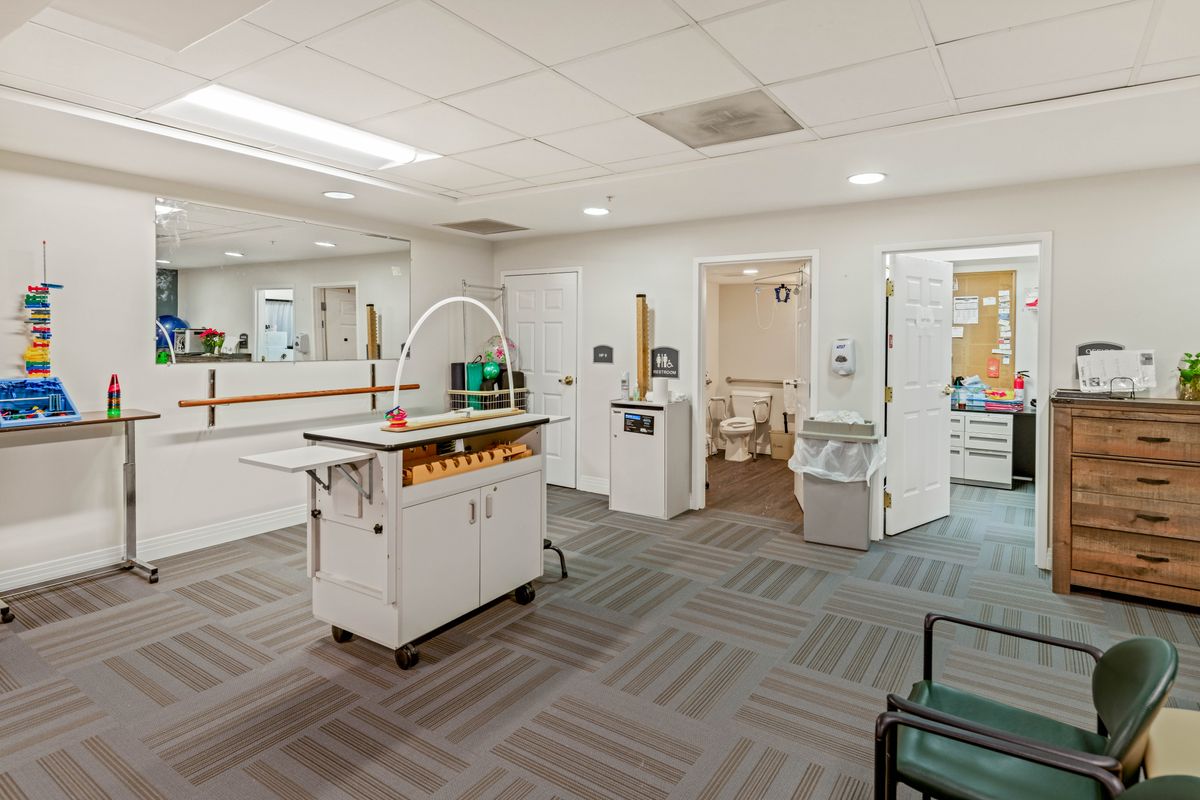
 Wellness center
 Wheelchair accessible showers
 Wi-Fi/high-speed internet available
 Baltimore-Washington International (17 miles away)
 Community operated transportation
 12-16 hour nursing
 24-hour call system
 Ambulatory care
 Assistance with bathing
 Assistance with dressing
 Assistance with transfers
 Diabetes diet
 High acuity care
 Hospice waiver
 Incontinence care
 Medication management
 Mental wellness program
 Special dietary restrictions
 Transportation arrangement (medical)
 Art classes
 Bible study group
 Book club
 Concierge services
 Cooking classes
 Educational speakers / life long learning
 Games
Games Jewish services
 Live musical performances
 Planned day trips
 English
 Diabetes-focused care with indoor social spaces and nearby amenities
 Illuminating Insights About Alzheimer's Disease: Ten Crucial Realities
 A Thorough Discussion of Medications Potentially Linked to Dementia Risk
 Why Do Dementia Patients Sleep So Much? Understanding Oversleeping, Stages, and Care Approaches