Residents and families describe a steady calendar of group activities and social time.
Many reviews highlight frequent on-site gatherings like happy hour, bingo, and trivia nights, with residents enjoying chances to socialize and meet friends. Several also call out specific offerings such as water aerobics, plus weekly activity routines that help keep people engaged. In addition to large events, families mention personal participation and comfort during the transition process.
common13 reviews mention this
Food and dining are consistently praised
Food quality comes up repeatedly, from everyday meals to special dining moments.
Residents and visitors describe meals as delicious and well prepared, often mentioning that the food looks and smells good and that variety keeps dining interesting. Multiple reviews specifically reference event-related refreshments like happy hour items, and others mention catered-style favorites like seafood wraps. The community also provides support for special dietary needs such as diabetes and other dietary restrictions, which aligns with how families talk about getting the right food.
differentiator11 reviews mention this
Beautiful, well-kept spaces stand out
Reviews repeatedly describe the community as attractive, fresh, and very well maintained.
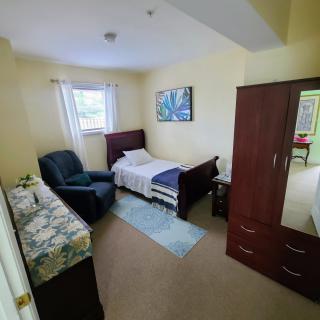
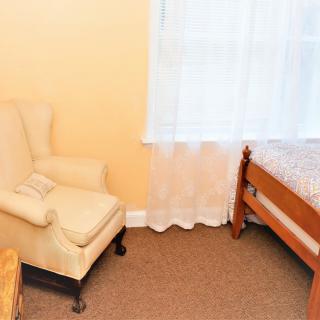
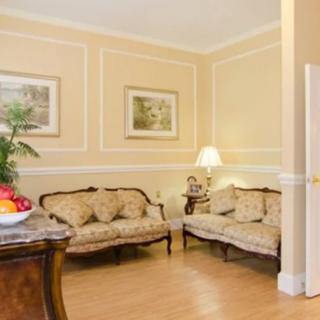
A recurring theme is the feel of the building and grounds—reviews mention gardens, balconies, fresh upkeep, and a clean, welcoming atmosphere. Several note that the environment looks more inviting than typical assisted living, including open, airy rooms and a well-decorated interior. Even reviewers who had concerns about follow-up still describe the overall property as beautiful and impressive.
common6 reviews mention this
Care feels organized and thorough
Families describe consistent support with daily needs and specialized memory care.
Reviews that discuss care often focus on safety, attentiveness, and having needs met, including during the early transition period. For families specifically dealing with memory care and dementia, one review says the care level met expectations. Others also mention the convenience of receiving medical care and physical therapy on site, along with attention from nursing and care staff.
caveat3 reviews mention this
Communication problems create frustration
Some reviewers report poor responsiveness and unanswered communication.
A minority of reviews raise concerns about how responsive the administration and front-line communication can be. Complaints include emails not being answered, call lights going unanswered for long periods, and difficulty getting help when needed. One reviewer also describes a rude phone interaction that did not match the welcoming experience earlier during the visit.
How we summarize
Counts show how many written reviews mention each theme; a review can touch several themes, and only frequently mentioned themes are displayed.
Features
Housing
5 resident community capacity
Types of Care
Assisted Living
Board and Care Home
Memory Care
Amenities
Cable or satellite TV
Dining room
Fully furnished
Garden
Housekeeping services
Move-in coordination
Outdoor space
Telephone
Wi-Fi/high-speed internet available
Transportation
Washington Dulles International (14 miles away)
Ronald Reagan Washington National (14 miles away)
Care Services
24-hour supervision
Activities of daily living assistance
Assistance with bathing
Assistance with dressing
Assistance with transfers
Coordination with health care providers
Dementia waiver
Diabetes diet
Hospice waiver
Meal preparation and service
Medication management
Mental wellness program
Mild cognitive impairment
Special dietary restrictions
Specialized memory care programming
Transportation arrangement (medical)
Transportation to doctors appointments
Dining
Diabetes diet
Special dietary restrictions
Activities
Community-sponsored activities
Scheduled daily activities
Nearby Places of Interest
This part of Potomac, Maryland offers a diverse range of amenities and services that cater to the needs of seniors. With parks such as Great Falls Park and Aberdeen Park nearby, residents can enjoy nature and recreational activities. There are several pharmacies in close proximity, providing easy access to medication and healthcare needs. The area also boasts a variety of dining options, including Founding Farmers and Silver Diner, as well as cafes like Starbucks and Tatte Bakery & Cafe for socializing. Transportation options such as the Metro stations make it convenient to travel around the area. Additionally, there are reputable hospitals like Adventist HealthCare Shady Grove Medical Center nearby for medical emergencies. Places of worship like McLean Islamic Center and Rockville Evangelical Mission offer spiritual support for those seeking a religious community. Overall, this part of Potomac provides a comfortable and convenient environment for seniors looking to settle in a vibrant neighborhood with access to essential services and facilities.
Parks
Great Falls Park (3 miles)
Falls Road Park (3.7 miles)
Chesapeake and Ohio Canal National Historic Park (3.7 miles)
Aberdeen Park (6.4 miles)
Wolf Trap National Park for the Performing Arts (6.5 miles)
Winding Creek Local Park (6.8 miles)
Foxstone Park (7.5 miles)
Pharmacies
CVS Pharmacy (3.1 miles)
Walgreens (4 miles)
CVS Pharmacy (4.4 miles)
CVS Pharmacy (5.5 miles)
CVS Pharmacy (5.5 miles)
Safeway Pharmacy (5.7 miles)
Walgreens (5.8 miles)
Theaters
AMC Montgomery 16 (3.2 miles)
ShowPlace ICON at The Boro (6.5 miles)
AMC Tysons Corner 16 (6.8 miles)
AMC DINE-IN Rio Cinemas 18 (7 miles)
Restaurants
Menchie's Westfield Montgomery Mall (3.3 miles)
Founding Farmers (4.1 miles)
Silver Diner (5.4 miles)
McDonald's (5.5 miles)
McDonald's (5.6 miles)
Sichuan Pavilion (5.8 miles)
Sir Sandwich (6 miles)
Transportation
Hertz Rent A Car (5.4 miles)
Grosvenor-Strathmore Metro Station (5.5 miles)
Twinbrook Metro Station (5.6 miles)
Rockville Metro Station (5.7 miles)
Medical Center Metro Station (5.9 miles)
Bethesda Metro Station (6.3 miles)
Tysons Corner Metro Station (6.6 miles)
Hospitals
Adventist HealthCare Shady Grove Medical Center (5.7 miles)
Potomac Grace I's array of features is meticulously designed to support residents with varying degrees of dementia and Alzheimer's disease, enhancing their quality of life and ensuring safety. Assistance with dressing and bathing fosters dignity and independence while addressing the challenges posed by cognitive decline. Medication management ensures that residents receive their prescriptions on time, thereby preventing adverse effects from missed doses or confusion about medication schedules. Meal preparation and service cater not only to nutritional needs but also create a familiar routine, which can be comforting for those experiencing memory loss. Transportation arrangements for medical appointments enhance access to necessary healthcare services, while coordination with healthcare providers ensures continuity of care and addresses any emerging health concerns effectively. Activities of daily living assistance is vital for maintaining autonomy in a supportive environment, complemented by 24-hour supervision for safety and immediate response to any emergencies. The inclusion of specialized memory care programming and a mental wellness program targets the unique challenges faced by residents, integrating social engagement into their daily routines. Additionally, the dementia waiver allows personalized approaches tailored to individual needs, accommodating those with mild cognitive impairment as well as more advanced stages of dementia, creating an inclusive atmosphere that nurtures well-being at every stage.
Nearby Communities
Potomac Grace Assisted Living
Potomac, MD
4.6 from 10 reviews
$4,500 to $6,500 / month
Warm, intimate, home-like setting with attentive, compassionate staff and engaging activities.
Avalon Assisted Living
Potomac, MD
4 from 1 review
Caring staff and pleasant, well-maintained rooms.
Rebecca House
Potomac, MD
4.4 from 11 reviews
$4,600 / month
Friendly, attentive staff in a small, home-like setting with dedicated memory care.
Serenity Gardens Assisted Living 2
Potomac, MD
4.3 from 6 reviews
$3,200 / month
Hands-on owner (Ruby) with attentive caregivers in a spacious setting.
Potomac Seniors Village 2
Potomac, MD
Comprehensive care with 24-hour supervision, diabetes-friendly dining, and medical transportation.
Elegant Senior Living
Potomac, MD
$4,000 / month
Luxurious, activity-rich community with high-acuity care and competitive pricing for the area.
Manor Care Health Services - Potomac
Potomac, MD
4.4 from 131 reviews
Clean facility with professional therapists and generally friendly staff.
Maplewood Park Place
Bethesda, MD
4.4 from 56 reviews
$2,833 to $5,203 / month
Strong amenities and an active social life with friendly staff.
The Terraces at Tuckerman Lane
North Bethesda, MD
4.4 from 121 reviews
$3,360 to $5,145 / month
Friendly, attentive staff in a bright, spacious environment with engaging activities.
Vibrant Senior Living emphasizes active senior living communities that promote independence and engagement through diverse amenities and activities, fostering wellness and social interaction among older adults. These communities range from independent to assisted living, with a focus on personal growth, family involvement, financial planning, and leveraging technology to enhance residents' experiences.
Assisted living provides moderate support for seniors seeking independence, while memory care offers specialized support for individuals with dementia or cognitive impairments through structured routines and trained staff. Key differences include care approaches, environment security measures, staff training levels, activity types, and cost considerations.
Choosing between assisted living and nursing homes involves evaluating emotional and financial factors, with assisted living offering independence and support for daily activities at a lower cost, while nursing homes provide intensive medical care for individuals with significant health needs. The decision is influenced by personal preferences, health status, cognitive function, and varying Medicaid coverage across states.
Get PricingAsk A QuestionSchedule A TourContact Senior Advisor
By clicking submit, you agree to our Partner's Terms of Use. You
also consent to receive calls and texts, which may be autodialed, from our Partner. Your consent is not a condition to
using our Partner's service. Please visit our Partner's Privacy Policy for information about their privacy practices.


 5 resident community capacity
 Assisted Living
 Board and Care Home
 Memory Care
 Cable or satellite TV
 Dining room
 Fully furnished
 Garden
 Housekeeping services
 Move-in coordination
 Outdoor space
 Telephone
 Wi-Fi/high-speed internet available
 Washington Dulles International (14 miles away)
 24-hour supervision
 Activities of daily living assistance
 Assistance with bathing
 Assistance with dressing
 Assistance with transfers
 Diabetes diet
 Hospice waiver
 Meal preparation and service
 Medication management
 Mental wellness program
 Special dietary restrictions
 Transportation arrangement (medical)
 Transportation to doctors appointments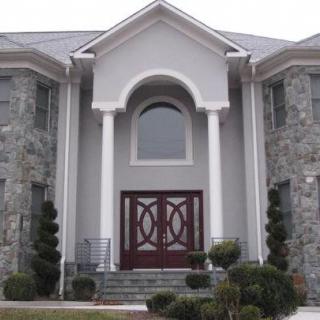
 Warm, intimate, home-like setting with attentive, compassionate staff and engaging activities.


 Vibrant Senior Living: A Comprehensive Guide for Active Older Adults
 Assisted Living and Memory Care: Understanding Their Core Differences
 Choosing the Right Senior Care: A Detailed Exploration of Assisted Living and Nursing Homes