9910 River Rd, Potomac, MD 20854
To contact a resident: (240) 535-0597
For more information about senior living options: (866) 208-4318
Rebecca House Costs & Pricing
At Rebecca House, the monthly costs for accommodations present a competitive option when compared to both Montgomery County and the broader Maryland state averages. For a private room, residents can expect to pay $4,600, which is notably lower than the county rate of $5,009 but slightly higher than the state's average of $4,112. Similarly, the studio options at Rebecca House are priced at $4,600 - again offering a cost-effective alternative to Montgomery County's average of $5,542 while remaining just below Maryland's state average of $4,656. These figures not only highlight Rebecca House as an attractive choice for potential residents but also illustrate its commitment to providing quality living at a reasonable price within the local market.
| Floor plans | Rebecca House | Montgomery County | Maryland |
|---|---|---|---|
| Private | $4,600 | $5,009 | $4,112 |
| Studio | $4,600 | $5,542 | $4,656 |
Memory care communities with a similar price nearby
-
from +$350 / mo
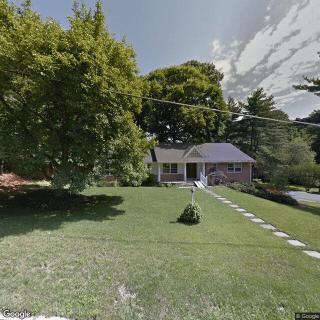
Avalon House on Laburnum Street
$4,950 / month7.0 miles away -
from -$600 / mo

Catherine's House
$4,000 / month15.3 miles away -
About the same
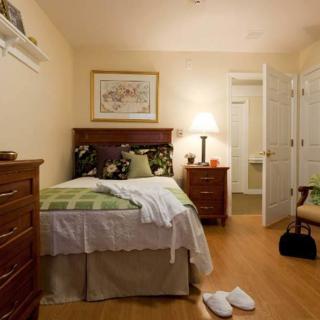
Olney Memory Care
$4,500 / month11.0 miles away -
from -$600 / mo
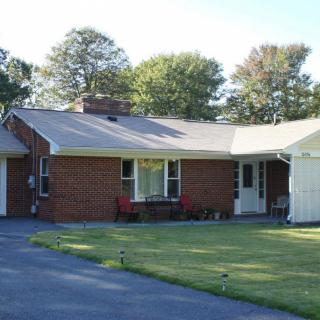
Montgomery Eldercare I
$4,000 to $5,900 / month12.7 miles away -
from +$600 / mo
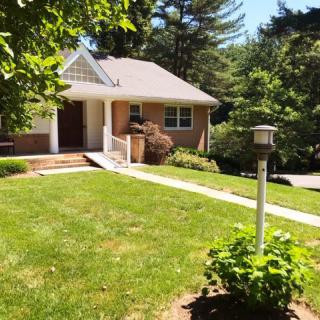
Avalon House On Laburnum Street
$5,200 / month7.0 miles away
Overall Review of Rebecca House
Pros
 They are wonderful people.
- They were good with scheduling visits and bringing him outside for the family.
- The staff seemed friendly.
- Dad was always well groomed.
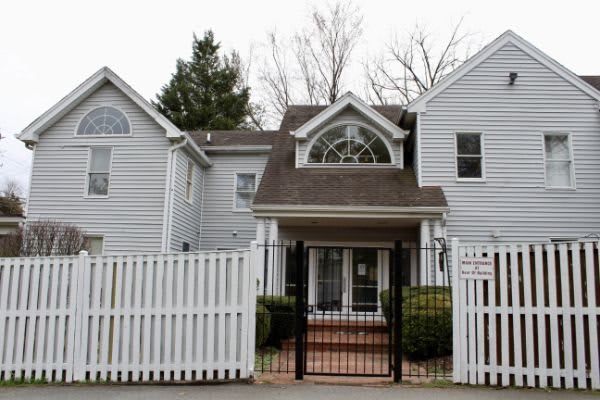
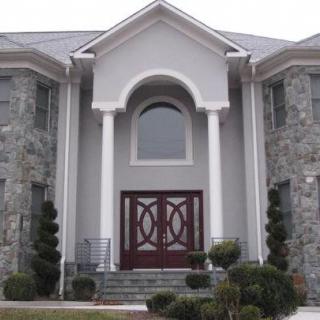
- They were viewed positively from the outside.
- Rebecca House is low-key but very devoted to doing a good job.
- They are friendly and respectful of their residents.
- They strive to be helpful.
- They recognize that the residents have special needs.
- Georgia was very nice and honest.
- The move has been very positive and the resident is safe and in good hands.
- The staff are very nice and treat residents well.
- They talk to and treat residents with respect and dignity.
- It is safe and comfortable.
- The staff address issues promptly.
- It is a wonderful place and very well kept.
Cons
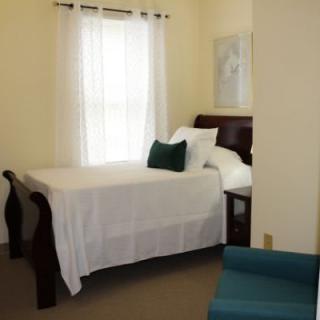
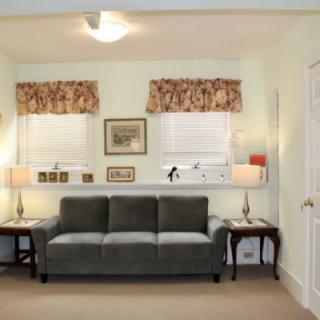
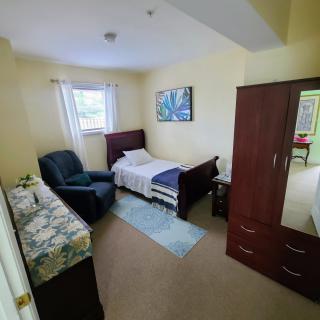
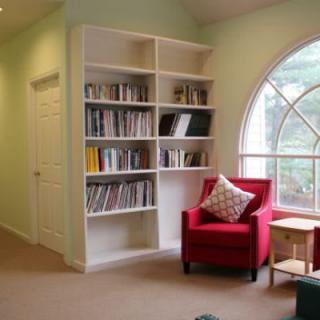
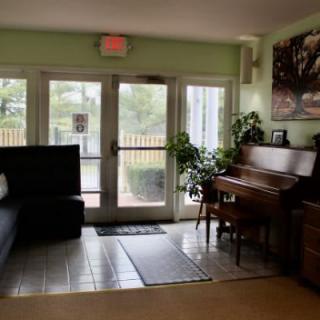
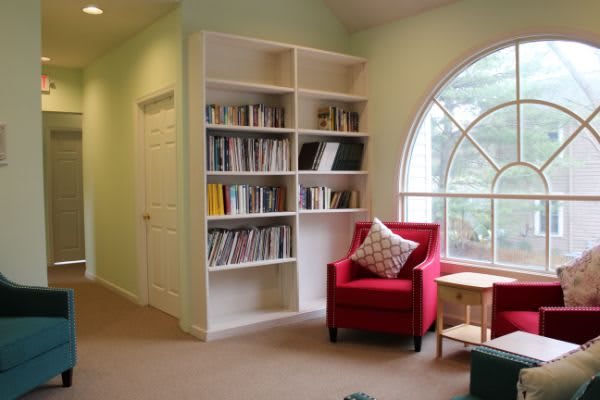
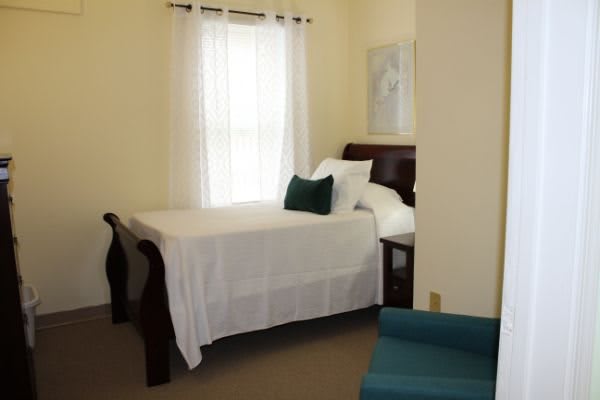
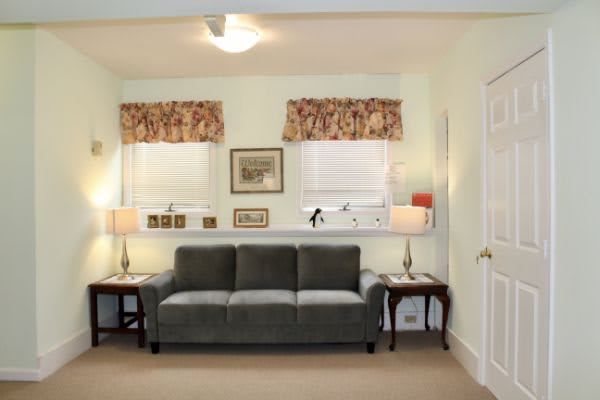
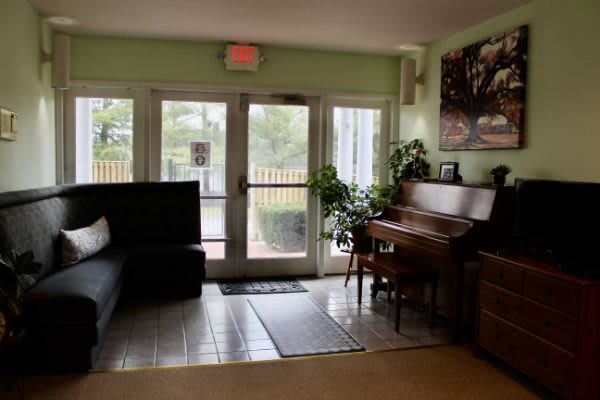
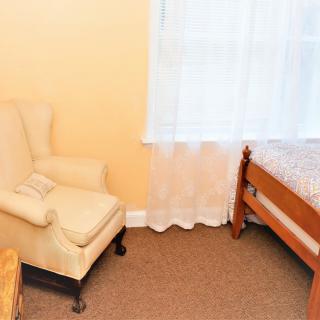
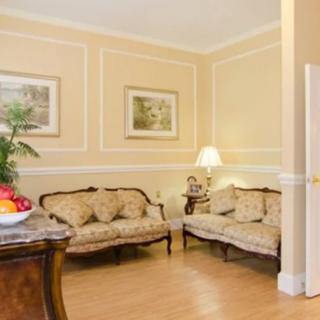
 The decor is not at all fancy and even a bit shabby.
- There are not a lot of activities, which would be the only real negative.
- She would need more interaction than the homes would be able to offer.
- Nursing homes are the worst.
Review
Rebecca House in Potomac is best suited for families seeking a small, intimate, dementia-aware assisted living option where hands-on care and personal attention trump upscale features. The home-like setup houses up to about 15 residents, delivering a neighborhood feel rather than a medical campus. It suits older adults who need help with daily tasks, prefer a calm, low-key atmosphere, and value dignity, respectful treatment, and reliable safety over a glossy, modern environment. This is a setting where staff know residents by name, routines are predictable, and caregivers take a consistent, involved role in daily life.
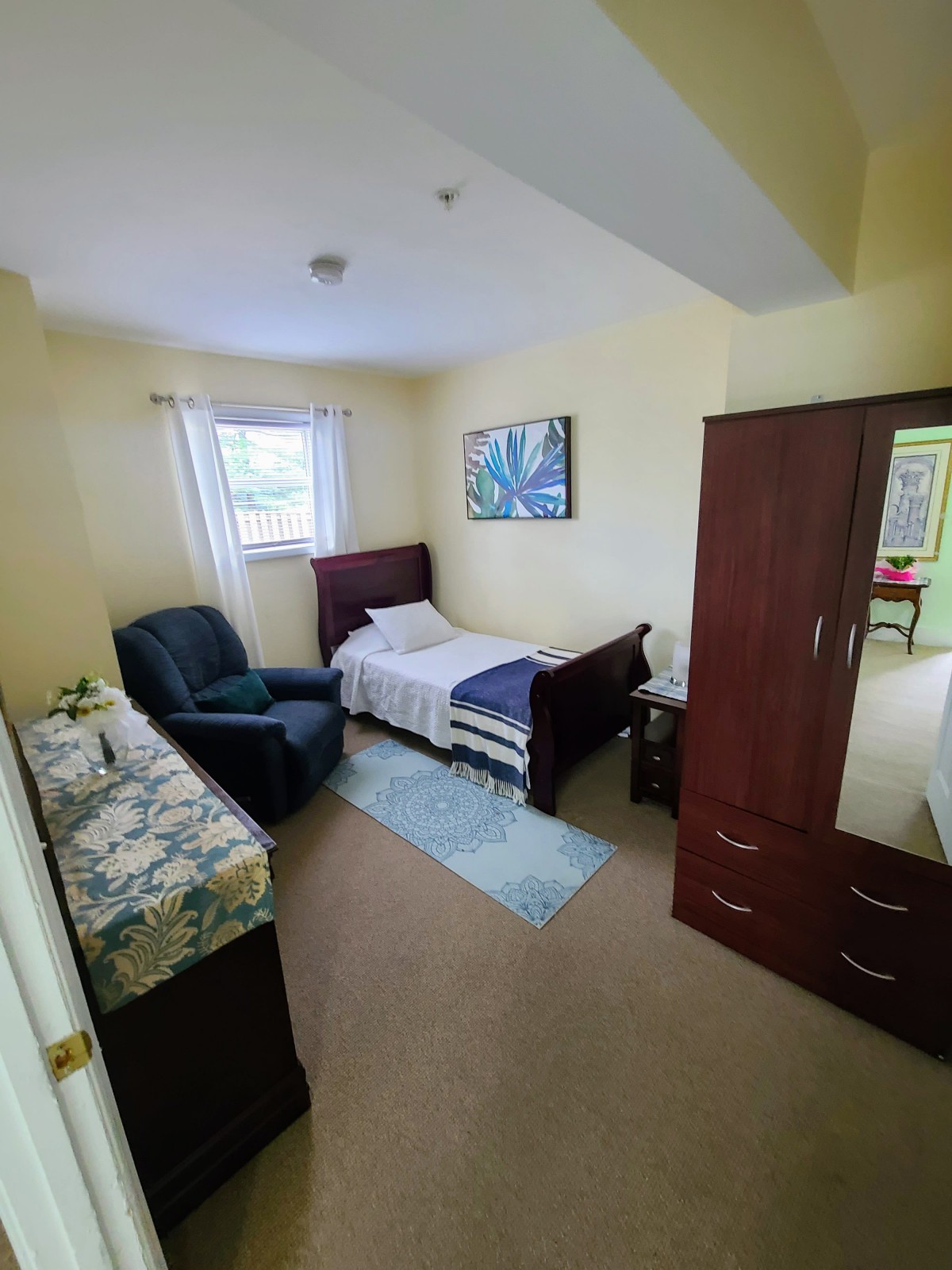
Those evaluating alternatives will benefit from a clear sense of the trade-offs. If the resident requires a broad activity program, frequent social opportunities, or a more polished, contemporary aesthetic, Rebecca House may fall short. The decor is modest rather than chic, described as safe and comfortable but a touch shabby, and bedrooms are small with common areas carrying much of the daily life load. For families seeking more extensive on-site clinical staffing, a structured memory-care curriculum, or a lively calendar of outings and programming, a larger or more program-driven community would be a wiser choice.
On the upside, the strongest draws are the staff quality and the home-like culture. Reviews consistently highlight friendly, respectful caregivers who treat residents with dignity and go out of their way to accommodate needs and resolve issues. The care team feels devoted and approachable, with owners who are easy to work with when problems arise. The setting is secure and well-suited for dementia care, providing clear routines and supervision that give families confidence in daily safety. Medical staff visits add a practical layer of oversight for conditions that benefit from professional input without hospital-level intensity.
The main drawbacks center on activity and space. There is not a robust daily activities program described, and the compact, residential layout means bedrooms are small and privacy can be limited. Days tend to lean toward quiet, low-stimulation routines rather than a busy social life, which can leave residents craving more engagement. Still, this is offset by a highly attentive, small team that can tailor care to individual patterns and needs, with staff who handle concerns directly rather than escalating them. The risk is longer-term boredom if family interaction wanes or if expectations include a bustling activity slate.
From a decision-maker’s standpoint, Rebecca House aligns with priorities of safety, respect, and consistency. The small size supports accountability and continuity, reducing the churn that can overwhelm families during transition. The emphasis on treating residents as people with real needs translates into practical, hands-on care, grooming, monitoring, and responsive problem-solving performed by a team that has built a working knowledge of each resident. The trade-off is clear: the environment is homey and secure but modest in amenities and programming, a configuration that works for some families and not for others.
In conclusion, Rebecca House is a strong fit for families prioritizing safety, personal attention, and dignity in a dementia-focused, home-like environment. It is not ideal for those who demand a rich activity calendar, upscale décor, or expansive living spaces, or for residents with high-acuity medical needs requiring frequent 24/7 nursing. To decide, tour the home with questions about staff-to-resident ratios, frequency of medical visits, and how memory-care needs are addressed day-to-day. If a more social, program-driven experience or more luxurious surroundings are non-negotiable, the search should continue elsewhere; otherwise, this small community offers solid, compassionate care that can stabilize and comfort families during a challenging phase.
 Board and Care Home
 Memory Care
 Activities on-site
 Devotional services off-site
 Indoor common areas
 Outdoor common areas
 Private
 Respite or short term stays offered
 Wheelchair accessible showers
 Washington Dulles International (14 miles away)
 Diabetic care
 High acuity care
 Incontinence care
 Medication management
 Meals provided

 Understanding Dementia Through Its Seven Stages: A Comprehensive Look at Progression and Expectations
 Safeguarding Your Memory Through the Golden Years: Eight Ways to Preserve Cognitive Health
 Comprehensive Insights into Activities of Daily Living (ADLs) and Their Assessment