Overall Review of Manor Care Health Services - Potomac
differentiator8 reviews mention this
Therapy quality gets repeated praise
PT and OT are repeatedly described as skillful and effective for rehab.
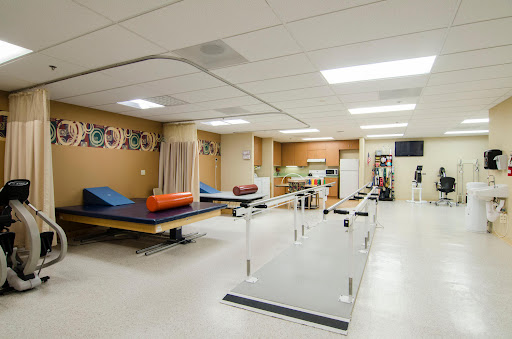
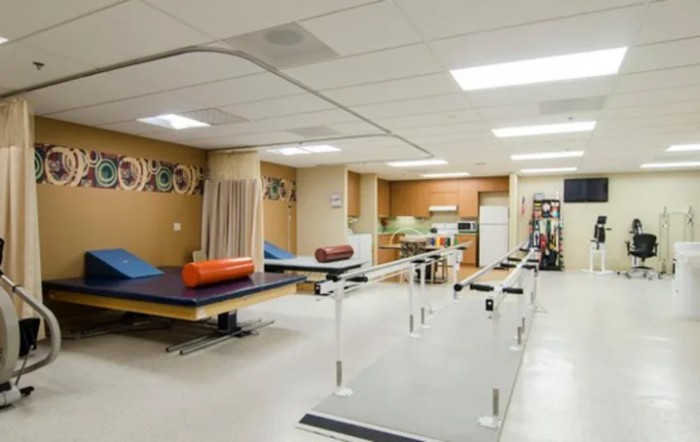
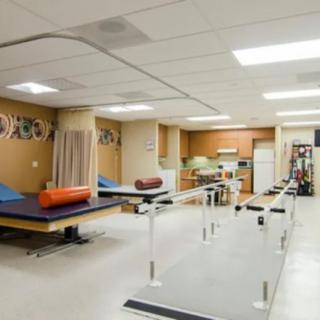
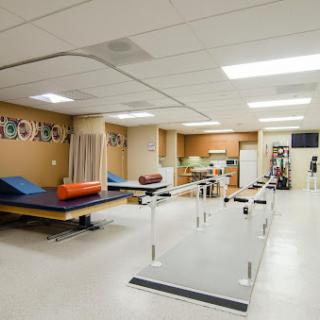
Multiple residents and family members describe strong physical and occupational therapy support, including specific praise for therapists’ skill and the overall rehab plan. One reviewer highlights a very high PT and OT experience and says they could not get the same intensity outside the facility. Others describe improvements during rehab, including after hospital transfers and during longer stays. A separate review that was otherwise negative still says the physical and occupational therapy teams met expectations.
caveat5 reviews mention this
Medication handling varies widely
Medication timing and follow-through are inconsistent in reviews.
Some reviewers say medications are given on schedule and handled with care. Others report missed doses, long waits after pressing call buttons, and medication or prescription documentation problems that delayed care. Even in negative reviews focused on other issues, medication and timing come up as part of the breakdown in day-to-day follow-through. This aligns with how the community also emphasizes medication management as part of its nursing services, but residents’ experiences are not uniform.
caveat5 reviews mention this
Food is a clear mixed point
Food quality and meal reliability are a recurring point of feedback.
Reviews go in different directions on dining. Some describe meals as good, healthy, and on time. Others say food is terrible or limited in choice, to the point that families bring dinner nightly. Dietary follow-through also appears in reviews, including cases where residents’ ordered restrictions were not followed closely enough to prevent health concerns.
caveat5 reviews mention this
Schedule and oversight disappoint some families
Several reviews describe gaps in responsiveness and daily planning.
A recurring complaint is uncertainty about the daily PT/OT schedule and delays in getting assistance. Some reviewers describe call buttons going ignored, staff being unavailable on arrival, or long wait times for basic support. There are also reviews that describe disorganization affecting therapy timing and pain-med coordination. At the same time, other reviews mention staff being attentive and supportive, so experiences appear uneven depending on unit and situation.
common2 reviews mention this
Convenient for visitors and errands
Visitors mention easy parking and a convenient location.
Some reviews highlight visitor parking being easy and the facility being straightforward to sign in for. A couple of nearby daily-need stops are within a few miles, including pharmacies and familiar dining options, which can help with quick errands during visits. The strongest location feedback centers on day-of convenience rather than specific routes or distances.
How we summarize
Counts show how many written reviews mention each theme; a review can touch several themes, and only frequently mentioned themes are displayed.
Features
Housing
158 resident community capacity
Types of Care
Skilled Nursing Facility
Amenities
Air-conditioning
Beauty salon
Cable or satellite TV
Computer center
Dining room
Fitness room
Fully furnished
Gaming room
Garden
Housekeeping services
Kitchenette
Move-in coordination
Outdoor space
Private bathrooms
Restaurant-style dining
Small library
Telephone
Wellness center
Wi-Fi/high-speed internet available
Transportation
Washington Dulles International (15 miles away)
Ronald Reagan Washington National (15 miles away)
Community operated transportation
Transportation arrangement
Transportation arrangement (non-medical)
Transportation to doctors appointments
Care Services
12-16 hour nursing
24-hour call system
24-hour supervision
Activities of daily living assistance
Assistance with bathing
Assistance with dressing
Assistance with transfers
Diabetes diet
Meal preparation and service
Medication management
Mental wellness program
Special dietary restrictions
Dining
Diabetes diet
Special dietary restrictions
Activities
Community-sponsored activities
Concierge services
Fitness programs
Planned day trips
Resident-run activities
Scheduled daily activities
Nearby Places of Interest
This area of Potomac, Maryland offers convenience and accessibility for seniors looking to settle in a vibrant community. With several pharmacies nearby, including CVS and Walgreens, access to healthcare services is readily available. In addition, there are numerous parks for outdoor activities and relaxation, such as Falls Road Park and Great Falls Park. The presence of reputable hospitals like Adventist HealthCare Shady Grove Medical Center ensures quality medical care in the vicinity. There are also plenty of dining options ranging from casual eateries like McDonald's to more upscale choices like Sichuan Pavilion. Transportation is easily accessible with metro stations like Rockville and Twinbrook nearby, making it convenient for seniors to travel around the area. Places of worship, such as Rockville Evangelical Mission and McLean Islamic Center, provide spiritual support for those seeking a religious community. Overall, this part of Potomac offers a well-rounded lifestyle with amenities catered towards the needs of seniors.
Pharmacies
CVS Pharmacy (2.5 miles)
Walgreens (3.1 miles)
CVS Pharmacy (4.3 miles)
CVS Pharmacy (4.5 miles)
Safeway Pharmacy (4.6 miles)
CVS Pharmacy (4.7 miles)
CVS Pharmacy (4.7 miles)
Parks
Falls Road Park (2.6 miles)
Great Falls Park (3.7 miles)
Chesapeake and Ohio Canal National Historic Park (4.6 miles)
Aberdeen Park (5.5 miles)
Winding Creek Local Park (6.3 miles)
Bohrer Park (7 miles)
Rock Creek Regional Park (7.2 miles)
Theaters
AMC Montgomery 16 (3 miles)
AMC DINE-IN Rio Cinemas 18 (5.8 miles)
ShowPlace ICON at The Boro (7.6 miles)
AMC Tysons Corner 16 (7.9 miles)
Restaurants
Founding Farmers (3.2 miles)
Menchie's Westfield Montgomery Mall (3.2 miles)
McDonald's (4.7 miles)
Silver Diner (4.7 miles)
Sichuan Pavilion (4.8 miles)
McDonald's (5.5 miles)
First Watch (5.7 miles)
Hospitals
Adventist HealthCare Shady Grove Medical Center (4.6 miles)
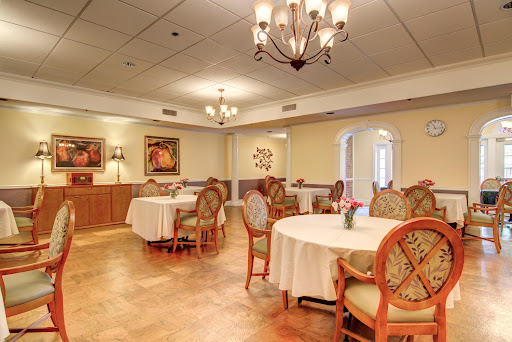
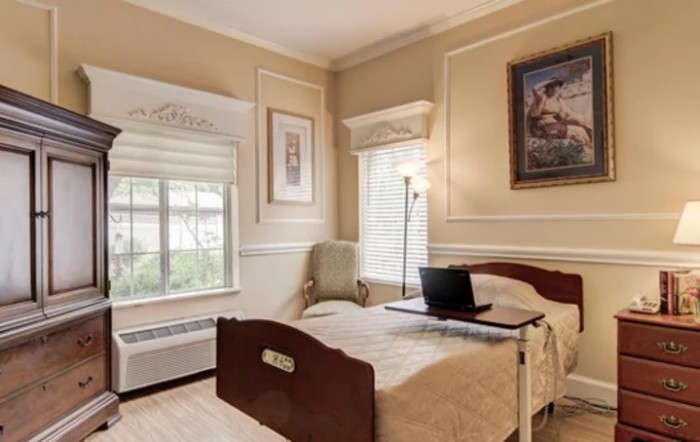
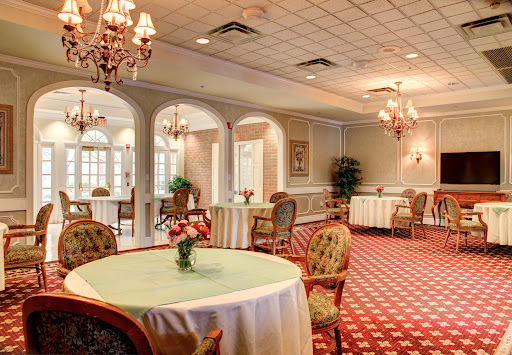
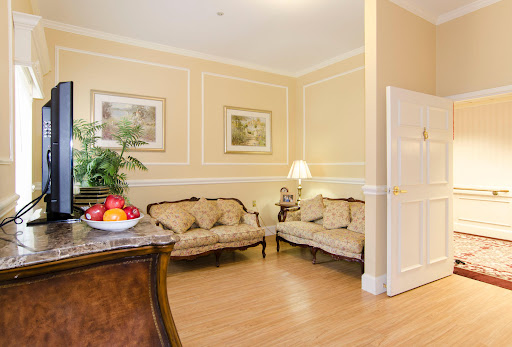
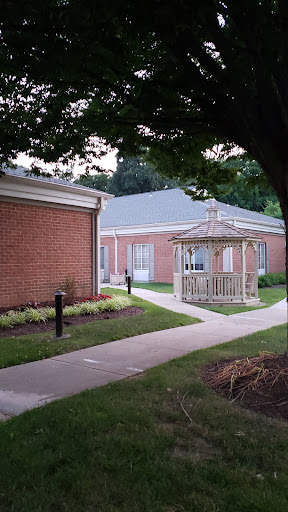
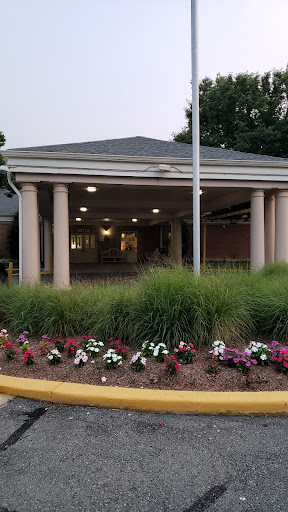
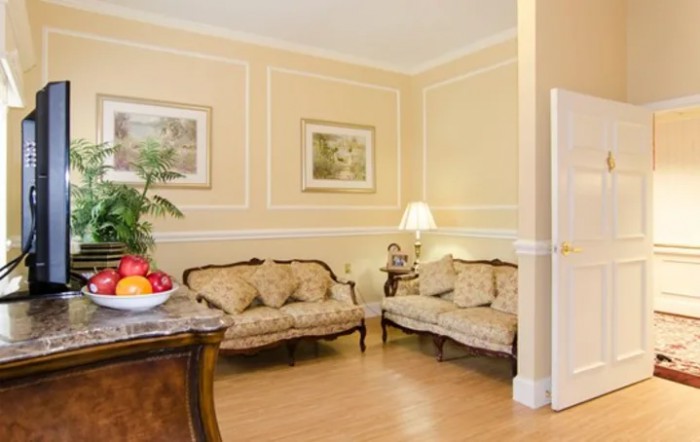
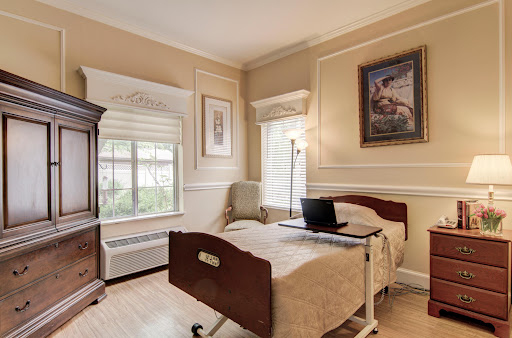
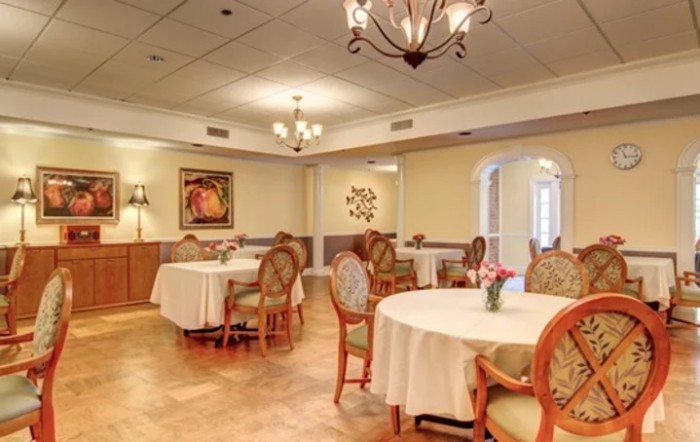
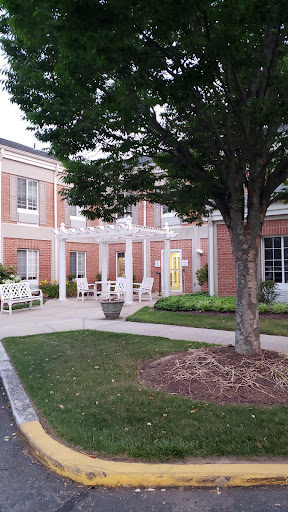
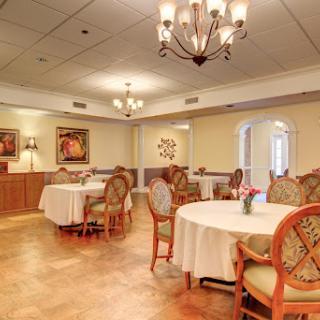
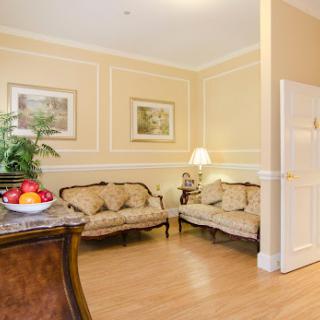
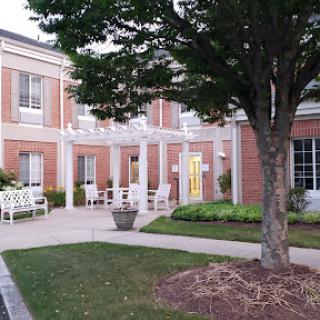
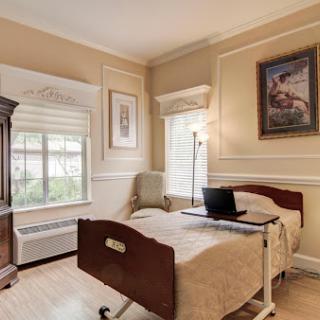
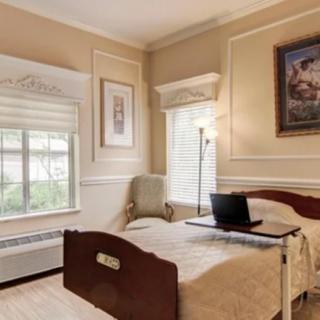
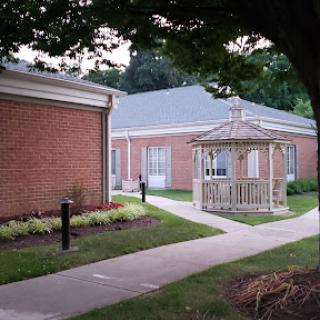
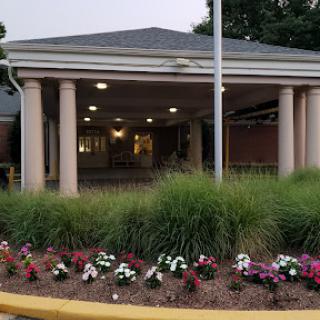
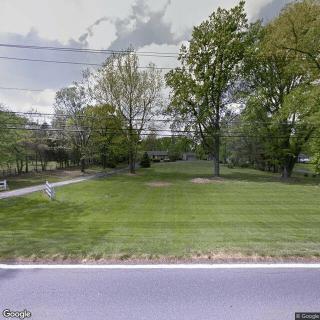
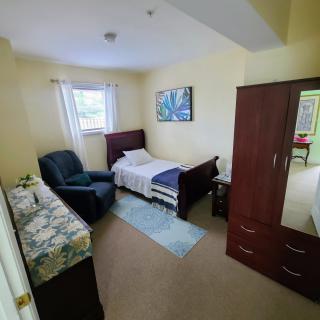
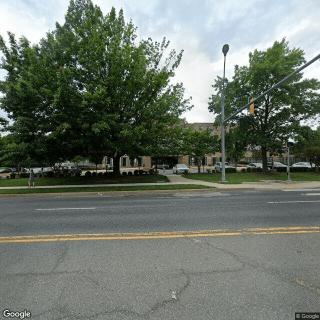
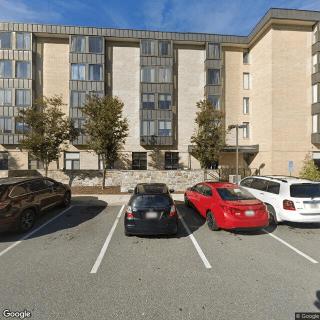
Manor Care Health Services - Potomac on seniors.fyi includes 13 photos including images showing interior, dining, chandelier, decor, bedroom, building, landscaping, paintings, and more.
Nearby Communities
Arden Courts of Potomac
Potomac, MD
4.7 from 85 reviews
$7,885 to $12,000 / month
Compassionate staff, clean environment, and dementia-focused design.
Brandywine Living At Potomac
Potomac, MD
4.8 from 53 reviews
$5,400 to $10,350 / month
Elegant, upscale environment with compassionate staff and strong family communication.
Potomac Grace
Potomac, MD
4.6 from 119 reviews
$4,500 to $5,000 / month
Compassionate staff in a clean, homelike setting with engaging activities.
Greenebrook Homes
Potomac, MD
4 from 1 review
Extensive care services and diverse dining options with on-site amenities.
Avalon Assisted Living
Potomac, MD
4 from 1 review
Caring staff and pleasant, well-maintained rooms.
Rebecca House
Potomac, MD
4.4 from 11 reviews
$4,600 / month
Friendly, attentive staff in a small, home-like setting with dedicated memory care.
The Seneca at Rockville
Rockville, MD
4.6 from 32 reviews
$6,995 to $9,395 / month
Upscale, hotel-like atmosphere with diverse programs and restaurant-style dining.
Cohen-Rosen House
Rockville, MD
3.6 from 7 reviews
Kind, responsible staff; clean rooms and timely meals; kosher dining.
Hebrew Home and Revitz House of Greater Washington
Rockville, MD
3.4 from 120 reviews
$1,050 / month
Caring nursing staff and engaging memory care programs.
The Sandwich Generation comprises adults managing the dual responsibilities of caring for aging parents and raising children, leading to significant emotional, logistical, and financial challenges. This situation is exacerbated by longer life expectancies and cultural expectations, necessitating effective coping strategies and support resources to alleviate caregiver stress and burnout.
The article highlights eight essential assistive devices that improve the independence and safety of older adults, addressing issues related to mobility, balance, vision, hearing, and dexterity. It emphasizes the importance of proper selection guided by healthcare professionals to enhance seniors' quality of life while allowing them to age in place.
The article offers detailed guidance on the financial complexities of nursing home care, covering costs, payment methods, and alternative funding strategies while emphasizing the importance of proactive planning and legal considerations for individuals and families making care decisions.
Get PricingAsk A QuestionSchedule A TourContact Senior Advisor
By clicking submit, you agree to our Partner's Terms of Use. You
also consent to receive calls and texts, which may be autodialed, from our Partner. Your consent is not a condition to
using our Partner's service. Please visit our Partner's Privacy Policy for information about their privacy practices.




 158 resident community capacity
 Skilled Nursing Facility
 Air-conditioning
 Beauty salon
 Cable or satellite TV
 Computer center
 Dining room
 Fitness room
 Fully furnished
 Gaming room
 Garden
 Housekeeping services
 Kitchenette
 Move-in coordination
 Outdoor space
 Private bathrooms
 Restaurant-style dining
 Small library
 Telephone
 Wellness center
 Wi-Fi/high-speed internet available
 Washington Dulles International (15 miles away)
 Community operated transportation
 12-16 hour nursing
 24-hour call system
 Activities of daily living assistance
 Assistance with bathing
 Assistance with dressing
 Assistance with transfers
 Diabetes diet
 Medication management
 Mental wellness program
 Special dietary restrictions
 Concierge services
 Planned day trips
 Compassionate staff, clean environment, and dementia-focused design.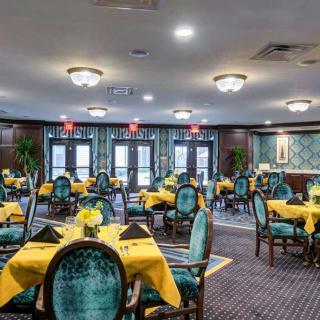



 Understanding the Sandwich Generation: Stress and Responsibilities for Multigenerational Caregivers
 8 Essential Assistive Devices for Older Adults
 Navigating the Financial Road to Nursing Home Care: In-Depth Guidance and Resources