
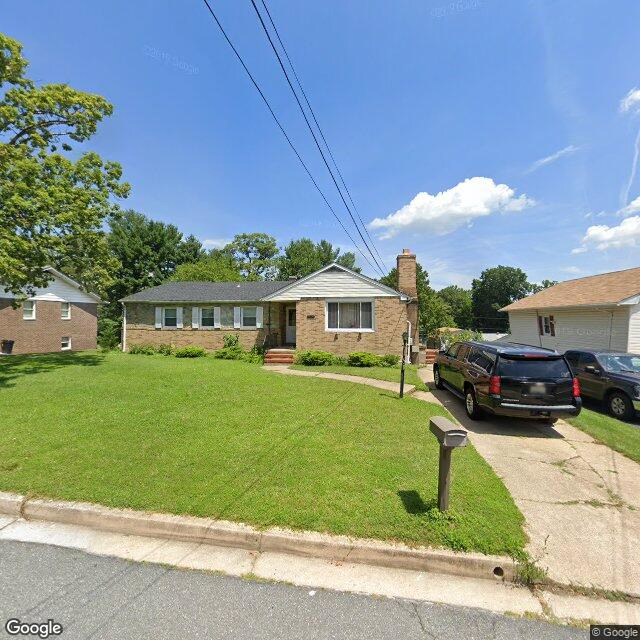
4804 Royahn Ave, Nottingham, MD 21236
To contact a resident: (410) 264-1410
For more information about senior living options: (866) 208-4318
Acti-Kare of Nottingham, MD Costs & Pricing
Acti-Kare of Nottingham, MD, offers a range of living arrangements at costs that reflect both the quality of care provided and the regional market. For a one-bedroom unit, residents can expect to pay $4,595 per month, significantly higher than the average for Baltimore city ($3,113) and Maryland overall ($3,904). The two-bedroom option is priced at $5,895, which also surpasses both local and state averages. Semi-private accommodations are available for $6,895, while private rooms command a premium of $9,795 per month. In comparison to nearby Baltimore city and state figures - which are generally lower across all room types - Acti-Kare's pricing suggests a focus on delivering exceptional care and amenities tailored to meet the needs of its residents.
| Floor plans | Acti-Kare of Nottingham, MD | Baltimore city | Maryland |
|---|---|---|---|
| 1 Bedroom | $4,595 | $3,113 | $3,904 |
| 2 Bedrooms | $5,895 | $2,993 | $3,497 |
| Semi-Private | $6,895 | $3,116 | $3,545 |
| Private | $9,795 | $3,729 | $4,112 |
Senior living communities with a similar price nearby
-
from -$795 / mo

AllView Retreat
$3,800 to $5,000 / month24.6 miles away -
from +$705 / mo

Heartlands at Severna Park
$5,300 to $6,060 / month21.9 miles away -
from -$239 / mo

North Oaks, a CCRC
$4,356 to $5,471 / month14.7 miles away -
from -$595 / mo

Morningside House of Friendship
$4,000 to $6,400 / month19.1 miles away -
from +$905 / mo

Hart Heritage Estates
$5,500 / month13.9 miles away
Overall Review of Acti-Kare of Nottingham, MD
Pros
 Amada Senior Care provides professional care and great support for families.
- From day one, the service and compassion felt like family, with genuine care, responsiveness, and understanding during difficult times.
- Their support brings peace of mind and gratitude to families.
- The Frederick area team can provide caregivers to new clients within a day, with flexible scheduling and easy coordination.
- All staff are very helpful, and the client’s mom gave 5/5 for all the caregivers she saw.
- Amada initially arranged two different caregivers for different shifts and checked for a preferred caregiver.
- When more care was needed later, they were able to reinstate one of the original providers.
- Dealing with Amada is described as a breath of fresh air, with an understanding of family needs, direction, and empathy during stressful times.
Cons
 Many places are difficult to work with and are dismissive.
Review
Acti-Kare of Nottingham is best suited for families who want to keep a loved one at home and need reliable in-home care that feels personal, responsive, and uncomplicated to schedule. This community serves seniors who are generally moving through gradual increases in daily help, things like companionship, medication reminders, meal support, and light personal care, without requiring full-time medical nursing. It excels for households seeking a practical, hands-on partner that can step in quickly when needs shift, and for families who value clear communication, a human touch, and the peace of mind that comes from knowing caregivers understand the family dynamic and the loved one’s routines. In short, it is a strong fit for those who want dignified at-home support delivered with a steady, family-like cadence rather than a cold, impersonal staffing system.
Those weighing alternatives should note that for seniors needing substantial medical oversight, complex wound care, or round-the-clock nursing, a licensed home health agency with skilled nursing capabilities or an assisted living community with on-site medical support may be a better fit. Similarly, if social programming, structured activities, and the built-in safety net of a residential setting are primary priorities, a community-based environment could be preferable. Cost dynamics, geographic coverage, and the potential for caregiver turnover are practical factors to compare across options. If one’s priority is a guaranteed, highly predictable medical regimen or 24/7 professional care, an alternative model may deliver more certainty.
The standout pros in the observed service model are strikingly concrete and highly compensatory. Caregivers arrive with professional training and a genuine sense of compassion that families repeatedly describe as feeling like “family” rather than a transactional arrangement. The ability to deploy caregivers quickly, often within a single day, is a decisive advantage when a loved one’s needs surge or when family schedules demand urgent relief. Scheduling flexibility is another major win: families can adjust plans without bureaucratic delays, and the team is attentive to shifts in needs as they evolve. Equally important is the deliberate attention to matching caregivers to the client’s preferences and routines; this often translates into better rapport, fewer misunderstandings, and smoother daily living. Continuity matters too: when more care is required, the provider can reconnect with an original caregiver, preserving compatibility and trust that typically deteriorates with frequent switchouts. Across the board, the service earns a practical-trust dividend that translates into genuine peace of mind for anxious families.
A thoughtful caveat is warranted. The strongest benefits depend on the stability of the caregiver pool and the consistency of assignment, which do occasionally hinge on staffing realities. While initial onboarding might introduce two different caregivers to cover shifts and then emphasis is placed on honoring a preferred caregiver, there is always a possibility of temporary variation in who is present on any given day. For families with highly specialized medical needs or a demand for nonstop coverage, this could translate into gaps if back-up plans are not clearly defined or if scheduling requires more lead time. Additionally, even with excellent flexibility, the cost of high-touch, at-home care can be substantial, and families should contrast this against the perceived value of a residential option that bundles services differently. Finally, geographic reach and local team depth matter; if Nottingham relies on a broader network, confirm that a preferred caregiver can consistently deliver the same standard within the community’s actual service area.
The pros described, professional, compassionate care; rapid placement; flexible scheduling; thoughtful caregiver matching and continuity; and genuine family-level support, do more than offset the typical friction points most families fear. When a caregiver team treats the family as partners, when requests are accommodated without weeks of back-and-forth, and when the same familiar faces return to care for mom or dad, the emotional burden eases in ways that put practical outcomes over flashy marketing. The “breath of fresh air” sentiment echoed in the reviews, where services are responsive during stressful moments and communications stay clear, translates into measurable benefits: fewer care interruptions, steadier routines, and a better overall quality of daily life for the person receiving help. That combination makes this model particularly compelling for households balancing work, caregiving duties, and the wish to preserve independence at home.
Bottom line: for families seeking dependable in-home support with a humane, adaptable cadence and a track record of swift placement and caregiver continuity, Acti-Kare Nottingham presents a compelling option. Start with a candid assessment of care intensity, medical needs, and daily rhythms, then verify the availability of preferred caregivers, the process for handling emergencies, and the presence of a clear trial period with defined goals. Confirm cost structures, and insist on a written plan that documents caregiver schedules, backup arrangements, and escalation steps if a change in needs occurs. Engage early with the team to secure a clear, accountable care plan that aligns with the loved one’s routines, preferences, and safety. If those elements are in place, this path offers a practical, compassionate framework for aging at home with confidence and peace of mind.
 Baltimore-Washington International (18 miles away)





 Nurturing Our Elders: Linda's Journey of Supporting Her Mother
 A Comprehensive Exploration of Common Misunderstandings about Powers of Attorney
 Senior Move Management: Understanding the Role, Value, and Associated Costs