
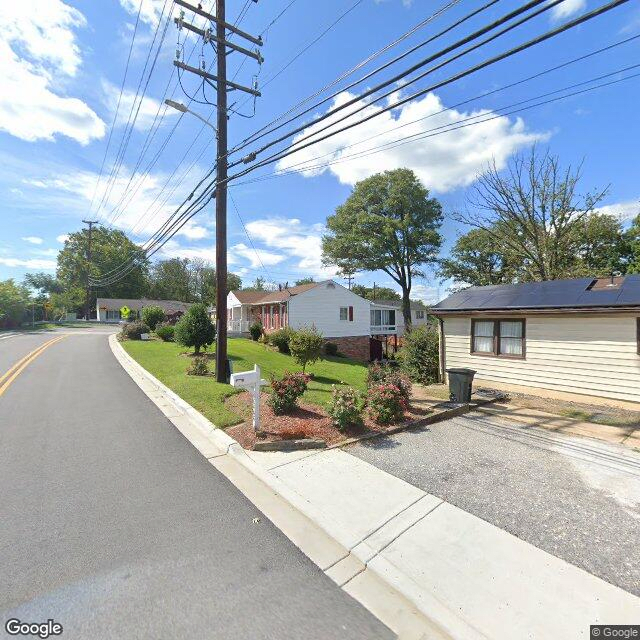
6406 Old Sandy Spring Road, Laurel, MD 20707
For more information about senior living options: (866) 208-4318
Shanti Home III Costs & Pricing
At Shanti Home III, the monthly costs for accommodation are competitive within the local and state landscape. The pricing for semi-private rooms is set at $3,500, which is notably higher than the average cost in Prince George's County at $3,058 but slightly more affordable than the Maryland statewide average of $3,545. For private rooms, Shanti Home III charges $3,700, positioning it below the county average of $3,792 while remaining significantly lower than the statewide figure of $4,112. This pricing structure reflects a commitment to providing quality care and comfortable living without straying too far from regional standards.
| Floor plans | Shanti Home III | Prince George's County | Maryland |
|---|---|---|---|
| Semi-Private | $3,500 | $3,058 | $3,545 |
| Private | $3,700 | $3,792 | $4,112 |
Assisted Living communities with a similar price nearby
-
from +$500 / mo

Catherine's House
$4,000 / month22.2 miles away -
About the same
Best Home for Mom and Dad
$3,500 to $4,500 / month9.9 miles away -
from +$500 / mo
Montgomery Eldercare I
$4,000 to $5,900 / month5.5 miles away -
from -$300 / mo

Mumsey's Residential Care
$3,200 to $5,400 / month20.9 miles away -
from -$525 / mo
Gneale Home Care
$2,975 / month17.0 miles away
Overall Review of Shanti Home III
Pros
 The caregiver is engaging, knowledgeable about dementia and pharmaceuticals, with 28 years of elder-care experience, and shows compassion to residents.
- Her cheerfulness and depth of knowledge about dementia are impressive, aided by a pharmacy tech on staff who collaborates with the doctor to monitor and adjust medications as needed.
- When a resident’s meds were changed, she became more alive, began to talk again, and engaged with others.
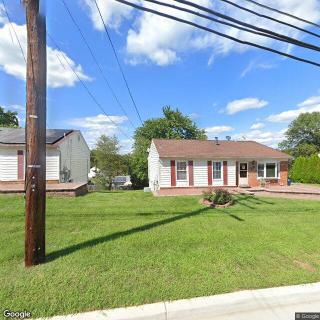
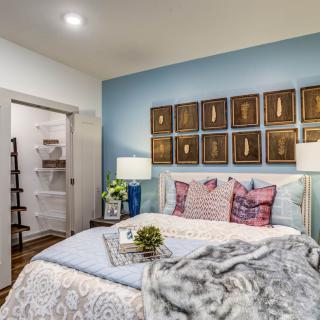
- The tour showed a neat, spacious setting: bedrooms are roomy, the common area is calm and clean, and there are hand-rails, a ramp, and attractive decor.
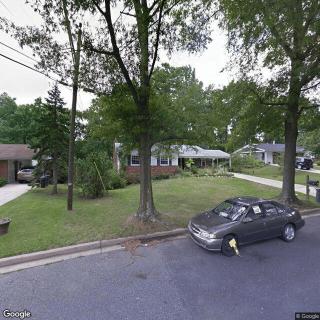
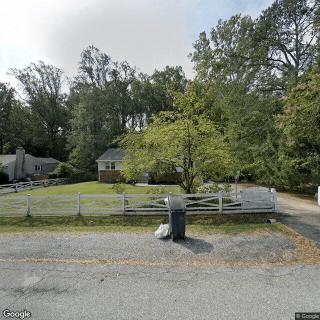
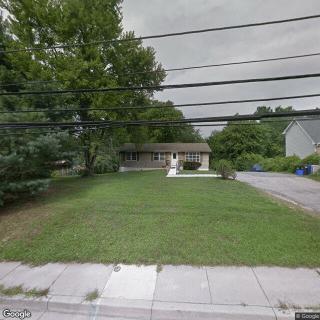
- The home is located in a nice, quiet residential area.
- The owner and staff are very nice and motivated to make residents' stays comfortable; residents seem to feel right at home and have opportunities to socialize.
Cons
 The house is dated and in need of renovation.
- The reviewer was disappointed that the mom was unable to take showers.
- There was no hot water and the shower was not working.
- The mom had to take sponge baths.
Review
Shanti Home III is best suited for seniors who need focused dementia-aware care delivered in a small, home-like setting. The community shines where personal attention, steady medication oversight, and a calm, residential ambience matter most: a setting led by an experienced caregiver with decades in elder care and a clear emphasis on understanding dementia issues. Families pursuing a warm, low-stimulation environment with attentive staff, social opportunities, and a hands-on approach to daily living will find this house-alternative fit well. It is less suited for those who insist on large-scale amenities, modern cosmetic upgrades, or a comprehensive on-site rehab program.
Owners and operators here are explicitly described as friendly, motivated, and genuinely invested in resident comfort. That translates into daily warmth, a sense of being “at home,” and consistent efforts to keep residents engaged. The combination of a well-trained administrator, a staff team attuned to residents’ needs, and a pharmacy tech working with a physician to adjust medications creates a practical, safety-focused ecosystem. For families watching med routines closely, the ability to modify doses and monitor responses without repeated hospital visits is a powerful offset to other limitations.
The strongest pros center on dementia competence, compassionate leadership, and a homelike daily rhythm. The point-blank proof is in the med-management approach: a staff pharmacy resource, paired with doctor oversight, can meaningfully shift a resident’s engagement and quality of conversation once medications are fine-tuned. The environment itself supports calm, comfortable living, well-kept rooms, safe features like handrails and ramps, pleasant dining areas, and quiet, orderly common spaces. Residents appear settled, and tours reveal a platform where meaningful interaction can happen without the bustle of a larger campus.
Yet several concrete drawbacks temper the overall appeal. The house itself reads as dated and in need of renovation, a factor that matters to families prioritizing refreshed interiors and up-to-date amenities. A notable service gap noted in one respite stay was an inability to access showers or hot water, requiring sponge baths instead; such plumbing or plumbing-related reliability can be a deal-breaker for some. The common area is not expansive, which can limit spontaneous activities or larger group events, and there is limited detail about a broader clinical program beyond medication oversight.
These strengths and weaknesses interact in a practical, risk-aware way. For families prioritizing dementia-focused insight and individualized care plans, the pros, experienced leadership, proactive med adjustments, a clean, home-like setting, and social opportunities, tend to compensate for the cons: the dated environment and occasionally limited amenities. The visible commitment to residents’ daily comfort can offset concerns about aesthetics or larger activity spaces, especially when a resident benefits from stable routines and a trusted caregiver team. In short, the core value proposition is clear: strong human-centered care with a practical medical-management backbone, offered in a welcoming but intimate footprint.
For decision-making, potential residents and families should plan a thorough, outcome-focused visit. Ask about 24/7 nursing or care coverage, the exact scope of medical oversight, and how med adjustments are implemented in practice. Confirm the condition and frequency of hot water and showers, and whether any renovation plans are currently scheduled or in progress. Probe the schedule for memory-specific activities, social programming, and family involvement opportunities. Finally, clarify pricing, what is included, and whether respite stays are offered beyond short-term care. If dementia insight, staff warmth, and a home-like atmosphere top the priority list, Shanti Home III warrants serious consideration. If, however, modern amenities, larger social spaces, or robust on-site rehabilitation are non-negotiable, alternatives should be explored.
 5 resident community capacity
 Assisted Living
 Board and Care Home
 Cable or satellite TV
 Dining room
 Fully furnished
 Garden
 Housekeeping services
 Move-in coordination
 Outdoor space
 Private
 Telephone
 Wi-Fi/high-speed internet available
 Baltimore-Washington International (13 miles away)
 24-hour supervision
 Activities of daily living assistance
 Assistance with bathing
 Assistance with dressing
 Assistance with transfers
 Diabetes diet
 Meal preparation and service
 Medication management
 Special dietary restrictions
 Transportation arrangement (medical)
 Transportation to doctors appointments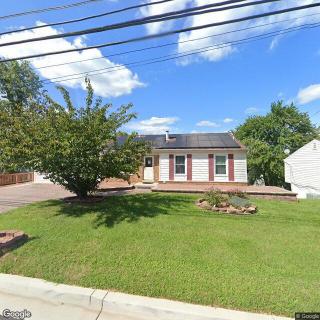

 Exploring the Contrasts Between Assisted Living and Skilled Nursing
 8 Key Indicators That Suggest It May Be Time to Transition from Assisted Living to Skilled Nursing Care
 Vibrant Senior Living: A Comprehensive Guide for Active Older Adults