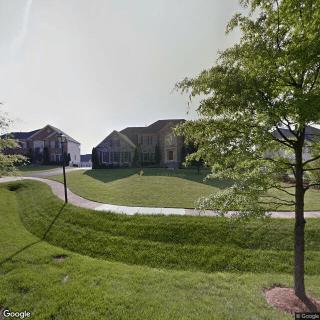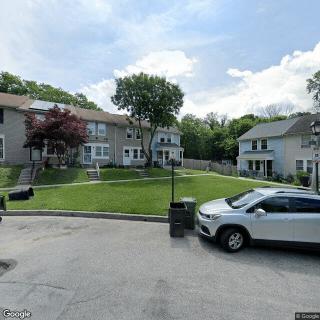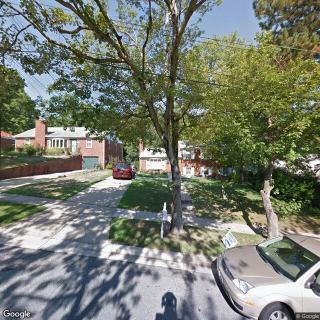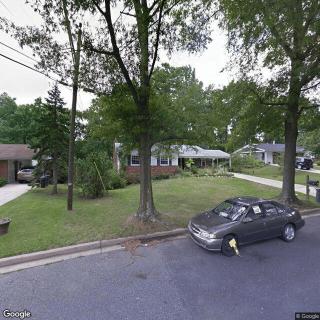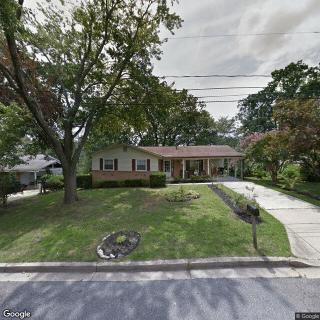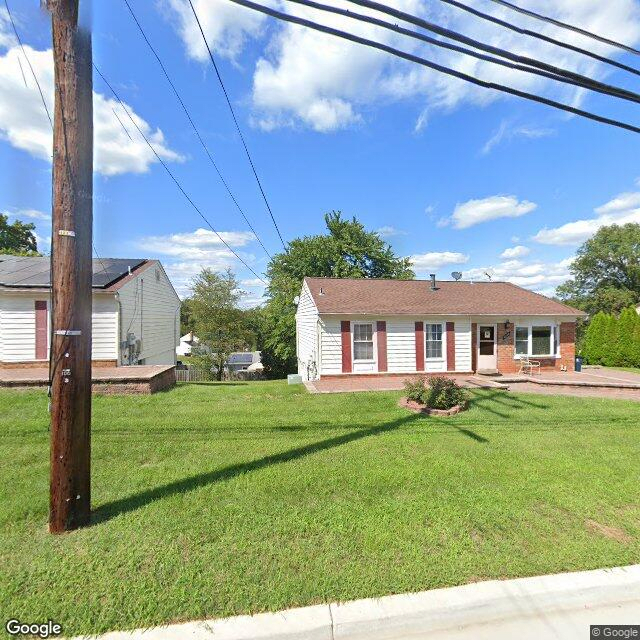
Shanti Home II in Laurel, MD

Save
Shanti Home II

Shanti Home II in Laurel, MD

6500 Old Sandy Spring Road, Laurel, MD 20707

For more information about senior living options: (844) 490-3973

4.5 from 2 reviews
Assisted Living Board and Care Home

Shanti Home II Costs & Pricing

Shanti Home II offers competitive pricing for its residents, with monthly costs that align closely with the broader market in Prince George's County and the state of Maryland. For semi-private accommodations, Shanti Home II charges $3,300, which is slightly higher than the county average of $3,058 but remains below the state average of $3,545. Residents opting for private rooms will find a rate of $3,700 at Shanti Home II; this price is marginally lower than the county's average of $3,792 and noticeably more economical when compared to Maryland's overall average of $4,112. These rates reflect Shanti Home II's commitment to providing quality care at accessible prices while maintaining an inviting atmosphere for residents.

Floor plansShanti Home IIPrince George's CountyMaryland
Semi-Private$3,300$3,058$3,545
Private$3,700$3,792$4,112

Overall Review of Shanti Home II

Pros

  • pro Shanti Homes provides excellent care and compassion with individualized care when needed.
  • pro Shanti is a wonderful person who becomes a friend to families.
  • pro The care at Shanti Homes is far better than what one would receive at a larger facility.
  • pro Shanti Homes is very nice and clean, and the staff keeps it well maintained.
  • pro Residents stay at Shanti Home for years, indicating satisfaction with the care.
  • pro Shanti coordinates with social workers to keep residents in familiar and comfortable settings when hospital discharges occur.

Review

Shanti Home II in Laurel, Maryland is best suited for families seeking a small, home-like assisted living option that delivers exceptionally personalized, compassionate care and strong dementia support within a familiar, intimate setting. This community shines when the priority is one-on-one attention, continuity of relationships, and a staff who can respond rapidly to individual needs while keeping a loved one in a comfortable, non-clinical environment.

Those who may want to consider alternatives are families looking for a large, campus-style facility with broad programming, robust on-site medical oversight, or extensive rehab and therapy services. If a person's expectations include extensive social calendars, formalized activity schedules, or a wide array of on-site specialists, the smaller scale of Shanti Home II may feel limiting. For residents requiring high-intensity medical management or a broad array of daily therapeutic services, a larger community could be a better fit.

The strongest positives center on individualized care and practical, compassionate leadership. Reviews highlight how care is tailored to the resident, with Shanti personally ensuring that needs are met and even coordinating discharge planning to keep a loved one at home when appropriate. The staff's attentiveness translates into a trust-building dynamic with families, a quality that matters deeply when medical or daily living tasks demand careful attention. Cleanliness and a home-like atmosphere reinforce comfort and reduce the stress associated with transitions to care settings. The ability to address dementia care within this intimate setting is a clear advantage for families prioritizing familiarity and consistent mood for a memory-impaired loved one.

Those advantages help offset the absence of a large facility with extensive amenities. In a smaller setting, the person-in-charge model can mean fewer moving parts, reduced confusion, and quicker, more flexible responses to evolving needs - benefits that often outweigh the perceived drawbacks of a more modest footprint. The real-world impact is evident in anecdotes about keeping residents in place during hospital discharges and in the sense that long-term residents stay because they are well supported. The trade-off is that some families will miss the diversified programming and formal supports typical of bigger communities; Shanti Home II may require ongoing verification of what specific services (therapy, nurse availability, activity variety) are guaranteed on a daily basis.

Prospective residents should nevertheless approach with clear expectations about what is not documented in the available feedback. Staffing ratios, the extent of round-the-clock medical oversight, and the range of on-site therapies are not spelled out in the two reviews, and the small sample leaves questions about daily rhythms and unexpected care needs. The lack of multiple independent perspectives means families should seek direct confirmation on concrete details: how care plans are developed and updated, who oversees dementia care, the range of activities, meal options, and how transitions (rehab, hospital readmissions) would be managed without relocating the resident. A due-diligence tour paired with candid discussions will reveal whether the intimate model aligns with the anticipated level of clinical support.

In the end, the decision should hinge on priorities. If the goal is rigorous personalization, deep caregiver relationships, and a dementia-friendly, homelike environment, Shanti Home II warrants serious consideration and a careful, in-person evaluation. If the criterion centers on breadth of programming, expansive medical services, or a large community feel, it makes sense to compare with other options and possibly expand the search. The practical path is to request a detailed tour, review a sample weekly schedule, confirm staffing patterns and care plans, and clarify pricing inclusions and potential extra charges. With those steps, families can determine whether Shanti Home II will deliver the steadiness, dignity, and hands-on care that the loved one requires, or whether an alternative setting better aligns with the envisioned quality of daily life.

Features

Housing

  • 4 resident community capacity 4 resident community capacity

Types of Care

  • Assisted Living Assisted LivingAssisted living facilities provide crucial support and care for seniors who may need help with daily tasks such as medication management, bathing, and meal preparation. These communities offer a safe and comfortable environment where seniors can maintain their independence while receiving the assistance they need to thrive in their golden years.
  • Board and Care Home Board and Care HomeBoard and care homes provide a smaller, more intimate setting for seniors who require assistance with daily tasks but do not need the level of care offered by a nursing home. They offer personalized care, meals, and social activities in a homelike environment, ensuring that seniors receive individualized attention and support in their golden years.

Amenities

  • Cable or satellite TV Cable or satellite TVCable or satellite TV is important for seniors because it provides entertainment, news, and companionship, helping to combat loneliness and boredom. It also offers a wide range of programming options tailored to different interests and preferences.
  • Dining room Dining roomDining rooms are important for seniors as they provide a space for socialization, connection, and nutritious meals. They offer opportunities for residents to bond over shared meals, foster a sense of community, and promote healthy eating habits. Dining rooms also ensure that seniors have access to well-balanced meals tailored to their dietary needs and preferences.
  • Fully furnished Fully furnishedFully furnished senior living communities are important for seniors because they provide convenience, comfort, and a hassle-free moving experience. Seniors can easily settle into their new living space without the stress of having to buy and move furniture. This allows them to focus on enjoying their new home and community.
  • Garden GardenGardens are important for seniors as they provide a peaceful and therapeutic environment for relaxation, physical activity, and socialization. Being in nature has been shown to reduce stress, improve mood, and promote overall well-being. Gardens also offer opportunities for seniors to engage in gardening activities, which can improve mobility, flexibility, and cognitive function. Additionally, gardens create a sense of community and connection with others who share a passion for plants and outdoor spaces.
  • Housekeeping services Housekeeping servicesHousekeeping services are important for seniors because they help maintain a clean and safe living environment, promote independence, and reduce the risk of accidents or illnesses. Additionally, having assistance with household chores can alleviate physical strain and allow seniors to focus on other aspects of their well-being.
  • Move-in coordination Move-in coordinationMove-in coordination is important for seniors because it helps ease the transition into their new living environment. It ensures that all logistics, such as packing, organizing movers, and setting up utilities are taken care of, allowing seniors to focus on settling in and adjusting to their new home. Having a smooth move-in process can alleviate stress and anxiety, making the transition smoother and more enjoyable for seniors.
  • Outdoor space Outdoor spaceOutdoor spaces are important for seniors as they provide opportunities for physical activity, social interaction, exposure to natural light and fresh air, and a sense of connection to nature. Having access to outdoor spaces can improve overall well-being and quality of life for older adults living in senior communities.
  • Private PrivatePrivacy is important for seniors as it allows them to maintain their independence, dignity, and sense of control over their own lives. It also gives them the space and freedom to relax, reflect, and engage in activities that bring them joy and fulfillment. Creating private spaces within senior living facilities is crucial for promoting overall well-being and quality of life.
  • Telephone TelephoneTelephones are important for seniors as they provide a lifeline for communication with loved ones, emergency services, and healthcare providers. They offer a sense of security and independence, enabling seniors to stay connected and access assistance when needed.
  • Wi-Fi/high-speed internet available Wi-Fi/high-speed internet availableWi-Fi/high-speed internet is important for seniors to stay connected with loved ones, access online resources, and participate in virtual activities to combat feelings of loneliness and isolation. It also allows them to easily manage healthcare needs, access entertainment, and engage in lifelong learning opportunities.

Transportation

  • Baltimore-Washington International (13 miles away) Baltimore-Washington International (13 miles away)
  • Ronald Reagan Washington National (19 miles away) Ronald Reagan Washington National (19 miles away)

Care Services

  • 24-hour supervision 24-hour supervision24-hour supervision is important for seniors to ensure their safety, well-being, and access to immediate assistance in case of emergencies or health issues. This constant support provides peace of mind for both seniors and their loved ones, allowing them to age in place with dignity and security.
  • Activities of daily living assistance Activities of daily living assistanceActivities of daily living assistance are important for seniors because they provide essential support with tasks such as eating, bathing, dressing, and mobility. This assistance helps seniors maintain their independence, dignity, and overall quality of life as they age.
  • Assistance with bathing Assistance with bathingAssistance with bathing is crucial for seniors as it helps maintain personal hygiene, prevents infections, and ensures their overall well-being and comfort. It also provides a sense of dignity and independence for seniors who may struggle with this task on their own.
  • Assistance with dressing Assistance with dressingAssistance with dressing is important for seniors because it helps maintain their independence, promotes personal hygiene, prevents accidents and injuries, and improves overall quality of life. This service ensures that seniors can continue to dress comfortably and confidently, despite any physical limitations they may have.
  • Assistance with transfers Assistance with transfersAssistance with transfers is crucial for seniors as it helps prevent falls and injuries, maintains their independence, and ensures they can safely navigate their living environment. It also provides peace of mind for both seniors and their loved ones.
  • Coordination with health care providers Coordination with health care providersCoordination with health care providers is crucial for seniors to ensure proper medical care, medication management, and overall well-being. This collaboration helps prevent overlapping treatments, track progress more effectively, and provide comprehensive support tailored to individual needs.
  • Diabetes diet Diabetes dietA diabetes diet is crucial for seniors as it helps manage blood sugar levels, reduce risks of complications, and improve overall health and well-being. By following a balanced and nutritious diet tailored to their specific needs, seniors can better control their diabetes and enhance their quality of life.
  • Meal preparation and service Meal preparation and serviceMeal preparation and service are crucial for seniors as they may have limited mobility or energy to cook nutritious meals. Having access to healthy and convenient food options can ensure they are getting the proper nutrition needed to maintain their overall health and well-being.
  • Medication management Medication managementMedication management is crucial for seniors to ensure they are taking the right medications at the correct dosages and times. This helps prevent adverse drug interactions, reduces the risk of medication errors, and promotes overall health and well-being. Proactive management also allows for adjustments as needed based on changing health conditions or new prescriptions.
  • Special dietary restrictions Special dietary restrictionsSpecial dietary restrictions are important for seniors because age-related changes in metabolism and health conditions can make it difficult for their bodies to process certain foods. By following a diet tailored to their specific needs, seniors can maintain their overall health and well-being, manage chronic conditions, and reduce the risk of complications such as malnutrition or food interactions with medications.
  • Transportation arrangement (medical) Transportation arrangement (medical)Transportation arrangements for medical purposes are essential for seniors as they may have difficulty driving themselves to appointments or accessing public transportation. Having reliable and safe transportation options ensures that seniors can receive timely medical care and maintain their health and well-being.
  • Transportation to doctors appointments Transportation to doctors appointmentsTransportation to doctors' appointments is crucial for seniors as it ensures they have access to necessary medical care and support for their health needs. Without reliable transportation, seniors may struggle to attend important appointments, leading to potential delays in treatment and health complications. Providing transportation services helps seniors maintain their overall well-being and quality of life.

Dining

  • Diabetes diet Diabetes dietA diabetes diet is crucial for seniors as it helps manage blood sugar levels, reduce risks of complications, and improve overall health and well-being. By following a balanced and nutritious diet tailored to their specific needs, seniors can better control their diabetes and enhance their quality of life.
  • Special dietary restrictions Special dietary restrictionsSpecial dietary restrictions are important for seniors because age-related changes in metabolism and health conditions can make it difficult for their bodies to process certain foods. By following a diet tailored to their specific needs, seniors can maintain their overall health and well-being, manage chronic conditions, and reduce the risk of complications such as malnutrition or food interactions with medications.

Activities

  • Community-sponsored activities Community-sponsored activitiesCommunity-sponsored activities are important for seniors as they provide opportunities for social interaction, mental stimulation, and physical activity. These activities can help improve overall well-being, combat loneliness and isolation, and promote a sense of belonging and purpose among older adults.
  • Scheduled daily activities Scheduled daily activitiesScheduled daily activities are important for seniors because they provide structure, socialization, mental stimulation, and physical activity. Engaging in regular activities can improve overall well-being and quality of life for seniors living in a community setting.

Description

Shanti Home II in Laurel, MD is a board and care home that offers a comfortable and supportive environment for seniors in need of assisted living services. The community is fully furnished and provides residents with a dining room where they can enjoy nutritious meals prepared by the staff. Housekeeping services are also available to ensure that the living spaces are clean and well-maintained.

Residents at Shanti Home II can take advantage of the outdoor spaces and garden area, providing a serene setting for relaxation or socializing with fellow residents. Telephone and Wi-Fi/high-speed internet connections are provided to keep residents connected with their loved ones.

The trained staff at Shanti Home II offers assistance with activities of daily living, including bathing, dressing, and transfers. They also work closely with healthcare providers to coordinate medical appointments and ensure that residents receive appropriate care. For individuals with diabetes or special dietary restrictions, diabetes diets and special dietary menu options are available.

Transportation arrangements for medical purposes as well as visits to doctors' appointments can be made by the community, making it easier for residents to access necessary healthcare services. Additionally, there are several parks, pharmacies, physicians' offices, and restaurants located nearby for added convenience.

Shanti Home II strives to provide a vibrant atmosphere for its residents by offering scheduled daily activities to promote engagement and socialization amongst residents. Whether enjoying the amenities within the community or exploring the nearby attractions, this assisted living community aims to enhance the quality of life for its residents while prioritizing their individual needs and preferences.

Nearby Places of Interest

This area of Laurel, Maryland offers a variety of amenities and services that cater to senior living needs. There are several pharmacies located within a few miles, making it convenient for medication management. Additionally, there are reputable physicians and hospitals nearby, ensuring access to quality healthcare. For leisure and outdoor activities, there are parks in the vicinity for relaxation and recreation. The area also boasts a selection of restaurants and cafes for dining options. Public transportation is easily accessible with Metro stations within a reasonable distance. Places of worship provide spiritual support and community engagement. Overall, this part of Laurel provides a comprehensive range of resources that can contribute to a comfortable and fulfilling retirement lifestyle.

Pharmacies

  • Herbiculture (1.9 miles)
  • CVS Pharmacy (2.3 miles)
  • CVS Pharmacy (2.4 miles)
  • Walgreens (2.5 miles)
  • CVS Pharmacy (3.5 miles)
  • Kaiser Permanente - Pharmacy (4.4 miles)
  • Walgreens (6 miles)

Physicians

  • Allergy Partners of Metro DC (2 miles)
  • Eternal Dermatology (3.5 miles)
  • Maple Lawn Surgery Center (4 miles)
  • Sheikh, Sarah Capital Womens Care (4 miles)
  • Melvin S. Stern, MD (7.6 miles)
  • Hopkins gastroenterology clinic (7.8 miles)
  • American Spine (8 miles)

Parks

  • High Ridge Park (2 miles)
  • Martin Road Park (6.2 miles)
  • Lake Elkhorn Park (6.4 miles)
  • Duvall Playground (6.8 miles)
  • Blandair Regional Park (8.3 miles)
  • Triadelphia Reservoir (8.7 miles)
  • Georgian Forest Park & Tennis Courts (8.9 miles)

Restaurants

  • First Watch (2.1 miles)
  • Looney's Pub (3.4 miles)
  • Nestle Ice Cream (3.8 miles)
  • Chick-Fil-A (4.1 miles)
  • Facci Ristorante (4.2 miles)
  • McDonald's (4.2 miles)
  • McDonald's (4.5 miles)

Cafes

  • Starbucks (6.1 miles)
  • Starbucks (8 miles)
  • Starbucks (8.2 miles)
  • Café Nordstrom (8.3 miles)
  • Starbucks (8.5 miles)
  • Starbucks (8.5 miles)
  • Starbucks (9.3 miles)

Transportation

  • Greenbelt Station (6.2 miles)
  • Greenbelt Metro Station (6.2 miles)
  • College Park - University of Maryland Metro Station (8.6 miles)
  • Glenmont Metro Station (8.8 miles)

Places of Worship

  • College Park United Methodist Church (6.3 miles)
  • Saint Andrew Kim Catholic Church (8.8 miles)
  • Christ Congregational Church (8.9 miles)

Hospitals

  • Howard County General Hospital, Johns Hopkins Medicine (7.9 miles)
  • Howard County General Hospital (7.9 miles)
  • Kimbrough Ambulatory Care Clinic Main Pharmacy (8.9 miles)
  • Holy Cross Hospital (9.5 miles)

Theaters

  • AMC Columbia 14 (8.3 miles)

Frequently Asked Questions

How much does it cost to live at Shanti Home II in Laurel, MD?
Where is Shanti Home II?

Nearby Communities

  • Shanti Home

    Shanti Home

    Laurel, MD

    3.3 from 8 reviews
    $3,500 to $3,700 / month

    pro Attentive, caring staff with private rooms and clean, well-maintained facilities.

  • Shanti Home III

    Shanti Home III

    Laurel, MD

    4.3 from 6 reviews
    $3,500 to $3,700 / month

    pro Compassionate, experienced staff with dementia expertise and coordinated medication management.

  • Cosze Health

    Cosze Health

    Laurel, MD

    4.2 from 12 reviews
    $3,000 to $4,500 / month

    pro Warm, homely environment with clean facilities and attentive staff.

  • JemiSun Healthcare Services

    JemiSun Healthcare Services

    Laurel, MD

    5 from 7 reviews
     

    pro Professional, compassionate care.

  • Sarah's Peace and Love Home Healthcare

    Sarah's Peace and Love Home Healthcare

    Laurel, MD

    5 from 8 reviews
     

    pro Reliable, compassionate in-home care that feels like family.

  • Humanity Assisted Living Services

    Humanity Assisted Living Services

    Laurel, MD


    pro Cost-effective, all-inclusive assisted living with 24-hour supervision, meals, and comprehensive care.

  • Park View at Laurel II

    Park View at Laurel II

    Laurel, MD

    3.2 from 13 reviews
    $875 to $1,244 / month

    pro Spacious, light-filled apartments with secure, helpful staff.

  • Arbor Terrace Fulton

    Arbor Terrace Fulton

    Fulton, MD

    4.6 from 124 reviews
    $5,507 to $9,411 / month

    pro Friendly, attentive staff; clean, well-maintained environment; engaging activities and good communication with families.

  • Avonlea Ridge Assisted Living

    Avonlea Ridge Assisted Living

    Silver Spring, MD

    4.2 from 9 reviews
    $3,500 to $5,000 / month

    pro Caring, experienced staff in a home-like, clean environment with personalized care.

Related Resources

  • assisted living vs memory careAssisted Living and Memory Care: Understanding Their Core Differences

    Assisted living provides moderate support for seniors seeking independence, while memory care offers specialized support for individuals with dementia or cognitive impairments through structured routines and trained staff. Key differences include care approaches, environment security measures, staff training levels, activity types, and cost considerations.

  • assisted living activitiesBeyond the Bingo Hall: 50+ Enriching Activities for Seniors in Assisted Living

    Assisted living communities offer diverse activities beyond traditional games to enhance seniors' physical health, cognitive well-being, emotional enrichment, and social connections, including fitness classes, creative expression, and intergenerational interactions. These enriching programs foster community bonds and support residents' independence and happiness.

  • assisted living vs memory careUnderstanding the Distinctions: Assisted Living and Memory Care Explained

    The article differentiates between assisted living and memory care, explaining that assisted living supports seniors with daily activities while promoting independence, whereas memory care provides specialized services for individuals with dementia, focusing on secure environments and cognitive support. It also addresses staff training, safety considerations, costs, family involvement, and transition strategies for families navigating these care options.