
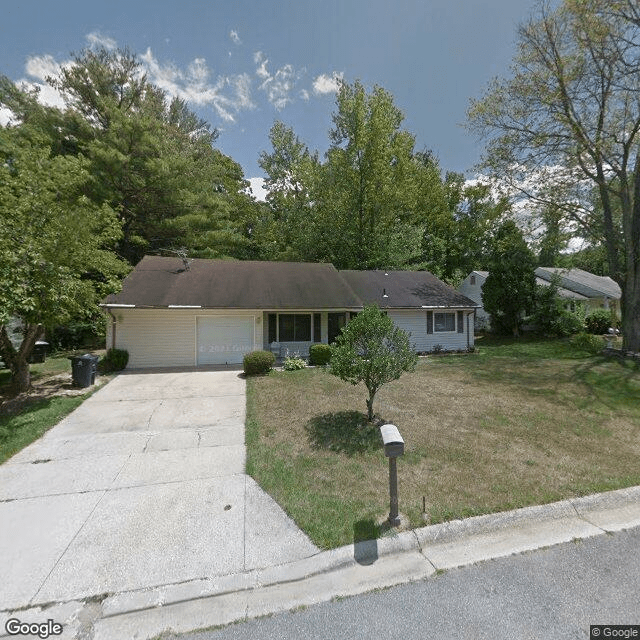
13311 Santa Anita Rd., Laurel, MD 20708
To contact a resident: (301) 604-0971
For more information about senior living options: (866) 208-4318
Morningstar Costs & Pricing
Morningstar offers competitive pricing for its services compared to the surrounding area and state averages. For a semi-private room, residents pay $2,500 per month, which is notably lower than the average cost in Prince George's County at $3,058 and the state average of $3,545. Similarly, for private rooms, Morningstar's rate of $3,000 is more affordable than both the county's average of $3,792 and Maryland's state average of $4,112. This pricing strategy not only reflects Morningstar's commitment to providing quality care at accessible rates but also positions it as an attractive option for families seeking affordable living arrangements without compromising on quality.
| Floor plans | Morningstar | Prince George's County | Maryland |
|---|---|---|---|
| Semi-Private | $2,500 | $3,058 | $3,545 |
| Private | $3,000 | $3,792 | $4,112 |
Senior living communities with a similar price nearby
-
from +$475 / mo
Gneale Home Care
$2,975 / month17.3 miles away -
from +$200 / mo
Lifesprings Eldercare II
$2,700 to $3,100 / month18.9 miles away -
About the same
Amazing Grace Senior Care
$2,500 to $3,000 / month9.9 miles away -
from +$350 / mo

Cascadia Courts II, LLC
$2,850 / month9.4 miles away -
from +$200 / mo
Pat's Golden Girls
$2,700 to $3,200 / month21.0 miles away
Overall Review of Morningstar
Pros
 The owner is very involved and includes the family in the community.
- They establish a good relationship with the families and their loved ones.
- It is a good environment for those seeking a smaller, quieter assisted living facility.
- The staff ensures that residents' needs are met.
- The facility was very clean.
- Everyone was nice and friendly.
- It is a great place for elderly family members and is highly recommended.
- The director was nice, professional, and knowledgeable.
- The residents seemed content.
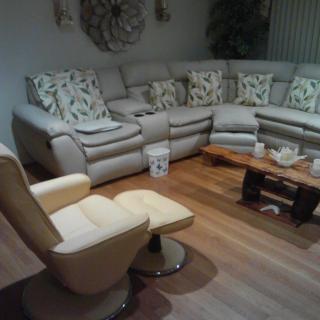
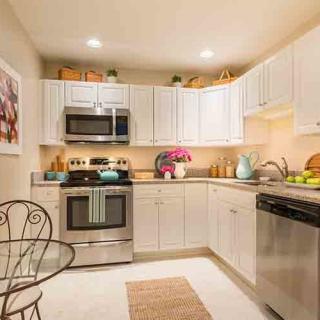
- The place was clean, well decorated, and modern.
Cons
 The caregiver was not as friendly as others, though she seemed to relate well.
- The facility was smaller.
- There were no private rooms.
- The halls were narrow.
Review
Morningstar in Laurel, Maryland is best suited for families that prioritize a small, home-like setting with hands-on involvement from the owner and a calm daily rhythm. This community delivers a quiet, intimate atmosphere where personalized attention feels central to daily care, not an afterthought. It works well for seniors who value close relationships with a small care team and a facility that feels more like a family home than a campus. The model favors ongoing family participation in planning and problem-solving, with staff ready to partner rather than dictate. Those who want a bustling, resort-style environment with expansive amenities may want alternatives that offer larger campuses and richer activity calendars.
The owner’s involvement stands out as a defining asset, translating into steady, visible accountability and a readiness to address concerns promptly. Families consistently report that the staff, led by the owner and supported by a nurse, make sure loved ones’ needs are met, and that the care team maintains open lines of communication. That hands-on governance tends to reduce gaps in oversight and fosters trust, a crucial advantage when health status shifts or daily routines require quick adjustment. The stories shared by families emphasize reliable, proactive care and a configuration that makes it easier to maintain a personal connection with the care team.
Cleanliness and a contemporary feel also drive Morningstar’s appeal. The homes are described as neat, well decorated, and noticeably more modern than some peers, which helps create a welcoming impression for visitors and residents alike. The director is repeatedly characterized as nice, professional, and knowledgeable, with leadership you can count on during routine scheduling and medical coordination. While interpersonal warmth can vary among staff, one reviewer noted a caregiver who wasn’t as friendly, the overall caregiving experience remained competent, and residents appeared content, which speaks to a stable, dependable care environment.
Yet the facility’s compact size brings real trade-offs. The absence of private rooms and the narrow hallway layout are clear drawbacks for families prioritizing privacy and space. No private rooms means less control over living arrangements and personal boundaries, and the tight corridors can feel restrictive, particularly for residents with mobility challenges or those who value a more expansive, open-feel living space. Social opportunities may be more intimate and low-key by design, which suits some residents and families but can feel limiting to others who expect a broader activity spectrum or more residence-specific privacy.
The practical impact of these trade-offs becomes clearer when weighing the lived experiences described by families. A loved one’s extended stay, nearly two years in one case, highlights a clean, well-managed home that fosters a sense of security and routine. Visits are welcoming, and there is evident pride in the environment’s maintenance and in the staff’s ability to coordinate care around evolving needs. However, the lack of private accommodations and the compact footprint invariably shape daily life, influencing decisions about room arrangements, personal space, and social engagement. Morningstar earns its credibility through reliable operations, even as its format narrows the appeal for applicants who place a premium on privacy and spaciousness.
Bottom line: Morningstar serves a distinct niche built on intimate, family-centered governance, clean and modern surroundings, and steady, hands-on care. It offsets many concerns through proactive leadership, transparent communication, and a stable caregiving team, producing a reassuring option for families that want to stay closely involved and value a quieter, homelike atmosphere. For those who require private rooms, broader social programming, or a larger, more expansive campus, alternatives should be explored. Prospective families should schedule a tour, probe room configurations, inquire about current caregiver staffing patterns, and assess whether the level of family participation aligns with their expectations and needs.
 Board and Care Home
 Activities off-site
 Bath tubs
 Devotional services off-site
 Indoor common areas
 Outdoor common areas
 Private
 Respite or short term stays offered
 Baltimore-Washington International (12 miles away)
 Ambulatory care
 Diabetic care
 High acuity care
 Incontinence care
 Medication management
 Meals provided
 Christian services
 Comprehensive Insights and Practical Strategies to Help Older Adults Avoid Falls
 6 Crucial Ways an Elder Law Attorney Assists Families
 Navigating the Tax Landscape of Caregiving: Credits, Deductions, and Beyond