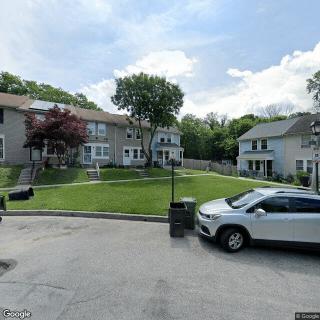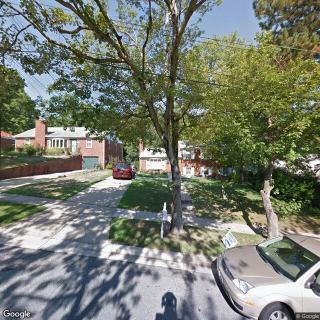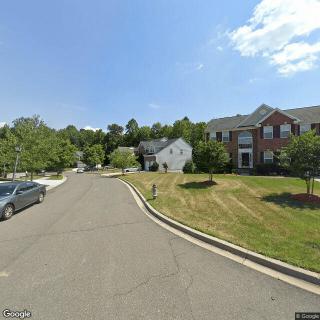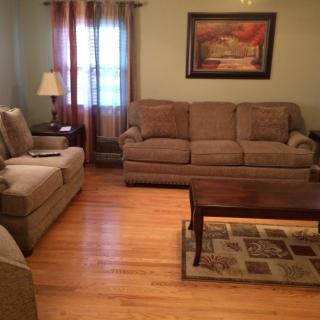
Riderville in Laurel, MD

Save
Riderville

Riderville in Laurel, MD

13205 Clarington Court, Laurel, MD 20708

For more information about senior living options: (844) 490-3973

5 from 4 reviews
5 stars
4
4 stars
0
3 stars
0
2 stars
0
1 stars
0

Assisted Living Board and Care Home

Riderville Costs & Pricing

Riderville offers competitive monthly costs for its accommodations compared to both Prince George's County and the broader state of Maryland. For semi-private rooms, residents can expect to pay $2,500 per month, which is significantly lower than the county average of $3,058 and the state average of $3,545. Similarly, the price for private rooms at Riderville stands at $3,200, again more affordable than the county's rate of $3,792 and the state's rate of $4,112. This pricing strategy not only makes Riderville an attractive option for residents seeking quality care but also reflects its commitment to providing accessible living arrangements within a challenging economic landscape.

Floor plansRidervillePrince George's CountyMaryland
Semi-Private$2,500$3,058$3,545
Private$3,200$3,792$4,112

Overall Review of Riderville

Pros

  • pro Riderville Assisted Living is described as a wonderful place for a loved one to reside.
  • pro The owner and compassionate caregivers provide attentive, professional care and treat residents with dignity and respect.
  • pro Residents are kept busy with activities that are fun and stimulate memory.
  • pro Residents enjoy delicious, nutritious home-cooked meals and often regain needed weight.
  • pro The environment feels warm, welcoming, and like a big, supportive family.
  • pro Medical needs are met with excellent communication with families, and medications and daily care are managed reliably.
  • pro The community is well organized, clean, and safe, giving families peace of mind.

Cons

  • pro The location was not ideal for the whole family.
  • pro The pricing was not a good match for the family.

Review

Riderville Assisted Living in Laurel, MD is best suited for seniors whose care needs center on highly personalized, dementia-capable support within a warm, family-like home environment. The community shines for residents who benefit from intimate staffing and hands-on attention: an owner who is deeply involved, plus a full-time registered nurse on site, ensuring medical needs and daily routines are managed with dignity and precision. Families seeking engaging, home-cooked meals, memory-stimulating activities, and the comfort of a welcoming porch-and-kitchen atmosphere will find this setting particularly compatible. The narrative from families underscores a cohesive, loving culture where residents are kept active, well-nourished, and treated as individuals rather than as numbers.

That said, some families may want to consider alternatives. The location may not be ideal for every family's logistics, and price can be a hurdle for those balancing budget with ongoing care. For residents who require a broader spectrum of medical services, or who favor a larger campus with more pervasive on-site resources and amenities, a bigger assisted living or memory-care community could feel like a better fit. Additionally, if frequent, easy access for multiple relatives across a wide geographic area is non-negotiable, the Laurel site's footprint and access pattern may warrant looking at other options to minimize travel time for visits.

The strongest pros here offset the main trade-offs in meaningful ways. The owner's hands-on leadership and the presence of a full-time RN translate into consistently attentive care, reliable medication administration, and meticulous record-keeping. Families repeatedly note strong communication, with clear updates on health status and doctor visits, which reduces uncertainty and caregiver burden. Residents benefit from daily routines and activities that stimulate memory, plus social opportunities - baking bread, porch gatherings, and community celebrations - that reinforce a sense of belonging and stability. The emphasis on home-style meals and a clean, organized environment also supports overall well-being, including appetite and weight management, which matters for seniors with dementia.

The reviews also highlight notable, practical strengths that influence daily life. Residents are kept busy with games, light exercises, wheelchair outings, and social events like the backyard cookout and holiday celebrations, all of which contribute to mood and cognitive engagement. Families observe that meals are enjoyed and that the living environment feels safe, comfortable, and nurturing. The care team's responsiveness - handling laundry, dressing, bathing, and mobility assistance - offers a level of continuity that is often hard to find in larger facilities. In short, Riderville delivers not just supervision but genuine, relationship-based care that has a tangible impact on quality of life for residents and peace of mind for families.

Despite the overwhelmingly positive picture, prudent decision-making requires weighing a few practical considerations. While the intimate setting is a core strength, it can also translate to a more limited range of on-site services and activities than in larger communities. The price point, when compared with other options, should be scrutinized against anticipated outcomes, especially for families balancing long-term care budgets. The location, while quaint and quiet, may place limits on visit frequency for some relatives and complicate logistics for those who need quick, easy access to medical appointments or emergency support.

For families prioritizing a dementia-capable, homelike environment with visible, engaged leadership, Riderville offers compelling value. The combination of passionate caregiving, close family communication, and a culinary, socially vibrant atmosphere tends to offset the higher price and more secluded location by delivering stability, dignity, and meaningful daily engagement. Those who require broader medical infrastructure, a larger campus, or more centralized access to extended services should explore alternatives with broader resources. If the decision centers on preserving independence within a respectful, intimate setting, Riderville should be on the short list - with a recommended tour guided by Ms. Mae Anderson to assess fit, schedules, and care-planning specifics.

Features

Housing

  • 7 resident community capacity 7 resident community capacity

Types of Care

  • Assisted Living Assisted LivingAssisted living facilities provide crucial support and care for seniors who may need help with daily tasks such as medication management, bathing, and meal preparation. These communities offer a safe and comfortable environment where seniors can maintain their independence while receiving the assistance they need to thrive in their golden years.
  • Board and Care Home Board and Care HomeBoard and care homes provide a smaller, more intimate setting for seniors who require assistance with daily tasks but do not need the level of care offered by a nursing home. They offer personalized care, meals, and social activities in a homelike environment, ensuring that seniors receive individualized attention and support in their golden years.

Amenities

  • Activities off-site Activities off-siteEngaging in off-site activities is crucial for seniors to maintain social connections, stay active, and stimulate their minds. It promotes overall well-being and helps combat feelings of isolation and loneliness.
  • Activities on-site Activities on-siteActivities on-site are important for seniors because they provide opportunities for socialization, mental stimulation, physical activity, and overall well-being. Engaging in activities can help seniors stay active, maintain their independence, and improve their quality of life.
  • Bath tubs Bath tubsBath tubs are important for seniors because they provide a safe and relaxing way to bathe, helping to prevent slips and falls while promoting independence and overall well-being.
  • Cable or satellite TV Cable or satellite TVCable or satellite TV is important for seniors because it provides entertainment, news, and companionship, helping to combat loneliness and boredom. It also offers a wide range of programming options tailored to different interests and preferences.
  • Devotional services off-site Devotional services off-siteDevotional services off-site are important for seniors as they provide spiritual nourishment, social engagement, and a sense of community outside of the senior living facility. This can enhance overall well-being and help combat feelings of isolation and loneliness often experienced by older adults.
  • Dining room Dining roomDining rooms are important for seniors as they provide a space for socialization, connection, and nutritious meals. They offer opportunities for residents to bond over shared meals, foster a sense of community, and promote healthy eating habits. Dining rooms also ensure that seniors have access to well-balanced meals tailored to their dietary needs and preferences.
  • Fully furnished Fully furnishedFully furnished senior living communities are important for seniors because they provide convenience, comfort, and a hassle-free moving experience. Seniors can easily settle into their new living space without the stress of having to buy and move furniture. This allows them to focus on enjoying their new home and community.
  • Garden GardenGardens are important for seniors as they provide a peaceful and therapeutic environment for relaxation, physical activity, and socialization. Being in nature has been shown to reduce stress, improve mood, and promote overall well-being. Gardens also offer opportunities for seniors to engage in gardening activities, which can improve mobility, flexibility, and cognitive function. Additionally, gardens create a sense of community and connection with others who share a passion for plants and outdoor spaces.
  • Housekeeping services Housekeeping servicesHousekeeping services are important for seniors because they help maintain a clean and safe living environment, promote independence, and reduce the risk of accidents or illnesses. Additionally, having assistance with household chores can alleviate physical strain and allow seniors to focus on other aspects of their well-being.
  • Indoor common areas Indoor common areasIndoor common areas are crucial for seniors as they provide a space for socialization, recreation, and community engagement, promoting overall well-being and reducing feelings of isolation and loneliness.
  • Move-in coordination Move-in coordinationMove-in coordination is important for seniors because it helps ease the transition into their new living environment. It ensures that all logistics, such as packing, organizing movers, and setting up utilities are taken care of, allowing seniors to focus on settling in and adjusting to their new home. Having a smooth move-in process can alleviate stress and anxiety, making the transition smoother and more enjoyable for seniors.
  • Outdoor common areas Outdoor common areasOutdoor common areas are important for seniors as they provide a space for socialization, physical activity, and relaxation. Being outside in nature can improve mood and overall well-being, while also encouraging movement and engagement with others. These spaces can help combat feelings of isolation and promote a sense of community among residents.
  • Outdoor space Outdoor spaceOutdoor spaces are important for seniors as they provide opportunities for physical activity, social interaction, exposure to natural light and fresh air, and a sense of connection to nature. Having access to outdoor spaces can improve overall well-being and quality of life for older adults living in senior communities.
  • Private PrivatePrivacy is important for seniors as it allows them to maintain their independence, dignity, and sense of control over their own lives. It also gives them the space and freedom to relax, reflect, and engage in activities that bring them joy and fulfillment. Creating private spaces within senior living facilities is crucial for promoting overall well-being and quality of life.
  • Respite or short term stays offered Respite or short term stays offeredRespite or short term stays provide seniors with a temporary solution when their regular caregiver is unavailable, offering them the opportunity to receive additional care and support during times of need, while also giving caregivers a chance to rest and recharge.
  • Telephone TelephoneTelephones are important for seniors as they provide a lifeline for communication with loved ones, emergency services, and healthcare providers. They offer a sense of security and independence, enabling seniors to stay connected and access assistance when needed.
  • Wheelchair accessible showers Wheelchair accessible showersWheelchair accessible showers are crucial for seniors as they provide a safe and independent bathing option for those with mobility challenges. These showers help prevent falls and allow seniors to maintain their dignity and autonomy while ensuring they can bathe comfortably.
  • Wi-Fi/high-speed internet available Wi-Fi/high-speed internet availableWi-Fi/high-speed internet is important for seniors to stay connected with loved ones, access online resources, and participate in virtual activities to combat feelings of loneliness and isolation. It also allows them to easily manage healthcare needs, access entertainment, and engage in lifelong learning opportunities.

Transportation

  • Baltimore-Washington International (12 miles away) Baltimore-Washington International (12 miles away)
  • Ronald Reagan Washington National (18 miles away) Ronald Reagan Washington National (18 miles away)

Care Services

  • 24-hour supervision 24-hour supervision24-hour supervision is important for seniors to ensure their safety, well-being, and access to immediate assistance in case of emergencies or health issues. This constant support provides peace of mind for both seniors and their loved ones, allowing them to age in place with dignity and security.
  • Activities of daily living assistance Activities of daily living assistanceActivities of daily living assistance are important for seniors because they provide essential support with tasks such as eating, bathing, dressing, and mobility. This assistance helps seniors maintain their independence, dignity, and overall quality of life as they age.
  • Ambulatory care Ambulatory care"Ambulatory care services provide essential medical support and treatment to seniors without requiring hospitalization, allowing them to maintain their independence and quality of life while managing chronic conditions or receiving routine medical care."
  • Assistance with bathing Assistance with bathingAssistance with bathing is crucial for seniors as it helps maintain personal hygiene, prevents infections, and ensures their overall well-being and comfort. It also provides a sense of dignity and independence for seniors who may struggle with this task on their own.
  • Assistance with dressing Assistance with dressingAssistance with dressing is important for seniors because it helps maintain their independence, promotes personal hygiene, prevents accidents and injuries, and improves overall quality of life. This service ensures that seniors can continue to dress comfortably and confidently, despite any physical limitations they may have.
  • Assistance with transfers Assistance with transfersAssistance with transfers is crucial for seniors as it helps prevent falls and injuries, maintains their independence, and ensures they can safely navigate their living environment. It also provides peace of mind for both seniors and their loved ones.
  • Coordination with health care providers Coordination with health care providersCoordination with health care providers is crucial for seniors to ensure proper medical care, medication management, and overall well-being. This collaboration helps prevent overlapping treatments, track progress more effectively, and provide comprehensive support tailored to individual needs.
  • Diabetes diet Diabetes dietA diabetes diet is crucial for seniors as it helps manage blood sugar levels, reduce risks of complications, and improve overall health and well-being. By following a balanced and nutritious diet tailored to their specific needs, seniors can better control their diabetes and enhance their quality of life.
  • Diabetic care Diabetic careDiabetic care is crucial for seniors as they are more susceptible to developing diabetes due to aging and other health conditions. Proper management of diabetes can help prevent complications such as heart disease, vision loss, and nerve damage, improving the overall quality of life for seniors in senior living communities.
  • High acuity care High acuity careHigh acuity care is important for seniors because it provides specialized medical attention and support for individuals with complex medical needs. This level of care ensures that seniors receive the appropriate treatment and assistance to maintain their health and quality of life as they age.
  • Meal preparation and service Meal preparation and serviceMeal preparation and service are crucial for seniors as they may have limited mobility or energy to cook nutritious meals. Having access to healthy and convenient food options can ensure they are getting the proper nutrition needed to maintain their overall health and well-being.
  • Medication management Medication managementMedication management is crucial for seniors to ensure they are taking the right medications at the correct dosages and times. This helps prevent adverse drug interactions, reduces the risk of medication errors, and promotes overall health and well-being. Proactive management also allows for adjustments as needed based on changing health conditions or new prescriptions.
  • Special dietary restrictions Special dietary restrictionsSpecial dietary restrictions are important for seniors because age-related changes in metabolism and health conditions can make it difficult for their bodies to process certain foods. By following a diet tailored to their specific needs, seniors can maintain their overall health and well-being, manage chronic conditions, and reduce the risk of complications such as malnutrition or food interactions with medications.
  • Transportation arrangement (medical) Transportation arrangement (medical)Transportation arrangements for medical purposes are essential for seniors as they may have difficulty driving themselves to appointments or accessing public transportation. Having reliable and safe transportation options ensures that seniors can receive timely medical care and maintain their health and well-being.
  • Transportation to doctors appointments Transportation to doctors appointmentsTransportation to doctors' appointments is crucial for seniors as it ensures they have access to necessary medical care and support for their health needs. Without reliable transportation, seniors may struggle to attend important appointments, leading to potential delays in treatment and health complications. Providing transportation services helps seniors maintain their overall well-being and quality of life.

Dining

  • Diabetes diet Diabetes dietA diabetes diet is crucial for seniors as it helps manage blood sugar levels, reduce risks of complications, and improve overall health and well-being. By following a balanced and nutritious diet tailored to their specific needs, seniors can better control their diabetes and enhance their quality of life.
  • Meals provided Meals provided"Meals provided" are crucial for seniors in assisted living communities as it ensures they have access to nutritious, balanced meals without the stress of meal planning and preparation. This can help promote overall health and well-being for seniors who may have limited mobility or cognitive abilities.
  • Special dietary restrictions Special dietary restrictionsSpecial dietary restrictions are important for seniors because age-related changes in metabolism and health conditions can make it difficult for their bodies to process certain foods. By following a diet tailored to their specific needs, seniors can maintain their overall health and well-being, manage chronic conditions, and reduce the risk of complications such as malnutrition or food interactions with medications.

Activities

  • Activities off-site Activities off-siteEngaging in off-site activities is crucial for seniors to maintain social connections, stay active, and stimulate their minds. It promotes overall well-being and helps combat feelings of isolation and loneliness.
  • Activities on-site Activities on-siteActivities on-site are important for seniors because they provide opportunities for socialization, mental stimulation, physical activity, and overall well-being. Engaging in activities can help seniors stay active, maintain their independence, and improve their quality of life.
  • Community-sponsored activities Community-sponsored activitiesCommunity-sponsored activities are important for seniors as they provide opportunities for social interaction, mental stimulation, and physical activity. These activities can help improve overall well-being, combat loneliness and isolation, and promote a sense of belonging and purpose among older adults.
  • Devotional activities offsite Devotional activities offsiteDevotional activities offsite are important for seniors because they provide social engagement, spiritual growth, and a sense of community outside of their living environment. This can improve overall well-being, mental health, and combat feelings of isolation or loneliness.
  • Scheduled daily activities Scheduled daily activitiesScheduled daily activities are important for seniors because they provide structure, socialization, mental stimulation, and physical activity. Engaging in regular activities can improve overall well-being and quality of life for seniors living in a community setting.

Description

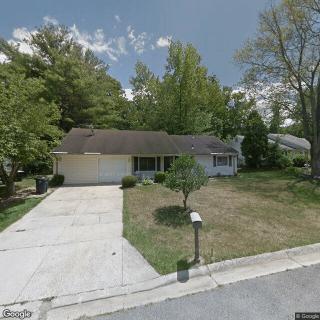
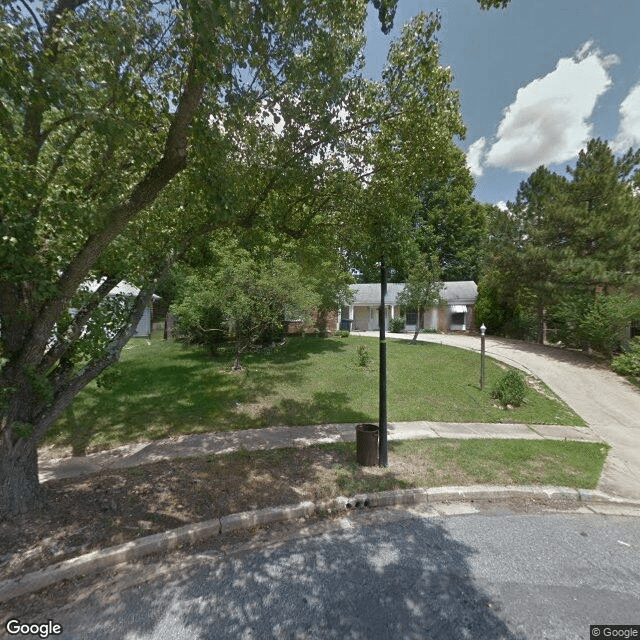
Riderville is an assisted living community located in Laurel, MD. We offer board and care home services for seniors who require assistance with their daily living activities. Our community provides a warm and comfortable environment where residents can enjoy a range of amenities and personalized care services.

At Riderville, we prioritize the well-being and happiness of our residents. Our on-site activities offer opportunities for socialization and engagement, while our beautiful garden and outdoor spaces provide tranquility and relaxation. Residents can also enjoy cable or satellite TV, Wi-Fi/high-speed internet, and telephone services to stay connected with loved ones.

Our fully furnished accommodations ensure that residents feel at home from the moment they move in. Housekeeping services are provided to maintain a clean and tidy living space, allowing residents to focus on enjoying their time at Riderville.

For those with specific dietary needs, our dining room serves delicious meals that cater to special dietary restrictions. Our dedicated staff members are trained in medication management and diabetes care, ensuring that residents receive the necessary support to maintain their health.

In terms of care services, we assist residents with activities of daily living including bathing, dressing, and transfers. We also coordinate with healthcare providers to ensure seamless communication and continuity of care for our residents. Transportation arrangements are available for medical appointments.

Riderville is conveniently located near parks, pharmacies, physicians' offices, and restaurants. Residents have easy access to nearby facilities for their various needs, enhancing their convenience and quality of life.

Overall, Riderville offers a vibrant assisted living community where seniors can receive personalized care while enjoying a range of amenities and engaging activities.

Nearby Places of Interest

The Laurel, Maryland area offers a variety of amenities that may appeal to seniors looking for a convenient and vibrant community. With several physicians, pharmacies, and hospitals nearby, residents have easy access to healthcare services. The abundance of restaurants and cafes provide numerous dining options for those seeking delicious meals and social gatherings. In addition, the proximity to parks allows for outdoor recreation and relaxation in nature. Transportation options such as metro stations and an Amtrak station make it convenient for seniors to travel within the area or beyond. Places of worship are also available for those seeking spiritual fulfillment. Overall, Laurel, Maryland provides a well-rounded environment that caters to the needs and interests of seniors looking for a comfortable and convenient place to live.

Physicians

  • Allergy Partners of Metro DC (0.9 miles)
  • Rochelle Hardy Md (5.7 miles)
  • Ford Medical Associates (5.7 miles)
  • Eternal Dermatology (6 miles)
  • Maple Lawn Surgery Center (6.4 miles)
  • Sheikh, Sarah Capital Womens Care (6.4 miles)
  • Dr Vanessa Allen (8.1 miles)

Restaurants

  • First Watch (1.4 miles)
  • Nestle Ice Cream (3.4 miles)
  • McDonald's (4.7 miles)
  • McDonald's (5.4 miles)
  • Looney's Pub (5.9 miles)
  • Chick-Fil-A (6.3 miles)
  • Facci Ristorante (6.4 miles)

Pharmacies

  • CVS Pharmacy (1.8 miles)
  • Walgreens (1.9 miles)
  • Herbiculture (4.7 miles)
  • Greenbelt Co-op Supermarket & Pharmacy (5 miles)
  • CVS Pharmacy (5 miles)
  • Kaiser Permanente - Pharmacy (5.5 miles)
  • CVS Pharmacy (5.5 miles)

Parks

  • High Ridge Park (2.9 miles)
  • Duvall Playground (5.9 miles)
  • Piney Orchard Nature Preserve (7.4 miles)
  • Lake Elkhorn Park (7.8 miles)
  • Martin Road Park (8 miles)
  • Blandair Regional Park (9.7 miles)

Transportation

  • Greenbelt Station (5.1 miles)
  • Greenbelt Metro Station (5.1 miles)
  • College Park - University of Maryland Metro Station (7.5 miles)
  • New Carrollton Amtrak Station (8.6 miles)
  • Prince George's Plaza Metro Station (9.1 miles)

Places of Worship

  • College Park United Methodist Church (5.5 miles)
  • Christian Community Presbyterian Church (9 miles)
  • Christ Congregational Church (9.5 miles)

Hospitals

  • Kimbrough Ambulatory Care Clinic Main Pharmacy (7.1 miles)

Cafes

  • Starbucks (7.3 miles)
  • Starbucks (7.4 miles)
  • Starbucks (7.9 miles)
  • Starbucks (8.9 miles)
  • Starbucks (9 miles)
  • Chesapeake Bay Roasting Company (9.2 miles)
  • Vigilante Coffee (9.4 miles)

Theaters

  • Cinemark Holdings (9.3 miles)
  • Regal Waugh Chapel & IMAX (9.4 miles)

Frequently Asked Questions

How much does it cost to live at Riderville in Laurel, MD?
Where is Riderville?

Nearby Communities

  • Morning Star Assisted Living

    Morning Star Assisted Living

    Laurel, MD


    pro Fully furnished accommodations with comprehensive care services and transportation assistance.

  • Morningstar

    Morningstar

    Laurel, MD

    3.8 from 4 reviews
    $2,500 to $3,000 / month

    pro Involved owner with strong family engagement; clean, modern, intimate setting.

  • Angel Loving Care

    Angel Loving Care

    Laurel, MD


    pro Quiet Laurel location with easy access to a park, pharmacies, physicians, restaurants, and transportation.

  • Love Assisted Living

    Love Assisted Living

    Laurel, MD


    pro Loving, supportive environment with on-site activities and accessible amenities.

  • Mike-William Assisted Living Facility

    Mike-William Assisted Living Facility

    Laurel, MD


    pro Specialized diabetic and high-acuity care in a home-like setting with close access to parks, pharmacies, and physicians.

  • Park View at Laurel I

    Park View at Laurel I

    Laurel, MD

    3.7 from 33 reviews
    $1,018 to $1,255 / month

    pro Friendly staff, clean, spacious apartments, and a vibrant activity calendar in a scenic setting.

  • Park View at Laurel II

    Park View at Laurel II

    Laurel, MD

    3.2 from 13 reviews
    $875 to $1,244 / month

    pro Spacious, light-filled apartments with secure, helpful staff.

  • Shanti Home

    Shanti Home

    Laurel, MD

    3.3 from 8 reviews
    $3,500 to $3,700 / month

    pro Attentive, caring staff with private rooms and clean, well-maintained facilities.

  • Riderwood

    Riderwood

    Silver Spring, MD

    4.1 from 70 reviews
    $5,283 to $9,400 / month

    pro Active community with attentive staff and varied dining options.

Related Resources

  • assisted living for disabled adultsComprehensive Supportive Living Arrangements for Adults with Disabilities

    Assisted living for adults with disabilities has transformed to provide personalized care and support services aimed at improving residents' quality of life while balancing independence and assistance. However, low-income individuals often face challenges in affording these services, requiring navigation of various financial resources and advocacy for better policies and solutions.

  • how to pay for assisted livingFunding and Affording Assisted Living: A Thorough Overview

    Assisted living facilities provide support for older adults needing help with daily activities without extensive medical care, but their costs can be high and vary by location and services offered. Families often seek various funding options and financial strategies to manage these expenses effectively while considering future needs and potential price increases.

  • assisted living insuranceAssisted Living Expenses and Long-Term Care Insurance: A Comprehensive Exploration

    The article discusses assisted living expenses, the importance of long-term care insurance in covering these costs, and various financing options, highlighting the need for careful policy review and early planning to address potential needs. It also clarifies common misconceptions about Medicare and private health insurance limitations regarding long-term care coverage.