
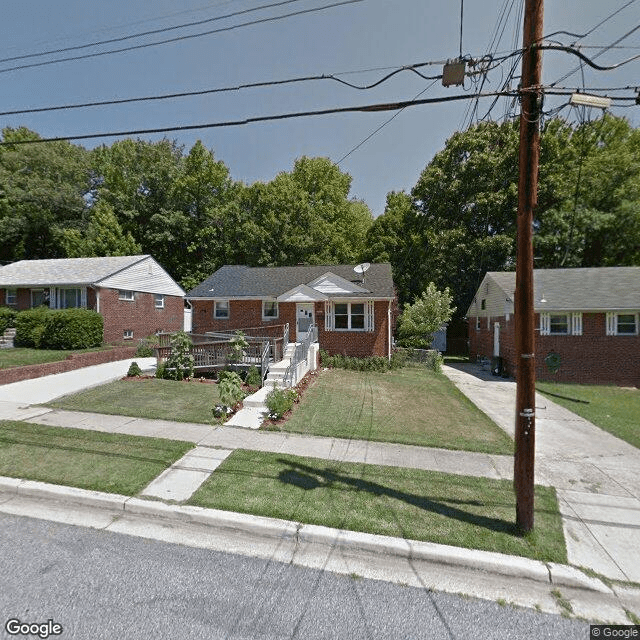
2200 Saranac Street, Adelphi, MD 20783
For more information about senior living options: (866) 208-4318
Newbegin Care Home Costs & Pricing
Newbegin Care Home offers competitive pricing for its services, particularly when compared to the broader market in Prince George's County and the state of Maryland. For semi-private rooms, residents pay $2,200 per month, which is significantly lower than the county average of $3,058 and the state average of $3,545. Similarly, the cost for private rooms at Newbegin is set at $2,500 per month - again more affordable than both the county rate of $3,792 and the state average of $4,112. These rates reflect Newbegin's commitment to providing high-quality care while ensuring that financial burdens are minimized for families seeking a supportive environment for their loved ones.
| Floor plans | Newbegin Care Home | Prince George's County | Maryland |
|---|---|---|---|
| Semi-Private | $2,200 | $3,058 | $3,545 |
| Private | $2,500 | $3,792 | $4,112 |
Assisted Living communities with a similar price nearby
-
from -$200 / mo
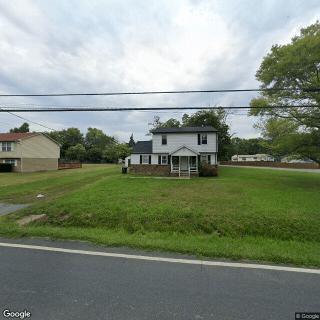
Eby Health Services II
$2,000 to $3,000 / month17.2 miles away -
from +$300 / mo

Amazing Grace Senior Care
$2,500 to $3,000 / month6.0 miles away -
from +$400 / mo
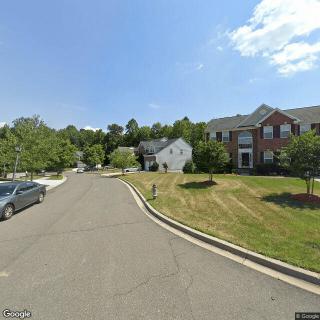
My Parent's Place
$2,600 to $3,000 / month19.2 miles away -
from +$270 / mo
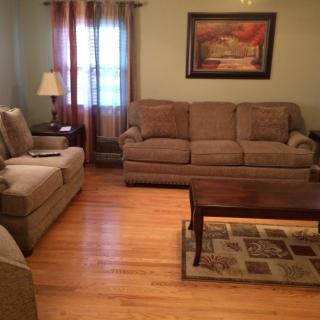
Ovalstone Comfort Home
$2,470 to $3,300 / month12.7 miles away -
from -$100 / mo

Mamie's Loving Care III
$2,100 to $3,000 / month13.7 miles away
Overall Review of Newbegin Care Home
Pros
 The facility is very clean and well kept.
- The mom is cared for like family.
- Updates are provided, and questions are always answered.
- A picture of the mom was sent, and she looked happy.
- She is truly a blessing.
- They met with the director and took a tour of the facility.
- They really like the director.
- They will keep it as an option.
Cons
 The community is not a good option for families.
- The community did not offer activities for residents.
- The community was not clean enough.
- The staff could not answer some questions.
- The facility is small and has only two residents.
Review
Newbegin Care Home in Adelphi, MD is best suited for families seeking a small, home-like environment where residents are treated with a familial tone and where updates come consistently when a family calls. This community rewards those who value a tidy, well-kept setting and personal, attentive care over expansive programming or boastful amenities. It plays well for seniors who prioritize direct, ongoing communication with staff and a sense that someone is looking out for their loved one on a daily basis. Those who require a wide range of activities, larger social networks, or robust professional services may want to consider other options.
On the strongest side, cleanliness and a feeling of personal connection stand out. One resident’s family described the care as genuinely familial, with prompt updates and even a photo illustrating happiness. The sense that staff know residents well and respond to questions consistently can be a powerful reassurance for families who want to monitor daily wellbeing from afar. The positive takeaway is that a clean, orderly environment can become the foundation for dependable routine and comfort, reinforcing trust that the person is in a cared-for, familiar space.
However, there are meaningful caveats that tilt the decision toward caution for many families. A second reviewer pointed to a lack of structured activities and questioned the staff’s ability to answer questions beyond polite assurances. Cleanliness and programming matter differently depending on a resident’s needs: for someone who thrives on social engagement and scheduled events, the absence of activities can erode quality of life, even if care remains affectionate. The tension between a warm, homey ambiance and insufficient programming creates a critical trade-off that families must measure against what their loved one requires for engagement and stimulation.
The third encounter adds another layer: the director’s leadership is appealing, and the facility’s small size feels intimate, with only a couple of residents observed on a tour. Yet the upside of a tiny setting comes with real constraints, limited peer interaction, fewer resources, and the potential for staffing gaps during peak times. The prospect of keeping Newbegin on a short list as a backup option makes sense for families who want a nearby, low-key alternative, particularly if larger communities prove unavailable or unsuitable. Still, the small census signals that this is not a one-size-fits-all choice.
In weighing pros against cons, the core strengths, cleanliness, thoughtful, family-style care, and reliable updates, favor residents who value trust, consistency, and a home atmosphere over breadth of programming. The main weaknesses, limited activities, questions that may elicit uncertain answers, and a small operation that could constrain social and resource options, create a meaningful risk for anyone seeking a vibrant, activity-rich environment or robust staff coverage. Families should not assume uniformity from one visit to another; the inconsistencies across reviews mean firsthand observation is essential.
Decision guidance follows a practical path: Newbegin suits a senior who priorities a quiet, well-kept home environment with attentive, family-like care and dependable communication. Families whose loved one thrives on scheduled activities, a bustling social calendar, and expansive on-site amenities will likely be better served elsewhere. Prospective residents should plan direct visits, observe how staff engage during routine moments, and request to meet the director to gauge responsiveness. Ask for a current activities calendar, staffing ratios, and a tour of how wellness needs and questions are handled. If these align with concrete expectations, Newbegin is worth a serious look; if not, continue the search with a clear checklist in hand.
 5 resident community capacity
 Assisted Living
 Board and Care Home
 Activities on-site
 Bath tubs
 Cable or satellite TV
 Devotional services off-site
 Dining room
 Fully furnished
 Garden
 Housekeeping services
 Indoor common areas
 Move-in coordination
 Outdoor space
 Private
 Respite or short term stays offered
 Telephone
 Wi-Fi/high-speed internet available
 Ronald Reagan Washington National (11 miles away)
 24-hour supervision
 Ambulatory care
 Assistance with bathing
 Assistance with dressing
 Assistance with transfers
 Diabetes diet
 Diabetic care
 High acuity care
 Incontinence care
 Meal preparation and service
 Medication management
 Special dietary restrictions
 Transportation arrangement (medical)
 Transportation to doctors appointments
 Adventist services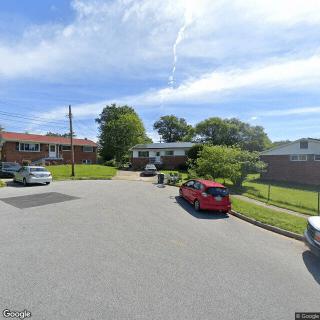





 Senior Transition Services: Understanding Their Role, Cost, and Importance
 Exploring the Path to Senior Living: A Comprehensive Look at Independent Living and Assisted Living
 Is Assisted Living Deductible on Your Taxes? Understanding the Complexities of Assisted Living Expenses and Deductions