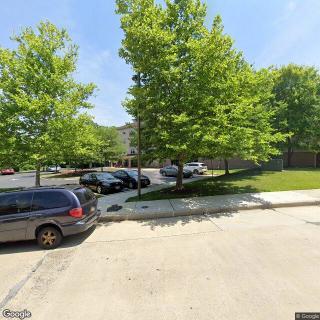
Rosa's Place Assisted Living

4412 Springdale Avenue, Baltimore, MD 21207

For more information about senior living options: (844) 490-3973

1 from 2 reviews
Assisted Living

What level of care are you interested in?

Assisted Living

Memory Care

Independent Living

Skilled Nursing Facility

Continuing Care Retirement Community (CCRC)CCRC

Other


Request a tour at Rosa's Place Assisted Living

    Overall Review of Rosa's Place Assisted Living

    Pros

    • pro They got her out of there and into a much better place where she is receiving the care she deserves and needs.
    • pro She is now in a much better place where she is receiving the care she deserves.
    • pro The new facility is described as providing the care she deserves.
    • pro The move is viewed as a positive outcome.

    Cons

    • pro They trained for 2 hours and were never paid.
    • pro The facility was disgustingly dirty, with a urine smell that lingered.
    • pro A man in a wheelchair begged for a shower and hadn't had one for days.
    • pro Cleaning supplies were hard to find and the place felt dirty.
    • pro They believe the facility should be shut down as soon as possible.
    • pro The aunt's facility did not provide mobility ride renewal, speech therapy, or other therapies.
    • pro The aunt's bed was soaked in urine and changed only after their request.
    • pro Staff said the aunt cried due to adjusting to a new place, though she couldn't speak because of strokes.
    • pro There were no activities; residents mostly watched TV in the dining area.
    • pro A dirty, torn rag was used to wash the aunt, not a proper washcloth.
    • pro The aunt's clothes disappeared and were replaced with old ragged clothing.
    • pro The wheelchair and potty provided were old and not hers.
    • pro The staff were rude with terrible attitudes.
    • pro They would not recommend the place to anyone.

    Review

    The experiences described paint a troubling portrait of a place that was supposed to be a care facility but felt more like a neglected environment. The first account centers on the speaker's own time there, noting they trained for two hours and were never paid. Beyond the financial grievance, the setting left a lasting physical impression: a pervasive odor of urine that clung to the nose and lingered even after leaving. The environment itself was described as filthy and grimy, a level of dirt and disorder that made the whole situation feel unsafe and deeply uncomfortable.

    Adding to the distress, there was a vivid scene involving a man in a wheelchair who begged for a shower, claiming he hadn't had one in days. He pleaded for basic hygiene, but the response from the place was chilling: no one could direct anyone to cleaning supplies, and the entire episode underscored a sense of abandonment. The reviewer's takeaway was stark and urgent - this place ought to be shut down as soon as possible. All the while, the staff appeared disengaged, merely sitting and watching television and eating while serious needs went unmet.

    The critique then shifts to a relative's experience, describing a stay about a year prior. The owner and her boyfriend allegedly promised a suite of services that never materialized. There was no renewal of the mobility ride, no speech therapy or other therapies, and even basic personal care commitments failed to materialize. The reviewer recounts that the aunt's hair was never done, despite assurances that it would be cared for. The sense of broken promises contributed to a broader impression of neglect and disorganization lurking beneath what was claimed to be ongoing care.

    Another heartbreaking detail concerns the aunt's physical condition. Her bed was soaked with urine, and it only got changed upon the family's insistence. The aunt, who could not speak due to strokes, reportedly cried, and staff offered the explanation that crying was simply part of adjusting to a new place. There was a startling lack of meaningful activities for residents, with only a television and a passive, disengaged atmosphere in the dining area. The combination of incontinence, emotional distress, and minimal stimulation painted a picture of a facility failing to meet even basic caregiving standards.

    The situation reached a new low point with the discovery of hygiene and care supplies that should have been unthinkable. The reviewer describes finding an old, dirty rag - torn from something else - used for washing the aunt, not even a proper washcloth. It was so dirty that the thought of washing floors with it would be repulsive. The family's discomfort deepened when they noticed most of the aunt's clothing had disappeared and had been replaced with ragged, unsuitable garments. The wheelchair and potty provided to the aunt were not even hers, and the overall care items were old and ill-fitting. This sequence of revelations underscored a profound sense of neglect and a lack of respect for the person in care.

    Ultimately, the family decided to extract the aunt from that environment and relocate her to a much better place where she could receive the care she deserved. The experience left the family convinced that the previous facility's staff were rude and carried terrible attitudes, contributing to a hostile and disheartening atmosphere. The reviewer expresses a firm, unequivocal stance against recommending the place to anyone, not even an enemy. The ongoing emotional impact - anger, disappointment, and a protective instinct for a vulnerable relative - lingers as a stark reminder of the harm that can occur when caregiving is mishandled.

    Features

    Housing

    • 3 resident community capacity 3 resident community capacity

    Types of Care

    • Assisted Living Assisted LivingAssisted living facilities provide crucial support and care for seniors who may need help with daily tasks such as medication management, bathing, and meal preparation. These communities offer a safe and comfortable environment where seniors can maintain their independence while receiving the assistance they need to thrive in their golden years.

    Amenities

    • Cable or satellite TV Cable or satellite TVCable or satellite TV is important for seniors because it provides entertainment, news, and companionship, helping to combat loneliness and boredom. It also offers a wide range of programming options tailored to different interests and preferences.
    • Dining room Dining roomDining rooms are important for seniors as they provide a space for socialization, connection, and nutritious meals. They offer opportunities for residents to bond over shared meals, foster a sense of community, and promote healthy eating habits. Dining rooms also ensure that seniors have access to well-balanced meals tailored to their dietary needs and preferences.
    • Fully furnished Fully furnishedFully furnished senior living communities are important for seniors because they provide convenience, comfort, and a hassle-free moving experience. Seniors can easily settle into their new living space without the stress of having to buy and move furniture. This allows them to focus on enjoying their new home and community.
    • Garden GardenGardens are important for seniors as they provide a peaceful and therapeutic environment for relaxation, physical activity, and socialization. Being in nature has been shown to reduce stress, improve mood, and promote overall well-being. Gardens also offer opportunities for seniors to engage in gardening activities, which can improve mobility, flexibility, and cognitive function. Additionally, gardens create a sense of community and connection with others who share a passion for plants and outdoor spaces.
    • Housekeeping services Housekeeping servicesHousekeeping services are important for seniors because they help maintain a clean and safe living environment, promote independence, and reduce the risk of accidents or illnesses. Additionally, having assistance with household chores can alleviate physical strain and allow seniors to focus on other aspects of their well-being.
    • Move-in coordination Move-in coordinationMove-in coordination is important for seniors because it helps ease the transition into their new living environment. It ensures that all logistics, such as packing, organizing movers, and setting up utilities are taken care of, allowing seniors to focus on settling in and adjusting to their new home. Having a smooth move-in process can alleviate stress and anxiety, making the transition smoother and more enjoyable for seniors.
    • Outdoor space Outdoor spaceOutdoor spaces are important for seniors as they provide opportunities for physical activity, social interaction, exposure to natural light and fresh air, and a sense of connection to nature. Having access to outdoor spaces can improve overall well-being and quality of life for older adults living in senior communities.
    • Telephone TelephoneTelephones are important for seniors as they provide a lifeline for communication with loved ones, emergency services, and healthcare providers. They offer a sense of security and independence, enabling seniors to stay connected and access assistance when needed.
    • Wi-Fi/high-speed internet available Wi-Fi/high-speed internet availableWi-Fi/high-speed internet is important for seniors to stay connected with loved ones, access online resources, and participate in virtual activities to combat feelings of loneliness and isolation. It also allows them to easily manage healthcare needs, access entertainment, and engage in lifelong learning opportunities.

    Transportation

    • Baltimore-Washington International (11 miles away) Baltimore-Washington International (11 miles away)

    Care Services

    • 24-hour supervision 24-hour supervision24-hour supervision is important for seniors to ensure their safety, well-being, and access to immediate assistance in case of emergencies or health issues. This constant support provides peace of mind for both seniors and their loved ones, allowing them to age in place with dignity and security.
    • Activities of daily living assistance Activities of daily living assistanceActivities of daily living assistance are important for seniors because they provide essential support with tasks such as eating, bathing, dressing, and mobility. This assistance helps seniors maintain their independence, dignity, and overall quality of life as they age.
    • Assistance with bathing Assistance with bathingAssistance with bathing is crucial for seniors as it helps maintain personal hygiene, prevents infections, and ensures their overall well-being and comfort. It also provides a sense of dignity and independence for seniors who may struggle with this task on their own.
    • Assistance with dressing Assistance with dressingAssistance with dressing is important for seniors because it helps maintain their independence, promotes personal hygiene, prevents accidents and injuries, and improves overall quality of life. This service ensures that seniors can continue to dress comfortably and confidently, despite any physical limitations they may have.
    • Assistance with transfers Assistance with transfersAssistance with transfers is crucial for seniors as it helps prevent falls and injuries, maintains their independence, and ensures they can safely navigate their living environment. It also provides peace of mind for both seniors and their loved ones.
    • Coordination with health care providers Coordination with health care providersCoordination with health care providers is crucial for seniors to ensure proper medical care, medication management, and overall well-being. This collaboration helps prevent overlapping treatments, track progress more effectively, and provide comprehensive support tailored to individual needs.
    • Diabetes diet Diabetes dietA diabetes diet is crucial for seniors as it helps manage blood sugar levels, reduce risks of complications, and improve overall health and well-being. By following a balanced and nutritious diet tailored to their specific needs, seniors can better control their diabetes and enhance their quality of life.
    • Meal preparation and service Meal preparation and serviceMeal preparation and service are crucial for seniors as they may have limited mobility or energy to cook nutritious meals. Having access to healthy and convenient food options can ensure they are getting the proper nutrition needed to maintain their overall health and well-being.
    • Medication management Medication managementMedication management is crucial for seniors to ensure they are taking the right medications at the correct dosages and times. This helps prevent adverse drug interactions, reduces the risk of medication errors, and promotes overall health and well-being. Proactive management also allows for adjustments as needed based on changing health conditions or new prescriptions.
    • Special dietary restrictions Special dietary restrictionsSpecial dietary restrictions are important for seniors because age-related changes in metabolism and health conditions can make it difficult for their bodies to process certain foods. By following a diet tailored to their specific needs, seniors can maintain their overall health and well-being, manage chronic conditions, and reduce the risk of complications such as malnutrition or food interactions with medications.
    • Transportation arrangement (medical) Transportation arrangement (medical)Transportation arrangements for medical purposes are essential for seniors as they may have difficulty driving themselves to appointments or accessing public transportation. Having reliable and safe transportation options ensures that seniors can receive timely medical care and maintain their health and well-being.
    • Transportation to doctors appointments Transportation to doctors appointmentsTransportation to doctors' appointments is crucial for seniors as it ensures they have access to necessary medical care and support for their health needs. Without reliable transportation, seniors may struggle to attend important appointments, leading to potential delays in treatment and health complications. Providing transportation services helps seniors maintain their overall well-being and quality of life.

    Dining

    • Diabetes diet Diabetes dietA diabetes diet is crucial for seniors as it helps manage blood sugar levels, reduce risks of complications, and improve overall health and well-being. By following a balanced and nutritious diet tailored to their specific needs, seniors can better control their diabetes and enhance their quality of life.
    • Special dietary restrictions Special dietary restrictionsSpecial dietary restrictions are important for seniors because age-related changes in metabolism and health conditions can make it difficult for their bodies to process certain foods. By following a diet tailored to their specific needs, seniors can maintain their overall health and well-being, manage chronic conditions, and reduce the risk of complications such as malnutrition or food interactions with medications.

    Activities

    • Community-sponsored activities Community-sponsored activitiesCommunity-sponsored activities are important for seniors as they provide opportunities for social interaction, mental stimulation, and physical activity. These activities can help improve overall well-being, combat loneliness and isolation, and promote a sense of belonging and purpose among older adults.
    • Scheduled daily activities Scheduled daily activitiesScheduled daily activities are important for seniors because they provide structure, socialization, mental stimulation, and physical activity. Engaging in regular activities can improve overall well-being and quality of life for seniors living in a community setting.

    Description

    Rosa's Place Assisted Living, located in the heart of Baltimore, MD, offers a warm and welcoming environment designed to support residents' well-being and enhance their quality of life. This charming community boasts a variety of amenities that cater to the needs of its residents. The spacious dining room is perfect for enjoying nutritious meals together, while fully furnished living spaces provide comfort and a sense of home. Residents can take advantage of beautiful outdoor spaces and serene gardens, ideal for relaxation or socializing with friends.

    At Rosa's Place, housekeeping services make daily living easier, allowing residents to focus on what truly matters—enjoying life. The community also provides thoughtful move-in coordination to ensure a smooth transition for new residents. Staying connected is effortless with available telephone services and high-speed Wi-Fi throughout the facility.

    Care services at Rosa's Place are tailored to each resident’s individual needs. A dedicated team assists with activities of daily living such as bathing, dressing, and transfers while coordinating closely with healthcare providers for any medical requirements. Specialized care options include diabetes diet management, meal preparation catering to special dietary restrictions, and comprehensive medication management. Transportation arrangements facilitate easy access to medical appointments.

    Residents can engage in scheduled daily activities that promote socialization and active lifestyles within the community. With nearby cafes, parks, pharmacies, physicians, restaurants, places of worship, hospitals, and public transportation options all within close proximity, it’s easy for residents to enjoy the vibrant surroundings of Baltimore.

    Rosa’s Place Assisted Living is committed to providing compassionate care in a supportive atmosphere where every resident can thrive.

    Nearby Places of Interest

    Pharmacies

    • Walgreens (0.7 miles)
    • Walgreens (1.4 miles)
    • CVS Pharmacy (1.7 miles)
    • Seven Mile Market (2.8 miles)
    • CVS Pharmacy (3 miles)
    • CVS Pharmacy (3.1 miles)
    • Walgreens (3.1 miles)

    Physicians

    • University of Maryland Rehabilitation & Orthopaedic Institute (1.2 miles)
    • Omni Eye Specialists (3.1 miles)
    • Dr Richard A. Adler, Belcara Health Ophthalmology (4 miles)
    • Scottish Rite Speech & Language Center (4.1 miles)
    • Pine Heights Integrative Health (4.1 miles)
    • University of Maryland Medical Center Midtown Professional Building (4.4 miles)
    • Wilkens Medical Center (4.4 miles)

    Hospitals

    • Sinai Hospital Of Baltimore (2.4 miles)
    • Lifebridge Health Campus Service (3.9 miles)
    • MedStar Union Memorial Hospital (4.3 miles)
    • UMMC Midtown Campus (4.4 miles)
    • Baltimore VA Medical Center (4.6 miles)
    • University of Maryland Medical Center (4.7 miles)
    • Spring Grove Hospital Center (4.7 miles)

    Restaurants

    • McDonald's (2.6 miles)
    • Corinthian Lounge & Restaurant (2.9 miles)
    • Chick-Fil-A (3.4 miles)
    • Mt. Washington Tavern (3.5 miles)
    • Burger King (3.7 miles)
    • Pepe's (3.9 miles)
    • McDonald's (4.2 miles)

    Cafes

    • Miss Shirley's Cafe, Roland Park (3.5 miles)
    • Ceremony Coffee Roasters (4.6 miles)
    • Dooby's (4.6 miles)
    • Starbucks (5.1 miles)
    • Starbucks (5.8 miles)

    Parks

    • Lake Roland (3.9 miles)
    • Rodgers Forge Tot Lot (5.2 miles)
    • Rash Field (5.5 miles)
    • Patapsco Valley State Park (5.7 miles)
    • Federal Hill Park (5.7 miles)
    • Harbor Point Central Plaza (6.1 miles)

    Transportation

    • Penn Station (4.4 miles)

    Places of Worship

    • Brown Memorial Woodbrook Presbyterian Church (5 miles)

    Frequently Asked Questions

    Where is Rosa's Place Assisted Living?

    Nearby Communities

    Related Resources

    • how to pay for assisted livingFunding and Affording Assisted Living: A Thorough Overview

      Assisted living facilities provide support for older adults needing help with daily activities without extensive medical care, but their costs can be high and vary by location and services offered. Families often seek various funding options and financial strategies to manage these expenses effectively while considering future needs and potential price increases.

    • assisted living insuranceAssisted Living Expenses and Long-Term Care Insurance: A Comprehensive Exploration

      The article discusses assisted living expenses, the importance of long-term care insurance in covering these costs, and various financing options, highlighting the need for careful policy review and early planning to address potential needs. It also clarifies common misconceptions about Medicare and private health insurance limitations regarding long-term care coverage.

    • how to pay for assisted livingSecuring Financial Support for Assisted Living: A Comprehensive Overview

      Assisted living facilities offer crucial support for older adults needing help with daily activities but come with varying and significant costs, which can be financed through personal savings, government assistance programs, long-term care insurance, and home equity options. Professional guidance from experts can aid families in navigating these financial complexities to establish a sustainable budgeting approach for assisted living services.


    Get Pricing Ask A Question Schedule A Tour Contact Senior Advisor