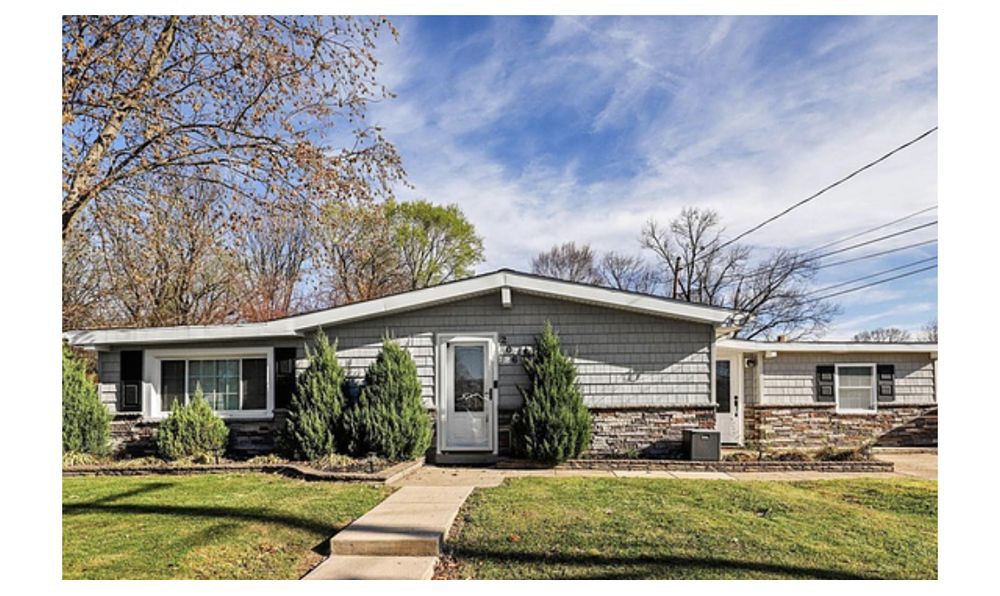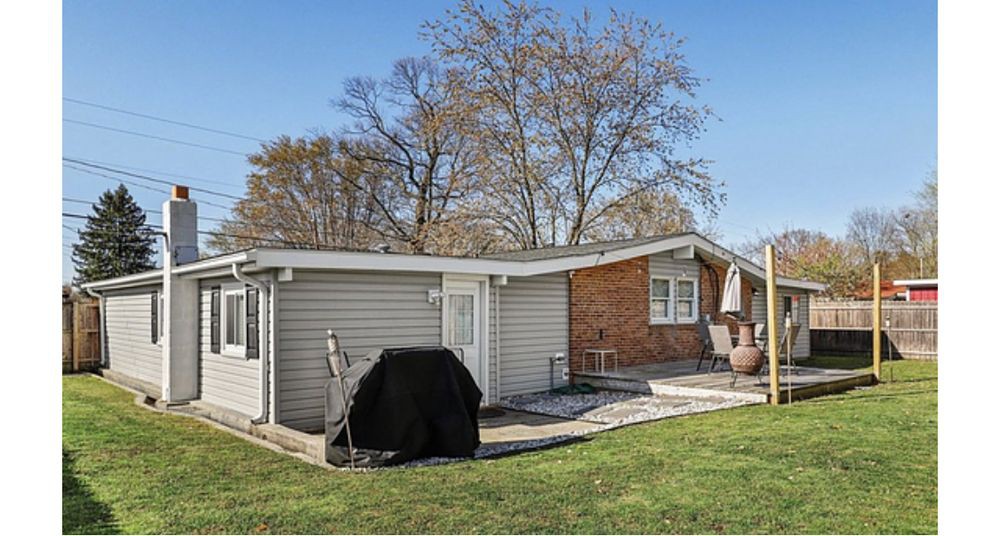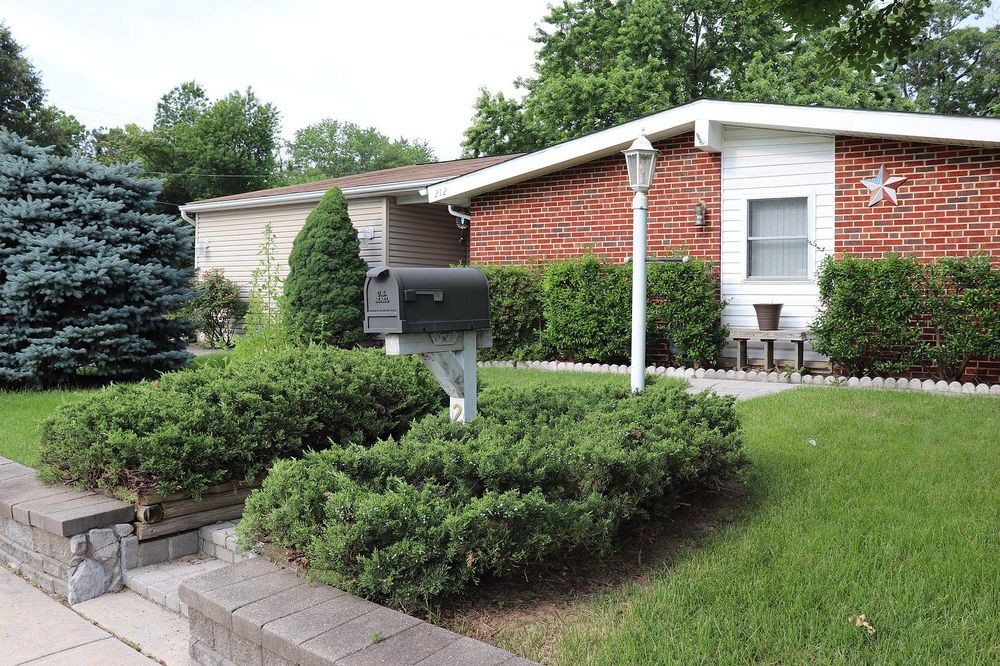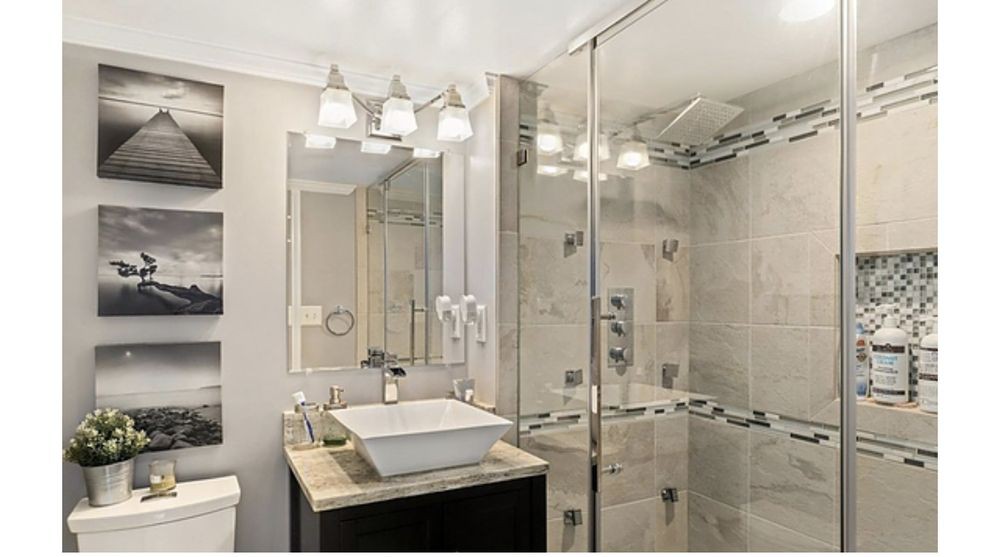
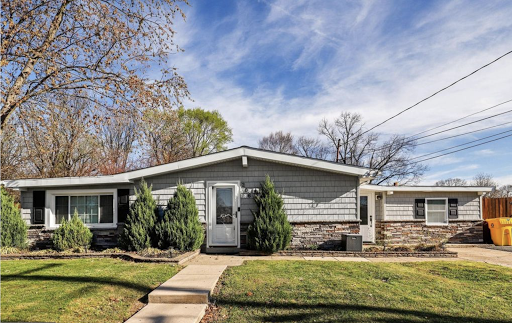
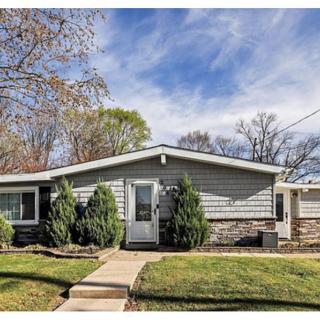
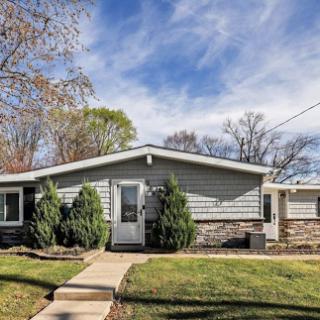

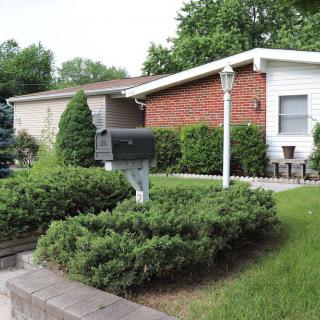
212 Street James Drive, Glen Burnie, MD 21061
For more information about senior living options: (866) 208-4318
Overall Review of Kind Hearts Home Assisted Living
Pros
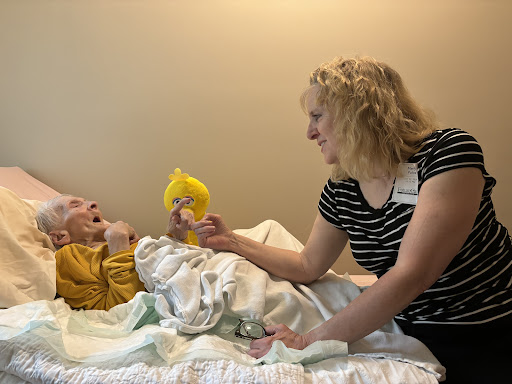
 The staff at Kind Hearts are caring and kind-hearted.
- Mr. Ed, the nurse manager, is compassionate and respectful.
- The home provides a small, home-like setting with a favorable patient-to-staff ratio.
- Families are highly satisfied with the care at Kind Hearts.
- The care is excellent, with home-made meals and a clean environment.
- Lurmenia (Lura), the lead Med Tech, provides outstanding care.
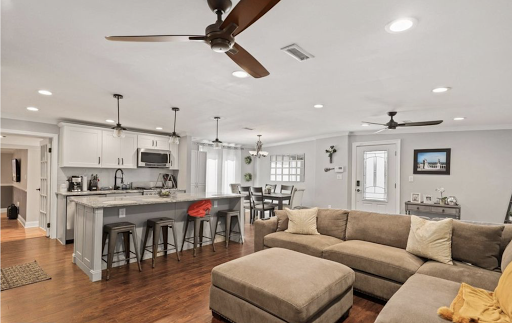
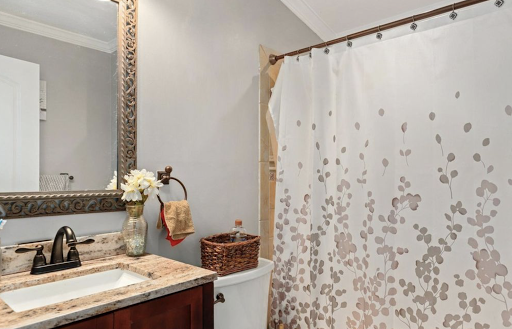
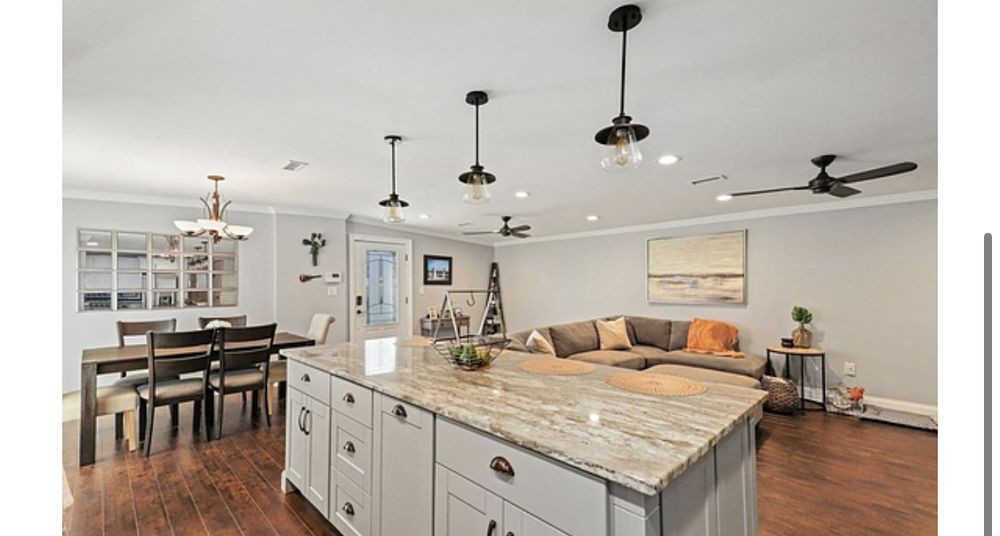
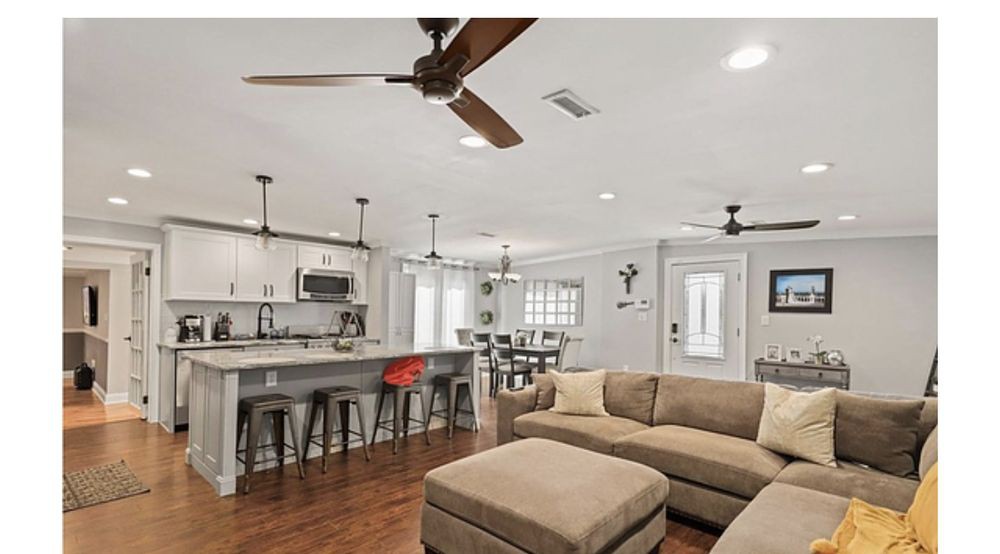
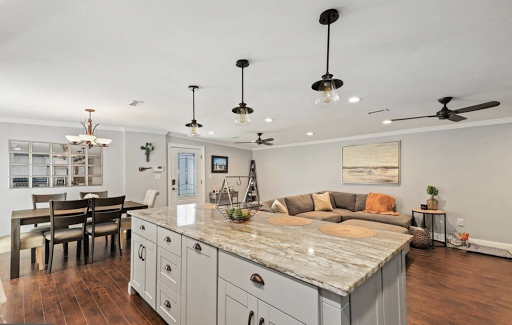
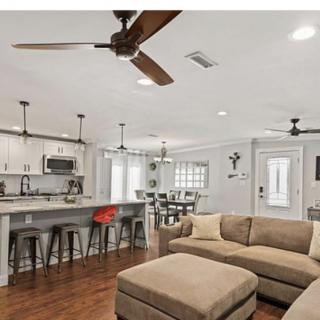
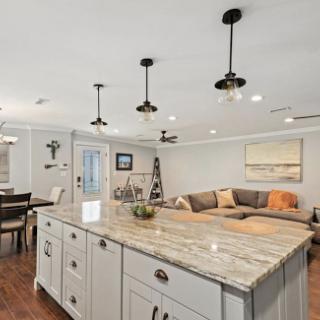
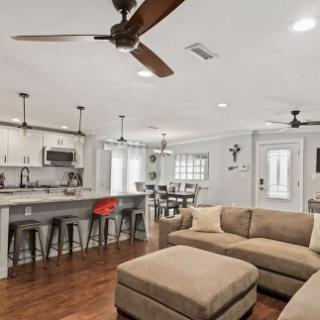
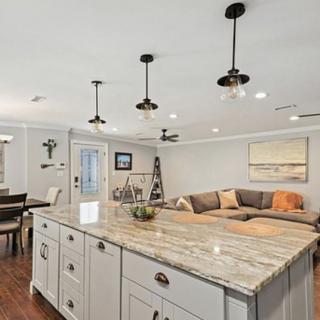
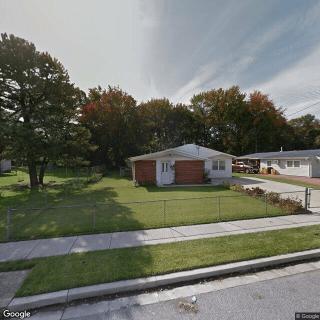
- The facility feels more like a home than an institutional setting.
- The owner and staff are courteous, responsive, and communicate well.
Review
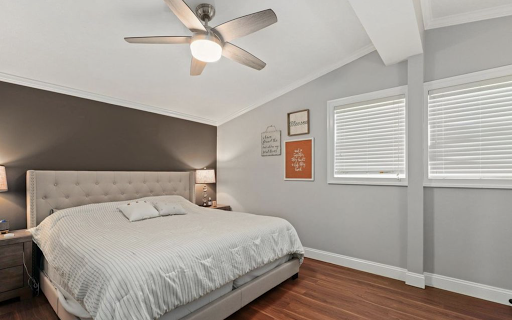
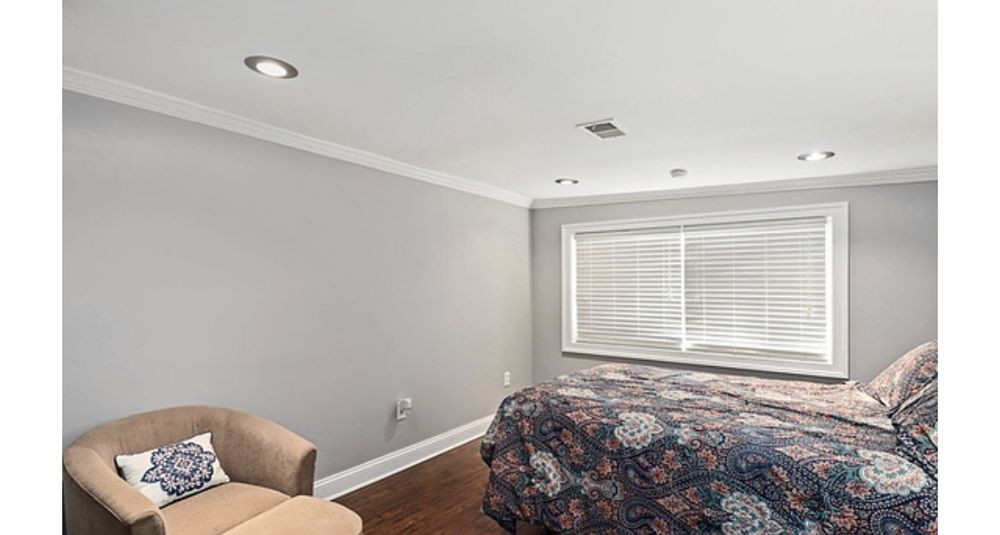
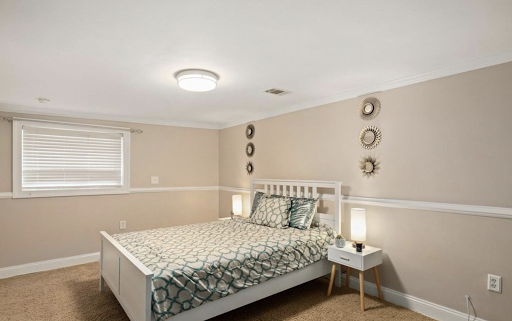
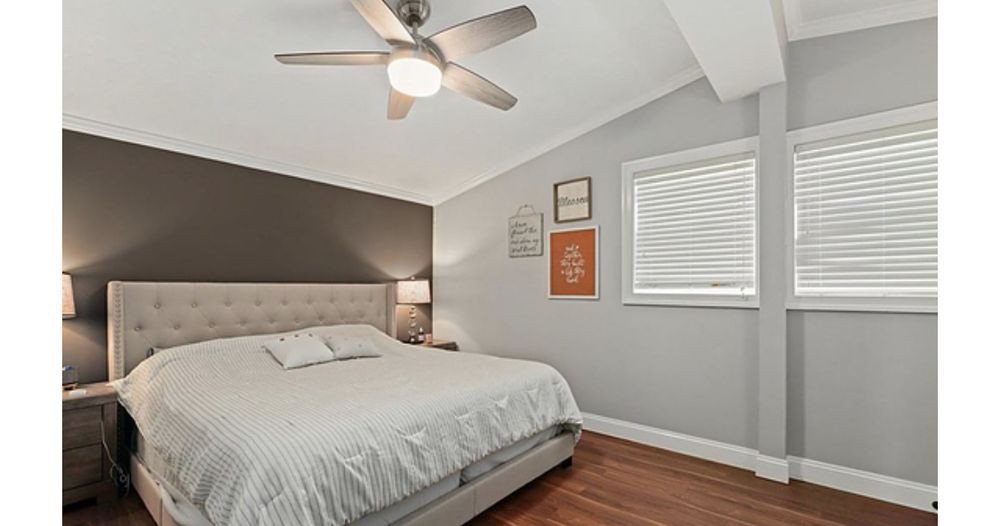
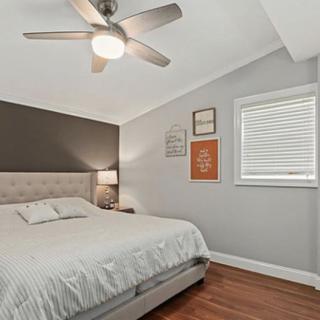
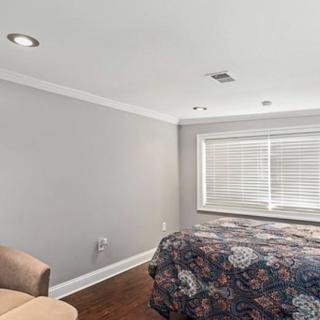
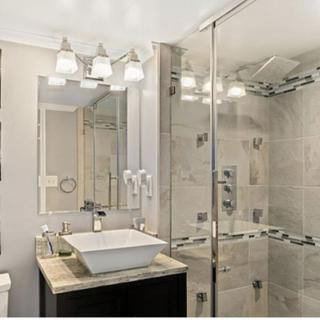
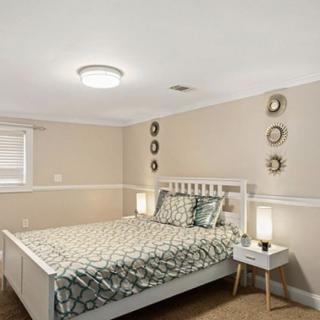
Kind Hearts Home Assisted Living is best suited for families seeking a true home-like setting where a senior can receive exceptionally attentive, hands-on care within a small, intimate community. This is a place for residents who thrive on consistency, routine, and personal connection with staff who feel like extended family. With only about five residents per home and private rooms, the environment naturally reinforces safety, predictability, and daily familiarity. The combination of a private room in a small group setting and direct oversight from a nurse manager who is personally involved makes it a strong match for seniors transitioning from rehab or managing memory challenges while wanting to stay out of a larger institutional setting.
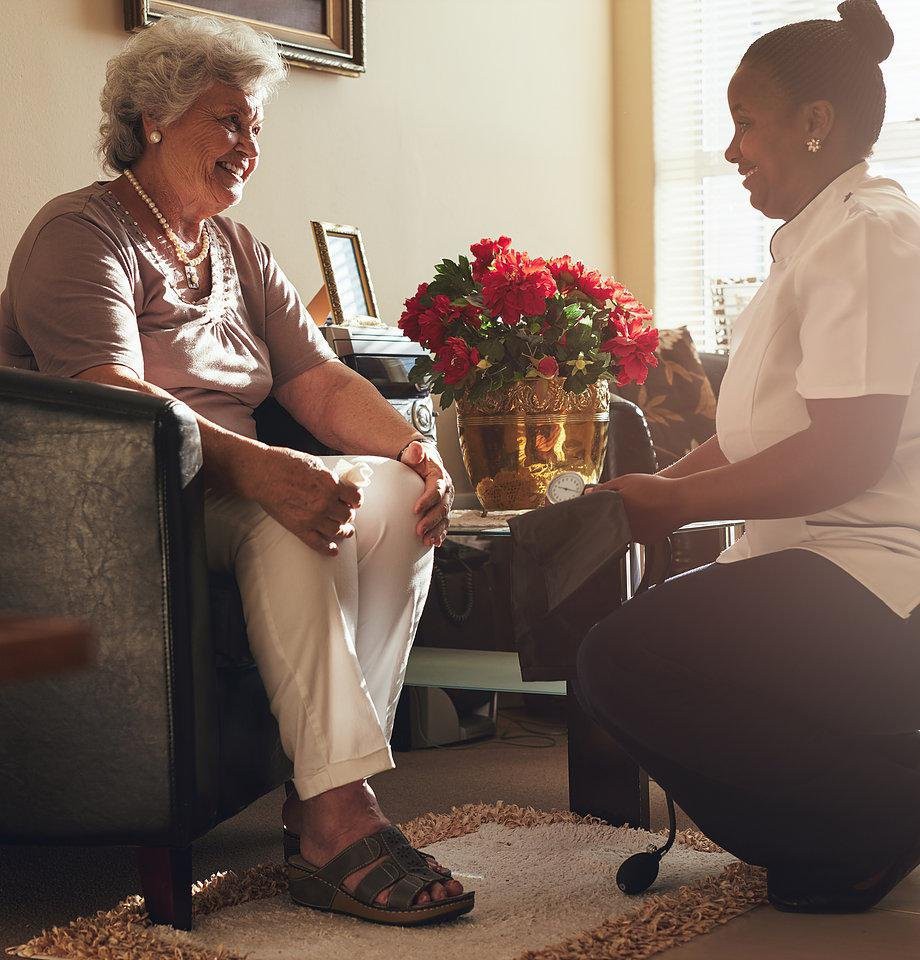
The strongest selling points live in the human side of care. Reviewers repeatedly highlight caring, kind-hearted staff and a leadership team that is engaged and accessible. The owner-operator, along with the nurse manager, is noted for keeping routines clear and ensuring that daily care, medication management, meals, and personal assistance, stays steady and compassionate. A low resident count translates to a higher staff presence per person, which translates into more responsive help, more meaningful check-ins, and fewer missed cues. The home atmosphere, homemade meals, and a clean, orderly living space reinforce a sense of normalcy and comfort that families value when choosing between hospital-like environments and a true home setting.
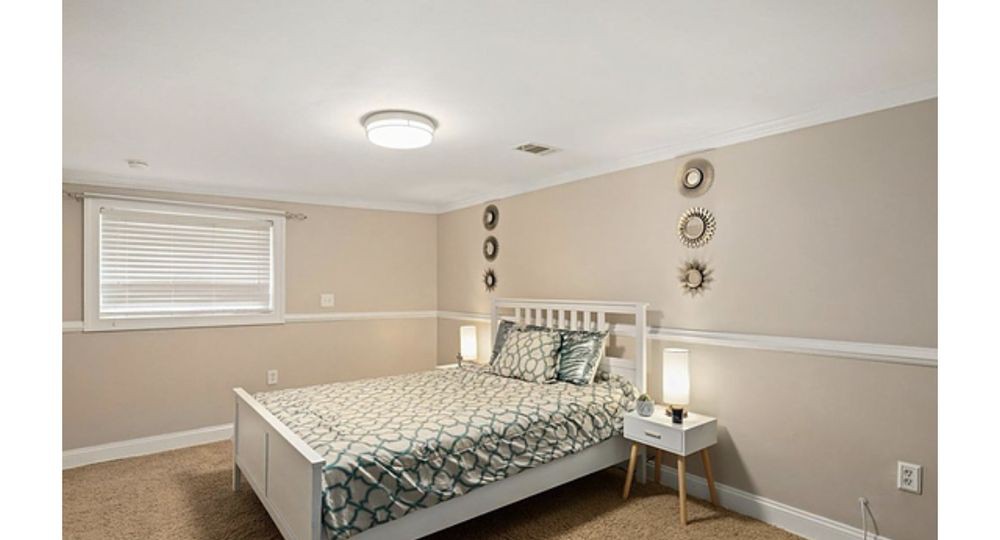
The facility’s ability to support memory loss and post-rehab needs is another meaningful advantage. Families describe effective transitions from rehab, clear communication, and reliable around-the-clock care that allows loved ones to stay in a familiar setting while still receiving medical oversight. The small scale also makes it easier to coordinate with family members, respond to changes in health status quickly, and keep residents safe in a predictable daily rhythm. Residents’ rooms and privacy are preserved, and the environment supports a calm, undistracting routine, elements that matter when cognitive or physical limitations require close monitoring and steady reminders for routines like meals and medication adherence.
Still, prospective residents should weigh potential constraints against the positives. The most obvious caveat is scale: the intimate, small-house model may not offer the breadth of services, specialized programming, or medical depth found in larger facilities. For seniors who require intensive clinical care, a broad activity calendar, or highly structured dementia programming, alternatives with on-site specialists and greater ancillary support might be a better fit. There is at least one rating in the mix that expresses dissatisfaction, signaling that experiences can vary and that the home-like model may not align with every family’s expectations or every resident’s pace of care. This is a reminder to verify what is truly offered day-to-day and to tour with questions in mind.
In terms of value, the positives tend to outweigh the potential drawbacks when the fit is right. Families note affordability relative to similar private homes, with residents benefiting from a no-frills, high-touch model without compromising essential care. The combination of personal attention, home atmosphere, and straightforward communication creates a compelling package for those who prioritize safety, warmth, and predictable routines over scale and formal programming. The key is to leverage the strengths: insist on meeting the care team, review a typical week’s schedule, ask for a sample meal plan, and confirm how emergencies and medical coordination are handled. If these align with the senior’s needs, Kind Hearts becomes a clear and practical choice.
Bottom-line guidance: choose Kind Hearts when the priority is a protected, homelike environment delivered by deeply engaged caregivers who know residents by name and by health history. It is particularly well-suited for seniors leaving rehab, for those with memory care needs who do not require a large campus’s breadth of services, and for families seeking transparency, consistent communication, and predictable daily life. If the senior demands more extensive medical support, a broader activity program, or a campus with a wide array of on-site specialists, alternatives, larger assisted living or dedicated memory-care facilities, should be pursued. Conduct a focused tour, speak with the staff about daily routines, and verify how the small team handles changes in health status to ensure alignment with expectations and care priorities.
 5 resident community capacity
 Assisted Living
 Cable or satellite TV
 Dining room
 Fully furnished
 Garden
 Housekeeping services
 Move-in coordination
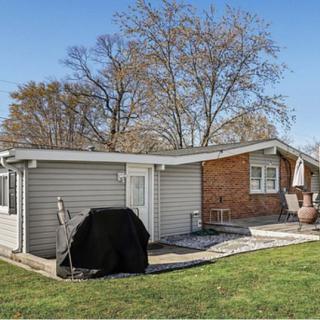
 Outdoor space
 Telephone
 Wi-Fi/high-speed internet available
 Baltimore-Washington International (3 miles away)
 24-hour supervision
 Activities of daily living assistance
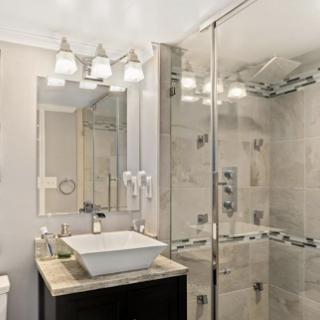
 Assistance with bathing
 Assistance with dressing
 Assistance with transfers
 Diabetes diet
 Meal preparation and service
 Medication management
 Special dietary restrictions
 Transportation arrangement (medical)
 Transportation to doctors appointments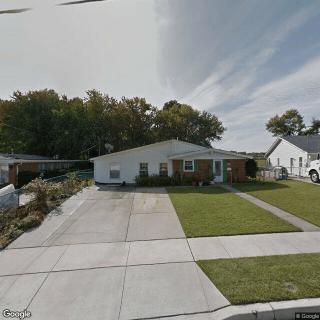

 Understanding the True Cost of Assisted Living in 2025: A Comprehensive Guide
 Understanding Medicaid Coverage for Assisted Living: A Comprehensive Guide
 How and When Medicaid May Cover Assisted Living Costs