Family Home Care II in Glen Burnie, MD

Save

  • Interior

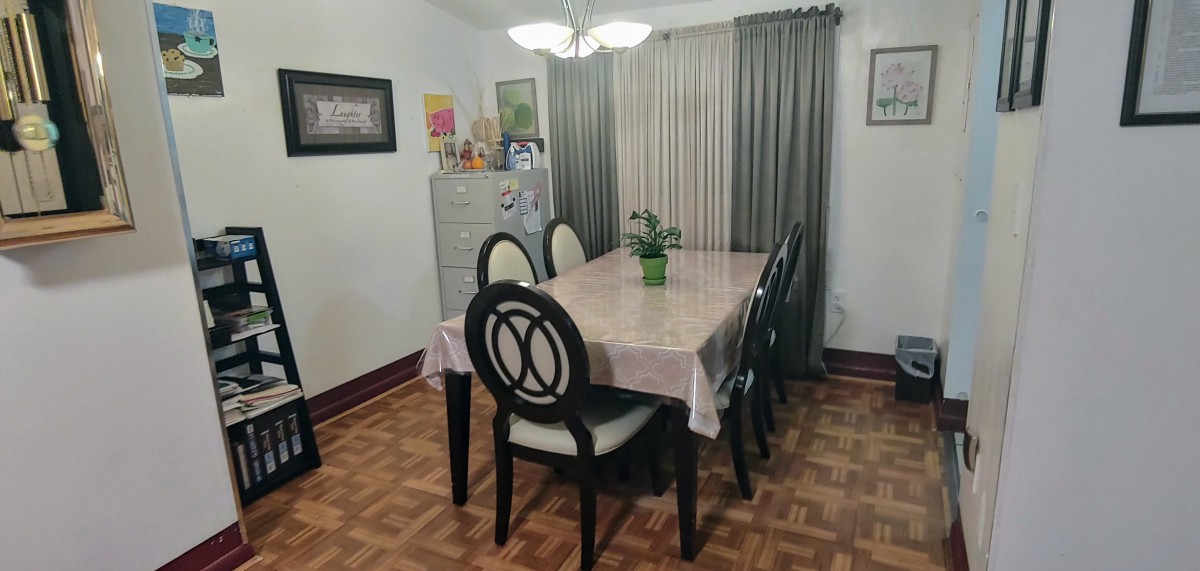
    A cozy dining room with a large table and six chairs, adorned with a decorative plant centerpiece.
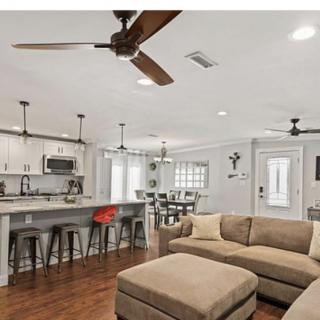
  • Decor

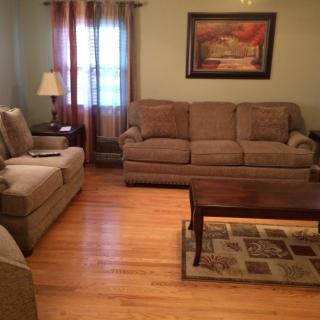
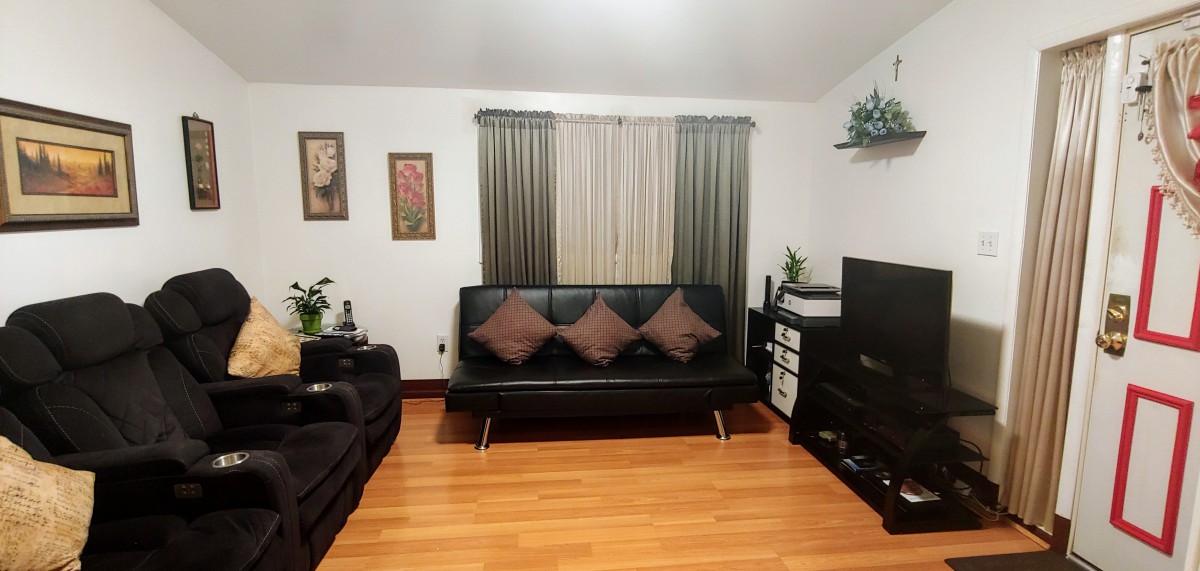
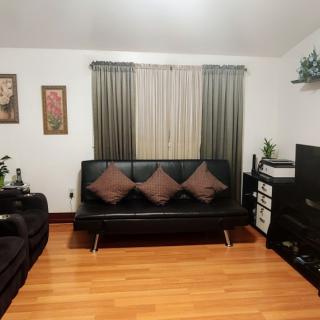
    A cozy living room with a black sofa, cushions, and elegant curtains.
  • Bedroom

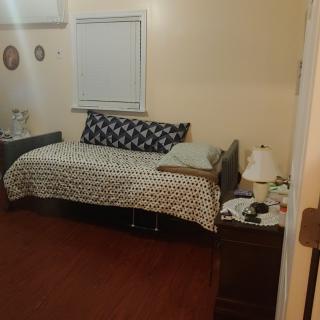
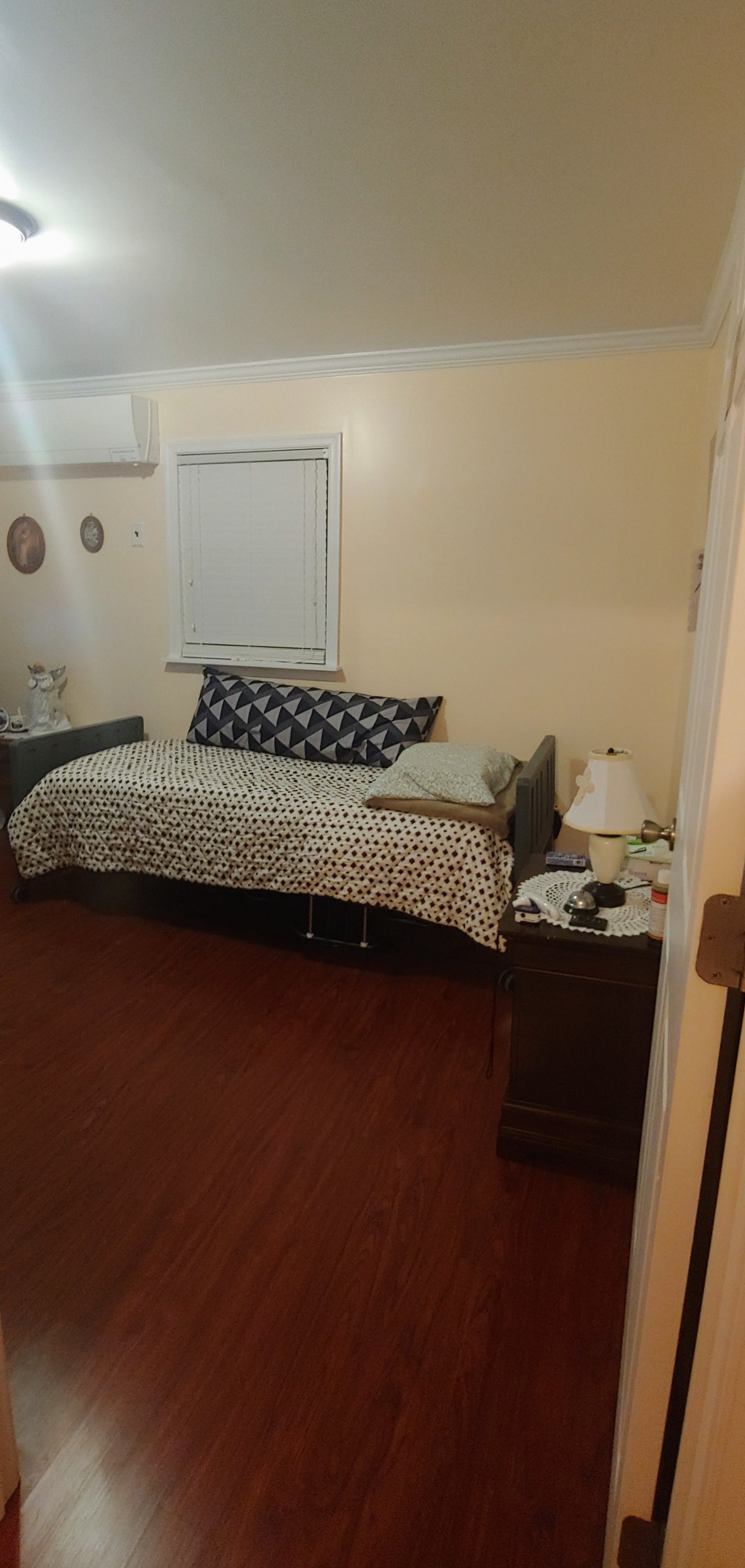
    A cozy bedroom with a neatly made bed, nightstand, and lamp.
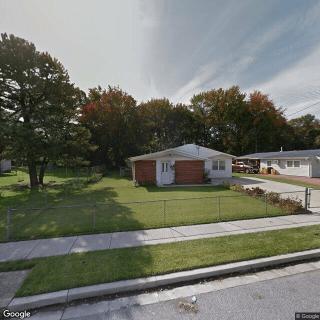
  • Trees

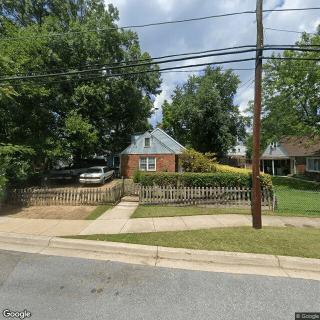
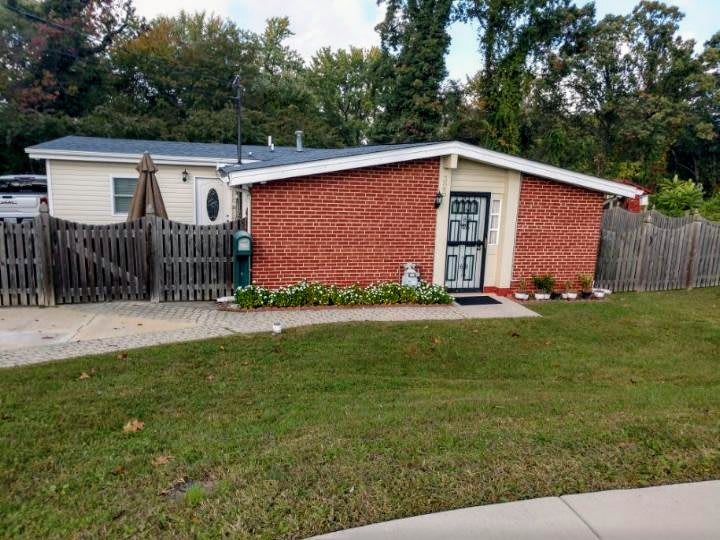
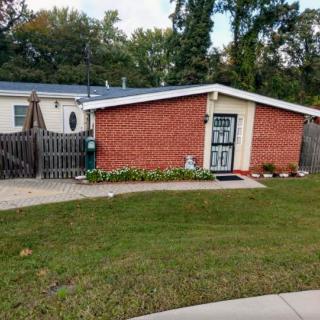
    A small brick house with a fenced yard and surrounding trees.
  • Windows

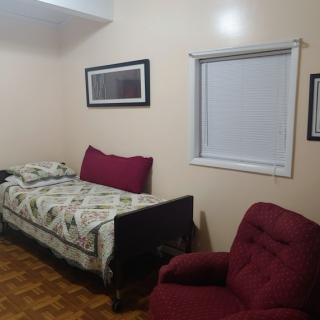
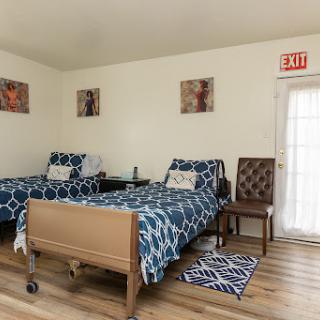
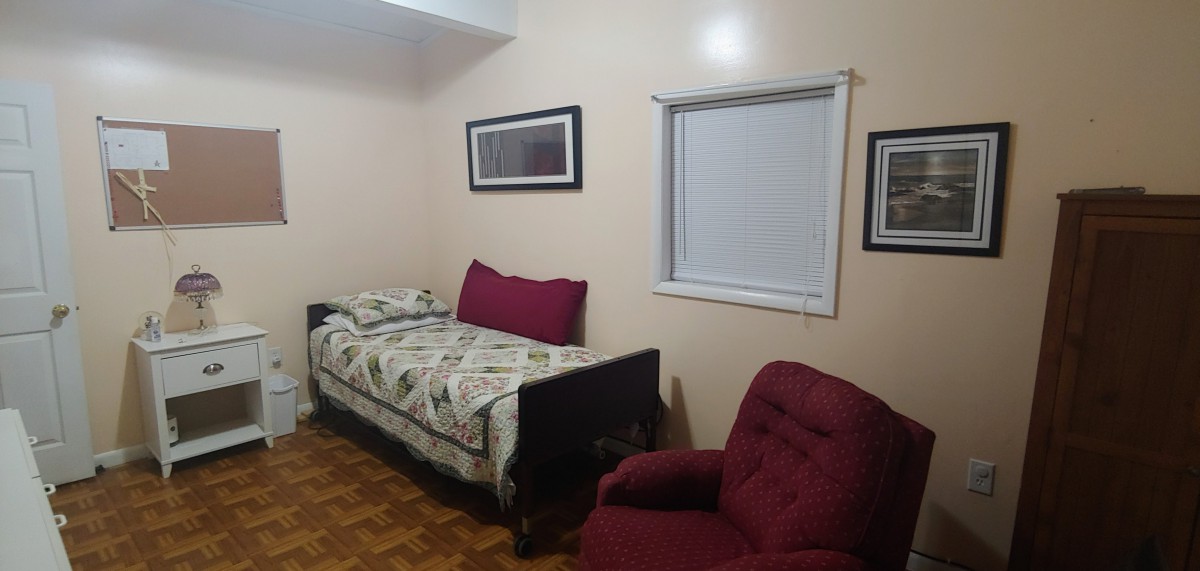
    A simple bedroom with a single bed, burgundy armchair, and framed pictures on the wall.
  • Kitchen

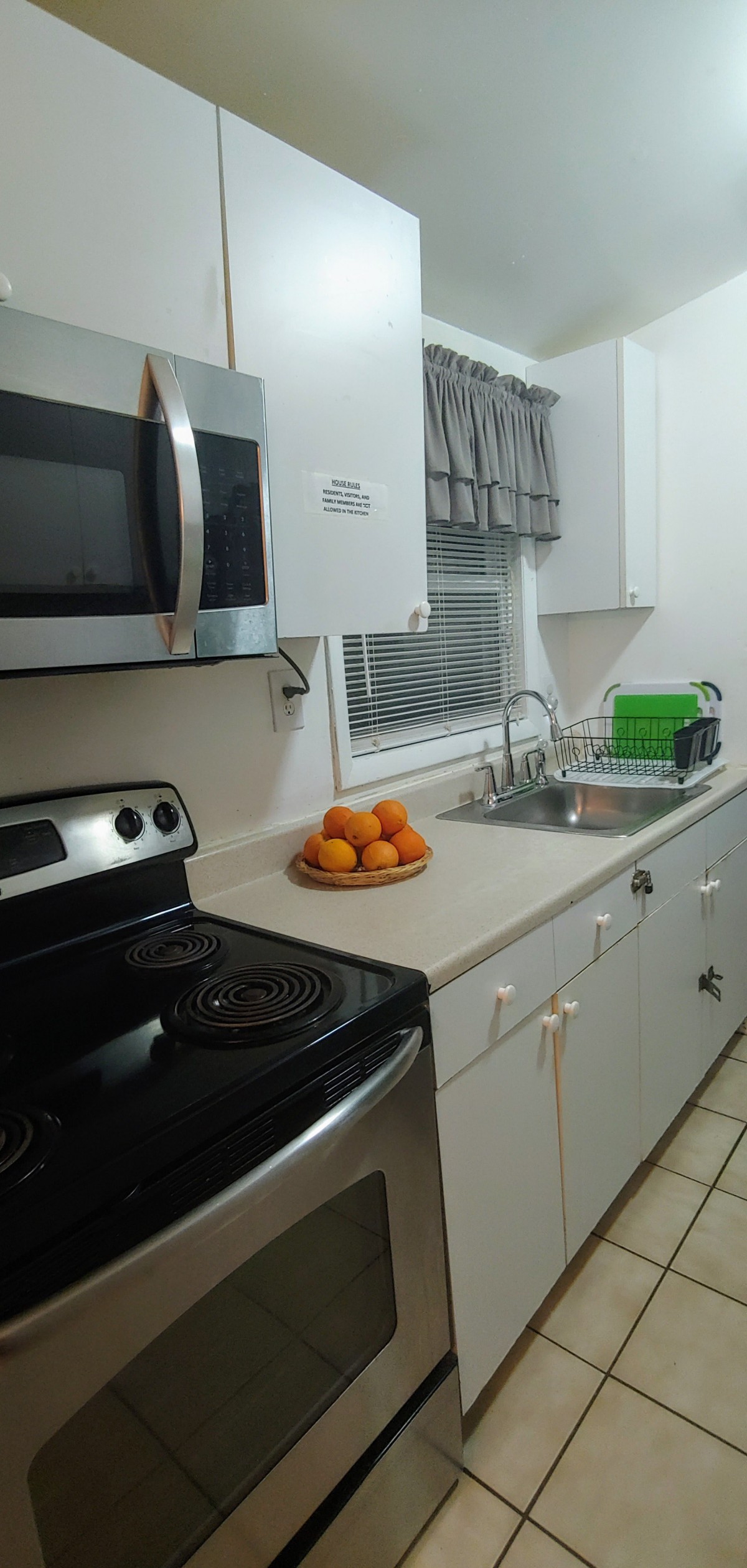
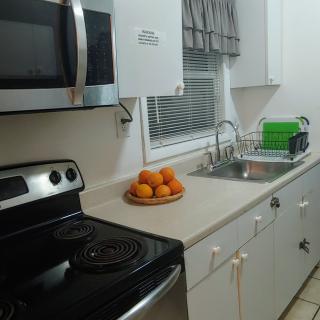
    A clean and modern kitchen with a microwave, electric stove, and a bowl of oranges on the countertop.
  • Porch

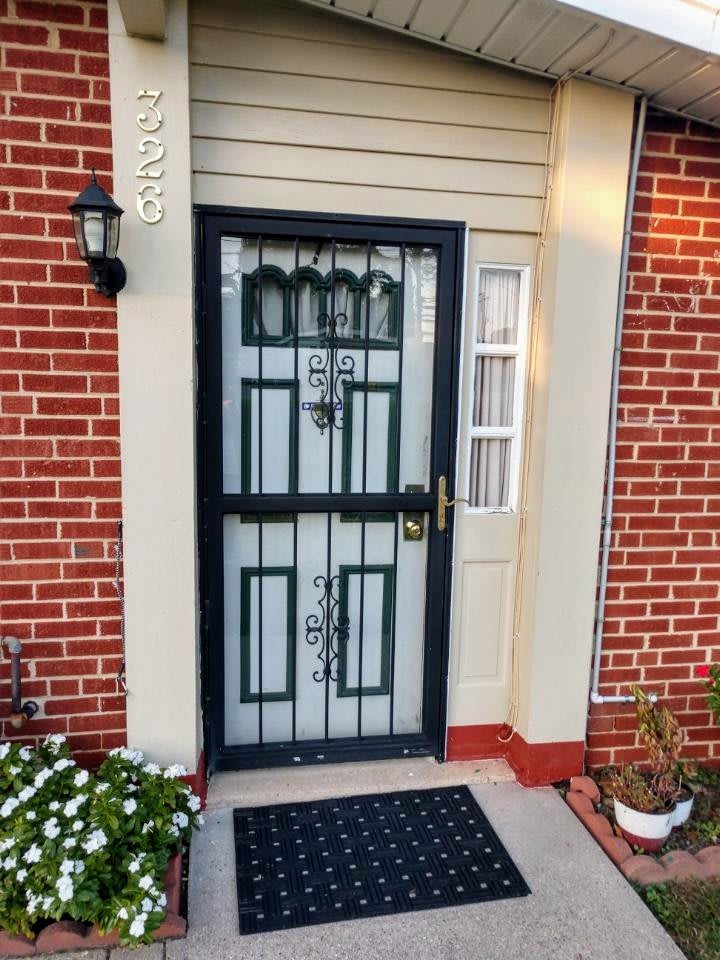
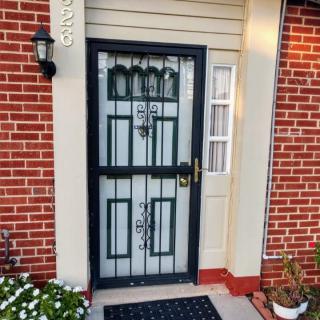
    A home entrance with a decorative security door, surrounded by brick walls and plants.

Family Home Care II in Glen Burnie, MD

326 Gloucester Drive, Glen Burnie, MD 21061

For more information about senior living options: (844) 490-3973

4.3 from 8 reviews
5 stars
4
4 stars
3
3 stars
0
2 stars
1
1 stars
0

Assisted Living Board and Care Home

Family Home Care II Costs & Pricing

Family Home Care II offers competitive pricing in comparison to the average costs for assisted living options in Anne Arundel County and throughout Maryland. For a semi-private room, Family Home Care II charges $2,300 per month, significantly lower than the county's average of $4,109 and the state average of $3,545. Similarly, their private rooms are priced at $3,000 monthly, which again is more affordable than both the county's rate of $4,162 and the state's rate of $4,112. This makes Family Home Care II an attractive choice for families seeking quality care without the financial burden that often accompanies similar facilities in the region.

Floor plansFamily Home Care IIAnne Arundel CountyMaryland
Semi-Private$2,300$4,109$3,545
Private$3,000$4,162$4,112

Overall Review of Family Home Care II

Pros

  • pro The residents appeared to be clean, well-fed, and content.
  • pro The home is lovely and clean.
  • pro The caregivers are great and take very good care of the residents.
  • pro The facility is well cared for and clean.
  • pro Meals are prepared fresh daily, with every meal featuring rice that residents enjoy.
  • pro The home provides activities such as manicures.
  • pro The home coordinator is welcoming and attentive to visitors.

Cons

  • pro The arrangement would not be a good fit for her mother.
  • pro The place was cluttered, perhaps due to a recently delivered large piece of furniture.
  • pro They are seeking a more affordable community for their mom.
  • pro The home coordinator appeared unaware of the appointment.
  • pro The facility does not provide any activities.

Review

Family Home Care II is best suited for families seeking a small, home-like setting in Glen Burnie where personal attention, cleanliness, and daily meals are the primary selling points. This is a single-family-home operation with a very intimate footprint, often described as five residents in a cozy, clean environment. The caregivers and home team emphasize direct interaction with residents, and the most consistent praise centers on the warmth of the staff, the disciplined upkeep of the house, and meals that feel home-cooked. For families who want to see their loved one cared for in a familiar, low-stimulation environment rather than a formal campus, this community delivers on the basics with notable care.

That said, potential residents who need more structure, programming, or affordability should consider alternatives. The most common caveat across reviews is cost: families repeatedly note that pricing is a barrier when evaluating this home versus other options in the area. Additionally, there is little evidence of a robust activity calendar beyond occasional manicures and casual engagement, which means someone who thrives on scheduled, varied programming or more intensive social opportunities may not find everything they need here. For seniors with significant medical needs, complex memory care requirements, or those who require a larger, facility-based setting with around-the-clock nursing support, alternatives with stronger clinical oversight will be a better fit.

On the positive side, the pros strongly offset the cons for the right family. Cleanliness and a well-kept home are repeatedly highlighted, with residents described as well-fed and content. The hands-on approach from the home's leadership - caregivers who dedicate time to talk with and engage the resident, plus a cook who prepares fresh meals daily - creates a reassuring sense of continuity and daily reliability. The personal attention is underscored by stories of caregivers helping a mom adjust to being alone and a home coordinator who remains engaged with prospective families, even when openings are not immediately available. These elements collectively translate into genuine peace of mind for families who prioritize a comforting, familiar atmosphere over a larger, more impersonal setting.

However, the main drawbacks are not trivial. Affordability remains the clearest obstacle for many families, making it essential to compare this option against other small, in-home communities to ensure the monthly cost is sustainable over time. A couple of reviews also note space or clutter concerns, suggesting that physical layout may occasionally feel crowded or not optimized, which could affect mobility or ease of movement for certain residents. Another potential friction point is programming: while there are some activities and opportunities for engagement (like manicures and social interaction during meals), the absence of a structured activity schedule could leave residents who crave predictable daily routines seeking more.

In practical terms, this community should be viewed as ideal for seniors who value a tight-knit, home-like environment where staff know residents personally and meals are consistent and nourishing. It is less suited for those requiring high levels of clinical care, extensive daily programming, or a price point that fits tighter budgets. Families should come away with a clear sense of whether the emotional and social benefits of this intimate setting align with the recipient's needs and whether the cost remains sustainable. Prospective visitors should verify current openings, ask for a detailed outline of daily activities, and confirm staffing ratios to ensure that the level of attention described in reviews matches real-time operations.

The decisive move is a focused visit with questions tailored to the loved one's priorities: how does the home handle mobility and medication oversight on a day-to-day basis, what does an average day look like in terms of activities, and how are meals structured beyond basic nourishment? If those answers reinforce the intimate, attentive environment described by current families, Family Home Care II can be a compelling match. If not, alternatives with stronger programming or more predictable pricing should be pursued to avoid later dissatisfaction.

Features

Housing

  • 5 resident community capacity 5 resident community capacity

Types of Care

  • Assisted Living Assisted LivingAssisted living facilities provide crucial support and care for seniors who may need help with daily tasks such as medication management, bathing, and meal preparation. These communities offer a safe and comfortable environment where seniors can maintain their independence while receiving the assistance they need to thrive in their golden years.
  • Board and Care Home Board and Care HomeBoard and care homes provide a smaller, more intimate setting for seniors who require assistance with daily tasks but do not need the level of care offered by a nursing home. They offer personalized care, meals, and social activities in a homelike environment, ensuring that seniors receive individualized attention and support in their golden years.

Amenities

  • Activities on-site Activities on-siteActivities on-site are important for seniors because they provide opportunities for socialization, mental stimulation, physical activity, and overall well-being. Engaging in activities can help seniors stay active, maintain their independence, and improve their quality of life.
  • Cable or satellite TV Cable or satellite TVCable or satellite TV is important for seniors because it provides entertainment, news, and companionship, helping to combat loneliness and boredom. It also offers a wide range of programming options tailored to different interests and preferences.
  • Dining room Dining roomDining rooms are important for seniors as they provide a space for socialization, connection, and nutritious meals. They offer opportunities for residents to bond over shared meals, foster a sense of community, and promote healthy eating habits. Dining rooms also ensure that seniors have access to well-balanced meals tailored to their dietary needs and preferences.
  • Fully furnished Fully furnishedFully furnished senior living communities are important for seniors because they provide convenience, comfort, and a hassle-free moving experience. Seniors can easily settle into their new living space without the stress of having to buy and move furniture. This allows them to focus on enjoying their new home and community.
  • Garden GardenGardens are important for seniors as they provide a peaceful and therapeutic environment for relaxation, physical activity, and socialization. Being in nature has been shown to reduce stress, improve mood, and promote overall well-being. Gardens also offer opportunities for seniors to engage in gardening activities, which can improve mobility, flexibility, and cognitive function. Additionally, gardens create a sense of community and connection with others who share a passion for plants and outdoor spaces.
  • Housekeeping services Housekeeping servicesHousekeeping services are important for seniors because they help maintain a clean and safe living environment, promote independence, and reduce the risk of accidents or illnesses. Additionally, having assistance with household chores can alleviate physical strain and allow seniors to focus on other aspects of their well-being.
  • Indoor common areas Indoor common areasIndoor common areas are crucial for seniors as they provide a space for socialization, recreation, and community engagement, promoting overall well-being and reducing feelings of isolation and loneliness.
  • Move-in coordination Move-in coordinationMove-in coordination is important for seniors because it helps ease the transition into their new living environment. It ensures that all logistics, such as packing, organizing movers, and setting up utilities are taken care of, allowing seniors to focus on settling in and adjusting to their new home. Having a smooth move-in process can alleviate stress and anxiety, making the transition smoother and more enjoyable for seniors.
  • Outdoor space Outdoor spaceOutdoor spaces are important for seniors as they provide opportunities for physical activity, social interaction, exposure to natural light and fresh air, and a sense of connection to nature. Having access to outdoor spaces can improve overall well-being and quality of life for older adults living in senior communities.
  • Private PrivatePrivacy is important for seniors as it allows them to maintain their independence, dignity, and sense of control over their own lives. It also gives them the space and freedom to relax, reflect, and engage in activities that bring them joy and fulfillment. Creating private spaces within senior living facilities is crucial for promoting overall well-being and quality of life.
  • Telephone TelephoneTelephones are important for seniors as they provide a lifeline for communication with loved ones, emergency services, and healthcare providers. They offer a sense of security and independence, enabling seniors to stay connected and access assistance when needed.
  • Wheelchair accessible showers Wheelchair accessible showersWheelchair accessible showers are crucial for seniors as they provide a safe and independent bathing option for those with mobility challenges. These showers help prevent falls and allow seniors to maintain their dignity and autonomy while ensuring they can bathe comfortably.
  • Wi-Fi/high-speed internet available Wi-Fi/high-speed internet availableWi-Fi/high-speed internet is important for seniors to stay connected with loved ones, access online resources, and participate in virtual activities to combat feelings of loneliness and isolation. It also allows them to easily manage healthcare needs, access entertainment, and engage in lifelong learning opportunities.

Transportation

  • Baltimore-Washington International (3 miles away) Baltimore-Washington International (3 miles away)

Care Services

  • 24-hour supervision 24-hour supervision24-hour supervision is important for seniors to ensure their safety, well-being, and access to immediate assistance in case of emergencies or health issues. This constant support provides peace of mind for both seniors and their loved ones, allowing them to age in place with dignity and security.
  • Activities of daily living assistance Activities of daily living assistanceActivities of daily living assistance are important for seniors because they provide essential support with tasks such as eating, bathing, dressing, and mobility. This assistance helps seniors maintain their independence, dignity, and overall quality of life as they age.
  • Ambulatory care Ambulatory care"Ambulatory care services provide essential medical support and treatment to seniors without requiring hospitalization, allowing them to maintain their independence and quality of life while managing chronic conditions or receiving routine medical care."
  • Assistance with bathing Assistance with bathingAssistance with bathing is crucial for seniors as it helps maintain personal hygiene, prevents infections, and ensures their overall well-being and comfort. It also provides a sense of dignity and independence for seniors who may struggle with this task on their own.
  • Assistance with dressing Assistance with dressingAssistance with dressing is important for seniors because it helps maintain their independence, promotes personal hygiene, prevents accidents and injuries, and improves overall quality of life. This service ensures that seniors can continue to dress comfortably and confidently, despite any physical limitations they may have.
  • Assistance with transfers Assistance with transfersAssistance with transfers is crucial for seniors as it helps prevent falls and injuries, maintains their independence, and ensures they can safely navigate their living environment. It also provides peace of mind for both seniors and their loved ones.
  • Coordination with health care providers Coordination with health care providersCoordination with health care providers is crucial for seniors to ensure proper medical care, medication management, and overall well-being. This collaboration helps prevent overlapping treatments, track progress more effectively, and provide comprehensive support tailored to individual needs.
  • Diabetes diet Diabetes dietA diabetes diet is crucial for seniors as it helps manage blood sugar levels, reduce risks of complications, and improve overall health and well-being. By following a balanced and nutritious diet tailored to their specific needs, seniors can better control their diabetes and enhance their quality of life.
  • High acuity care High acuity careHigh acuity care is important for seniors because it provides specialized medical attention and support for individuals with complex medical needs. This level of care ensures that seniors receive the appropriate treatment and assistance to maintain their health and quality of life as they age.
  • Meal preparation and service Meal preparation and serviceMeal preparation and service are crucial for seniors as they may have limited mobility or energy to cook nutritious meals. Having access to healthy and convenient food options can ensure they are getting the proper nutrition needed to maintain their overall health and well-being.
  • Medication management Medication managementMedication management is crucial for seniors to ensure they are taking the right medications at the correct dosages and times. This helps prevent adverse drug interactions, reduces the risk of medication errors, and promotes overall health and well-being. Proactive management also allows for adjustments as needed based on changing health conditions or new prescriptions.
  • Special dietary restrictions Special dietary restrictionsSpecial dietary restrictions are important for seniors because age-related changes in metabolism and health conditions can make it difficult for their bodies to process certain foods. By following a diet tailored to their specific needs, seniors can maintain their overall health and well-being, manage chronic conditions, and reduce the risk of complications such as malnutrition or food interactions with medications.
  • Transportation arrangement (medical) Transportation arrangement (medical)Transportation arrangements for medical purposes are essential for seniors as they may have difficulty driving themselves to appointments or accessing public transportation. Having reliable and safe transportation options ensures that seniors can receive timely medical care and maintain their health and well-being.
  • Transportation to doctors appointments Transportation to doctors appointmentsTransportation to doctors' appointments is crucial for seniors as it ensures they have access to necessary medical care and support for their health needs. Without reliable transportation, seniors may struggle to attend important appointments, leading to potential delays in treatment and health complications. Providing transportation services helps seniors maintain their overall well-being and quality of life.
Dining

  • Diabetes diet Diabetes dietA diabetes diet is crucial for seniors as it helps manage blood sugar levels, reduce risks of complications, and improve overall health and well-being. By following a balanced and nutritious diet tailored to their specific needs, seniors can better control their diabetes and enhance their quality of life.
  • Meals provided Meals provided"Meals provided" are crucial for seniors in assisted living communities as it ensures they have access to nutritious, balanced meals without the stress of meal planning and preparation. This can help promote overall health and well-being for seniors who may have limited mobility or cognitive abilities.
  • Special dietary restrictions Special dietary restrictionsSpecial dietary restrictions are important for seniors because age-related changes in metabolism and health conditions can make it difficult for their bodies to process certain foods. By following a diet tailored to their specific needs, seniors can maintain their overall health and well-being, manage chronic conditions, and reduce the risk of complications such as malnutrition or food interactions with medications.

Activities

  • Activities on-site Activities on-siteActivities on-site are important for seniors because they provide opportunities for socialization, mental stimulation, physical activity, and overall well-being. Engaging in activities can help seniors stay active, maintain their independence, and improve their quality of life.
  • Community-sponsored activities Community-sponsored activitiesCommunity-sponsored activities are important for seniors as they provide opportunities for social interaction, mental stimulation, and physical activity. These activities can help improve overall well-being, combat loneliness and isolation, and promote a sense of belonging and purpose among older adults.
  • Scheduled daily activities Scheduled daily activitiesScheduled daily activities are important for seniors because they provide structure, socialization, mental stimulation, and physical activity. Engaging in regular activities can improve overall well-being and quality of life for seniors living in a community setting.

Description

Family Home Care II is an exceptional assisted living community located in Glen Burnie, MD. Our board and care home offers a warm and inviting environment where residents can feel comfortable and at ease.

We provide a wide range of amenities to ensure that our residents have everything they need for a convenient and enjoyable stay. Each room is fully furnished and equipped with cable or satellite TV for entertainment. There is also a cozy dining room where delicious meals are served, taking into consideration any special dietary restrictions.

Our community features beautiful indoor common areas where residents can socialize or relax. We also have a lovely garden and outdoor space where residents can enjoy the fresh air and sunshine. For convenience, we offer housekeeping services to keep the living spaces clean and tidy.

We understand the importance of staying connected, so we provide Wi-Fi/high-speed internet access throughout our community. Residents can also make use of the telephone in their private rooms. Additionally, our showers are wheelchair accessible to ensure safety for all.

At Family Home Care II, our dedicated staff is committed to providing exceptional care services tailored to each resident's specific needs. We offer assistance with activities of daily living such as bathing, dressing, transfers, and ambulatory care. Our team also coordinates with health care providers to ensure that each resident receives the necessary medical attention.

For those with diabetes or special dietary restrictions, we provide specialized meal preparation and service. Our staff is trained in medication management to ensure that medications are taken correctly and on time.

Transportation arrangement for medical appointments is available, making it easy for residents to get to doctors' appointments efficiently. In terms of nearby amenities, there are cafes, parks, pharmacies, physicians' offices, restaurants, transportation options, and places of worship conveniently located near our community.

We also believe in promoting an active lifestyle through various activities organized by both our community and local organizations in Glen Burnie. Residents can participate in community-sponsored activities as well as scheduled daily activities.

With its excellent amenities and personalized care services, Family Home Care II is the perfect choice for those seeking a comfortable and supportive assisted living community in Glen Burnie, MD.

Nearby Places of Interest

This part of Glen Burnie, Maryland offers a convenient and accessible location for senior living with a variety of amenities nearby. There are several physician offices and medical facilities within a short distance, ensuring easy access to healthcare services. Additionally, there are multiple pharmacies in the vicinity for medication needs. The area also features a selection of restaurants offering different dining options, as well as cafes for socializing over coffee. For recreational activities, there are parks nearby such as Sawmill Creek Park and Randazzo Softball Park. Transportation options include the Baltimore/Washington International Thurgood Marshall Airport and light rail station for convenient travel. Places of worship and theaters are also within reach for cultural and spiritual enrichment. Overall, this part of Glen Burnie provides a comfortable and well-rounded environment for seniors looking to settle down in the area.

Physicians

  • Oakwood Medical Building (0.5 miles)
  • Mid Atlantic Neurology Consultants (0.7 miles)
  • Medical Arts Centre (0.7 miles)
  • Mercy Personal Physicians (1.4 miles)
  • Anne Arundel Dermatolo (3.7 miles)
  • Johns Hopkins odenton (5.8 miles)
  • Maryland Primary Care Physicians (5.8 miles)

Pharmacies

  • Rite Aid (1 miles)
  • Walgreens (1.1 miles)
  • CVS Pharmacy (1.3 miles)
  • Walgreens (1.3 miles)
  • Walgreens (1.4 miles)
  • Rite Aid (2.2 miles)
  • CVS Pharmacy (2.3 miles)

Restaurants

  • Honey Bee Diner (1.4 miles)
  • Chick-Fil-A (1.5 miles)
  • Double T Diner - Pasadena (1.5 miles)
  • McDonald's (2.2 miles)
  • Golden Corral (3.2 miles)
  • The Greene Turtle Sports Bar & Grille (3.3 miles)
  • The Firkin & Flyer (3.3 miles)

Transportation

  • Baltimore/Washington International Thurgood Marshall Airport (BWI) (1.5 miles)
  • Cromwell Station/Glen Burnie Light Rail Station (1.8 miles)
  • Concourse D (3.3 miles)
  • Concourse C (3.3 miles)
  • BWI Baggage Claim 10 (3.3 miles)
  • Security Checkpoint - Concourse C (3.4 miles)
  • Security Checkpoint - Concourse D (3.4 miles)

Parks

  • Sawmill Creek Park (1.6 miles)
  • Randazzo Softball Park (2.5 miles)
  • Piney Orchard Nature Preserve (8.2 miles)
  • Fort McHenry National Monument and Historic Shrine (8.2 miles)

Cafes

  • Panera Bread (2.4 miles)
  • Starbucks (5.8 miles)
  • Starbucks (6.5 miles)
  • Big Bean (6.5 miles)
  • Panera Bread (8.7 miles)

Places of Worship

  • Heritage Community Church (3.2 miles)
  • St Augustine's Church (6.7 miles)
  • St John the Evangelist Church (6.9 miles)

Theaters

  • Cinemark Holdings (5.6 miles)
  • Regal Waugh Chapel & IMAX (8.7 miles)

Hospitals

  • Kimbrough Ambulatory Care Clinic Main Pharmacy (6.8 miles)

Frequently Asked Questions

How much does it cost to live at Family Home Care II in Glen Burnie, MD?
Where is Family Home Care II?
What photos are available for Family Home Care II in Glen Burnie, Maryland?

Nearby Communities

  • Walker's Group

    Walker's Group

    Glen Burnie, MD


    pro 24-hour supervision with ADL support and diabetes-friendly meals

  • A & E Homecare II

    A & E Homecare II

    Glen Burnie, MD

    1 from 2 reviews
     

    pro Affordable pricing relative to county and state averages.

  • A & E Homecare I

    A & E Homecare I

    Glen Burnie, MD

     
    $1,800 to $2,750 / month

    pro Affordable pricing with comprehensive care and on-site amenities.

  • Kind Hearts Home Assisted Living

    Kind Hearts Home Assisted Living

    Glen Burnie, MD


    pro Small, intimate setting with comprehensive assisted living services (24/7 supervision, ADL help, medication management) plus on-site dining, housekeeping, garden and outdoor space.

  • Marians Assisted Living

    Marians Assisted Living

    Glen Burnie, MD

    5 from 5 reviews
    $2,000 to $2,500 / month

    pro Friendly staff with clear communication and engaging activities.

  • Marian's - Glen Burnie

    Marian's - Glen Burnie

    Glen Burnie, MD

     
    $5,420 / month

    pro Comprehensive care with ADL support, medication management, and diabetes-friendly dining.

  • Glen Burnie Town Apartments

    Glen Burnie Town Apartments

    Glen Burnie, MD

    2.5 from 27 reviews
    $1,162 to $1,375 / month

    pro Wheelchair accessible showers and convenient access to dining, healthcare, and transit.

  • Park View at Furnace Branch

    Park View at Furnace Branch

    Glen Burnie, MD

    3.6 from 7 reviews
    $967 to $1,146 / month

    pro Income-based rent with spacious rooms and a modern kitchen.

  • Hammarlee House Apartments

    Hammarlee House Apartments

    Glen Burnie, MD


    pro Excellent access to healthcare, dining, and transit nearby.

Related Resources

  • assisted living for disabled adultsComprehensive Supportive Living Arrangements for Adults with Disabilities

    Assisted living for adults with disabilities has transformed to provide personalized care and support services aimed at improving residents' quality of life while balancing independence and assistance. However, low-income individuals often face challenges in affording these services, requiring navigation of various financial resources and advocacy for better policies and solutions.

  • how to pay for assisted livingFunding and Affording Assisted Living: A Thorough Overview

    Assisted living facilities provide support for older adults needing help with daily activities without extensive medical care, but their costs can be high and vary by location and services offered. Families often seek various funding options and financial strategies to manage these expenses effectively while considering future needs and potential price increases.

  • assisted living insuranceAssisted Living Expenses and Long-Term Care Insurance: A Comprehensive Exploration
    The article discusses assisted living expenses, the importance of long-term care insurance in covering these costs, and various financing options, highlighting the need for careful policy review and early planning to address potential needs. It also clarifies common misconceptions about Medicare and private health insurance limitations regarding long-term care coverage.